8 Reasons To Stop Mowing Your Lawn In Minnesota (And Get Paid For It)
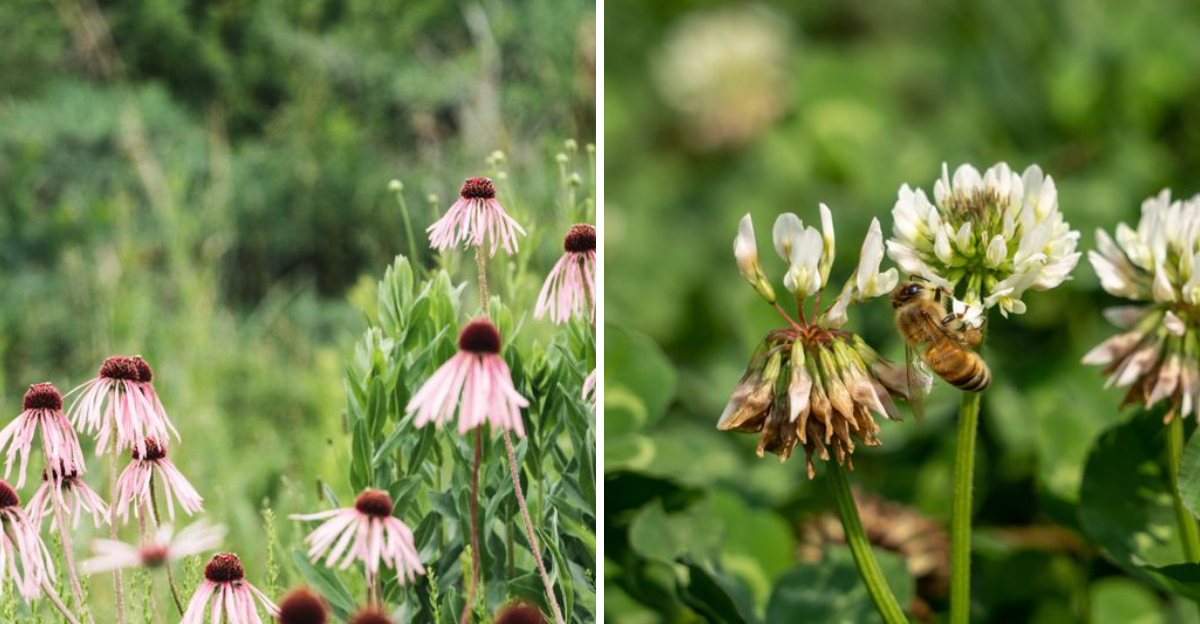
Bees are struggling fast, and you might be the person who saves them. Swapping your lawn sounds bold, but Minnesota will actually pay you well for it.
Homeowners like you are already trading plain turf for colorful wildflowers instead. Officials across Minnesota want your yard to become genuine pollinator habitat.
Wildflowers and clover could soon replace the grass sitting beneath your feet. Rusty patched bumblebees once filled skies you probably never even noticed.
Their numbers dropped sharply until people exactly like you decided to intervene. Cash incentives make swapping your plain grass easier than you might expect.
Every yard you convert quietly becomes part of something much larger. Curious neighbors watch as whole streets keep changing fast. Nobody expected your lawn choice to feel this genuinely important.
Habitat returns surprisingly fast once you let pollinators back inside again. Your yard could be next, and you need to see exactly how.
Rusty Patched Bumblebees Are Near Extinction
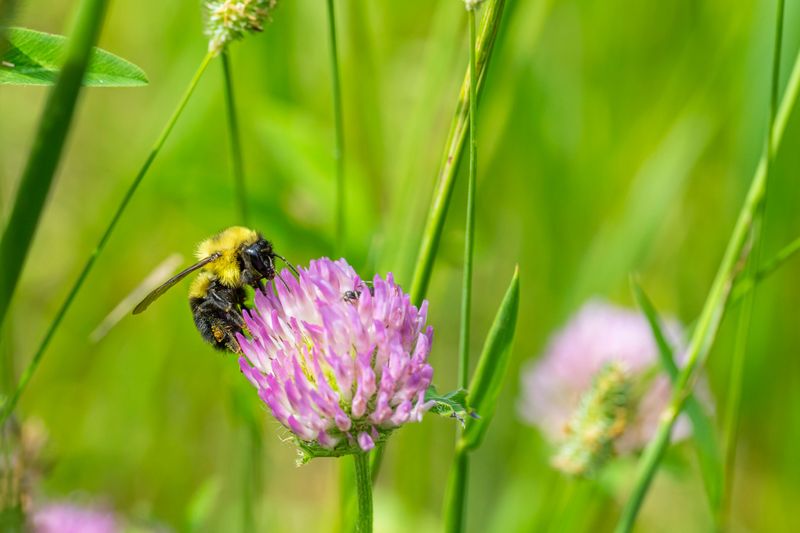
Picture a bee so rare that spotting one feels like finding a four-leaf clover. The rusty patched bumblebee was once one of the most common bees in North America, buzzing from coast to coast.
By 2017, the U.S. Fish and Wildlife Service listed it as endangered. Populations had dropped by nearly 90% in just two decades.
Scientists point to habitat loss, pesticide exposure, and disease as the main culprits. Minnesota sits in the heart of this bee’s last known territory.
Stopping lawn mowing in Minnesota matters because your backyard could shelter one of these survivors. A single unmowed yard can host nesting sites and foraging patches that no manicured lawn ever could.
The rusty patched bumblebee needs long grass to nest in and flowers to feed on. Without both, colonies struggle to survive the season.
Researchers at the University of Minnesota have tracked small, fragmented populations clinging to urban green spaces. Those patches are often the only refuges left in heavily developed areas.
Letting your lawn grow wild is not laziness. It is a direct conservation act for one of North America’s most vulnerable pollinators.
Turf Grass Offers Minimal Pollinator Food
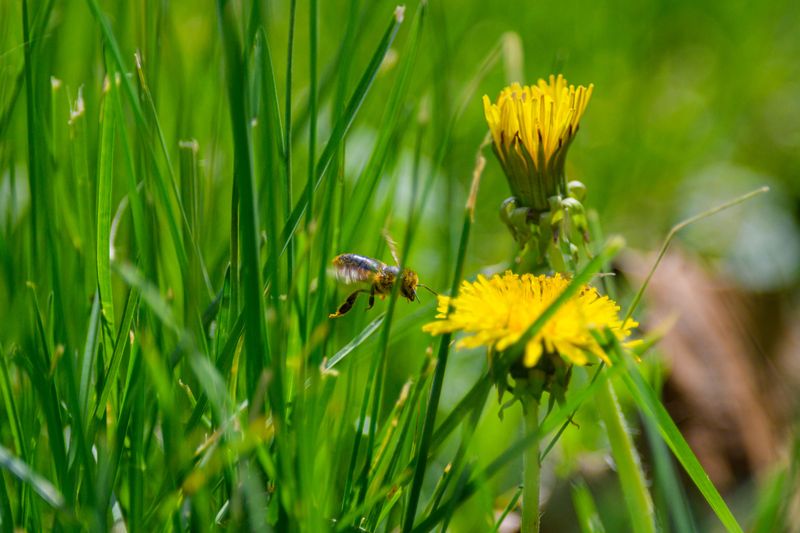
A perfectly green lawn looks beautiful from the curb. But to a bee, it offers little nutritional value and few places to land.
Turf grass produces very little nectar and almost no usable pollen. Bees need both to survive, feed their young, and keep their colonies strong through the season.
Conventional lawns cover roughly 40 million acres across the United States. That is an enormous stretch of land offering very little to pollinators or other wildlife.
Stopping lawn mowing in Minnesota means breaking the cycle of ecological emptiness. Even a small patch of unmowed grass can sprout dandelions, wild violets, and creeping thyme that feed dozens of bee species.
Dandelions alone are one of the earliest spring food sources for bees waking from winter. Mowing them down cuts off a critical early season fuel supply.
Grass monocultures also tend to compact soil over time, making it harder for ground nesting bees to burrow. About 70% of native bee species nest underground, not in hives.
Your Minnesota Garden Changes Every Week. Your Plan Should Too.
Gardening in Minnesota changes quickly throughout the season. Every Friday you’ll receive a simple weekly plan showing exactly what to plant, prune, fertilize, harvest, and protect so you never miss the right timing.
Switching away from turf is not just about aesthetics. It is about restoring the basic ecological function your yard can provide for the surrounding food web.
A lawn that feeds little supports little in return. A yard with even modest floral diversity becomes a neighborhood hub for pollinators, birds, and beneficial insects almost overnight.
Clover Alone Feeds A Meaningful Share Of Native Bees
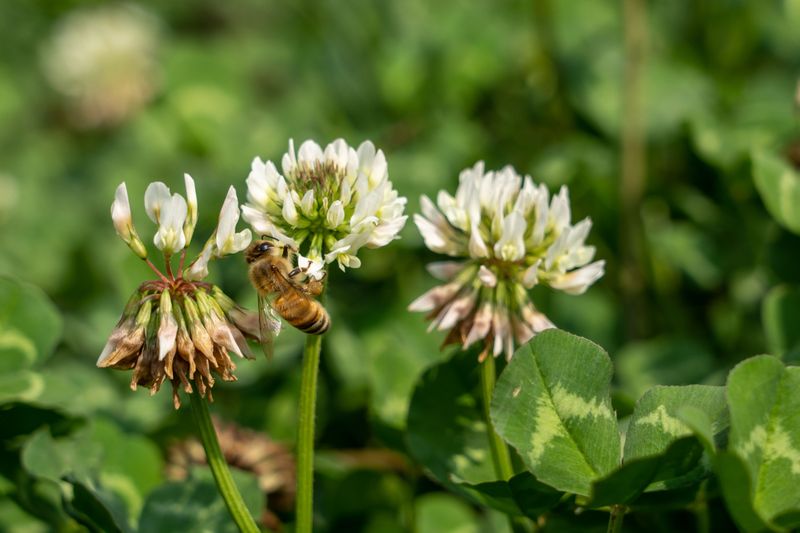
Clover is a fast growing, reliable food source for bees, and it grows in almost every lawn that skips a mowing cycle. Most homeowners yank it out without realizing what they are throwing away.
Research suggests clover supports a meaningful share of native bee species in North America. That single plant family does more ecological work than most people realize.
White Dutch clover is especially valuable because it blooms for months, not just weeks. Bees return to clover patches repeatedly, making it one of the most reliable food sources in any yard.
Clover also fixes nitrogen in the soil, which means it naturally fertilizes your lawn without any chemical input. Your grass actually grows greener around clover patches, not worse.
Red clover attracts longer tongued bumblebees that are critical pollinators for crops like alfalfa and squash. Losing those bees could affect the wider agricultural food chain.
Stopping lawn mowing in Minnesota lets clover establish itself naturally without any planting effort. It often springs up on its own within just one or two unmowed seasons.
Clover seeds are inexpensive if you want to speed up the process. A single pound of seed can cover a sizable stretch of lawn space, depending on the product.
Letting clover thrive is one of the lowest effort, highest impact moves a homeowner can make. The bees will find it fast, and they will keep coming back all season long.
The Program Covers Up To 75% Of Your Costs
Getting paid to stop mowing sounds notably generous. Minnesota’s Lawns to Legumes program does exactly that, and it has already helped thousands of homeowners make the switch.
The program, run through the Board of Water and Soil Resources, offers reimbursement funding to help cover the cost of converting lawn into pollinator friendly plantings. That includes plants, seeds, and even installation labor.
Homeowners who qualify can receive reimbursement funding of up to a few hundred dollars per project, depending on the current grant cycle. The exact amount depends on the size of the project and the location of the property.
Stopping lawn mowing in Minnesota becomes much easier when the financial barrier is mostly removed. You pick the plants, submit the paperwork, and the state helps cover the cost.
The application process is straightforward and available online through the BWSR website. Many counties also have local soil and water conservation districts that walk applicants through each step.
Approved projects must include at least one plant species that directly benefits pollinators. Native wildflowers, clover, and flowering shrubs all qualify under the program guidelines.
Participants are asked to maintain the planting for at least three years. That commitment ensures the habitat becomes established rather than reverting back to turf after one season.
This is one of the more generous pollinator programs in the country. Few states offer this level of financial support for backyard conservation efforts.
High-Potential Zones Get Up To 90% Coverage
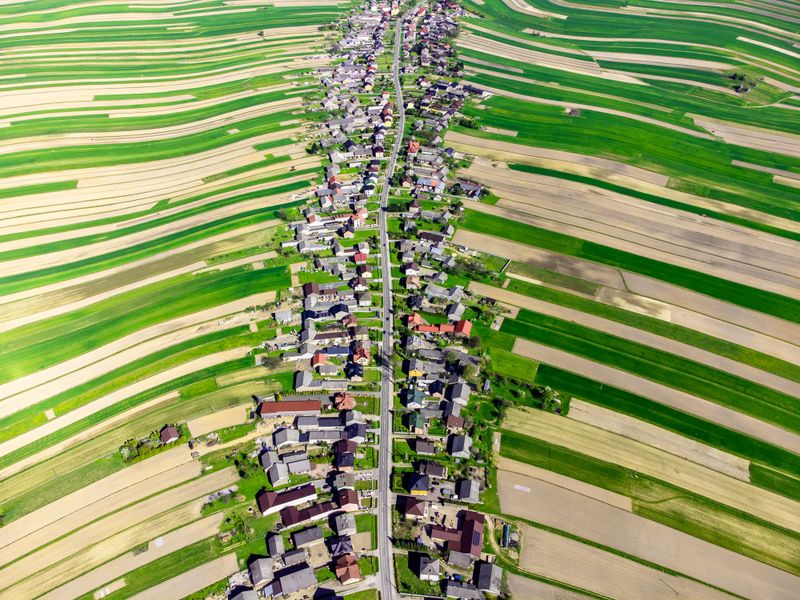
Not all yards are treated the same under this program. Properties located near known bumblebee habitat zones can qualify for higher levels of financial support.
Properties located near known bumblebee habitat zones may be prioritized for funding, since the program favors projects that expand and connect existing habitat corridors.
These high priority zones are mapped based on historical sighting data and habitat assessments. Areas near native prairies, river corridors, and nature preserves tend to rank highest.
Stopping lawn mowing in Minnesota carries extra value when your property sits inside one of these corridors. A single connected yard can serve as a bridge between two larger habitat patches.
Connectivity matters enormously for bees. An isolated garden helps some, but a string of connected pollinator yards creates a corridor that bees can actually navigate across a whole neighborhood.
The BWSR mapping tool lets you check your address against the priority zone boundaries. Many homeowners are surprised to find their yard qualifies for the highest tier of support.
Urban and suburban properties near Minneapolis and Saint Paul are frequently included in priority zones. Dense human development often overlaps with the last known bumblebee population clusters.
Getting 90% of your costs covered is a strong deal for a lasting landscape upgrade. Your yard gains beauty, your wallet keeps its cash, and the bees gain support.
Your Yard Can Replace Fading Prairies
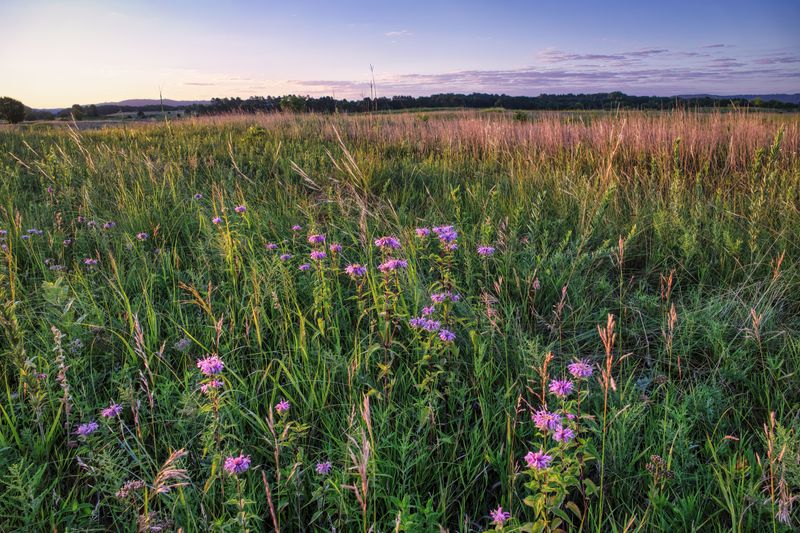
Minnesota once had 18 million acres of native prairie stretching across the southern and western parts of the state. Today, less than 1% of that original landscape survives.
That loss is significant, and it did not happen slowly. Farming, development, and road construction wiped out most of the prairie within just a few generations.
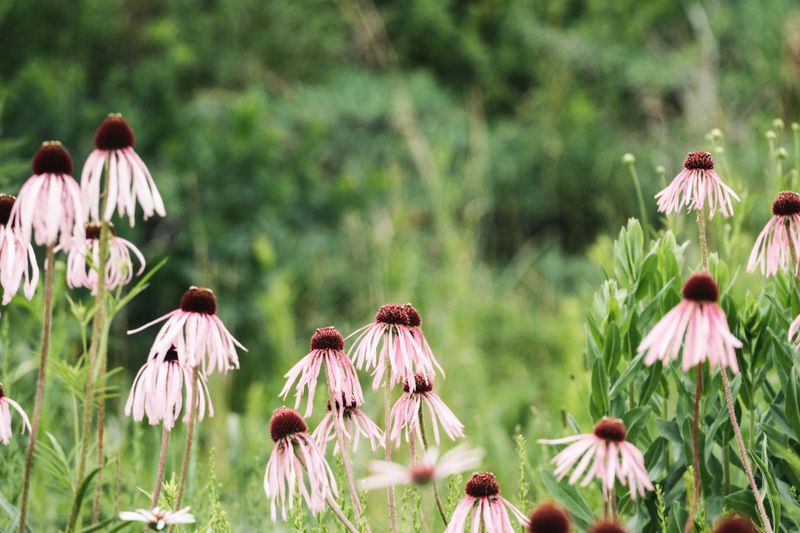
Native prairie plants like coneflowers, wild bergamot, and blazing star evolved alongside Minnesota’s native bees over thousands of years. They are well matched for each other in ways that exotic ornamentals simply are not.
Stopping lawn mowing in Minnesota and planting native species is one of the closer ways most of us can help echo that lost landscape. One yard at a time, neighborhoods can stitch together something resembling what once existed.
Collective action makes this even more powerful. If enough homeowners across a suburban block converted their lawns, the combined acreage could meaningfully expand local pollinator habitat.
Native plants also require far less water and maintenance once established. They have deep root systems adapted to Minnesota’s freeze thaw cycles and summer droughts.
Prairie species typically bloom in waves from spring through fall. That staggered blooming schedule means continuous food availability for pollinators across the entire active season.
Your yard can echo a small piece of Minnesota’s lost prairie in the middle of a developed world. That is not a small thing.
It is a genuine contribution to local ecological restoration.
Bumblebees Pollinate Your Apples And Tomatoes
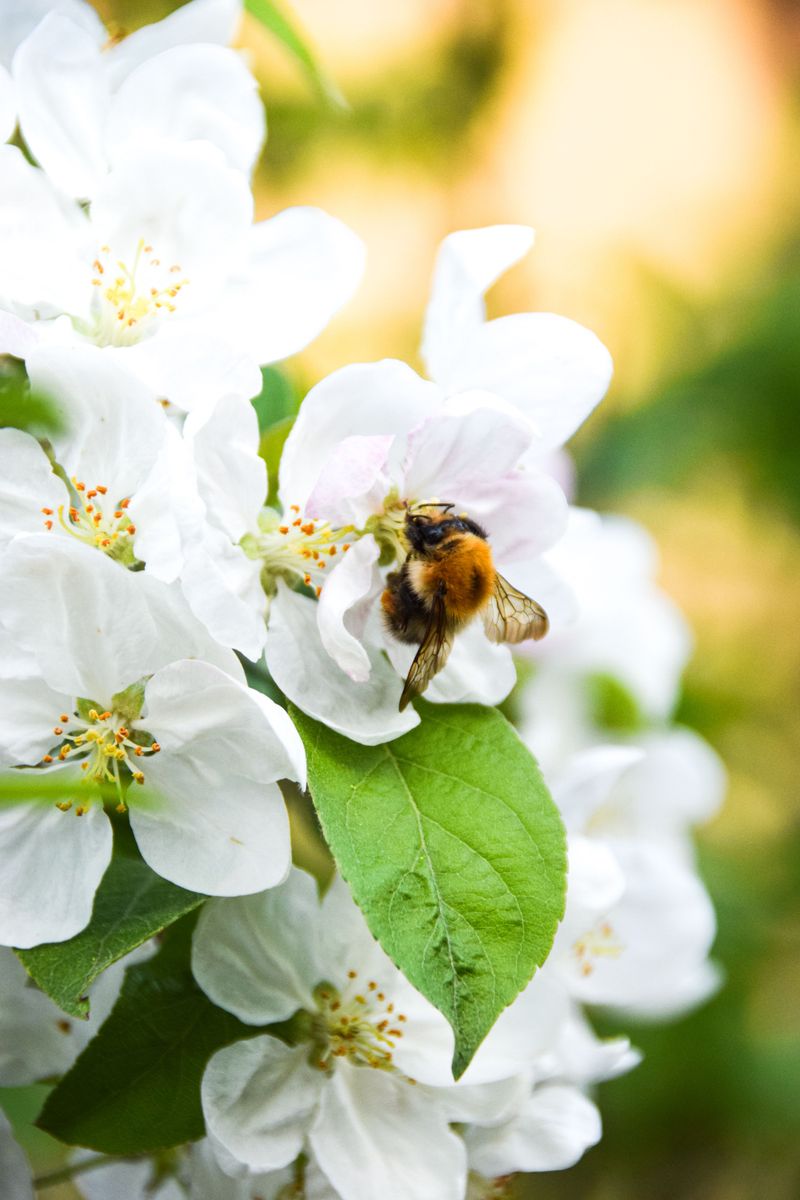
Bumblebees are not just charming. They are doing hard agricultural work that directly affects the food on your table every single day.
Unlike honeybees, bumblebees perform a specialized technique called buzz pollination. They grab a flower and vibrate their flight muscles at just the right frequency to shake loose pollen that other insects cannot reach.
Tomatoes, peppers, blueberries, and cranberries all depend heavily on buzz pollination. Without bumblebees doing this work, yields can drop and fruit quality can decline.
Apple orchards in Minnesota also benefit greatly from bumblebee activity. These bees are active earlier in the season than most other pollinators, making them important for early spring blossoms.
Commercial honeybees cannot replicate buzz pollination. Farmers who lose access to wild bumblebee populations often see their harvests decline even when managed hives are present.
Stopping lawn mowing in Minnesota supports the wild bumblebee populations that orchards and gardens depend on. A healthier bee population around your neighborhood means better fruit production for everyone nearby.
Home gardeners often notice the difference directly. Gardens surrounded by pollinator friendly landscapes tend to produce more abundantly and consistently than those in bee poor neighborhoods.
Every tomato you grow, every apple you pick from a local orchard, has a bumblebee somewhere in its origin story. Protecting these insects is protecting the food system that feeds your family.
Funding Aims To Reverse The Bee Decline
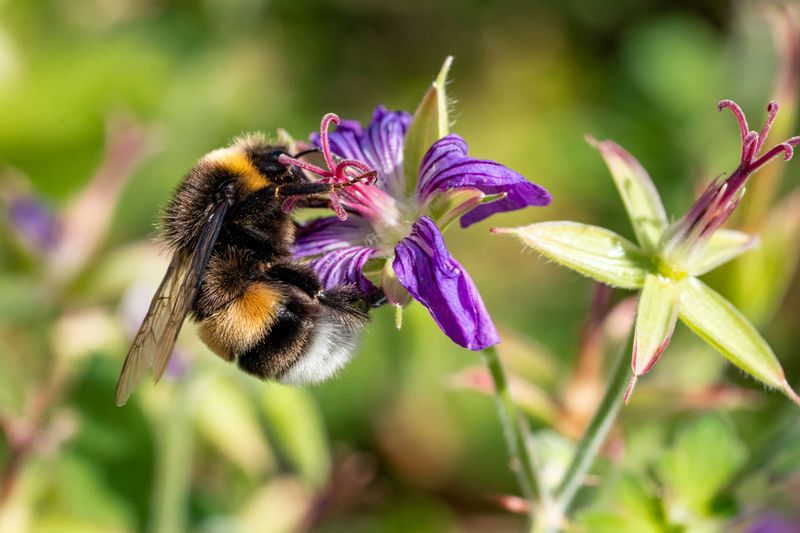
The money behind this program is not accidental. It reflects growing recognition that pollinator decline is a concern significant enough to warrant government level support.
Minnesota has invested substantial funding into the Lawns to Legumes initiative since its launch. The funding comes from a mix of state environmental accounts and federal conservation grants.
The goal is measurable. Program administrators track the number of acres converted, plant species installed, and pollinator sightings reported by participating homeowners across the state.
Stopping lawn mowing in Minnesota through this program is part of a broader national strategy to help stabilize rusty patched bumblebee populations before further declines become harder to reverse.
Federal agencies including the U.S. Fish and Wildlife Service coordinate with state programs to map recovery progress.
Minnesota is considered one of the most important states in the recovery effort.
Funding cycles are renewed based on results, which means participation rates directly influence how much money is available in future years. More applicants generate more political and financial momentum.
Homeowners who join the program also become part of a statewide data network. Their yard observations contribute to scientific research tracking bee populations across urban and suburban landscapes.
Stopping lawn mowing in Minnesota is no longer just a personal choice. It is a funded, tracked, and scientifically supported conservation strategy that puts your yard at the center of something much bigger than a weekend chore.