Why Fewer Owls Are Being Seen In Ohio Yards This Fall (And The Fix)
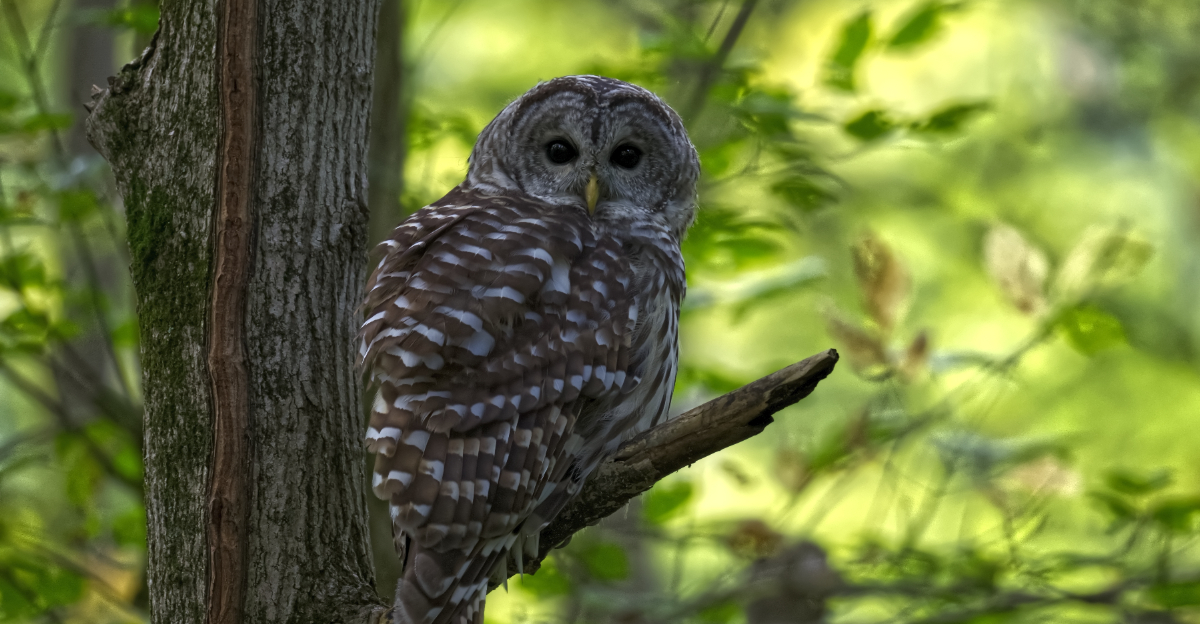
Ohio yards used to hear more owls after dark, and this fall a lot of homeowners are noticing the silence. A specific shift over the past few years explains why fewer owls are showing up in areas where sightings used to be routine.
It isn’t one single cause either. A handful of changes stacked together, and most Ohio homeowners have no idea their own yard plays a role in the pattern.
Nesting habitat sits at the center of the issue, along with a few other factors that connect more directly to backyard decisions than most people realize.
The good news: a few adjustments can bring owls back into range of yards that used to hear them regularly.
Your yard might be one small change away from hearing that familiar call again this fall.
1. Fewer Sightings Do Not Mean Fewer Owls
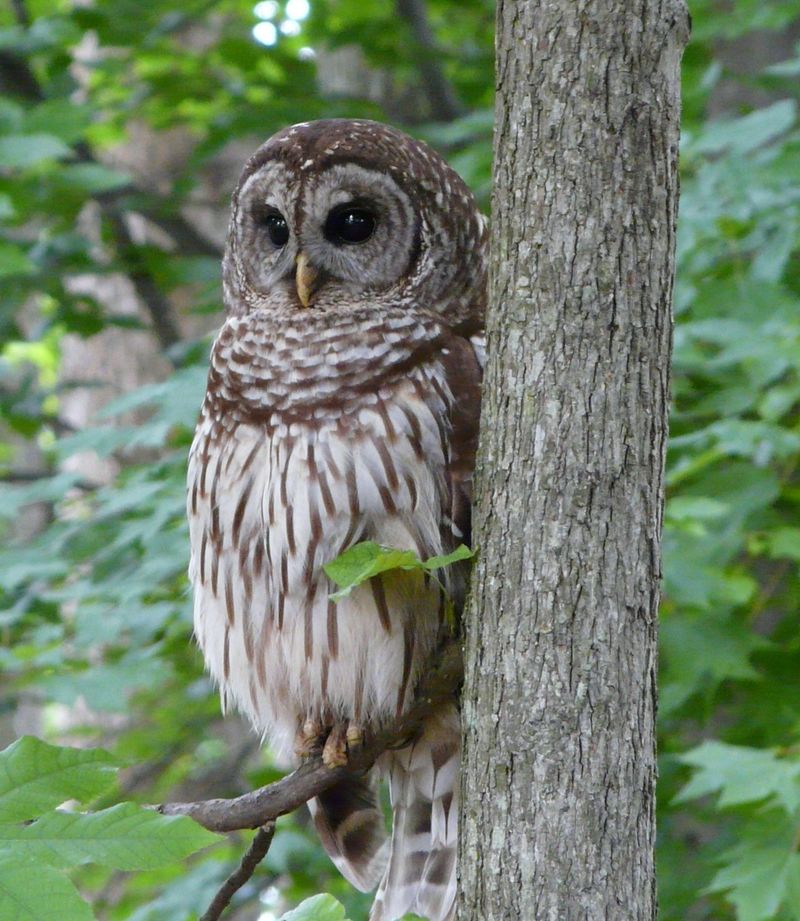
Spotting an owl in your yard takes luck, patience, and often a bit of accident. According to the Cornell Lab of Ornithology, many owl species are extremely well camouflaged.
They can roost just a few feet above eye level and remain unnoticed for hours. Their feathers often match tree bark so closely that even experienced birders scan right past them.
Owls are also highly nocturnal, meaning most of their activity happens after dark. A quieter yard in fall doesn’t automatically signal that the local owl population has dropped.
Calling behavior changes with the seasons. Many owls are most vocal during late winter and early spring when breeding activity is at its peak, according to the Cornell Lab.
Outside of that window, the same owl may simply call less often.
Hunting routes shift too. If prey becomes more available in a nearby field, woodlot, or neighboring property, an owl may spend less time in your specific yard without going far at all.
Roost locations also change depending on temperature, wind, and cover. A bird that spent summer evenings in one tree may simply prefer a denser spot this fall.
Fewer sightings from your back porch are not proof that owls have left the wider area around your home.
2. Fall Sends Young Owls Into New Territory
Every fall, a quiet but important shift happens across Ohio woodlands and neighborhoods. Young owls that hatched earlier in the year begin moving away from the areas where they were raised.
This process is called dispersal, and it’s a normal part of growing up for many bird species. Dispersal is not the same as migration.
Most common owl species, including the Great Horned Owl and Eastern Screech-Owl, are year-round residents and do not migrate south for winter.
What dispersal means in practice is that a juvenile owl that spent its first months near your yard may simply move on to establish its own range somewhere else.
According to the Cornell Lab of Ornithology, young Great Horned Owls typically become independent from their parents by fall.
Once independent, they spread out to find unoccupied territories where competition with established adults is lower.
Your Ohio Garden Changes Every Week. Your Plan Should Too.
Gardening in Ohio changes quickly throughout the season. Every Friday you’ll receive a simple weekly plan showing exactly what to plant, prune, fertilize, harvest, and protect so you never miss the right timing.
So a yard that felt lively with owl calls during late spring and early summer may grow quieter in fall simply because the young birds from a nearby nest have moved on. Meanwhile, new owl activity may be popping up in a neighbor’s woodlot or a local park.
The owls haven’t vanished from the landscape. They’ve just reshuffled, and that reshuffling is a healthy and expected part of their natural life cycle.
3. Night Hunts Follow Wherever The Prey Goes
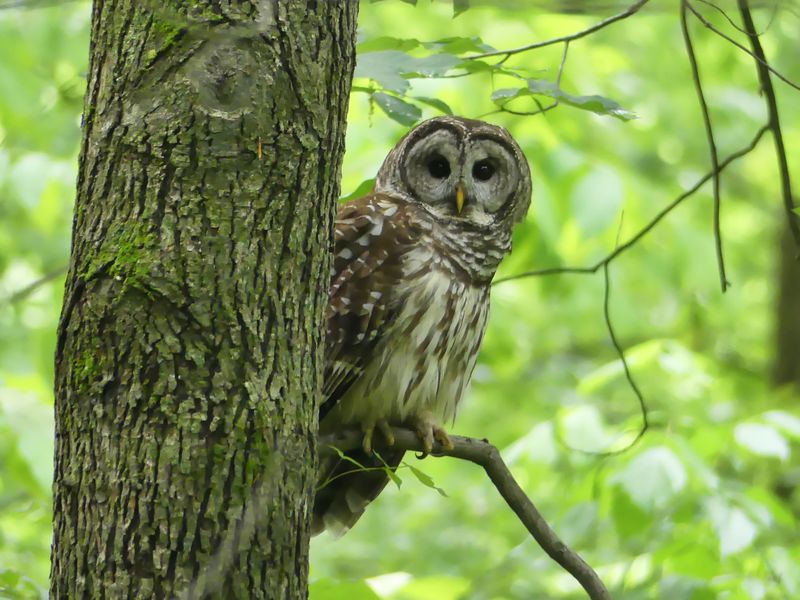
Long after your neighborhood goes quiet, owls are at work. Their hunting activity is closely tied to where prey is available, and that changes with the season.
The Cornell Lab of Ornithology notes that Eastern Screech-Owls eat a wide variety of prey, including small mammals, large insects, earthworms, crayfish, and small birds.
Barred Owls are known to hunt amphibians, fish, and small mammals along woodland edges and near water.
As fall arrives, insect populations drop sharply in Ohio. Some small mammals shift their activity patterns or move to areas with better food and cover.
When prey becomes more concentrated in a particular field, forest edge, or drainage ditch, owls tend to follow. A yard that offered good hunting in summer may simply offer less now, so the owl spends its nights elsewhere without traveling very far.
Yards with a diverse mix of habitat, including trees, shrubs, brushy edges, and some unmowed areas, tend to support more small wildlife year-round. More small wildlife generally means more hunting opportunities for owls passing through.
A yard that functions mostly as close-cut turf gives a hunting owl very little reason to linger. Prey availability, not just the presence of trees, often determines whether an owl treats your property as a regular stop or a place it rarely visits.
4. Empty Lawns Give Owls Less To Hunt
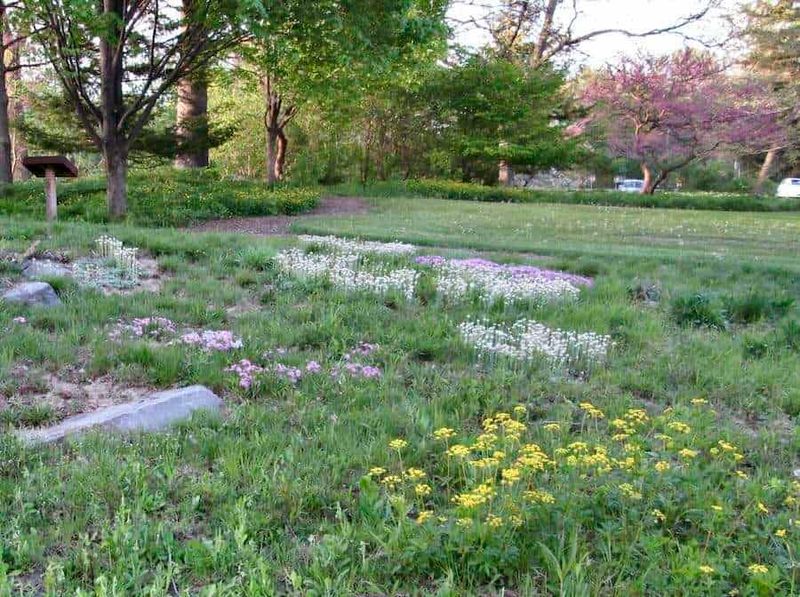
A yard made almost entirely of closely mowed turf is a tidy place for people but a fairly bare landscape for wildlife. Ohio State University Extension notes that habitat diversity supports a richer community of animals.
That diversity includes a variety of plants, structures, and cover types. Small mammals, insects, and other creatures that owls depend on need places to shelter, forage, and move through safely.
Adding native planting beds, low shrubs, or a naturalized edge along a fence or property line can make a real difference. Native plants support insects, which support small animals, which in turn support predators like owls.
You don’t need to stop mowing your entire yard. Even a modest strip of taller native vegetation along a back fence or a few native shrubs near a tree line adds value without making the yard unusable.
Prey availability also depends on the larger surrounding landscape, not just one patch of grass. A yard bordered by woodlands or open fields already has some natural advantage.
But even a typical suburban lot can improve its food-web value with thoughtful planting choices. The State’s Natureworks program and the Ohio Department of Natural Resources both offer guidance on native plants suited to our conditions.
Small habitat improvements, added gradually, can shift your yard from a pass-through space into a place worth revisiting for hunting wildlife.
5. Missing Snags Take Away Prime Owl Hideouts
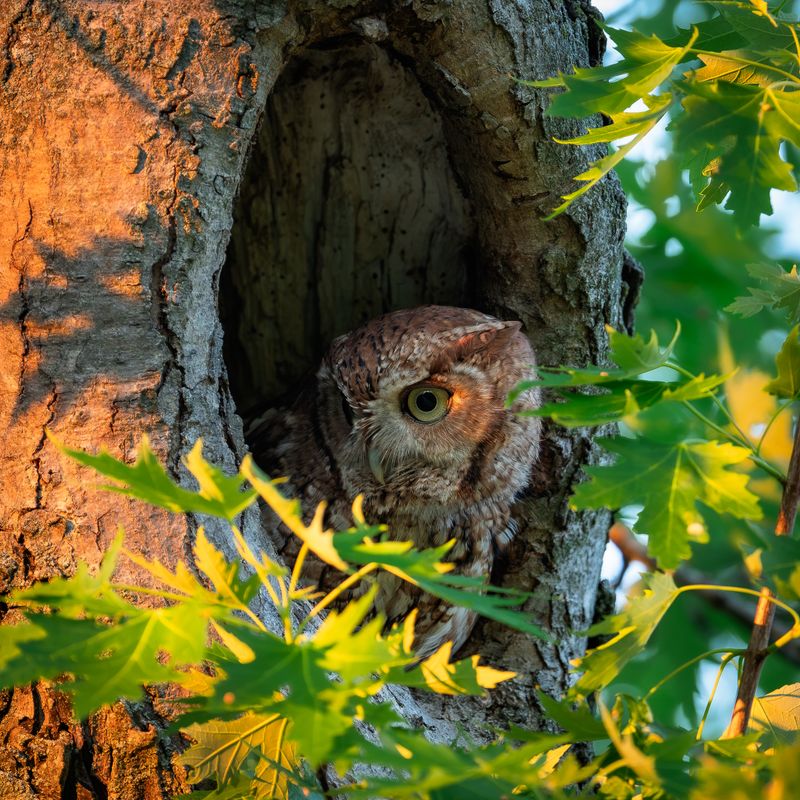
Picture a gnarled old tree, its bark deeply furrowed and its upper branches bare against a gray fall sky. That kind of tree, called a snag, is one of the most valuable wildlife structures a property can hold.
A snag is simply a standing tree that is no longer living. Ohio State University Extension and the Ohio Department of Natural Resources recognize snags as critical habitat.
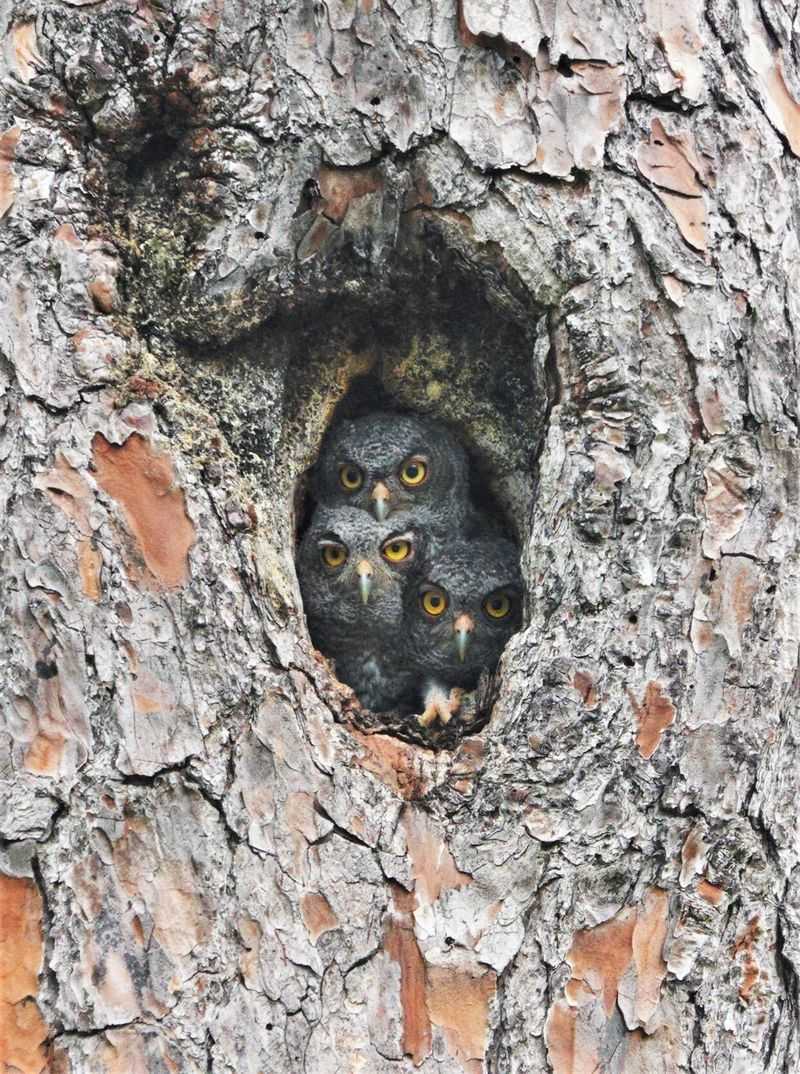
They are especially valuable for cavity-nesting wildlife, including Eastern Screech-Owls. Eastern Screech-Owls are cavity nesters.
They rely on natural holes in trees for roosting and raising young. Mature trees with deep furrows, old woodpecker holes, and natural rot pockets offer exactly the kind of shelter these small owls prefer.
When old trees are removed from yards and neighborhoods, those cavity opportunities disappear and take decades to replace naturally.
Keeping a safe snag on your property can be genuinely valuable for local wildlife. The key word there is safe.
The State Extension is clear that a snag near a house, driveway, play area, or other frequently used spot should be evaluated by a certified arborist before being kept. A snag away from structures and high-traffic areas is far less of a concern.
Not every old tree contains an owl, but trees with natural cavities are becoming harder to find in suburban Ohio. That makes the ones that remain increasingly important to local wildlife.
6. Over-Clean Yards Strip Away Useful Habitat
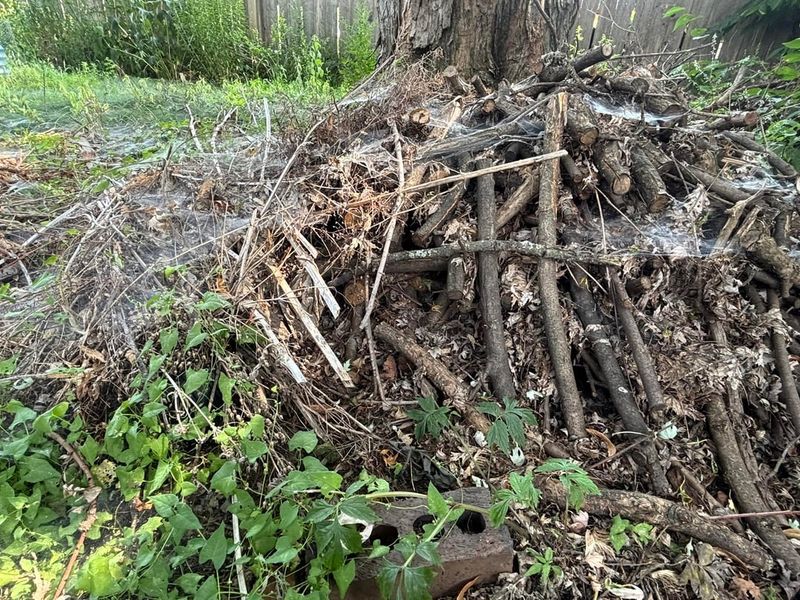
Reasonable yard maintenance keeps a property safe and looking cared for. But there’s a difference between tidy and stripped bare.
Yards that remove every brush pile, fallen limb, leaf layer, and shrubby edge leave very little structure for small wildlife to use. The State University Extension notes that several habitat features support a functioning backyard ecosystem.
These include brush piles, dense shrubs, woody edges, and native ground cover.
Brush piles don’t directly draw owls to a yard in any guaranteed way. What they do is provide cover for small animals that are part of the broader food web owls depend on.
A loose pile of branches in a back corner can shelter small mammals and provide perching spots for songbirds. It also adds habitat structure to a yard that would otherwise be open and bare.
Placement matters a great deal. A brush pile or dense shrub planting is more useful near a fence line or wooded border.
It is also less likely to cause problems there than when placed against a garage or shed. Ohio State Extension recommends thinking about shelter, structure, and connectivity when planning backyard habitat.
A yard with varied cover, some trees, some shrubs, and some naturalized corners, creates a more complete habitat than one that prioritizes neatness above all else. Small changes in structure can ripple outward through the local food web in meaningful ways.
7. Nest Boxes Give Screech Owls A Reason To Stay
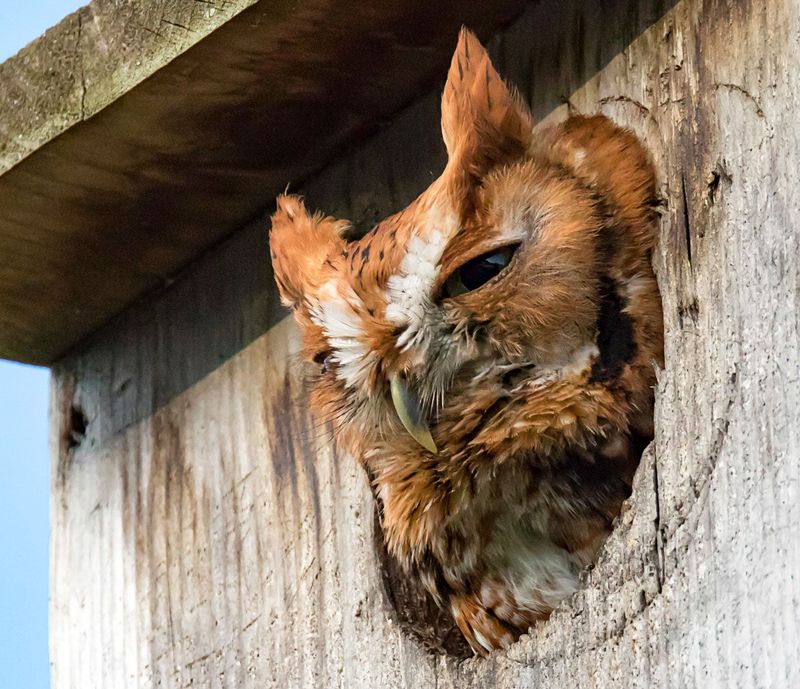
Hollow trees are getting harder to find in many neighborhoods. Eastern Screech-Owls are cavity nesters, and when natural cavities are limited, a properly built and placed nest box can offer a real alternative.
Cornell Lab of Ornithology’s NestWatch program provides verified nest-box plans for Eastern Screech-Owls. The plans specify an 8-by-8-inch floor, a depth of about 12 to 15 inches, and an entrance hole around 3 inches wide.
Mounting height matters too. Cornell Lab guidance suggests placing Screech-Owl boxes roughly 10 to 30 feet above the ground, on a tree or post in a location with nearby trees for cover.
Facing the entrance away from prevailing winds and toward an open flight path helps the birds use the box comfortably. Boxes installed well before the nesting season, ideally in late fall or winter, give owls time to discover and accept them before spring.
Installing a box does not guarantee that a Screech-Owl will move in. Local owl presence, surrounding habitat, available prey, and competition from other cavity-using species like squirrels and starlings all play a role.
Checking the box periodically and cleaning it out at the end of each season improves its long-term usefulness.
Not all Ohio owl species use nest boxes, so this section applies specifically to Eastern Screech-Owls, the small, adaptable owl most likely to use suburban yards.
8. Brushy Corners Make Yards Worth Revisiting
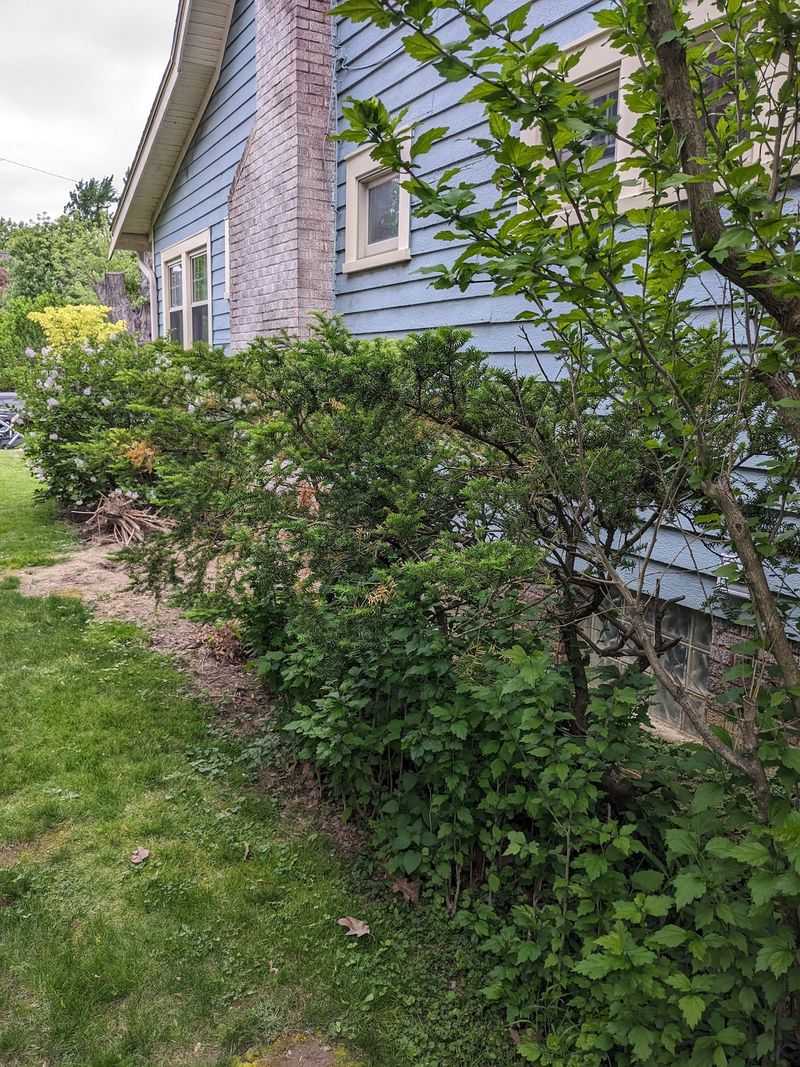
Creating a yard that wildlife finds useful is less about grand gestures and more about layering small, thoughtful changes over time. Ohio State University Extension emphasizes using a mix of habitat features.
Trees, shrubs, native plants, and varied cover create a more functional habitat than any one feature alone. Brushy or naturalized corners are especially valuable because they provide shelter for small animals that form the base of the food web owls hunt within.
Connecting a brushy corner to a tree line, shrub row, or neighboring green space increases its value further. Small animals move more freely through connected habitat, and owls hunting at night tend to follow those movement corridors.
You don’t need to let your whole yard go wild. A back corner with some native shrubs, a loose leaf layer, and a few native perennials can quietly become one of the most productive wildlife spots on your block.
One important note: attracting owls is really about improving habitat quality, not about putting food out for the birds themselves.
The Department of Natural Resources and other wildlife agencies have raised concerns about secondary poisoning risks to raptors and other predators.
A better habitat may increase the odds of an owl visit, but no yard change can promise one. Build the habitat, be patient, and let the owls decide.