The Exact Week To Stop Trimming Ohio Roses Before Frost Risk Begins
Keep trimming your Ohio roses past a certain week this fall, and you’re inviting frost damage you could have avoided completely.
Roses respond to a late trim by pushing out tender new growth, exactly the kind of soft stem that frost destroys fast once temperatures drop.
Cut too close to that first cold snap and the plant wastes energy on growth that won’t survive the season, weakening it right before winter dormancy matters most.
Ohio’s frost timing varies enough by region that a single fall calendar date doesn’t work for every yard.
One specific window, tied to your local frost pattern rather than the month on a calendar, marks the real cutoff point. Miss that window and your roses head into winter in worse shape than if you’d never touched the shears at all.
Knowing exactly when to stop matters more than knowing how to prune in the first place.
1. Stop Trimming Spent Flowers Before September Starts
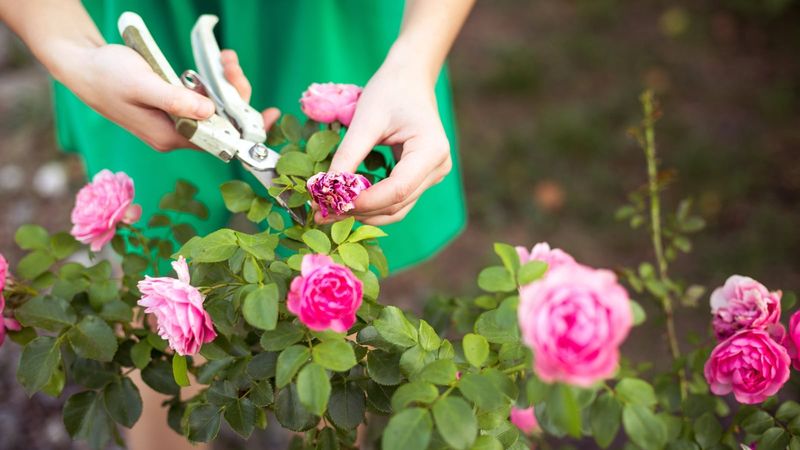
Letting August slip by without adjusting your rose care routine is one of the most common late-summer oversights in Ohio gardens. Ohio State University Extension guidance advises gardeners to avoid continuing to trim spent flowers much past the end of August.
That last week of August is the general cutoff most gardeners should keep in mind for this kind of summer-style bloom maintenance.
Trimming spent flowers earlier in the season does something useful. Removing those faded blooms signals the plant to push toward another round of flowering.
That response is exactly what you want in June and early July when the growing season still has plenty of warm days ahead.
Later in summer, that same response becomes less helpful. There may not be enough warm growing time left for another full flowering cycle to complete before cooler fall weather settles in.
Stopping spent-flower trimming by the end of August is a practical statewide guideline, not a frost prediction for one specific date. Northern and southern regions can experience quite different fall conditions from year to year.
The cutoff simply gives your roses a better chance to shift naturally toward seasonal rest rather than chasing a new bloom cycle that may never finish.
2. Fresh Growth Comes Too Late For Comfort
New shoots pushing out of a rose cane look encouraging, but timing matters more than appearance. Every time spent flowers are trimmed during the growing season, the plant responds by sending energy toward new growth and eventual flower production.
That cycle is a feature, not a flaw, but only when there is enough season left to make use of it.
University Extension resources explain that tender new growth produced late in the season may not have enough time to mature before colder weather arrives.
Soft, immature cane tissue is more vulnerable to early cold snaps than growth that has had time to harden off properly.
Hardening off is the natural process where plant tissue becomes tougher and better prepared for cold temperatures.
The goal in late summer starts to shift. Rather than pushing another flush of flowers, let the bush respond naturally to the season.
Your Ohio Garden Changes Every Week. Your Plan Should Too.
Gardening in Ohio changes quickly throughout the season. Every Friday you’ll receive a simple weekly plan showing exactly what to plant, prune, fertilize, harvest, and protect so you never miss the right timing.
Shorter days and gradually cooling nights help signal that shift. Those environmental changes are the cues roses use to begin slowing down on their own.
Continuing to trim spent flowers sends the opposite message. Stopping that habit by the end of August lets the plant start listening to the season instead of responding to your pruners.
That adjustment is one of the simplest ways to support healthy fall preparation.
3. Rose Hips Tell The Bush To Slow Down
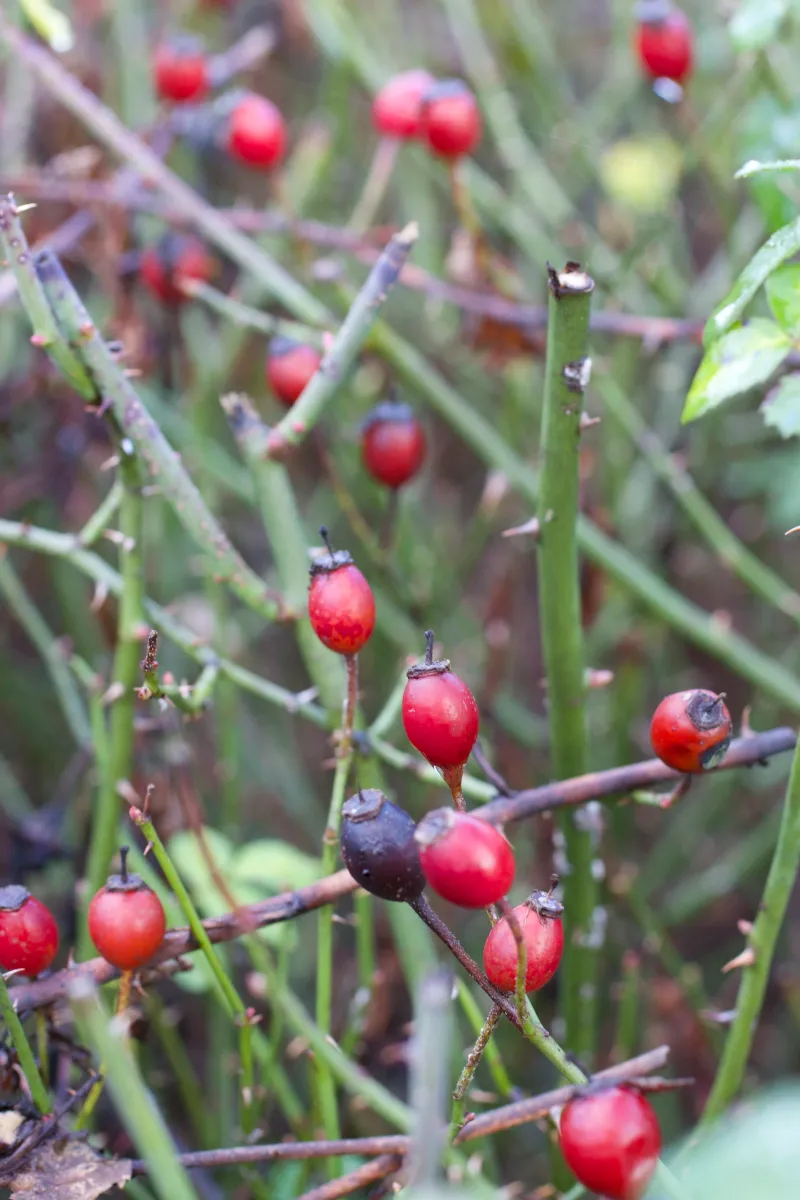
Faded blooms left on the plant can become something more than spent flowers. When a rose flower has been successfully pollinated, the base of that flower can develop into a rose hip.
Hips are small, fleshy fruit-like structures that typically turn shades of red, orange, or yellow as fall progresses. They range from small berry-sized forms to larger rounded shapes depending on the cultivar.
The State and other Extension sources note that allowing hips to form is a natural part of fall rose preparation. Leaving spent flowers in place rather than trimming them away stops the constant cycle of stimulating the plant toward more blooming.
The plant no longer receives the repeated signal to produce another round of flowers.
Not every rose cultivar produces large or highly visible hips, so beginners should not worry if they do not notice dramatic changes right away. The important point is that leaving spent flowers alone shifts the plant’s energy away from continued flower production.
That shift supports a more natural seasonal slowdown as days shorten and temperatures drop. Gardeners who stop trimming spent flowers by the end of August let their roses enter a quieter phase naturally.
That timing fits Ohio’s fall climate better than a schedule driven by pruning shears.
4. Late Fertilizer Pushes Growth At The Wrong Time
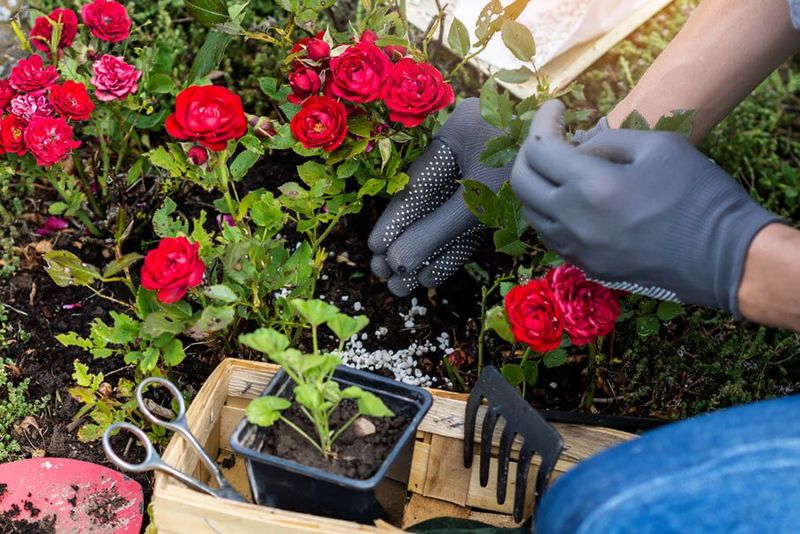
Reaching for a bag of fertilizer when rose flowering starts to slow down is a tempting move. It feels logical to feed the plant more when it seems to be producing less.
Ohio State University Extension advises gardeners to stop fertilizing roses in late summer. Increasing applications as the season winds down can encourage unwanted growth.
Nitrogen-rich fertilizer encourages tender new growth, which is the same concern connected to continued late-season trimming of spent flowers.
Both habits can push the plant toward active growth and potential flowering at a time when cooling temperatures are approaching.
Soft new growth produced late in the season has less time to harden before cold weather arrives.
The problem is not that fertilizer itself causes frost injury. The concern is that encouraging lush, immature growth when colder conditions are approaching puts that new tissue at greater risk.
Homeowners should follow reliable rose-care guidance on fertilizer timing rather than applying extra simply because flowering has slowed. Slowing flower production in late summer is a normal response to changing day length and temperature.
Match your care routine to the plant’s natural seasonal shift. Stopping spent-flower trimming and late fertilizer applications around the same time helps roses ease into winter rest.
5. Ohio Frost Risk Changes By Location
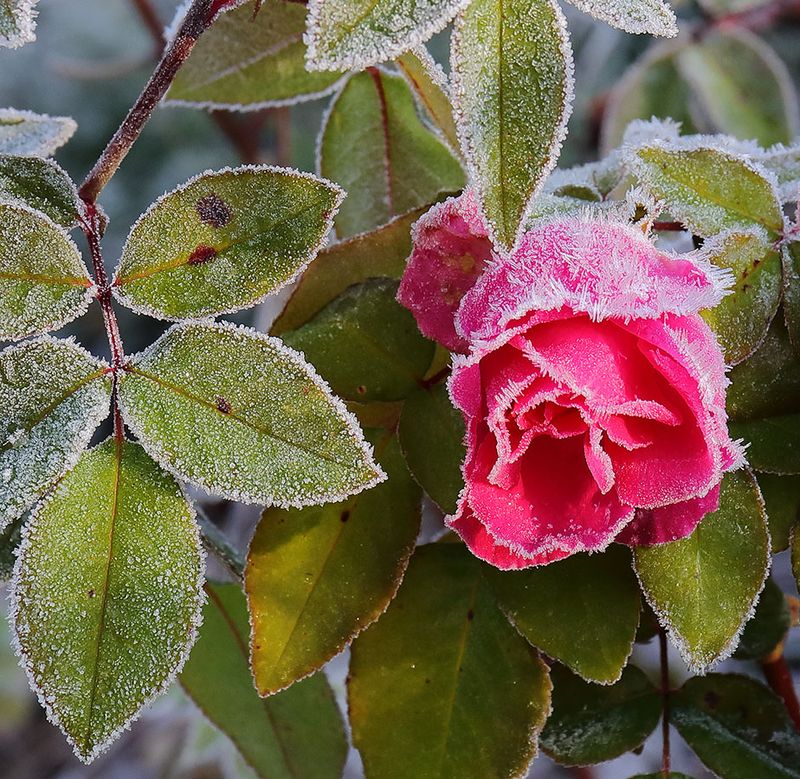
Geography plays a surprisingly large role in when gardeners need to start thinking about frost. Northern Ohio generally faces colder fall conditions earlier in the season than southern Ohio.
However, actual frost timing shifts from year to year based on weather patterns, and no single guaranteed first-frost date applies to the entire state.
Local conditions add another layer of variability. Elevation, proximity to Lake Erie, urban heat effects, and low-lying valley locations can all influence when frost first appears in a specific spot.
The National Weather Service and NOAA provide historical frost probability data for local areas. Those figures show typical patterns, but they are averages rather than guarantees for any given fall.
The late-August cutoff for trimming spent flowers is useful precisely because it does not depend on predicting an exact frost date. Stop trimming spent flowers by the end of August.
This gives roses across the state a reasonable buffer before cold weather becomes a realistic possibility. Gardeners in northern regions may find that buffer feels tight in some years, while those in southern regions may have more margin.
Check local National Weather Service forecasts as fall approaches. They provide a clearer picture of conditions in your specific area than a single statewide estimate.
6. Tall Canes Can Wait For Several Freezes
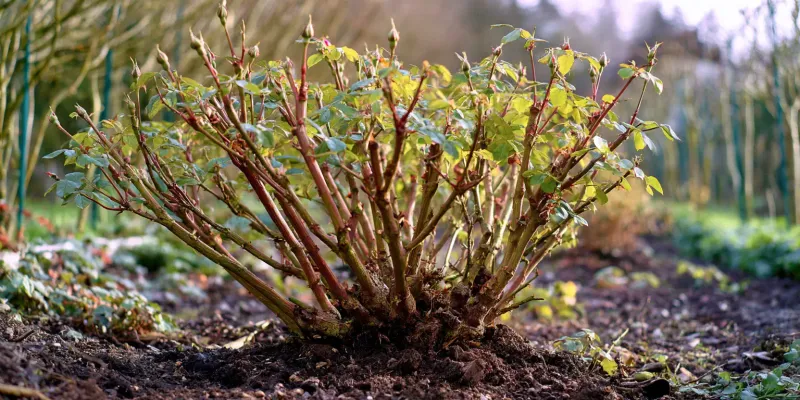
Stopping spent-flower trimming and performing major structural pruning are very different tasks. Confusing the two can lead to unnecessary work or potential harm.
Putting away the pruners for summer-style bloom maintenance at the end of August does not mean the entire rose bush needs a major cutback at the same time.
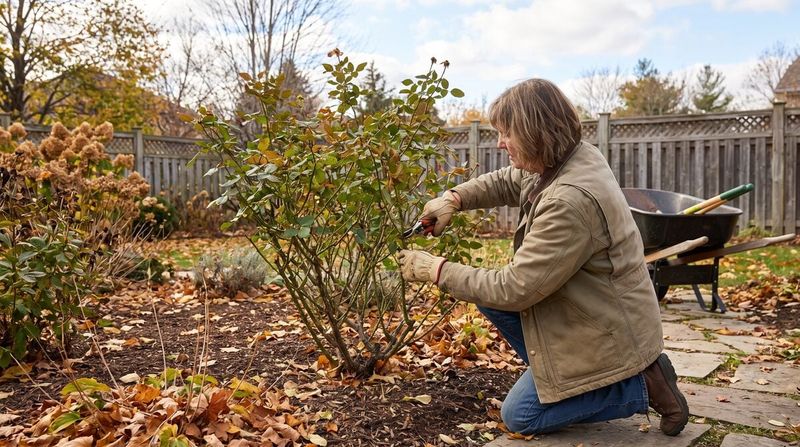
The State guidance indicates that more substantial late-fall rose preparation can wait until after several hard freezes have occurred.
Canes that are unusually tall and might catch strong winter winds can be shortened later in the season when that kind of preparation is genuinely needed.
Doing significant pruning too early in fall can stimulate new growth that has no time to mature before cold weather arrives.
Major shaping is best done at the proper seasonal pruning time for each type of rose. For many Ohio varieties, that means late winter or very early spring rather than fall.
The late-August guideline in this article refers specifically to trimming spent flowers and similar summer maintenance. Readers should not interpret it as a signal to grab the loppers and cut back every cane on the property before September arrives.
Letting tall canes stand through early fall, and addressing them only if wind-rocking becomes a real concern, is a more measured and plant-friendly approach.
7. Climbing Roses Need A Different Fall Plan
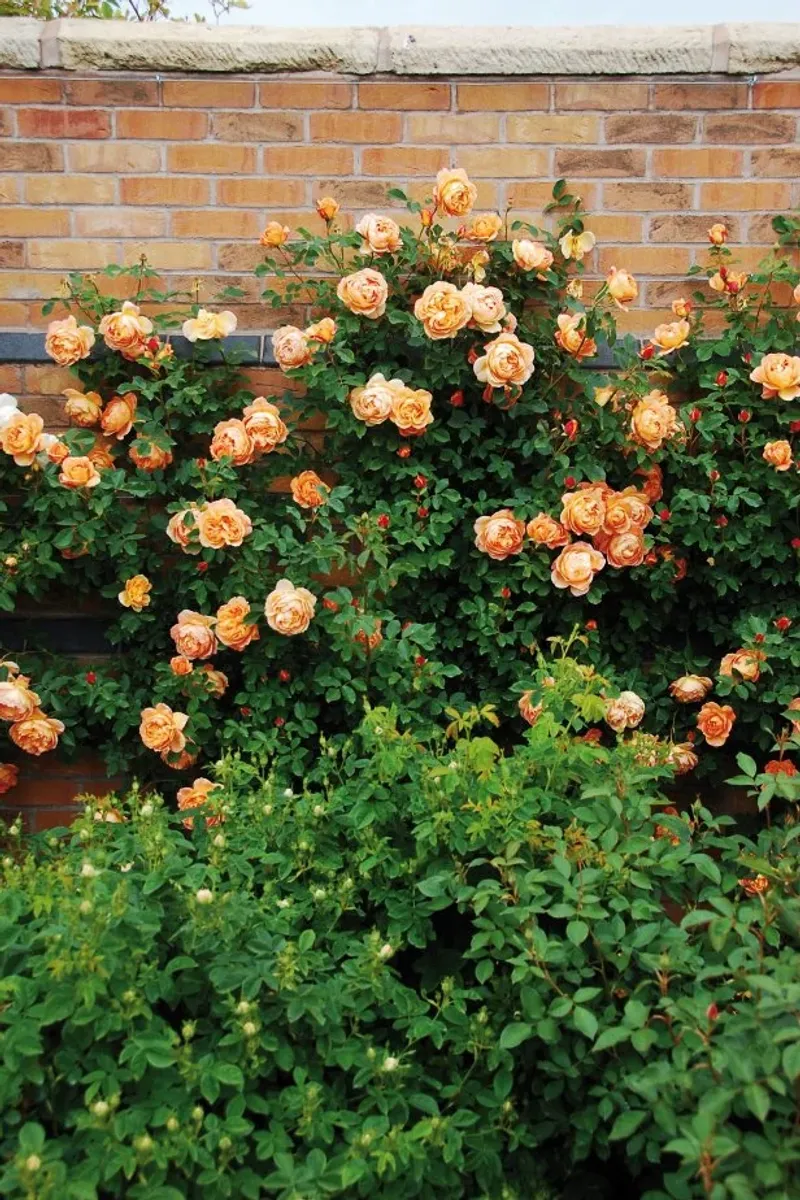
Not every rose responds the same way to fall care. Climbing roses are a clear example of why a one-size-fits-all approach can cause problems.
Climbing roses have long, arching canes and a different growth habit from shrub or hybrid tea roses. They need their own fall plan rather than the same routine used for other varieties.
Extension guidance on climbing roses explains that the age of the canes and the plant’s flowering habits affect when and how pruning should occur.
Many climbing roses bloom on older wood, which means removing canes at the wrong time can reduce next season’s flower production significantly.
Stopping the removal of spent flowers in late August applies broadly, but cutting back major climbing canes is a separate decision that deserves more careful thought.
Homeowners benefit from identifying the specific type of rose they are growing before doing any substantial fall pruning.
A climbing rose trained along a fence or pergola may need little more than the end of spent-flower trimming in late August and some light tidying later in the season.
Detailed pruning of the main structure is often better saved for the appropriate time based on that cultivar’s flowering cycle. Knowing what you have growing in your yard is the first step toward making the right call for fall care.
8. Let Dormancy Take Over Naturally
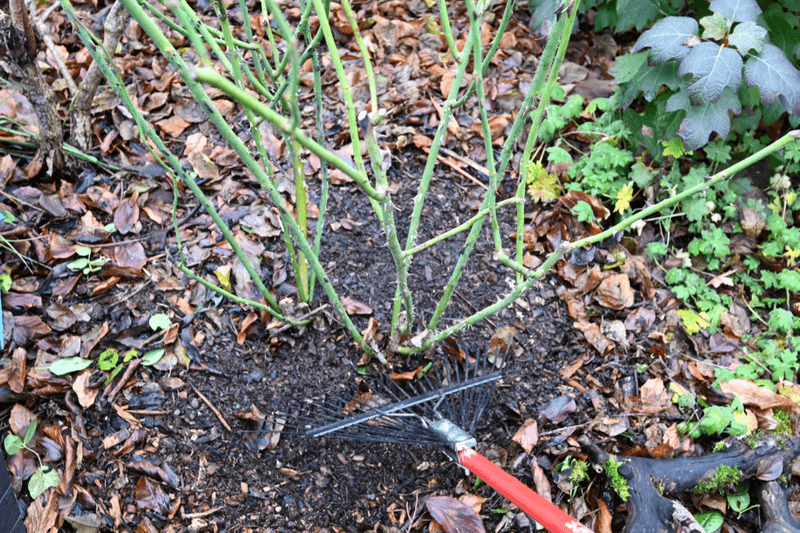
Shorter days and cooling nights do most of the work when it comes to moving roses toward their seasonal rest. Gardeners do not need to force dormancy or engineer it through dramatic action.
Stop trimming spent flowers by the end of August and ease off fertilizer. Then allow the plant to respond naturally to its environment as dormancy begins.
Ohio State and Extension resources make clear that dormancy develops gradually rather than switching on at one specific calendar date. Leaves may begin to yellow and drop.
Growth slows noticeably. The plant draws energy inward as temperatures fall and daylight shrinks.
That progression happens on a schedule set by the season, not by the gardener’s schedule.
The most practical final advice is straightforward: leave the plant alone rather than constantly trying to push another flush of flowers as summer ends. Stopping spent-flower trimming in the last week of August is the key move for most gardeners.
Substantial pruning and any needed winter protection follow their own timing later in the season and deserve separate attention when that time comes. Let dormancy arrive naturally instead of continuing summer-style care too long.
This helps support stronger, healthier roses when spring returns.