This Maryland Insect Is Already Looking For A Way Indoors
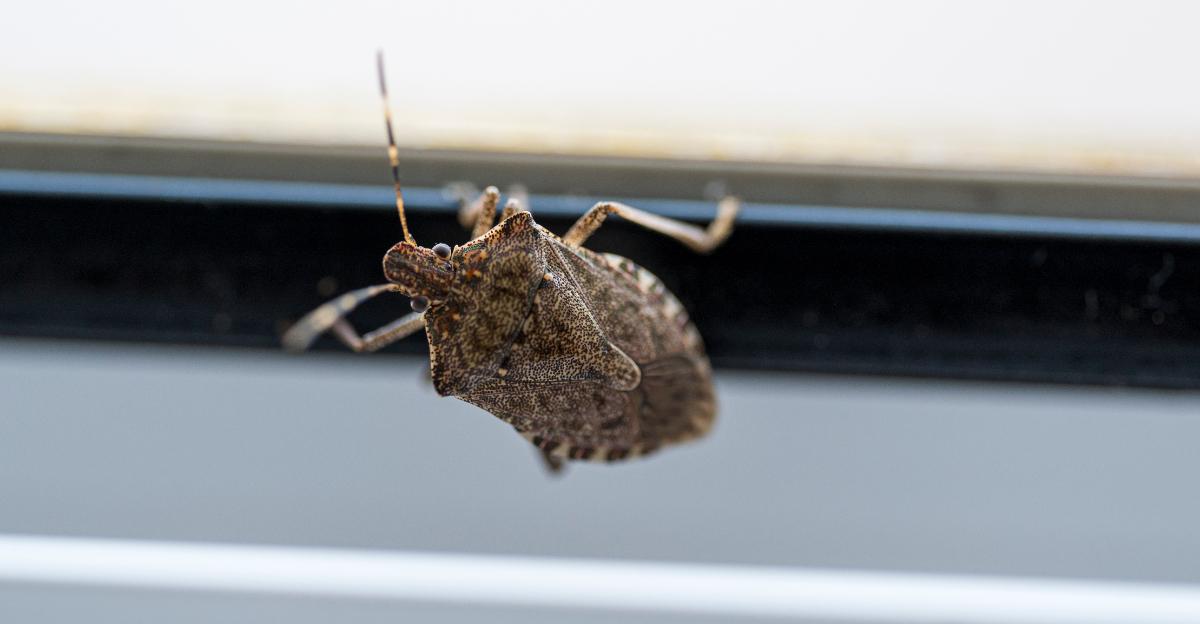
A silent scout has already picked your house as its winter shelter. Maryland’s warm afternoons trick you into thinking summer still rules, but these bugs read the calendar on their own terms.
Cracks near your window frames look like open doors to them, while gaps around siding read like standing invitations. Sunlight hitting your southern wall acts as a beacon, pulling them straight toward brick and vinyl alike.
Homeowners across Maryland see the same pattern every year, with clusters gathering wherever warmth lingers longest. A full swarm treating an attic like a private resort sounds extreme, yet that is exactly what happens once temperatures drop.
Behavior patterns now decide whether you spend autumn swatting bugs off curtains or blocking them before they arrive at all. Early signs left alone only guarantee a larger population waiting behind your walls once real cold sets in.
You have a narrow window to act, and every day you wait hands these insects another way inside.
Brown Marmorated Stink Bugs Begin Moving Toward Homes In Late August
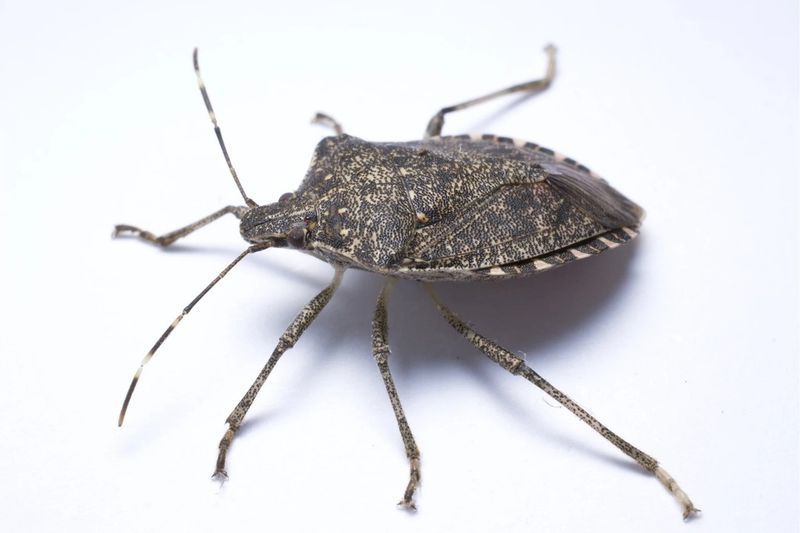
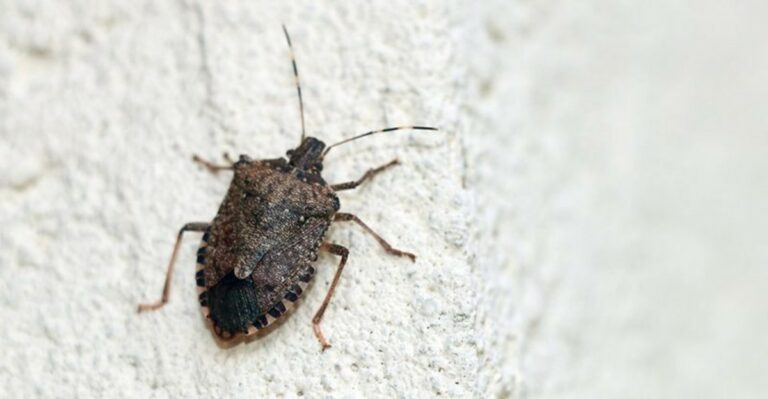
Summer is barely over, and they are already on the move. Brown marmorated stink bugs start their annual migration toward homes as summer winds down, often earlier than most people expect.
These insects are not random wanderers. They follow temperature cues and daylight changes with surprising precision, targeting warm structures long before the first frost arrives.
Scientists call this behavior aggregation, which basically means the bugs are grouping up for survival. One bug on your wall often signals that dozens more are nearby, scouting the same spots.
Stink bugs originally arrived from East Asia in the late 1990s. They landed in Allentown, Pennsylvania, and spread rapidly through the mid-Atlantic region, hitting Maryland hard within just a few years.
Today, the state ranks among the most affected in the country. Homeowners across several central Maryland counties report some of the highest indoor sightings every fall season.
Late summer is your best window to act, before the main wave arrives. Getting ahead of their movement means far fewer unwanted guests buzzing around your ceiling by October.
Shortening Days Trigger The Search For Winter Shelter
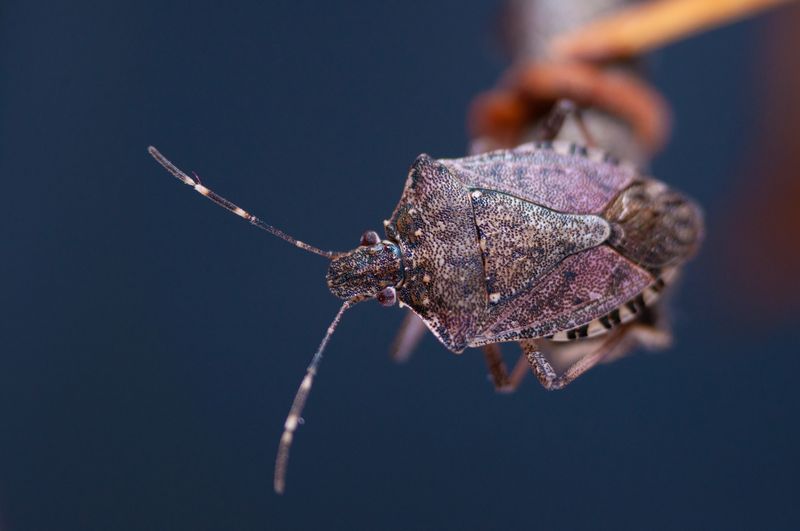
Bugs do not check calendars, but they do read light. As days grow shorter in late summer, stink bugs detect the shift in daylight hours and begin preparing for winter survival.
This response is called diapause, a kind of insect hibernation. Their bodies slow down, their appetite drops, and their one goal becomes finding a safe, warm place to wait out the cold months.
Your home is basically their dream destination. Walls hold heat, attics stay dry, and crawl spaces offer the dark stillness that overwintering insects crave during the colder season.
Interestingly, stink bugs do not actually need warmth to survive winter. They need protection from wind and moisture, which makes the inside of your walls an ideal hideout for months.
The shortening days also cause bugs to move during daylight hours, making them more visible. You might notice them crawling slowly on sunny exterior surfaces in late afternoon light.
Your Maryland Garden Changes Every Week. Your Plan Should Too.
Gardening in Maryland changes quickly throughout the season. Every Friday you’ll receive a simple weekly plan showing exactly what to plant, prune, fertilize, harvest, and protect so you never miss the right timing.
Understanding this trigger helps you time your prevention efforts correctly. Waiting until October means the bugs have already found their way in and settled behind your walls for the season.
Sunny South And West Walls Draw The Largest Gatherings
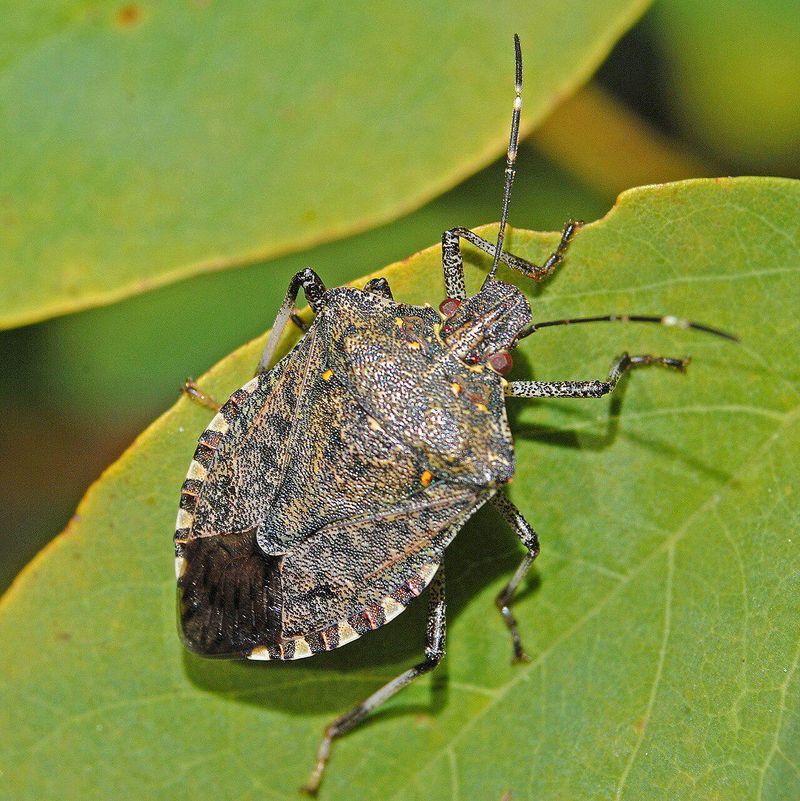
Walk around your house on a warm September afternoon and check the south wall. That sun-soaked surface is prime real estate for stink bugs looking to soak up heat before nightfall.
South and west-facing walls receive the most direct sunlight during the hours when stink bugs are most active. The warmth absorbed by brick, vinyl, or wood siding acts like a magnet for these insects.
On a sunny day in early fall, you might spot dozens clustered together in one spot. They are not socializing; they are absorbing thermal energy to fuel their search for entry points.
Lighter colored walls tend to attract slightly fewer bugs than darker surfaces, which absorb and radiate more heat. However, no exterior wall color fully eliminates the draw of a warm home.
Homeowners often report being caught off guard by the sheer number of bugs on one wall. Seeing fifty or more in a single afternoon is not unusual in suburban Maryland neighborhoods during peak season.
Checking these walls regularly starting in mid-August gives you an early warning system. Spotting the early scouts lets you seal gaps before the main crowd arrives looking for a winter address.
Gaps Around Windows Siding And Vents Serve As Entry Points
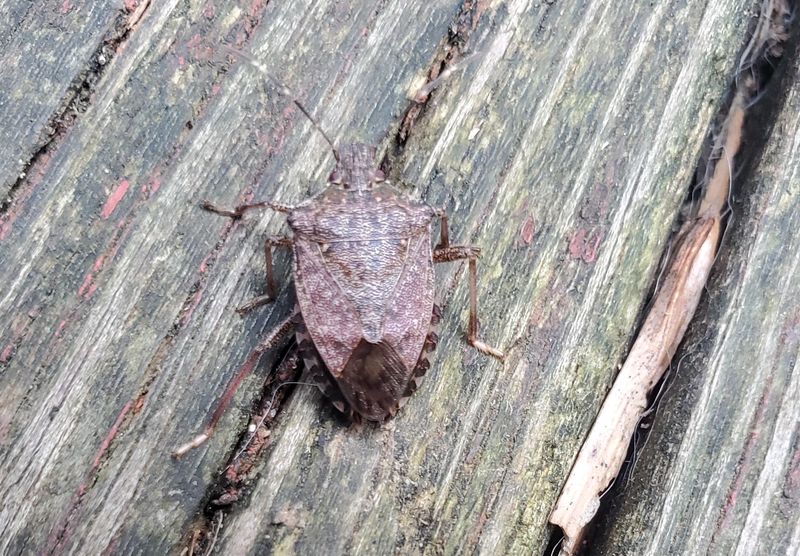
A gap no wider than a pencil lead is all a stink bug needs to slip through. These insects are surprisingly flat for their size, allowing them to squeeze through spaces that seem far too small to matter.
Windows are among the most common entry points. Worn weatherstripping, cracked caulk, and gaps where the frame meets the siding create easy access routes that bugs discover quickly.
Vents are another favorite. Dryer vents, bathroom exhaust vents, and crawl space screens often have gaps or damaged covers that offer a direct path into the interior of the structure.
Siding gaps are trickier because they are harder to spot. Boards that have shifted, warped, or cracked over time create hidden channels leading straight into wall cavities where bugs spend the winter.
Utility penetrations are also worth checking. Spots where pipes, cables, and conduits pass through exterior walls often have gaps that were never properly sealed after installation.
A thorough inspection of your home’s exterior takes about an hour but pays off for the entire season. Bring a flashlight and a notepad to mark every gap you find before sealing begins.
Sealing Openings Before September Cuts The Numbers Sharply
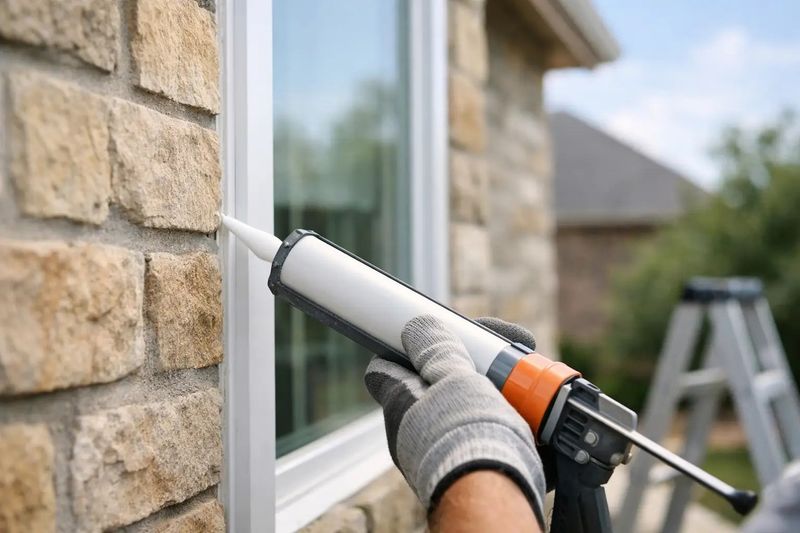
Grab a caulk gun before Labor Day weekend and you will thank yourself in October. Sealing your home’s exterior gaps before September is the single most effective step against stink bug invasions.
Silicone or latex caulk works well around window frames, door frames, and any visible cracks in the foundation or siding. Both types are affordable and easy to apply without professional help.
Weatherstripping replacement is equally important for doors. Old or compressed stripping leaves gaps at the bottom and sides that bugs slip through with almost no effort on their part.
For vents and utility openings, hardware cloth or fine mesh screening does the job. Mesh with openings smaller than one-sixteenth of an inch blocks stink bugs while still allowing proper airflow.
Foam backer rod combined with caulk is useful for larger gaps around pipes or conduits. The foam fills the bulk of the space, and the caulk seals the surface for a clean, lasting finish.
Homeowners who seal thoroughly before fall report a dramatic drop in indoor sightings compared to those who wait. A Saturday afternoon of caulking pays off far more than most people expect.
Crushing Them Indoors Releases The Odor They Are Known For
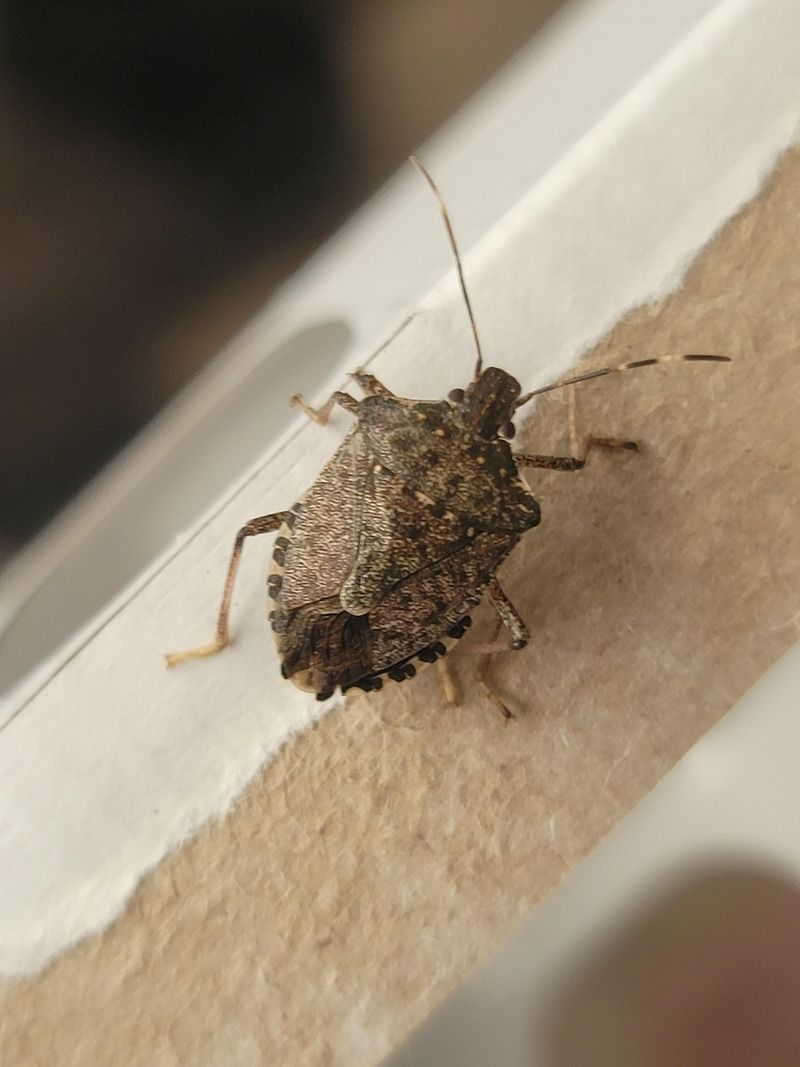
You spot one on the curtain and your first instinct is to smash it. Stop right there, because that choice comes with consequences that linger in the room for a surprisingly long time.
Stink bugs release a pungent chemical from glands on their abdomen when threatened or crushed. The smell has been compared to cilantro, burnt rubber, and skunk spray all mixed together.
That odor does more than just offend your nose. That smell lingers in fabric and carpet far longer than most people expect, which is reason enough to avoid it in the first place.
Flushing a live bug down the toilet is one option, but it is not the most efficient method when you are dealing with more than one or two at a time during peak season.
Dropping them into a jar of soapy water is a cleaner approach. The soap breaks the surface tension, and the bug cannot escape, with no odor released and no mess left behind.
Tissue paper or a paper towel can work for single bugs if you move carefully and avoid applying pressure. The goal is containment without triggering the chemical defense that makes indoor removal so unpleasant.
Vacuuming And Trapping Methods Maryland Homeowners Prefer
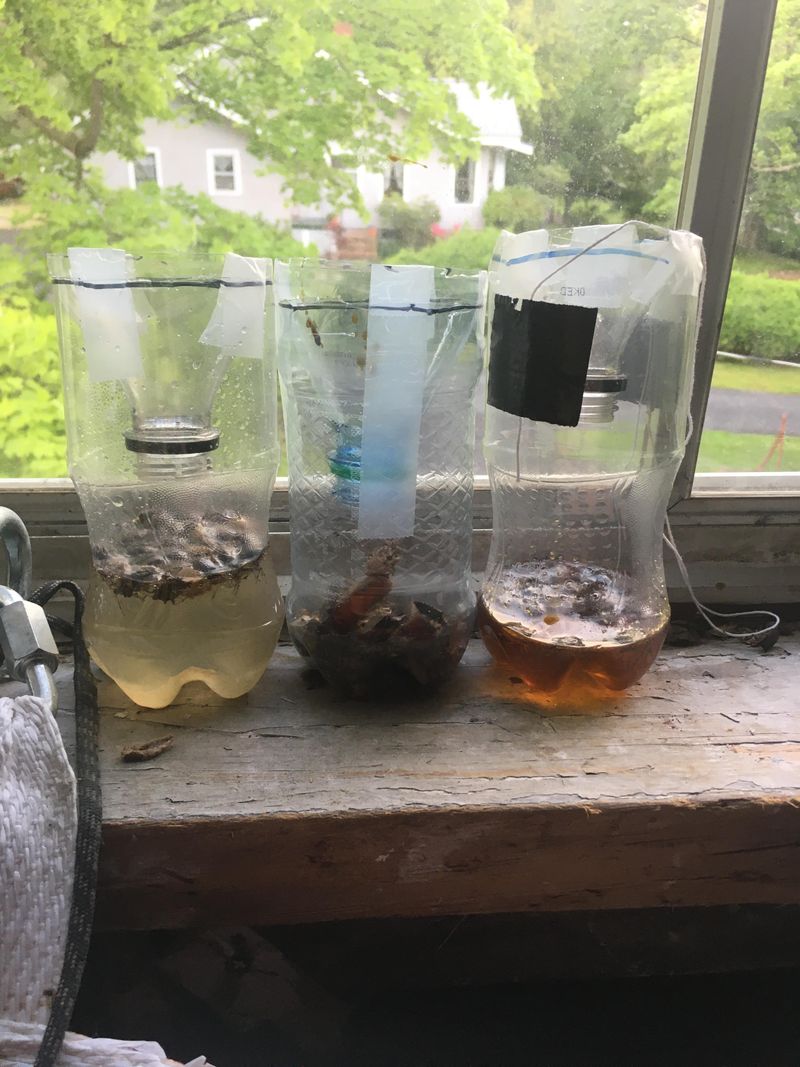
Ask any Maryland homeowner who has dealt with a stink bug season and a vacuum cleaner will come up fast. Sucking them up without contact is the cleanest, least odorous removal method available.
The catch is that bugs can release their smell inside the vacuum bag or canister. Using a dedicated bug vacuum or inserting a nylon stocking inside the hose helps contain the odor effectively.
Light traps are another popular option. Stink bugs are attracted to light sources at night, and commercial traps exploit this behavior by luring bugs into a container from which they cannot escape.
DIY traps made from a desk lamp and a pan of soapy water have been widely shared online. The light draws the bugs, they fall into the water, and the soap prevents them from climbing out.
Sticky traps placed along windowsills or baseboards catch bugs passively throughout the day. They work best as a monitoring tool to show you which areas of the home have the heaviest activity.
No single method eliminates a stink bug problem on its own, but combining vacuuming with trapping gives Maryland homeowners a strong, odor-free system for managing this Maryland insect through the entire fall season.