What Oregon Lavender Needs In September To Survive A Wet Winter
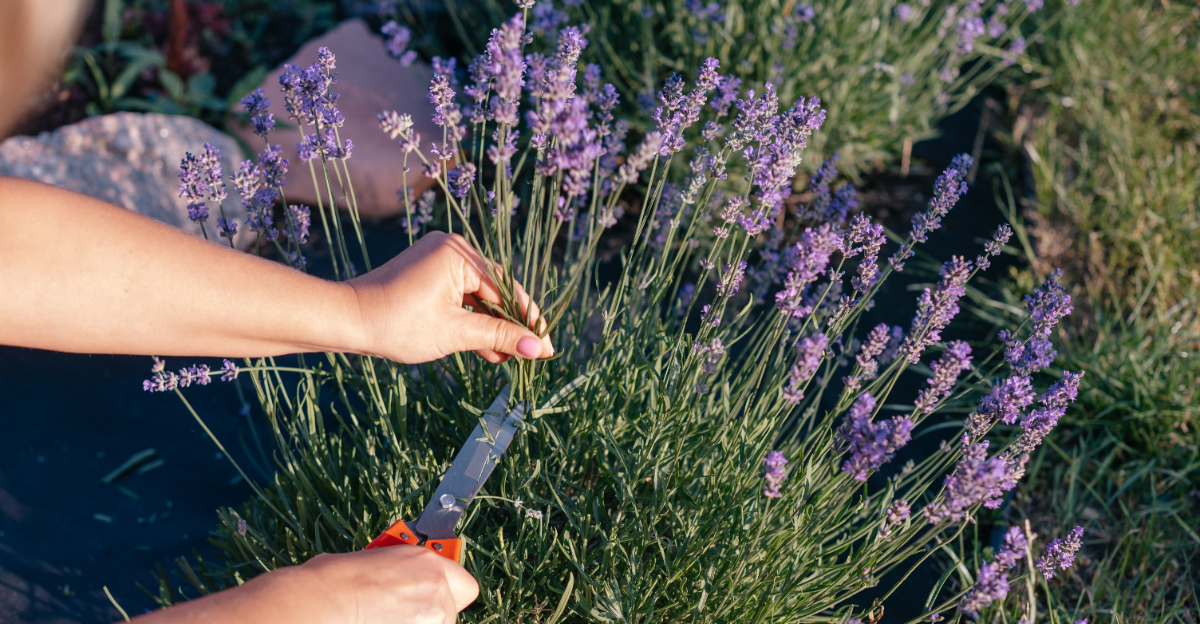
Lavender may look perfectly content while Oregon is still enjoying warm afternoons, but September is when the garden starts quietly changing the rules.
Cooler nights creep in, moisture patterns shift, and that tidy mound of silvery foliage is heading toward a very different kind of season.
The tricky part is that lavender does not always show immediate signs that something needs attention. A plant can appear healthy now and still struggle once weeks of damp weather settle over the yard.
Oregon winters have a way of exposing small growing-condition problems that seemed harmless during summer.
This makes September an especially useful checkpoint. Soil, plant shape, surrounding growth, and general site conditions can all deserve another look while there is still time to make thoughtful adjustments.
Lavender is famous for being tough, but tough does not mean invincible. A little preparation now can help set the plant up for the soggy months ahead, without turning care into an elaborate seasonal project.
Stop Heavy Watering As The Weather Cools
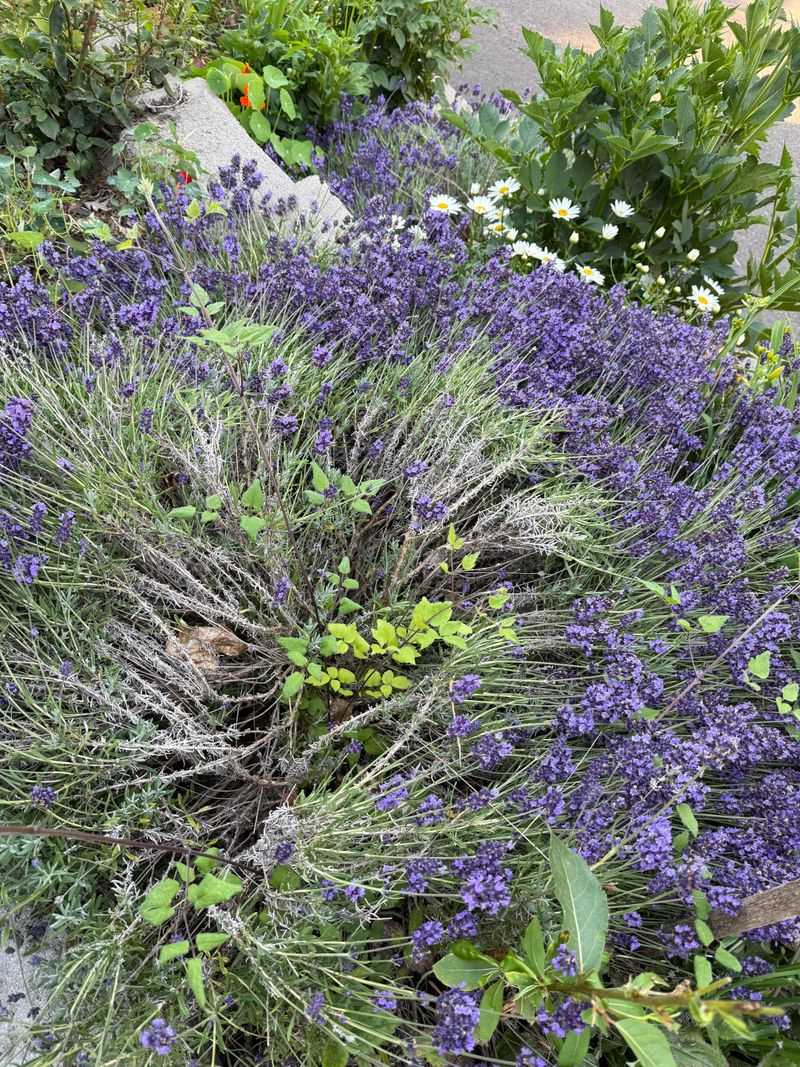
Oregon gardeners water their plants all summer without thinking twice, but September is the time to pump the brakes.
As temperatures drop and days get shorter, lavender slows down its growth. It simply does not need as much water as it did during the hot summer months.
Overwatering in fall is one of the most common mistakes lavender growers make. When the soil stays wet going into the rainy season, roots have no chance to toughen up.
Wet roots combined with cold temperatures create the perfect conditions for root rot, which can wipe out a plant that survived years of drought just fine.
A good rule of thumb is to cut back watering by late August and stop almost entirely by mid-September. If you have been watering once or twice a week, drop it to once every ten to fourteen days.
Better yet, let rainfall take over completely once the fall showers begin. Check the soil before you ever reach for the hose. Stick your finger about two inches into the ground near the base of the plant.
If it feels even slightly damp, hold off. Lavender prefers to dry out between waterings, and in September, that preference becomes even more important.
Giving the soil time to dry now helps the plant prepare for the long, wet months ahead without sitting in constantly saturated ground.
Make Sure Water Drains Away From The Crown
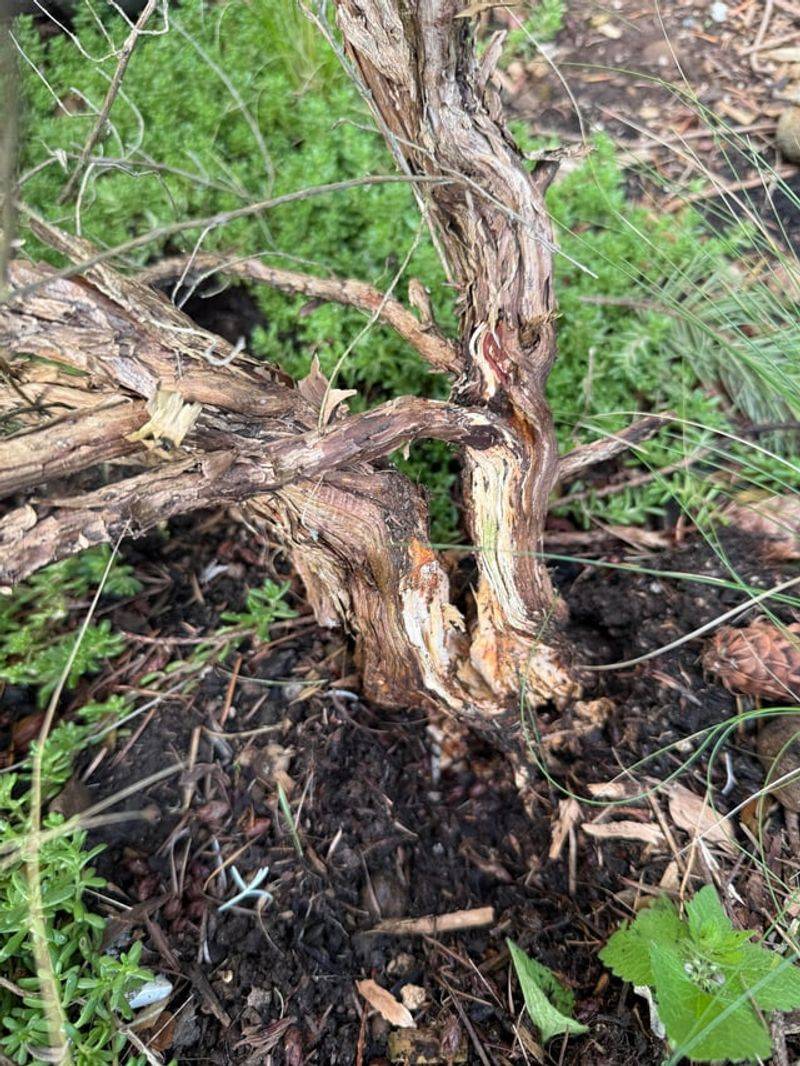
The crown of a lavender plant is the spot where the stems meet the roots, right at or just above the soil line. That area is the most vulnerable part of the whole plant.
When water pools around the crown and stays there, rot sets in fast. Good drainage is not just helpful for lavender. It is absolutely necessary.
In many Oregon yards, the soil holds water longer than lavender can handle, especially in low-lying areas or heavy clay ground. September is the right time to check whether water moves away from the crown quickly or sits and soaks in.
Your Oregon Garden Changes Every Week. Your Plan Should Too.
Gardening in Oregon changes quickly throughout the season. Every Friday you’ll receive a simple weekly plan showing exactly what to plant, prune, fertilize, harvest, and protect so you never miss the right timing.
One easy fix is to mound the soil slightly so the crown sits just above the surrounding ground level. This small rise helps water run away from the base instead of collecting around it.
You can also work some coarse sand or fine gravel into the top few inches of soil near the plant to help moisture move through faster.
If the plant is in a pot, make sure every drainage hole is clear and unclogged. Pots can drain poorly if holes get blocked by roots or debris.
Tilt the pot slightly to encourage runoff if needed. For in-ground plants, a simple trench dug a foot away from the base can redirect water during heavy rains.
Small fixes like these can protect the crown all winter long without a lot of effort or expense.
Clear Wet Debris From Around The Base
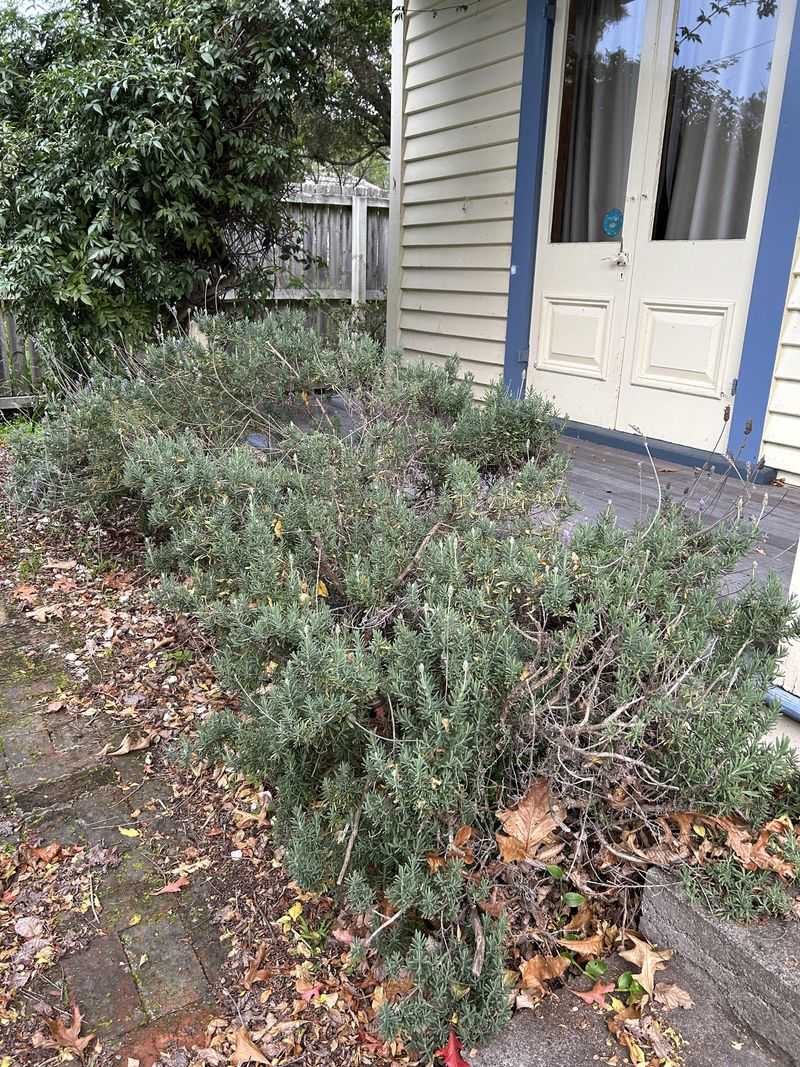
Fallen leaves, old mulch, and clippings might look harmless sitting around your lavender, but in wet weather they become a real problem.
Debris holds moisture against the stems and the crown, keeping that area damp long after a rain has passed. That kind of constant dampness is exactly what lavender hates most.
September is the perfect time to do a thorough cleanup around the base of each plant. Rake away any leaves that have blown in from nearby trees.
Remove old mulch that has started to break down and feel soggy. Pull out any weeds or damaged plant material that has collected close to the stems.
After clearing everything out, take a close look at the base of the plant. You want to see open space and dry-looking soil around the lowest stems.
If the stems look dark or feel soft near the ground, that is a warning sign that moisture has already been sitting there too long.
Once the area is clean, leave it bare or cover it lightly with a dry, coarse material like pea gravel or crushed rock. These materials do not hold water the way organic mulch does.
They also help reflect heat back up to the plant during cool fall nights, which can be a small but real benefit.
Keeping the base clean and open through fall and winter gives lavender the breathing room it needs to stay healthy and strong through the rainy months ahead.
Avoid Piling Mulch Against The Stems
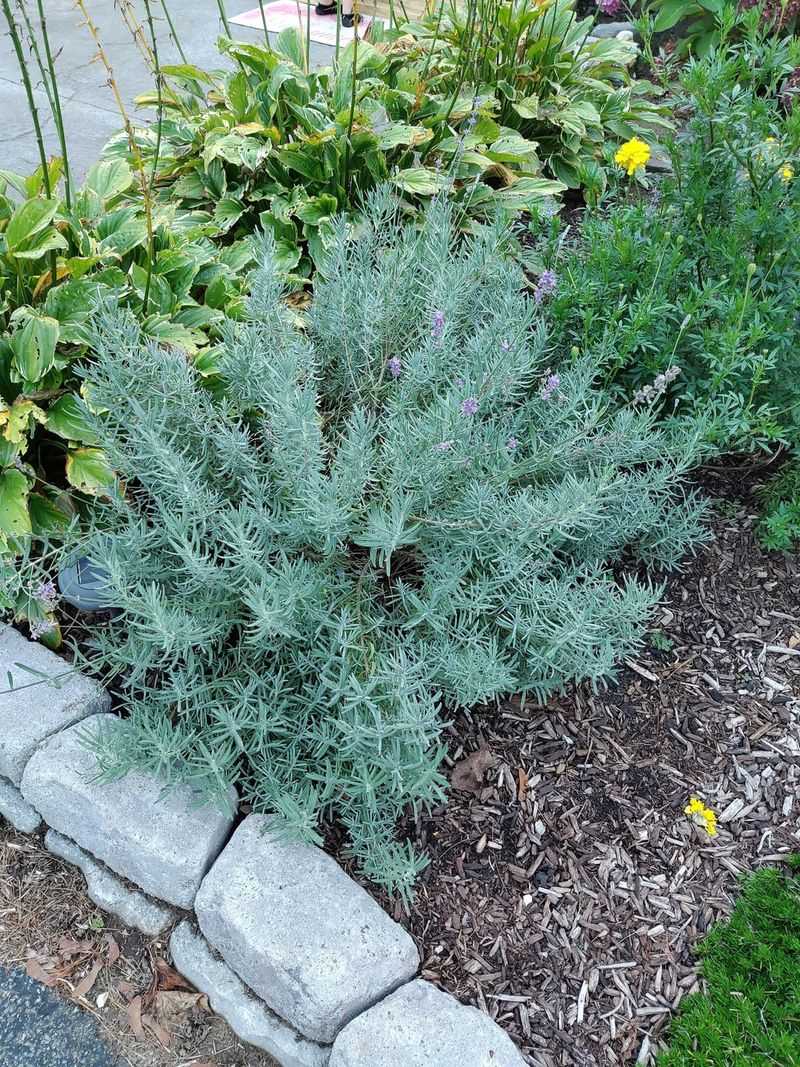
Mulch is great for many plants, but lavender has a complicated relationship with it. Piling mulch up against the stems traps moisture right where the plant is most sensitive.
Over a wet winter, that trapped dampness can cause the stems to rot from the outside in.
Many gardeners add mulch in fall thinking they are protecting their plants from cold. For most garden plants, that logic works well.
But lavender comes from dry, rocky hillsides where the soil drains almost instantly. Packing wet organic material around its stems goes against everything the plant is built for.
If you want to use mulch around lavender, keep it at least four to six inches away from the base of the plant. Think of it like a donut shape, with the plant in the hole and the mulch forming a ring around the outside.
This protects the surrounding soil from compaction and weed growth while keeping the crown area open and dry.
Gravel mulch is a much better option for lavender than wood chips or bark. It does not break down into soggy organic matter, and it actually helps water move away from the plant rather than holding it in.
A one to two inch layer of pea gravel or crushed granite around the base can make a noticeable difference through a wet season.
Skip the bark, keep the base clear, and your lavender will thank you come spring with strong, healthy new growth and plenty of blooms.
Trim Lightly Without Cutting Into Old Wood
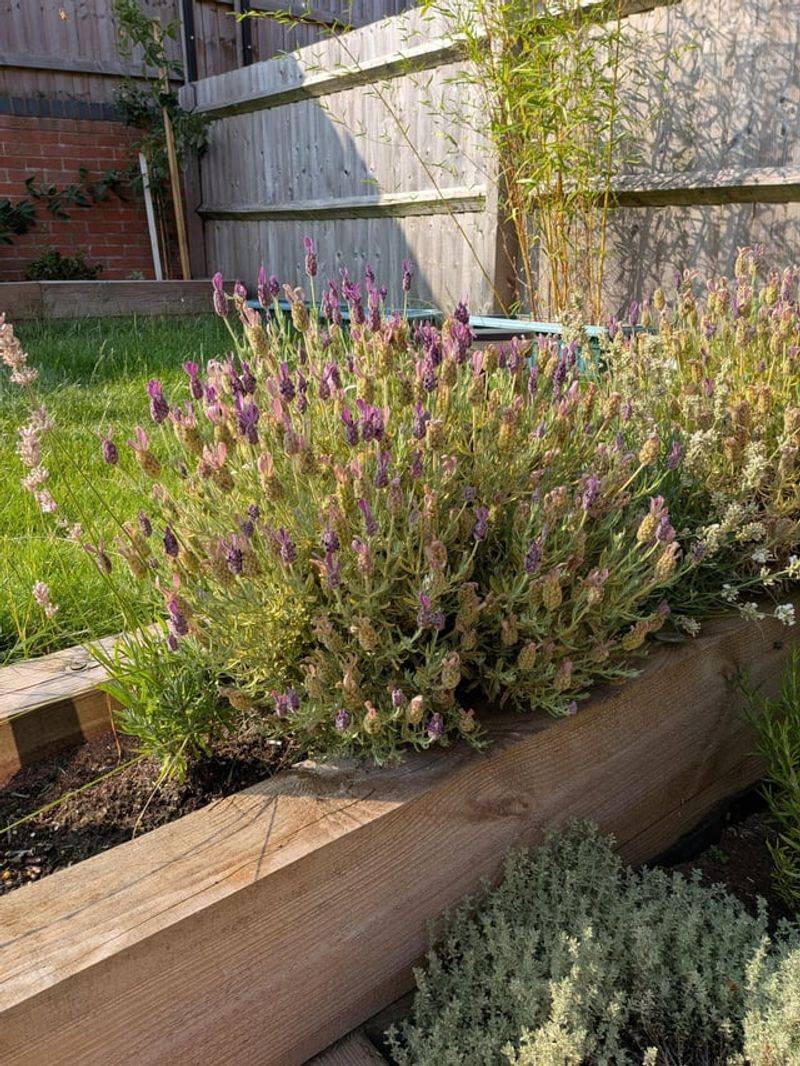
September is a good time to give lavender a light trim in Oregon, but there is one rule you absolutely cannot skip: never cut into the old, woody part of the stem.
That gray or brown woody base is not gone. It is where the plant stores energy and sends out new growth each spring.
Cutting into old wood in fall can shock the plant right before winter sets in. New growth that sprouts from fresh cuts is soft and tender, and it will not survive cold, wet weather.
You want the plant to slow down and rest, not push out vulnerable new shoots in the middle of autumn.
A light trim in September should only remove the top third of the green growth, if that. Focus on tidying up any long, floppy stems that might trap moisture or collect debris.
Cutting these back helps the plant hold a tighter, more compact shape that sheds rain instead of catching it.
Use clean, sharp pruning shears so you make smooth cuts without crushing the stems. Crushed stems are more likely to hold water and become entry points for disease.
After trimming, step back and look at the shape of the plant. You want it to look neat and rounded, not flat-topped or scraggly.
A well-shaped plant sheds water more efficiently through winter. Think of this trim as giving the plant a tidy haircut before the rainy season, not a dramatic makeover.
Give Crowded Plants More Airflow
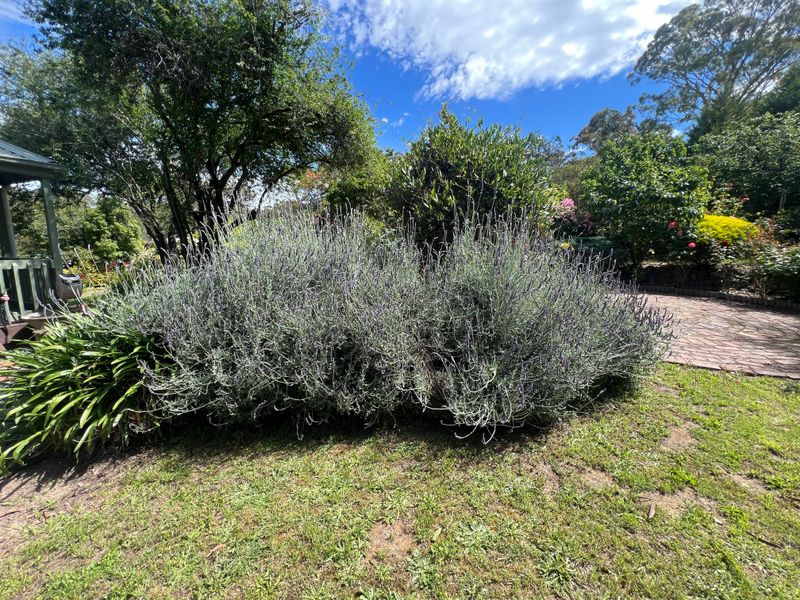
When lavender plants grow close together, the air between them stops moving. Still, damp air is a breeding ground for fungal problems like botrytis, which spreads quickly in wet fall and winter conditions.
One of the best things you can do in September is make sure each plant has room to breathe.
Good airflow helps the foliage dry out faster after rain. When stems and leaves stay wet for hours or days at a time, the risk of disease goes way up.
Spacing is something many gardeners overlook when planting, but it becomes very obvious once a rainy season hits and crowded plants start showing gray mold or mushy stems.
If your lavender plants are touching each other or growing into nearby shrubs, September is the time to act. Trim back any neighboring plants that are crowding the lavender.
If the lavender itself is very dense in the center, carefully remove a few of the oldest stems from the middle to open it up. This lets air flow through from every direction.
For plants that are too close together long-term, consider moving one of them in early fall before the rains arrive. Lavender transplants best when temperatures are mild and not too hot.
Give each plant at least two to three feet of clear space on all sides. More space means more airflow, faster drying, and a much lower chance of fungal problems ruining your plants before winter is even halfway over.
Check For Low Spots Where Winter Water Can Collect
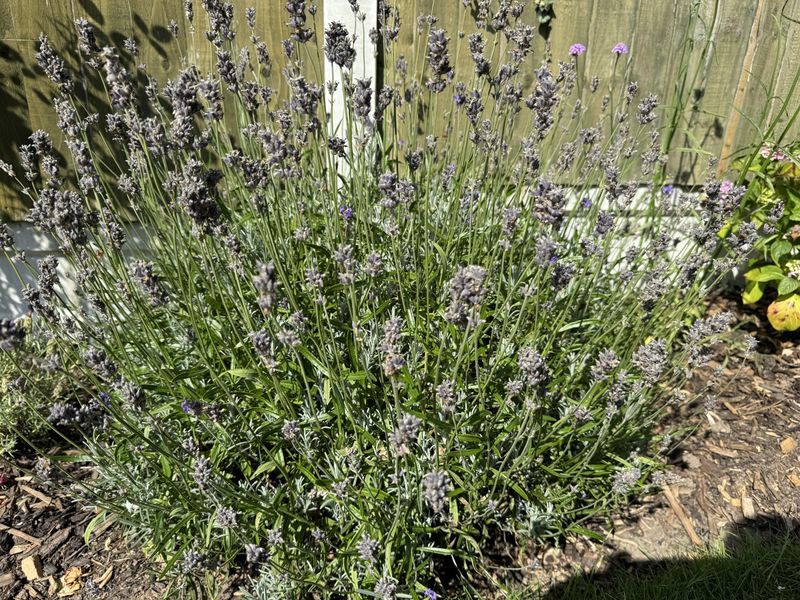
Water always flows downhill and collects in low spots. If your lavender happens to be planted in or near one of those spots, winter rain can turn the surrounding soil into a soggy mess that stays wet for weeks at a time.
September is the right month to walk your garden and look for these trouble areas before the rains begin.
After a light rain or after running a sprinkler briefly, watch where water flows and where it sits. Any spot that holds standing water for more than an hour or two is a red flag.
Lavender planted nearby is at risk of having its roots submerged in water during the wettest months of the year.
Fixing a low spot does not have to be complicated. For minor issues, adding a few inches of soil to raise the bed slightly can redirect water away from the plant.
For bigger problems, you might need to dig a small drainage channel that leads water away from the garden bed toward a lower area of the yard.
Another option is to move the lavender to a raised bed or a slope where water naturally drains away. Raised beds give you full control over soil type and drainage, which is a huge advantage in a rainy climate.
Even a six-inch raise in bed height can keep roots dry enough to survive a Pacific Northwest winter.
Do not wait until the ground is already saturated to deal with drainage problems. September gives you enough dry time to fix things properly.
Keep The Root Zone On The Dry Side
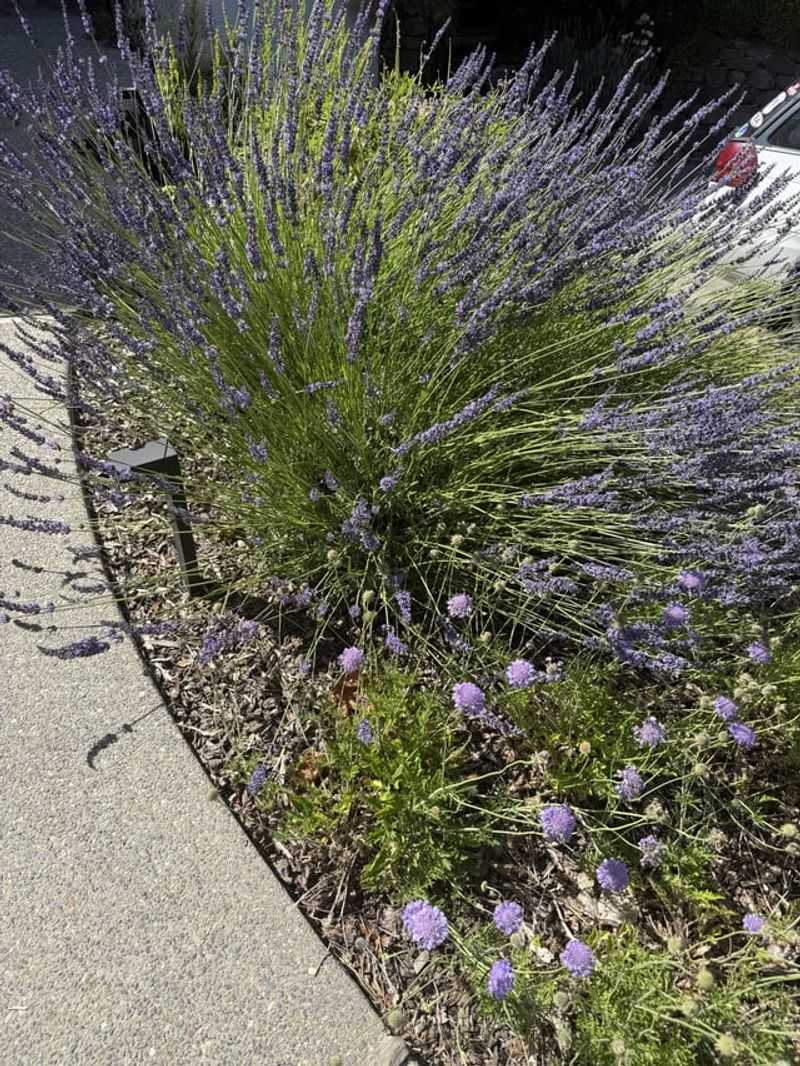
Roots are the engine of any plant, and for lavender, keeping those roots on the dry side through winter is absolutely critical. Wet roots in cold soil break down fast and lose the ability to take up nutrients.
By the time spring arrives, a plant with damaged roots may look alive above ground but struggle to produce any new growth.
The best way to protect the root zone is to start with the right soil. Sandy, gritty, or loamy soil with plenty of drainage built in will always outperform heavy clay.
If you planted your lavender in dense soil, working coarse sand or perlite into the top layer in September can help improve drainage before the rains hit.
Raised planting is another smart trick. Planting lavender on a slight mound, even just three to four inches above the surrounding grade, keeps the root zone elevated above water that might pool at ground level during a storm.
Over time, roots will grow downward into drier, more stable soil rather than spreading out into saturated ground.
Avoid any deep digging or major soil disturbance near the roots in September. Disturbing roots right before a wet season stresses the plant and makes it more vulnerable.
Instead, focus on surface improvements that help water move away quickly. A dry root zone through winter is the single most important thing you can give your lavender in a rainy climate like the one found across much of western Oregon.