The September Citrus Task Arizona Gardeners Shouldn’t Skip
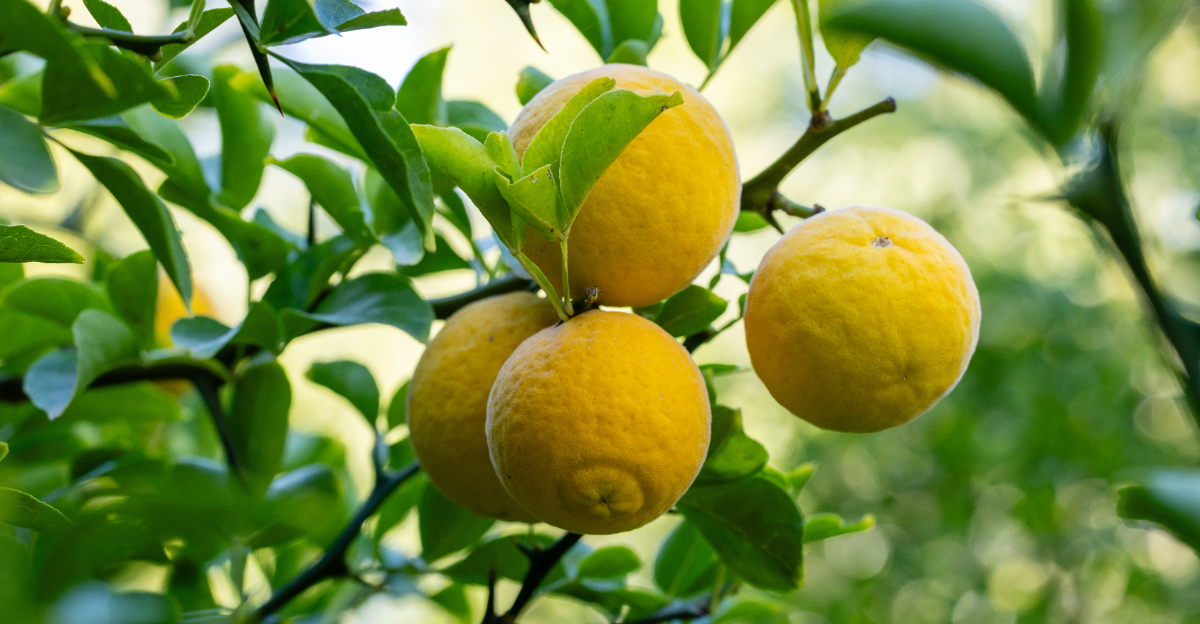
September can be an important turning point for citrus after months of punishing summer heat. Your tree still needs careful attention as conditions slowly begin to shift.
Arizona gardeners should resist treating early fall like the growing season is already finished. Citrus trees remain active, and their condition now can influence how they handle the months ahead.
One seasonal task deserves attention before cooler weather becomes more noticeable. Getting the timing right matters just as much as getting the job done.
Do not rush into extra pruning or other work simply because summer is ending. Some common choices can create stress instead of helping the tree.
Focus on what your citrus actually needs during this transition. September care should support steady health without encouraging unnecessary problems.
Taking care of this job now helps your tree enter the next season in better shape.
1. September Brings Another Feeding Time For Lemons And Limes
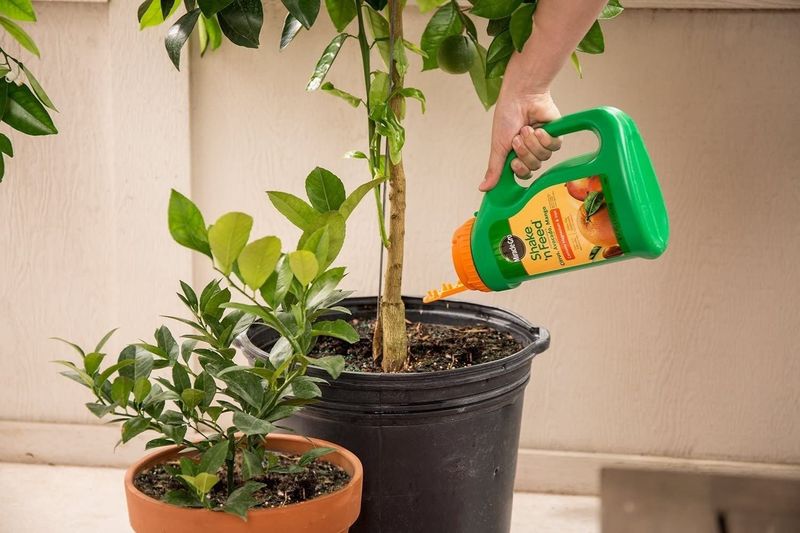
Lemons and limes do not take a break just because summer is winding down.
Citrus trees are heavy feeders. They pull a lot of nutrients from the soil through the growing season.
By the time September rolls around, much of what was applied in spring has been used up or washed away by irrigation.
Fruit that is already forming on the tree needs steady nutrition to size up properly.
Neither outcome is what any gardener wants after months of effort.
Warm soil temperatures in early fall keep roots active and able to absorb nutrients. Feeding now takes advantage of that biological window before cooler nights slow things down.
A light, well-timed application in September helps trees carry enough stored energy through winter. It supports healthy budding the following spring without pushing excessive soft growth that cold nights could damage.
This approach also reduces the risk of applying more fertilizer than the tree can use at one time. Careful feeding helps maintain steady growth without forcing an unnecessary flush of tender foliage.
2. The Right Fertilizer Amount Depends On Tree Size
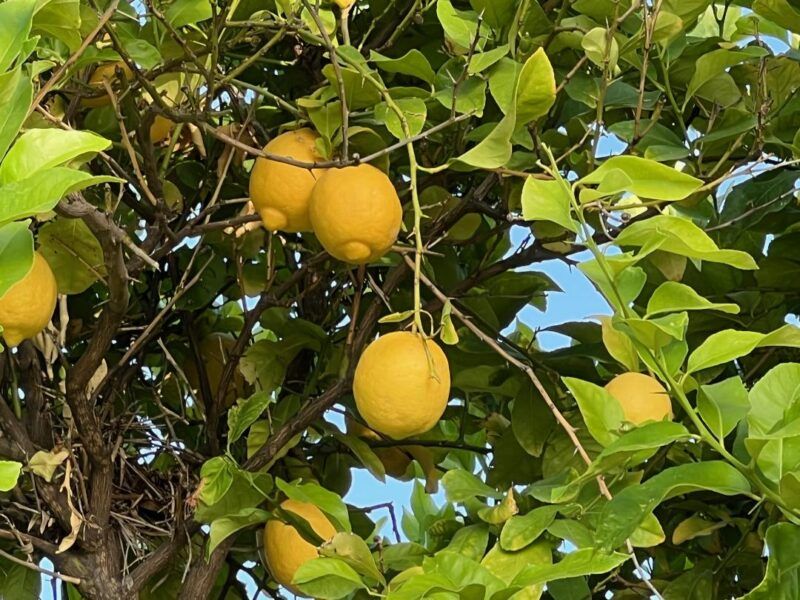
Bigger trees need more food, and smaller trees need less. Applying the same amount of fertilizer regardless of tree size is one of the most common mistakes home growers make.
However, always check the label of the specific fertilizer product you are using, since formulations vary widely.
Dwarf citrus trees grown in containers need considerably less than in-ground trees. Container soil holds nutrients differently, and roots have less space to spread, which affects uptake rates.
Eyeballing the amount rarely works well. Using a small kitchen scale or measuring cup to portion fertilizer helps prevent both under-feeding and accidental over-application.
Mature trees that have been in the ground for ten or more years still benefit from feeding, but they often need less per application than younger, rapidly growing trees. Adjust based on how the tree looked and performed through summer.
Yellowing leaves or slow fruit development are signs a tree may have been underfed. Strong, dark green foliage through summer usually means the tree is in decent nutritional shape heading into fall.
Your Arizona Garden Changes Every Week. Your Plan Should Too.
Gardening in Arizona changes quickly throughout the season. Every Friday you’ll receive a simple weekly plan showing exactly what to plant, prune, fertilize, harvest, and protect so you never miss the right timing.
Tree age alone should not determine how much fertilizer you apply, since growing conditions and tree health also matter.
Follow the product directions carefully and avoid exceeding the recommended rate. When in doubt, a measured application is safer than adding extra fertilizer.
3. Nitrogen Supports Healthy Citrus Growth
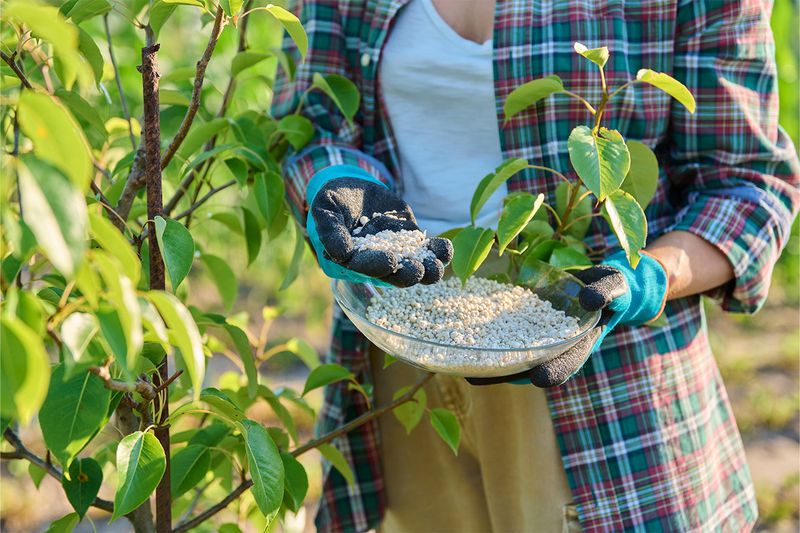
Out of all the nutrients citrus trees need, nitrogen tends to be the one that runs out fastest. Leaves lose their deep green color when nitrogen drops, and fruit production can slow noticeably.
Nitrogen fuels leaf production and supports the overall structure of the tree. Without enough of it, trees shift energy away from fruit development and focus on just staying alive.
Citrus fertilizers are typically labeled with three numbers on the bag. The first number represents nitrogen.
For fall feeding, look for a fertilizer with a moderate nitrogen level rather than a very high one.
High-nitrogen products push fast, lush leafy growth. In fall, that kind of soft new growth can be vulnerable to cold damage if temperatures drop unexpectedly.
A balanced product works better at this time of year.
Slow-release nitrogen sources are worth considering for September applications. They feed the tree gradually over several weeks instead of delivering a sudden rush that the tree may not fully use.
Organic options like composted manure or feather meal also supply nitrogen at a gentler pace. Mixing organic and synthetic sources is an approach some growers use to balance speed and longevity of feeding.
Checking the fertilizer label before applying it helps prevent giving the tree more nitrogen than it needs. Tree size, age, and current growth can all affect how much fertilizer is appropriate.
Healthy foliage is a better sign than simply following the same routine every year.
4. Spread Fertilizer Across The Root Zone
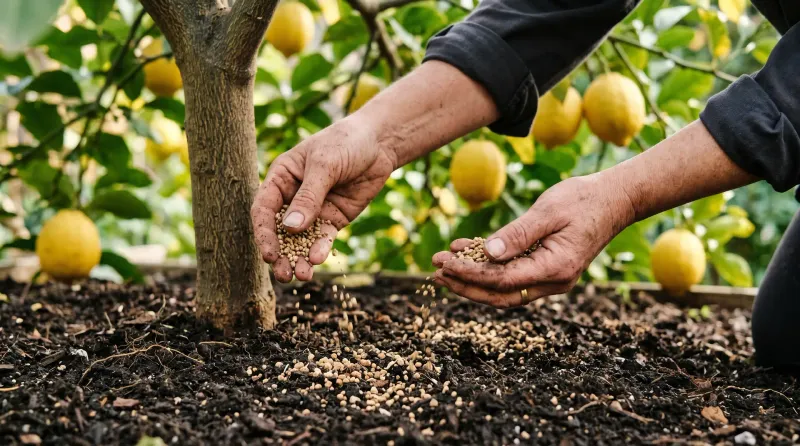
Roots do not cluster right beneath the trunk. Citrus roots spread wide, often extending out to the drip line of the canopy and sometimes beyond.
Fertilizer needs to go where the roots actually are.
The drip line is the outer edge of the canopy, roughly where rainwater drips off the leaves. Spreading fertilizer from just inside that line back toward the trunk covers most of the active root zone.
Piling fertilizer in one spot creates an uneven feeding pattern. Some roots get too much while others get nothing.
Spreading it out evenly gives the whole tree a fair chance to absorb what it needs.
Granular fertilizer is easiest to spread by hand or with a small broadcast spreader. Walk slowly around the tree and aim for a consistent layer across the soil surface.
Liquid fertilizers applied through a hose-end sprayer can also work well. Soaking the entire root zone with a diluted liquid product gives roots quick access to nutrients.
Avoid letting fertilizer drift onto grass or garden beds nearby, since it can shift the nutrient balance of those areas. A light rake after application helps work granules into the top layer of soil for better contact.
Keep the fertilizer spread even across the recommended area rather than concentrating it in a narrow ring. Check the product label for any specific placement instructions before applying it.
Careful placement helps nutrients reach the root zone while reducing unnecessary buildup in one spot.
5. Keep Fertilizer Away From The Trunk
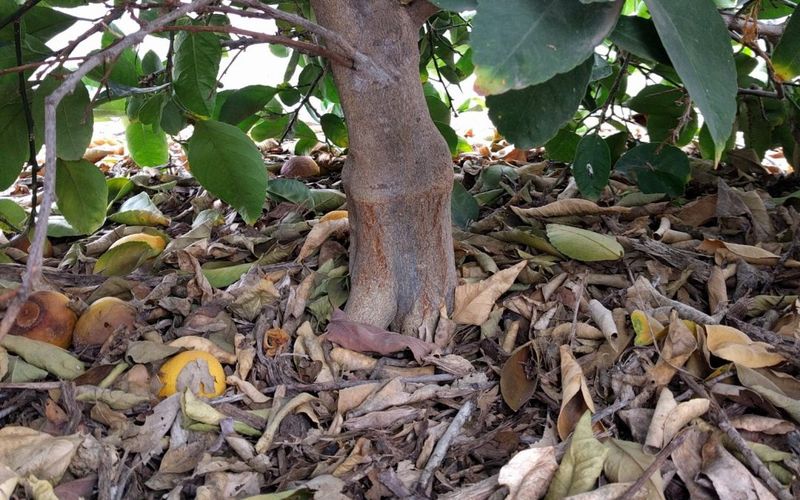
Fertilizer sitting directly against a citrus trunk causes real problems. Salt buildup from concentrated granules burns bark tissue and can create entry points for fungal issues over time.
A gap of at least six inches between the trunk and where you start spreading fertilizer is a reasonable buffer. Some growers prefer to leave even more space, especially with older trees that have wider trunks.
Trunk burn is not always obvious right away. Damage can develop slowly over several weeks, showing up as discolored or cracked bark near the soil line.
By then, the harm has already happened.
Mulch piled against the trunk creates a similar problem by trapping moisture. Keeping both fertilizer and mulch pulled back from the base protects the bark from prolonged contact with damp, concentrated material.
Young trees are especially vulnerable. Their bark is thinner and less protective than that of mature trees.
Extra care with placement matters more in the first few years after planting.
A simple habit of checking your spreading pattern before you start saves a lot of trouble. Mark the six-inch buffer zone with a stick or stone so you have a visual guide while working around the base.
Keep the area around the trunk clear so fertilizer stays on the surrounding soil where feeder roots can access it.
Checking placement before watering also helps prevent granules from washing back toward the base of the tree.
6. Water The Soil After Feeding Your Citrus
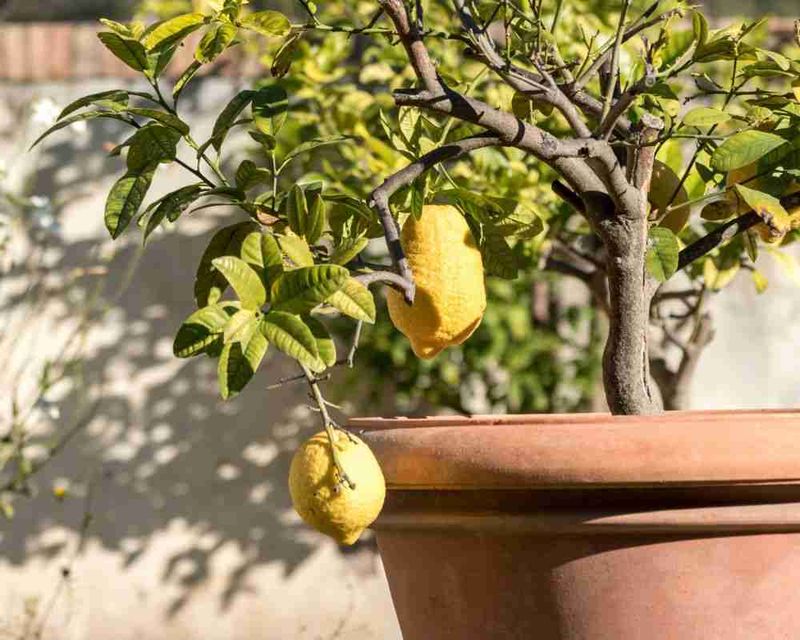
Watering right after fertilizing is not optional. Granular fertilizer sitting on dry soil does almost nothing for the tree.
Moisture is what activates nutrients and moves them down into the root zone.
A deep watering session after application is more effective than a light sprinkle. Aim to wet the soil to a depth of at least 12 inches, which is where most active citrus roots sit in well-draining desert soil.
Drip irrigation systems work well for post-fertilization watering. Running the system for an extended cycle after applying granules gives water time to soak in evenly across the root zone.
In Arizona, soil can form a crust on the surface that slows water penetration. Lightly raking granules into the top inch of soil before watering can help nutrients reach the root zone faster.
Watering too aggressively on a slope can wash fertilizer away from the root zone entirely. A slow, steady soak is more productive than a heavy rush of water that causes surface runoff.
Check soil moisture the day after watering by pressing a finger a few inches into the ground. If it feels dry past the first inch, another watering cycle may be needed before nutrients are fully accessible to roots.
Follow the fertilizer label for watering directions, since products can differ in how much moisture they require after application.
Check that water is soaking into the soil evenly rather than pooling or running away from the root zone.
7. Too Much Fertilizer Creates Problems Of Its Own
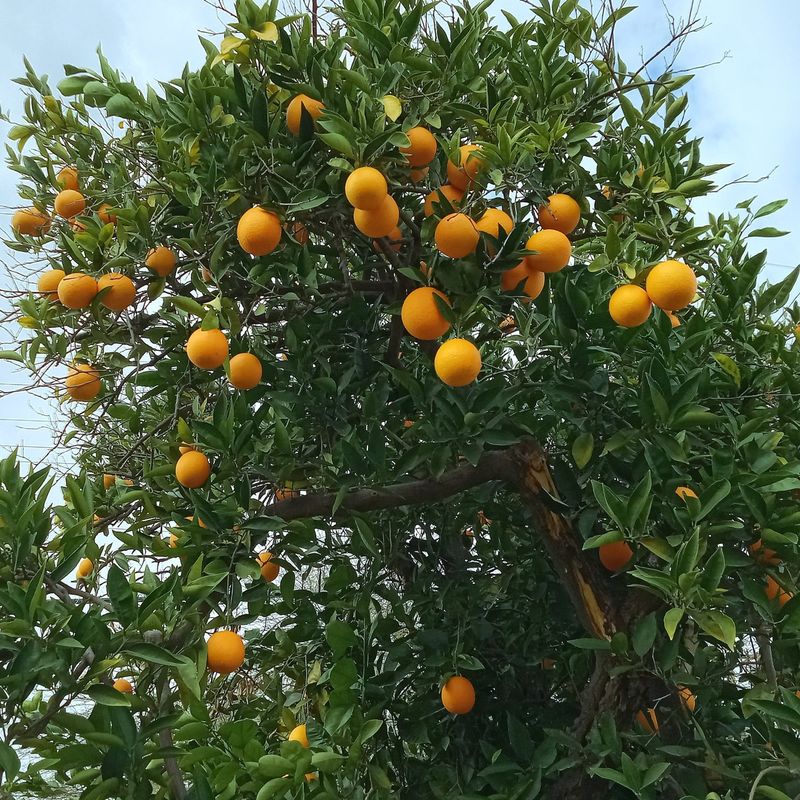
More fertilizer does not mean faster results. Overfeeding citrus is a surprisingly common problem, and the consequences can set a tree back significantly rather than pushing it forward.
Excess nitrogen in particular drives a flush of soft, leafy growth late in the season. That tender new growth is much more sensitive to cold than established wood, which becomes a real concern when nighttime temperatures drop in fall.
Salt buildup in the soil is another side effect of over-application. High salt levels interfere with water uptake, leaving trees stressed even when irrigation is consistent.
Symptoms can look similar to drought stress, which makes the problem tricky to spot.
Leaf tip burn is a visible sign that salt levels may be too high. Edges of leaves turn brown and crispy while the rest of the leaf stays green.
Flushing the soil with deep, slow watering can help reduce salt concentration over time.
Fruit quality can also suffer when trees are overfed. Thick rinds, off-flavors, and reduced juice content have been linked to excessive nitrogen applications in some cases, though results vary by soil type and variety.
Stick to label recommendations and resist the urge to add a little extra. Consistent, measured feeding over time produces better outcomes than occasional heavy doses.
Overfeeding can also waste fertilizer that the tree cannot use effectively. Careful applications make it easier to maintain healthy growth without creating unnecessary stress.
8. Good Timing Keeps Late Season Feeding On Track
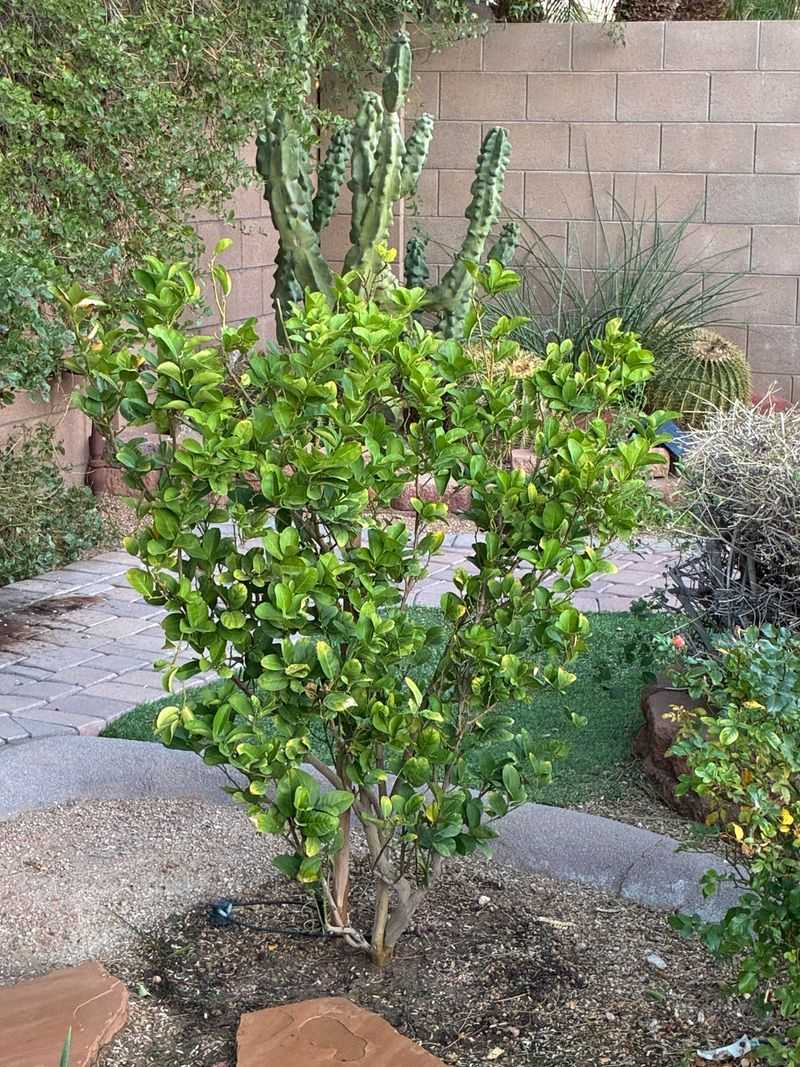
Timing the September feeding correctly makes a noticeable difference. Feed too early in the month and the tree is still in summer mode, potentially pushing growth that struggles as temperatures shift.
Feed too late and cooler soil slows nutrient uptake.
Daytime temperatures are still warm enough to keep soil active, but the worst heat of summer has typically passed.
Soil temperature matters more than air temperature for nutrient uptake. Roots absorb nutrients most efficiently when soil stays above 60 degrees Fahrenheit.
In much of the Southwest, that window extends well into October, giving some flexibility.
Keeping a simple garden journal helps track when fertilizer was applied each year. Noting the date, product used, and how the tree responded gives useful reference points for adjusting timing in future seasons.
Weather forecasts are worth checking before applying fertilizer in fall. If a cold snap is expected within a week or two, it may be smarter to hold off until conditions stabilize.
Cold soil slows the whole absorption process.
Before applying anything, check the fertilizer label and make sure the product is appropriate for your type of citrus.
Trees that already look healthy may not need additional nutrients simply because the calendar has changed.
Avoid increasing the amount in hopes of getting faster results. Careful observation is more useful than treating every tree exactly the same.