The One Thing North Carolina Peppers Need After Heavy Rain Or Blossom End Rot Will Destroy Them
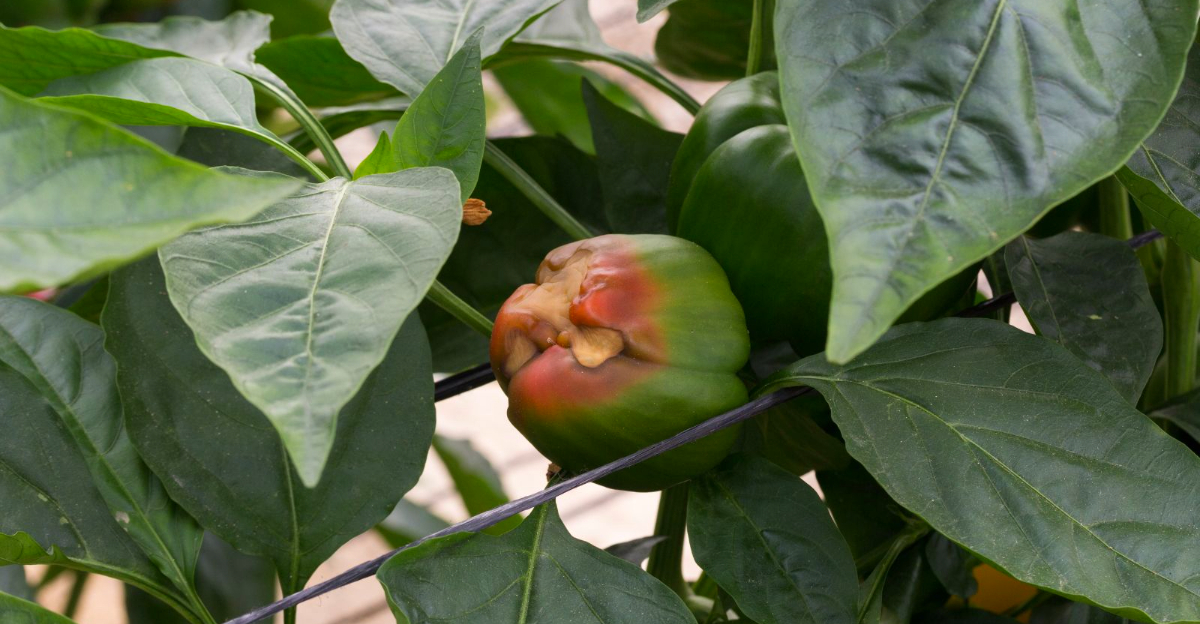
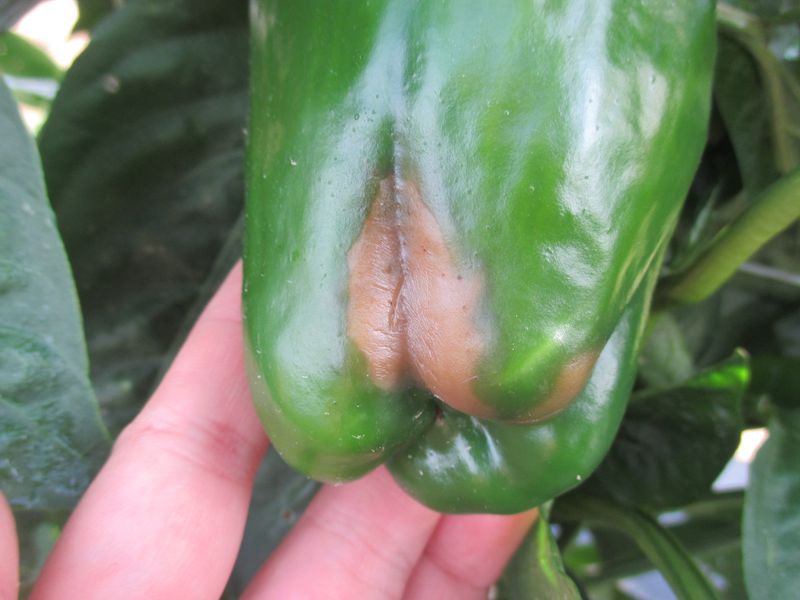
Heavy rain across North Carolina can make your pepper bed look incredibly well cared for, which makes it genuinely confusing when you flip over a developing pepper fruit and find a sunken, discolored patch staring back at you.
Welcome to blossom-end rot, one of the more frustrating plot twists in the vegetable garden.
Here is the part that throws most gardeners off: this is not a disease caused by a fungus or bacteria. It is a physiological disorder that shows up when enough calcium fails to reach rapidly developing fruit tissue.
And saturated soil does not mean calcium is actually moving where the plant needs it, which is exactly why soggy conditions after heavy rain can still lead to this problem.
Keeping root zone moisture reasonably consistent once that excess water drains is one of the most practical things you can do.
1. Heavy Rain Can Disrupt Calcium Movement Into Developing Fruit
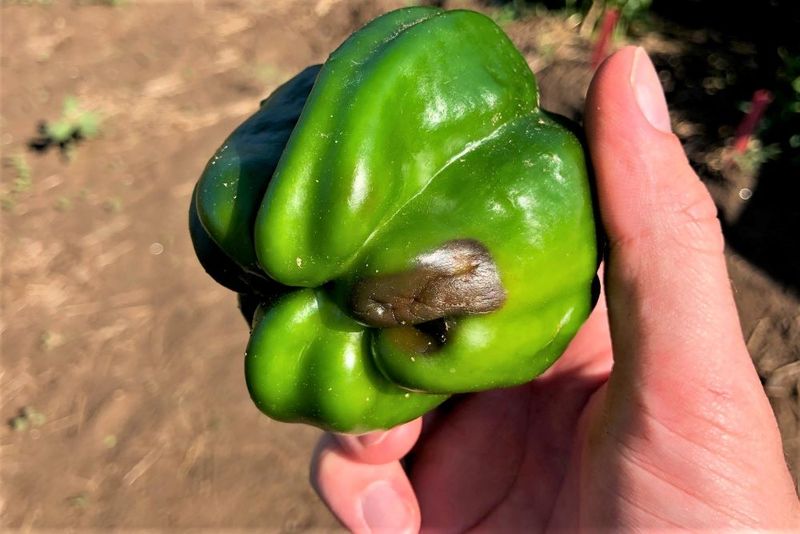
Spotting a darkened, sunken patch near the bottom tip of a developing pepper is a discouraging sight, especially right after a rainy stretch that seemed to give the garden plenty of water.
That sunken area is blossom-end rot, and understanding why it forms helps explain why heavy rainfall in North Carolina can actually contribute to it rather than prevent it.
Calcium is the nutrient at the center of this problem. It travels from the soil into plant roots and then moves upward through the plant with water, eventually reaching developing fruit tissue.
When that water movement is disrupted or becomes irregular, calcium delivery to rapidly expanding fruit cells can fall short.
Fruit tissue that does not receive enough calcium during early development loses structural integrity, and that collapse is what produces the characteristic darkened, flattened area.
Excessive rainfall is one documented condition that can interfere with this process. Saturated soil changes how roots function and how water and dissolved nutrients move through the plant.
North Carolina’s summer rain patterns, which can swing between heavy downpours and dry spells within the same week, make this kind of disruption more common than many gardeners expect.
The soil itself may not be low in calcium, but disrupted water relations can limit how much calcium actually reaches the fruit.
Secondary microorganisms sometimes colonize the damaged tissue afterward, but they are not the underlying cause. The disorder originates in the developing fruit during a period when calcium supply could not keep pace with rapid cell growth.
2. Even Soil Moisture Matters More Than Adding Extra Calcium
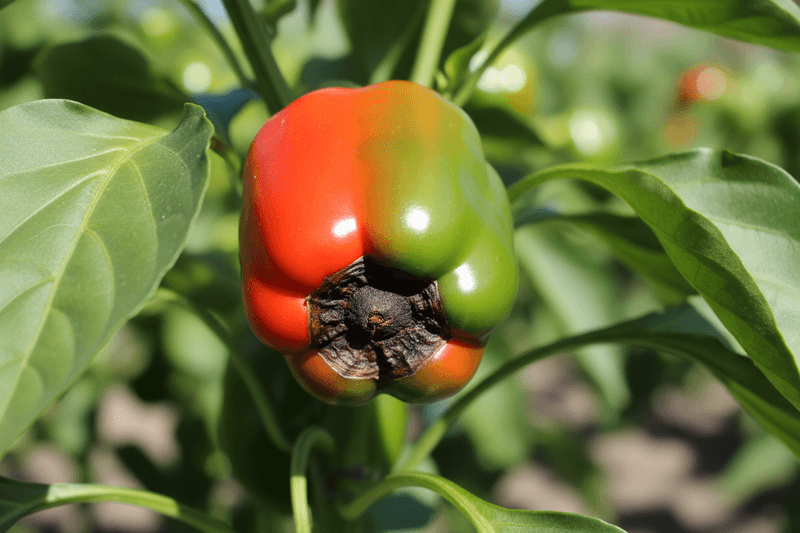
One of the most common reactions when blossom-end rot appears on pepper fruit is to reach for a bag of lime, a container of gypsum, or a bottle of calcium spray. That impulse is understandable, but it often misses the real issue.
The disorder is more commonly linked to poor calcium uptake into developing fruit than to an outright shortage of calcium in the soil itself.
Applying calcium products without knowing whether the soil actually needs them can create other nutrient-management complications. Lime, for example, raises soil pH.
Your North Carolina Garden Changes Every Week. Your Plan Should Too.
Gardening in North Carolina changes quickly throughout the season. Every Friday you’ll receive a simple weekly plan showing exactly what to plant, prune, fertilize, harvest, and protect so you never miss the right timing.
Adding it to soil that already sits at an appropriate pH level can push conditions in the wrong direction and affect the availability of other nutrients.
A soil test is the right starting point for North Carolina pepper growers, and the NC State Extension soil testing service makes that step straightforward and affordable.
If results show that pH or calcium levels genuinely need correction, following those recommendations makes sense. If the soil tests fine, the focus should shift to moisture management.
Foliar calcium sprays are sometimes marketed as a quick fix, but calcium applied to leaf surfaces has limited ability to move from leaf tissue into the developing fruit where it is actually needed.
Managing irrigation, improving drainage, and avoiding sharp swings between wet and dry conditions addresses the actual pathway through which calcium reaches pepper fruit.
Treating the symptom with a calcium product while leaving moisture management unaddressed rarely solves the underlying problem for subsequent fruit on the same plant.
3. Saturated Beds Need Time To Drain Before More Water Is Added
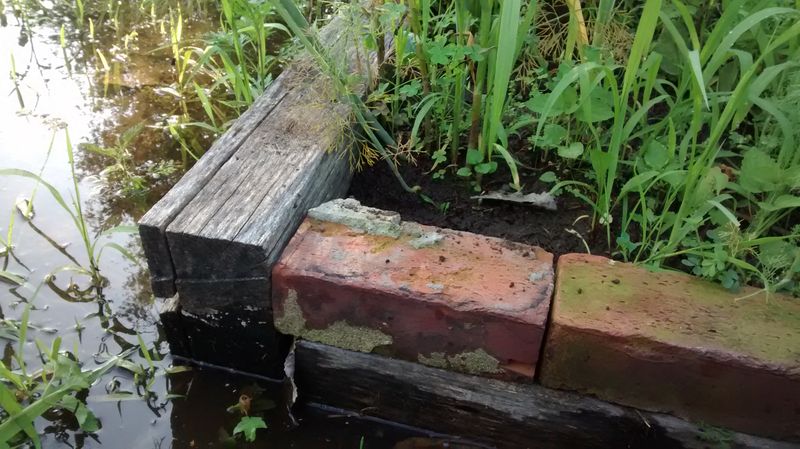
Muddy beds, standing water between rows, and soil that squishes underfoot are familiar sights in North Carolina vegetable gardens after several days of summer storms.
The instinct to keep to a regular watering schedule can work against peppers during this kind of stretch.
Even moisture does not mean keeping roots constantly soaked, and saturated soil is not the target.
Pepper roots need oxygen as well as water. When soil pores fill completely with water and stay that way, root function can be compromised.
A struggling root system is less capable of absorbing water and moving calcium upward into developing fruit.
Allowing the bed to drain before adding more irrigation gives roots a chance to return to normal function and gives the soil a chance to reach a more workable moisture level.
Checking the soil before turning on the irrigation is a practical habit. The surface drying out can be misleading because conditions several inches deeper in the root zone may still be very wet.
Pressing a finger or a small tool several inches into the bed gives a more useful reading than looking at the top layer alone. How long a bed needs to drain after heavy rain depends on soil texture, how the bed is built, slope, temperature, and how much rain actually fell.
There is no single waiting period that applies to every North Carolina garden, so checking rather than guessing is the more reliable approach.
4. The Wet-To-Dry Swing Can Raise Blossom-End Rot Risk
Once the clouds clear and summer sun returns to a North Carolina garden, conditions can shift quickly.
A bed that was saturated two days ago can develop a dry, crusty surface within a surprisingly short time, especially during hot, windy stretches that follow summer storms.
That rapid transition from one extreme to the other is where some of the real blossom-end rot risk lives.
Fluctuating soil moisture is a documented contributor to the disorder. When the root zone swings sharply between very wet and very dry conditions, water movement through the plant becomes irregular.
Calcium travels with that water, so irregular movement means irregular delivery to developing fruit.
Peppers that are actively sizing up during this kind of moisture rollercoaster are the ones most at risk, because rapidly expanding fruit tissue has a high calcium demand and little tolerance for interruptions in supply.
The practical goal is not to hit one precise moisture level and hold it there indefinitely. Extension guidance does not identify a single universal moisture target that prevents blossom-end rot in every situation.
The more achievable aim is to monitor the root zone and irrigate when the bed is genuinely approaching dryness, rather than waiting until plants are visibly stressed or the soil has become very dry.
Catching the transition before it becomes extreme helps keep calcium moving more consistently into fruit that is still developing and has not yet shown symptoms.
5. Mulch Can Help Keep Root-Zone Moisture More Consistent
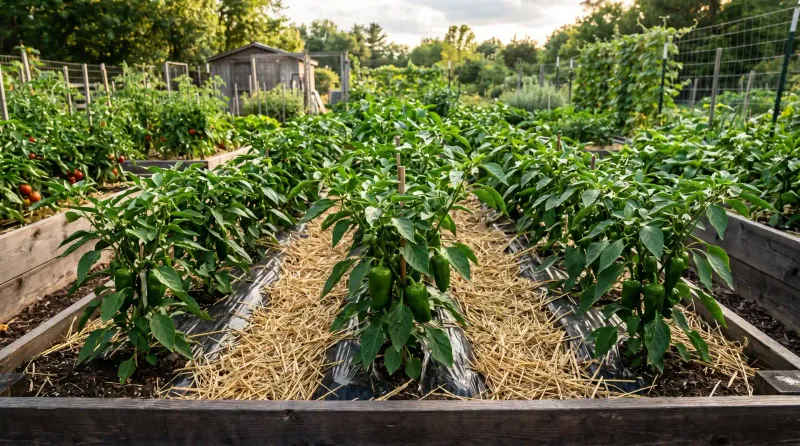
Checking the soil beneath a layer of straw mulch after a dry week often reveals something encouraging: the ground underneath stays noticeably cooler and holds onto moisture longer than bare soil nearby.
That buffering effect is one of the reasons mulch is widely recommended by North Carolina gardeners and extension specialists as part of managing moisture fluctuations in vegetable beds where blossom-end rot is a concern.
After a period of heavy rain, mulch does not help much while the bed is still saturated. Its real value shows up once the soil has drained to a workable level and the weather turns hot and sunny again.
A good layer of mulch slows evaporation from the soil surface, which can help moderate the transition from post-storm wetness toward the kind of dryness that encourages sharp moisture swings.
That slower drying pace gives the root zone a more consistent environment and reduces how often supplemental irrigation is needed to prevent the bed from becoming excessively dry.
Keeping mulch a few inches away from pepper stems is worth mentioning because piling it directly against the base of the plant can hold unwanted moisture against the stem.
Mulch works best when it covers the area around the plant rather than burying the base.
In North Carolina’s variable summer weather, where heavy rain and dry spells can alternate within the same week, even a well-mulched bed still requires regular attention to what is actually happening in the root zone before reaching for the hose.
6. Well-Drained Soil Helps Peppers Recover After Heavy Rain
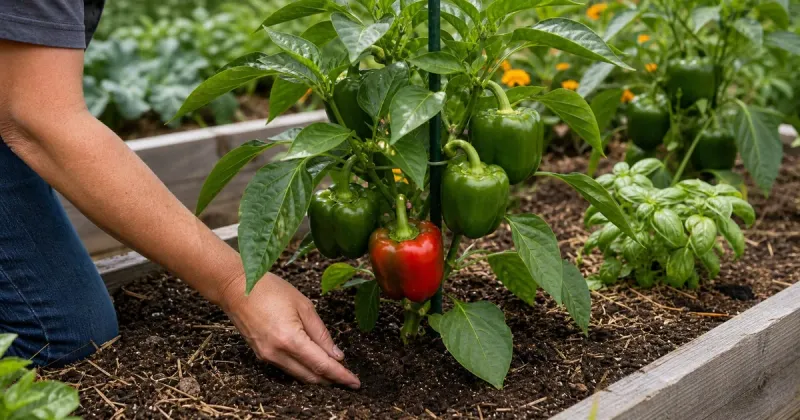
Good drainage and consistent moisture might sound like opposite goals, but they actually work together in a healthy pepper bed. Soil that drains well allows excess rainfall to move away from the root zone without leaving roots sitting in water for extended periods.
At the same time, well-structured soil with adequate organic matter retains enough moisture to support plants between rain events or irrigation cycles.
Planting peppers in an area where water routinely pools or drains slowly puts them at a disadvantage from the start.
After a heavy North Carolina summer rain, a poorly drained spot may stay saturated long after a well-chosen site has returned to a workable moisture level.
Choosing a planting location with natural slope or good soil structure, or improving the bed before planting, pays dividends throughout the season whenever significant rainfall arrives.
Raised beds can improve drainage in some situations, and they are a reasonable option in locations where native soil drains poorly. They are not necessary in every North Carolina garden, and they are not a guaranteed solution to blossom-end rot on their own.
Drainage is one piece of the picture, and moisture fluctuations, fertility, and plant growth stage also influence whether developing fruit receives adequate calcium.
Improving drainage reduces one contributing factor and helps the bed return to a manageable moisture level more quickly after heavy rain, which supports more consistent conditions for pepper fruit development throughout the growing season.
7. Overfertilizing Can Make Blossom-End Rot Problems More Complicated
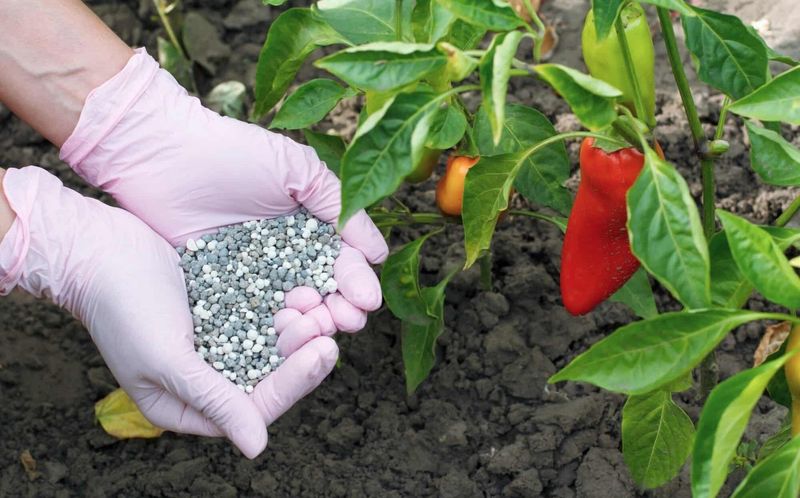
Rain-stressed plants can tempt gardeners into reaching for fertilizer as a way to help them bounce back.
The reasoning feels logical, but adding fertilizer without knowing whether the soil actually needs it can sometimes make blossom-end rot problems worse rather than better.
Excess fertilizer salts in the soil are one of the contributing factors that Extension sources identify alongside moisture issues, and this pattern shows up consistently in North Carolina pepper beds after heavy summer rain events.
Excessive nitrogen is a particular concern. High nitrogen levels can push vigorous vegetative growth, meaning the plant puts energy into producing lots of leaves and stems.
That rapid vegetative growth competes with developing fruit for the calcium being transported through the plant with water. A plant growing very quickly may simply move more calcium into actively expanding leaves and stems than into fruit.
Excessive potassium can also affect how calcium is taken up and distributed, adding another layer of complexity to what might seem like a straightforward moisture problem.
The practical takeaway is not to stop fertilizing peppers entirely. Peppers do benefit from appropriate fertility, and a well-fertilized plant in well-managed soil is generally healthier and more productive.
The point is to base fertilizer applications on actual soil-test results rather than guessing or applying extra products in response to stress.
For North Carolina gardeners, the NC State Extension soil testing service is one of the most reliable ways to know exactly what your pepper bed needs before adding anything to the soil.
8. Soil Moisture Should Guide Watering After The Storm Passes
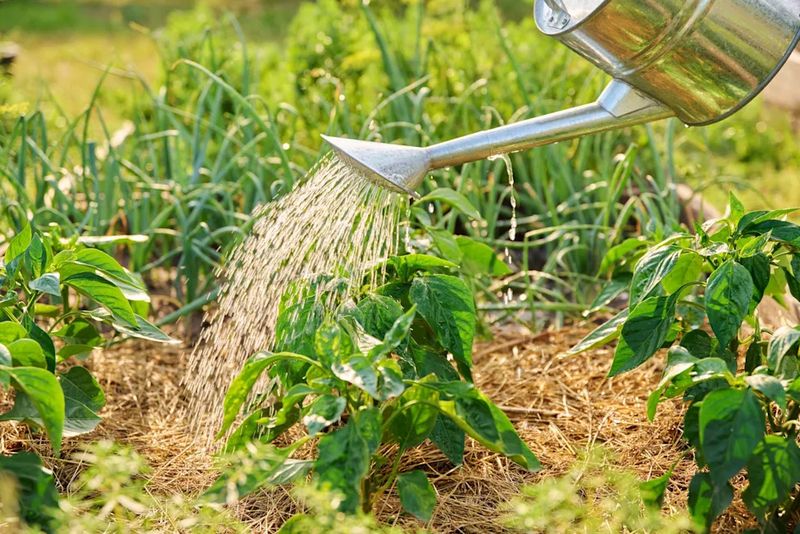
Once a storm system moves through and the sun returns, the question most pepper growers face is straightforward: when do I water again? The answer depends on the soil rather than the calendar.
A schedule that calls for irrigation every few days regardless of recent rainfall can lead to overwatering a bed that is still holding plenty of moisture, or underwatering one that dried out faster than expected because of sandy soil and strong sun.
Checking the root zone before watering is the most reliable approach. If the soil several inches down still feels moist and workable, additional irrigation can wait.
If it is approaching dryness, watering before the bed becomes very dry helps avoid the kind of sharp swing that can interfere with calcium delivery to developing pepper fruit.
The goal is a reasonably consistent supply of moisture, not a perfectly controlled environment, since home gardens simply do not allow for that level of precision.
Drip irrigation can be a useful tool in this situation because it directs water to the soil rather than wetting foliage and allows more deliberate, targeted application.
No single watering interval or duration fits every North Carolina garden, because soil texture, bed type, plant size, temperature, drainage, and recent rainfall all influence how quickly conditions change.
Letting the actual state of the root zone guide irrigation decisions after heavy rain is the most practical way to support developing pepper fruit through the variable weather that North Carolina summers routinely deliver.