The Groundcover Mistake That Lets Weeds Come Back Within A Year In California
A fresh groundcover planting can make a California yard look beautifully finished. Bare soil disappears, planting beds feel fuller, and the whole space suddenly seems much easier to maintain.
Then, months later, weeds start poking through again like they never got the eviction notice.
That comeback can be especially frustrating when the original goal was less maintenance. Groundcovers are often chosen to create a dense, low-growing layer, so seeing unwanted plants return can make the whole project feel like it failed.
The tricky part is that the setback may begin long before the first weed becomes obvious. Spacing, soil preparation, plant density, and early care can all influence how well a planting fills in and holds its ground.
California conditions add their own twist, especially in sunny beds where open patches can quickly become valuable real estate. One small setup mistake can leave enough room for weeds to stage a surprisingly fast return.
A successful groundcover bed depends on more than planting and walking away. The details at the beginning can decide how much cleanup comes later.
1. Wide Gaps Give Weeds Room To Return
Not everyone realizes that the space between plants is just as important as the plants themselves.
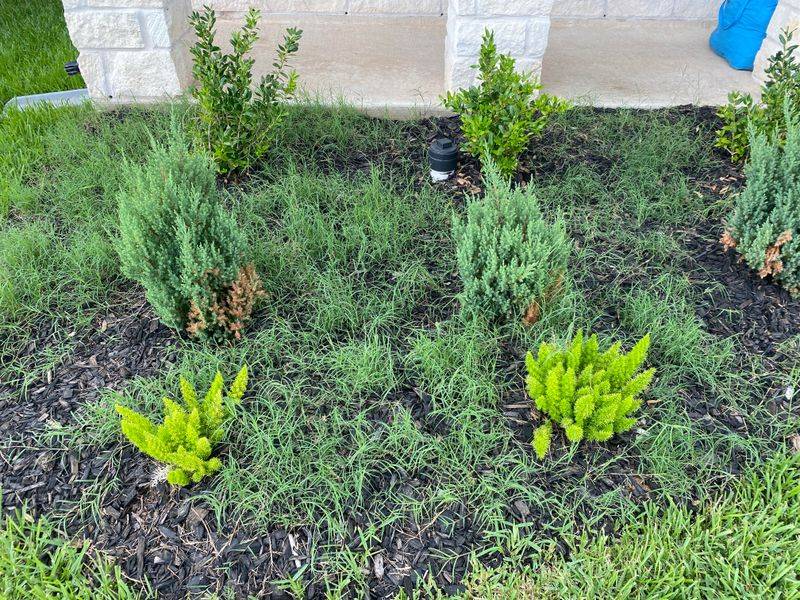
When groundcover is planted with wide gaps, those open patches of soil become an open invitation for weeds. Weeds are fast growers, and they take advantage of any exposed ground they can find.
Even a few inches of bare soil can be enough for a weed seed to land, sprout, and get comfortable. By the time your groundcover starts spreading, the weeds may already have a head start.
That head start makes them very hard to remove without pulling up your groundcover too. The key is to think of your groundcover as a team.
Each plant needs to work with the others to close off the soil as quickly as possible. Wide gaps break that teamwork apart and leave your yard vulnerable.
Spacing recommendations on plant tags are often written for ideal conditions. In a real yard with real weed pressure, you may need to plant closer than the tag suggests.
Closer spacing costs a little more upfront but saves a lot of work later. Reducing gaps between plants is one of the simplest and most effective ways to stop weeds from reclaiming your yard within the first growing season.
2. Bare Soil Lets New Weed Seeds Take Hold
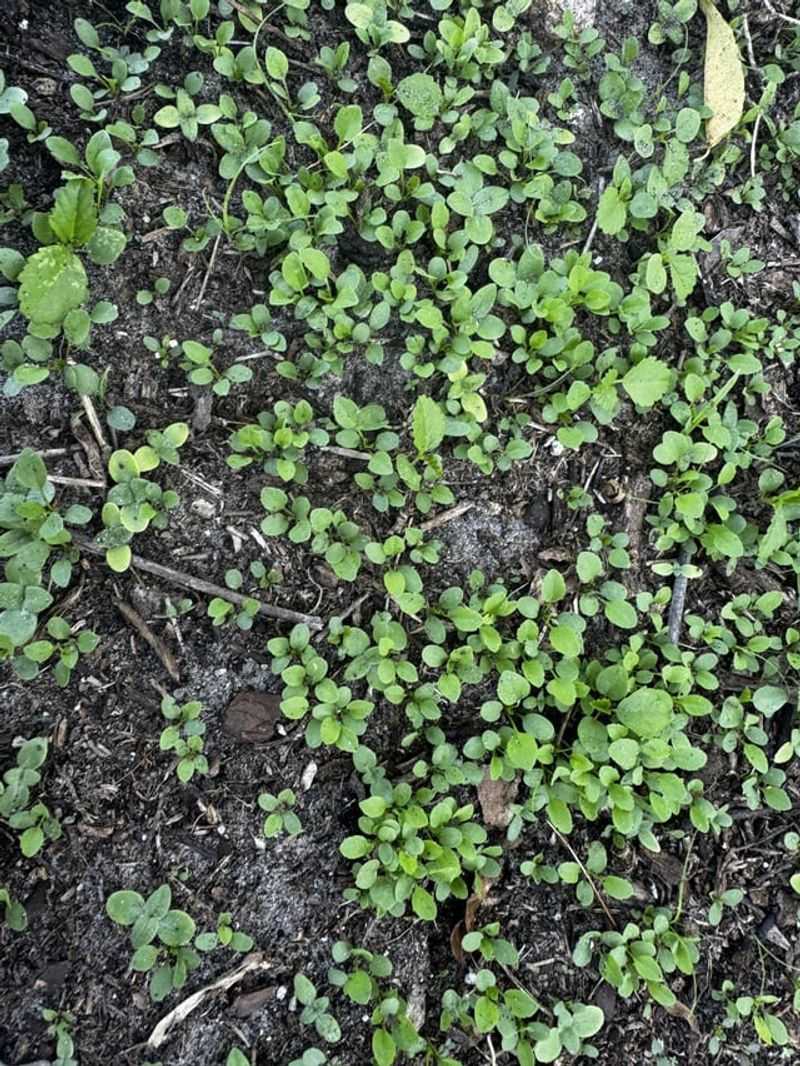
Bare soil is basically a welcome mat for weeds. Every time wind blows, a bird flies over, or rain falls, weed seeds are being deposited onto your garden bed.
If the soil is open and exposed, those seeds have everything they need to sprout quickly. Weed seeds can stay dormant in the soil for years, just waiting for the right conditions.
Once bare soil is exposed to sunlight and moisture, those seeds wake up fast. This is why a bed that looked clean in spring can be full of weeds by summer.
Groundcover plants help by shading the soil and preventing light from reaching weed seeds below. But they can only do that job once they have grown in enough to form a solid layer.
Your California Garden Changes Every Week. Your Plan Should Too.
Gardening in California changes quickly throughout the season. Every Friday you’ll receive a simple weekly plan showing exactly what to plant, prune, fertilize, harvest, and protect so you never miss the right timing.
Until then, bare soil remains a real problem that needs another solution. Covering exposed soil with a thin layer of mulch while your groundcover fills in is one of the best moves you can make.
Mulch blocks light, holds moisture, and slows weed germination significantly. Even two to three inches of wood chip mulch can make a noticeable difference.
Keeping bare soil covered at all times is a simple habit that pays off in a big way throughout the entire growing season.
3. Groundcovers Need To Fill In Before Weeds Do
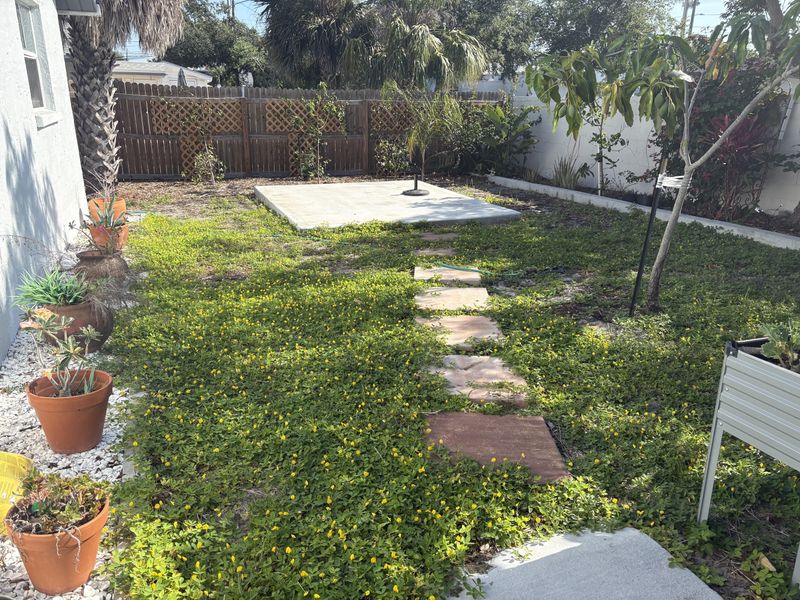
Planting groundcover in California is a bit like a race. Your plants need to spread and cover the soil before weeds get the chance to move in.
If weeds win that race, they can take over quickly and become very difficult to manage without disturbing your groundcover plants.
Many gardeners plant groundcover and then step back, assuming the plants will take care of themselves. But during those first few months, the plants need support.
Weeding by hand, adding mulch, and watering regularly all help your groundcover win the race against weeds.
Fast-spreading groundcover varieties have a natural advantage in this competition. Plants like creeping thyme, ice plant, or dymondia spread more quickly than slower varieties.
Choosing a fast-spreading variety for your climate gives your groundcover a better chance of filling in before weeds can establish themselves.
The first growing season is the most critical window. If your groundcover fills in well during that period, it will be much easier to maintain going forward.
Think of that first year as the foundation. Get it right, and you will spend far less time weeding in the years ahead.
Consistent attention during that early phase makes a lasting difference in how well your yard stays weed-free over time.
4. Sparse Planting Creates More Work Later
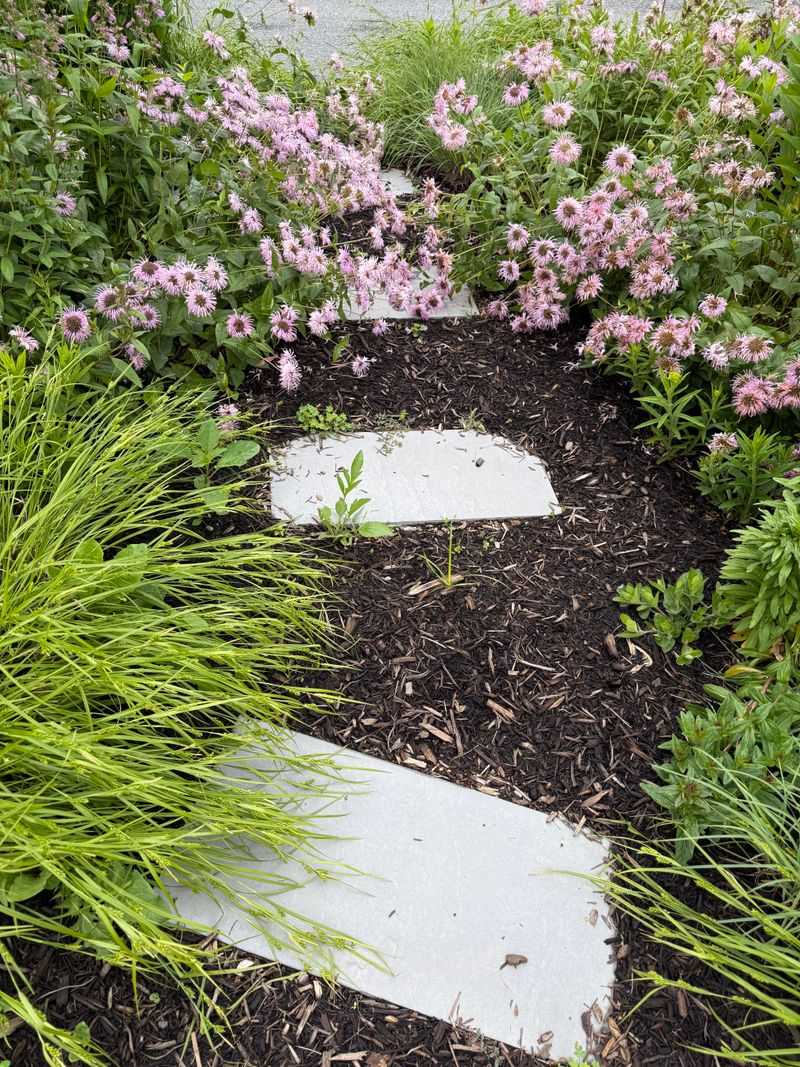
Saving money by buying fewer plants might seem like a smart idea at first. But sparse planting almost always leads to more work down the road.
Fewer plants mean more open soil, and more open soil means more weeds sprouting up throughout the season.
When weeds grow between sparse groundcover plants, removing them becomes tricky. You have to be careful not to disturb the roots of your groundcover while pulling out the weeds.
That extra care slows you down and makes each weeding session take much longer than it should.
Over time, weeds that are not removed will compete with your groundcover for water, nutrients, and sunlight.
This competition can weaken your groundcover plants and slow down their spread. A weak groundcover takes even longer to fill in, which just keeps the weed cycle going.
Planting at the right density from the start breaks that cycle before it begins. Yes, it costs more upfront to buy extra plants.
But consider the time you will save by not weeding every few weeks for an entire season. Many experienced California gardeners say that dense planting is the single best investment they made in their yard.
A little extra effort at planting time leads to a much easier and more enjoyable gardening experience for years to come.
5. Young Plants Cannot Shade The Soil Fast Enough
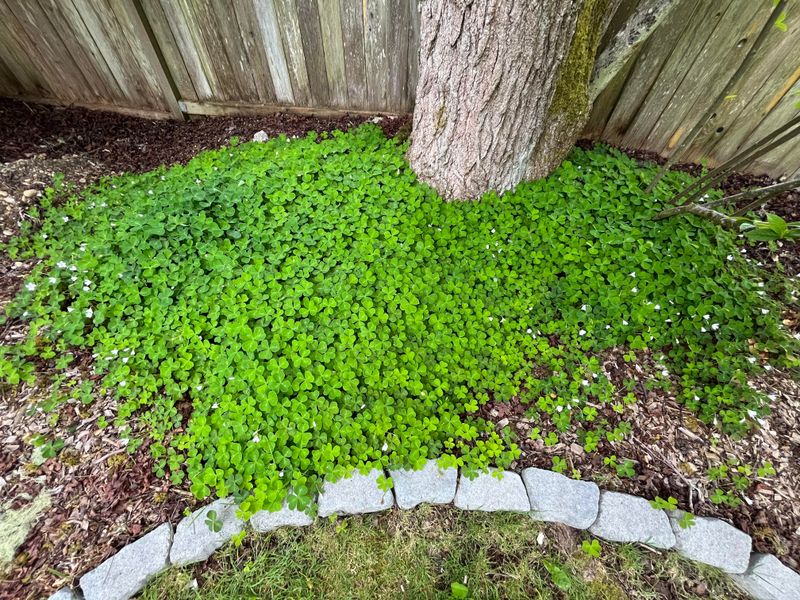
Young plants are still getting settled. Their roots are shallow, their spread is limited, and their canopy is too small to shade much soil at all.
This is completely normal, but it does mean they cannot block weeds on their own during those early weeks. Weed seeds do not wait for your plants to grow up.
They sprout as soon as conditions are right, which is often the same warm, moist weather that helps your groundcover get established. The timing works against you if you are not prepared for it.
One helpful strategy is to plant groundcover in the fall when weed pressure tends to be lower. This gives your plants time to develop stronger roots before the peak weed season arrives in spring.
A well-rooted plant spreads faster and shades soil more effectively than a brand new transplant.
Another option is to pair young plants with a layer of mulch. Mulch fills in the gaps that young plants cannot yet cover.
Together, the plants and mulch create a two-layer defense system against weeds. As the plants grow and spread, the mulch gradually breaks down and feeds the soil.
By the time the mulch is gone, your groundcover should be thick enough to take over the weed-blocking job on its own. Patience and preparation are key during this early stage.
6. Mulch Helps While The Groundcover Is Still Filling In
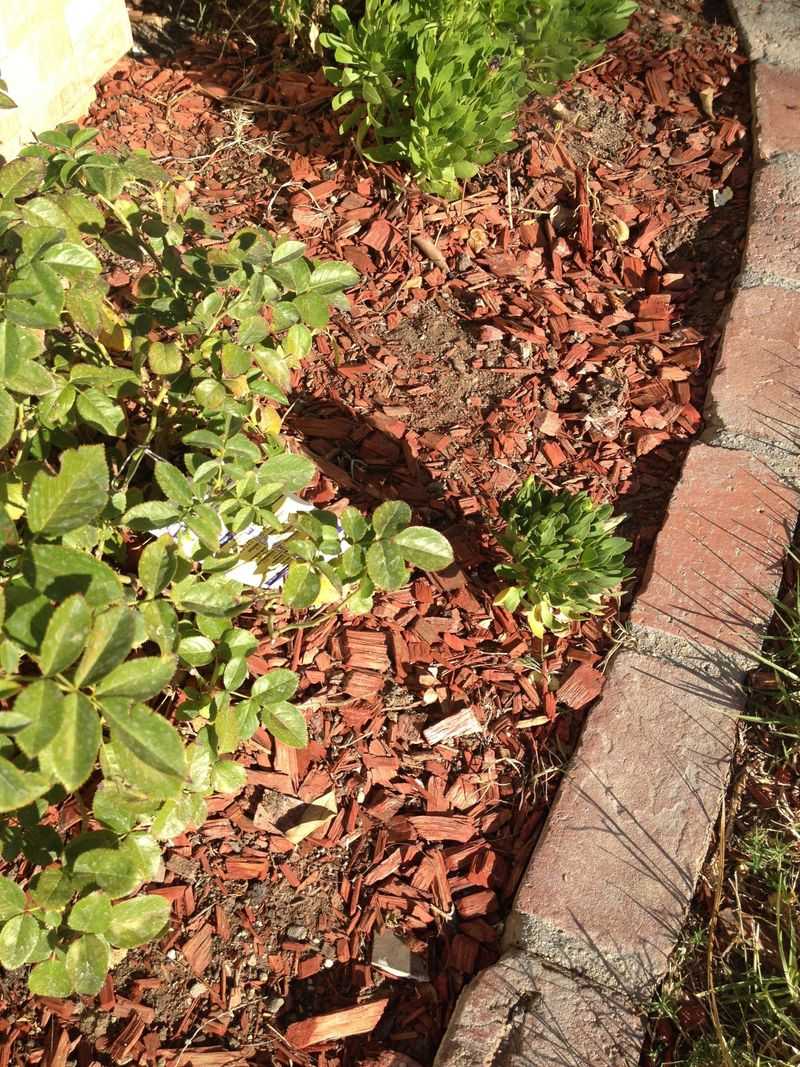
While your groundcover is still spreading and filling in the gaps, mulch acts as a temporary shield for the soil.
It blocks sunlight, slows moisture loss, and makes it much harder for weed seeds to germinate.
Wood chip mulch is a popular choice because it is affordable, easy to find, and breaks down slowly over time.
A two-to-three-inch layer is usually enough to suppress most weeds without smothering your groundcover plants. Just be sure to keep the mulch away from the base of each plant to prevent rot.
Some gardeners skip mulch because they think it looks messy or because they plan to let the groundcover do all the work. But during that first year, mulch is not optional.
It is a necessary partner that helps your plants succeed. Without it, weeds often get the upper hand before the groundcover has a chance to spread.
Refreshing your mulch layer once a year keeps the protection strong as the old material breaks down. Over time, decomposed mulch adds organic matter to the soil, which actually helps your groundcover grow more vigorously.
It is a simple, cost-effective habit that makes a real difference. Mulch now means far fewer weeds to deal with later in the season and beyond.
7. Spacing Matters More Than Most Gardeners Expect
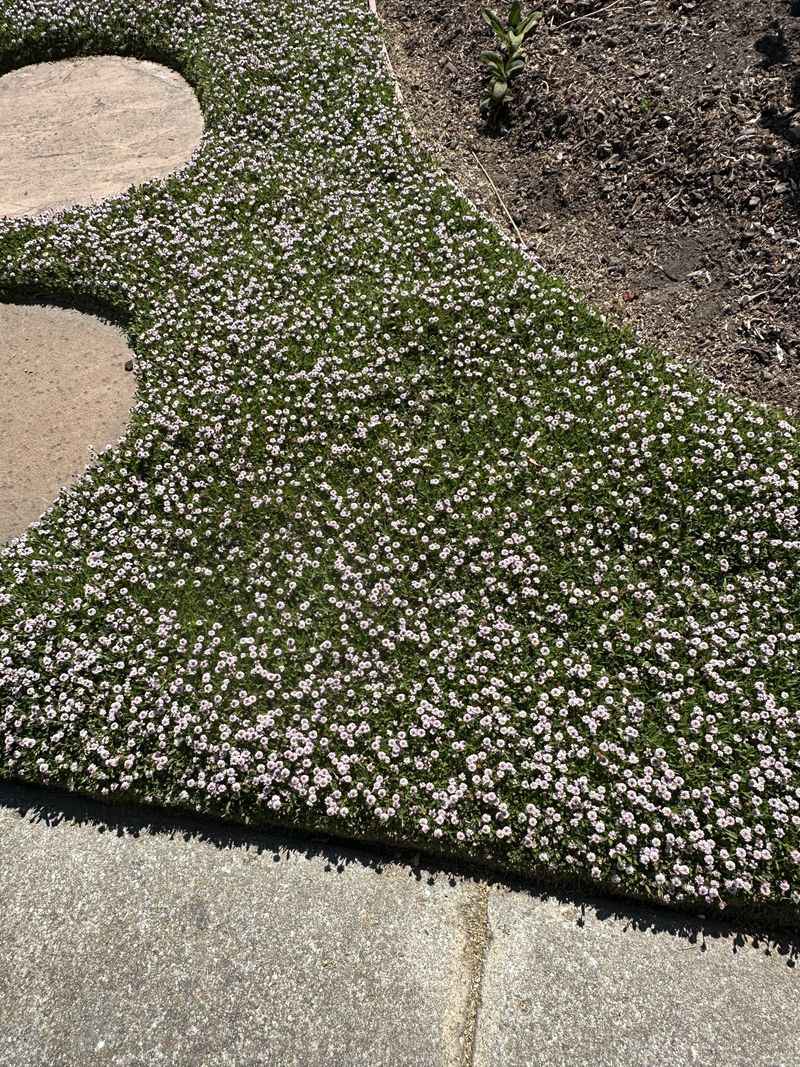
Most people read the spacing instructions on a plant tag and follow them exactly. But those numbers are usually based on how far apart plants can grow, not how quickly they need to cover the soil to stop weeds.
There is a real difference between those two things. For weed control, closer spacing is almost always better. When plants are placed closer together, they shade the soil faster and leave fewer gaps for weeds to fill.
The plants may look crowded at first, but they will find their balance as they grow and spread.
Spacing also affects how much maintenance you will need in the long run. Wider spacing means more bare soil for longer, which means more weeding, more mulch, and more frustration.
Closer spacing costs a bit more at planting time but dramatically reduces the workload over the following months.
A good rule of thumb is to plant groundcover at about two-thirds of the recommended spacing when weed pressure is a concern. So if the tag says 18 inches apart, try 12 inches instead.
You will notice the difference by mid-summer when your groundcover is thick and full while your neighbor’s yard is still fighting weeds.
Spacing is one of the easiest adjustments you can make, and it has one of the biggest payoffs in the garden. Do not overlook it.
8. Fast Fill-In Makes Weed Control Much Easier
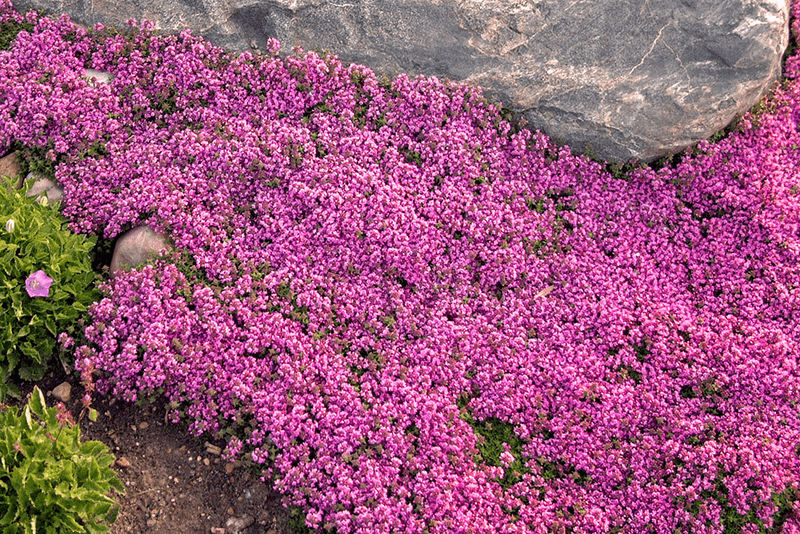
There is something deeply satisfying about a groundcover bed that has fully filled in. The plants form a thick, green carpet that leaves no room for weeds to squeeze through.
Getting to that point quickly is the goal, and it is very achievable with the right approach.
Choosing fast-spreading groundcover varieties is one of the best ways to speed up fill-in time. In many parts of California, plants like creeping rosemary, gazania, or clover spread quickly and handle heat well.
Fast-spreading plants close gaps before weeds can claim them, making the whole system much more efficient.
Fertilizing lightly during the first growing season can also encourage faster spread. A balanced, slow-release fertilizer gives young plants the nutrients they need to put out new growth quickly.
More growth means faster coverage, and faster coverage means fewer weeds getting a foothold.
Watering consistently during the establishment period also plays a big role. Plants that receive steady moisture spread more aggressively than those that are stressed by drought.
Once the groundcover is fully established, it often needs far less water to stay healthy and thick. The effort you put into the first growing season pays off for years.
A dense, well-established groundcover is genuinely one of the easiest ways to keep a yard looking clean and weed-free with very little ongoing effort.