This Is How To Revive Heat-Damaged Gardenia Plants In California
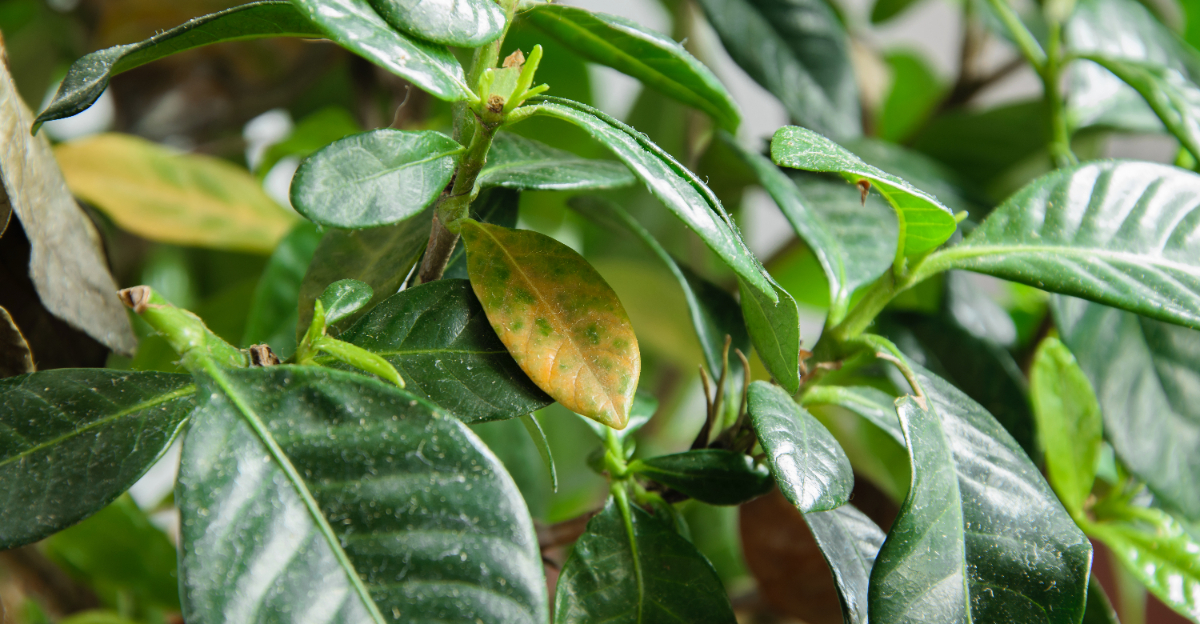
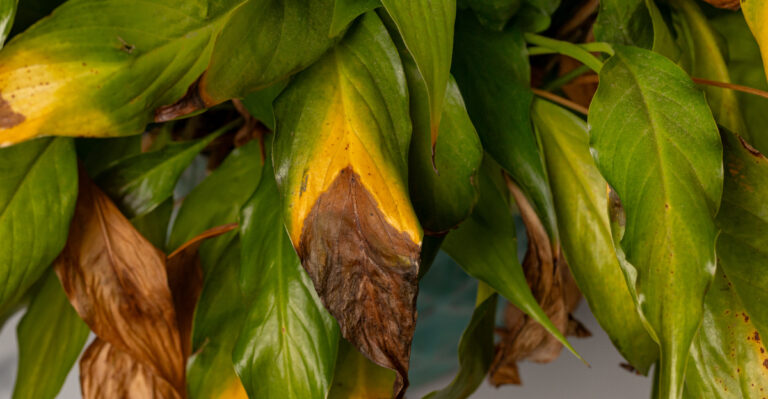
Your gardenia looked flawless in spring, and now the leaves curl inward while the edges crisp and brown. That collapse rarely arrives overnight, no matter how sudden it looks from your patio.
Gardenias in California hide their stress for weeks before the shrub finally shows you anything. Buds drop before opening, foliage yellows between the veins, and new growth simply stops.
Most gardeners respond by watering harder, which pushes the plant deeper into decline instead of pulling it back. Extra moisture treats the damage you can see and ignores the condition that caused it.
What rescues a struggling gardenia in California is a short sequence of corrections, each aimed at a different failure point. Timing decides the outcome, and the window is narrower than most people expect.
Recovery begins with the mistake you are least likely to suspect, and your plant has already named it.
1. Check Soil Moisture Before Doing Anything Else
Your first instinct after spotting a struggling gardenia might be to water it immediately. Stop right there, because overwatering a stressed plant can cause just as much damage as drought.
Stick your finger two inches into the soil near the base of the plant. If it feels bone dry, the roots have likely been struggling without enough moisture during the heat.
If the soil still feels damp or soggy, another round of water would leave the roots sitting in conditions they cannot handle. Saturated soil pushes out the air pockets roots depend on, and rot often follows.
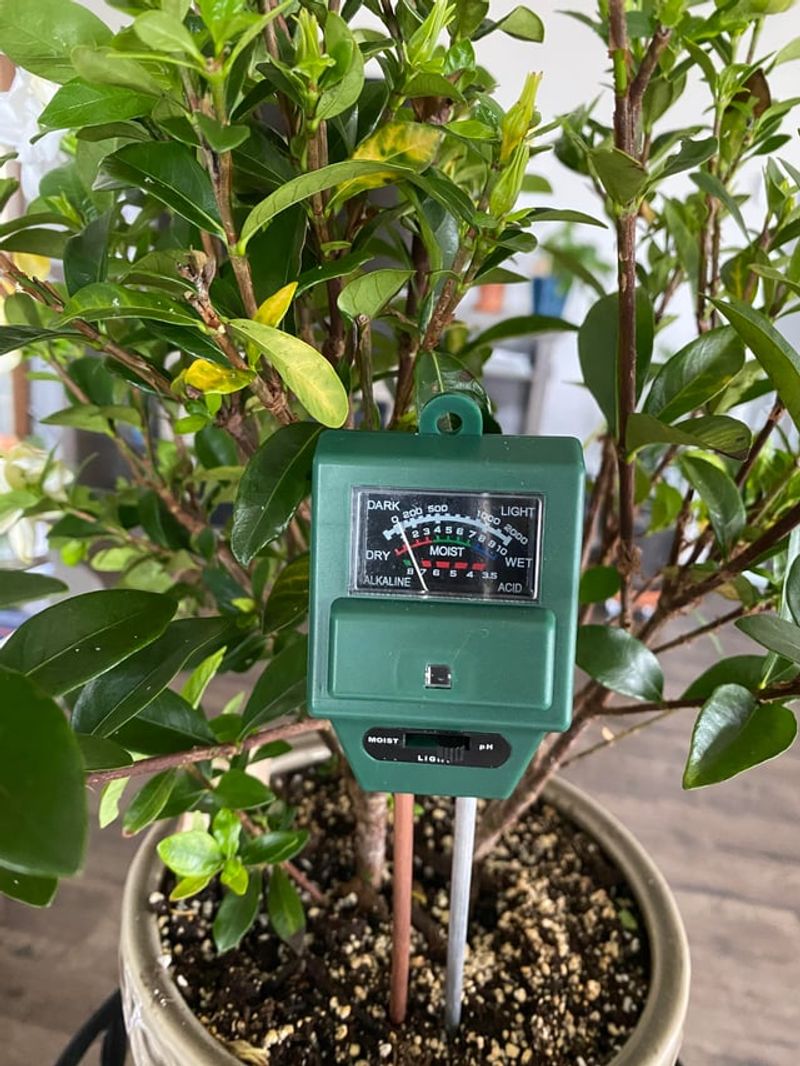
Grab a moisture meter from your local garden center if you want a more accurate reading. These simple tools cost less than a bag of potting mix and take most of the guesswork out of watering decisions.
Scorched shrubs often decline because the soil dries out faster than gardeners expect during a California summer. Sandy or rocky soils can lose moisture within hours on a hot afternoon.
Check the soil at different depths, not just the surface layer. The top inch can feel dry while deeper layers still hold enough water for the roots.
A clear reading of the soil tells you which direction to move, and that decision shapes everything that follows.
2. Move Container Gardenias Out Of Direct Afternoon Sun
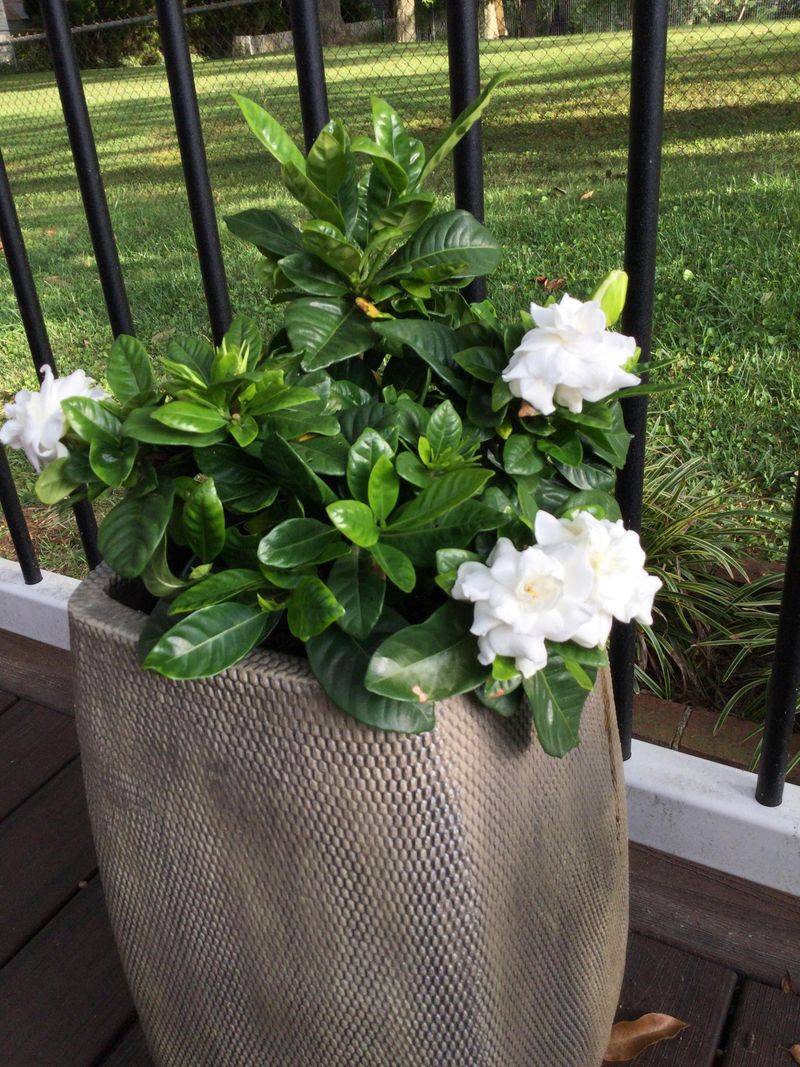
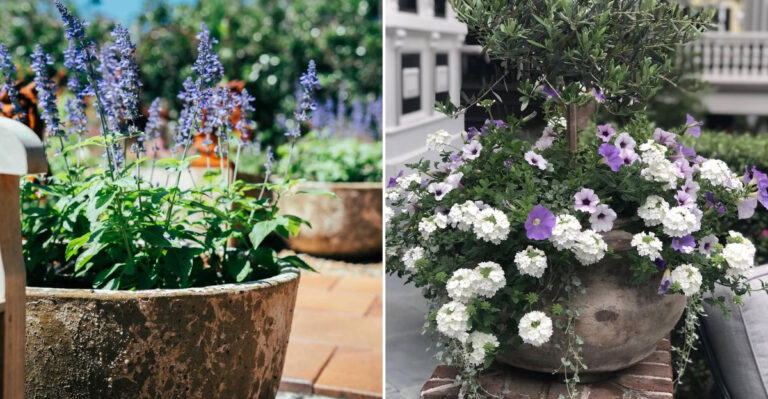
Potted gardenias have one huge advantage over in-ground plants: you can move them. That advantage matters most when temperatures climb past ninety degrees in summer.
Afternoon sun in California is especially harsh, and the strongest exposure usually falls between early afternoon and dusk. That window is when the most heat damage occurs on tender foliage and buds.
Relocate your container gardenia to a spot that gets bright morning light but stays shaded in the afternoon. East-facing patios or spots under a pergola work beautifully for this purpose.
Avoid moving the plant into full shade, because gardenias still need several hours of light each day to stay healthy. Too little sun slows growth and reduces the chance of blooming later in the season.
Once you find a better location, let the plant settle for a few days before making any other changes. Stacking too many adjustments at once can confuse a stressed plant and slow its recovery.
Your California Garden Changes Every Week. Your Plan Should Too.
Gardening in California changes quickly throughout the season. Every Friday you’ll receive a simple weekly plan showing exactly what to plant, prune, fertilize, harvest, and protect so you never miss the right timing.
Check the new spot at different times of day to confirm the shade pattern works as expected. Shadows shift with the season, so what looks shady in the morning might get full sun by mid-afternoon.
Moving a scorched gardenia out of harsh sun is one of the quickest ways to stop the stress from building. Think of it as removing the cause before treating the symptoms.
3. Trim Away Scorched Or Blackened Leaves And Buds
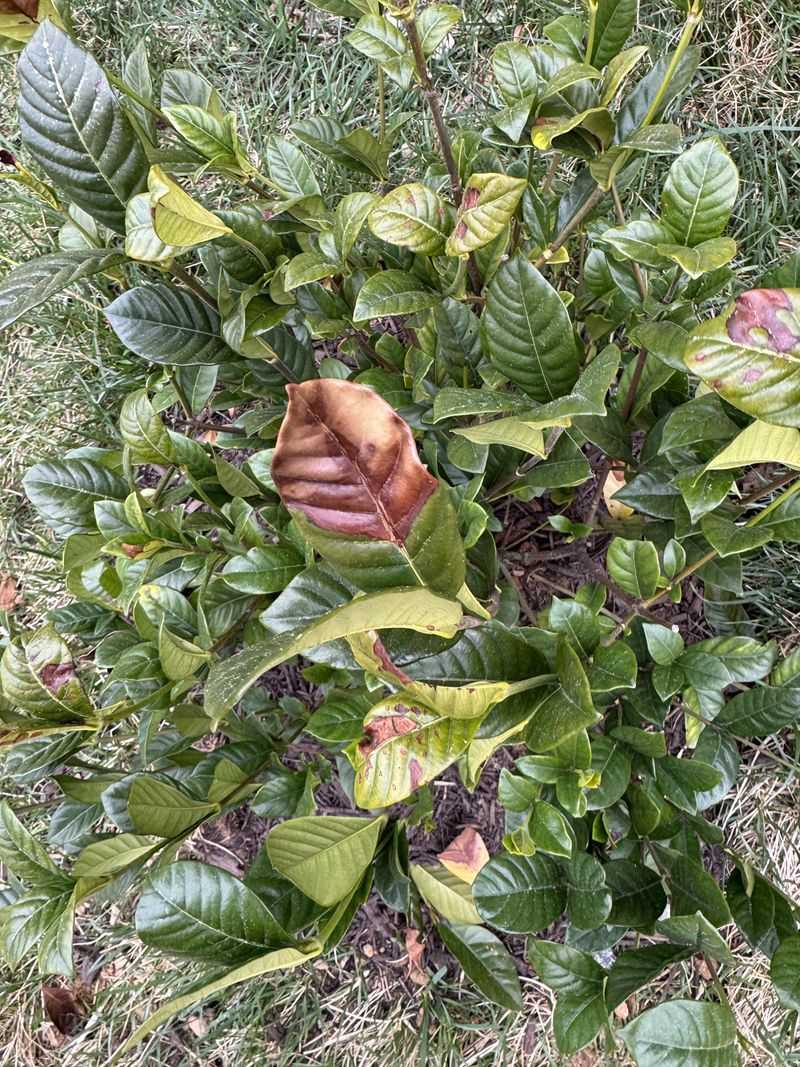
Scorched leaves look alarming, but they tell a clear story: those tissues are no longer functioning. Leaving them on the plant wastes energy that the gardenia could be sending to healthy new growth.
Grab a clean pair of pruning shears and wipe the blades with a disinfectant solution before starting. This small step prevents the spread of any bacteria or fungal spores between cuts.
Remove leaves that are entirely brown, black, or papery to the touch. Leaves with only minor browning on the edges can stay, because they may still contribute some photosynthesis to the plant.
Blackened or dropped flower buds should also be cleared away from the soil surface. Rotting organic matter sitting near the base of the plant can attract pests and encourage fungal growth.
After trimming, step back and assess the overall shape of the plant. Avoid removing more than one-third of the total foliage at one time, because heavy pruning adds stress to an already struggling gardenia.
Some gardeners worry that trimming will slow recovery, though the plant usually responds the other way. A plant with fewer damaged leaves can focus its limited resources on pushing out fresh, healthy new growth.
A struggling shrub often turns the corner right after this kind of honest cleanup. Fewer damaged leaves mean less energy wasted and more directed toward fresh growth.
4. Apply A Light Layer Of Mulch To Cool The Root Zone
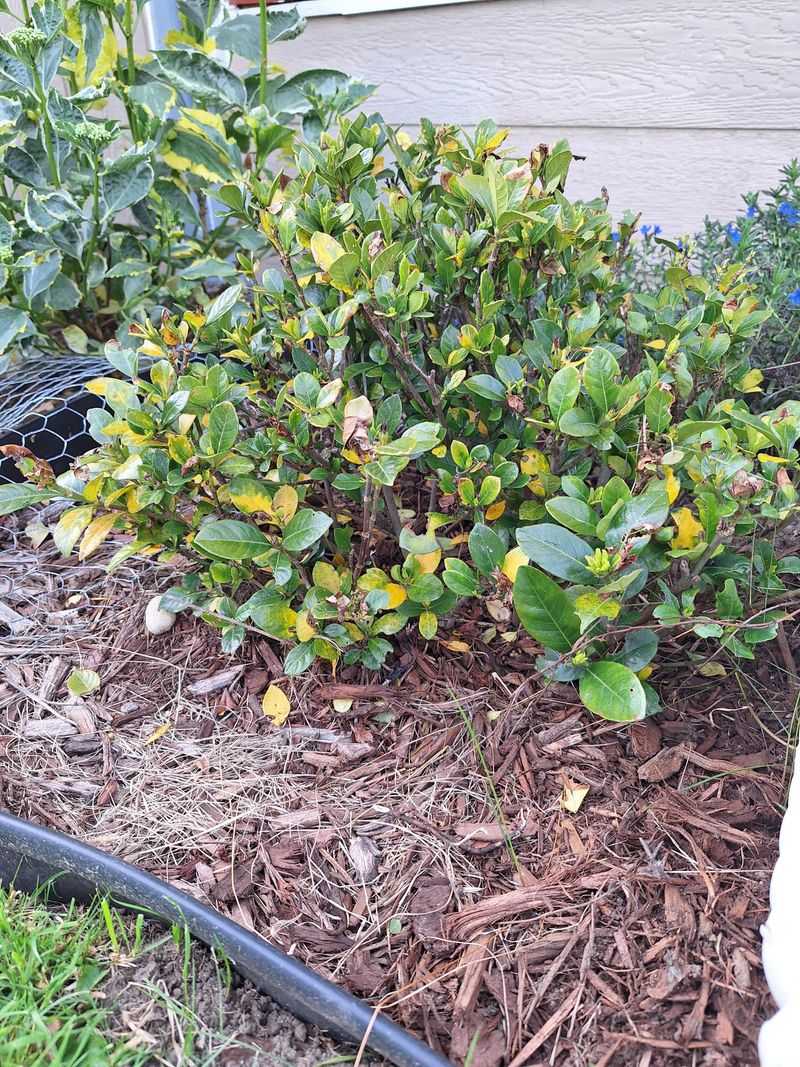
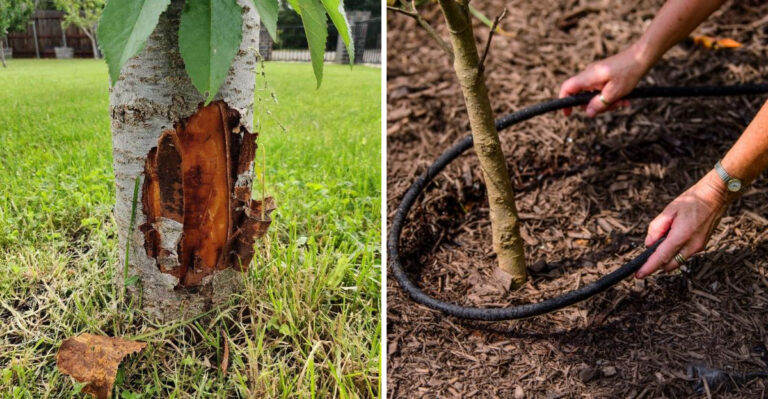
Root temperature drives everything above the soil line, and heat at that depth slows the entire plant. Mulch acts like insulation, keeping the soil several degrees cooler than bare ground during summer heat.
Spread a two-to-three inch layer of organic mulch around the base of the gardenia. Wood chips, shredded bark, and pine needles each work well and break down slowly to feed the soil over time.
Keep the mulch a few inches away from the main stem of the plant. Piling mulch directly against the stem traps moisture and can cause rot at the crown, which is a serious problem.
Organic mulch also slows down water evaporation from the soil surface. This means you water less often while keeping the root zone consistently moist, which suits gardenias well.
In California, where summer soil temperatures can exceed one hundred degrees in exposed beds, mulch does real work. It is one of the most effective tools for protecting root health during heat waves.
If you do not have mulch on hand, a layer of compost works as a temporary substitute. Compost adds nutrients while also providing some insulation against the harsh afternoon heat.
Applying mulch after trimming damaged foliage gives your plant two recovery tools working together at once. Cooler roots and cleaner foliage set up the conditions new growth needs to push through.
5. Skip Fertilizer Until New Growth Appears
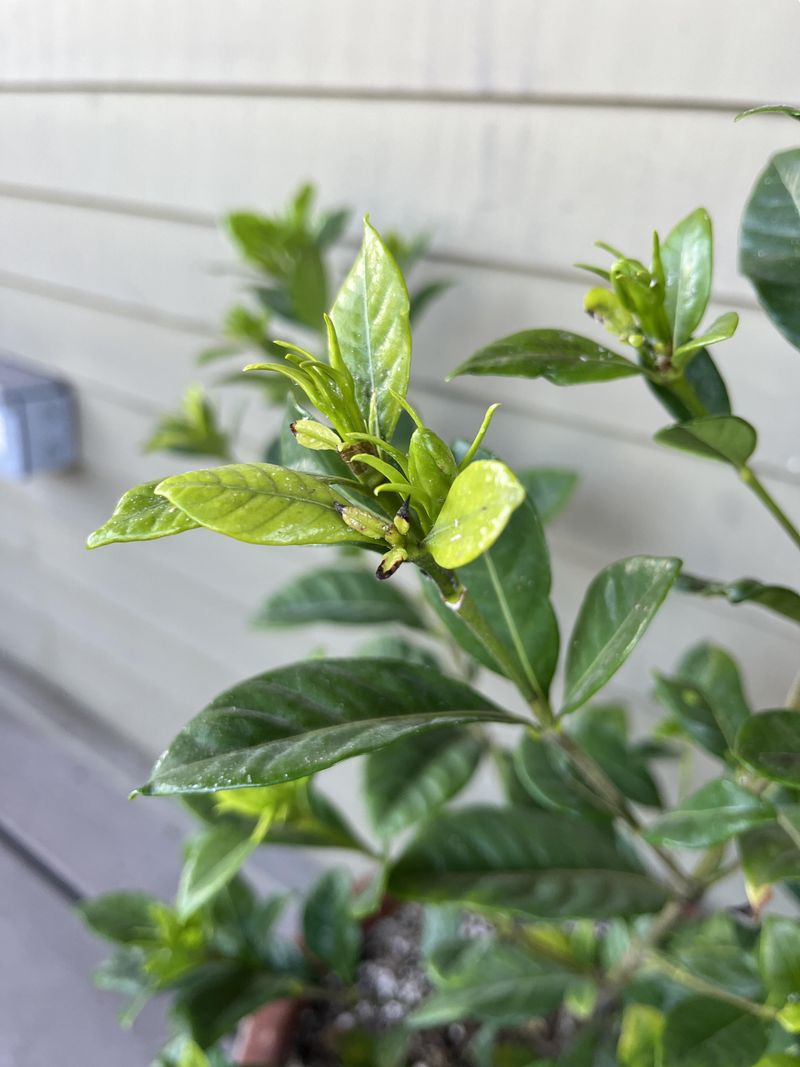
Fertilizer feels like a logical rescue move, but timing matters more than most gardeners realize. Feeding a heat-stressed gardenia asks the roots to process nutrients at the exact moment they are least able to.
When a plant is already struggling, its root system is not functioning at full capacity. Fertilizer salts in the soil can burn roots that are too stressed to process nutrients efficiently.
Hold off on any feeding until you see new green leaves or shoots pushing out from the stems. New growth signals that the shrub has stabilized and can handle nutrients again.
Once new growth appears, choose an acid-forming fertilizer designed specifically for gardenias or acid-loving plants. Gardenias prefer a soil pH between five and six, and the right fertilizer helps maintain that range.
Apply fertilizer at half the recommended dose for the first feeding after a heat stress event. A gentler dose reduces the risk of overwhelming roots that are still in recovery mode.
Slow-release granular fertilizers are a smart choice during the recovery phase because they feed gradually over several weeks. This steady supply is much easier on stressed roots than a sudden liquid feeding.
Patience during this phase pays off in a big way. Skipping fertilizer now protects the roots you need for long-term recovery, and your gardenia will reward that restraint with strong, healthy new growth soon enough.
6. Shield The Plant During The Hottest Part Of The Day
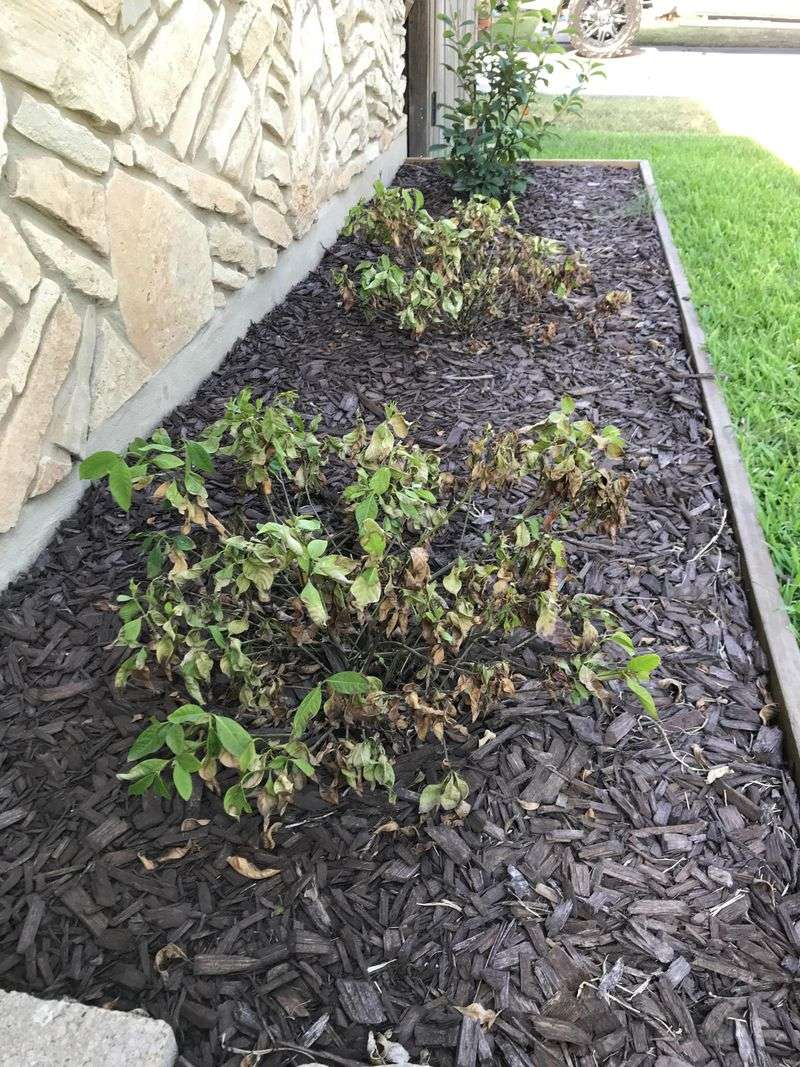
Shade cloth is the fastest fix for an in-ground gardenia that cannot be relocated. A thirty to forty percent cloth cuts the intensity of afternoon sun without starving the plant of light.
Drape the cloth over stakes or a simple frame so the fabric never rests directly on the foliage. Contact with hot fabric can scorch leaves instead of protecting them.
Patio umbrellas, lattice panels, and taller potted plants work as temporary screens during a heat wave. Anything that blocks direct sun between early afternoon and evening reduces the load on the shrub.
Timing the setup matters as much as the material you choose. Put the screen in place before the heat wave peaks, since shading a plant that has already scorched only prevents further damage rather than reversing what is done.
A section of trellis, a taller neighboring shrub, or even a stack of empty planters can serve as a temporary block against direct western exposure. Anything that interrupts the sun’s path in the late afternoon buys the gardenia several extra degrees of relief.
Remove the cover once the heat wave breaks, since permanent shade reduces flowering later in the season. Gardenias still need several hours of direct light each day to set buds.
Check the foliage in the late afternoon rather than the morning, because that is when heat stress shows first. Leaves that stay firm through the hottest hours tell you the screening is doing its job.
Skip misting the leaves, even though it feels helpful during dry weather. Moisture sitting on foliage in warm air raises the risk of leaf spot and mildew without meaningfully cooling the plant.
7. Support New Growth With Consistent, Even Watering
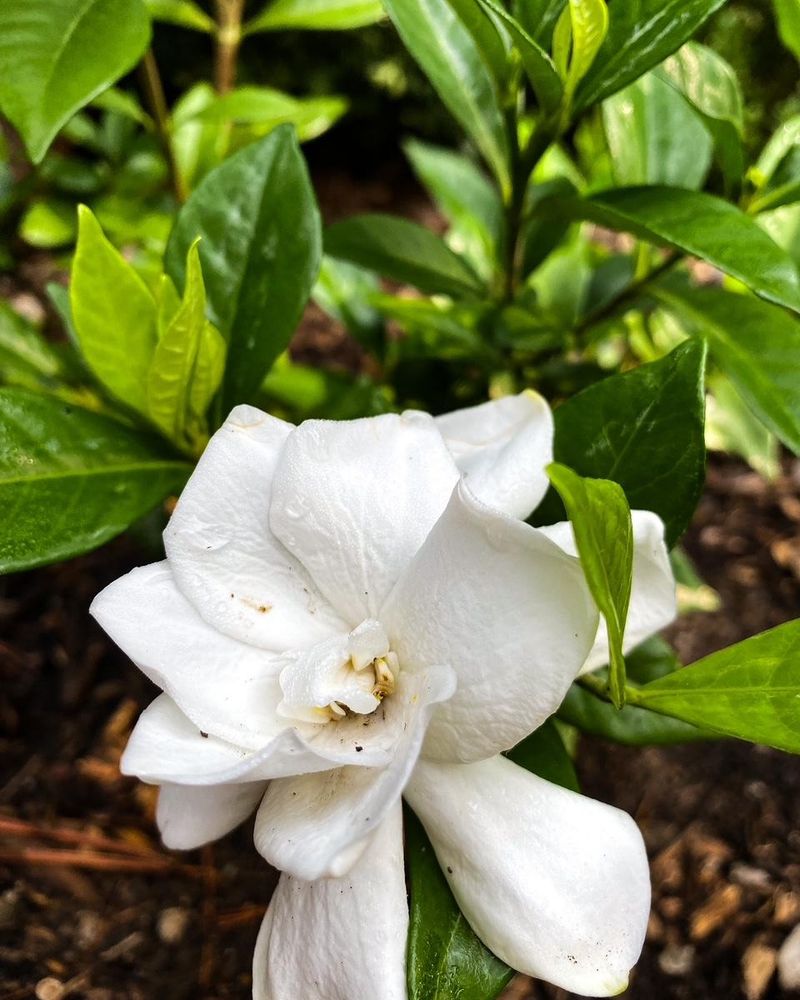
Consistency is the piece most struggling gardenias are missing during recovery. Swinging between bone dry and soaking wet confuses the root system and slows the healing process significantly.
Aim to water your gardenia deeply but infrequently, allowing the top inch of soil to dry slightly between sessions. Deep watering encourages roots to grow downward, which makes the plant more resilient to future heat events.
Drip irrigation or a slow-soaker hose suits gardenias better than overhead sprinklers. Targeted watering at the base keeps foliage dry while delivering moisture exactly where the roots need it most.
Water in the early morning whenever possible, so the soil stays moist through the hottest part of the afternoon. Evening watering is less ideal because cool, wet soil overnight can sometimes encourage root fungal issues.
During a California heat wave, you may need to check soil moisture every day rather than following a set schedule. Conditions change fast, and a plant in a sunny spot may need water much sooner than expected.
Watch the leaves for clues about watering needs: slight wilting in the morning is a sign the plant is thirsty, while yellowing leaves can indicate too much moisture. Both signals deserve a quick soil check before you act.
Recovery depends heavily on getting the watering rhythm right. Even, steady moisture gives roots the stable environment they need to push out strong new growth.
8. Group Containers Together To Steady The Air Around The Plant
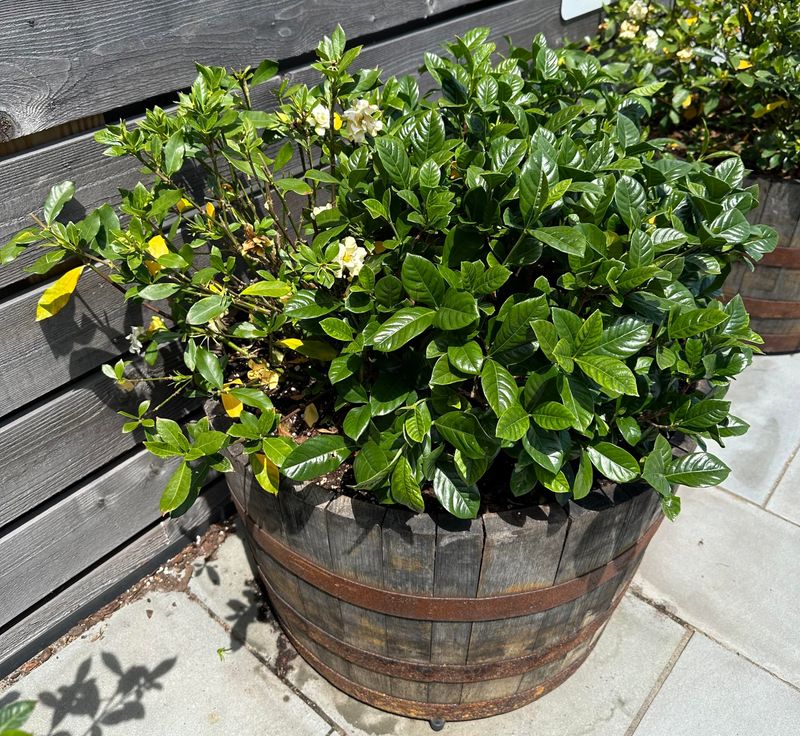
California’s dry summer air pulls moisture from gardenia foliage faster than the roots can replace it. These shrubs come from subtropical regions where the air stays consistently humid through the growing season.
Clustering potted gardenias with other containers raises humidity in the small pocket of air between them. Each plant releases moisture through its leaves, and grouped pots hold that moisture longer than a single exposed container.
Position the cluster where morning light reaches the foliage but afternoon sun does not. A shaded corner of a patio or the east side of a fence works well for this.
Leave a few inches between pots so air still moves through the group. Containers pressed tightly together trap stagnant air, which invites fungal problems on damp foliage.
Broad-leafed companions like heucheras or shade-tolerant ferns add another layer of shared moisture without competing heavily for light. Choose plants with similar water needs so you are not overwatering one to satisfy the other.
Check the cluster every few days as the season progresses, since a single scorched or diseased plant in the group can spread stress to its neighbors. Pull out anything that starts declining before it affects the rest of the arrangement.
Watering the surrounding paving or gravel in the early morning adds a little humidity as it evaporates. The effect is modest, though it costs nothing and stacks with everything else you have done.
Grouped containers, cooler roots, and steady watering give a scorched gardenia the conditions it needs to rebuild.