Why Ohio Gardeners Should Stop Fertilizing Everything By This Date
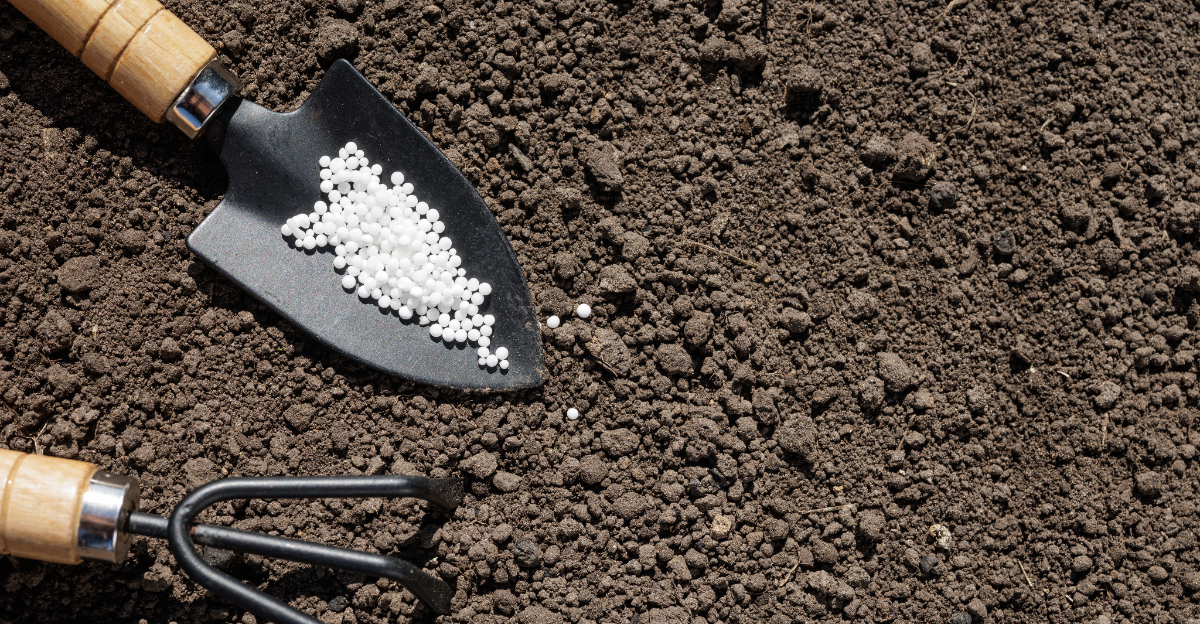
One late-season dose of fertilizer can undo months of careful work in an Ohio yard. That bag may promise stronger roots, richer color, and healthier plants, but timing changes what those nutrients actually encourage.
As summer fades, your lawn, shrubs, perennials, and trees begin to respond to shorter days and cooler nights. Pushing fresh growth too late can leave tender tissue exposed just as Ohio weather starts to turn.
The confusing part is that not every plant follows the same schedule, and a warm September can make the yard look ready for another boost. That appearance can fool even experienced gardeners.
There comes a point when feeding everything stops helping and starts working against the seasonal shift already underway.
Mark that cutoff on your calendar, because what you do with the fertilizer bag near the end of summer can show up months later in the plants you expected to sail through winter.
1. Mid-August Is The Last Call For Woody Plants
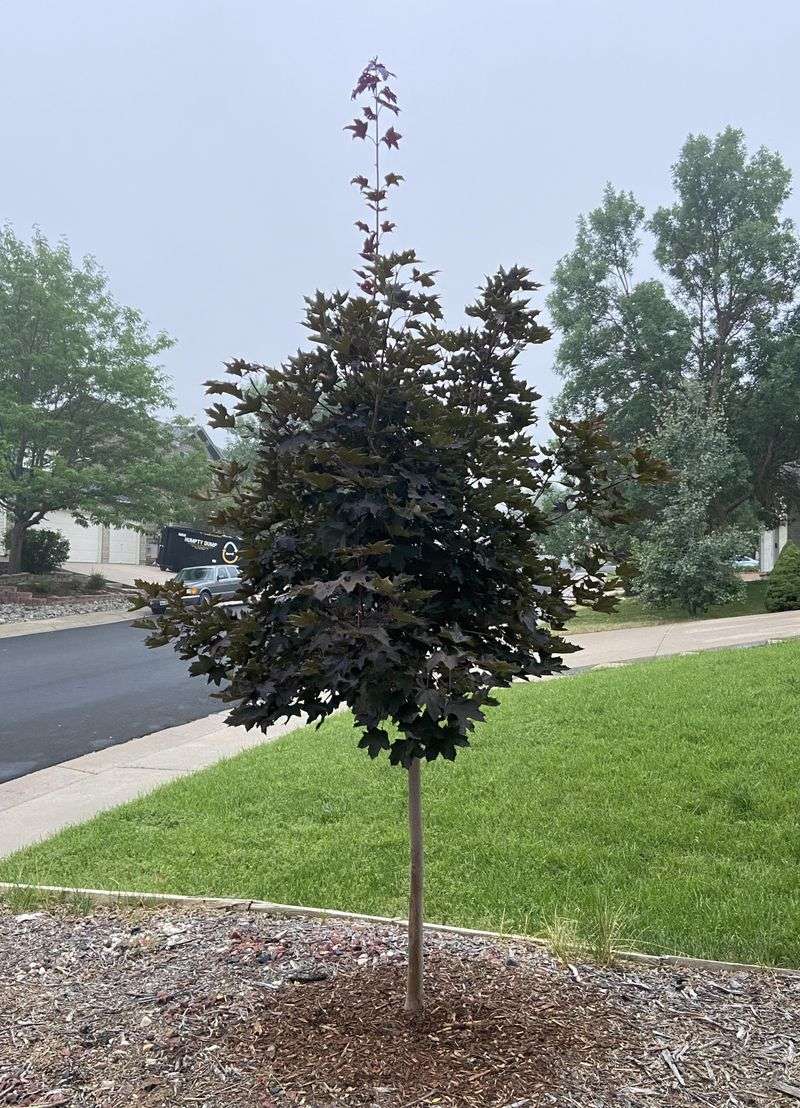
Stepping back and looking at your landscape in August, you might notice that your trees and shrubs have settled into a steady, slower rhythm. Ohio State University Extension recommends that gardeners stop fertilizing most woody landscape plants by mid-August.
Woody plants include trees, shrubs, and other plants with firm, bark-covered stems that persist through winter.
After mid-August, many of these plants begin preparing for cooler weather by gradually hardening off their tissues. Applying fertilizer at this point does not help them get ready for fall.
Instead, it can encourage new growth at a time when the plant should be slowing down.
Mid-August is a practical fertilizer cutoff, not a frost prediction. Cold weather may still be weeks away, but the plant’s internal signals have already started shifting.
Encouraging fresh growth during that window gives new shoots less time to toughen up before temperatures fall.
Not every woody species responds in exactly the same way, and that is worth keeping in mind. A healthy, well-established tree in fertile soil may not need much fertilizer at all during the growing season.
Checking what your specific plants actually need is always more reliable than following a one-size-fits-all calendar.
2. Late Nitrogen Pushes Tender New Growth
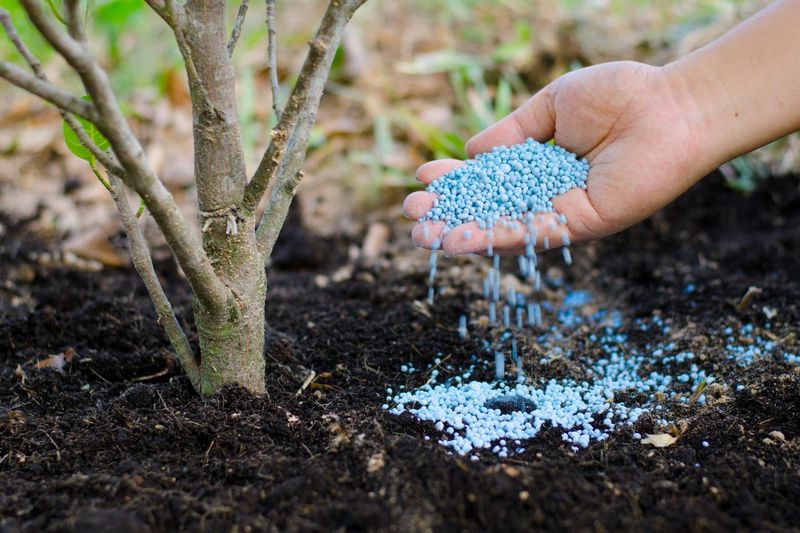
Spotting a flush of bright, soft new shoots on your shrubs in late summer might seem encouraging, but timing matters more than it looks.
Nitrogen is the nutrient most responsible for leafy, vegetative growth, and applying it late in the season can trigger exactly that kind of surge.
Ohio State Extension guidance notes that late-season nitrogen applications can stimulate tender new growth that has little time to mature.
Tender growth is softer and less resilient than growth that has had time to harden. A late push of new shoots is different from supporting healthy roots or correcting a real nutrient deficiency.
Roots and established tissue respond differently than brand-new vegetative growth, and that difference matters when cooler weather approaches.
One late application does not automatically spell disaster for every plant in your yard. The concern is unnecessary stimulation at a point in the season when the plant would naturally be slowing.
Your Ohio Garden Changes Every Week. Your Plan Should Too.
Gardening in Ohio changes quickly throughout the season. Every Friday you’ll receive a simple weekly plan showing exactly what to plant, prune, fertilize, harvest, and protect so you never miss the right timing.
Encouraging new shoots simply because fertilizer is available, rather than because the plant actually needs it, is where problems tend to start.
Nitrogen is not a harmful nutrient on its own. Applied at the right time and in the right amount, it supports healthy, vigorous plants throughout the growing season.
The issue is purely about timing and whether that late-season push actually serves your plants or works against them.
3. Evergreens Need An Even Earlier Cutoff
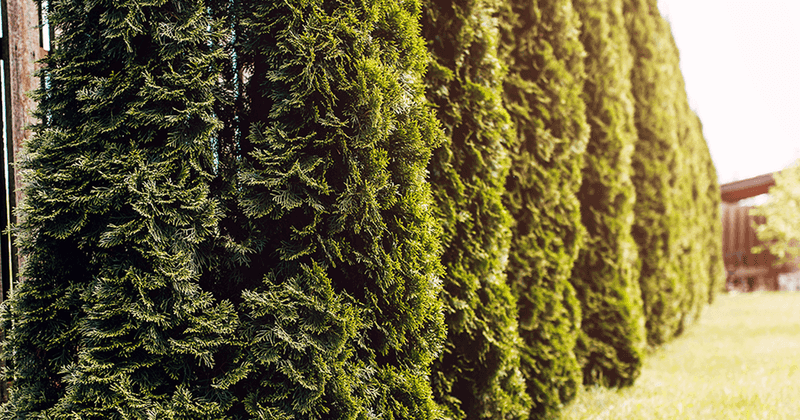
Not every plant in your landscape follows the same August timeline, and evergreens are a clear example of why plant identification matters before you fertilize.
Ohio State University Extension suggests that many evergreens should receive their last fertilizer around mid-July.
That is earlier than the mid-August cutoff for many deciduous woody plants.
Evergreens hold their needles or leaves through winter, which means they stay active in ways that deciduous plants do not. Pushing new growth on an evergreen too late in summer can leave tender tissue exposed before it has had enough time to firm up.
That is the core reason for the earlier stopping point.
Spruce, pine, arborvitae, and other needle-bearing plants are common in local landscapes, and each has its own growth pattern. Not all evergreen species have identical fertilizer needs, so assuming they all follow one schedule is not reliable.
Checking the specific plant type before applying any late-summer fertilizer is a smart habit.
Gardeners who skip this step sometimes fertilize a yew or juniper in August, not realizing the window has already passed. Knowing whether your plant keeps its leaves year-round can help you choose the right timing.
A quick identification step before fertilizing can prevent a well-meaning application from becoming a problem later in the season.
4. Roses Should Get Their Final Feeding In August
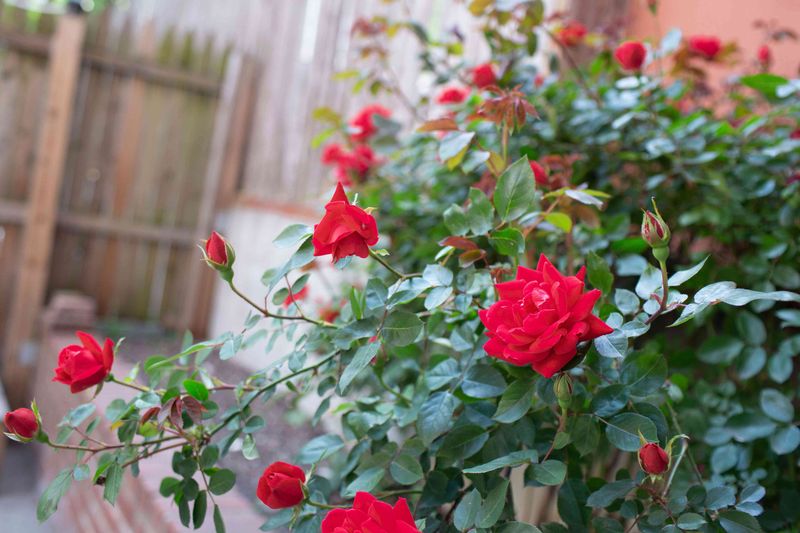
Watching roses slow their blooming in late summer can feel frustrating. It is understandable to want to add fertilizer for one final flush of flowers.
Ohio State Extension recommends finishing the final summer feeding for roses in August. This gives the plant time to prepare gradually for cooler conditions.
Roses that receive fertilizer too late in the season may produce soft, new growth that has little time to toughen before fall arrives. That fresh growth is not as resilient as tissue that has had weeks to mature.
Pushing the plant to keep producing at full speed when it would naturally be winding down does not do it any favors.
Adding more fertilizer simply because blooming has slowed is not always the right move. Reduced flowering in late summer is often a normal part of the plant’s seasonal rhythm, not a sign that something is missing.
Responding to that slowdown with extra nutrients can work against the gradual adjustment your roses are already making on their own.
Fertilizer timing for roses is also separate from trimming spent flowers or adjusting plant shape. Those tasks follow their own schedule.
Keep feeding and pruning decisions separate to avoid encouraging a late surge of new growth. Preventing that tender growth is exactly what the August cutoff is meant to do.
5. Drought-Stressed Plants Need Water First
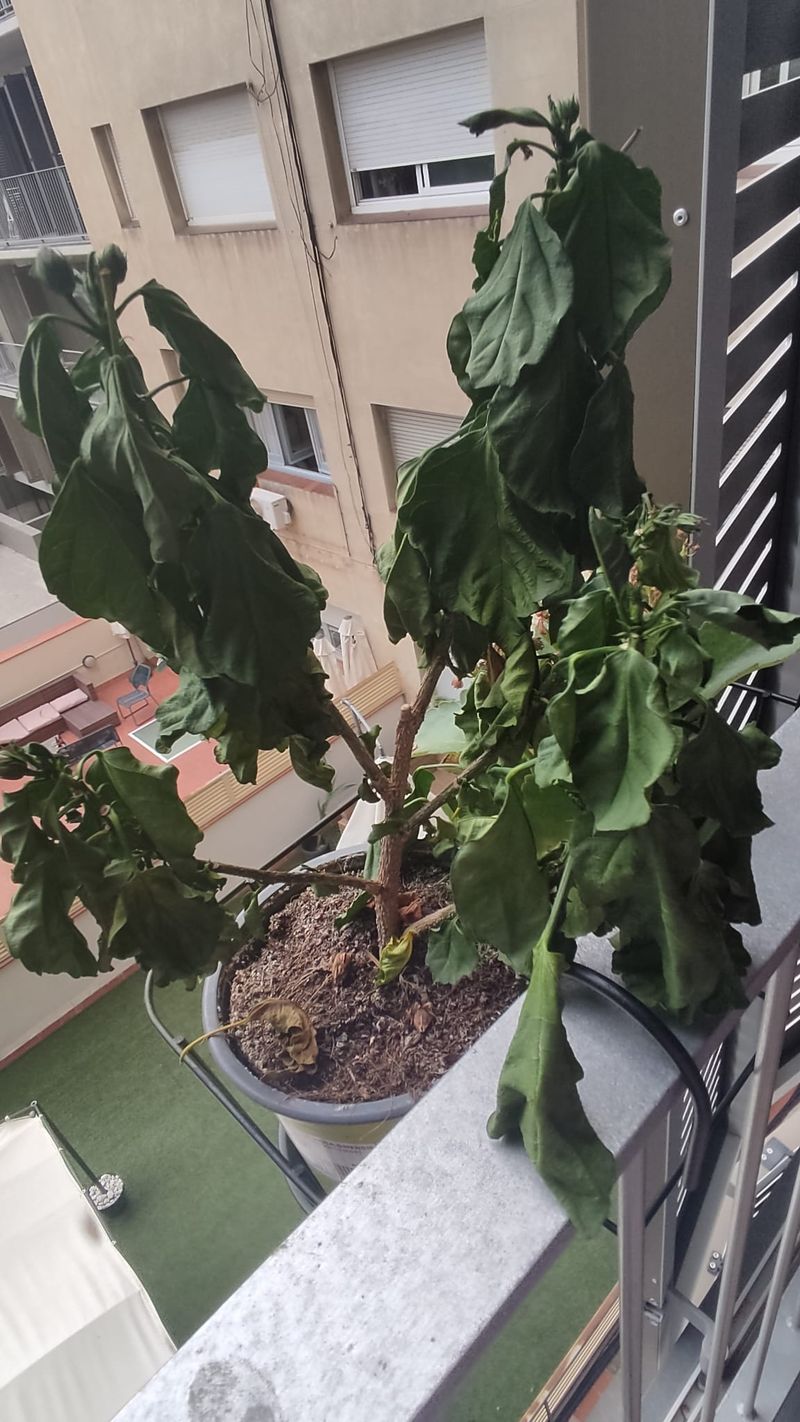
A yard full of wilting leaves and cracked, dry soil is a clear sign that something more urgent than fertilizer is needed. Ohio State Extension guidance makes clear that fertilizer should not be used as a substitute for water when plants are under drought stress.
Dry conditions change the way plants can use added nutrients, and stressed roots are not well-positioned to absorb them effectively.
Soil that lacks adequate moisture limits how nutrients move through the root zone. Applying fertilizer to a plant that is already struggling with dry conditions does not solve the underlying problem.
Restoring appropriate moisture is generally the more urgent priority, and addressing that first gives the plant a better foundation for recovery.
Not every fertilizer application on a dry day will cause noticeable harm, and the situation varies by plant type, soil, and how severe the stress actually is. The point is not to create alarm around every hot afternoon.
The concern is using fertilizer as a fix when the real need is water, which delays the right response and does not address what the plant actually requires.
Weather, soil type, and plant variety all influence how quickly drought stress develops and how a plant responds to it. A rigid watering schedule does not account for those differences.
Watching your plants and responding to what you actually observe is a more practical approach than following a fixed calendar during dry stretches.
6. Perennials Rarely Need A Late-Season Push
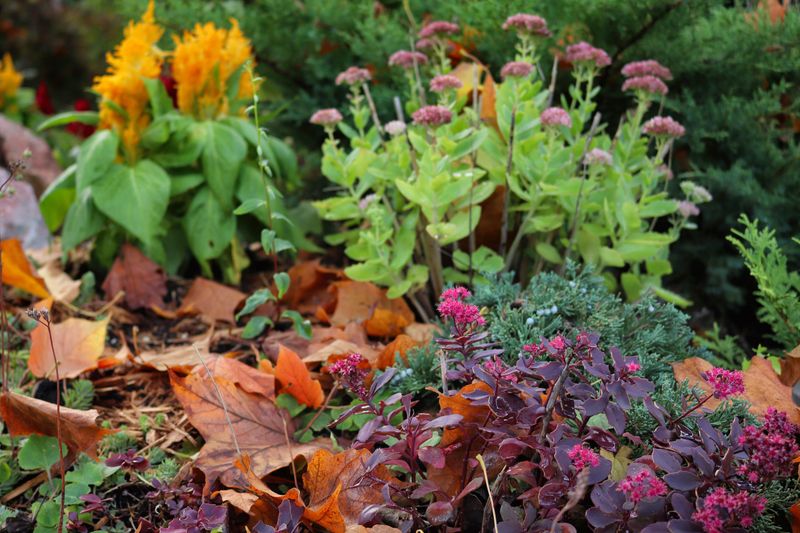
A flower bed that starts producing fewer blooms in late summer is not necessarily signaling a problem. Many established perennials naturally slow their growth as days shorten and temperatures shift, and that gradual change is a normal part of their seasonal cycle.
Ohio State Extension guidance indicates that established perennials with adequate soil fertility often perform well without repeated late-season fertilizer applications.
Reaching for fertilizer at the first sign of slowing growth can actually work against the plant’s natural rhythm. Excessive nutrients can encourage soft, lush growth that is not well-suited to the conditions ahead.
That kind of overly tender growth is not what most perennials need as they head toward dormancy.
Soil fertility plays a big role in how much supplemental feeding perennials actually require. A bed with good organic matter and healthy soil structure may not need much additional input at all.
Applying fertilizer automatically, without checking whether the soil or plant actually needs it, can create unnecessary growth without adding real benefit.
Perennial species vary widely, and no single rule applies to every plant in every situation. Some may genuinely benefit from a well-timed nutrient boost earlier in the season.
The key is whether feeding responds to a real plant need or simply follows routine habit. Unnecessary late-season applications often creep in when fertilizing happens without a clear reason.
7. Lawns Are The Big Fall Exception
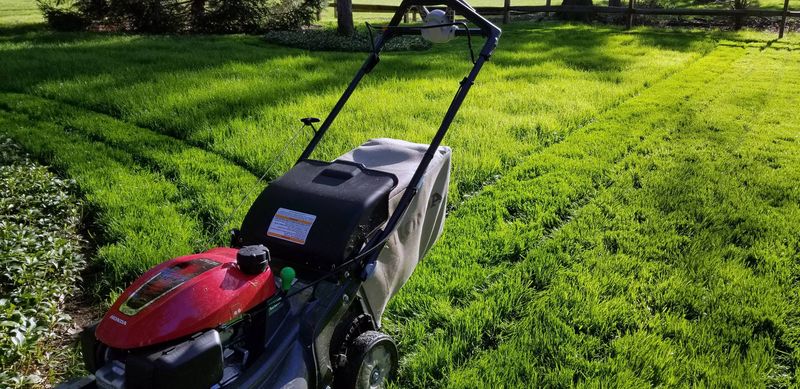
Right here is where the headline needs a correction, because not everything in your yard should stop receiving fertilizer in mid-August. Cool-season turfgrass is the most significant exception to the timing advice covered in this article.
Ohio State University Extension supports late summer and fall fertilization for actively growing cool-season lawns. These include Kentucky bluegrass, tall fescue, and perennial ryegrass.
Lawn roots and shoots respond to fall fertilization very differently than shrubs preparing for dormancy. Grass plants can use fall nutrients to strengthen roots, improve turf density, and recover from summer stress.
That is a fundamentally different situation than pushing a woody shrub to produce new vegetative growth right before cold weather arrives.
Homeowners should not apply the mid-August woody-plant cutoff to their turfgrass and assume the same logic holds. The biology is different, the growth patterns are different, and the timing recommendations from Extension reflect those differences.
Following turf-specific guidance rather than a blanket yard-wide rule is the right approach.
Fall fertilization for lawns is not a free pass to apply any product at any rate. The nutrient amount and product type should match what the turf actually needs, based on Extension guidance and ideally a soil test.
Do not fertilize a lawn that is dormant or severely drought-stressed. Applying nutrients under those conditions does not benefit the grass any more than it benefits a stressed shrub.
8. Soil Tests Beat One-Size-Fits-All Feeding
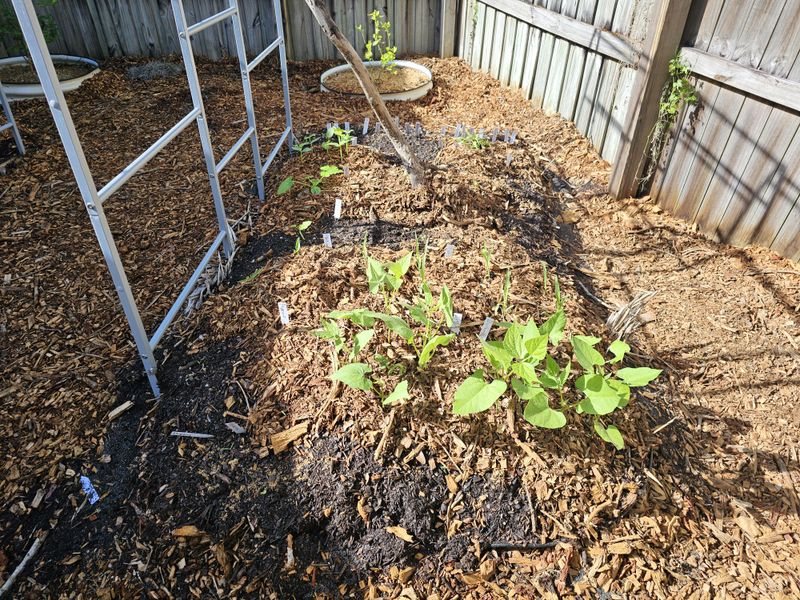
Spreading fertilizer across every bed and border on the same yearly schedule might feel productive. But that routine does not tell you what your plants actually need.
A soil test can reveal the nutrient levels already present in your soil, which helps you avoid applying nutrients that are not necessary. Ohio State University Extension offers soil testing services and guidance on how to interpret the results.
Homeowners who test their soil often discover that certain nutrients are already adequate or even excessive. Adding more of a nutrient the soil does not need wastes fertilizer and can encourage unnecessary growth at the wrong time of year.
A test removes the guesswork and gives you a factual starting point for any fertilizer decision.
Soil testing does not give you a complete fertilizer prescription for every ornamental plant in your yard. Results are most useful when paired with current Extension recommendations for the specific plants you are growing.
Interpreting results in context, rather than applying a single formula to everything, is what makes testing genuinely useful.
Mid-August is a reliable stopping point for fertilizing many woody landscape plants, and that guidance stands on its own. The broader lesson is the same throughout the article.
What you grow, what your soil contains, and what your plants show you matter more than any automatic feeding schedule. A soil test is simply the most direct way to find that out.