Cool-Season Herbs Georgia Gardeners Should Start From Seed In September
September does not mean your herb garden has finished producing fresh flavors for the year. This month can actually open another growing opportunity if you choose seeds that prefer milder conditions.
Georgia gardeners can take advantage of the shift toward cooler weather by starting herbs suited to the coming season. Some choices germinate readily while the soil still holds warmth from summer.
Do not treat fall herb planting exactly like your spring routine. Changing temperatures and shorter days can affect how quickly young plants establish and grow.
Picking the right herbs makes this seasonal transition much easier to manage.
You can also keep fresh harvests coming after summer favorites begin slowing down.
Use September wisely, and those small packets of seed can turn empty garden space into useful herbs throughout the cooler months ahead.
1. Cilantro Thrives Once The Hottest Weather Begins To Ease
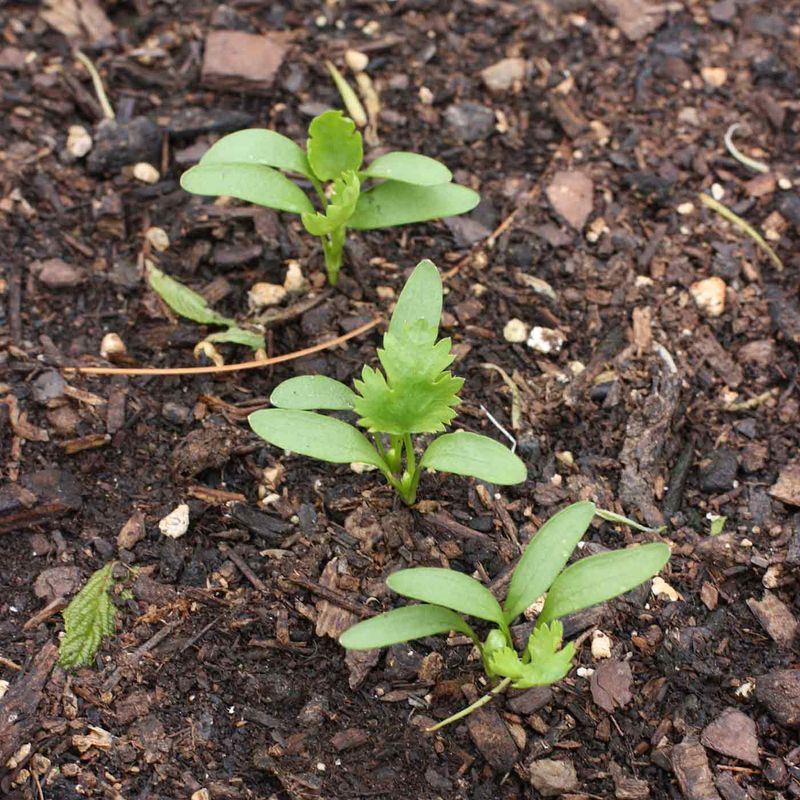
Cilantro is one of those herbs that practically begs for cooler weather. Sow seeds directly into a prepared garden bed or a deep container.
Cilantro grows a long taproot, so shallow pots tend to limit its growth.
September soil in Georgia is still warm enough to speed up germination, often within seven to ten days. Once seedlings appear, thin them to about six inches apart.
Crowded plants tend to bolt faster, especially if a warm spell hits in October.
Cilantro does best in full sun to partial shade during fall. Water consistently but avoid waterlogging the soil.
Good drainage matters more than frequent watering.
Harvest outer leaves once plants reach about six inches tall. Cutting regularly encourages bushier growth and slows the bolting cycle.
Avoid stripping a plant completely at once.
Succession planting every two to three weeks extends your harvest window. Plant a new row while the first batch is still growing.
That way, you get a steady supply through late fall.
Cilantro pairs well with parsley and chervil in a mixed herb bed. All three prefer similar growing conditions in fall.
Grouping them makes watering and care much easier to manage.
Keeping the bed evenly moist helps each planting establish strong roots before cooler nights arrive. Fresh leaves can then stay productive well into the season with basic care.
2. Dill Gets Fresh Growth Going For The Cooler Season
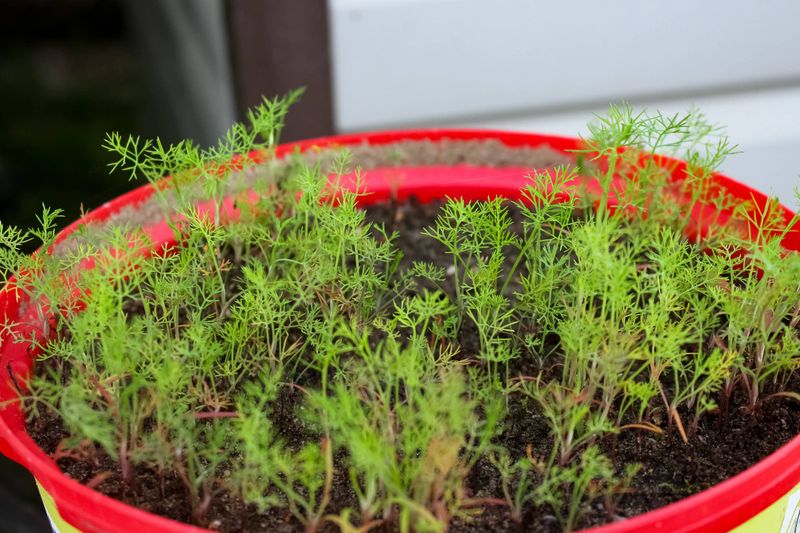
Dill has a flavor that is hard to replace in the kitchen. Sowing it in September gives you a fresh crop before winter slows things down.
Direct seeding works better than transplanting since dill resists root disturbance.
Scatter seeds thinly over a prepared bed and press them lightly into the soil. Dill needs light to germinate, so avoid burying seeds too deep.
A light covering of fine soil or compost is enough.
Germination usually takes seven to fourteen days under fall conditions. Keep the soil evenly moist during this period.
Once seedlings are established, they handle short dry spells reasonably well.
Thin plants to about twelve inches apart as they grow. Crowded dill tends to produce spindly stems that fall over easily.
Good spacing helps plants stay upright and productive.
Your Georgia Garden Changes Every Week. Your Plan Should Too.
Gardening in Georgia changes quickly throughout the season. Every Friday you’ll receive a simple weekly plan showing exactly what to plant, prune, fertilize, harvest, and protect so you never miss the right timing.
Harvest leaves once plants are at least eight inches tall. Snip from the top to encourage side branching.
Dill slows down in very cold weather but often bounces back after a mild frost.
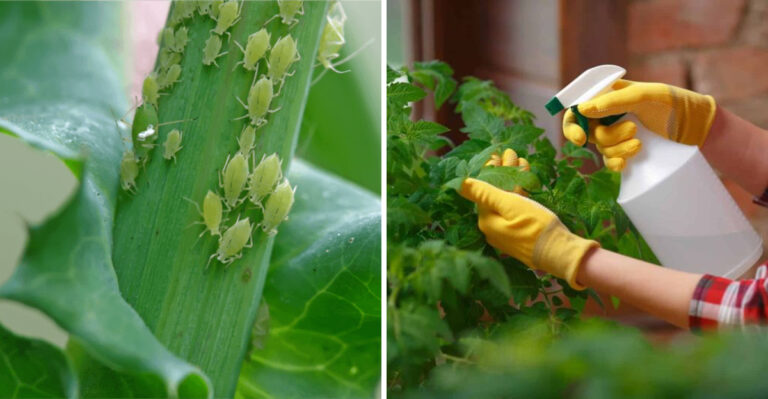
Aphids occasionally target dill in fall. Check the undersides of leaves regularly and rinse them off with water if needed.
Keeping plants healthy and well-spaced reduces pest pressure over time.
Regular harvesting keeps fresh, tender growth coming while temperatures remain mild. Let a few plants flower later if you want to collect seeds for another planting.
3. Chervil Prefers The Milder Conditions That Fall Brings
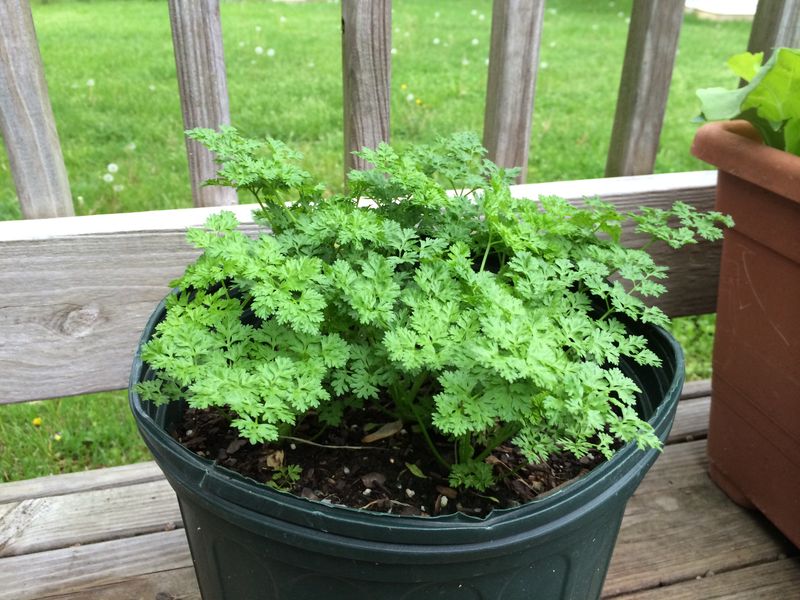
Chervil is an underrated herb that rewards patient gardeners. It tastes like a mild mix of parsley and anise, and it genuinely prefers cool, shaded growing conditions.
Hot weather causes it to bolt almost immediately.
September is close to ideal for starting chervil from seed in the South. Sow seeds directly into the garden since chervil dislikes being transplanted.
Press seeds into the surface and keep the area lightly moist until germination begins.
Germination can be slow, sometimes taking two to three weeks. Patience pays off here.
Once seedlings appear, thin them to about eight inches apart to give each plant room to fill in.
Chervil prefers partial shade, especially during warmer fall afternoons. Planting it near taller herbs or on the north side of a raised bed can help.
Direct afternoon sun tends to stress the plant and speed up bolting.
Harvest leaves before the plant sends up flower stalks. Once flowering starts, flavor tends to fade.
Regular harvesting from the outer leaves keeps the plant producing longer.
Chervil works well in soups, egg dishes, and light sauces. Its flavor is delicate, so add it near the end of cooking.
Heat reduces its subtle taste quickly, so fresh use is often better.
Cooler fall weather helps chervil stay tender and flavorful for a longer harvest. Sow another small batch a few weeks later to keep fresh leaves available as the season continues.
4. Chives Settle In Well During The Fall Planting Season
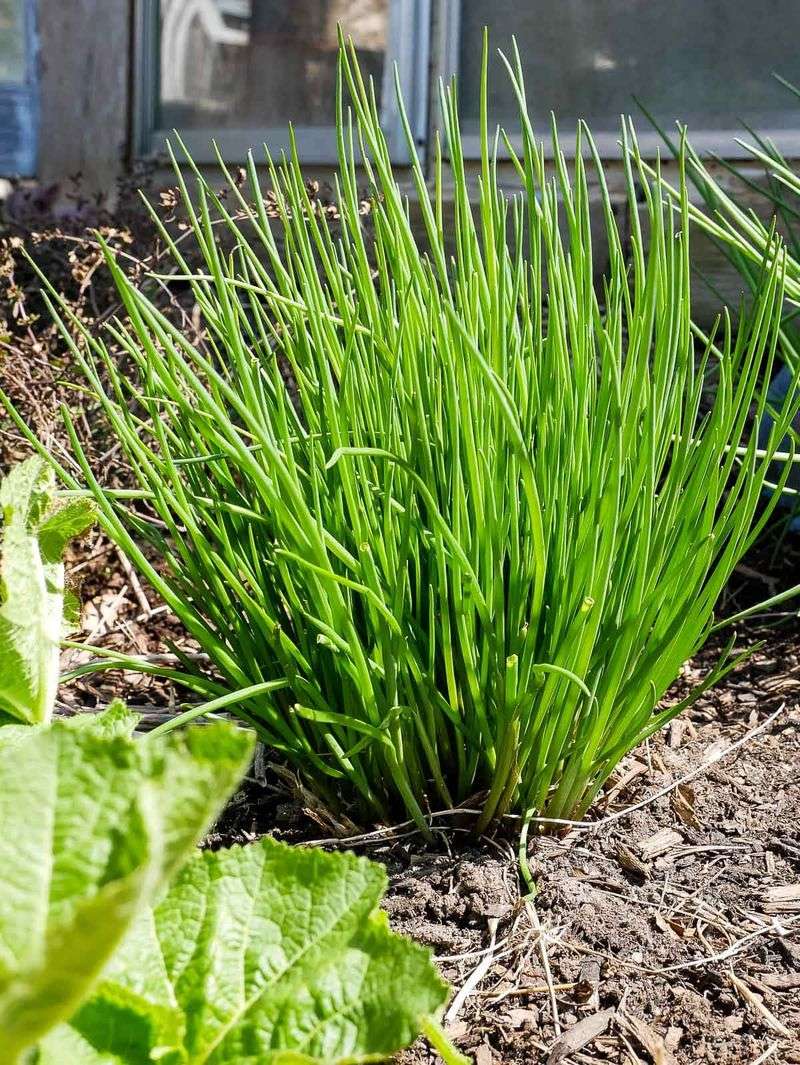
Chives are one of the most reliable herbs you can grow from seed in fall. Starting them in September gives roots time to anchor before winter.
Established clumps often return year after year with minimal attention.
Sow seeds about a quarter inch deep in well-drained soil. Chives prefer full sun but tolerate light shade in fall when temperatures are milder.
Keep the seedbed evenly moist until germination, which usually takes ten to fourteen days.
Seedlings emerge as thin, grass-like shoots. Thin clusters to about four to six inches apart once they reach two inches tall.
Crowding at this early stage can slow development significantly.
Chives grow slowly from seed compared to division, so September planting gives them a head start before spring. Fall-started clumps tend to be more productive the following year.
That extra root time makes a real difference in spring output.
Harvest by snipping leaves to about an inch above the soil line. Avoid cutting too close to the base repeatedly, as this can stress young plants.
Let seedlings mature for at least a month before the first harvest.
Chives handle light frosts reasonably well and often stay green through mild Georgia winters. Mulching around the base can offer some protection during harder cold snaps.
They typically resume growth quickly once warmer days return.
5. Borage Gets Another Planting Window In Late Summer
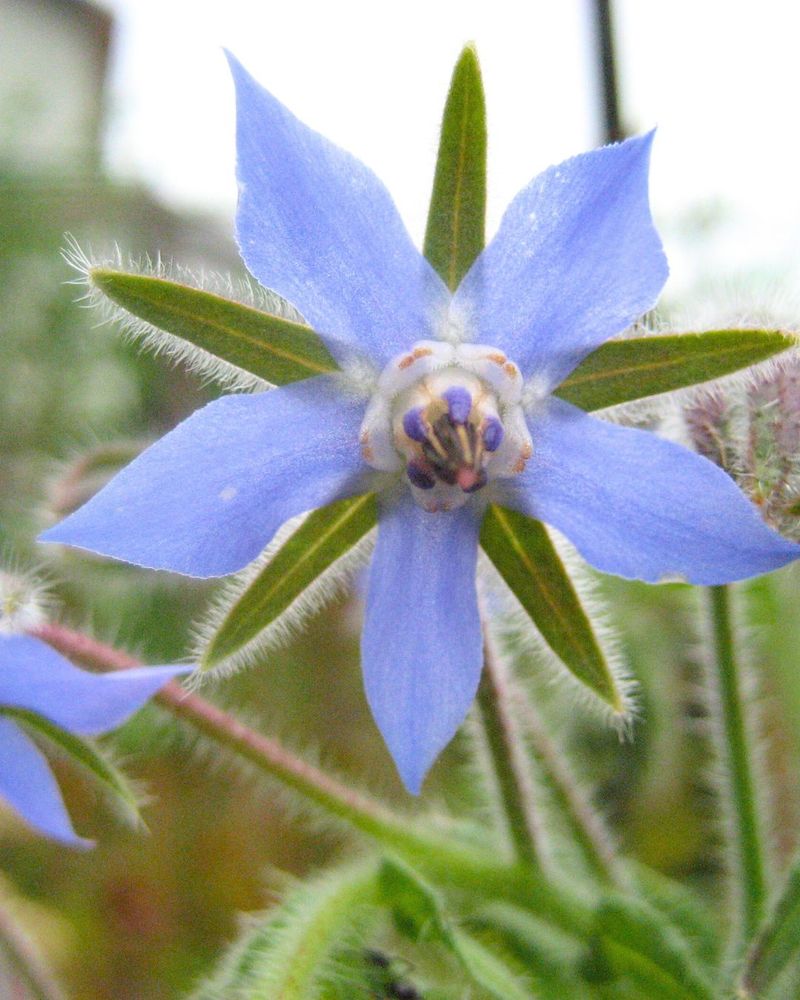
Borage is a bold, bristly herb that most gardeners overlook for fall planting. Starting seeds in late August or early September gives plants enough time to establish before cooler nights take hold.
Borage grows fast once it gets going.
Direct sow seeds about half an inch deep in a sunny spot. Borage does not transplant well, so starting it right where it will grow is the better approach.
Germination typically happens within seven to fourteen days in warm September soil.
Young borage plants are sturdy and grow quickly. Thin seedlings to about twelve inches apart once they have their first set of true leaves.
Crowded plants tend to compete for light and airflow.
Borage produces star-shaped blue flowers that attract pollinators even in fall. Both leaves and flowers are edible, with a mild cucumber-like flavor.
Flowers can be used fresh in salads or as a garnish.
Water regularly but let the soil dry slightly between waterings. Borage handles short dry spells once established.
Overwatering in heavy clay soil can cause stem rot near the base.
Borage often self-seeds, meaning a fall planting can leave behind seeds for the following season. Volunteers tend to pop up in early spring without any extra effort.
That natural reseeding habit makes it a practical addition to any herb garden.
Saving a few mature flower heads can provide seeds for another planting later.
6. Caraway Fits Naturally Into The Fall Herb Garden
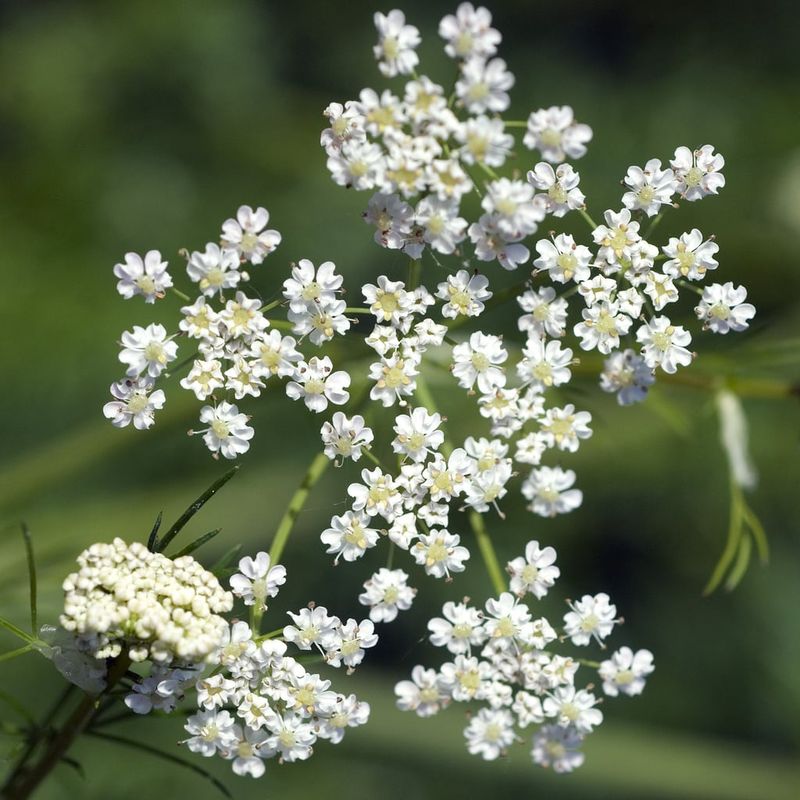
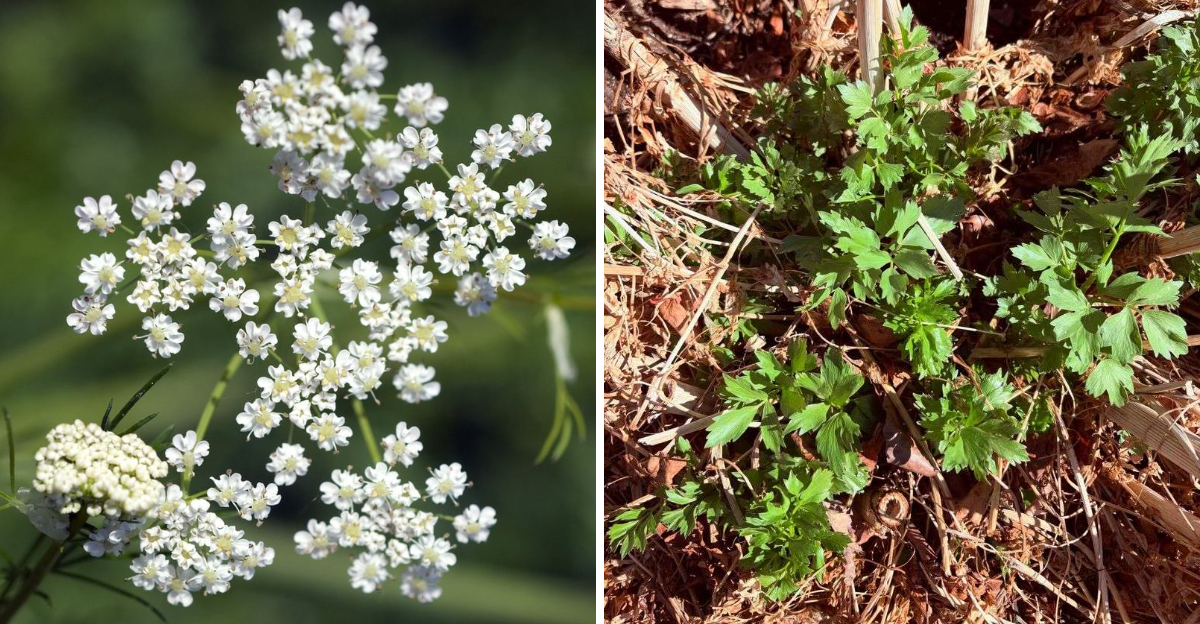
Caraway is a biennial herb, meaning it takes two growing seasons to reach full maturity and produce seeds. Starting it in September of the first year sets up a productive harvest the following summer.
Patience is part of growing caraway successfully.
Sow seeds directly into a prepared bed about half an inch deep. Caraway has a taproot and resists transplanting, so direct seeding is the practical choice.
Space seeds about six to eight inches apart from the start.
Germination can take two to three weeks, which is slower than many herbs. Keep the soil consistently moist during this period.
Once seedlings appear, thin to the strongest plants and remove weaker ones nearby.
First-year caraway plants produce a low rosette of feathery leaves. These leaves are edible and have a mild flavor similar to the seeds.
Harvesting a few leaves does not significantly impact the plant’s long-term development.
Caraway prefers full sun and well-drained soil. Sandy loam or loose garden soil works better than heavy clay.
Amending clay soil with compost before planting can improve drainage and root development.
Second-year plants send up tall flower stalks in late spring, followed by seed heads. Harvest seeds when they begin to turn brown.
Letting a few seeds drop naturally can lead to new seedlings the following fall.
Cooler weather helps the young plants build strong roots before winter slows their growth.
7. Hyssop Gets A Fresh Start During The Fall Season
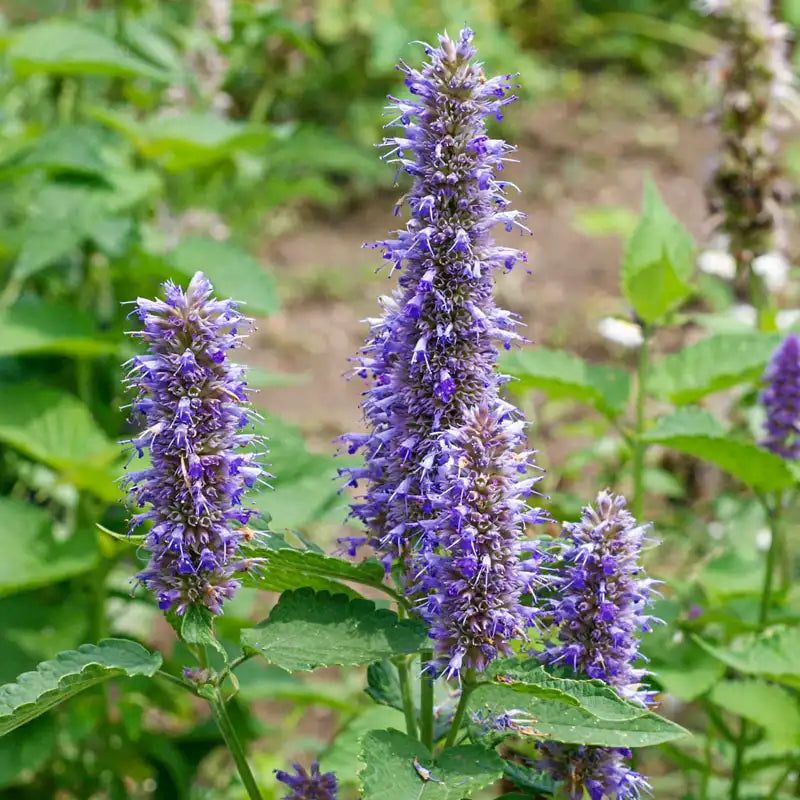
Hyssop is a semi-evergreen herb with a sharp, slightly minty fragrance that pollinators find hard to resist. Starting seeds in September gives plants time to establish a root system before winter.
Young hyssop plants tend to be more cold-tolerant once they have had a few weeks to settle in.
Sow seeds on the surface of moist, well-drained soil and press them in lightly. Hyssop needs light to germinate, so covering seeds too deeply can delay or prevent sprouting.
Germination usually takes ten to fourteen days.
Thin seedlings to about twelve inches apart once they reach two to three inches tall. Hyssop grows into a bushy, upright plant over time.
Good spacing from the start supports better airflow and reduces fungal issues.
Full sun is ideal for hyssop, though it handles light afternoon shade in warmer fall weather. Sandy or loamy soil suits it better than heavy, waterlogged ground.
Avoid overwatering, especially in poorly drained areas.
Hyssop leaves can be used fresh or dried in teas, meat dishes, and herbal blends. The flavor is strong, so a small amount goes a long way.
Harvest before flowering for the most intense flavor.
In Georgia, hyssop can survive mild winters with minimal protection. A light layer of mulch around the base helps during harder cold spells.
Plants often resume growth reliably once spring temperatures return.
8. Lovage Settles In During The Fall Planting Window
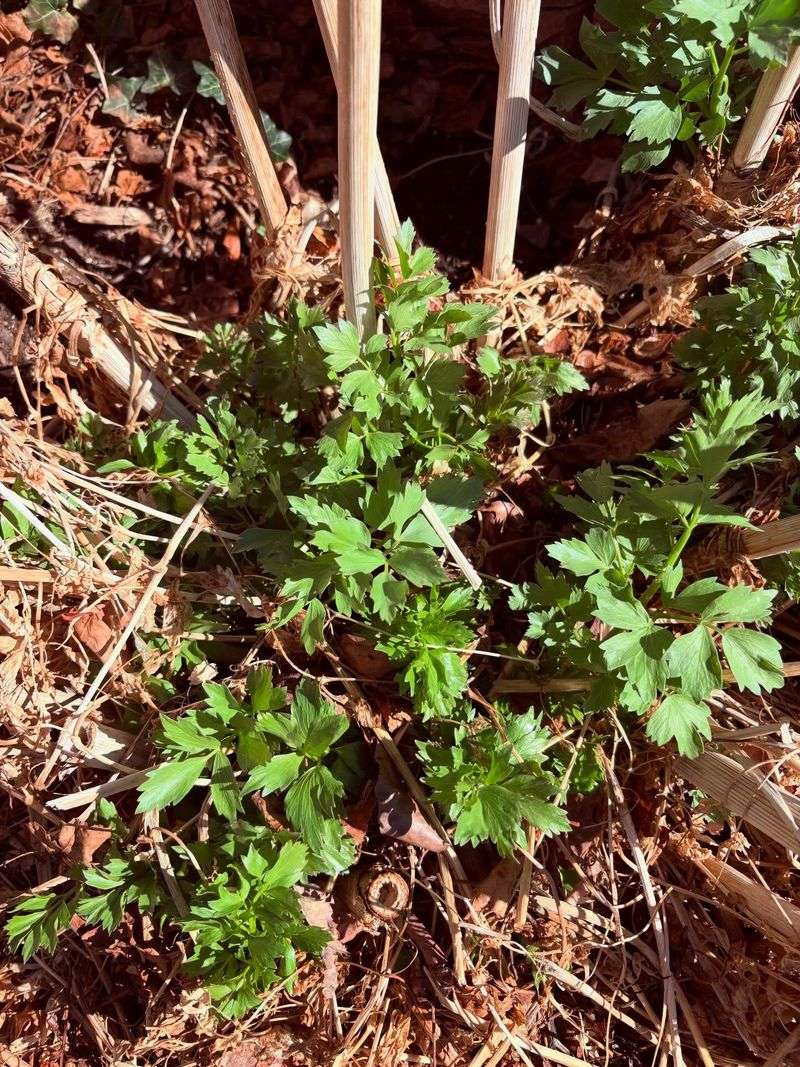
Lovage is a tall, bold perennial herb that tastes remarkably similar to celery. Starting it from seed in September gives roots time to establish before the plant goes dormant in winter.
A well-rooted lovage plant can come back stronger each spring for several years.
Fresh seeds germinate more reliably than older ones, so use seed from the current season if possible. Sow about a quarter inch deep in a prepared bed with loose, fertile soil.
Keep the area consistently moist until germination begins, which can take two to three weeks.
Lovage prefers full sun to light shade and does well in rich, well-amended soil. Adding compost before planting improves both drainage and nutrient availability.
Avoid planting in areas where water tends to pool after rain.
Thin seedlings to at least eighteen inches apart. Lovage can eventually reach four to six feet in height, so give it room from the start.
Cramped spacing limits root development and overall plant size.
Leaves, stems, and seeds are all usable in cooking. Fresh leaves add a celery-like flavor to soups, stews, and salads.
Use sparingly at first since the flavor is quite strong.
Lovage goes dormant in winter but returns in early spring with vigorous new growth. Marking its location in the bed helps avoid accidentally disturbing it during the dormant period.
Established plants are fairly low-maintenance once they are a year or two old.