The Fast-Growing Texas Native That Screens A Yard By Next Summer
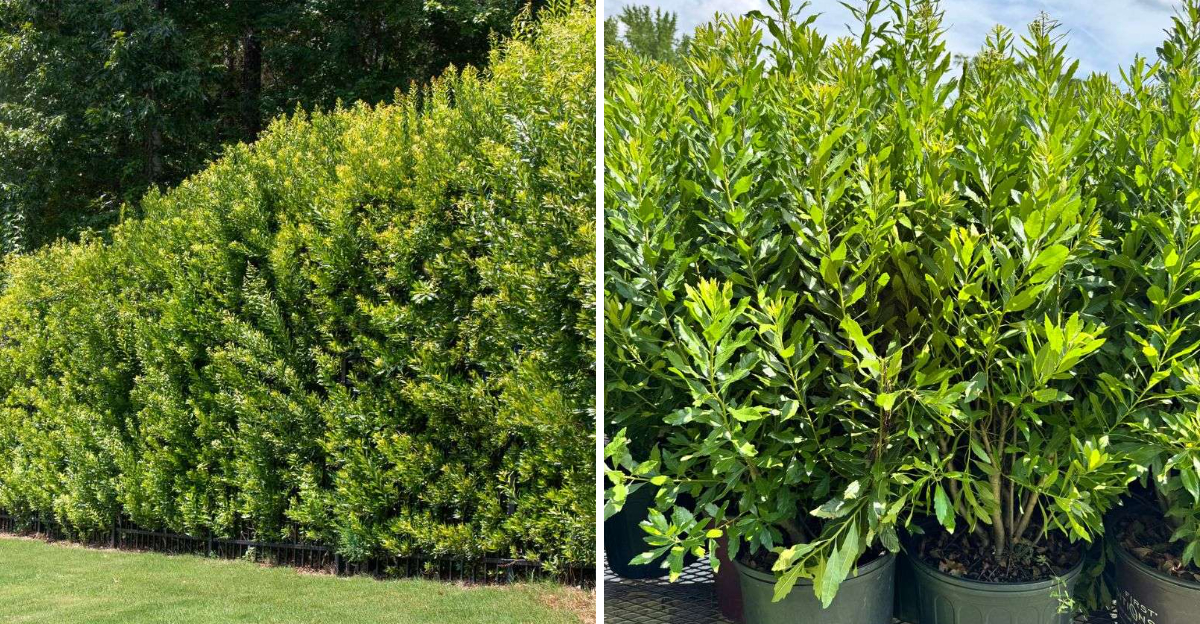
Privacy is one of the most common landscaping goals Texas homeowners have, and patience is the one thing most of them are least willing to offer.
The standard advice to plant something native and wait several years for meaningful screening is technically sound but deeply unsatisfying when you’re standing in a yard that feels completely exposed right now.
There is a native Texas plant that takes that timeline and cuts it down significantly.
This fast growing native can create meaningful visual screening within a single growing season under the right conditions, reaching the kind of height and density that most slow growing privacy plantings take years to achieve.
Plant it now, in the fall establishment window that gives Texas plants their best start, and by next summer you’ll have real coverage rather than a hopeful suggestion of future privacy.
It’s native, drought tolerant once established, and ecologically valuable in ways that imported privacy plantings never quite manage.
Here’s the fast growing Texas native worth planting now for privacy that actually arrives on a timeline that makes sense.
Southern Wax Myrtle Grows Fast And Stays Evergreen
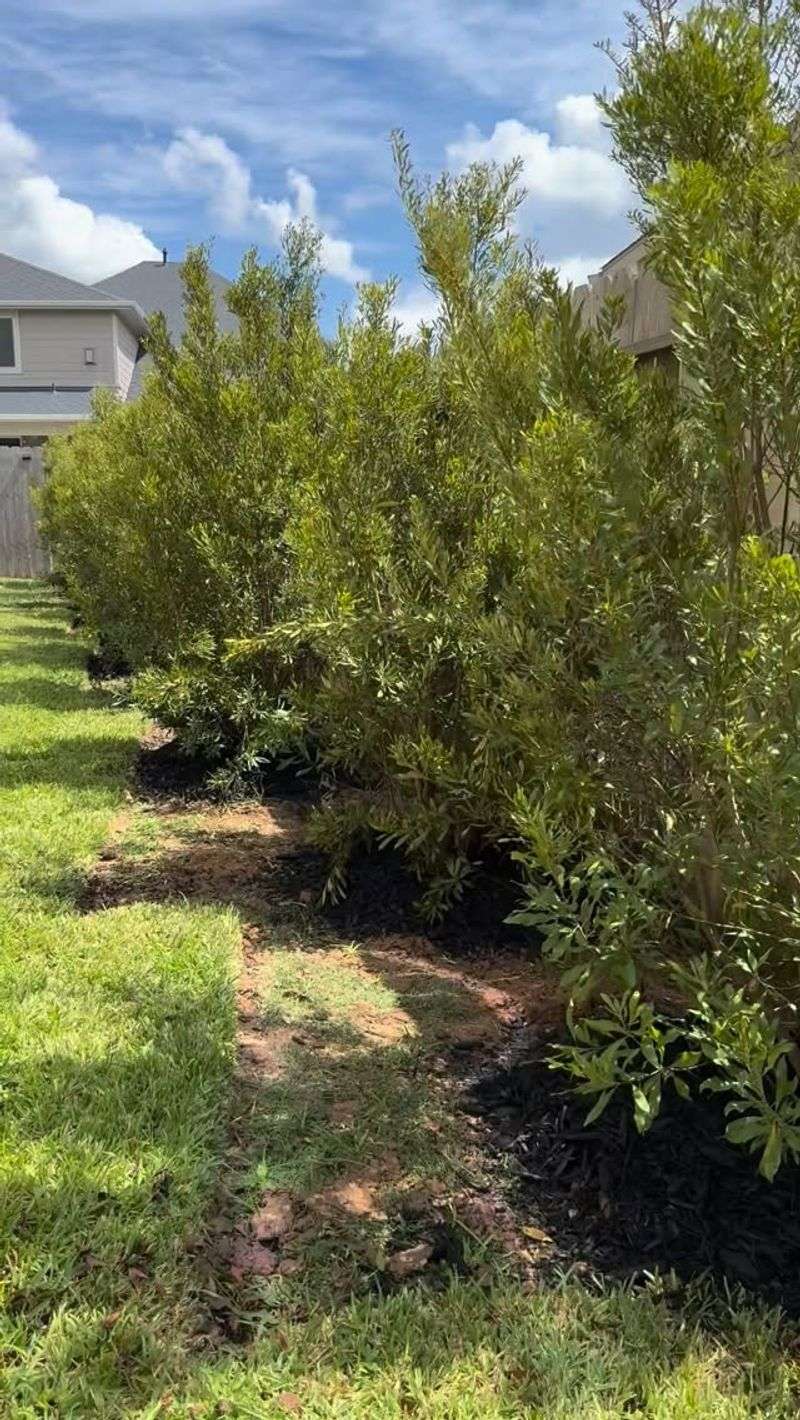
Few plants in Texas can match the speed of Southern wax myrtle. Known by its scientific name Morella cerifera, this native shrub can grow three to five feet in a single year under the right conditions.
That kind of growth rate is rare, especially for a plant that also looks attractive and stays healthy with minimal care.
What really sets wax myrtle apart is that it keeps its leaves all year long. Most fast-growing shrubs drop their leaves in fall and leave your yard exposed all winter.
Wax myrtle stays full and green through every season, which means your privacy does not disappear when temperatures drop.
The leaves have a pleasant, slightly spicy scent when brushed or crushed. Many people enjoy this quality, especially near patios or walkways.
The plant also produces small, waxy, blue-gray berries that birds love, making it great for wildlife too.
Southern wax myrtle naturally grows in a multi-stemmed form, which gives it a bushy, full appearance from the ground up. You do not have to wait for it to branch out at the top like a tree.
The fullness starts low, which is exactly what you want when building a privacy screen. Gardeners across Texas have used wax myrtle for decades because it simply works. It thrives in the Texas climate without much fussing.
If you plant it in spring and water it through the first summer, you will likely have a noticeable screen by fall. By the following summer, that screen could be impressive.
It Works Well As A Living Privacy Screen
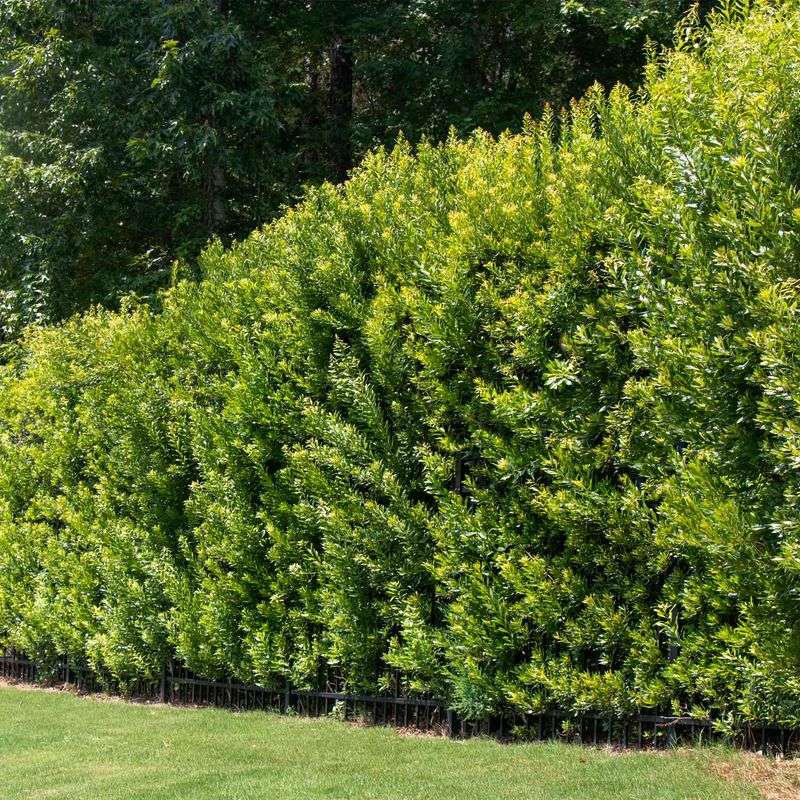
Imagine stepping into your backyard without feeling like your neighbors can see your every move. A living privacy screen made from wax myrtle can make that happen, and it looks much better than a wooden fence or a concrete wall.
Wax myrtle grows in a naturally multi-stemmed pattern. That means instead of one single trunk, each plant sends up several stems from the base.
Your Texas Garden Changes Every Week. Your Plan Should Too.
Gardening in Texas changes quickly throughout the season. Every Friday you’ll receive a simple weekly plan showing exactly what to plant, prune, fertilize, harvest, and protect so you never miss the right timing.
This creates a thick, layered wall of greenery that blocks sightlines from multiple angles. You do not need a fence behind it to get real privacy.
When you plant several wax myrtles in a row, the effect becomes even stronger. Each shrub fills out sideways as it grows upward, and neighboring plants eventually grow together to form one continuous green wall.
Plant them about five to six feet apart, and within a season or two, you will see the gaps close in.
The screening effect works at different heights too. Because wax myrtle stays full from the ground up, it blocks low views as well as eye-level ones.
A wooden fence only blocks what is at fence height. A wax myrtle hedge blocks everything from the ground to well above your head.
Another bonus is sound. Dense plantings of shrubs like wax myrtle can actually muffle street noise and reduce the sounds coming from neighboring yards.
It is not a soundproof wall, but many homeowners notice a real difference after their hedge fills in. A living screen gives you privacy, beauty, and a little peace and quiet all at once.
It Handles Sun, Heat, And Different Soil Conditions
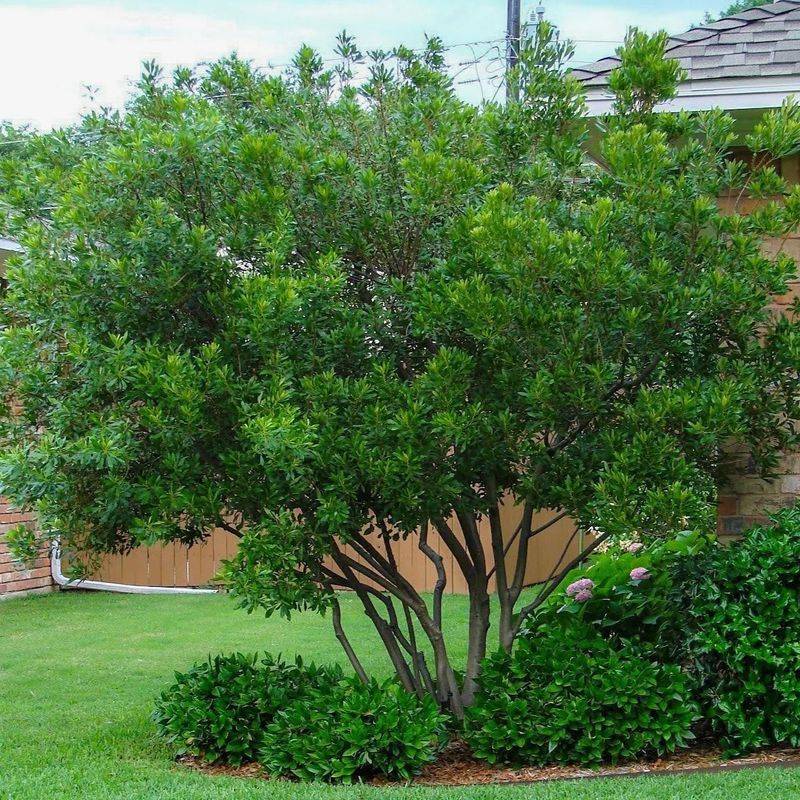
Texas weather is not easy on plants. Summers are scorching, droughts are common, and soil conditions can range from heavy clay to loose sand depending on where you live. Not many plants handle all of that well, but wax myrtle does.
Full sun is where wax myrtle grows fastest and fullest. Give it a spot that gets at least six hours of direct sunlight per day, and it will reward you with vigorous growth.
That said, it also performs well in partial shade. If your yard has a mix of sun and shade throughout the day, wax myrtle will still grow and fill in, just a bit more slowly.
One of the most impressive things about this plant is its soil flexibility. It grows naturally in sandy coastal soils, heavy clay, and everything in between.
It even tolerates wet, poorly drained areas that would rot the roots of most shrubs. Few plants can say that.
Once wax myrtle is established, it handles dry spells with surprising toughness. During its first year, it needs regular watering to develop a strong root system.
After that, it becomes much more self-sufficient. In many parts of Texas, established wax myrtle survives on rainfall alone during normal weather years.
Heat is simply not a problem for this plant. It evolved in the hot, humid regions of the American South and Gulf Coast, so Texas summers feel like home.
Whether you live in Houston, Austin, or San Antonio, wax myrtle is built for your climate and ready to grow in your yard.
Proper Spacing Determines How Quickly The Screen Fills In
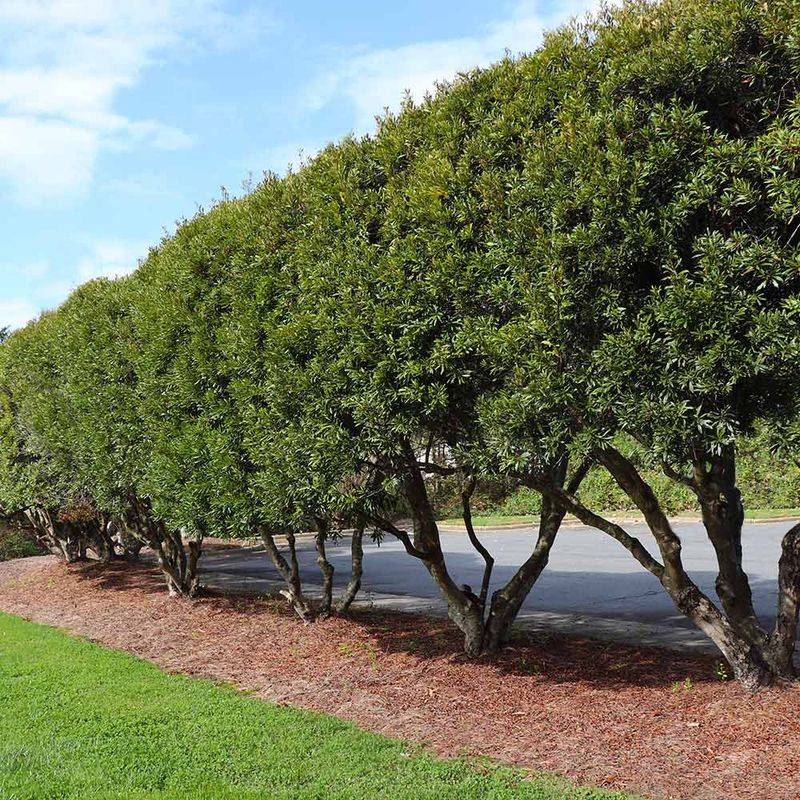
Spacing might seem like a small detail, but it is one of the biggest factors that determines how fast your privacy screen develops.
Get it right, and you will have a full hedge in one to two seasons. Get it wrong, and you could be waiting much longer than necessary.
Planting wax myrtles too far apart leaves wide gaps between plants. Each shrub will grow upward and outward, but if there is too much space between them, those gaps stay open for years.
Neighbors and passersby can still see through your screen long after you expected it to close in.
On the other hand, planting them too close together causes different problems. Overcrowded plants compete for water, nutrients, and light.
That competition slows growth and can weaken individual plants over time. You end up with a thinner, less healthy hedge than you would have gotten with proper spacing.
For most privacy screen applications, spacing wax myrtles five to six feet apart center to center gives the best results. At that spacing, mature plants will grow together and overlap slightly, creating a seamless wall of green without crowding each other out.
If you want faster results and have the budget, you can plant them four feet apart. Just know that you may need to do a little more thinning as they mature to prevent overcrowding.
Some gardeners plant a double row in a staggered pattern for even denser coverage. Whichever approach you choose, consistent spacing from the start makes the whole process easier and the final result much more attractive.
Water New Plants Deeply While They Establish
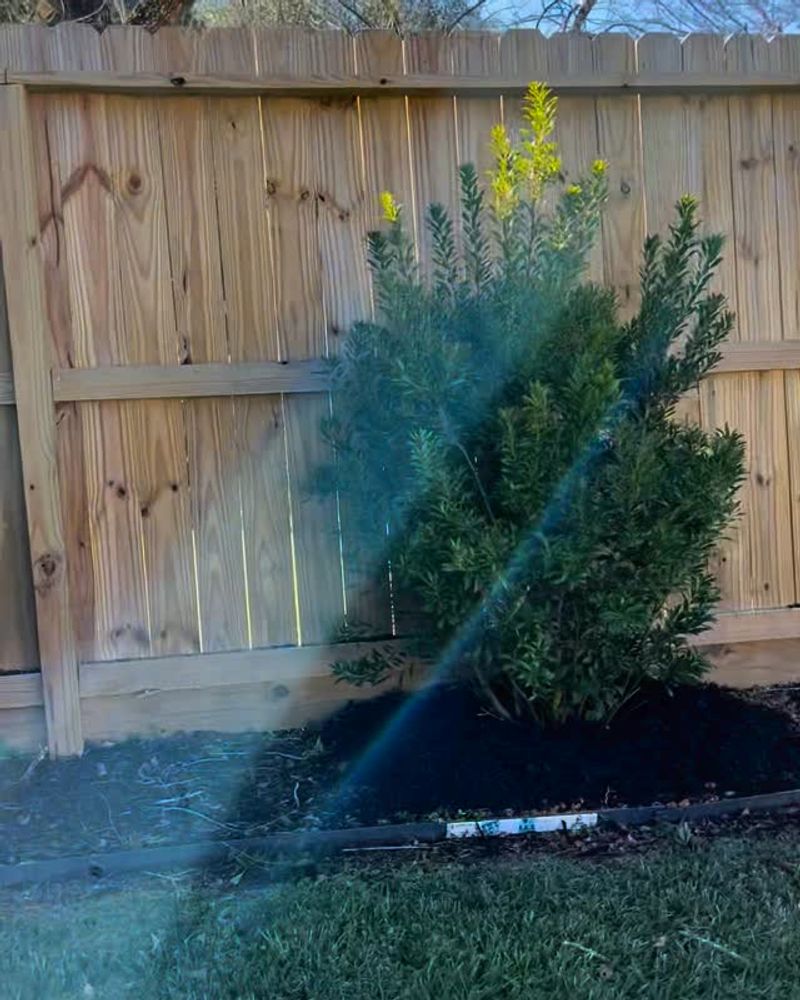
Here is something that surprises a lot of new gardeners: even drought-tolerant plants need consistent water during their first growing season. Wax myrtle is tough once it is established, but getting it to that point requires some effort on your part.
When you first plant wax myrtle, the roots are still small and limited to the area of the original root ball. The soil around them may dry out quickly, especially in Texas summers.
Watering deeply two to three times per week during the first month helps those roots grow outward and downward into the surrounding soil.
Deep watering is more effective than frequent shallow watering. When you water deeply, moisture reaches further into the ground, and roots follow it downward.
Shallow watering keeps moisture near the surface, which encourages shallow roots that are more vulnerable to heat and dry spells.
Mulching around the base of each plant makes a big difference. A two to three inch layer of wood chip mulch or shredded bark holds moisture in the soil, keeps roots cooler during summer heat, and reduces how often you need to water.
Keep the mulch a few inches away from the stems to avoid moisture buildup against the bark.
By the end of the first summer, most wax myrtles have developed enough of a root system to handle drier conditions on their own. You can gradually reduce watering as fall approaches.
By the second year, most plants are fully established and require little to no supplemental irrigation during normal rainfall years. Starting strong with water sets your hedge up for long-term success.
Let It Grow Naturally For The Fastest Coverage
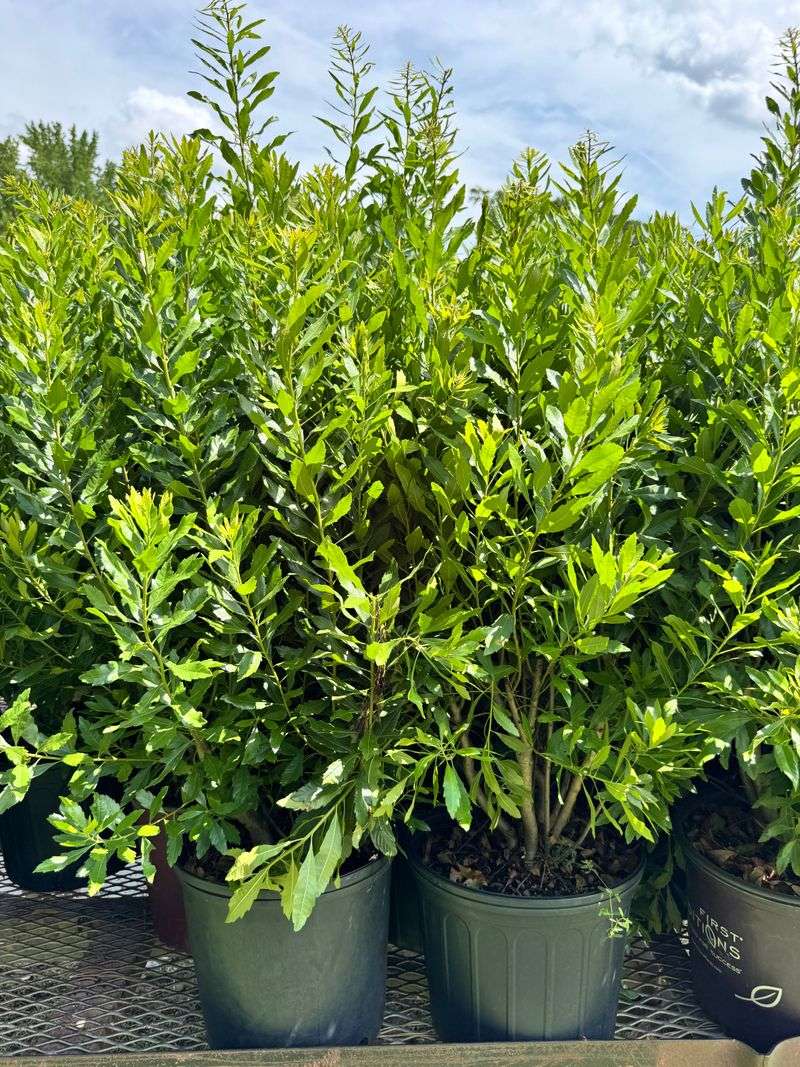
There is a temptation with fast-growing shrubs to pick up the hedge trimmer and shape them into neat, tidy forms. With wax myrtle, that urge is worth resisting, at least while your privacy screen is still filling in.
Heavy shearing removes a lot of actively growing stem tips, which are the parts of the plant responsible for producing new growth. When you cut those off repeatedly, the plant spends energy recovering rather than expanding.
The result is a slower-growing, denser but smaller shrub instead of the tall, full screen you are aiming for.
Wax myrtle has a naturally attractive shape when left alone. Its arching, multi-stemmed form creates a full, layered look that actually provides better screening than a tightly sheared hedge.
A sheared hedge has a flat face but may be thin and sparse inside. A naturally grown wax myrtle is dense from top to bottom.
Light pruning is perfectly fine when needed. If a branch is growing in an awkward direction or a stem is crossing over others, go ahead and trim it back.
Removing a few problem branches here and there will not slow the overall growth of the plant. Just avoid heavy all-over shearing during the establishment phase.
Once your screen has reached the height and width you want, you can begin shaping it more regularly to maintain that size. By that point, the hard work is done and the screen is already providing the coverage you planted it for.
Letting wax myrtle grow on its own terms is the fastest path to a full, beautiful privacy hedge in your Texas yard.