8 Reasons Why Michigan Hydrangea Flowers Turn Brown
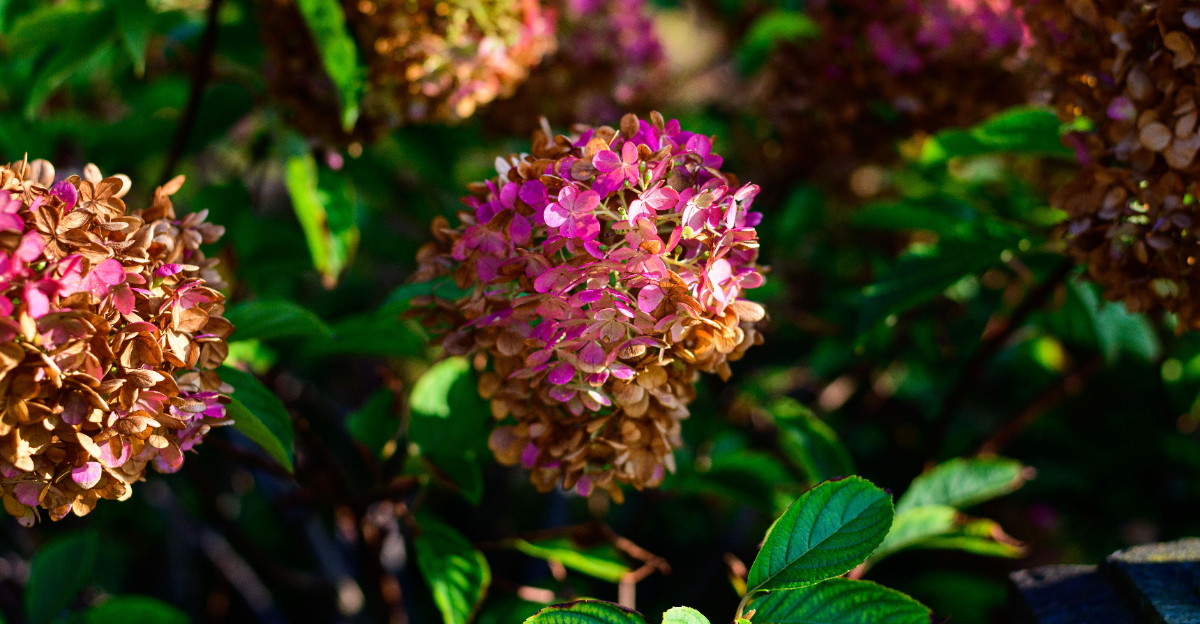
Brown, crispy hydrangea blooms leave plenty of Michigan gardeners frustrated, especially when the rest of the plant still looks perfectly green and healthy.
Most people assume there’s a single obvious cause, reaching for the same fix every time regardless of what’s actually happening.
But browning flowers can actually stem from several completely different issues, each requiring its own specific solution to properly address.
Understanding the full range of possible causes changes how effectively you can respond the next time your hydrangea blooms start turning an unwanted shade of brown.
Many gardeners waste time and effort treating the wrong problem entirely, missing the actual explanation behind their specific situation.
Once you know all eight potential reasons, diagnosing your own hydrangea becomes a much more straightforward process. This list could finally solve a frustration that’s been following your plant for more than one season.
1. The Flowers May Simply Be Getting Older
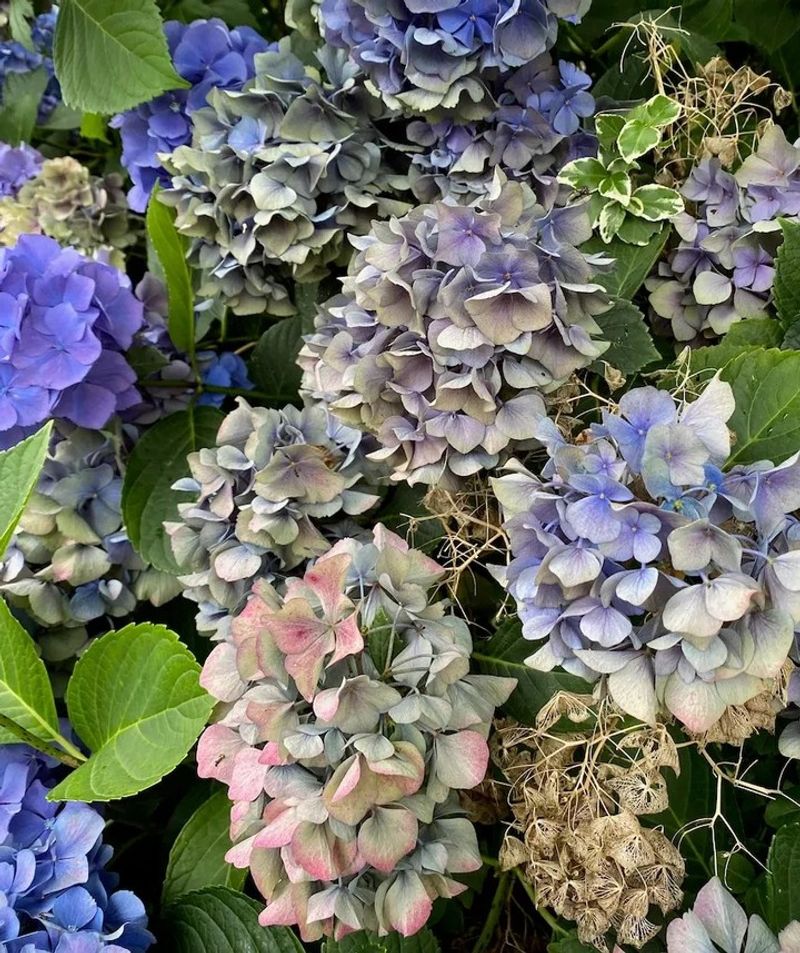
Sometimes brown blooms are not a problem at all. They are just part of the natural life cycle of the flower.
As the season stretches into late summer and early fall, hydrangea blossoms slowly lose their bright color and settle into soft tan and papery brown shades.
This aging process happens with almost every variety grown in Michigan. The petals, which are actually called sepals, start out fresh and vivid, then gradually dry out as the plant shifts its energy toward next year’s growth.
It is a normal change, not a sign that something went wrong. You can tell the difference between aging and trouble by looking at the timing.
If your flowers looked gorgeous for weeks and only faded near the end of their run, then you are simply seeing them mature.
Many gardeners actually love this stage because dried hydrangea heads look beautiful in vases and fall arrangements.
If you want to keep the shrub tidy, you can snip off the faded blooms once they turn brown. Just be careful about how you prune, since some hydrangeas set buds on old wood. Cutting at the wrong time can reduce next season’s flowers.
Leaving the old blooms on the plant through winter is also fine, and it gives the shrub a bit of extra protection in cold Michigan weather.
Come spring, you can trim things back and watch fresh growth take over. Aging flowers are simply nature doing its thing, so relax and enjoy the show.
2. A Michigan Heat Spell Can Scorch The Blooms
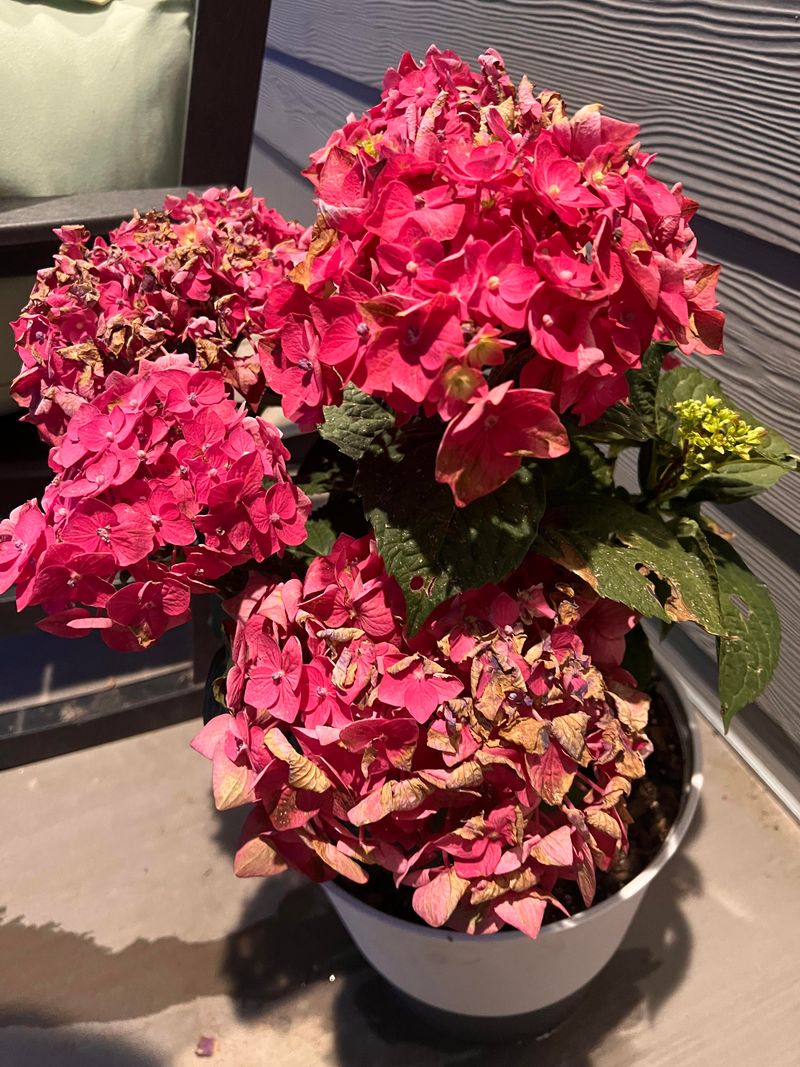
Michigan summers can swing from mild to scorching in just a few days, and that sudden heat is tough on hydrangeas. When temperatures climb into the 90s and stay there, even a healthy shrub can start showing brown, dried edges on its flowers.
Heat pushes the plant to lose water faster than it can take it up through the roots. The petals are thin and delicate, so they are usually the first part to show stress.
You might notice the outer edges turning tan and feeling crispy while the center still looks fine.
Your Michigan Garden Changes Every Week. Your Plan Should Too.
Gardening in Michigan changes quickly throughout the season. Every Friday you’ll receive a simple weekly plan showing exactly what to plant, prune, fertilize, harvest, and protect so you never miss the right timing.
The tricky part is that this can happen fast. A shrub that looked perfect one morning may show scorched blooms after two or three brutally hot afternoons.
It surprises a lot of gardeners who thought they were doing everything right.
To help your plants ride out a heat spell, keep the soil evenly moist and water deeply in the early morning.
A thick layer of mulch around the base holds moisture and keeps roots cooler. Aim for about two to three inches, but keep it from touching the stems.
If a heat wave is coming, you can also give your hydrangeas a little temporary shade using a light cloth or a patio umbrella during the hottest hours. It sounds fussy, but it really helps protect those tender flowers.
Once cooler weather returns, the shrub usually bounces back. New blooms often open up clean and colorful, proving the heat damage was only a rough patch.
3. Too Much Afternoon Sun Can Burn The Petals
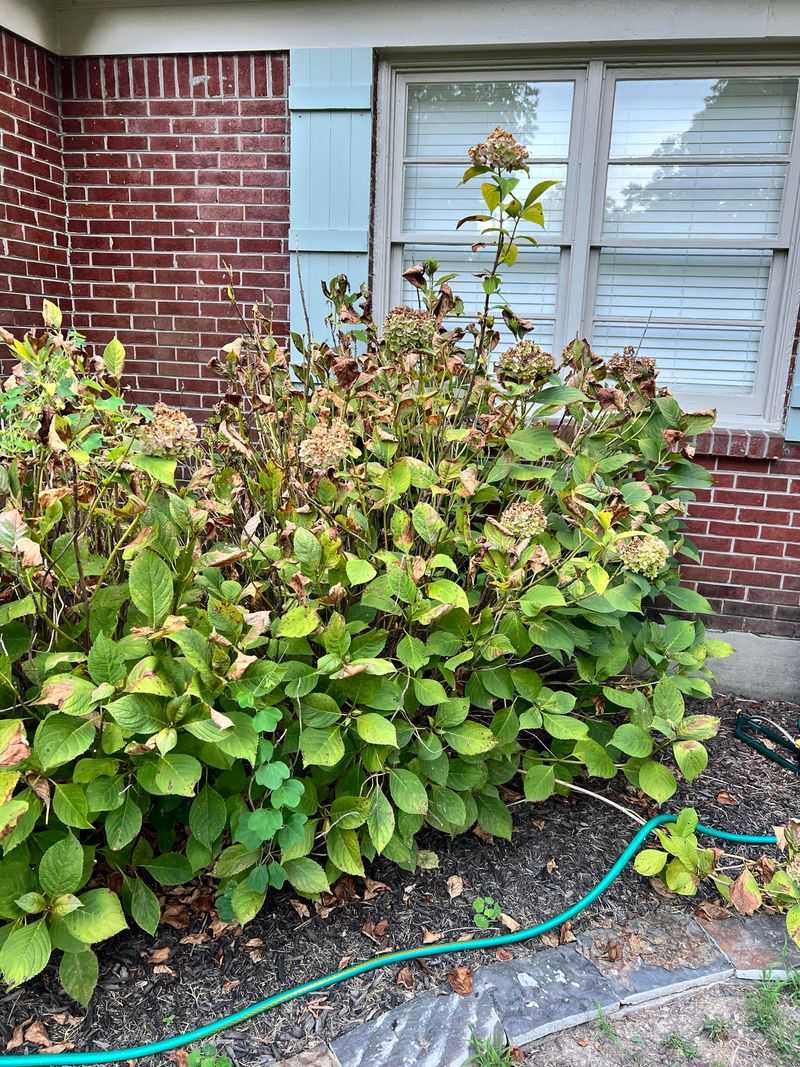
Location makes a huge difference for hydrangeas, and one of the biggest mistakes is planting them where they bake in strong afternoon sun.
Morning light is gentle and welcome, but that intense midday and afternoon glare can burn the flowers quickly.
Most hydrangeas love a spot with morning sun and afternoon shade. When they get blasted by the harshest rays of the day, the petals often turn brown and papery even while the leaves still look green.
It is a common sight in yards where the shrub sits against a hot south or west facing wall.
You can spot this problem by paying attention to which side of the plant browns first. The flowers facing the strongest sun usually crisp up before the ones tucked into shade. That pattern is a big clue that light, not disease, is the culprit.
If your hydrangea is struggling in a sunny spot, you have a couple of options. Adding a nearby tree, tall perennials, or a shade sail can soften the light during the hottest part of the day. These small changes protect the blooms and reduce stress.
Moving the shrub is another choice, and fall is a great time to transplant in Michigan. Pick a new home with dappled light or gentle morning sun, then water well while the roots settle in.
Once your hydrangea gets the right balance of light, the flowers hold their color longer and look far healthier all season.
4. Dry Soil Can Brown Flowers In A Hurry
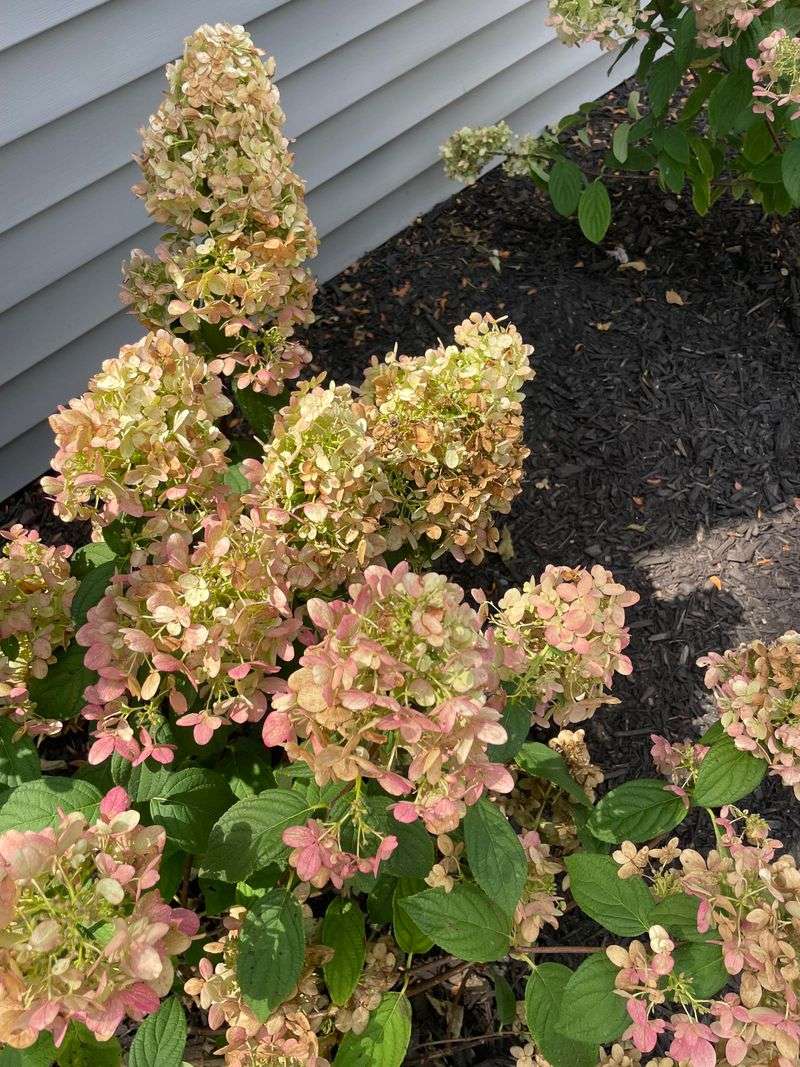
Their very name gives a hint about how much these plants love water. Hydrangeas drink a lot, and when the soil dries out, the flowers are usually the first to complain.
During hot Michigan stretches, moisture disappears from the ground fast. If the roots cannot find enough water, the shrub starts to droop, and the blooms develop crispy brown edges.
You might even see the whole plant wilt in the afternoon before it recovers a bit at night. Consistent watering is the real secret here. Instead of quick sprinkles, give your hydrangeas a deep soak so the water reaches down to the roots.
Doing this two or three times a week during dry spells keeps them far happier than daily light misting.
Mulch is your best friend in this battle. A generous layer of shredded bark or leaves helps lock moisture into the soil and keeps the ground from drying out so quickly. It also cuts down on how often you need to drag out the hose.
Morning is the ideal time to water because the plant can take a drink before the heat sets in. Watering at the base rather than over the top keeps the flowers dry and lowers the risk of other problems.
Pay attention to container hydrangeas too, since pots dry out even faster than garden beds. Stick your finger into the soil, and if the top inch feels dry, it is time to water. With steady moisture, your blooms stay plump and colorful.
5. Soggy Soil Can Stress The Roots
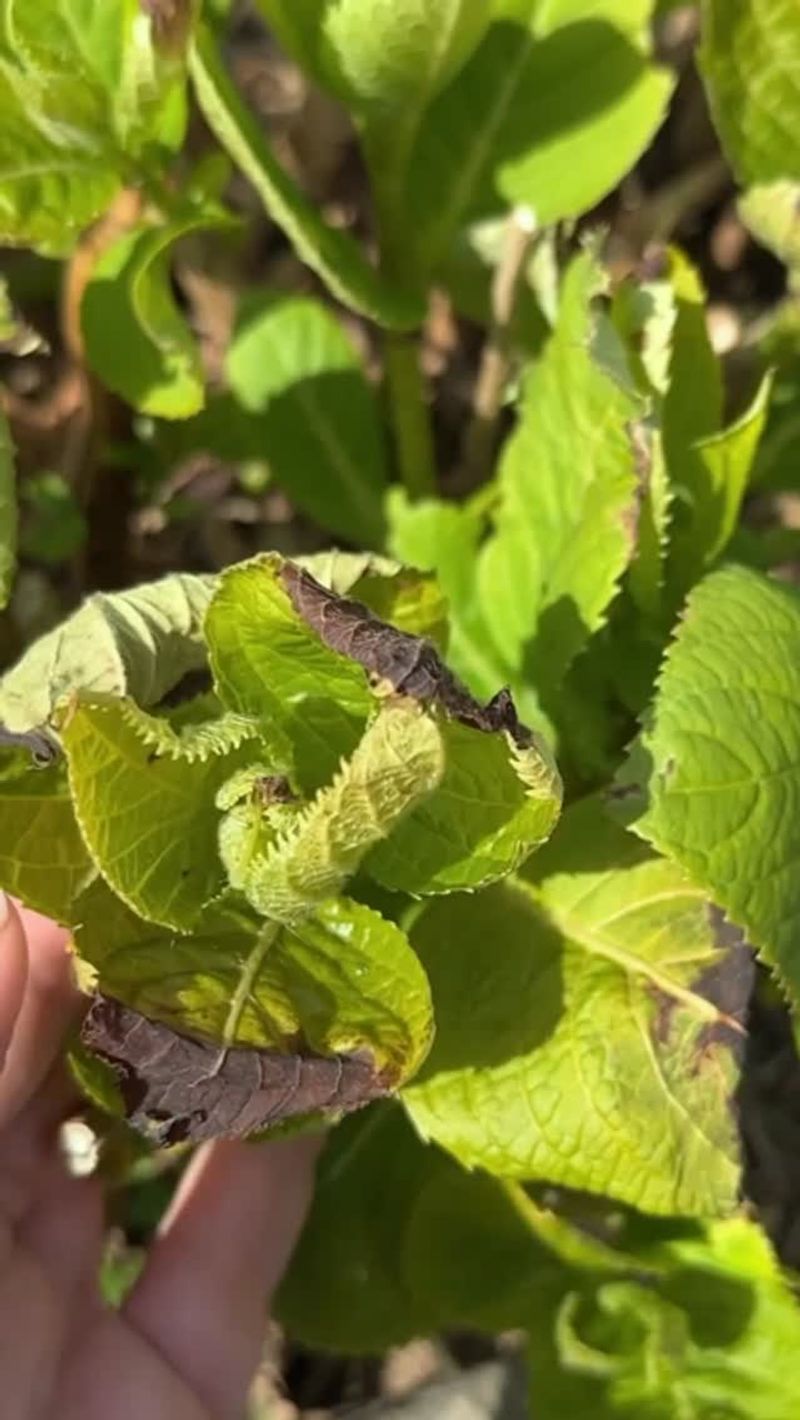
Water is wonderful, but too much of it causes the opposite problem. When Michigan soil stays soggy and poorly drained, hydrangea roots struggle to breathe, and that stress shows up in the flowers.
Roots need oxygen just as much as they need moisture. In waterlogged ground, air pockets fill with water and the roots cannot function properly.
Over time this weakens the whole shrub, leading to browned blooms, yellowing leaves, and slow growth.
Heavy clay soil, which is common in many parts of Michigan, makes this worse because it holds water like a sponge. Low spots in the yard that collect rain can also keep the ground saturated far too long after a storm.
The fix starts with better drainage. Mixing compost into the planting area helps loosen heavy soil and lets excess water flow through more easily.
Raised beds or gently mounded planting spots also keep roots from sitting in puddles. Before you assume your plant needs more water, check the soil first. Dig down a few inches and feel it.
If it is muddy and wet, hold off on watering and let things dry out a bit. Choosing the right planting spot from the start saves a lot of grief.
Avoid areas where water pools, and make sure gutters and downspouts are not dumping extra runoff onto your shrubs.
Once the roots get the oxygen they need, the plant regains its strength. Healthy roots mean fuller foliage and brighter, longer lasting flowers throughout the growing season.
6. Botrytis Can Turn Blooms Tan Or Brown
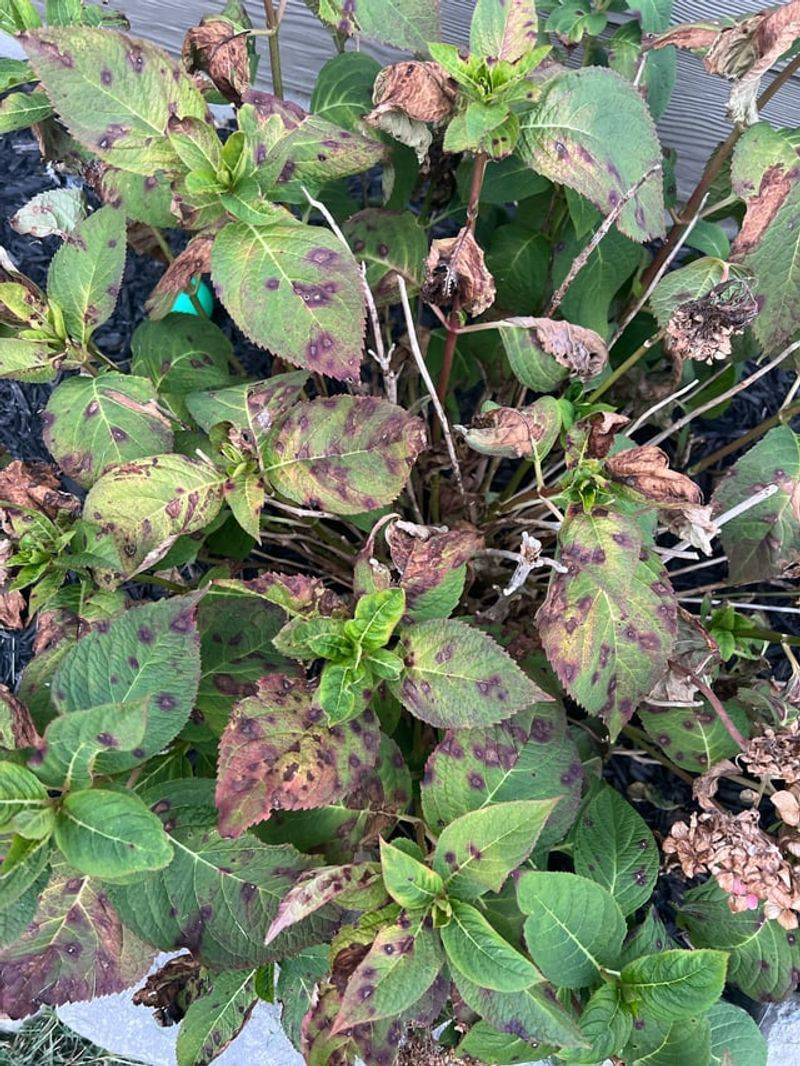
Cool, damp weather sets the stage for a sneaky fungus called Botrytis, also known as gray mold. This one loves the wet springs and humid stretches that Michigan gardens often get.
Botrytis usually starts on flowers that are already fading or on petals that stay wet too long. You will notice brown or tan blotches spreading across the blooms, and if you look closely, a fuzzy grayish growth may appear on the surface.
That fuzz is the telltale sign that mold, not heat, is to blame. The disease spreads easily in crowded, poorly ventilated plants. When leaves and flowers stay soggy after rain or heavy dew, the fungus finds the perfect place to grow and multiply.
Good air movement is your strongest defense. Space your hydrangeas so air can flow between them, and thin out any overly dense growth.
This helps the plant dry faster after it gets wet. Watering habits matter too. Aim water at the base of the plant instead of soaking the flowers and leaves.
Dry foliage is much less inviting to gray mold. Cleanliness goes a long way as well. Remove faded or infected blooms promptly and toss them in the trash rather than the compost pile.
Clearing fallen debris around the base keeps spores from lingering.
If the problem is serious, a garden fungicide labeled for Botrytis can help when applied according to the directions. With better airflow, careful watering, and quick cleanup, you can keep this fuzzy troublemaker away from your beautiful blooms.
7. Anthracnose Can Spot The Flowers
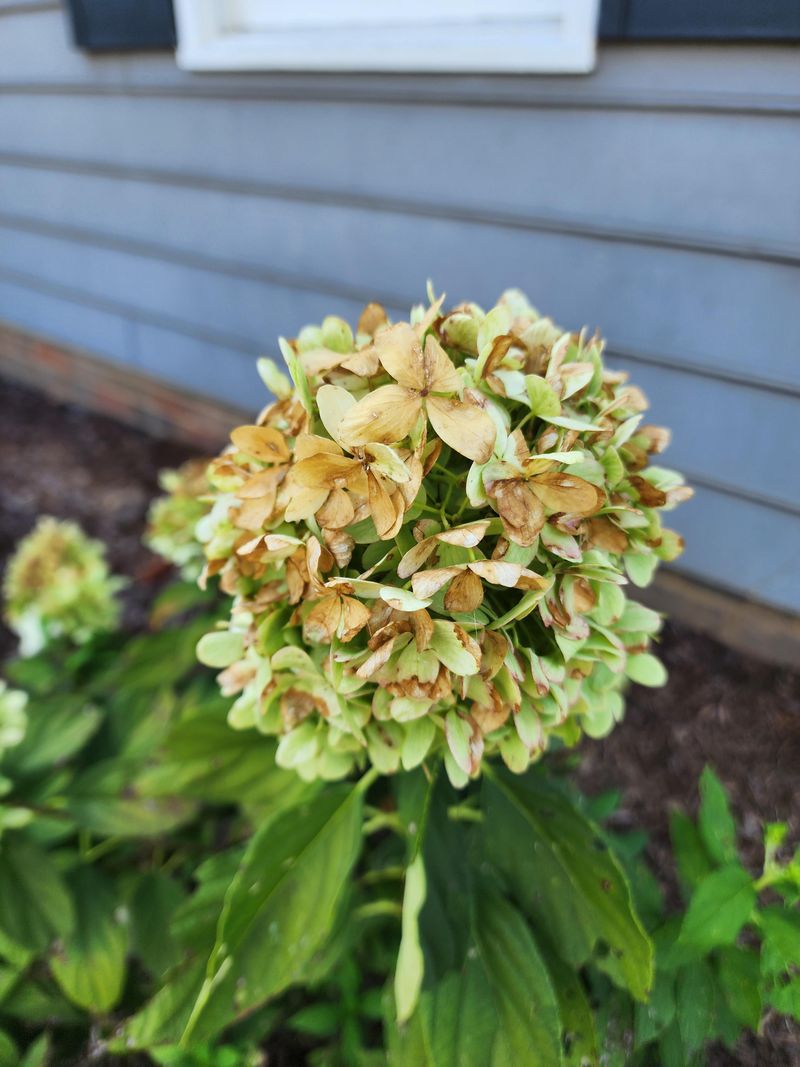
Another fungal troublemaker to watch for is anthracnose, a disease that leaves ugly brown spots on both flowers and leaves. It thrives in the wet, warm conditions that show up during rainy Michigan summers.
The spots often look sunken and can appear in shades of brown or tan. On flowers, you may notice these marks scattered across the petals, sometimes surrounded by lighter rings.
On leaves, the spots can grow larger and blend together as the disease spreads. Moisture is the main driver here. When the plant stays wet for long periods, the fungus gets everything it needs to take hold.
Splashing water from rain or sprinklers can carry spores from one part of the shrub to another.
Preventing anthracnose starts with smart watering. Water early in the day and aim for the soil, not the flowers, so the plant has time to dry before evening. Keeping foliage dry makes a big difference.
Pruning for airflow helps too. Opening up the center of the shrub lets sunlight and breezes reach every part, which speeds drying and discourages the fungus from settling in.
Sanitation is key. Rake up fallen leaves and clip away spotted growth, then dispose of it in the trash so the spores do not stick around. Cleaning your pruning tools between cuts also stops the spread.
For stubborn cases, a fungicide made for anthracnose can protect new growth when used as directed. With good habits and quick action, your hydrangeas can shake off the spots and stay looking fresh.
8. A Late Michigan Freeze May Have Injured The Buds
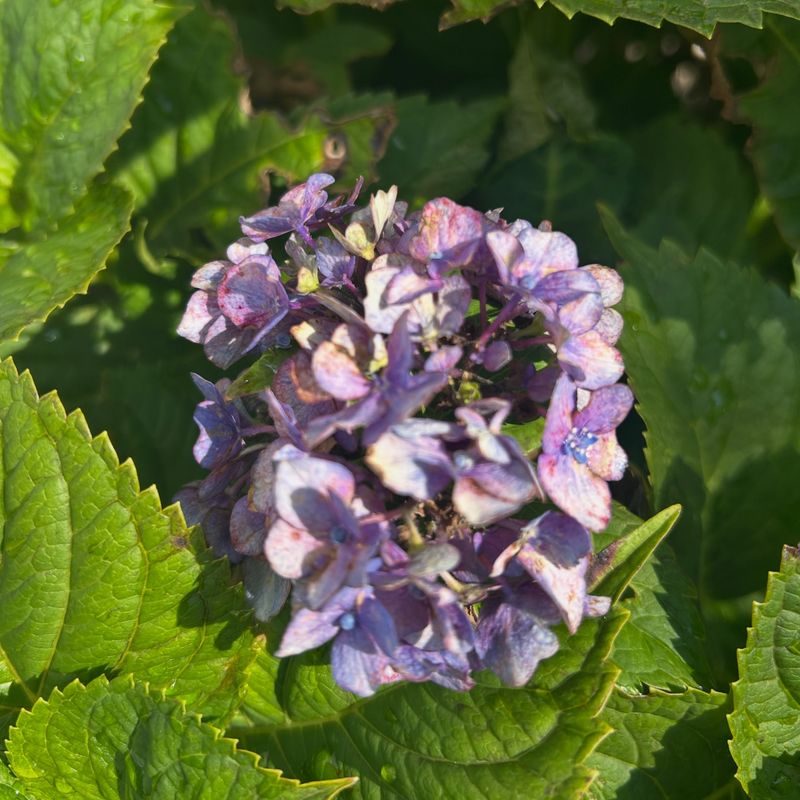
Spring in Michigan can be a bit of a rollercoaster. Warm days coax hydrangea buds into growth, and then a surprise cold snap swoops in and injures those tender young buds.
When flower buds start developing and a late freeze hits, the delicate tissue inside can be harmed. You may not see the trouble right away. Instead, weeks later, the blooms may open poorly, look browned, or fail to form at all.
This is especially common with hydrangeas that bloom on old wood, since their buds form the previous year and wait through winter. A hard spring frost can undo all that stored effort in a single chilly night.
Watching the forecast is your first line of defense. If a late freeze is coming after your shrub has started growing, cover it in the evening with a sheet, blanket, or frost cloth.
Just remember to remove the cover once temperatures rise the next day. Planting location can help too. A spot near the house or in a sheltered corner offers a little extra warmth and protection from cold winds. Avoid low areas where cold air tends to settle.
Choosing reblooming varieties is another smart move. These types flower on both old and new wood, so even if a freeze harms the early buds, the plant can still produce blooms later in the season.
Freeze injury feels discouraging, but the shrub itself usually stays healthy. With a little protection next spring, your hydrangea has a great chance to bounce back with beautiful flowers.