The September Florida Crepe Myrtle Mistake That Can Trigger Tender New Growth Before Fall

September can make a Florida crepe myrtle seem as though summer still has months left. Warm afternoons, leaves, and a few stubborn blooms can make one last bit of yard work feel harmless.
But the tree has already begun a seasonal shift, and the wrong push now can send it in the opposite direction. Instead of a quiet move toward fall, it may respond with soft, fresh shoots at the worst possible time.
That burst can look healthy at first, which is exactly why the mistake often slips past you. Trouble shows up later, after cooler nights arrive and the newest stems have had little time to toughen up.
Florida weather adds another wrinkle because autumn rarely arrives on a clean schedule. One choice in September can leave your crepe myrtle caught between two seasons.
Before you prompt another flush, make sure you know what the tree needs right now.
1. Put The Pruners Away Once September Arrives
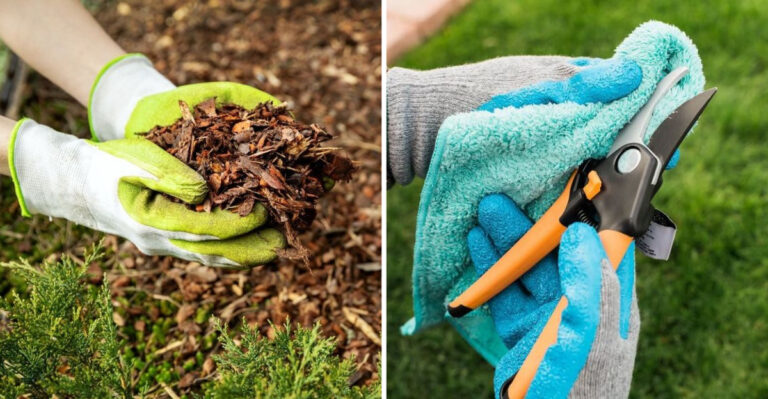
A pair of pruners sitting on the potting bench can feel like an invitation in September. Shoots have stretched long, spent flower heads droop, and the canopy looks less tidy than it did in June.
Homeowners often want to shorten those lanky stems or reshape the silhouette before summer officially ends.
Cutting into a crape myrtle branch does more than remove wood. Buds sitting just below the cut respond by pushing outward, and the tree can send out a fresh wave of new shoots within days.
That response is normal and healthy earlier in the growing season, but the timing shifts everything in September.
Routine reshaping and removing a genuinely damaged or structurally unsafe limb are very different situations. A broken branch that poses a hazard can be addressed any time.
The problem is the unnecessary reshaping cut made simply because the tree looks a little overgrown.
One small clip on a single spent flower cluster is not the same as shortening a dozen branches across the canopy. The concern rises with the scope of the cutting.
According to University of Florida IFAS Extension guidance, major pruning of crape myrtles is best reserved for the dormant season rather than late summer or early fall.
2. Fresh Shoots Are The Last Thing You Want Before Cooler Nights
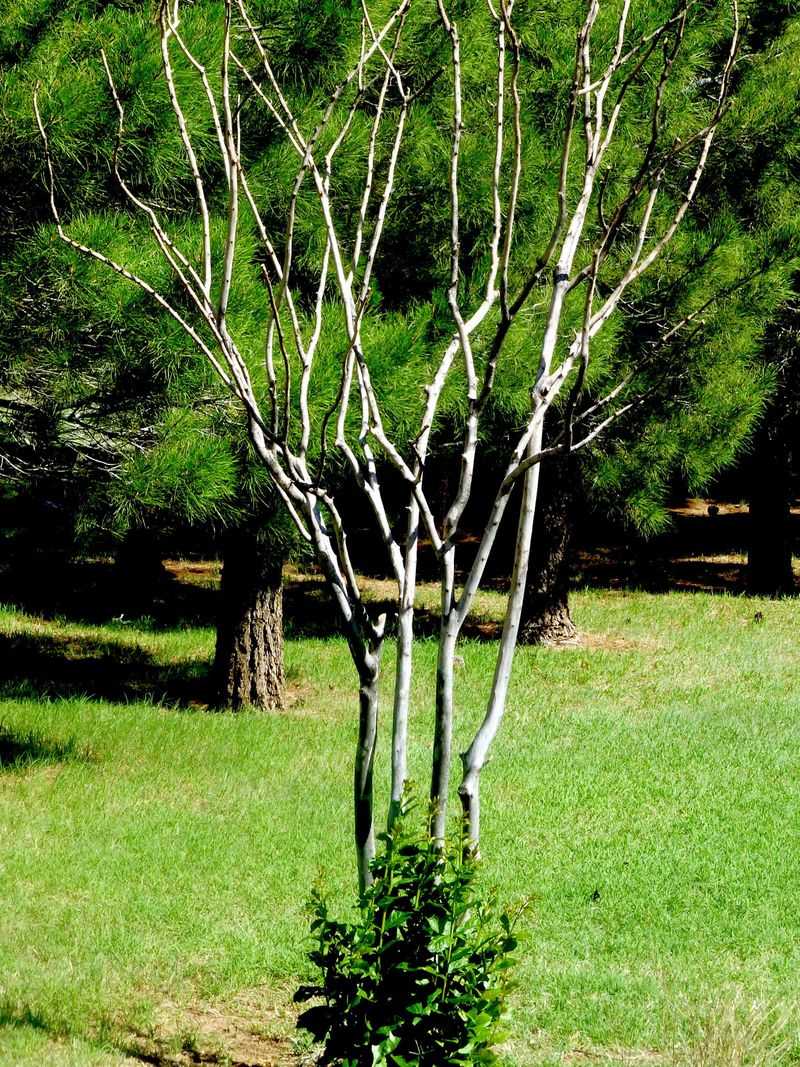
A fresh shoot pushing out after a September cut looks healthy at first glance. The growth is bright green, flexible, and full of moisture.
But that softness is exactly what makes it more of a concern as the calendar moves toward fall.
New growth produced after pruning has not had time to go through the gradual hardening process that older wood experiences over a full growing season. Mature stems on a crape myrtle have thicker cell walls and more woody tissue built up over months of growth.
Freshly produced shoots simply have not reached that stage yet.
The concern is not that September nights in most of the state are already cold enough to cause trouble. Temperatures across much of the peninsula stay warm well into fall.
Your Florida Garden Changes Every Week. Your Plan Should Too.
Gardening in Florida changes quickly throughout the season. Every Friday you’ll receive a simple weekly plan showing exactly what to plant, prune, fertilize, harvest, and protect so you never miss the right timing.
The delayed consequence is the real issue. Shoots produced in September may still be immature when stronger cold fronts push through weeks later.
Growth that has not fully hardened can be more vulnerable to chilling temperatures than wood that has had adequate time to mature.
University of Florida IFAS Extension notes that new vegetative growth stimulated late in the season may not have enough time to harden before cooler weather arrives.
Letting existing growth mature naturally is a much steadier path than forcing the tree to start over at the wrong time of year.
3. Crape Myrtles Need Time To Wind Down For Dormancy
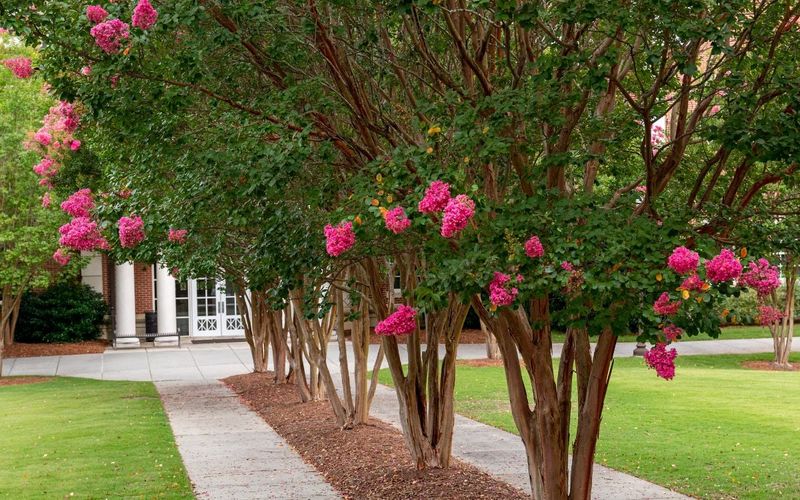
Crape myrtles are deciduous trees, meaning they shed their leaves and rest during the colder months. That seasonal shift does not happen all at once.
The tree gradually slows its growth, pulls energy inward, and prepares its tissues for a period of dormancy.
Stimulating a strong new burst of vegetative growth in September can work against that natural winding-down process.
Instead of redirecting energy toward hardening existing wood and preparing for dormancy, the tree spends resources pushing out a new round of soft shoots.
That internal redirection takes the tree in the opposite direction from where it needs to go as the season turns.
Dormancy timing is not the same across every crape myrtle in every yard. Region, local weather patterns, and the specific cultivar all influence when a particular tree begins that seasonal transition.
A cultivar growing in a cooler part of the state may begin slowing earlier than one growing farther south.
No single statewide date marks when a crape myrtle officially starts winding down. Gardeners can watch for natural cues like slowing growth and early leaf color changes.
Respect the tree’s natural seasonal rhythm instead of resetting it with a late pruning cut. This gives it the best chance to move smoothly into dormancy on its own schedule.
4. North Florida Feels The Risk Before South Florida Does
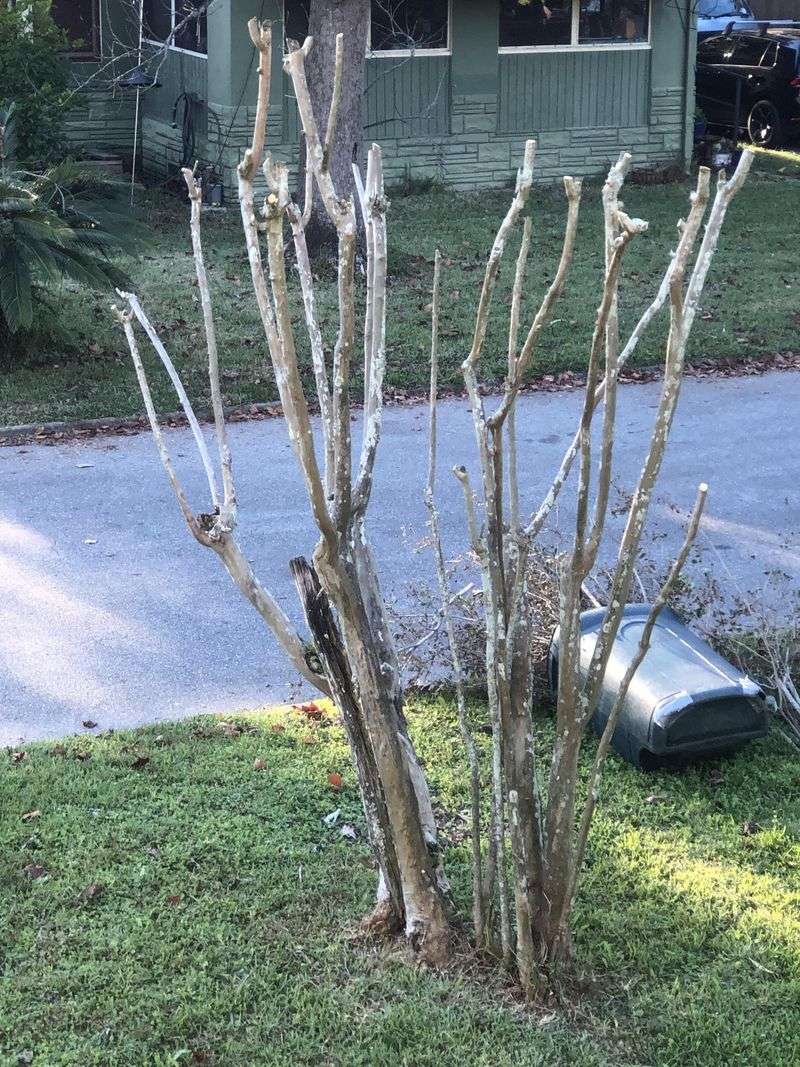
September means something very different depending on where a gardener is standing in the state. A homeowner in Pensacola or Tallahassee is already closer to the first significant cold fronts of the season than someone tending a yard in Miami or Naples.
A crape myrtle in North Florida generally has less warm growing time left after a September pruning cut. Fresh shoots that emerge after the cut have a shorter window to mature before colder temperatures begin pushing in.
That narrower window is what makes late-season pruning more questionable in the northern part of the state.
Farther south, the growing season can stretch considerably longer. Warmer temperatures persist through fall and into what would be winter in other regions.
That extra warmth gives new growth more time to develop before any significant cold arrives. The risk does not disappear, but the timeline is more forgiving.
University of Florida IFAS Extension recognizes that Florida spans multiple USDA hardiness zones. Crape myrtle recommendations therefore reflect those regional differences.
Gardeners in Central region fall somewhere in between, with variable fall weather that can shift from one year to the next. The farther north the tree grows, the sooner a September pruning cut becomes a questionable choice for stimulating new growth late in the season.
5. Heavy Cutting Creates More New Growth Than A Tiny Cleanup
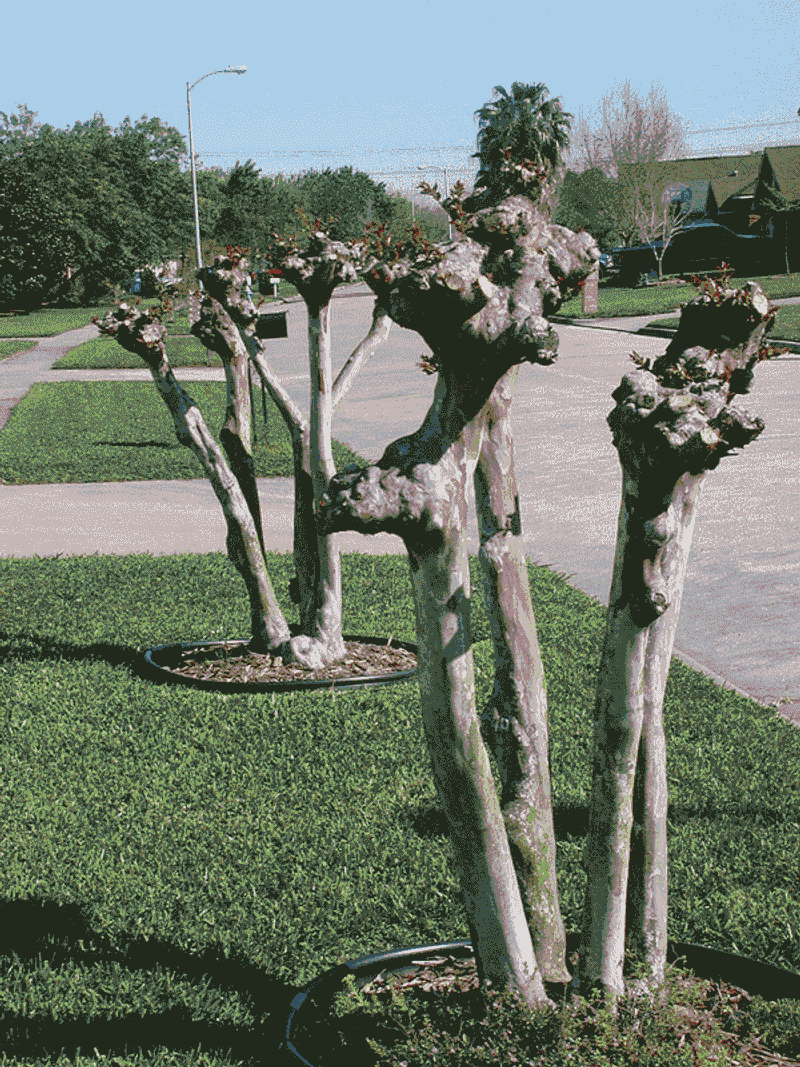
Not every September cut carries the same level of concern. Snipping off a single spent flower cluster at the tip of a branch is a very different action from shortening a dozen stems back by several feet across the entire canopy.
The scope of the pruning shapes how much the tree responds.
Heavier cuts send a stronger signal to the buds below. More buds activate, more shoots push out, and the total volume of new soft growth produced is larger.
A light cleanup that removes only a spent bloom or one problematic twig stimulates far less of that response.
Crape murder, the practice of severely topping crape myrtles each year, is a separate and well-documented problem. The concern here is more specific.
September pruning that removes a meaningful portion of the canopy can trigger a significant flush of new growth. At that point, the tree would benefit more from slowing down.
September maintenance can focus on cleaning up fallen debris around the tree’s base. Gardeners can also monitor for pests and check for signs of disease.
Those activities do not trigger new vegetative growth. Reserving the heavier structural cuts for the dormant season avoids setting off that late burst of soft shoots when the tree is trying to ease into fall.
6. September Fertilizer Can Add Another Push In The Wrong Direction
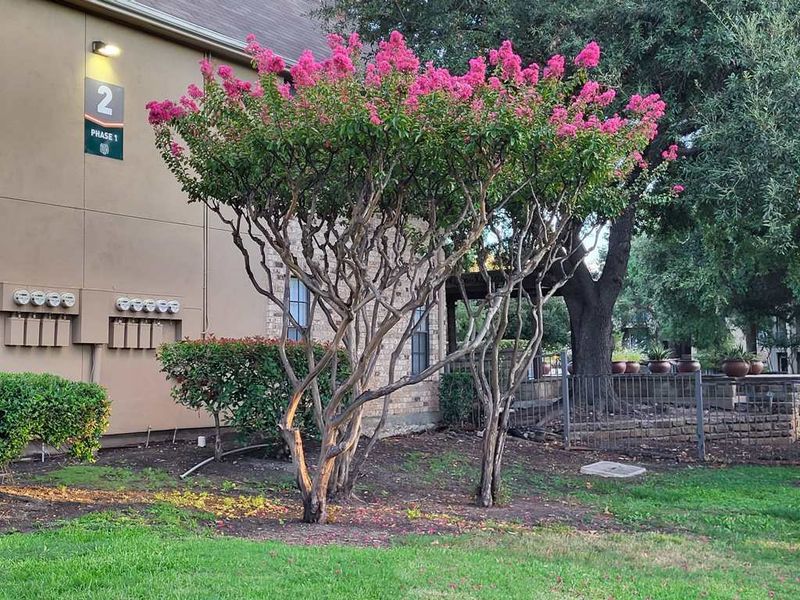
Fertilizer granules spread around the base of a crape myrtle in September can compound the problem that a late pruning cut has already started. Nitrogen, the nutrient most responsible for leafy green growth, tells the tree to produce more vegetative tissue.
That is exactly what a pruned tree does not need late in the growing season.
Combining a September pruning cut with an unnecessary fertilizer application creates two signals pushing the tree toward new growth at the same time. The result can be a stronger and faster flush of soft shoots than pruning alone would have produced.
Established crape myrtles often need less fertilizer than many homeowners assume. A tree that has been in the ground for several years and growing vigorously typically does not require a fall feeding to stay healthy.
University of Florida IFAS Extension generally cautions against late-season nitrogen applications. They can push new growth before cold weather arrives.
Fertilizer applied earlier in the season, when the tree has ample warm growing time ahead, is a different situation. The issue is unnecessary feeding in September specifically.
Skipping the fall fertilizer application and holding off on any pruning gives the tree two fewer reasons to spend energy on fresh shoots. Both choices together support a smoother, more natural seasonal transition rather than fighting against it.
7. Late Winter Is A Better Time For The Big Cleanup
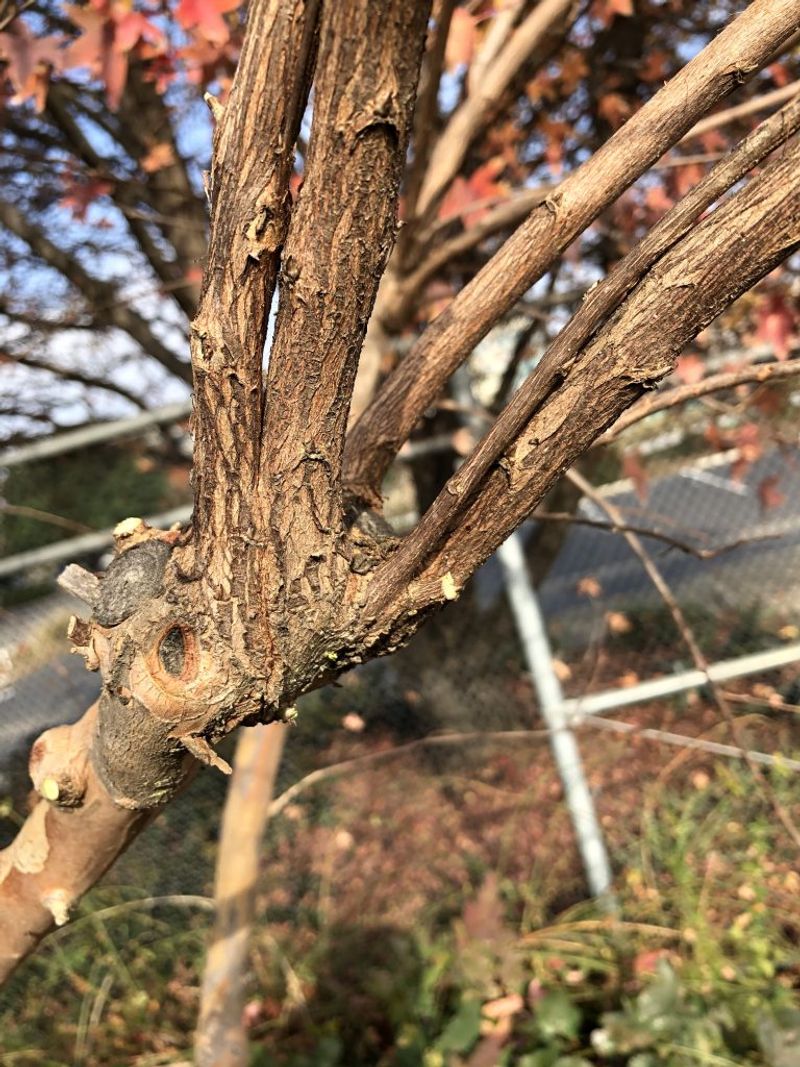
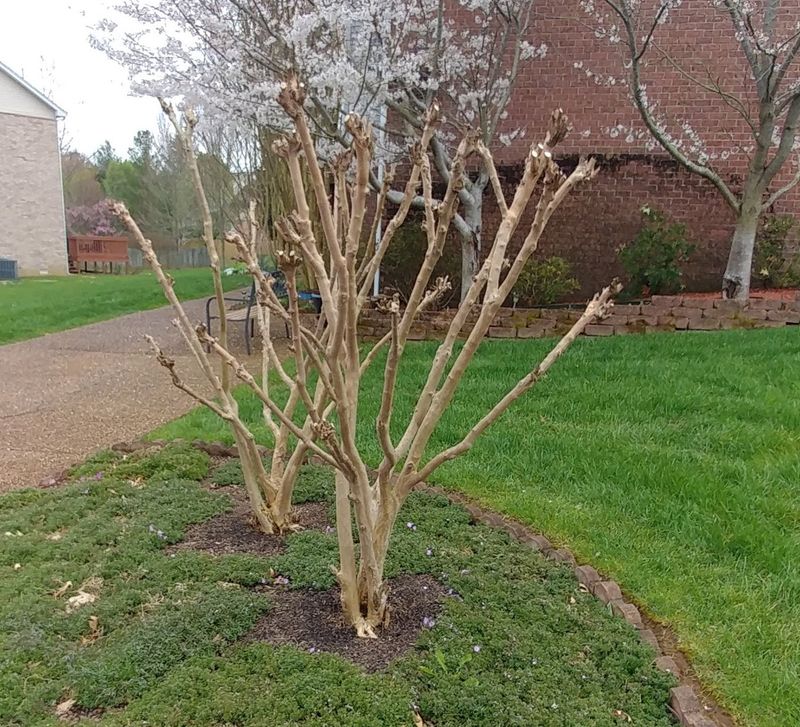
A bare crape myrtle in late winter offers something a fully leafed tree in September simply cannot: a clear view of the branch structure. Without foliage in the way, crossing branches, weak crotches, and awkward angles are easy to spot and address thoughtfully.
Major structural pruning and significant reshaping are generally better handled while the tree is dormant. The tree is not actively growing, so cuts made during that period do not immediately trigger a flush of new shoots.
Healing can begin as soon as growth resumes in spring, with the full warm season ahead to support recovery.
Selective pruning that preserves the tree’s natural vase shape is the goal. Topping, which removes the main structural branches and forces the tree to regrow from stubs each year, is not a recommended practice.
University of Florida IFAS Extension emphasizes maintaining the crape myrtle’s natural form. Avoid cutting the tree back severely on a yearly schedule.
Gardeners who wait for late winter find that the timing works in their favor on multiple levels. The weather is cooler and more comfortable for outdoor work.
The tree is at its most receptive to structural changes. And the cuts made at that stage support healthy spring growth rather than triggering a risky late-season surge.
Patience between September and late winter is genuinely worth it for the long-term health and appearance of the tree.
8. Let September Growth Harden Instead Of Starting Over
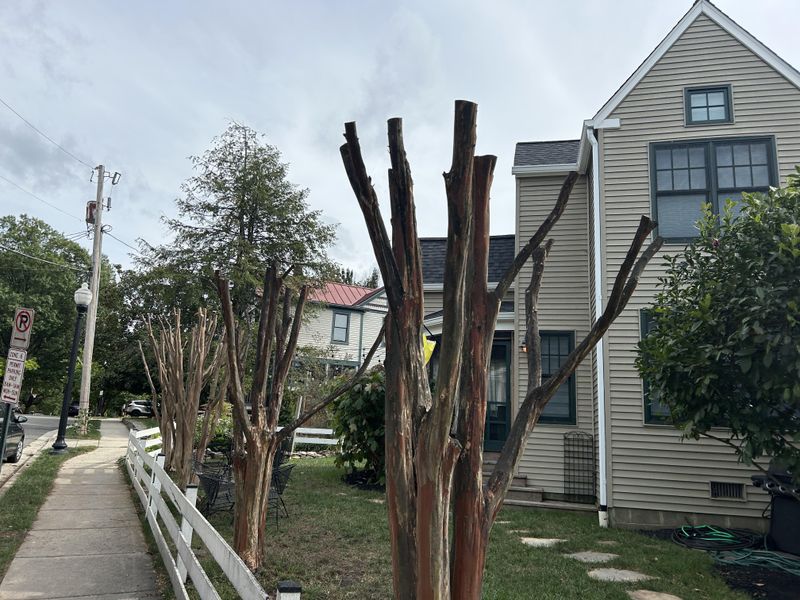
A healthy crape myrtle moving toward fall is already doing the right thing on its own.
Growth produced earlier in the season is gradually firming up, the pace of new shoot production is slowing, and the tree is managing its own energy for the months ahead.
Forcing one more flush of shoots at that point works against a process that is already underway.
Pruning timing, dormancy, regional climate differences, fertilizer choices, and new-growth vulnerability all connect here. In North Florida, the window of warm growing time after a September cut is shorter.
In South Florida, it is longer. But in both cases, encouraging fresh soft growth when the tree is naturally easing off is an added task the tree did not need.
September maintenance can still be productive without touching a pruner to the canopy. Clear fallen leaves and spent blooms from around the base of the tree.
Also check for pests or disease and make sure the tree is not sitting in standing water. None of those activities restarts vegetative growth.
The mistake is not doing yard work in September. Yards need attention all year.
The mistake is picking up the pruners and stimulating fresh growth just as the tree is finishing its season and preparing for cooler weather. Let the growth that is already there harden.
The tree will be better for it come spring.