Your Ohio Lawn Looks Terrible After Summer – September Is Your Best Chance to Fix It
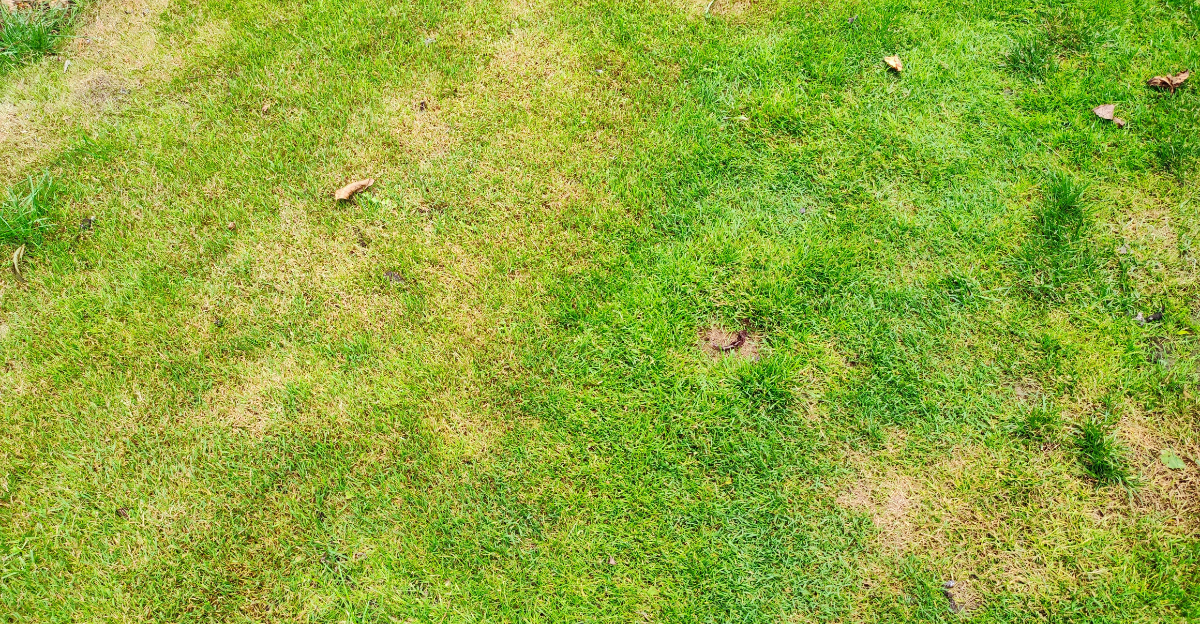
Your Ohio lawn made it through summer, but the evidence is everywhere. Brown patches interrupt the green, bare spots expose soil, weeds claim weak areas, and the turf feels thinner than it did in June.
August can leave a lawn exhausted, yet September changes the odds in your favor. Cooler nights ease heat stress, soil stays warm, and grass gets a valuable stretch of weather that can support recovery before winter.
That window does not stay open forever. What you do now can decide which weak spots fill back in and which ones greet you again next spring.
The temptation is to throw seed, fertilizer, and water at every problem at once, but a rough lawn rarely needs a random rescue plan. September rewards the right move far more than the biggest one.
Your lawn already shows you where summer hit hardest. Now those damaged spots can tell you what deserves attention first.
1. Summer Brown Does Not Always Mean It Is Lost
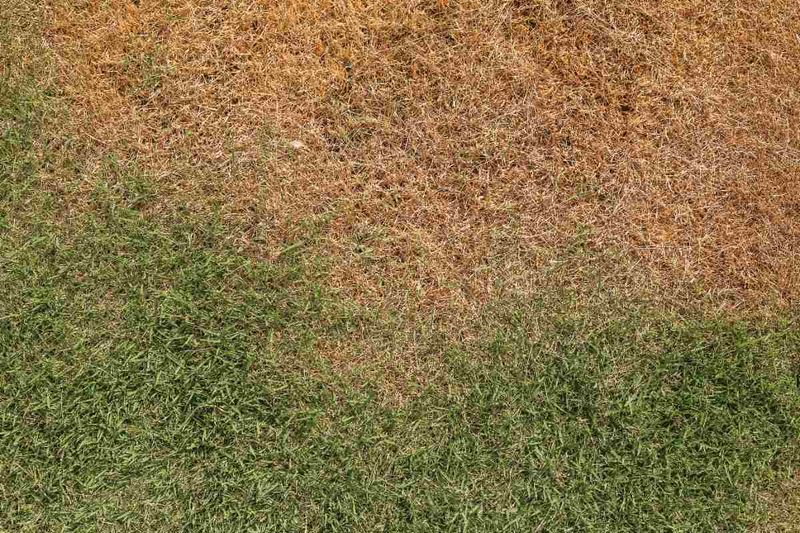
Brown patches spreading across a yard in July or August can feel like a disaster, but color loss alone does not tell the whole story. Cool-season grasses like Kentucky bluegrass, perennial ryegrass, and the fescues can go dormant during heat and drought.
The blades lose their green, but the crown and root system may still be alive underground.
Ohio State University Extension explains that cool-season grasses naturally slow down and discolor when summer stress peaks. A lawn that went brown during a dry stretch may begin greening again once cooler temperatures and rainfall return.
That pattern is a strong sign the turf is dormant rather than gone for good.
Not every brown area is dormancy, though. Grub damage, fungal disease, and severe drought injury can cause similar symptoms with very different outcomes.
Look closely at the crowns near the soil surface. Squeeze a handful of soil to check for moisture.
Notice whether the damage follows a pattern, like circular patches or shaded edges.
Recovery after a soaking rain is one of the clearest clues. Dormant grass tends to green up relatively quickly when conditions improve.
Areas that stay brown even after good moisture may have a deeper problem worth diagnosing before spending money on seed or fertilizer.
2. September Gives Cool-Season Grass Its Comeback Window
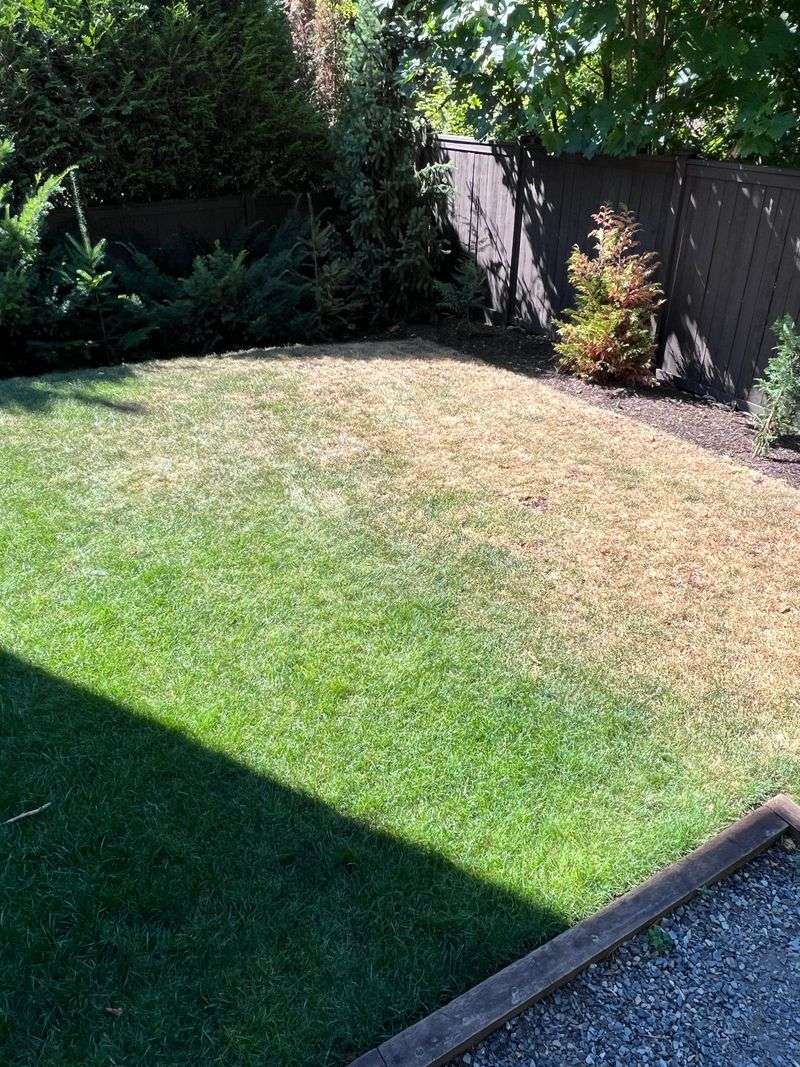
Cooler nights do something important that you cannot see with your eyes. Soil temperatures begin to drop from their summer peak, and cool-season grasses respond by shifting back into active growth.
Root systems that were barely ticking along through August start pushing energy outward again.
Ohio State University Extension places the recommended seeding window for cool-season lawns at mid-August through September. Earlier in that range is generally better, especially for northern parts of the state where cold weather arrives sooner.
Southern areas may have a slightly longer usable window, but waiting into October raises real risk.
The biology behind the timing matters more than the calendar date. Soil temperatures in the range of 50 to 65 degrees Fahrenheit support strong germination and root development for cool-season species.
Your Ohio Garden Changes Every Week. Your Plan Should Too.
Gardening in Ohio changes quickly throughout the season. Every Friday you’ll receive a simple weekly plan showing exactly what to plant, prune, fertilize, harvest, and protect so you never miss the right timing.
Air temperatures are also less punishing than midsummer, which reduces stress on young seedlings trying to establish.
Fall also brings reduced competition from crabgrass and other warm-season weeds that thrive in summer heat. That shift gives new grass seedlings a better environment to get started.
Existing thin turf benefits too, because active root growth in fall helps plants build energy reserves before the ground freezes. Repair work done now has a genuine foundation to build on.
3. Overseed Thin Patches Before The Window Closes
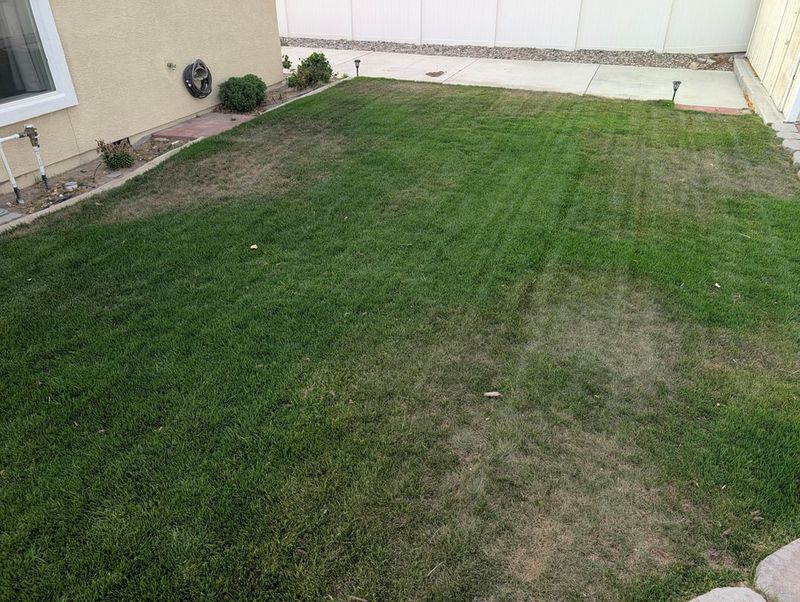
Thin turf that still has living grass in it is a strong candidate for overseeding rather than full renovation. Overseeding means spreading new seed into existing lawn to fill gaps, increase density, and crowd out future weed pressure.
The goal is thicker coverage, not starting completely from scratch.
Good seed-to-soil contact is one of the most critical factors for success. Seed sitting on top of thick thatch or dense existing turf rarely germinates well.
Mowing the lawn a bit shorter before seeding and raking out deceased material helps open up the soil surface. Core aeration done before overseeding improves contact even further.
Ohio State Extension emphasizes that timing matters for establishment. Seed needs enough warm soil days to germinate and enough weeks of growth to develop before cold weather sets in.
Waiting until late September or October in northern parts of the state cuts that window uncomfortably short.
Seeding rates vary by grass species, so check current Ohio State turfgrass recommendations rather than guessing. Spreading too little seed leaves gaps.
Spreading too much wastes money and can cause seedling crowding. After seeding, keep the seedbed moist and avoid heavy foot traffic until the new grass has rooted in and reached a mowable height.
4. Match New Seed To Sun And Shade
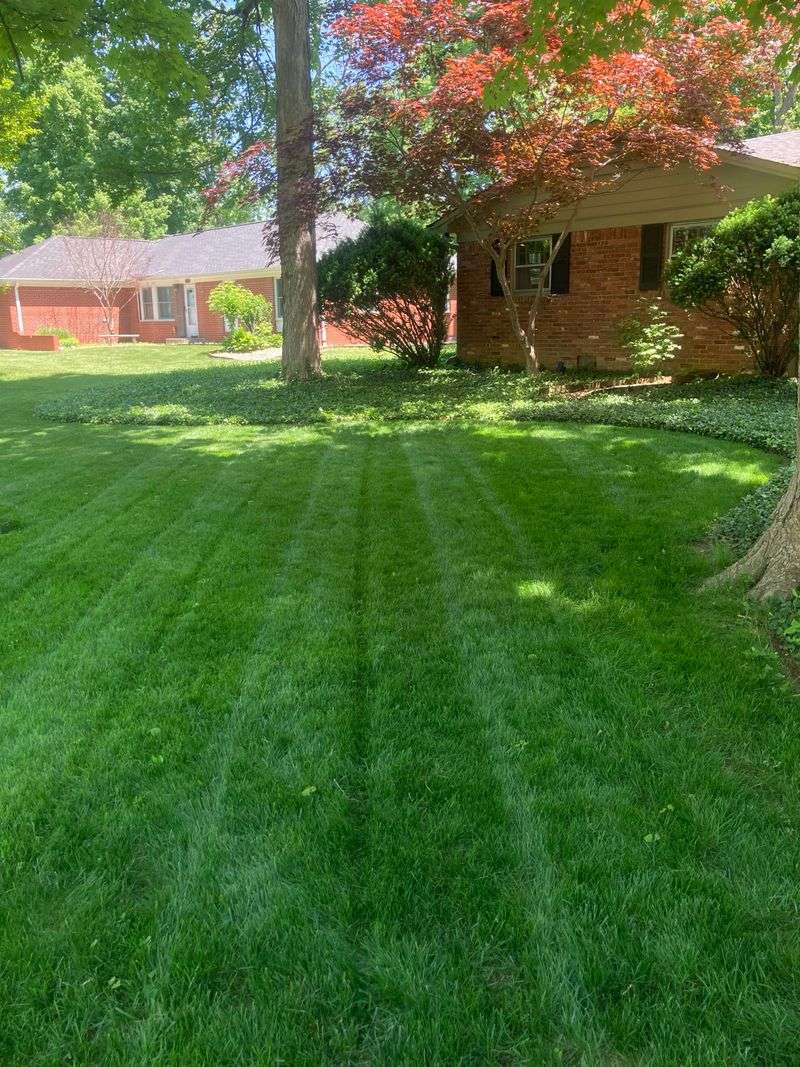
A single seed mix rarely performs the same way across an entire yard. Sunlight, soil drainage, foot traffic, and moisture levels can vary dramatically from one section of a property to another.
Choosing seed based on actual site conditions gives new grass a much better chance of establishing well.
Ohio State University Extension recognizes several cool-season species as suitable for lawns in the state. Tall fescue is widely adapted, handles heat and drought better than most cool-season options, and tolerates moderate shade.
Kentucky bluegrass produces a dense, attractive lawn but needs more sunlight and irrigation to perform well. Perennial ryegrass germinates quickly and works well in mixes for faster coverage.
Fine fescues, including creeping red and chewings fescue, offer the strongest shade tolerance among common cool-season grasses. However, even the most shade-tolerant grasses need a minimum of light to survive long-term.
Areas receiving fewer than three to four hours of direct sunlight daily often struggle to support any turfgrass reliably.
Repeatedly reseeding a heavily shaded spot that keeps thinning out is a sign that grass may not be realistic there. Ground covers, mulch, or shade-tolerant landscape plants are often a more practical and lasting solution.
Matching the plant to the place is always smarter than forcing the wrong species into a difficult spot.
5. Core Aeration Opens Up Compacted Ground
Hard, dense soil beneath worn turf is one of the most common reasons lawns struggle to recover even when conditions seem favorable.
Foot traffic, heavy equipment, and years of use press soil particles together and reduce the space for air, water, and roots to move freely.
A lawn sitting on compacted ground simply cannot respond the way healthy turf should.
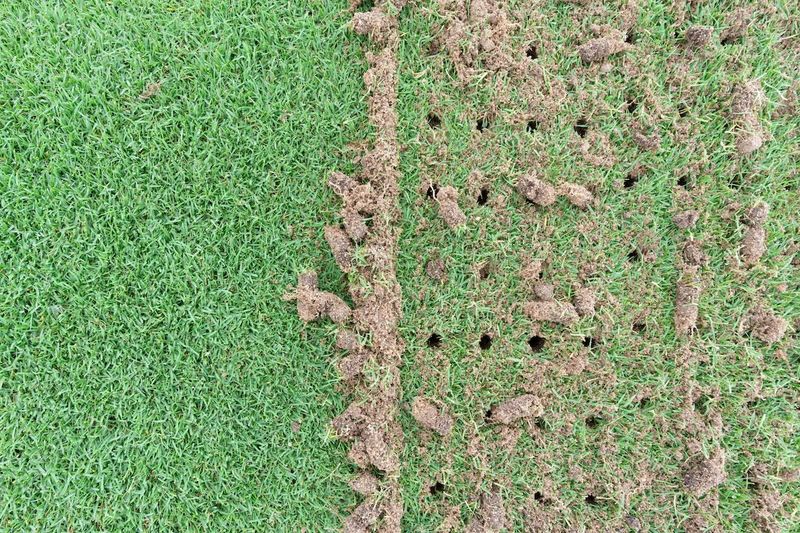
Core aeration addresses that problem by mechanically removing small plugs of soil from the lawn. Those plugs, typically a few inches deep, leave channels that allow air and water to penetrate more easily.
Ohio State Extension notes that core aeration differs from spike aeration. Spike aeration pushes soil aside rather than removing it and can actually increase compaction in some cases.
Early fall is a practical time to aerate cool-season lawns because the turf is moving back into active growth. Roots can expand into the newly opened spaces relatively quickly.
Aerating before overseeding also improves seed-to-soil contact, which supports better germination rates in thin areas.
Not every lawn needs annual aeration. Turf growing in sandy soil, or areas with light traffic, may not show compaction problems at all.
Focus on areas where water puddles after rain, where soil feels almost brick-like underfoot, or where grass has thinned out despite reasonable care. Those are the spots where aeration tends to make a noticeable difference.
6. Fall Feeding Helps Active Turf Recover
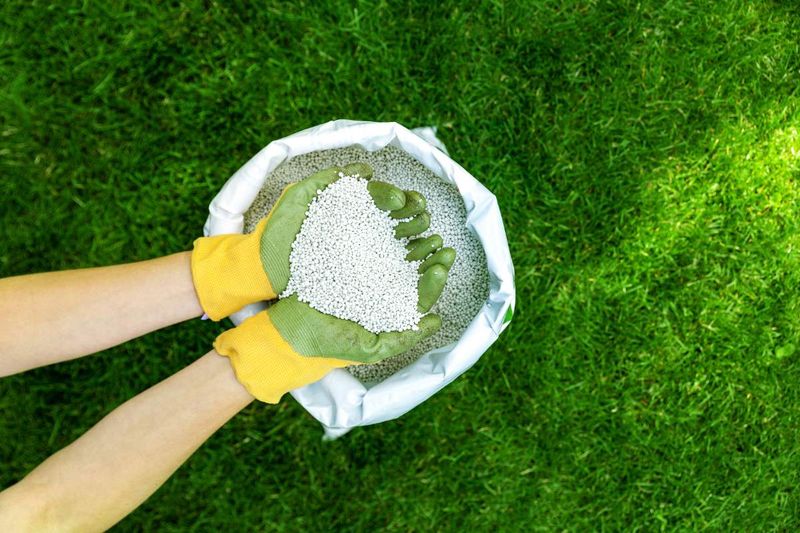
Once soil temperatures drop and cool-season grass shifts back into active growth, the plant is ready to use nutrients again. Roots are expanding, blades are pushing upward, and the turf is building energy reserves it will carry through winter.
Feeding at this stage supports that natural momentum.
Ohio State University Extension recommends fall as an important fertilization period for cool-season lawns.
A fertilizer application timed with active fall growth can help turf recover from summer stress, improve density, and strengthen root systems before the ground freezes.
Strong roots heading into winter tend to produce a healthier lawn the following spring.
Fertilizer is not a cure for underlying problems, though. Compacted soil, disease pressure, poor seed selection, or drought injury will not disappear because of a fall feeding.
Address the actual cause of poor performance first, then use fertilizer to support a lawn that is already in reasonable condition and actively growing.
Nutrient needs vary based on soil type, grass species, and existing fertility levels. A soil test through Ohio State Extension takes the guesswork out of the process and tells you exactly what your lawn actually needs.
Applying nutrients the lawn does not need wastes money and can create runoff problems. Follow current Ohio State turf recommendations for rates and timing rather than applying a generic one-size approach.
7. Broadleaf Weeds Are Easier To Target Now
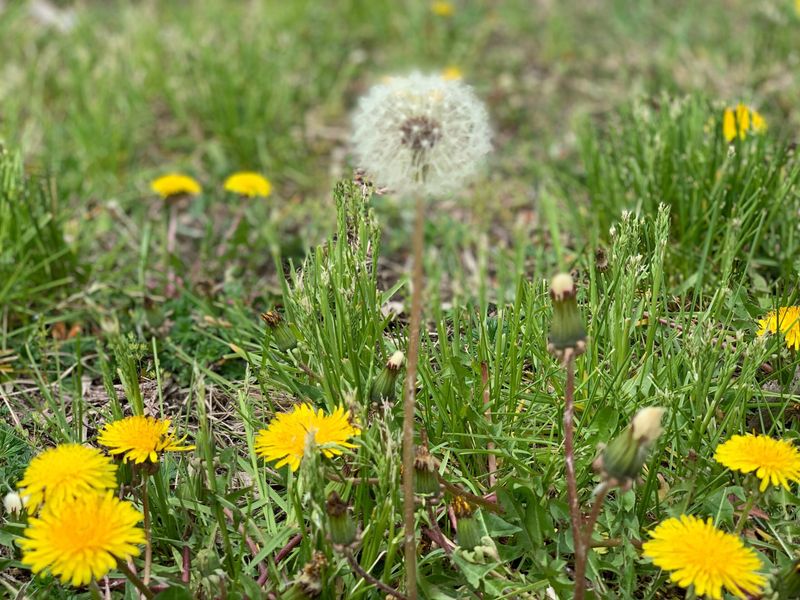
Weeds that stayed green all summer are still actively growing as temperatures ease in September. Perennial broadleaf weeds like dandelion are pulling carbohydrates downward into their root systems to prepare for winter.
That movement makes them more receptive to certain herbicide treatments than they are in spring or midsummer.
Ohio State Extension and other university turf programs note that fall can be an effective window for managing perennial broadleaf weeds in cool-season lawns. Identifying the weed correctly before choosing any treatment is the right first step.
Not every unwanted plant in a lawn responds the same way or requires the same approach.
A dense, healthy lawn is actually the most reliable long-term defense against weed invasion. Thin, stressed turf leaves open soil where weed seeds can germinate easily.
Overseeding, proper fertilization, and good mowing practices all support the kind of turf density that naturally resists weed pressure over time.
If herbicide treatment is needed, read the product label carefully and follow all directions. Newly seeded areas require special attention because many broadleaf herbicides can interfere with grass seed germination or harm young seedlings.
Keep weed control and overseeding efforts clearly separated in timing. Treating weeds and seeding at the same time often undermines both efforts.
Let new grass establish fully before considering any herbicide applications nearby.
8. Keep New Seed Moist Until It Takes Hold
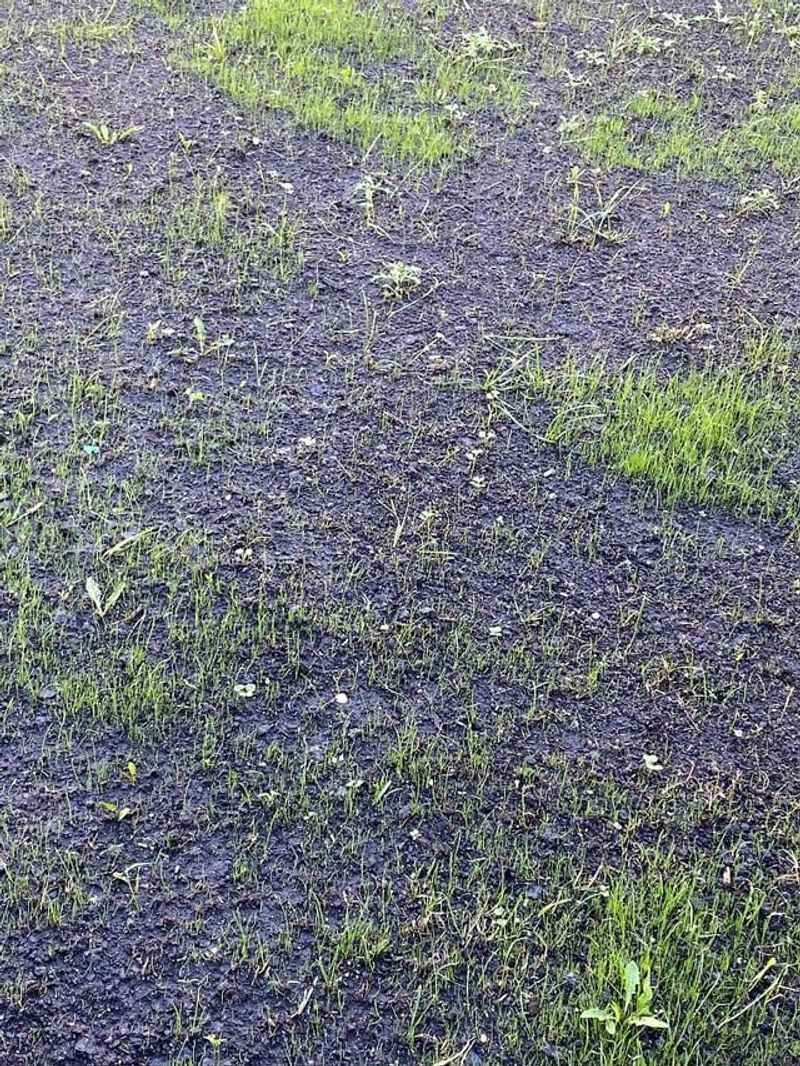
Fresh seed needs consistent moisture at the soil surface to germinate. Without it, even perfectly timed and perfectly placed seed can fail before it ever sprouts.
Ohio State Extension guidance says the seedbed should stay moist throughout germination. That period varies by species but often lasts one to three weeks.
Newly seeded areas typically need lighter, more frequent watering than established turf. The goal is to keep the top inch of soil from drying out without flooding the area or washing seed away.
Short, gentle cycles applied more than once a day may be necessary during warm, dry stretches in early September.
As seedlings emerge and begin rooting deeper, watering frequency can shift. Longer, less frequent sessions encourage roots to follow moisture downward, which builds stronger plants.
Shallow, constant watering keeps roots near the surface where they are more vulnerable to heat and drought later on.
Always check rainfall before running irrigation. Overwatering is a real problem and can promote disease in young seedlings.
Newly established grass should be mowed once it reaches the recommended height for the species, but avoid heavy traffic until the turf is firmly rooted. September repairs give your lawn a genuine shot at heading into winter with new growth in place.
Seed, soil contact, moisture, and timing all have to line up for that to happen.