Do This For Florida Gardenias In September, Or Next Spring Suffers
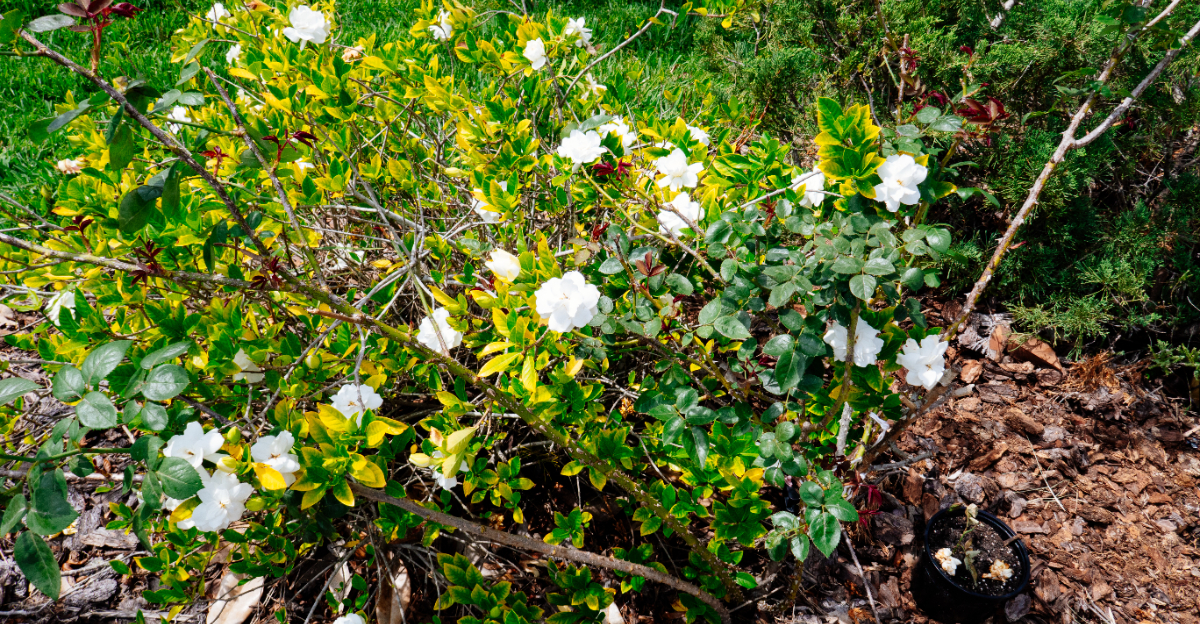
Your gardenia may look like it is simply waiting out the season, but September is when next year’s performance starts taking shape. The glossy leaves and fragrant blooms tell only part of the story.
Beneath the surface, the plant is responding to months of Florida heat, heavy rain, and changing conditions that can influence what happens when spring returns.
A small mistake now can show up much later as fewer flowers, weaker growth, or a plant that never seems to regain its former beauty.
The frustrating part is that gardenias often give subtle warnings before they decline. A leaf color change, a shift in growth, or a missed seasonal task can point to what is coming.
September offers a short opportunity to help the plant before its next growing cycle begins. What you do now can decide whether your gardenia enters spring ready to impress or needing to recover.
1. Finish Any Needed Pruning Before October Arrives
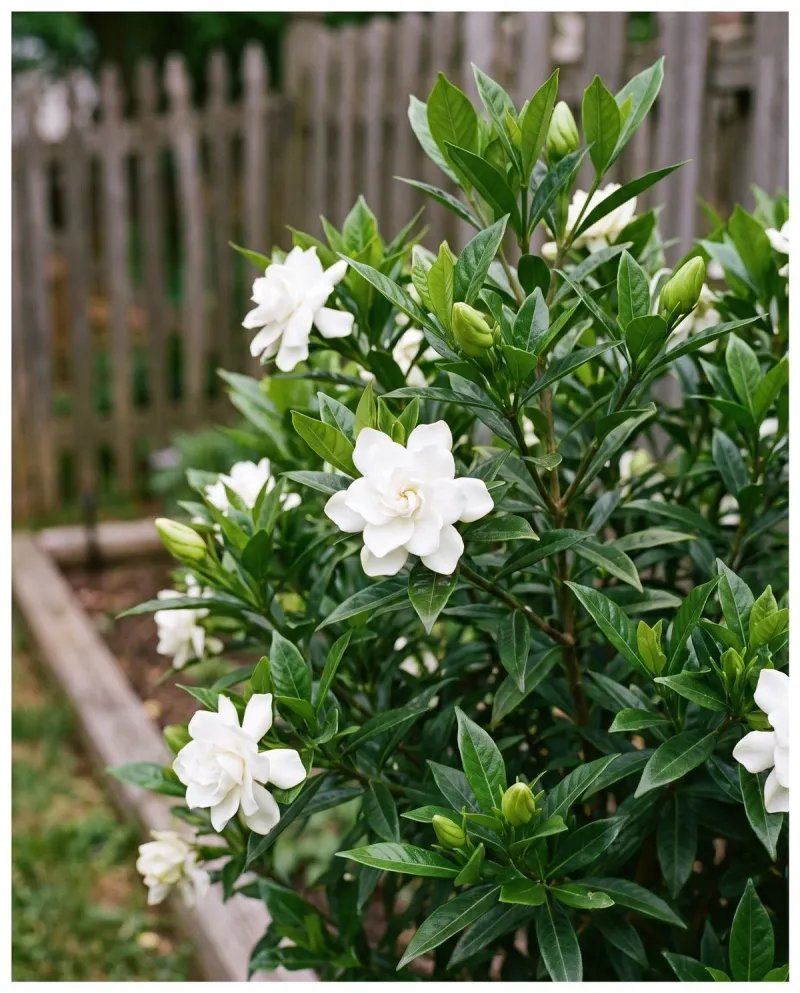
Those pruning shears in your hand right now are best used before the calendar flips to October. Gardenias typically get their main pruning earlier in the season, right after the primary flush of blooms fades in late spring or early summer.
That timing lets the shrub recover and push out the growth it needs for the following year’s flowers.
September can still work as a final light-shaping window, but only if a plant genuinely needs it. According to UF/IFAS guidance, hard pruning after October 1 can reduce the following season’s flower production.
That does not mean every gardenia needs a trim just because September is here.
Look at the shrub honestly. If a few long shoots are making it look uneven, a light correction now is reasonable.
If the plant looks balanced and healthy, put the shears away and leave it alone. The goal is not to prune on a schedule but to finish any real shaping before the window closes.
September is simply the last practical month to do that without risking next spring’s bloom potential. After that, restraint becomes the smarter move for any Florida gardener who wants a strong flower show next year.
2. October Pruning Can Cut Into Next Season’s Flowers
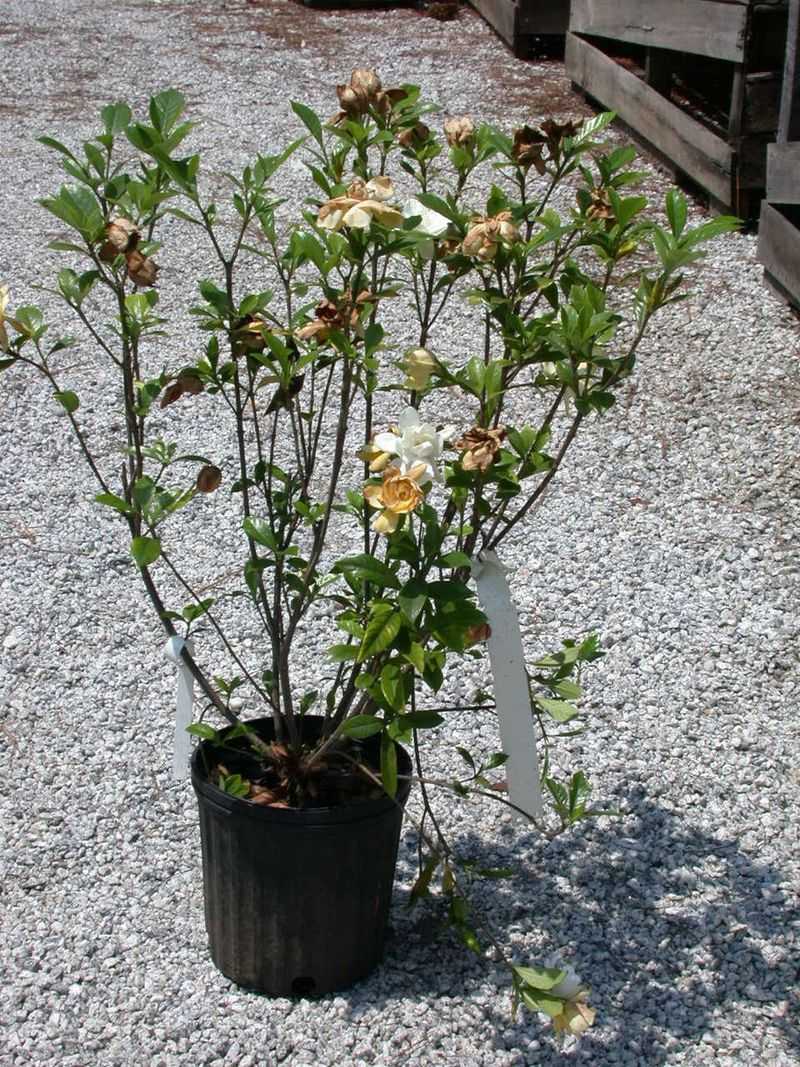
Flip an October calendar page open and you have a useful mental marker for gardenia care. Pruning cuts made after that point can interfere with the growth that contributes to next spring’s flowering cycle.
The shrub needs time to mature the stems and buds that will carry blooms into the new season.
UF/IFAS recommendations treat October 1 as a practical guideline, not a hard biological switch. A single accidental snip on October 2 will not guarantee a flowerless spring.
The concern is more about the habit of continued late-season shaping, which can progressively remove more of the growth that would otherwise become flowers.
Careful wording matters here. Late pruning can reduce or decrease bloom production the following season.
That is different from saying it will eliminate flowering entirely. A gardenia is a resilient shrub, and one late trim is unlikely to ruin everything.
Your Florida Garden Changes Every Week. Your Plan Should Too.
Gardening in Florida changes quickly throughout the season. Every Friday you’ll receive a simple weekly plan showing exactly what to plant, prune, fertilize, harvest, and protect so you never miss the right timing.
Still, understanding why the October guideline exists helps gardeners make better decisions.
Protecting bloom potential means finishing any needed shaping before that window closes, then stepping back and letting the plant do its work through fall and into the next growing cycle.
Fewer unnecessary cuts after September means more flowers when warmer weather returns in Florida.
3. A Light Shape Up Is Different From A Hard Cutback
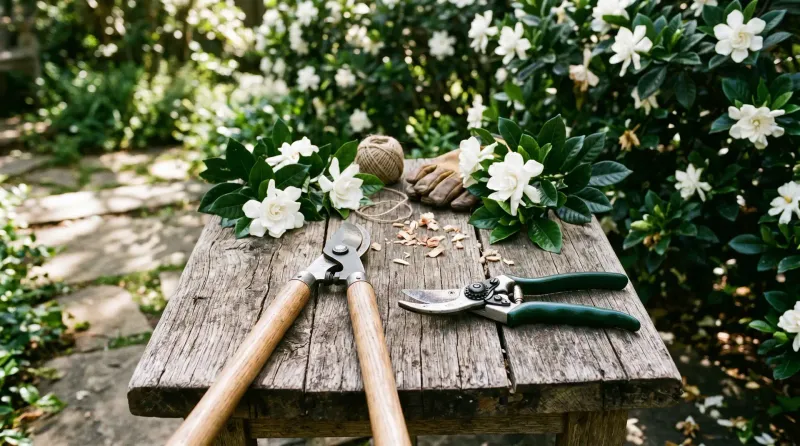
Reach into a gardenia and snip two or three long shoots that are poking out beyond the natural shape, and you have done a light correction. Take the hedge trimmer to the whole plant and reduce it by a third of its size, and that is a hard cutback.
These are not the same action, and they do not carry the same consequences.
A selective trim that addresses a handful of wayward stems removes relatively little productive growth. The shrub keeps most of its structure and the stems that are developing toward next year’s buds.
A major size reduction, on the other hand, takes out far more material and can set the plant back significantly in terms of flowering potential.
September being the last light-shaping window does not mean it is an invitation to do major renovation pruning. If a gardenia has outgrown its space, solve the issue with careful planning rather than a rushed end-of-season cutback.
Major reshaping is a separate conversation from routine maintenance. For now, the focus should stay on small corrections only, and only where the plant genuinely calls for them.
Restraint is the theme, not aggressive intervention.
4. Leave Healthy Flowering Wood Once The Pruners Go Away
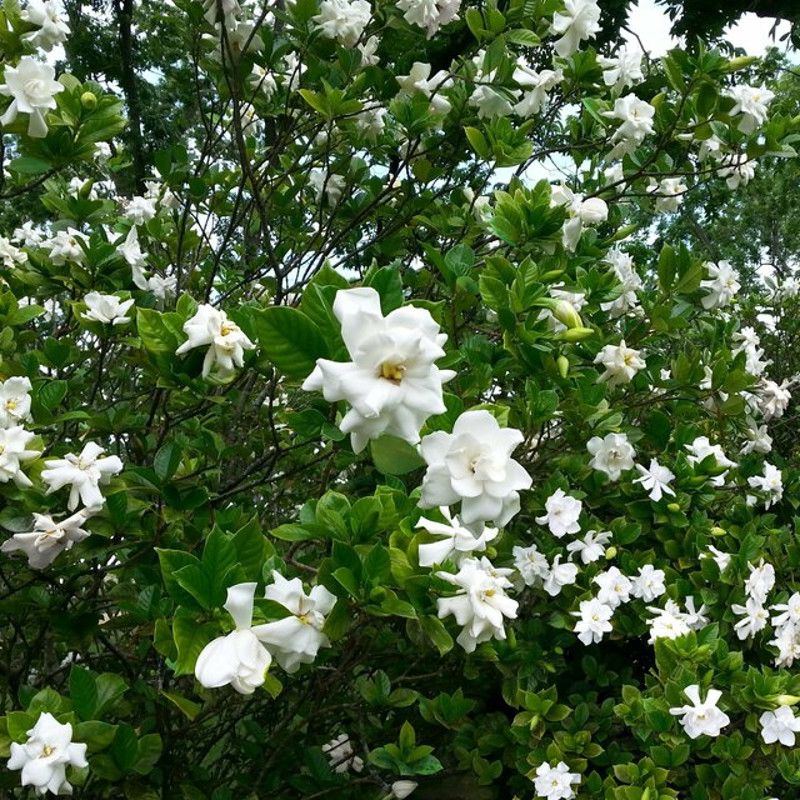
Once the final light shaping is done, set the pruners down and walk away. Repeated fall clipping works against the goal of a strong flower season.
Gardenias are grown primarily for their blooms, and the stems developing through fall carry the potential for those flowers.
Every unnecessary cosmetic cut removes a bit more of that productive growth. A shrub that gets snipped every few weeks through October and November arrives at spring with fewer stems capable of flowering.
Constant shearing treats a gardenia more like a formal hedge than a flowering shrub, which is not how it performs best.
Stopping unnecessary pruning after September does not mean the plant can never be touched again. Broken branches, genuinely damaged wood, or growth causing a real structural problem can still be addressed as needed.
That kind of removal is maintenance, not cosmetic shaping. The distinction matters.
What to avoid is the habit of tidying up the outline every time the shrub adds a little new growth. Let the plant carry that energy forward.
Healthy wood left in place through fall and winter gives the gardenia the best chance of producing the generous bloom display that makes it worth growing in the first place. Let it work.
5. September Fertilizer Depends On Where You Live
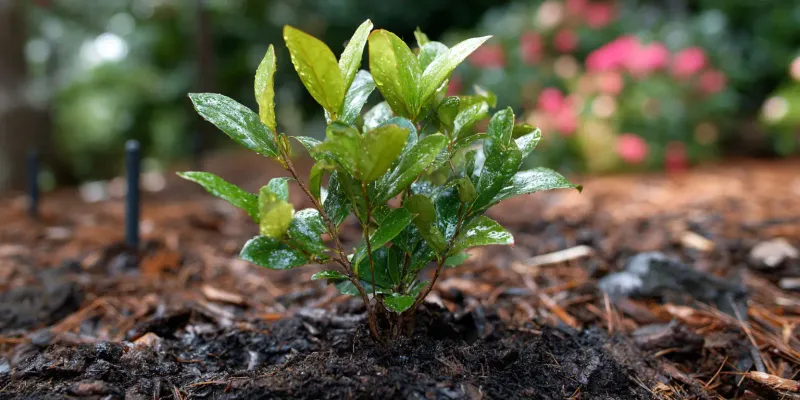
A fertilizer bag may seem like the next step after pruning, but fall feeding timing for gardenias varies across Florida. UF/IFAS guidance notes that fertilizer timing differs between northern and southern Florida.
Applying it at the wrong time can create more problems than it solves.
In northern parts of the state, late-season fertilizer applications run a higher risk of pushing soft new growth that has less time to harden before cooler temperatures arrive. In southern areas, the growing season extends longer, which can shift the timing window.
An established gardenia may have a reasonable September feeding opportunity in one region and a later or earlier one somewhere else.
Excessive fertilizer can also contribute to bud drop, which is one of the more frustrating problems gardenia growers encounter. More food does not always mean more flowers.
Check local UF/IFAS county extension recommendations before reaching for the fertilizer.
Pruning remains the main September action for gardenias, and fertilizer decisions work best when they are based on regional guidance rather than a one-size-fits-all calendar rule.
Getting that timing right protects both root health and flowering potential heading into the next season.
6. Yellow Fall Leaves Do Not Automatically Need Fixing
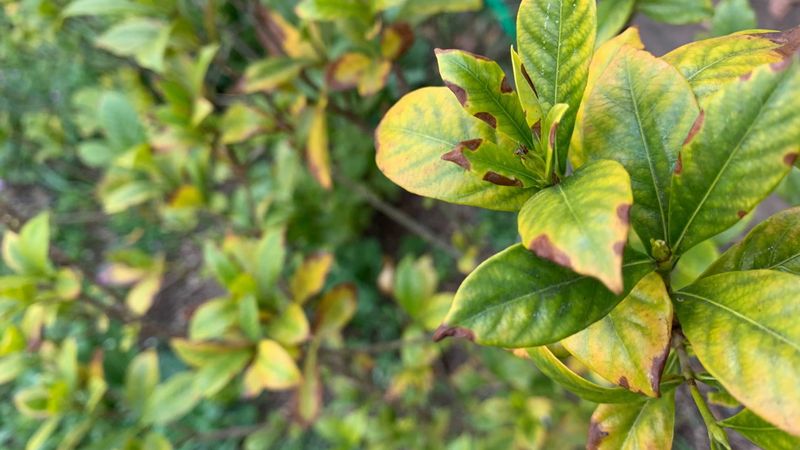
A yellow leaf on a gardenia in September can send a gardener straight to the fertilizer shelf, but that reaction is often unnecessary. Some older leaves naturally yellow and drop in fall as part of normal seasonal change.
Seeing a few yellowing leaves near the base or interior of the shrub does not automatically signal a nutrient problem.
The location of the yellowing matters. Older leaves lower on the plant going yellow is different from new growth at the tips turning pale or yellow.
New growth yellowing can point toward issues like iron availability, soil pH, or root conditions that may warrant a closer look. Older leaf drop in fall is usually just the plant cycling through its natural process.
Rushing to apply iron supplements or fertilizer because of a handful of older yellow leaves can create new problems rather than fixing anything.
Soil pH affects how well gardenias absorb iron, and that is worth monitoring over time, but it is not an emergency every September.
UF/IFAS guidance on gardenia culture addresses these issues in context. Before taking action on yellowing, observe whether the pattern fits normal fall leaf drop or whether it is concentrated on new growth in a way that suggests something else is happening.
Patience and observation beat reflexive intervention most of the time.
7. Bud Drop Can Happen Even When Pruning Timing Is Right
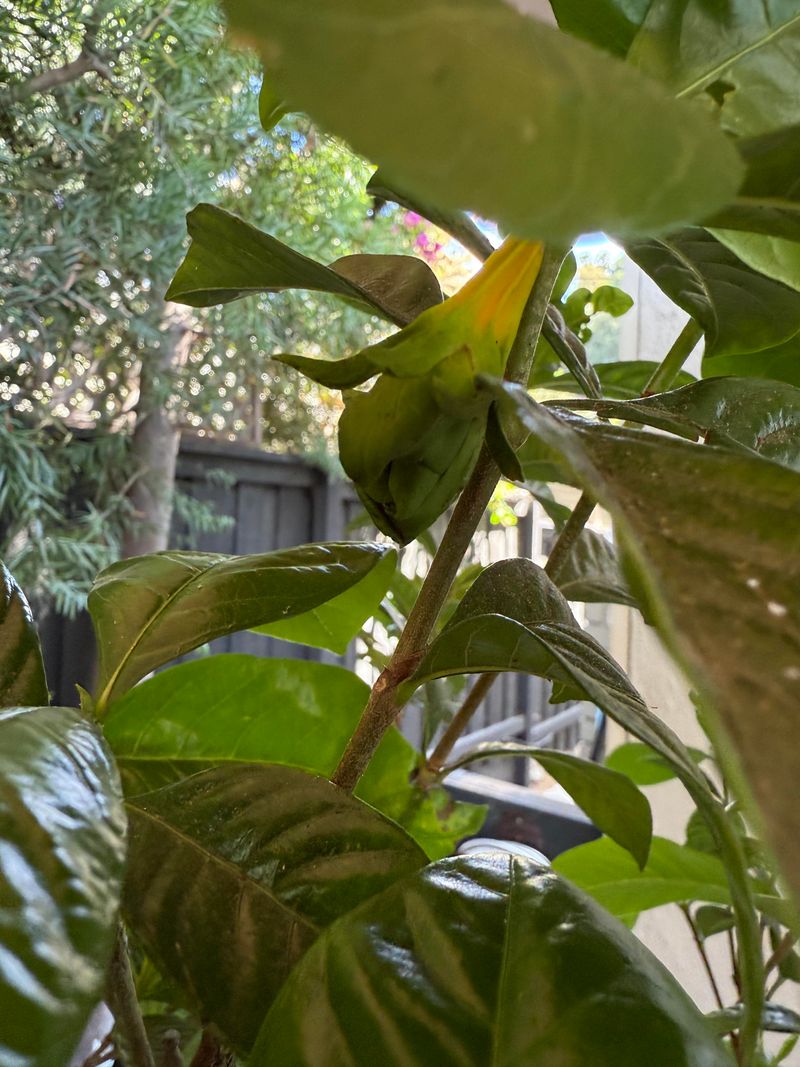
An unopened bud sitting on a gardenia stem holds a lot of promise, and watching those buds drop before they open is genuinely discouraging. Correct pruning timing protects flowering potential, but it does not guarantee a perfect display.
Bud drop has multiple possible causes, and pruning is only one piece of the picture.
Moisture stress is a common contributor. Gardenias prefer consistent soil moisture, and irregular watering during bud development can cause them to abort.
Poor drainage creates a different kind of stress at the roots that can also lead to bud loss. Temperature swings, especially sudden cold snaps or heat spikes during the wrong phase of development, can trigger drop as well.
Excessive fertilizer, particularly nitrogen applied at the wrong time, is another factor that can push the plant in the wrong direction. Certain pests, including thrips and mites, can also damage developing buds.
None of these causes are related to whether the gardener pruned in September or October. Keeping realistic expectations means understanding that a gardenia with ideal pruning timing can still have a frustrating bud-drop season if other conditions are off.
The goal is to combine favorable factors such as correct pruning timing, consistent moisture, proper nutrition, and pest management. No single action guarantees results.
8. Put The Pruners Away And Protect Next Year’s Show
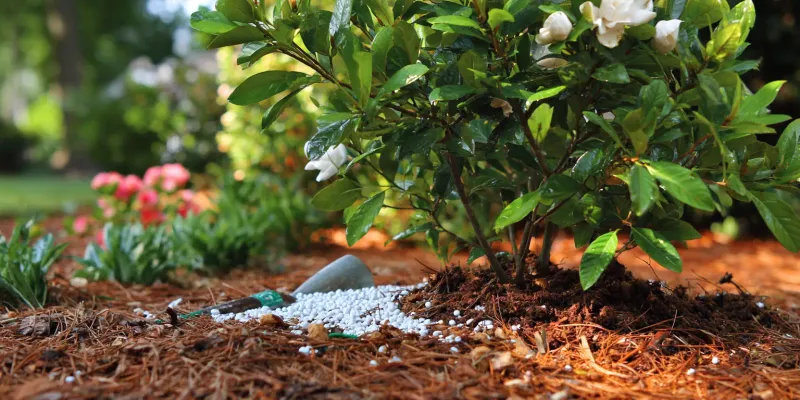
Hanging the pruners on the shed wall after the final September shaping is not giving up. It is the most productive thing a gardener can do for next spring’s flower display.
Once any necessary light correction is finished, restraint becomes the better strategy for the months ahead.
The main ideas from this article come together in a simple sequence. Finish any real shaping before October, because late pruning can reduce the next season’s bloom production.
Keep the cuts light, because a hard cutback is a different action with different consequences. Stop unnecessary cosmetic trimming after that, because repeated clipping removes the very growth that becomes next year’s flowers.
Regional fertilizer timing matters too, so check local guidance rather than applying a blanket fall feeding. Normal fall leaf yellowing does not require immediate intervention.
Bud drop has multiple causes beyond pruning, so manage expectations and address moisture, drainage, and pest issues as part of the overall picture. None of these steps are complicated, and none of them require a lot of work in September.
The central idea is simple: if a gardenia still needs shaping, finish it before October and then let the shrub carry its flowering growth forward. Less interference through fall means more blooms when spring finally arrives.