These Vegetables Can Still Be Planted In Georgia During September
September does not mean your vegetable garden has finished producing for the year. There is still time to get several worthwhile crops growing.
Cooler conditions begin opening new planting opportunities after the toughest summer heat. Choosing the right vegetables now can give your garden fresh momentum.
Do not leave empty beds sitting unused simply because fall is approaching. Put that space to work while planting conditions remain favorable.
Some vegetables handle this seasonal shift especially well and can develop as temperatures gradually change. Georgia gardeners just need to choose crops suited to September planting.
Timing still matters because every vegetable grows at a different pace. Starting with suitable choices can make the coming weeks much more productive.
Get your beds ready and discover which vegetables still have enough time to grow successfully this season.
1. Beets Can Go Into The Ground For A Fall Harvest
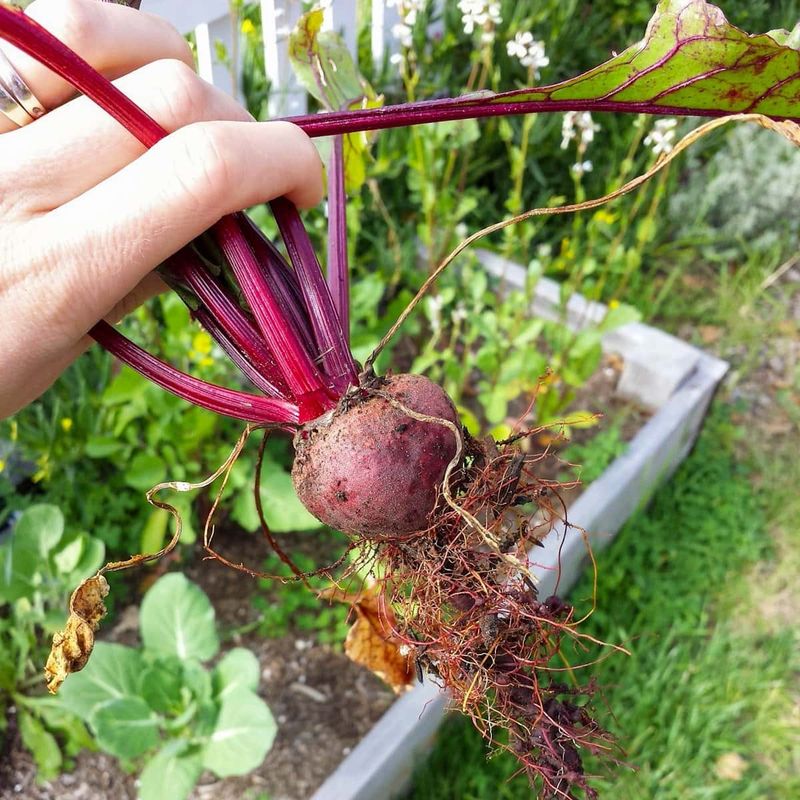
Beets are one of the most rewarding fall crops you can grow, and September is a solid window to get them started. Sow seeds directly into loose, well-drained soil about half an inch deep.
Space them roughly three to four inches apart so the roots have room to expand.
Beets prefer cooler soil, which makes late summer planting in the Southeast a smart move. Aim to plant early in the month so plants have enough time before temperatures drop hard.
Most beet varieties need around 50 to 70 days to mature, so timing matters.
Keep the soil consistently moist during germination, which can take one to two weeks. Thin seedlings once they reach about two inches tall.
Crowded beets produce smaller roots, so do not skip that step.
You can harvest both the roots and the greens. Young beet greens are tender and work well in salads.
Roots are ready when they reach roughly golf ball size, though some varieties grow larger.
Avoid heavy clay soil without amending it first. Beets struggle in compacted ground and may produce misshapen roots.
Work in compost before planting to improve texture and drainage.
Healthy soil also makes it easier for roots to develop evenly as they mature. Choose a sunny garden spot where plants receive at least six hours of direct light daily.
For an extra boost, remove weeds regularly so they do not compete with young plants for nutrients.
2. Broccoli Transplants Still Have Time To Settle In
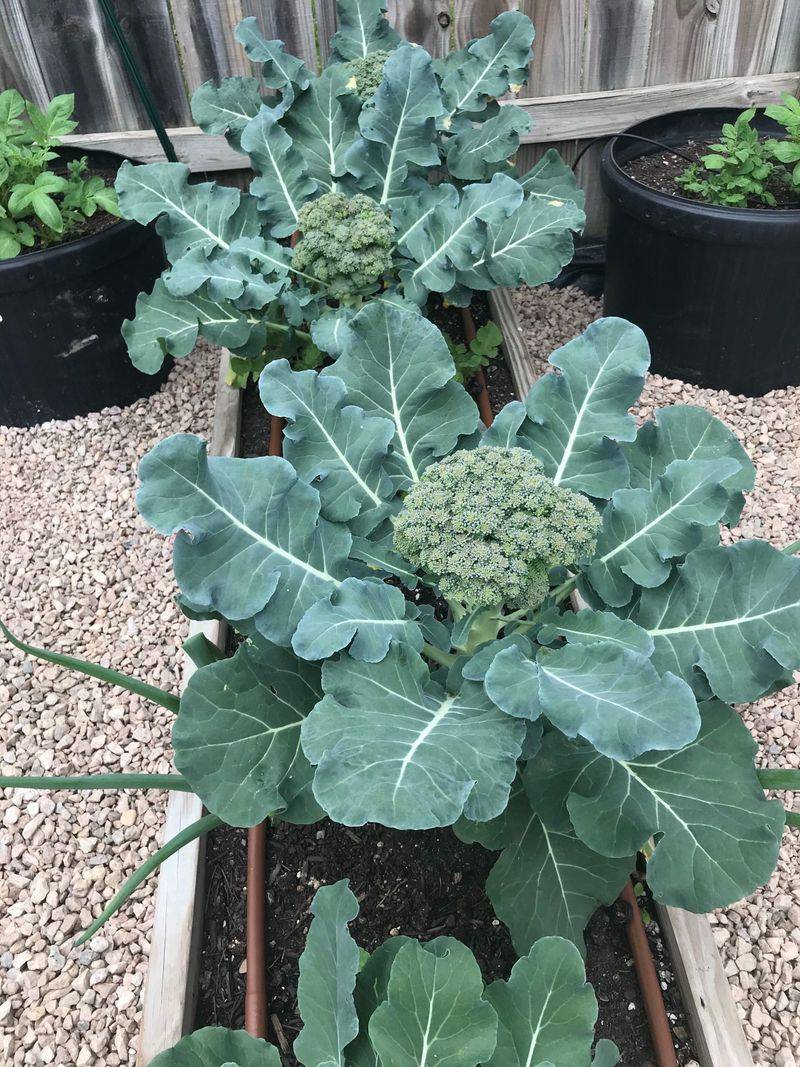
Broccoli is a cool-season crop that actually produces better heads when temperatures are dropping rather than rising. Starting with transplants in September gives you a head start over direct seeding.
Look for seedlings that are four to six weeks old with sturdy stems and dark green leaves.
Plant transplants about 18 inches apart in a spot with full sun. Broccoli needs at least six hours of direct sunlight each day to form tight, dense heads.
Loose or open heads are often a sign of inconsistent light or heat stress.
Water regularly but avoid waterlogging the roots. Broccoli likes even moisture, especially while heads are forming.
Mulching around the base helps retain soil moisture and keeps roots cooler on warm days.
Your Georgia Garden Changes Every Week. Your Plan Should Too.
Gardening in Georgia changes quickly throughout the season. Every Friday you’ll receive a simple weekly plan showing exactly what to plant, prune, fertilize, harvest, and protect so you never miss the right timing.
Feed plants with a balanced fertilizer a few weeks after transplanting. Nitrogen supports leafy growth early on, but too much late in the season can delay heading.
Follow product directions carefully and do not over-apply.
Watch for cabbage worms and aphids, which are common pests on broccoli. Row covers can offer protection without chemicals.
Check plants a few times each week so small problems do not get out of hand before harvest.
Cooler fall weather can improve head quality and help plants stay productive longer. Harvest the main head while the buds are still tight and firm.
Many varieties will continue producing smaller side shoots after the central head is removed.
3. Cabbage Can Be Planted Throughout The September Window
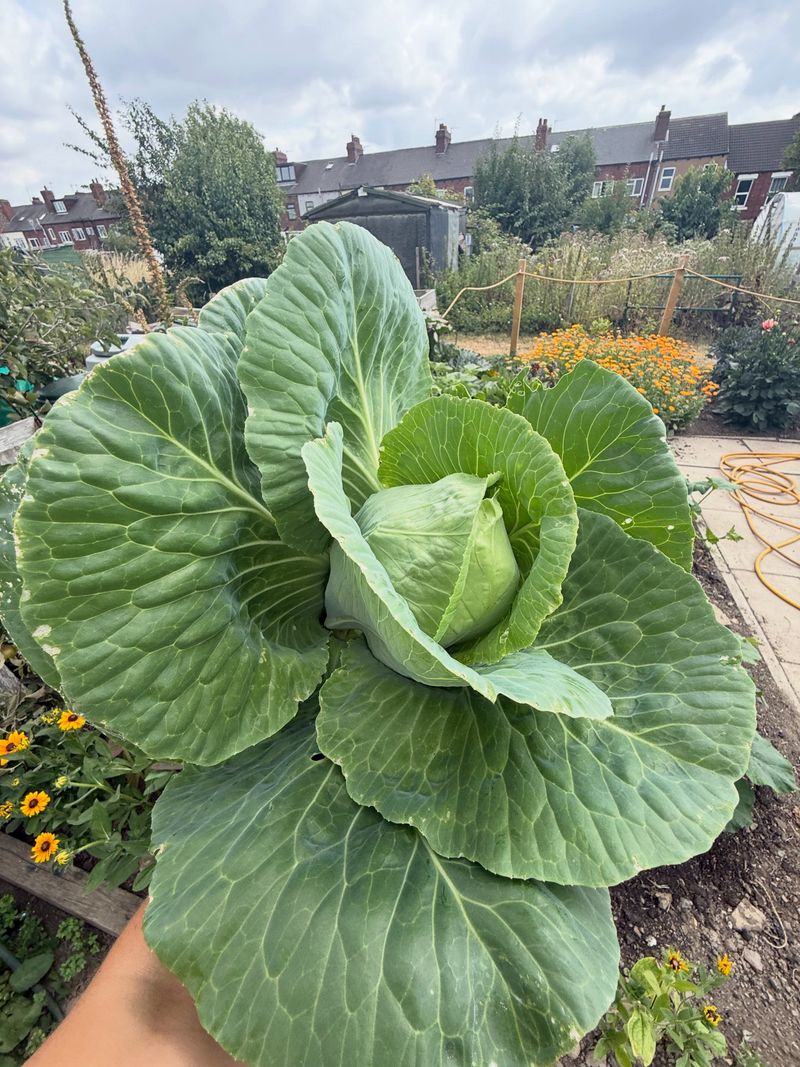
Cabbage is a tough, reliable crop that handles light frost without much trouble. Planting transplants or direct seeding early in September gives heads enough time to develop before cold weather sets in hard.
Most varieties need 70 to 120 days depending on type, so check your seed packet before planting.
Space plants about 12 to 18 inches apart in rows. Crowding cabbage leads to smaller heads and increases the chance of fungal issues.
Good airflow between plants goes a long way toward keeping foliage healthy.
Cabbage is a heavy feeder. Work compost into the bed before planting, then side-dress with a nitrogen-based fertilizer a few weeks after transplanting.
Consistent feeding supports the steady leaf growth needed to form a solid head.
Keep soil evenly moist throughout the growing period. Uneven watering can cause heads to crack as they size up.
Drip irrigation or a soaker hose works better than overhead watering for this reason.
Pest pressure from cabbage loopers and imported cabbageworms is real in Georgia. Bacillus thuringiensis, often sold as Bt, is a naturally derived option that targets caterpillars without harming beneficial insects.
Applying it early and consistently tends to give better results than waiting until damage is visible.
Harvest cabbage when the heads feel firm and solid when gently squeezed. Cut each head near the base while leaving the surrounding leaves in place.
Cooler fall conditions can also help many varieties develop a sweeter, milder flavor.
4. Carrots Belong In The Ground Early In The Month
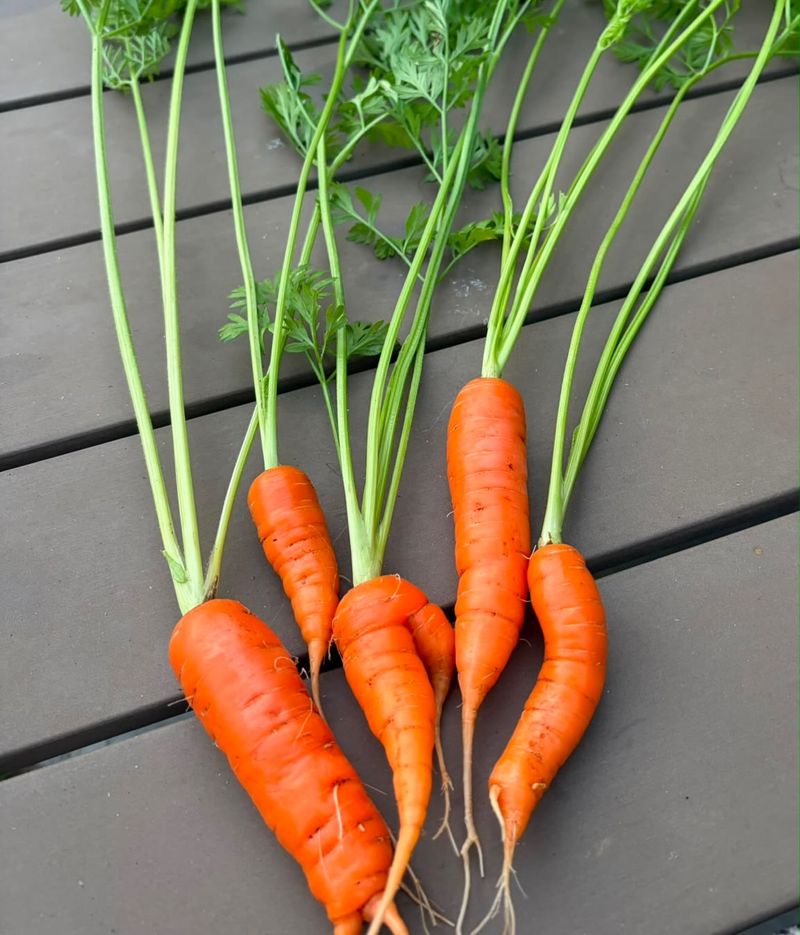
Carrots need a longer runway than most fall crops, which is why getting them in early September matters. Most varieties need 70 to 80 days from seeding to harvest.
Waiting until mid-month cuts into that window and may leave you with underdeveloped roots when cold weather arrives.
Prepare the soil deeply before planting. Carrots need at least 10 to 12 inches of loose, rock-free soil to grow straight and full-sized.
Compacted or rocky ground causes forked or stunted roots that are harder to use in the kitchen.
Sow seeds thinly in shallow rows, about a quarter-inch deep. Carrot seeds are small and slow to germinate, often taking 10 to 21 days.
Keeping the soil surface moist during that period is critical since the tiny seeds cannot push through crusted or dry soil.
Thin seedlings to about two to three inches apart once they reach two inches tall. Skipping this step crowds roots and reduces overall yield.
It feels wasteful, but proper spacing leads to noticeably better carrots.
Nantes and Danvers varieties tend to perform well in Southern fall gardens because of their adaptability to varying soil types. Avoid overly sandy soil unless you amend it with compost.
Good drainage combined with moisture retention is the sweet spot for carrot success.
Cooler temperatures later in the season can also encourage carrots to develop a naturally sweeter flavor.
5. Cauliflower Transplants Can Fill Open Garden Space
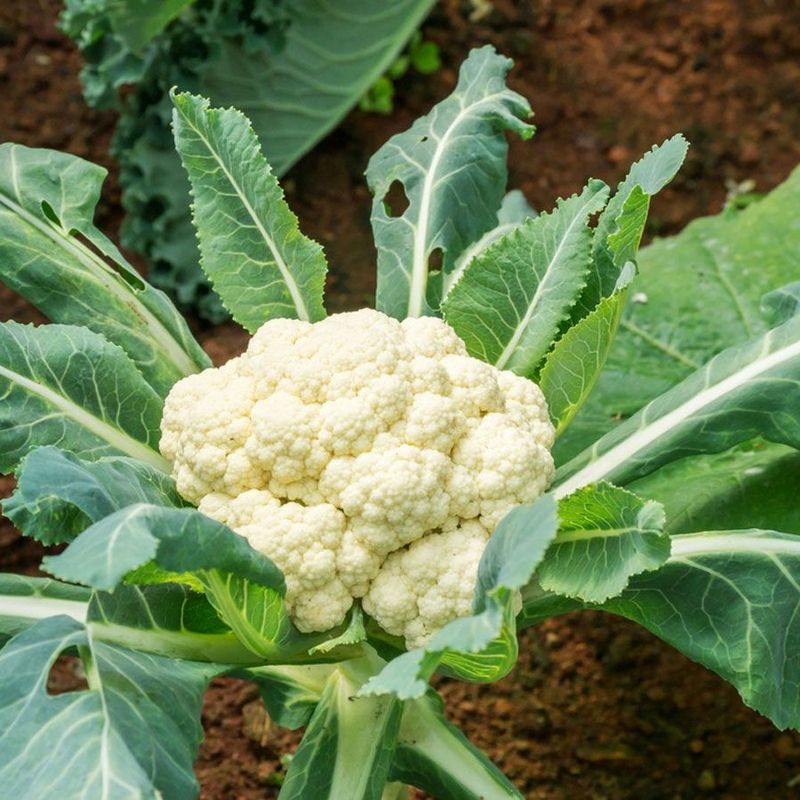
Cauliflower has a reputation for being finicky, but it can absolutely succeed as a fall crop when planted at the right time. September transplants have a real shot at producing solid heads before hard freezes arrive.
Choose heat-tolerant or fall-specific varieties for the best outcome in Southern conditions.
Set transplants about 18 to 24 inches apart. Cauliflower forms large plants, and crowding them cuts off airflow and slows head development.
Full sun is a must, so pick an open spot with no shade during peak daylight hours.
Water consistently and deeply. Cauliflower roots go fairly deep and benefit from infrequent but thorough watering rather than light, frequent sprinkles.
Mulch helps hold moisture between watering sessions and keeps soil temperature more stable.
One step unique to cauliflower is blanching. When the head starts forming, fold outer leaves over it and secure them loosely.
This protects the head from sunlight and keeps it white, tender, and mild in flavor. Not all varieties need this, so read the seed or transplant tag.
Watch for signs of boron deficiency, which can cause hollow or browning heads. A soil test before planting helps identify nutrient gaps early.
Addressing deficiencies before transplanting is easier than correcting them once plants are established.
Cool nights often bring out a milder flavor, making fall-grown cauliflower especially rewarding at harvest time.
6. Brussels Sprouts Need The Longer Fall Season To Mature
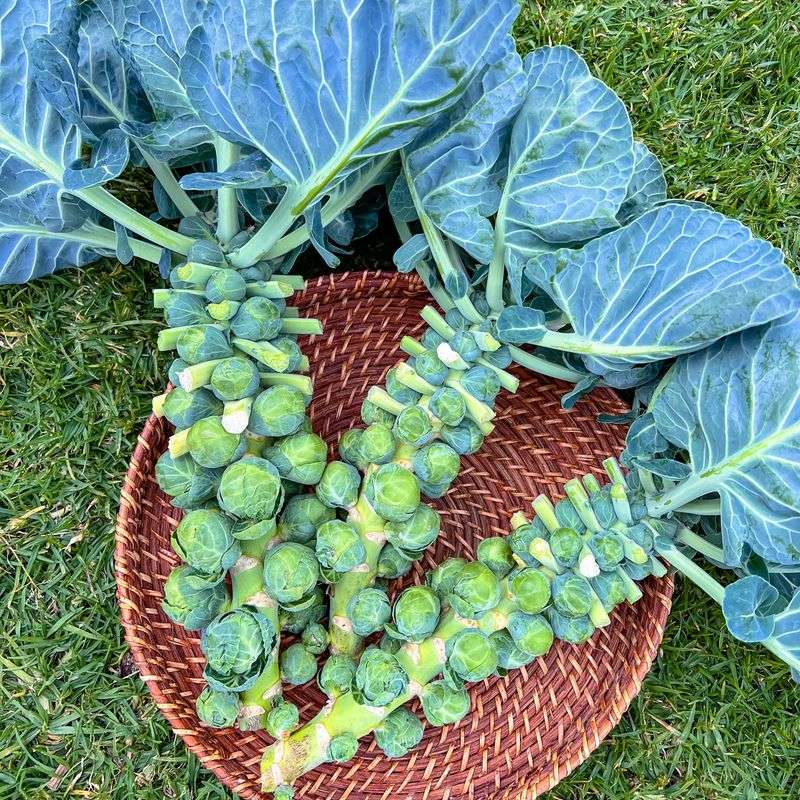
Brussels sprouts are slow growers, and that is exactly why September is your last reasonable planting window in the Southeast. Most varieties need 80 to 100 days to produce harvestable sprouts.
Planting later than mid-September makes it hard to reach that window before temperatures get too cold.
Set transplants about 24 inches apart. Brussels sprouts grow tall and wide, reaching three feet or more by harvest time.
Giving them space prevents competition for nutrients and reduces the chance of fungal problems in humid fall conditions.
One thing worth knowing is that light frost actually improves the flavor of Brussels sprouts. Cold temperatures convert some of the plant’s starches into sugars, making sprouts sweeter and more pleasant to eat.
Harvesting after a frost or two often gives you the best-tasting sprouts of the season.
Stake plants once they reach about 18 inches tall. Tall stalks can tip over in wind or heavy rain without support.
A simple stake and loose tie does the job without damaging the main stem.
Fertilize regularly through the growing season. Brussels sprouts are heavy feeders and benefit from consistent nitrogen early on, then a shift toward balanced feeding as sprouts begin to form.
Inconsistent feeding can lead to loose or poorly formed sprouts that do not store well.
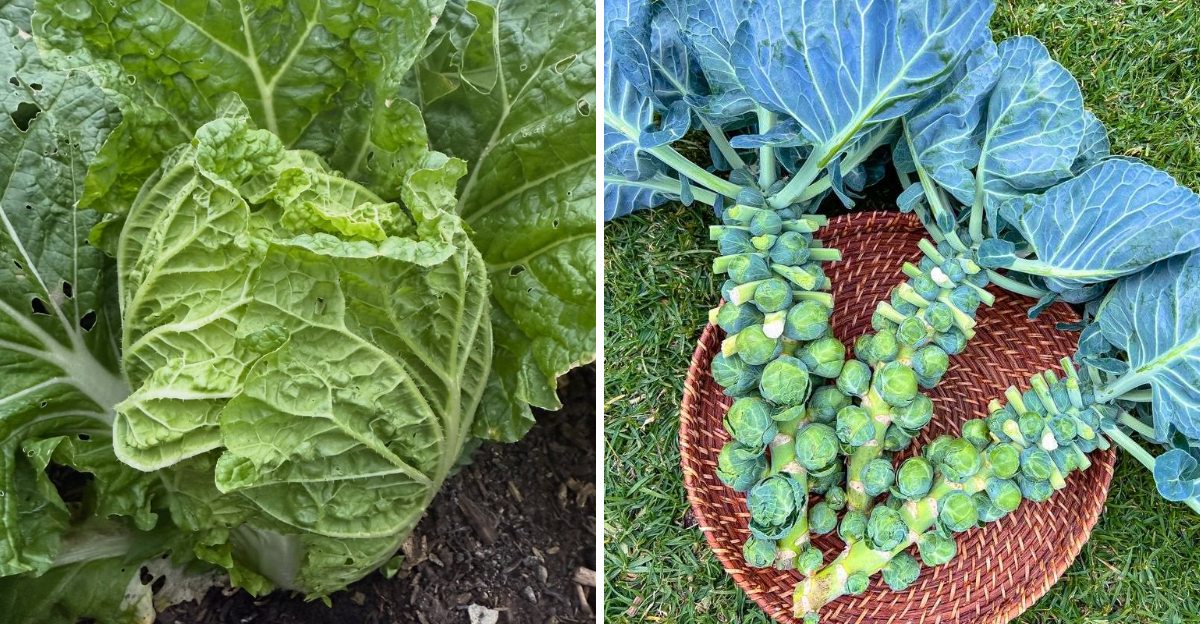
7. Chinese Cabbage Fits Right Into September Planting
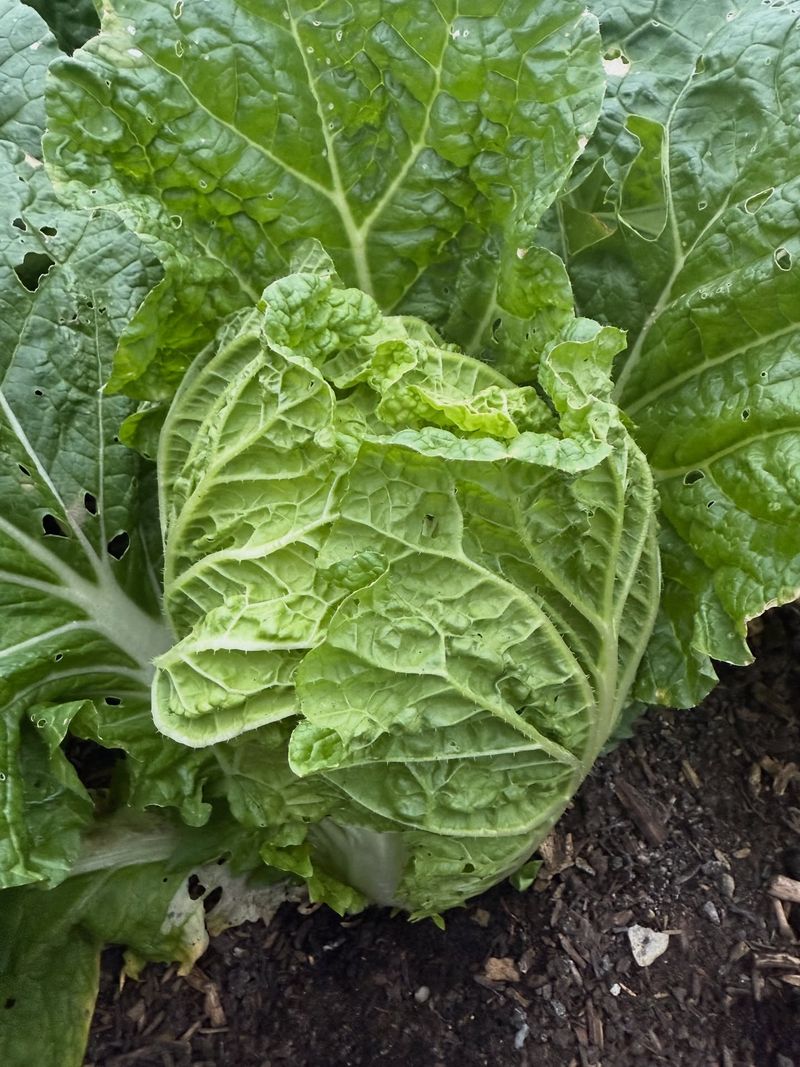
Chinese cabbage, sometimes called Napa cabbage, is one of the fastest-maturing brassicas you can grow in fall. Many varieties go from transplant to harvest in just 50 to 70 days, which fits neatly into Georgia’s fall growing window.
Starting in September gives you a comfortable buffer before cold weather tightens up.
Plant transplants or direct seed in rows about 12 to 18 inches apart. Chinese cabbage forms upright, compact heads rather than the round, tight balls of regular cabbage.
It takes up less horizontal space, which makes it a practical choice for smaller garden beds.
Soil moisture matters a lot with this crop. Inconsistent watering can cause bolting, where the plant shifts energy toward flowering instead of forming a head.
Keeping moisture even throughout the growing period is one of the most practical steps you can take to protect your harvest.
Chinese cabbage is mild, crisp, and versatile in the kitchen. It works raw in salads, cooked in stir-fries, or fermented into kimchi.
Having a fall harvest ready by late October or November gives you something fresh right when most summer crops are long finished.
Aphids and flea beetles can be a nuisance on this crop. Row covers early in the season reduce pest pressure significantly.
Remove covers once plants are well established and less vulnerable to damage.
8. Garlic Can Go Into Prepared Beds For Next Year
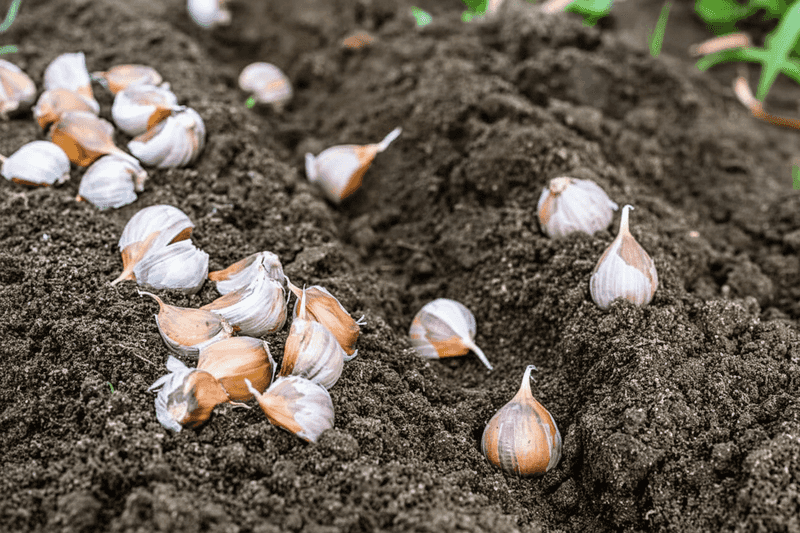
Planting garlic in September feels counterintuitive because you will not harvest it until next summer. But that long growing period is exactly what garlic needs to develop full, flavorful bulbs.
Fall planting allows cloves to establish roots before winter and break dormancy strong in spring.
Break bulbs into individual cloves just before planting. Set each clove point-side up, about two inches deep and four to six inches apart.
Planting too shallow can cause cloves to heave out of the ground during temperature swings in late fall.
Hardneck varieties like Rocambole and Purple Stripe tend to offer more complex flavor, while softneck types store longer after harvest. Both work in Southern gardens, though softneck varieties generally handle milder winters better.
Check with local garden centers for varieties suited to your specific area.
Mulch beds heavily after planting. A three to four inch layer of straw or shredded leaves insulates the soil and helps regulate temperature through winter.
Mulch also suppresses weeds that would otherwise compete with garlic during its slow early growth phase.
Water after planting to help cloves settle in, then ease back on irrigation as temperatures drop. Garlic does not need much water during winter dormancy.
Resume regular watering in late winter when green shoots appear and active growth picks back up.