This Common Georgia Lawn Weed Can Spread Even Faster If You Pull It Wrong
That stubborn weed in your lawn may need more than a quick pull. Using the wrong technique can actually leave you with an even bigger problem.
Some weeds are surprisingly good at turning your cleanup efforts against you. Small pieces left behind can be enough to keep the trouble going.
Before reaching down and yanking, make sure you know exactly what you are dealing with. The right approach can save plenty of frustration later.
Across Georgia, this common lawn weed can spread aggressively during warm weather. Its growth habit is exactly what makes careless removal such a problem.
Getting ahead of it starts with understanding how the plant responds when disturbed. Once you know that, controlling it becomes much less confusing.
Learn what makes this weed so persistent and how to handle it without helping it spread.
1. This Leafy Weed Can Be Easy To Overlook At First
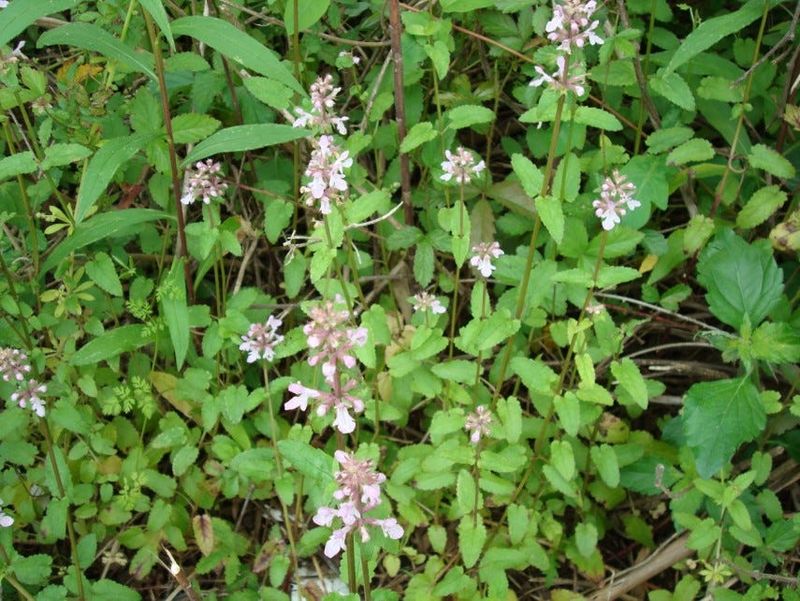
At first glance, Florida betony looks almost harmless. Small, scalloped leaves hug the ground, and the plant does not draw much attention early in the season.
Many homeowners walk right past it without a second thought.
Part of what makes this weed so tricky is how well it blends into a typical lawn. Young plants are low-growing and soft-looking.
Without knowing what to look for, spotting them before they spread can be genuinely difficult.
Florida betony tends to show up more noticeably in late fall and winter. It thrives in cooler soil temperatures and can fill in bare patches surprisingly fast.
By the time warmer weather returns, it may have already claimed a solid section of your yard.
Catching it early starts with knowing what the young plant looks like. Look for small oval leaves with scalloped or toothed edges.
Leaves grow in opposite pairs along a central stem, which becomes more visible as the plant matures.
Color can also be a clue. Young Florida betony leaves tend to be a slightly lighter green compared to surrounding turf grass.
That subtle color difference can help you spot new growth before it gets out of hand. Checking your lawn regularly during cooler months gives you a real advantage when managing this weed.
2. Square Stems Help Separate It From Nearby Lawn Growth
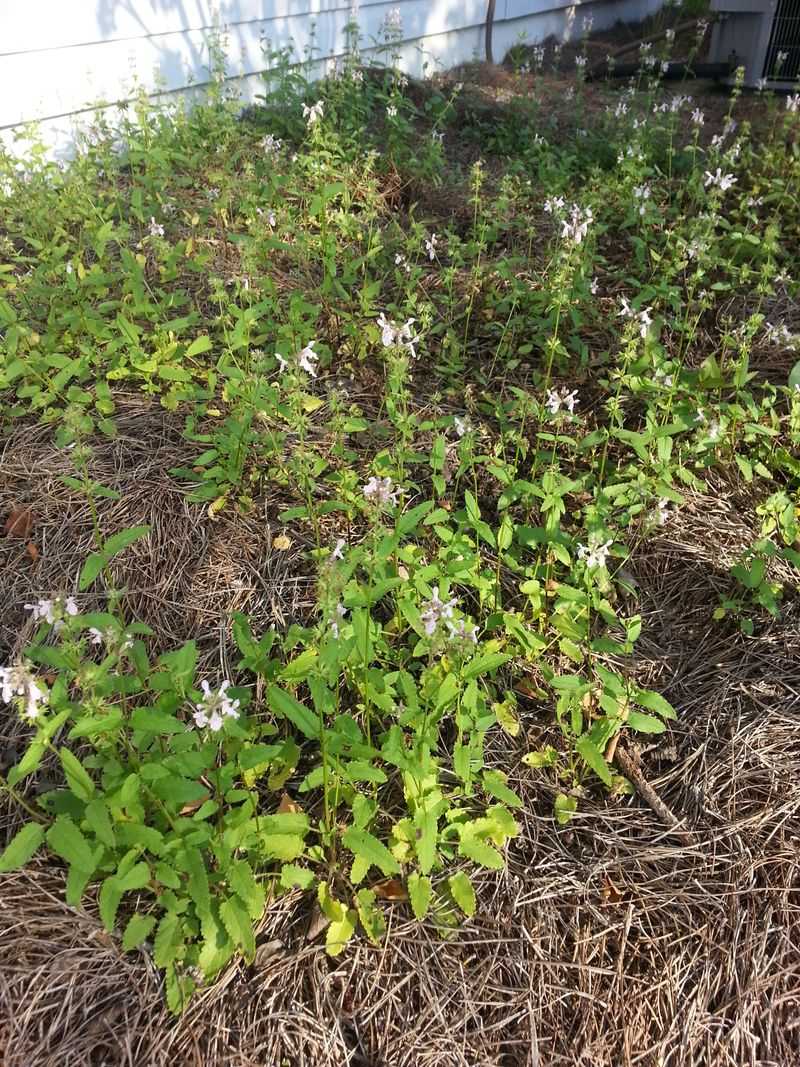
Run your fingers along the stem of Florida betony, and you will notice something unusual right away. Unlike most grass blades or round-stemmed weeds, this plant has a distinctly square stem.
That single feature sets it apart from almost everything else growing in your lawn.
Square stems are a shared trait among plants in the mint family, which is exactly where Florida betony belongs. Knowing this makes identification much faster.
You do not need a field guide when the stem itself tells you what you are dealing with.
Beyond the stem shape, the leaves also help confirm what you have found. They grow in opposite pairs, meaning one leaf on each side of the stem at the same point.
This paired arrangement is consistent and easy to check once you know what to look for.
Your Georgia Garden Changes Every Week. Your Plan Should Too.
Gardening in Georgia changes quickly throughout the season. Every Friday you’ll receive a simple weekly plan showing exactly what to plant, prune, fertilize, harvest, and protect so you never miss the right timing.
Tiny hairs often cover both the stem and leaves, giving the plant a slightly rough or fuzzy texture. Rubbing a leaf between your fingers may release a faint, herby scent.
That smell is another indicator that you are dealing with a mint-family plant.
Getting familiar with these physical details makes a real difference. Once you can identify Florida betony by touch and sight, you stop second-guessing yourself.
Faster identification means faster action, and that matters a lot when this weed can spread as quickly as it does in warm, moist soil conditions.
3. Florida Betony Is Hiding Much More Below The Surface
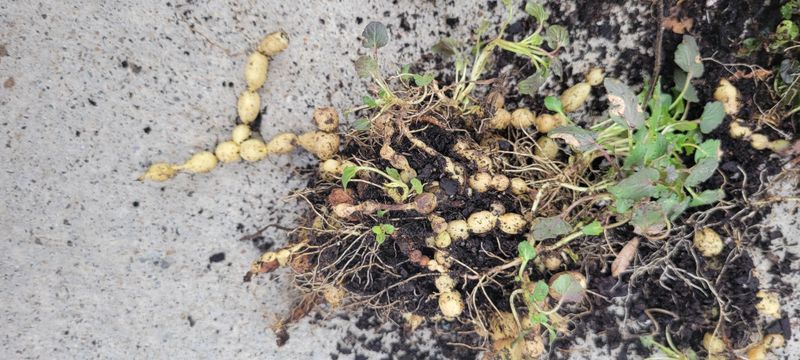
What you see above ground is only a small part of the problem. Florida betony puts serious energy into what grows below the surface, and that underground system is what makes this weed so persistent.
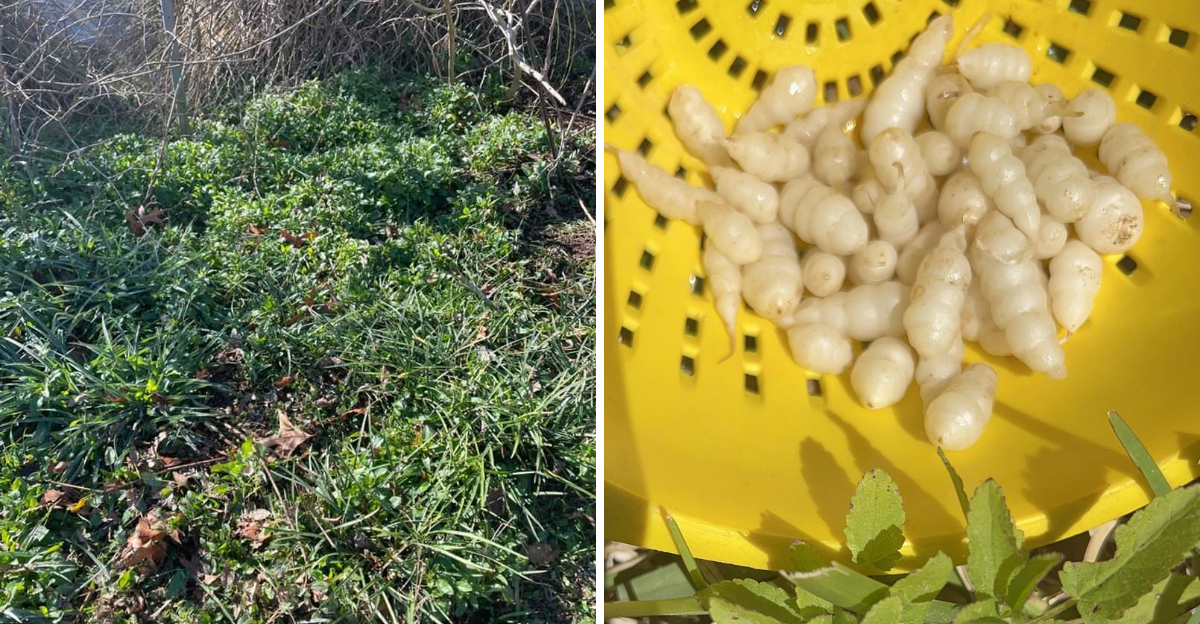
Beneath each plant lies a network of roots connected to white, segmented tubers. These tubers look almost like tiny white grubs or small caterpillars.
They store nutrients and allow the plant to survive even after the visible top growth is removed.
Each tuber segment has the potential to produce a new plant. So when you yank the stem out of the ground and leave even one small piece behind, that fragment can generate fresh growth.
Pulling carelessly can actually scatter tuber pieces across a wider area.
Soil disturbance plays a big role here. Digging, tilling, or rough pulling can break tubers apart and spread them.
In loose or sandy soil, the tubers can extend several inches deep and branch outward in multiple directions from the main stem.
Understanding this underground system changes how you approach removal. Surface-level pulling feels productive, but it rarely addresses the root of the issue.
Getting below the surface and working carefully around the tuber network gives you a much better chance of removing more of the plant in a single attempt. Patience during removal matters more than speed when dealing with this particular weed.
4. Underground Tubers Explain Why It Keeps Coming Back
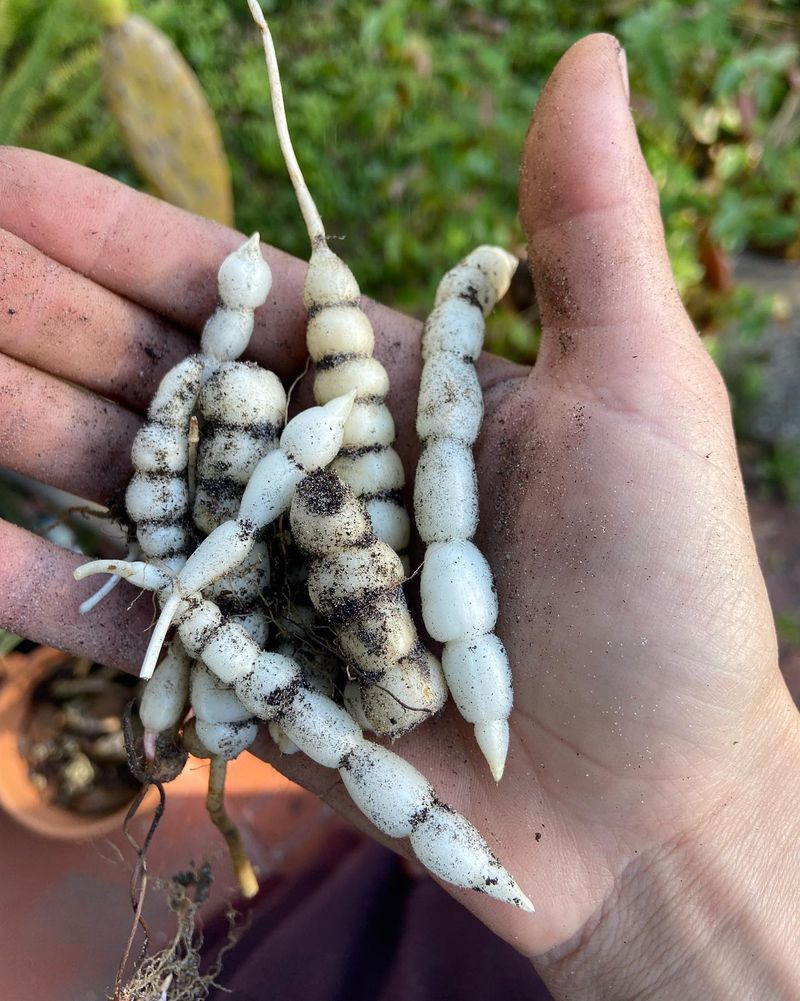
Wondering why the same patch of weeds returns every season? With Florida betony, the answer is almost always underground.
Those white tubers are built to survive, and they do not need much encouragement to start growing again.
Each tuber segment acts like a storage unit. It holds enough energy to push up new growth even after the stem above has been removed.
A plant does not need to be fully intact to bounce back, just one surviving piece is enough.
Tubers can also multiply on their own throughout the growing season. As the plant matures, it produces more tubers along the root system.
By the end of fall, a single plant may have created a surprisingly large underground network without you ever noticing.
Soil conditions affect how far tubers spread. In loose, well-drained soil, they tend to extend further and branch more freely.
Compacted or clay-heavy soil may limit their spread somewhat, though it also makes them harder to dig out cleanly.
Georgia’s mild winters mean tubers rarely experience the kind of cold that would limit their survival. They stay protected in the soil and are ready to send up new growth as soon as conditions are right.
Recognizing this cycle is the first step toward managing the weed more effectively over time, rather than being surprised when it returns each fall and winter season.
5. Leaving Tubers Behind Can Allow The Weed To Return
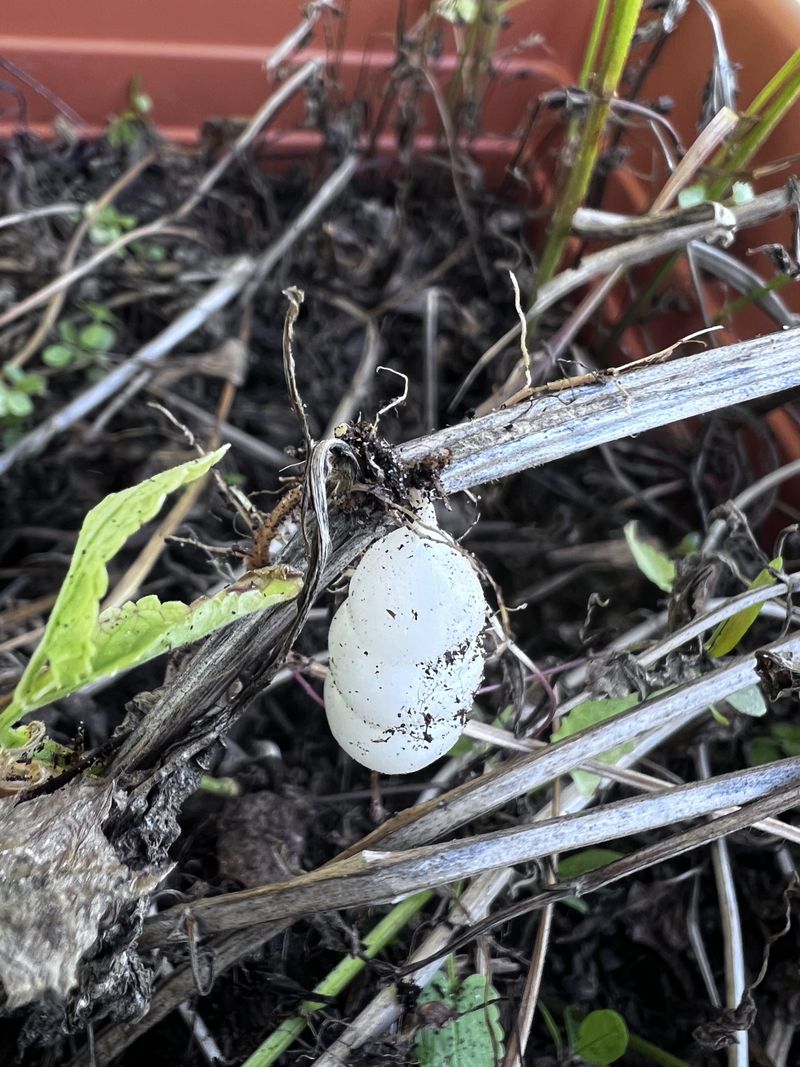
Pulling a weed and watching it come back a few weeks later is one of the most frustrating things in lawn care. With Florida betony, that frustrating cycle often comes down to one simple mistake: leaving tuber pieces in the soil.
Even a small fragment of tuber left behind can produce a new shoot. The plant does not need the full root system to regenerate.
A short segment with even one node can push up fresh growth under the right conditions.
Rushed or careless pulling is a common reason tubers get left behind. When you grip the stem and pull quickly, the stem often snaps off at or near the soil surface.
The tubers, which are the real problem, stay right where they are.
Wet soil can make pulling slightly easier, but it also increases the chance of breaking the tuber chain apart. Pieces slip off and stay buried.
Dry soil makes the plant more resistant to pulling cleanly, which presents its own challenges.
Disposal also matters. Any tubers you do manage to remove should not be left on the soil surface nearby.
They can reattach if they come back into contact with moist ground. Bagging removed plant material and tubers before disposing of them reduces the chance of accidentally reintroducing the weed back into your lawn or garden beds.
6. Careful Digging Helps Remove More Than The Visible Stems
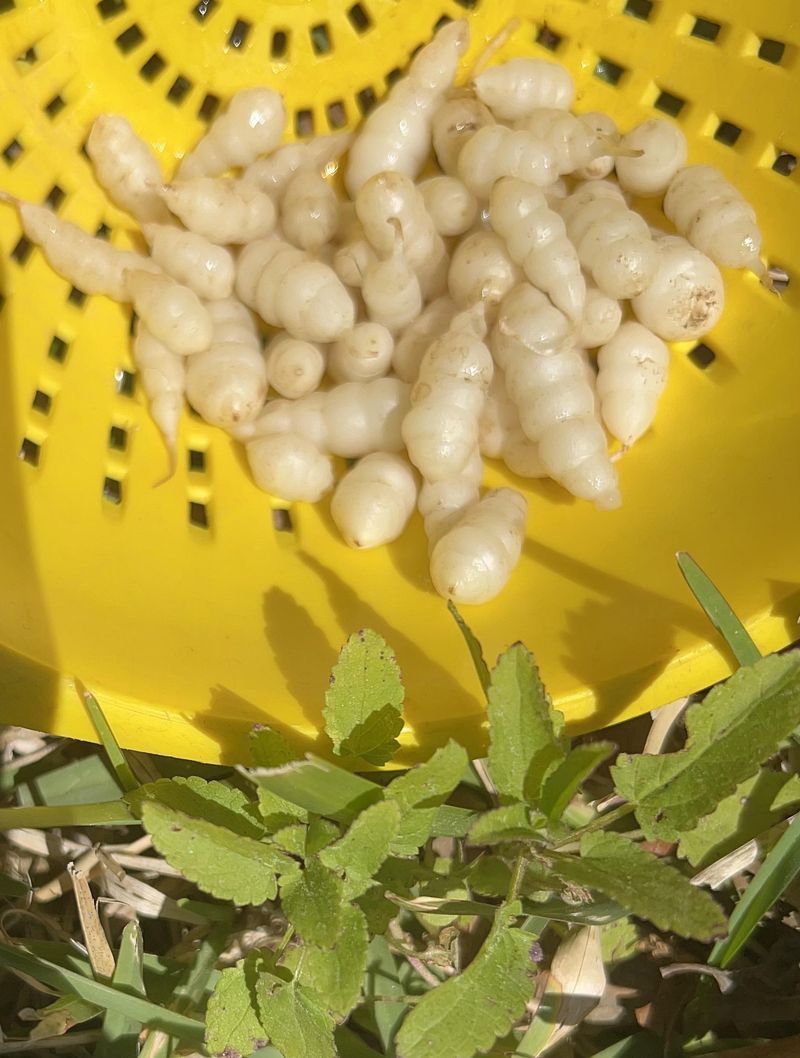
A trowel can do what bare hands cannot. When it comes to Florida betony, digging carefully around the plant before pulling gives you a much better shot at removing the tubers along with the stem.
Start by loosening the soil in a circle around the base of the plant. Work the trowel down a few inches before angling it toward the center.
Going slow here pays off, because rushing increases the chance of snapping the tuber chain.
Once the soil is loosened, try lifting the plant from below rather than pulling from above. Getting underneath the root system keeps the tubers more intact and reduces how many pieces get left behind in the ground.
A weeding fork or narrow hand tool works well for this process in tighter spots. The goal is to disturb as little surrounding soil as possible while still getting deep enough to access the tubers.
Spreading the disturbance can scatter fragments into areas you have not yet treated.
After removing the plant, take a moment to sift through the loosened soil with your fingers. Small tuber pieces are easy to miss but easy to spot once you know what they look like.
Removing them by hand at this stage takes only a moment and can prevent new growth from sprouting in the same spot within a few weeks. Careful work at this stage genuinely improves long-term results.
7. Catching Small Patches Early Makes Control Much Easier
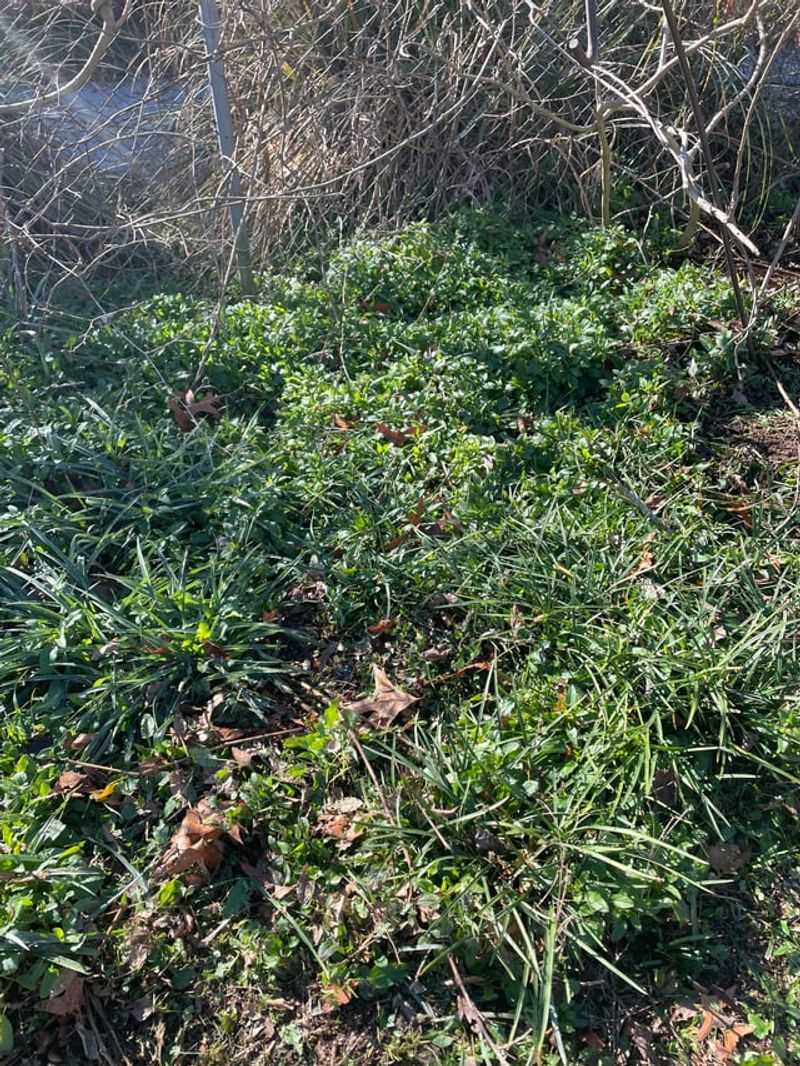
Spot a few plants now, and you are in a good position. Wait until spring, and the situation can look very different.
Florida betony spreads steadily, and small patches are much easier to manage than large established ones.
Early fall is when this weed typically starts pushing up new growth in the Southeast. Checking your lawn during that window gives you a head start.
A quick walk around the yard every couple of weeks during cooler months can help you catch new plants before they settle in.
Small patches can often be removed by hand with a narrow trowel and a bit of patience. Larger infestations may need a different approach, including targeted herbicide applications labeled for use on Florida betony.
Always follow label instructions carefully when using any herbicide product.
Keeping your lawn thick and healthy also helps. Dense turf makes it harder for weed seeds to find bare soil to establish in.
Fertilizing appropriately for your grass type and overseeding thin areas during the right season can reduce openings where Florida betony tends to move in.
Consistent monitoring over multiple seasons is realistic to expect. Tubers already in the soil may continue producing new growth even after visible plants are removed.
Staying attentive each fall and addressing new growth quickly is one of the most practical ways to reduce this weed’s presence in your lawn over time.