Ohio’s First Frost Isn’t Here Yet – But September Is The Time To Know What You’ll Protect
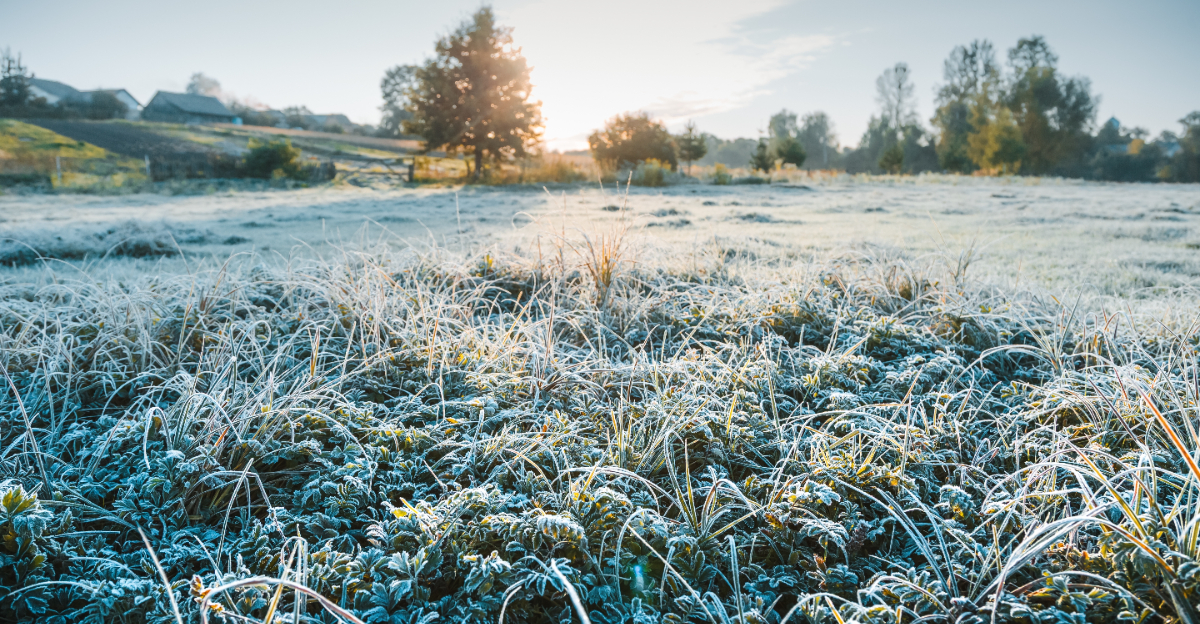
You step outside in September expecting a few more weeks of tomatoes, herbs, and flowers – then you notice the forecast has a colder night hiding in the week ahead.
Frost has a way of arriving quietly, but the damage it causes can catch even experienced gardeners by surprise.
Ohio’s fall weather leaves a small window to prepare before temperatures begin to dip. A little attention now can help protect the plants you’ve spent the whole season caring for and keep your garden looking its best as the seasons change.
The first frost doesn’t have to end your garden plans. With the right timing, a few simple protections, and a closer look at what your plants need, you can help them handle those first cold nights with confidence.
1. Understanding Ohio’s Different Frost Dates
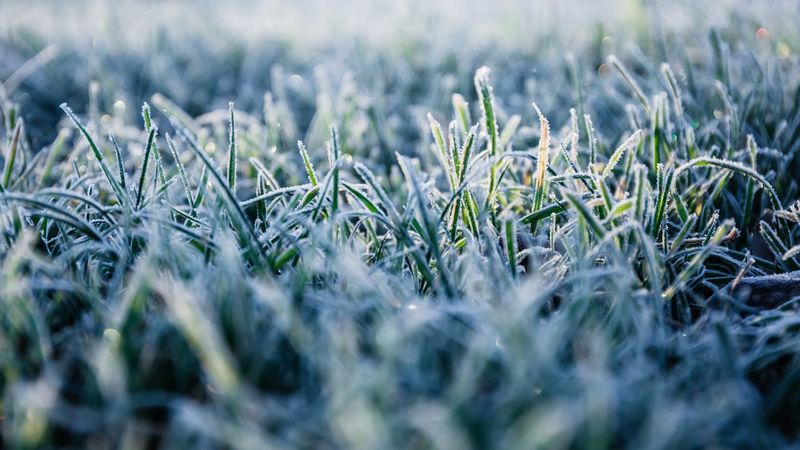
Timing is everything when it comes to frost, and our state doesn’t follow one single schedule.
Across the state, the typical first fall frost varies by location, with many areas seeing their first frost sometime in mid to late October.
But that average hides a lot of local differences.
Up north, colder inland areas such as Youngstown often see frost earlier in the season, while Cleveland’s Lake Erie influence can delay frost compared with nearby inland locations.
Northwest Ohio can also see earlier cold snaps, especially in rural areas where temperatures drop faster overnight.
Central Ohio, including areas around Columbus, often sees its first frost in the middle to later part of October, depending on the year and local conditions.
Head south toward Cincinnati and you’ll usually find a slightly longer growing season, with frost often arriving later than in northern parts of the state.
Elevation, nearby cities, and that big lake all play a part in shaping these dates.
Because of this, knowing your local average frost date matters more than any statewide number.
Keep an eye on nights when temperatures dip into the mid-30s, especially when skies are clear, winds are calm, and the air feels dry.
Those are the nights frost loves to form.
A quick habit of checking your weather forecast each evening in fall can save your plants from a surprise chill.
When you know your area’s pattern, you can act early instead of scrambling at the last minute.
2. Spotting The Plants That Need The Most Help
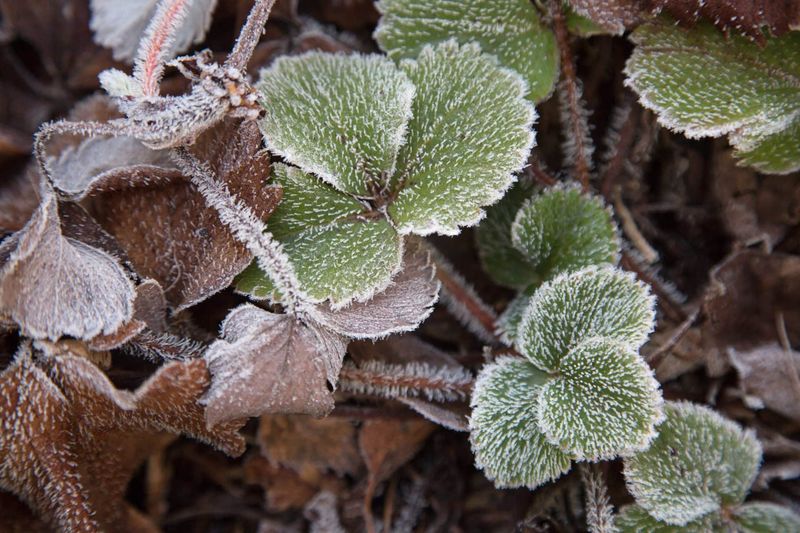
Not every plant reacts to cold the same way, so knowing which ones are fragile helps you focus your energy.
Tender annuals, tropical plants, and warm-season vegetables are usually the first to struggle when temperatures drop.
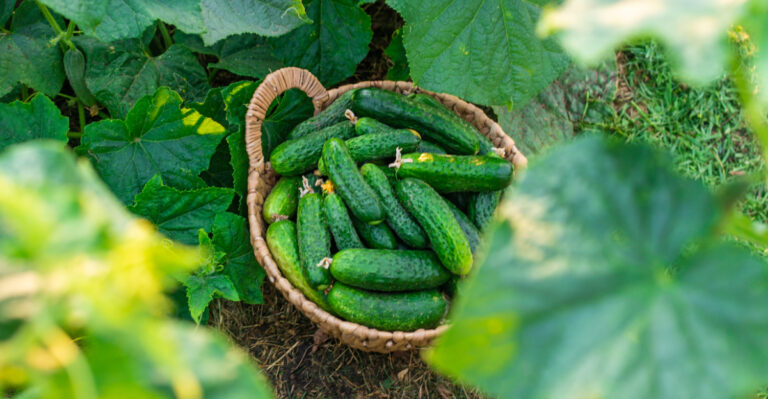
Think tomatoes, peppers, basil, and cucumbers, which can fade fast after even a light frost. Newly planted nursery specimens deserve attention too.
Even if they’re listed as hardy, their fresh young leaves are soft and easily harmed by a surprise cold snap in the state.
Potted plants and houseplants that spent the summer outside are extra vulnerable. Their roots sit closer to the cold air than plants growing in the ground.
Your Ohio Garden Changes Every Week. Your Plan Should Too.
Gardening in Ohio changes quickly throughout the season. Every Friday you’ll receive a simple weekly plan showing exactly what to plant, prune, fertilize, harvest, and protect so you never miss the right timing.
Once overnight temperatures begin approaching the mid-40s, it’s wise to move tropical plants and sensitive houseplants indoors, while hardier container plants may tolerate cooler conditions.
Here’s the flip side: some vegetables actually love the chill.
Kale, spinach, radishes, broccoli, Brussels sprouts, onions, and carrots can handle cool weather. A few even taste sweeter after a light frost, which is a nice bonus.
Learning your plants’ hardiness levels is like having a cheat sheet for fall.
When you know who’s tough and who’s tender, you can spend your time covering the plants that truly need it.
That kind of planning keeps your garden productive well into the cooler months.
3. Simple Ways To Shield Your Plants
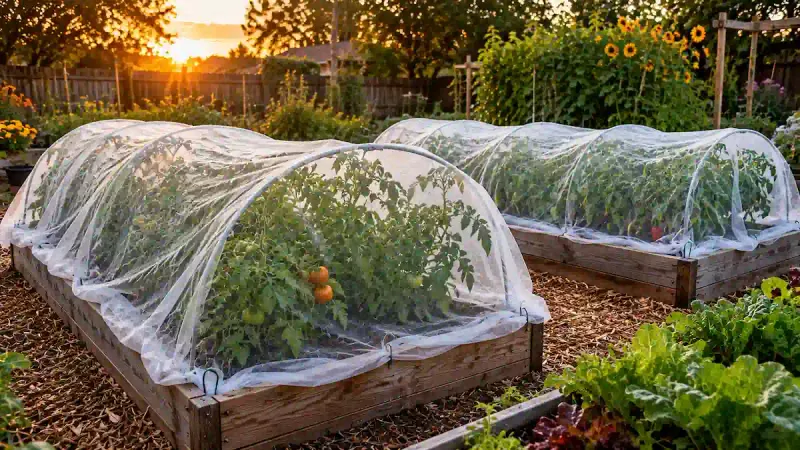
When the forecast warns of frost, a few quick moves can make a big difference.
The easiest trick for potted herbs and tropical plants is to bring them inside a garage, shed, or covered porch before nightfall.
A warm spot overnight protects those exposed roots. For plants growing in the ground, breathable covers are your best friend.
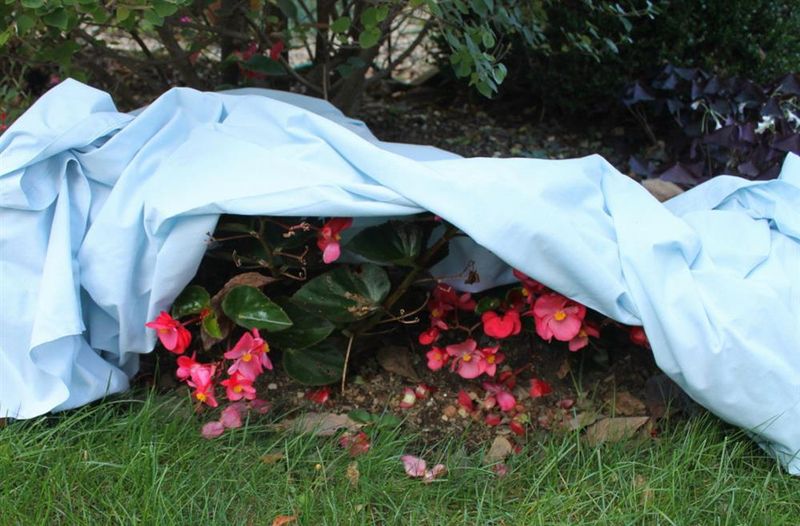
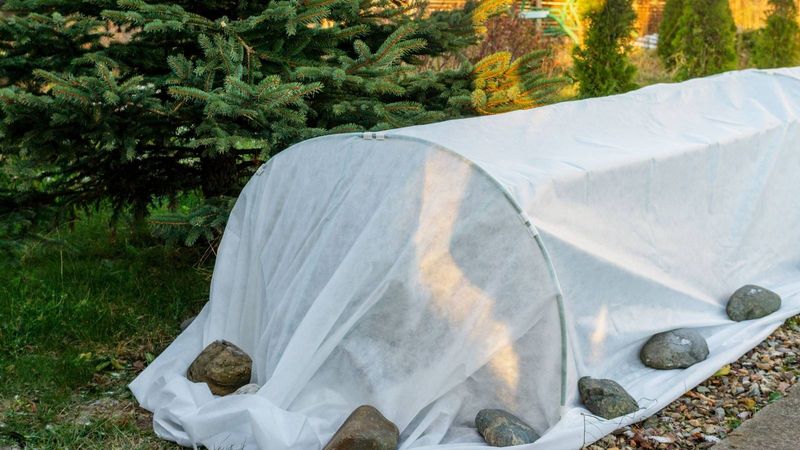
Bed sheets, light drop cloths, burlap, or garden row covers all work well.
Drape them loosely so they form a little tent, letting warmth from the soil rise up underneath.
Try to keep the fabric from pressing right against the leaves. A few stakes can prop up the cover over fragile plants and keep it from squashing them.
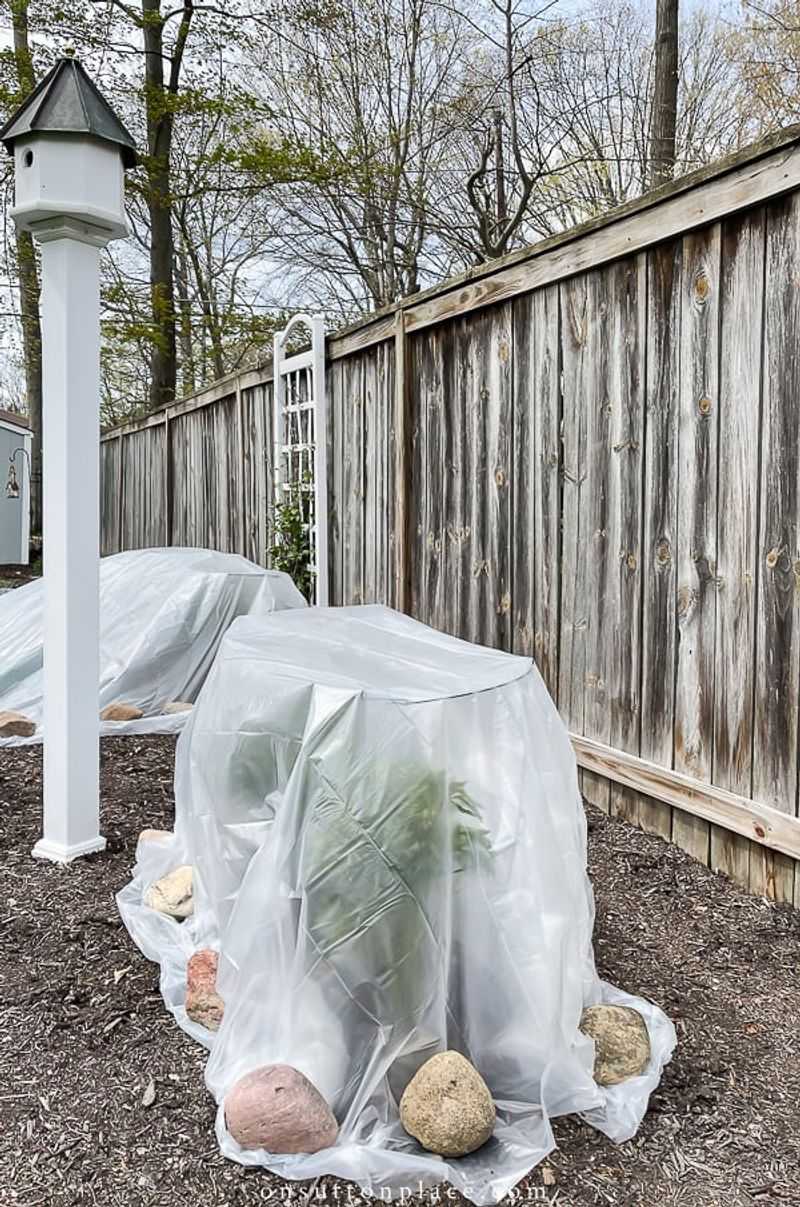
Avoid letting plastic rest directly on plant leaves. When plastic touches foliage, it can transfer cold more easily and increase the risk of damage.
If used properly with support above the plants, plastic coverings can still provide protection.
One surprising tip is to water the soil in the afternoon before a frosty night.
Damp soil holds heat during the day and slowly releases it after dark, wrapping your plants in gentle warmth. Just skip this step around succulents, since they don’t like soggy feet.
These small actions, done the evening before a cold night, help your garden shrug off the chill and keep growing strong.
4. Using Mulch And Smart Watering For Warmth
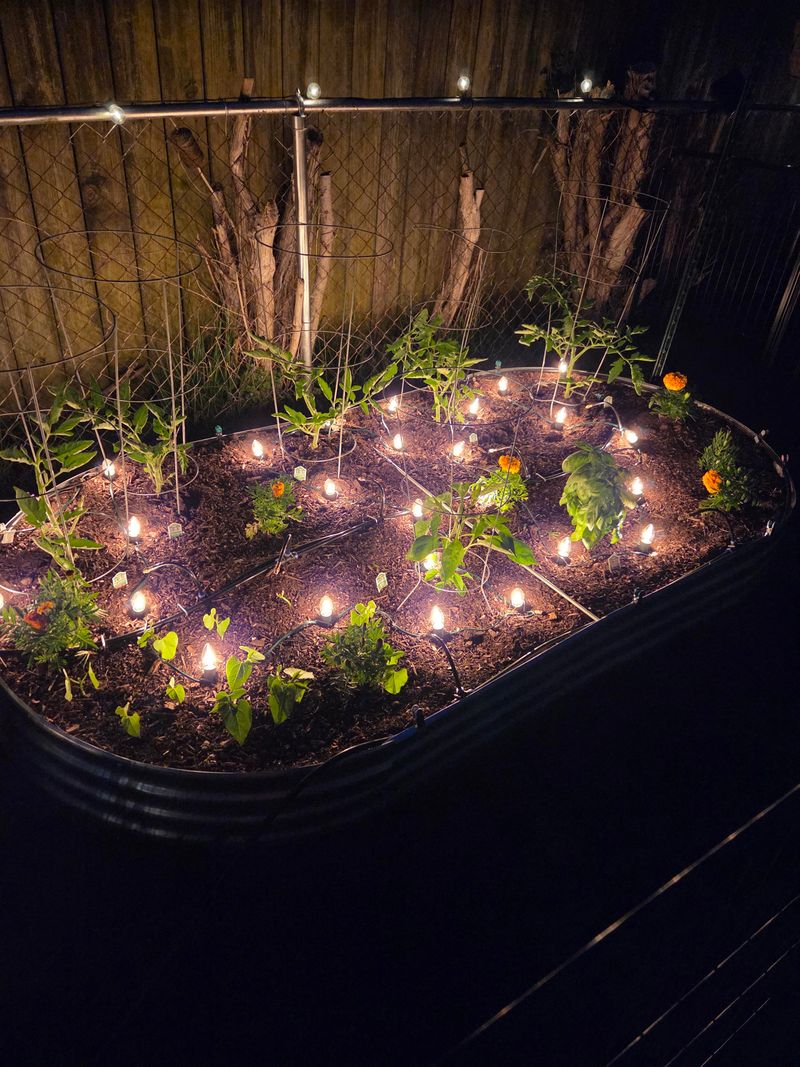
Mulch might be the quiet hero of fall gardening in Ohio.
Spreading a two to three inch layer of organic mulch, like shredded bark or compost, around the base of plants adds a cozy blanket for the roots.
It keeps the soil temperature steady when the weather bounces up and down. Our winters bring freeze-and-thaw cycles that can push roots right out of the ground.
A good mulch layer helps stop that from happening and protects delicate root systems all season.
Mulch also locks in soil moisture, and that matters more than you might think.
Water acts like a natural insulator, holding warmth and helping the soil stay a little cozier overnight.
For perennials that fade back in cold weather, a thick layer of woodchips gives extra insulation. Watering is the second half of this teamwork.
Giving your plants a drink in the afternoon before a predicted frost lets the earth soak up heat all day.
Then, as temperatures fall, that stored warmth slowly rises and buffers the plants against the cold.
This trick works especially well on clear, calm nights, which is exactly when frost is most likely to settle across Ohio.
Combine mulch and thoughtful watering, and you’ve built a simple, natural defense system for your garden.
5. Getting Ahead With Long-Term Fall Prep
Some of the best frost protection happens weeks before the cold ever arrives. Around four to six weeks before your area’s first frost date, stop fertilizing perennials and shrubs.
This lets them harden off naturally instead of pushing out tender new growth that cold air would quickly harm.
Gardeners in the state who grow tender bulbs like dahlias, cannas, or gladiolus have a special task.
Just after the first light frost is the perfect moment to dig those bulbs up. Once you’ve lifted them, let them dry out completely.
Then tuck them away in a cool, dark spot, nestled in dry sawdust or peat moss, so they stay healthy until spring planting.
Evergreens need a little thought too. Harsh winter winds can cause something called winter burn, which dries out their foliage.
An anti-desiccant spray or a simple windbreak can shield them from Ohio’s dry, windy winter days.
These sprays cut down on moisture loss, keeping evergreen needles greener and healthier through the season.
By weaving these steps into your fall routine, you set your garden up for a strong comeback next year.
A little effort in September and October pays off with a tougher, more colorful garden when warm weather returns.
6. Knowing Frost, Freeze, And Hard Freeze
Weather reports throw around words like frost, freeze, and hard freeze, and each one means something different.
Understanding them helps you decide how much protection your plants really need.
A light frost forms when temperatures near the plant surface drop enough for ice crystals to develop on leaves and other surfaces. This can sometimes happen even when the official air temperature is slightly above 32°F.
That’s often enough to end the season for tender annuals and warm-season veggies like tomatoes. A freeze happens when temperatures drop to 32°F or below.
This one is tougher on a wider range of plants and can even affect outdoor plumbing if you’re not ready.
The most serious level is a hard freeze, which arrives at 28°F and colder.
A hard freeze can harm even sturdy plants and usually marks the point when most fall crops stop producing, except the toughest cold lovers.
Weather advisories match these levels too.
A Frost Advisory may be issued when temperatures near the freezing mark are expected under conditions that allow frost to form, such as clear skies and calm winds. Exact criteria can vary by location.
A Freeze Watch or Freeze Warning means temperatures at or below 32°F are likely.
Also worth remembering: your own yard has microclimates.
Low spots collect cold air and frost earlier, while pavement and buildings create warmer pockets.
Ohio spans several USDA hardiness zones, with most areas falling in Zones 5 and 6 and some warmer locations reaching Zone 7. Knowing your local conditions helps you protect your plants at just the right time.
7. What To Do After A Frost Hits Your Garden
A frost can look worse than it really is, so the first step is patience. After a cold night, avoid rushing to cut back damaged leaves right away.
Those wilted or darkened parts may still help protect the healthier tissue underneath as the plant recovers.
Wait until temperatures warm up and you can clearly see which areas are truly damaged. Once the danger of additional frost has passed, remove deceased leaves and stems to keep the plant clean and encourage fresh growth.
Some plants bounce back surprisingly well after a light frost. Perennials, cool-season vegetables, and established plants often recover once warmer days return.
Even if the leaves look damaged, the roots may still be healthy and ready to support new growth.
For containers and tropical plants, bring them back into their usual growing conditions slowly. Sudden changes in temperature, light, and moisture can create extra stress while they’re trying to recover.
A little care after a frost can make the difference between losing a plant and helping it return stronger in the weeks ahead.
8. Planning Ahead For A Stronger Fall Garden Next Year

The easiest frost protection plan starts long before the first cold night arrives. Keeping notes about when frost hits your yard, which plants struggled, and what protection worked best can make future seasons much easier.
Choosing plants suited to your Ohio growing zone is another smart step. Hardy perennials, cold-tolerant vegetables, and well-established shrubs are more likely to handle temperature swings without extra help.
You can also improve your garden’s natural protection by placing sensitive plants near warmer spots, such as south-facing walls or sheltered areas protected from strong winds. Avoid planting frost-sensitive crops in low spots where cold air settles overnight.
Fall is also a good time to prepare soil, refresh mulch, and organize covers and supplies before you actually need them. Having everything ready means you can protect your plants quickly when the forecast changes.
With a little planning each year, frost becomes less of a surprise and more of a normal part of caring for an Ohio garden.