What Heavy Late-Season Storms Mean For Your Pennsylvania Garden Beds
The morning after, everything looks fine.
Plants are standing. Leaves are green. The rain gauge shows three inches and the beds seem to have handled it.
Give it a week.
That’s when the real damage announces itself, and by then most of the useful window has closed.
Something happens underground during a heavy Pennsylvania storm that has nothing to do with what you can see from the patio. Roots stop doing their job for reasons that have nothing to do with thirst.
Meanwhile, the storm quietly rearranged things. Mulch moved. Topsoil left. Water carved a path it will use again next time.
Here’s the part that catches experienced gardeners. The most common response to post storm symptoms makes the situation worse, and it feels like the responsible thing to do.
Timing matters more than effort this week. Certain jobs need to happen soon. Others cause harm if you do them too early.
Knowing which is which turns a rough storm into a minor inconvenience.
So what should you check, what should you wait on, and what should you skip entirely?
1. Check For Waterlogged Soil After Heavy Rain
After a pounding storm, beds can look calm while trouble sits below the surface.
Pennsylvania soils, especially heavier clay blends, may stay saturated for days. Roots end up short on oxygen rather than short on water.
That shortage explains a confusing symptom. Plants droop, leaves wilt, and stems look tired even though the ground is soaked.
Testing works better than guessing. Press a trowel in and lift a small slice, checking whether it smells sour, feels sticky, or forms a shiny smear.
Puddles lasting more than a day point to a drainage problem worth tracking.
Hold off on digging, weeding, and planting until the soil crumbles instead of clumping. Working wet soil compresses air pockets and creates hard layers that resist future rain.
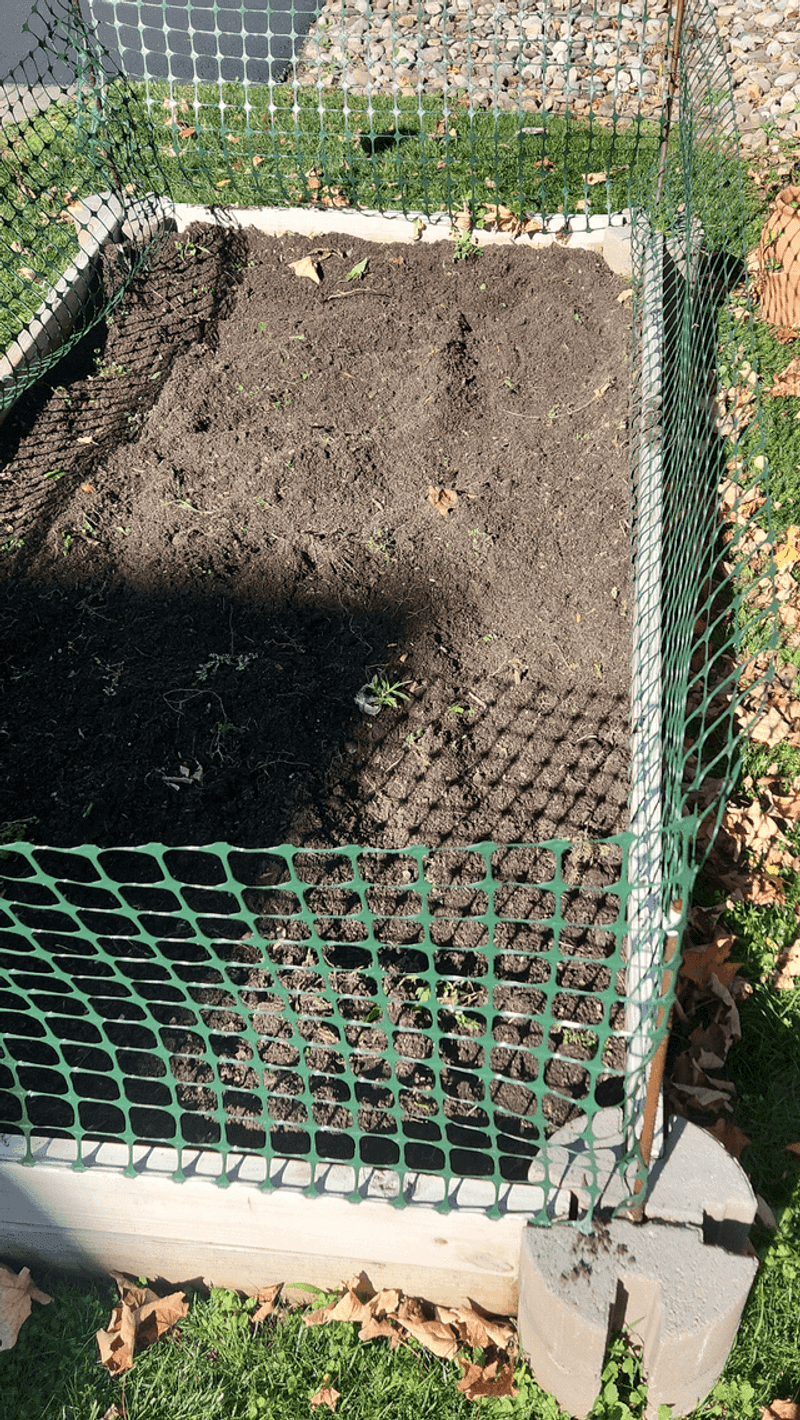
Raised beds should drain faster. Standing water there suggests blocked edges, compacted soil, or too much fine compost in the mix.
Once conditions improve, loosen only the top inch with a hand fork and add shredded leaves or compost.
Repeat flooding calls for a different response than repair. Shifting moisture sensitive plants elsewhere beats fighting the same spot annually.
A rain gauge and a few notes after storms reveal patterns fast. Cheaper than replacing the same plants every October.
2. Clear Damaged Plant Material Quickly
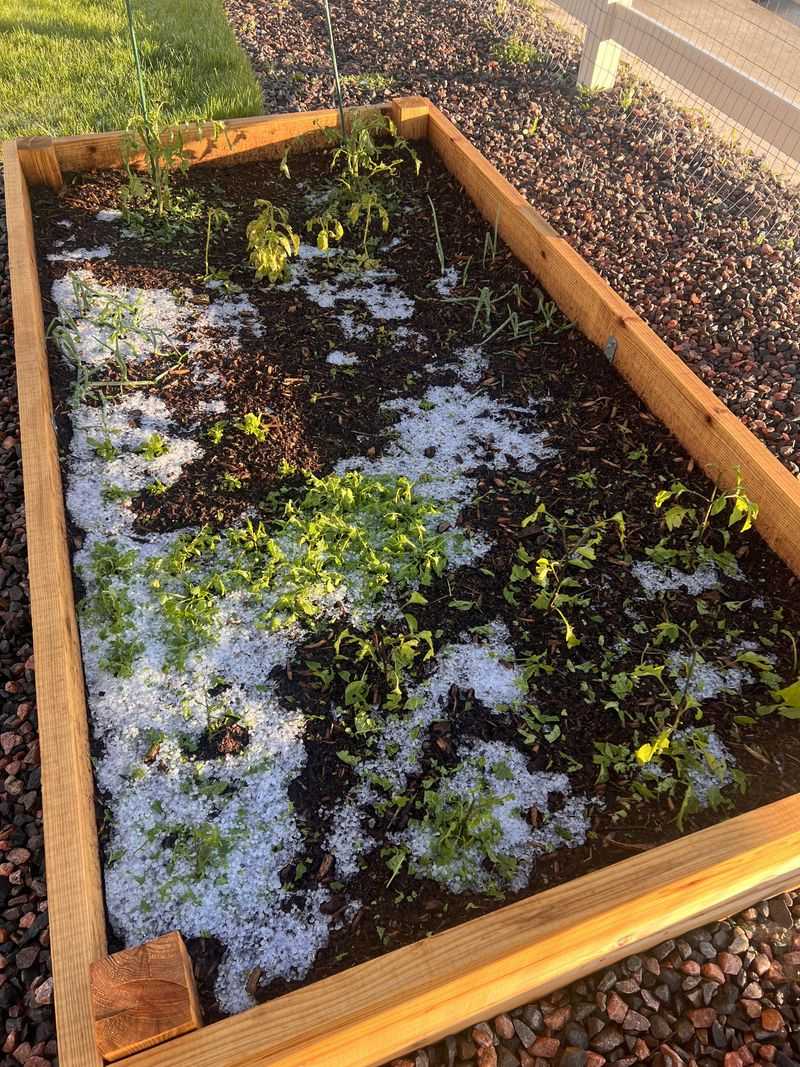
Broken stems and shredded leaves make a bed look rough overnight. Cleanup accomplishes more than appearance.
Storm damaged plant material traps moisture, shades crowns, and blocks airflow around healthy growth.
That damp crowded pocket is where leaf spots, mold, and rot tend to start after several gray days.
Begin with clean pruners on anything bent, split, or lying flat on wet soil. Cut just above a healthy leaf node or back to sound tissue.
Restraint applies to plants still carrying plenty of green growth. Those leaves are producing energy the plant needs for recovery.
Rake out slimy annual petals, fallen vegetables, and mulch clumped against plant bases.
Your Pennsylvania Garden Changes Every Week. Your Plan Should Too.
Gardening in Pennsylvania changes quickly throughout the season. Every Friday you’ll receive a simple weekly plan showing exactly what to plant, prune, fertilize, harvest, and protect so you never miss the right timing.
Suspected disease changes the disposal plan. Bag that material rather than adding it to a home compost pile, since backyard piles rarely reach temperatures that reliably kill pathogens.
Dense zinnia, tomato, and phlox plantings tend to cause the most trouble. Air moves poorly through them even in good weather.
Sturdy stems deserve a few sunny days before you judge them. Flattened plants sometimes recover once roots dry and temperatures settle.
Finish by spacing containers, thinning crowded patches, and washing tools with soapy water. The beds breathe again, and next time damage is easier to spot.
3. Inspect Mulch After Storm Washouts
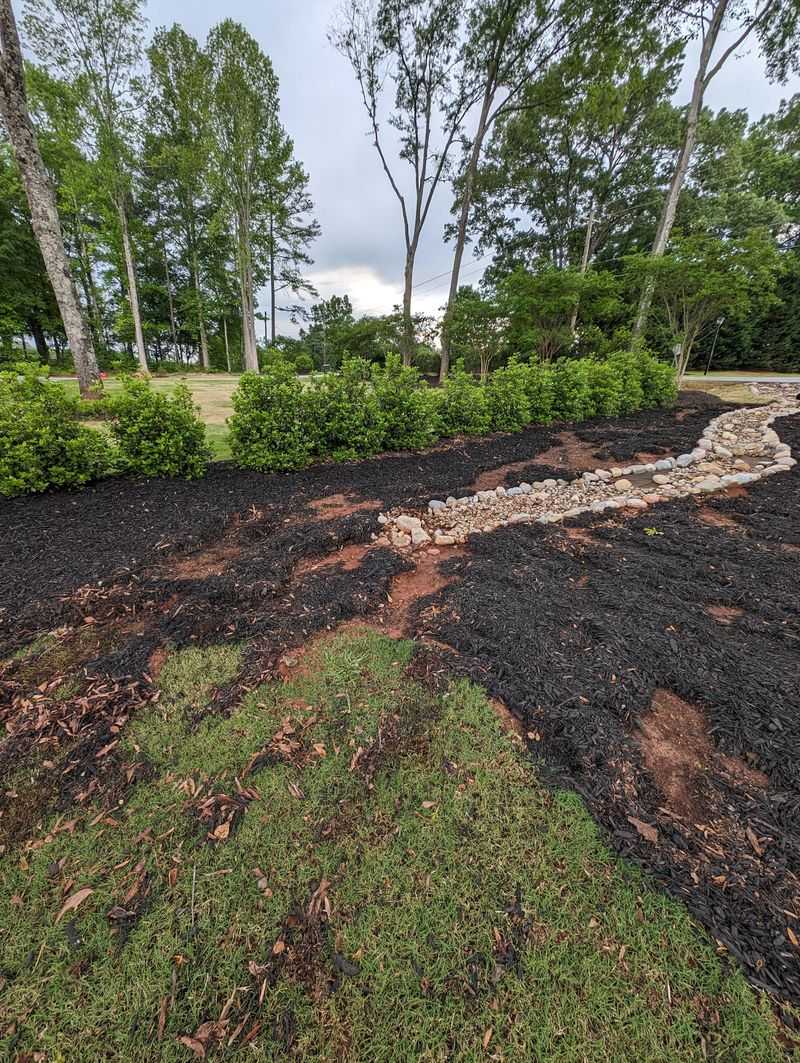
Mulch has a talent for relocating when hard rain runs across a bed.
Neatly spread one morning, piled against stems or washed into the lawn the next. Sloped Pennsylvania gardens see this constantly.
Bare soil left behind faces crusting, splashing, and faster moisture loss once the sun returns.
Start with the crowns. Material matted around stems and trunks holds moisture where it causes stem problems.
Pull it back to leave breathing space, then smooth the rest into an even layer two to three inches deep.
Soil color underneath tells you something. Exposed roots, low spots, and small channels all indicate topsoil left with the mulch.
Fix the water path before adding fresh material. Replacing bark without correcting flow just funds the next washout.
Material choice affects staying power. Shredded leaves, pine fines, and wood chips generally hold better than light bark nuggets in wet windy conditions.
Edging, small berms, and low groundcovers all help anchor loose mulch.
Freeze thaw cycles later in the season add another test. Consistent mulch depth also buffers those swings, which matters for shallow rooted perennials.
A quick mulch check after every big rain takes five minutes and protects soil you cannot easily replace.
4. Watch For Fungal Problems After Wet Weather
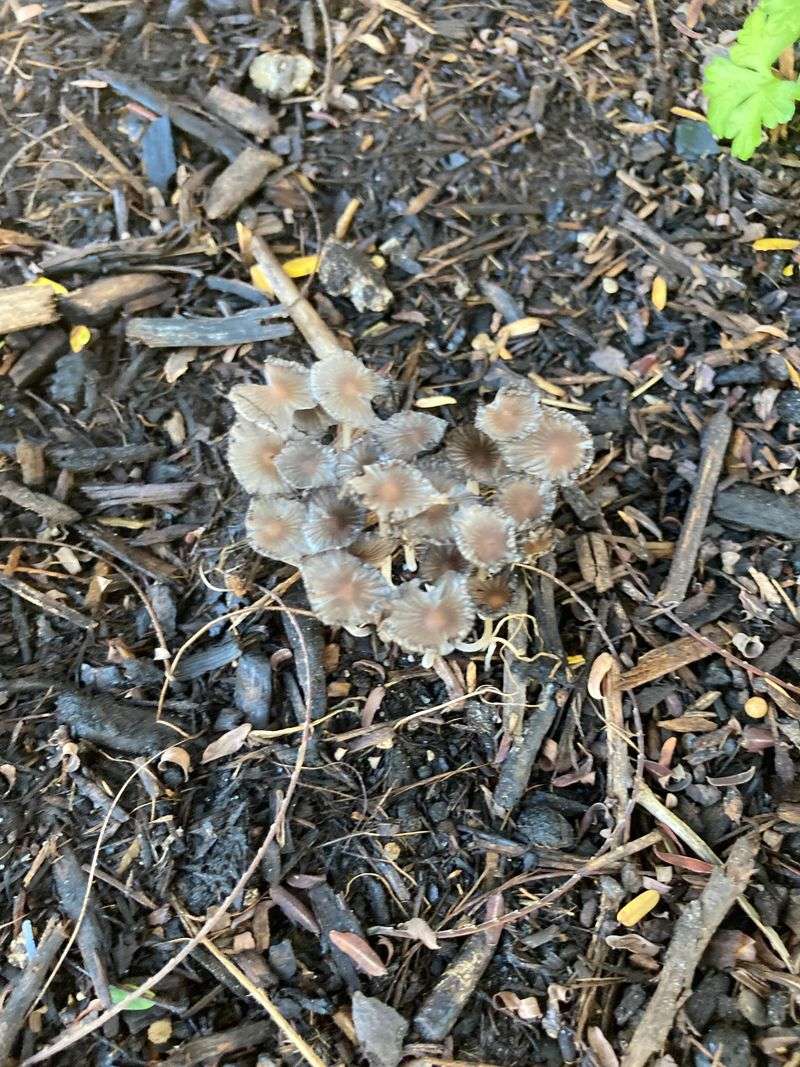
The worst storm consequence sometimes waits a week to appear.
Warm days, cool nights, and soaked foliage give fungal issues comfortable conditions, particularly in crowded beds.
Powdery patches, black spots, mushy stems, and fuzzy growth all show up after late summer rain lingers.
A slow walk with morning coffee catches trouble early. Look under leaves, around lower stems, and into the centers of dense plants where air barely moves.
Tomatoes, bee balm, phlox, squash, and roses come up most often. Any plant stressed by repeated wet weather deserves a look.
Watering habits matter once beds dry. Apply water at the soil line and skip evening irrigation so foliage does not stay wet overnight.
Remove badly spotted leaves without stripping plants bare. Sanitation, spacing, and resistant varieties generally outperform reactive spraying.
Product choice requires matching the treatment to the actual problem. Damaged tissue rarely recovers, so most fungicides work preventively rather than curatively.
Correct identification comes first. Bacterial problems produce similar looking spots and do not respond to fungicides at all.
Pruning for airflow, clearing fallen leaves, and giving plants room all reduce moisture buildup.
A dry stretch after cleanup helps enormously. Resist filling gaps with replacement plants right away and let the bed recover instead.
5. Support Bent Plants Before Damage Gets Worse
A plant leaning hard after wind and rain needs support rather than a quick pull upright.
Late season stems often carry heavy blooms, seed heads, or vegetables. That weight makes bending progressively worse.
Waiting too long risks splitting the base, abrading leaves, or leaving fruit resting in mud.
Assess the damage first. Check whether the stem is bent, cracked, or partly uprooted on one side.
Gentle bends usually support well. Badly split stems often need pruning back to healthy growth instead.
Tie material matters. Soft ties, cloth strips, or garden tape work, while thin wire cuts into stems as they swell.
Stakes go a few inches out from the root zone, pushed in carefully to avoid slicing roots. Loose loops hold plants steady without pinching.
Floppy perennials do better with a ring support or several short stakes around the clump. Pressure spreads more evenly that way.
Root damage deserves attention too. A plant rocked loose in wet soil may have torn roots, so firming the soil gently around the base helps.
Light cleanup reduces stress while the plant recovers.
Sometimes harvesting mature vegetables early is the smartest option. The plant stops supporting fruit weight and focuses on staying upright, which beats losing the whole stem.
6. Refresh Soil In Areas Hit By Runoff
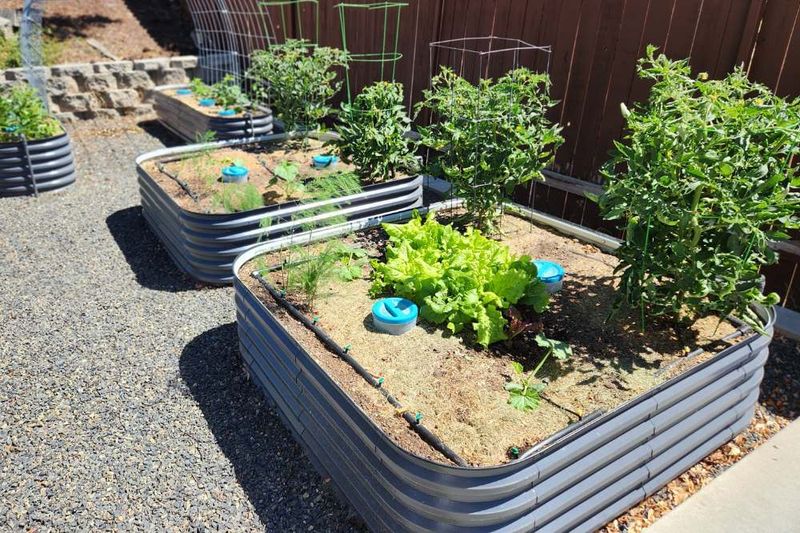
A single storm can rearrange an entire bed.
Water rushing off roofs, driveways, and compacted lawns strips fine soil particles first. What remains is crusty surface, pebbles, and exposed roots.
Plants may still be standing while the bed has lost the layer that supported them.
Inspect once the area dries enough to work. Look for ruts, channels, and places where water clearly changed direction.
Fill shallow cuts with compost and quality topsoil, then level by hand. Exposed roots need light covering and just enough water to settle the repair.
Nutrient loss is likely, though heavy feeding is the wrong first move.
Organic matter comes first. Compost rebuilds texture, supports soil life, and improves how Pennsylvania soils handle both downpours and the dry spells that follow.
Look upslope, since fixing the source beats patching damage repeatedly. Downspout extensions, swales, edging, and small rain gardens all slow water before it reaches plants.
Local requirements sometimes apply to larger drainage changes, so a quick check with the township saves complications.
Mulch the reshaped bed evenly to hold the refreshed soil in place.
Photos after each storm are more useful than memory. Comparing the same spot over a few seasons shows exactly where to spend your effort.
7. Avoid Overreacting With Extra Fertilizer
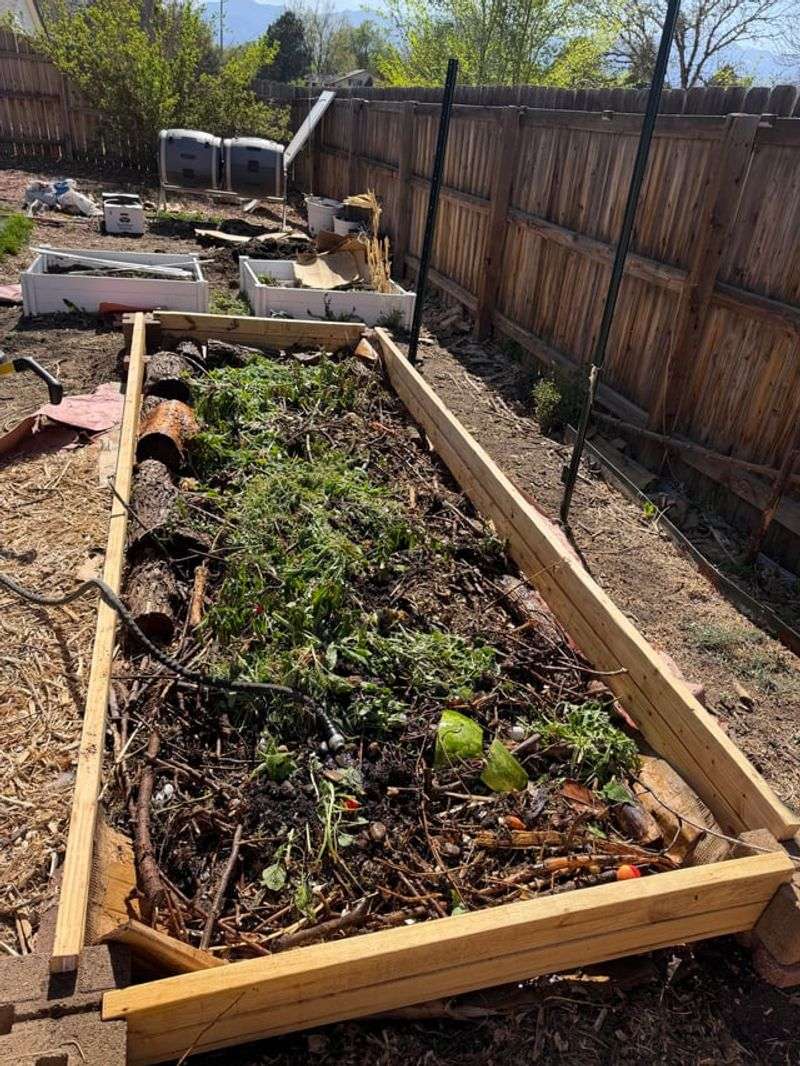
Yellowing after a storm sends plenty of gardeners straight to the fertilizer shelf.
That response usually backfires. Plants soaked by late season rain are dealing with low oxygen, damaged roots, and cooling temperatures rather than a nutrient shortage.
Feeding at the wrong moment pushes soft growth when the plant needs steady conditions and time.
Diagnosis comes before treatment. Check soil moisture a few inches down and look at the pattern across the whole bed.
Widespread limpness in wet ground points away from fertilizer entirely.
There’s a real mechanism worth knowing. Waterlogged soil can leach nitrogen and disrupt root uptake, so leaves may yellow even where nutrients exist.
Roots recovering from oxygen deprivation cannot take up much of anything until conditions improve. Adding product to that situation accomplishes little.
A soil test guides decisions better than guessing, particularly in established beds that may already hold plenty of phosphorus and potassium.
Penn State Extension handles residential samples through county offices, with current fees worth checking before mailing.
Excess fertilizer produces weak fast growth, salt buildup, and wasted money as the season winds down.
If plants need support later, use a light balanced product once soils are no longer soggy. Compost topdressing offers a gentler option.
Patience is unglamorous and frequently correct.
8. Prepare Garden Beds For The Next Storm
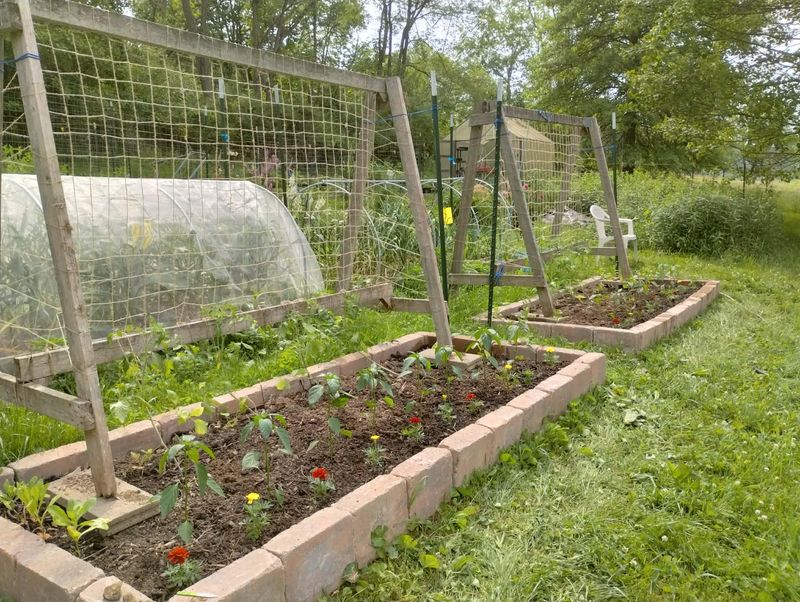
One rough storm counts as bad luck. Repeated washouts usually indicate a design problem.
Pennsylvania weather swings from humid downpours to dry spells, so beds need to handle both extremes.
Drainage basics come first. Clean gutters, extend downspouts away from planting areas, and note where puddles form after every storm.
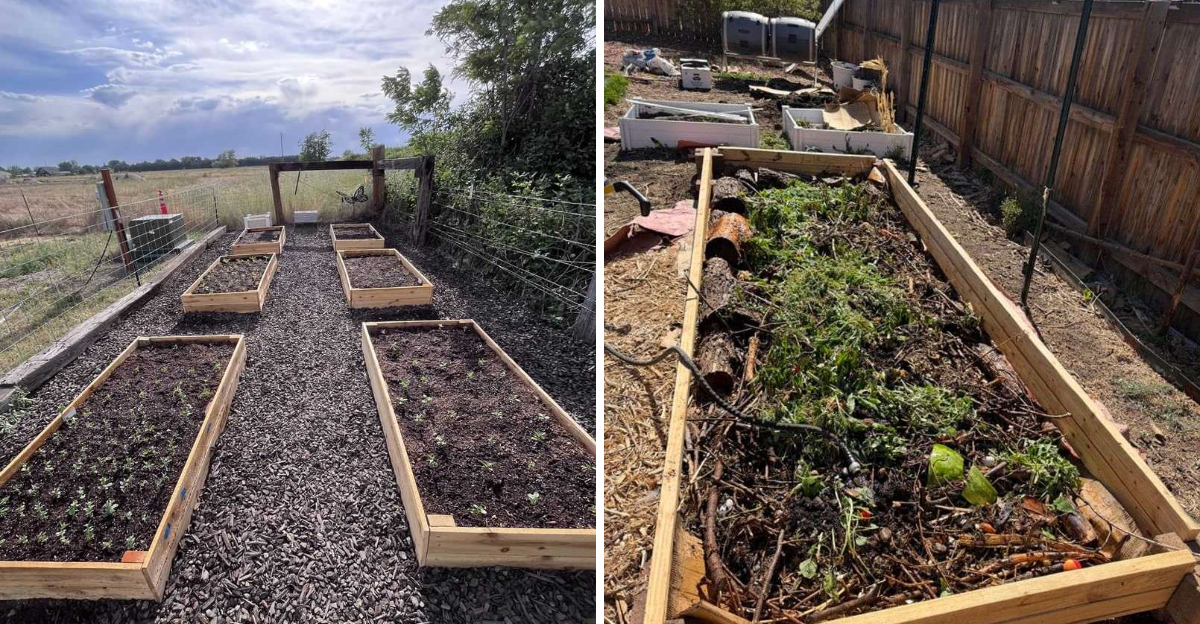
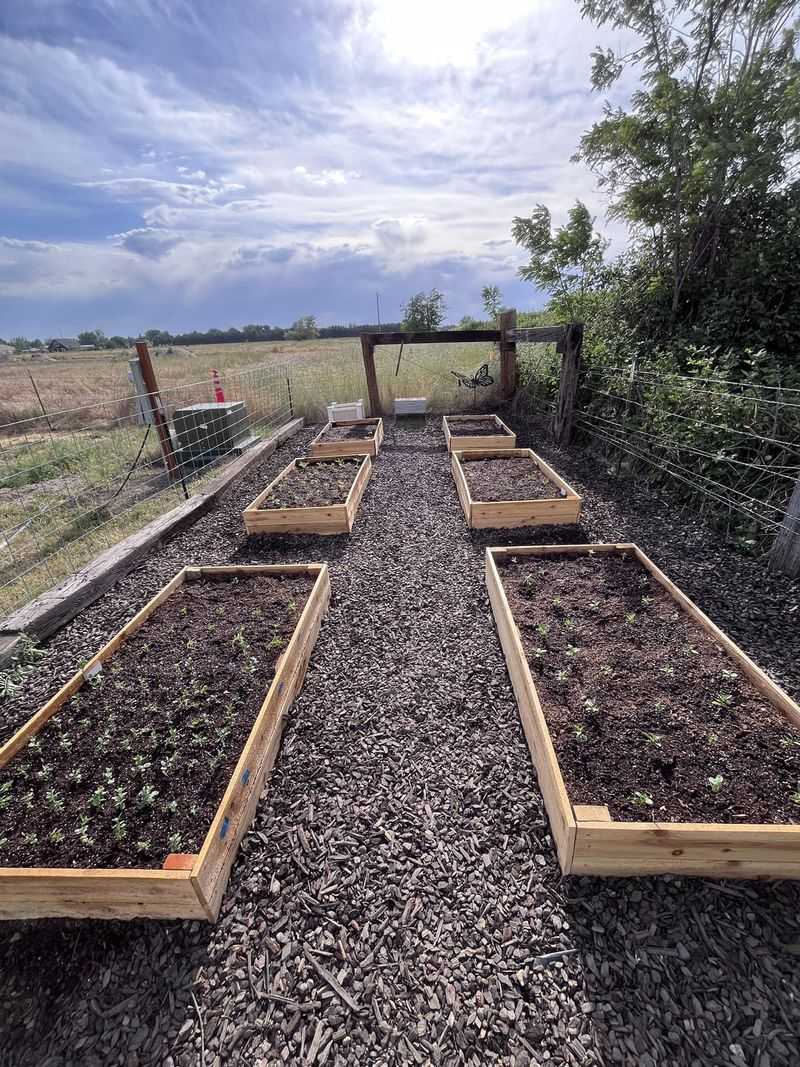
Vegetable plots benefit from raised rows or mounded planting areas that keep roots above saturated soil. Paths covered with chips or gravel let you work without compacting wet ground.
Plant selection carries as much weight as engineering. Moisture tolerant perennials suit low spots, while deep rooted natives help hold soil.
Matching plant to site beats fighting water with the wrong species year after year.
Long term improvement comes from compost, consistent mulch depth, and edging that slows water at bed margins.
Timing helps too. Fall is a reasonable season for structural work like regrading and drainage improvements, since beds are winding down anyway.
Cover crops in vegetable areas hold soil through winter storms and add organic matter come spring.
Small swales, rain barrels, and simple rain gardens all reduce runoff pressure across the yard.
A notebook with storm notes and trouble spots turns each season into information. The next storm still arrives, though your beds will meet it better prepared.