Check Your Mulch For These 8 Things Before You Plant Anything In Connecticut This Fall
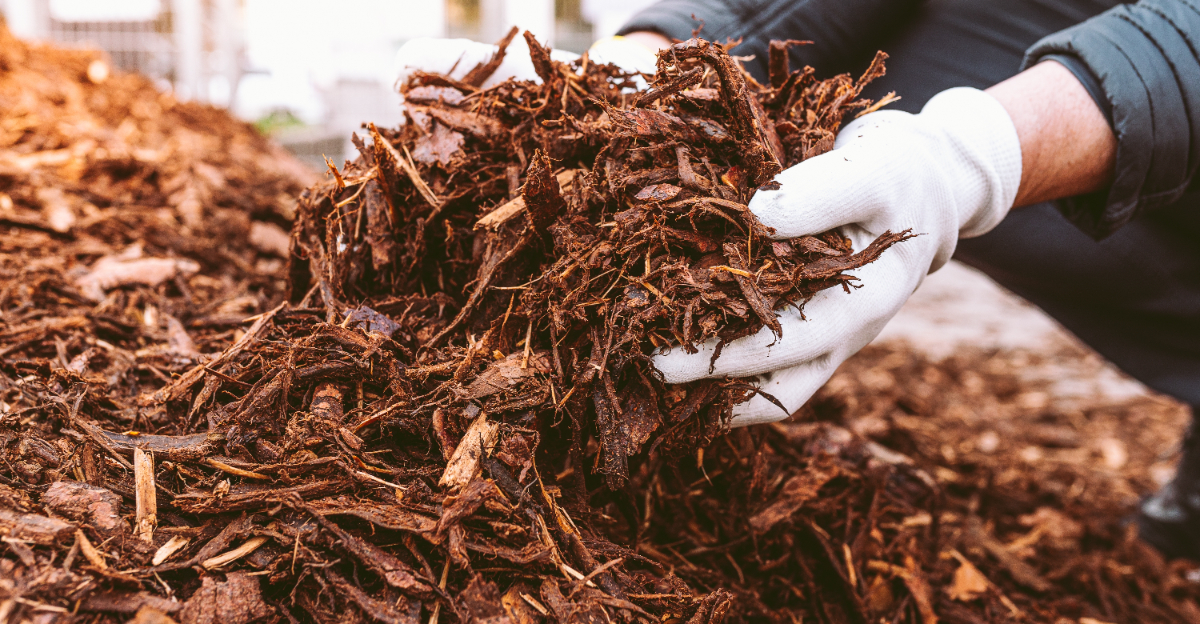
That bag of mulch leaning against your garage looks harmless enough. It smells like a forest floor after rain, and you are ready to spread it around every new plant you bought on clearance.
Hold on for a second. What is hiding inside that pile could quietly undo weeks of weekend work in your Connecticut yard.
Mulch is not just shredded wood. It can carry hitchhikers, chemicals, fungal surprises, and moisture problems that show up long after the leaves drop in Hartford or Hamden.
A five-minute check before you spread it can save you money, plants, and a whole lot of head scratching next spring. Grab a garden fork, dump a scoop on a tarp, and look closely at seven specific things worth catching early.
1. Sour Smell That Signals Fermented Mulch
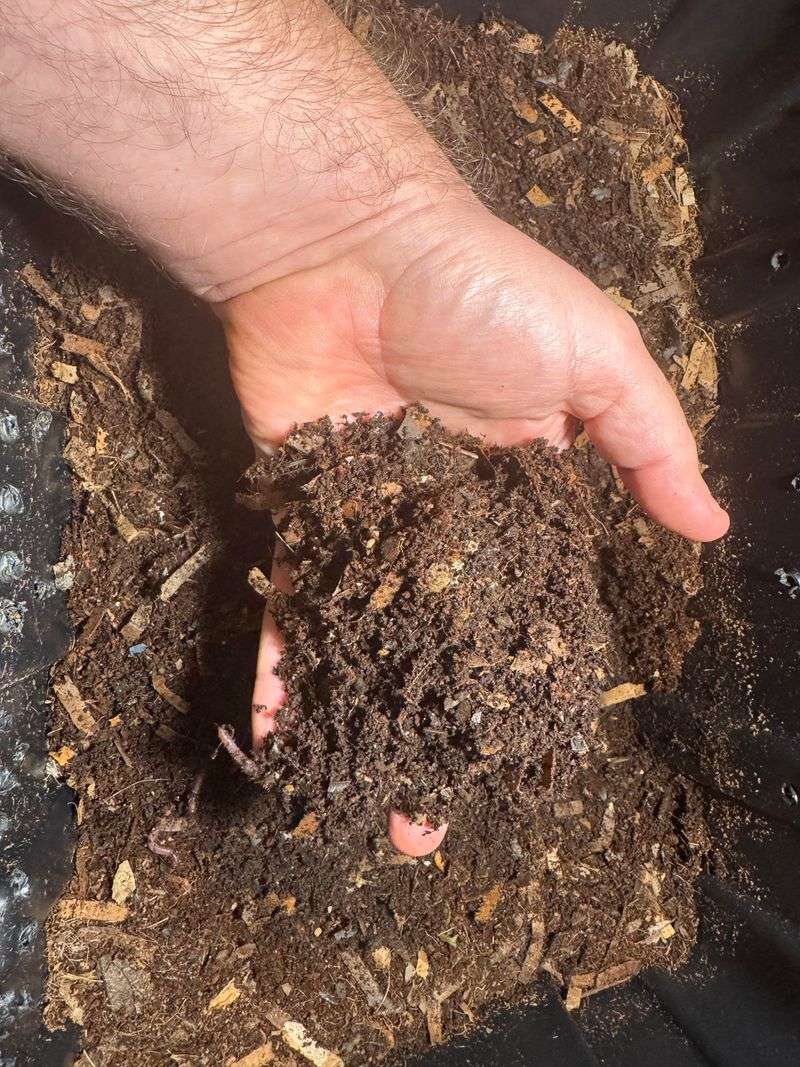
Good mulch smells like damp forest, mushrooms, or fresh sawdust. If it hits your nose like vinegar, silage, or sulfur, something went wrong in the pile before it ever reached your driveway.
When mulch sits in tall, wet heaps without oxygen, bacteria take over and produce acids, alcohol, and sometimes ammonia. Gardeners call the result sour mulch, and its pH can drop low enough to scorch tender leaves and stems.
The damage often shows up fast. Leaf edges turn yellow or brown within a day or two, and small annuals or new perennials look wilted even though the soil feels moist.
Connecticut garden centers move huge volumes of bulk mulch in spring, then the leftovers sit through summer heat. By September, those forgotten piles are prime candidates for going sour.
Fixing it is simple and free. Spread the suspect mulch in a thin layer on a tarp or bare driveway, turn it a few times over three or four days, and let air and rain rinse it out.
Once the smell shifts back to earthy, it is safe to use around plants. Water the mulch well after spreading, too, which helps dilute anything left behind.
One quick habit helps: sniff the pile before you load the truck. If your eyes water at the garden center, ask for material from a fresher batch instead of hauling home a problem.
2. Sneaky Jumping Worms Wriggling In The Pile
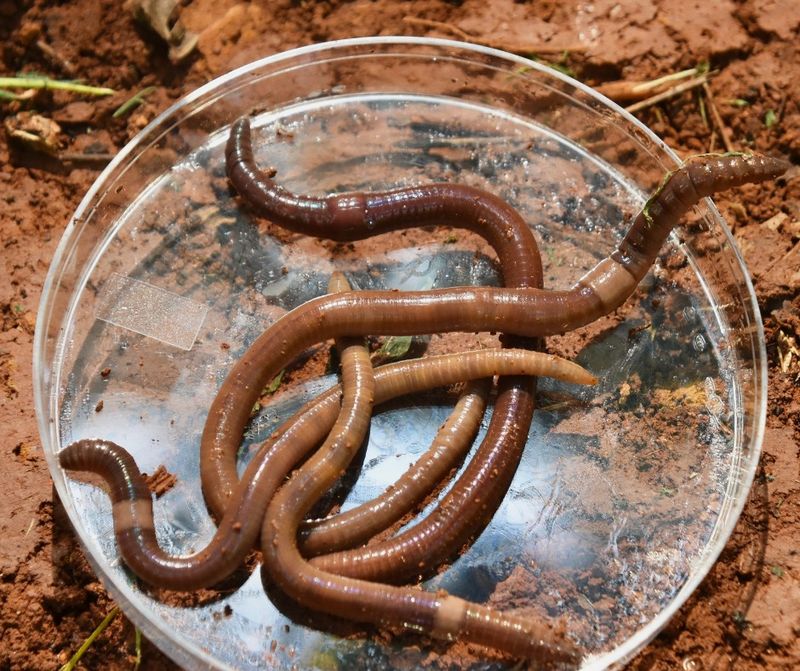
Connecticut has a newer garden intruder that thrashes like a snake when you touch it. Asian jumping worms, sometimes called crazy worms or snake worms, have spread across much of the state, and mulch is one of their favorite rides into new yards.
They look like earthworms at first glance, but the clue is the clitellum, that ring near the head. On jumping worms it is smooth, pale, and flush with the body rather than raised and pinkish.
Their appetite is the real trouble. They chew through leaf litter and organic matter so quickly that the soil surface turns into loose, grainy pellets resembling used coffee grounds.
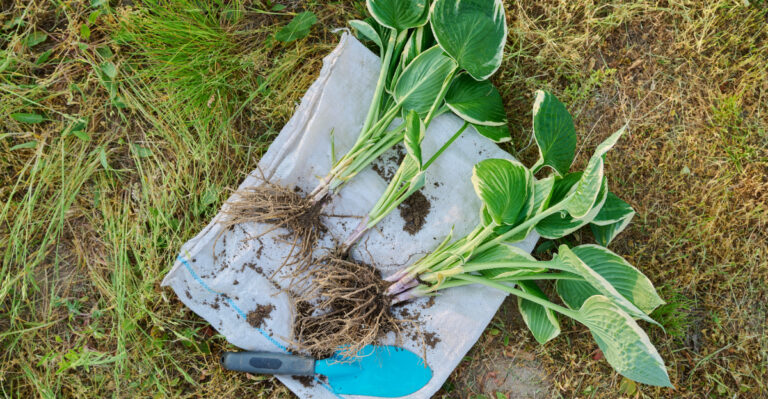
That crumbly layer holds water poorly and lets roots dry out, which stresses hostas, ferns, and shallow-rooted shrubs common in Connecticut shade gardens.
Check by scooping mulch onto a light-colored tarp and watching for movement. You can also pour a mustard solution, roughly one third cup of ground mustard seed per gallon of water, over a small patch to bring worms to the surface.
Your Connecticut Garden Changes Every Week. Your Plan Should Too.
Gardening in Connecticut changes quickly throughout the season. Every Friday you’ll receive a simple weekly plan showing exactly what to plant, prune, fertilize, harvest, and protect so you never miss the right timing.
If you spot them, keep that mulch out of your beds. Solarizing works: seal the material in clear plastic in full sun until it reaches about 105 degrees for three days.
Also clean tools, boots, and tires before moving between properties. Their tiny cocoons travel in soil crumbs, and stopping the spread matters more than any single treatment.
3. Artillery Fungus Speckles Waiting To Shoot
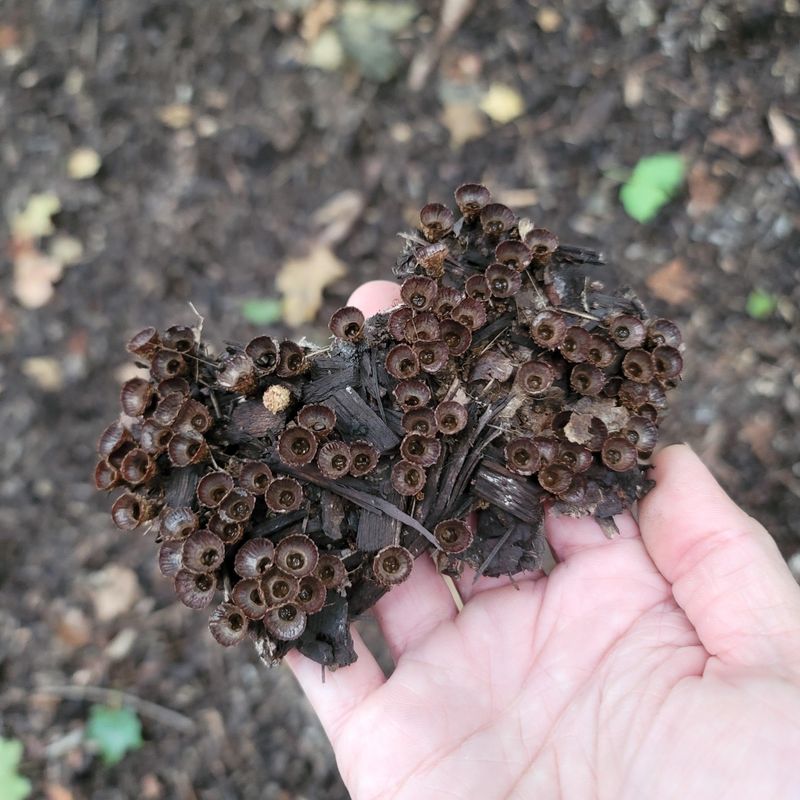
Homeowners in Fairfield County sometimes call painters about mysterious black dots on white siding, only to learn the mulch did it. Artillery fungus, a tiny cup-shaped fungus that grows on decaying wood, actually launches sticky spore packets several feet through the air.
Those specks glue themselves to siding, car paint, and windows with impressive stubbornness. Scraping them off often pulls up a bit of finish along with the dot.
Hardwood mulch that has been sitting damp for a long stretch is the usual host. Look for pinhead-size cream or tan cups on the surface, and check for existing black flecks on nearby fences or foundations.
Cool, moist Connecticut autumns give the fungus exactly the conditions it likes, so fall applications deserve a careful look before spreading.
Prevention beats cleanup. Pine bark nuggets, cedar, cypress, or large chunk mulches resist the fungus far better than finely shredded hardwood, and blending mulch with roughly forty percent composted material also reduces outbreaks.
Keep any wood mulch a few feet away from light-colored siding, and use stone or river rock in that narrow strip instead. Refreshing the top inch each year rather than piling on new layers helps too, since the fungus thrives in old, matted material.
If you already have spots, wash them promptly while they are fresh. Once the specks cure in the sun, removal becomes a long afternoon with a plastic scraper and plenty of patience.
4. Painted Or Dyed Wood Hiding Old Lumber
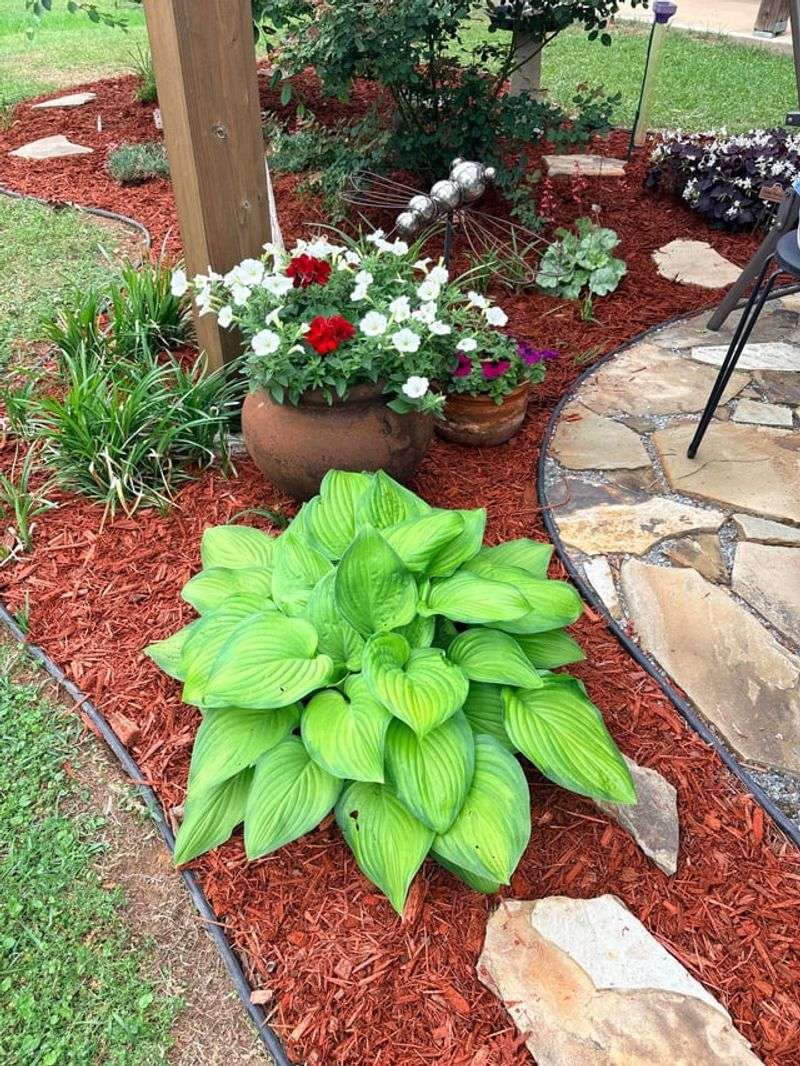
Bright red and jet black mulches catch the eye at the store, and the dye itself is usually harmless iron oxide or carbon. The bigger question is what got shredded underneath that color.
Some dyed products are made from recycled construction debris, pallets, and demolition wood. That can mean bits of paint, glue, treated lumber, or the occasional nail mixed into the bag.
Older pressure-treated wood contained chromated copper arsenate, and grinding it into landscape mulch is not something you want near a vegetable bed. Painted scraps from pre-1978 houses can also carry lead.
Spread a shovelful on concrete and hunt for flat, milled edges, drilled holes, straight corners, and metal glints. Natural bark and tree-trimming mulch looks irregular, fibrous, and clearly plant-shaped.
Dyed mulch also drinks nitrogen as it breaks down, since much of it is raw wood rather than bark. Seedlings and young perennials planted straight into it can look pale and stunted by late fall.
For ornamental beds far from food crops, a reputable dyed product is generally fine. For anything you plan to eat, or in play areas where kids and dogs dig, stick with undyed bark, pine straw, leaf mold, or arborist wood chips.
Connecticut has plenty of tree services happy to drop free chips, and many towns offer municipal leaf compost. Both options tell you exactly what you are putting on your soil, which is worth more than a bold color.
5. Weed Seeds And Sprouts Already Getting Started
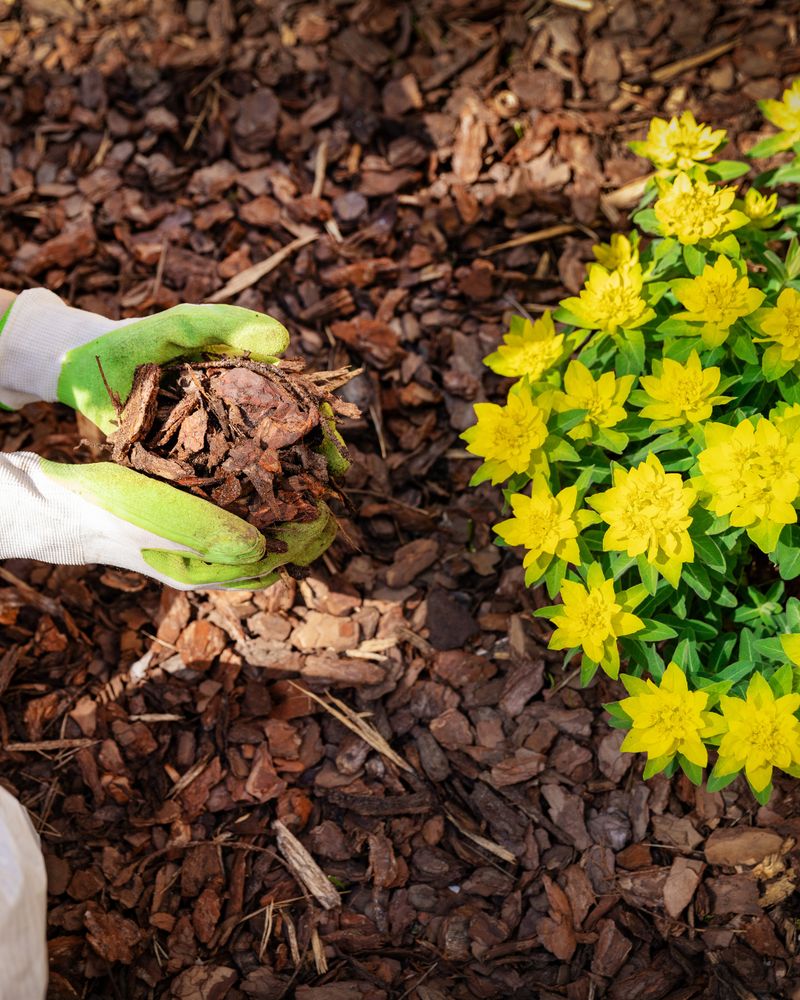
Nothing stings quite like laying fresh mulch to smother weeds and then watching a green fuzz appear across it two weeks later. Mulch that was never properly composted often arrives loaded with viable seeds.
Poorly managed piles do not reach the internal temperatures needed to cook seeds, roughly 130 to 150 degrees for several days. Piles stored outdoors also catch airborne seed from surrounding weeds all summer long.
Give the delivered material a walk-around. Green sprouts on top, mats of fine roots, or fragments of bindweed and mugwort stem are all warning signs, especially since mugwort spreads from the smallest root piece.
Connecticut yards battle plenty of aggressive spreaders, including Japanese stiltgrass, garlic mustard, and creeping Charlie. Importing a fresh batch of their seed is a headache that lasts for years.
If the mulch is otherwise good, you can still use it. Pile it and let it heat up again, turning once or twice, or lay a few sheets of unwaxed cardboard down first so anything that germinates has nowhere to root.
Depth matters as well. Two to three inches blocks most weed seed light, while a thin scattering acts more like a seedbed than a barrier.
Ask suppliers whether their product is composted or simply ground and stockpiled. A straightforward answer usually tells you a lot about how carefully the rest of the operation is run.
6. White Fungal Webbing And Matted Crusts
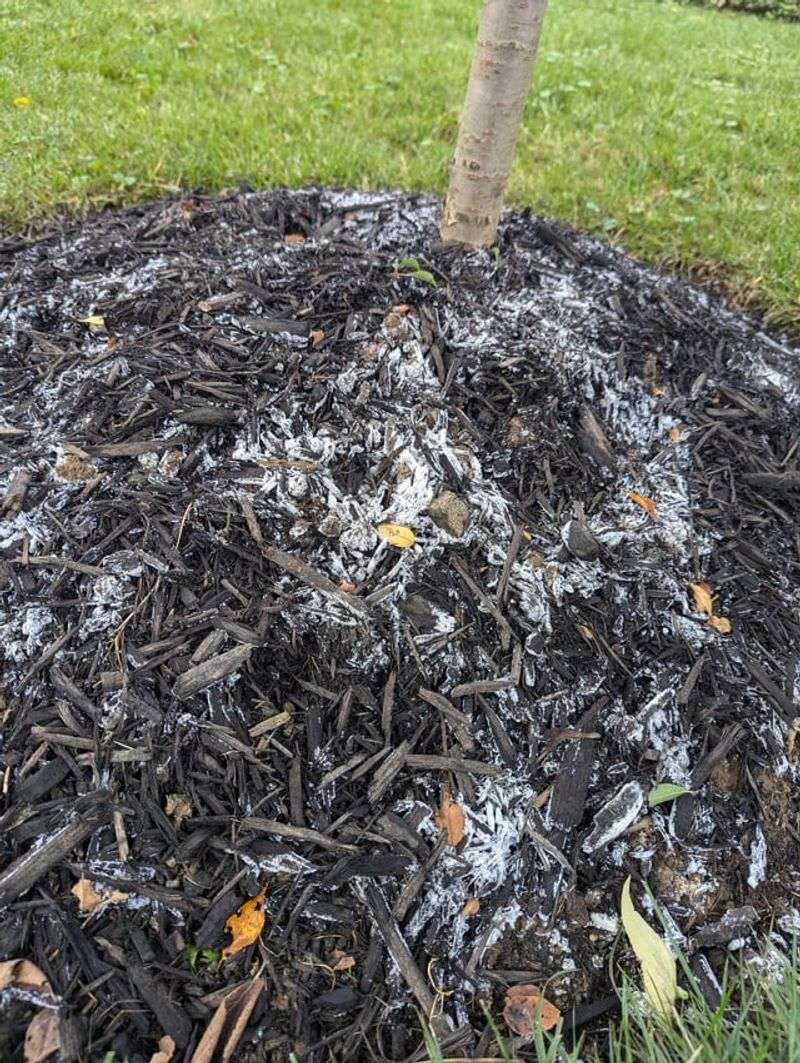
Pull apart a mulch pile and you will often find white threads running through it like spider silk. Most of that is harmless mycelium doing the honest work of decomposition, and it feeds your soil.
The part worth watching is when mulch dries into a hard, gray, water-repellent crust. Landscapers sometimes call it hydrophobic mulch, and it sheds rain sideways instead of letting it soak down to the roots.
Newly planted shrubs suffer most. You water faithfully, the surface looks damp, and the root ball underneath stays bone dry through Connecticut’s often rain-light autumn stretches.
Test it by pouring a cup of water on a suspicious patch. Beading water that runs off means the layer needs breaking up with a rake or cultivating fork before you plant.
Look also for slime molds, which show up as bright yellow or orange blobs, and for stinkhorns, which smell awful for a day. Neither harms plants, though both tell you the pile is holding a lot of moisture.
Keep mulch loose and fluffed rather than compacted, and skip piling it against trunks where crusting and rot are worst. Two to three inches, pulled back a few inches from stems, keeps air moving.
A light raking each fall breaks up old layers and lets water through again. Ten minutes with a rake beats replacing a struggling hydrangea next June.
7. Insect Hitchhikers Like Ants, Termites And Beetles
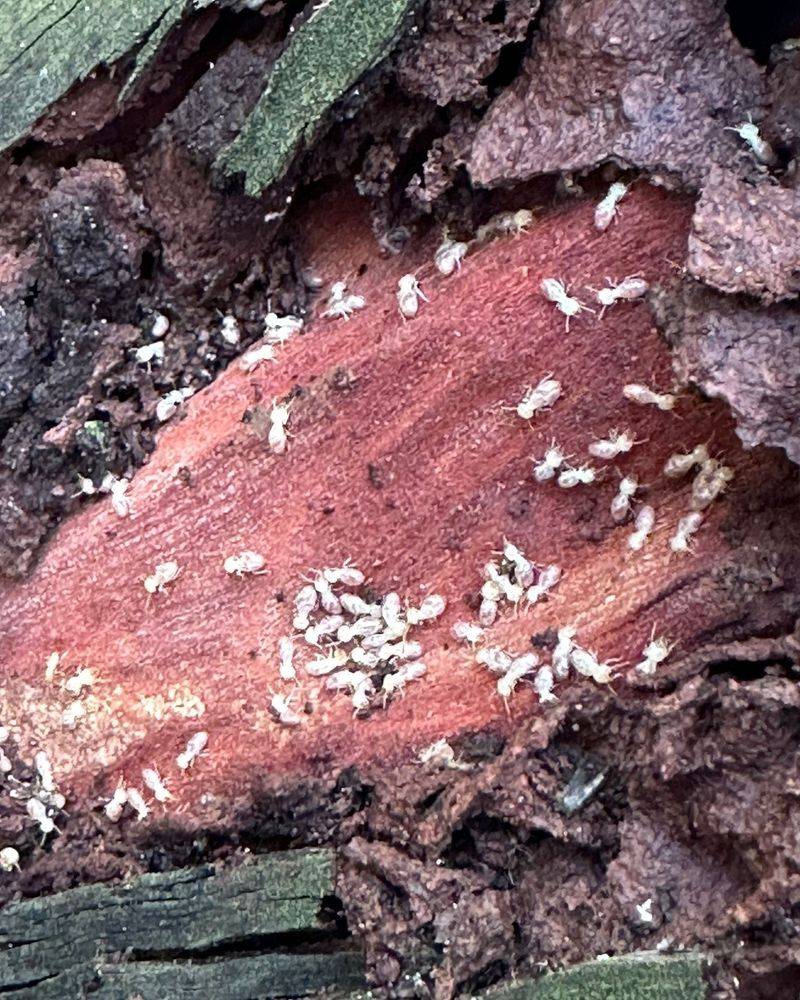
Warm, damp, and full of rotting wood, a mulch pile is basically an insect resort. Most residents are harmless recyclers, but a few deserve a closer look before you shovel them next to your foundation.
Carpenter ants and termites both favor decaying wood, and bulk mulch stored on bare ground can pick them up. Mulch does not create an infestation on its own, though piling it deep against siding gives insects a sheltered bridge indoors.
Sift a scoop and watch for fast-moving large black ants, pale soft-bodied insects, mud-like tubes, or C-shaped grubs. Spotted lanternfly egg masses, which look like smears of gray putty, have also turned up in Connecticut and can ride along on wood.
Keep a mulch-free gap of six inches or so between beds and your home’s siding, and cap depth at three inches. Gravel or a simple metal edging in that strip works nicely.
Store extra mulch on a tarp rather than directly on soil, and use it within a few weeks. Long-term piles beside the garage are the ones that become insect neighborhoods.
Bark from local arborists is generally low risk, and heat-treated or composted products are lower still. Buying from a supplier who turns their inventory quickly is one of the easiest safeguards available.
If something looks unfamiliar, snap a photo and contact the UConn Home and Garden Education Center. Free identification beats guessing every time.
8. Slugs And Snails Sheltering In Damp Layers
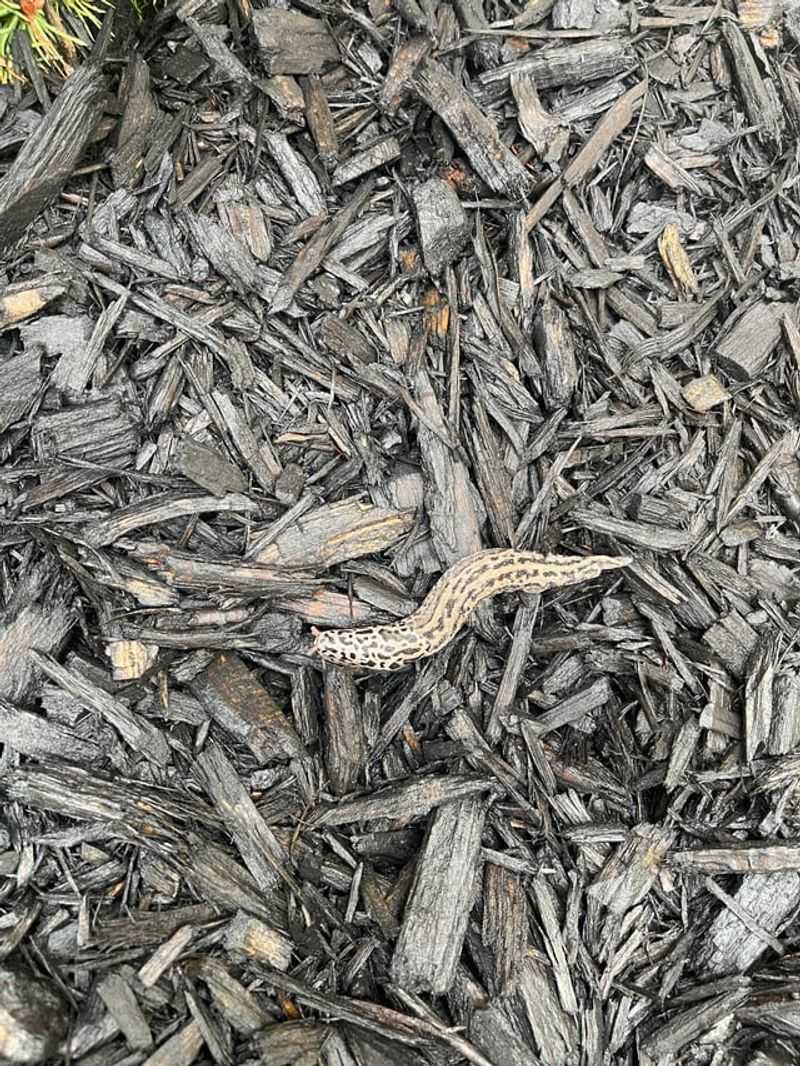
Peel back a section of mulch after a cool September rain and you may find small shells and slimy trails tucked into the layer. Slugs and snails thrive in the same moist, shaded conditions mulch provides.
Thick mulch beds hold humidity close to the soil long after the top looks dry. That gives these pests shelter that lasts through the day.
Hostas, lettuce, marigolds, and young seedlings near mulched beds often show ragged, irregular holes. That damage is the clearest sign slugs are feeding nearby.
Connecticut’s humid fall stretches, especially after a run of rain, tend to bring populations out in larger numbers. A flashlight check after dark on a damp evening confirms how many are hiding.
Pulling mulch back a few inches from stems reduces the shelter close to each plant’s base. Keeping the layer at two to three inches instead of piling it deeper limits humid pockets too.
Copper tape around raised beds and shallow traps with a bit of cornmeal both help bring numbers down. Hand-picking in the early morning works just as well without any chemicals.
Coarser mulch, like larger bark chunks, dries out faster on top and holds less appeal than fine, tightly packed material. Slugs favor the layers that stay damp the longest.
Checking under the mulch every week or two during wet stretches catches a growing population early. That single habit prevents most of the damage before it spreads through the bed.