The Ohio Grass That Handles Partial Shade Better Than Kentucky Bluegrass
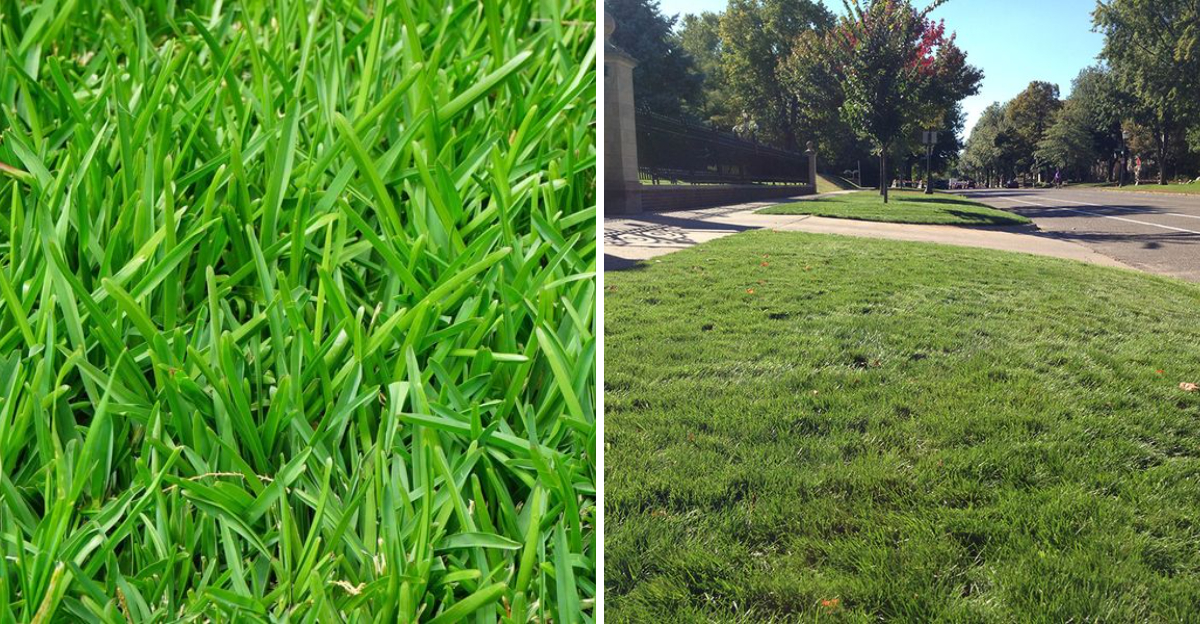
That one shady patch of grass can drive any homeowner crazy. You reseed it, water it, and hope for the best, but the same thin, struggling spots seem to come back every year.
The problem might not be your effort. It might be the grass itself.
Some lawn varieties simply cannot handle the lower light beneath trees, along fences, or beside buildings. But one lesser-known Ohio-friendly grass has a unique advantage that helps it stay healthier where many popular choices start to fade.
For yards with a mix of sunshine and shade, choosing the right grass can make the difference between constantly fighting bare spots and finally seeing a fuller, greener lawn.
Before you give up on those difficult areas, it may be worth taking a closer look at the grass growing there.
1. A Cool-Season Grass Built For Ohio Yards
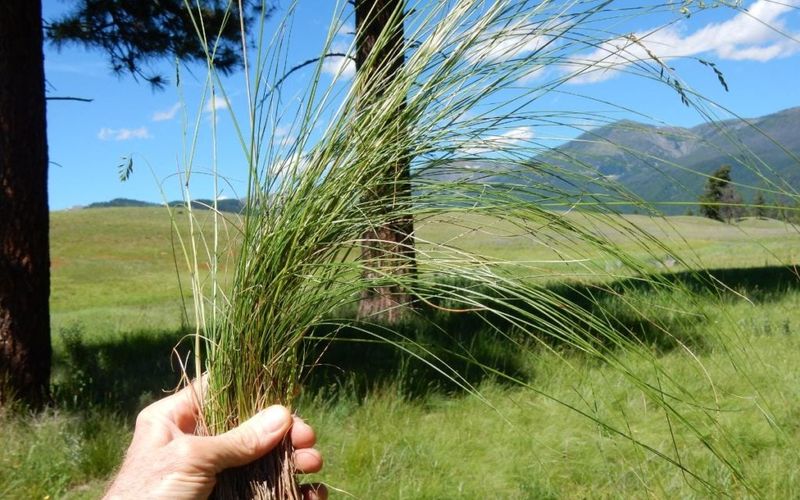
Ohio sits in a region where cool-season grasses are the best fit, though southern areas experience warmer summers that can challenge lawns. That mix makes picking the right grass tricky, but fine fescue handles it well.
Fine fescue belongs to the cool-season group, growing best during the milder temperatures of spring and fall. It joins other Ohio favorites like Kentucky bluegrass, perennial ryegrass, and tall fescue as a trusted option for local lawns.
What sets it apart is how comfortable it feels in a wide range of Ohio conditions. Whether you live near Columbus, Cleveland, or a rural town surrounded by fields, this grass adapts nicely to the climate here.
Because it greens up early in spring and stays active into cooler fall days, your lawn gets a longer season of good looks. Many homeowners appreciate that steady performance year after year.
If you’re building a new lawn or fixing up an old one, mixing fine fescue into your seed blend gives you flexibility. It pairs well with other grasses while covering spots the others can’t handle.
For gardeners tired of fighting patchy results, fine fescue offers a dependable foundation. It’s proof that choosing grass suited to your region truly pays off in the long run.
2. Champion Of Shady Spots
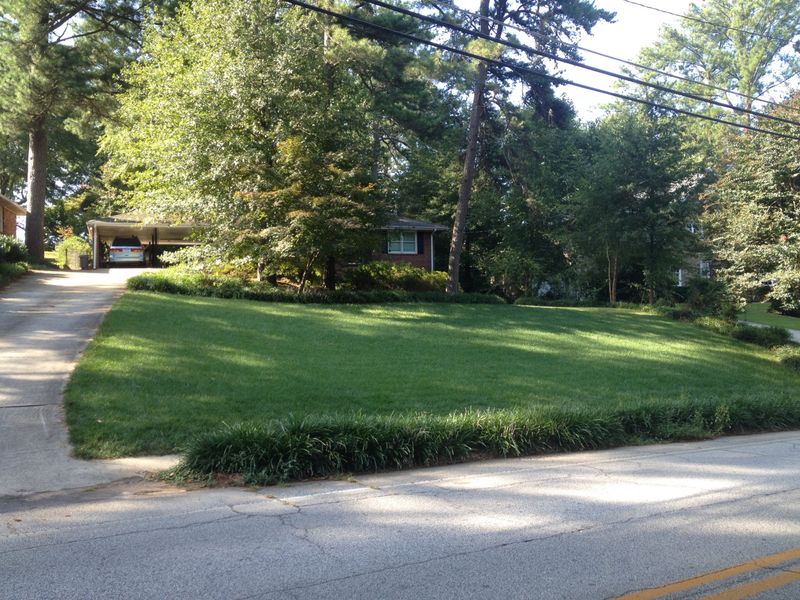
Picture that corner of your yard beneath a big maple where nothing seems to grow. Fine fescue actually loves those conditions.
Among all the cool-season turfgrasses, fine fescue ranks as one of the most shade-tolerant options available. That makes it a smart pick for yards with lots of trees or wooded edges, which plenty of properties have.
Shade blocks the sunlight most grasses need to make food and stay strong. Fine fescue is different because it can tolerate much lower light levels than many other lawn grasses, making it one of the best options for partial shade.
Homeowners with mature landscaping often give up on growing grass under trees and settle for bare dirt or mulch. With fine fescue, you get a real chance at a green carpet instead.
The secret lies in how efficiently this grass uses whatever light filters through the leaves above. It stretches those few hours of dappled sun into steady growth.
Your Ohio Garden Changes Every Week. Your Plan Should Too.
Gardening in Ohio changes quickly throughout the season. Every Friday you’ll receive a simple weekly plan showing exactly what to plant, prune, fertilize, harvest, and protect so you never miss the right timing.
So if shade has been the enemy of your lawn dreams, fine fescue changes the game. Just remember that even shade lovers need a little light, so extremely dark spots may still need help.
For most yards with partial shade, this grass turns problem areas into green success stories.
3. Outperforms Kentucky Bluegrass In The Shade
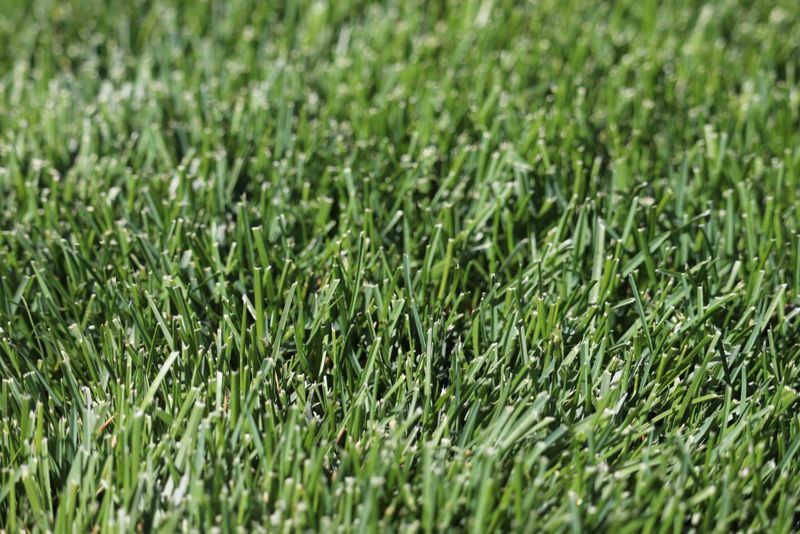
Here’s where fine fescue really shines against the competition. Kentucky bluegrass is a beautiful, popular grass, but it has one big weakness: shade.
Bluegrass needs plenty of sunshine to stay thick and healthy. Plant it in a shady spot and it tends to thin out, leaving weak patches that invite weeds and bare ground.
Fine fescue handles partial shade far better than Kentucky bluegrass ever could. Where bluegrass often struggles, fine fescue usually performs better and maintains a healthier stand under lower light conditions.
This difference matters most for homeowners whose yards mix sunny and shady zones. Relying only on bluegrass often means one part of the lawn looks great while the shaded part looks sad.
Think of it like choosing the right player for the right position. Bluegrass wins in full sun, while fine fescue takes the crown in the shadows.
Many lawn experts recommend fine fescue specifically for those tough shaded corners that bluegrass can’t manage. It saves you from constantly reseeding areas that never seem to thicken up.
Understanding this strength helps you plan smarter instead of forcing one grass to do everything. By matching each grass to its ideal spot, your whole lawn ends up looking more even and healthy throughout the growing season.
4. The Star Of Sun-Shade Seed Mixes
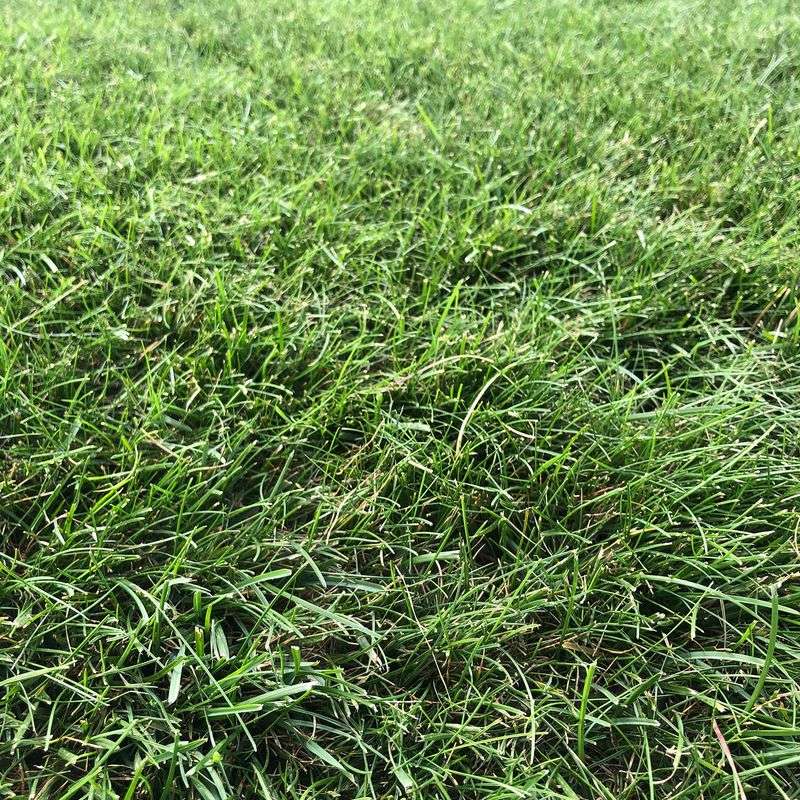
Ever notice how store-bought grass seed often comes as a blend rather than a single type? There’s a good reason for that clever combination.
Many sun-shade lawn mixes combine fine fescue with Kentucky bluegrass so the lawn can handle both bright and dim spots. Each grass takes over where it grows best.
In the shadier sections of your yard, fine fescue naturally becomes the dominant grass. It crowds out the struggling bluegrass and fills those areas with green.
Meanwhile, in the sunny parts, Kentucky bluegrass tends to take the lead since it loves the extra light. Together they create a balanced, adaptable lawn.
This teamwork means you don’t have to figure out exactly which grass to plant where. Over time, the grasses best suited to each area often become more noticeable, creating a lawn that better matches the conditions across your yard.
For Ohio homeowners with mixed-light yards, buying a quality sun-shade blend is often the easiest path to success. Nature does part of the planning for you.
The result is a lawn that looks consistent even though different grasses are working behind the scenes. You get green coverage from the sunniest patch to the shadiest corner.
Understanding this partnership helps you shop smarter and set realistic expectations for how your lawn will fill in over time.
5. Low-Maintenance Living For Busy Homeowners
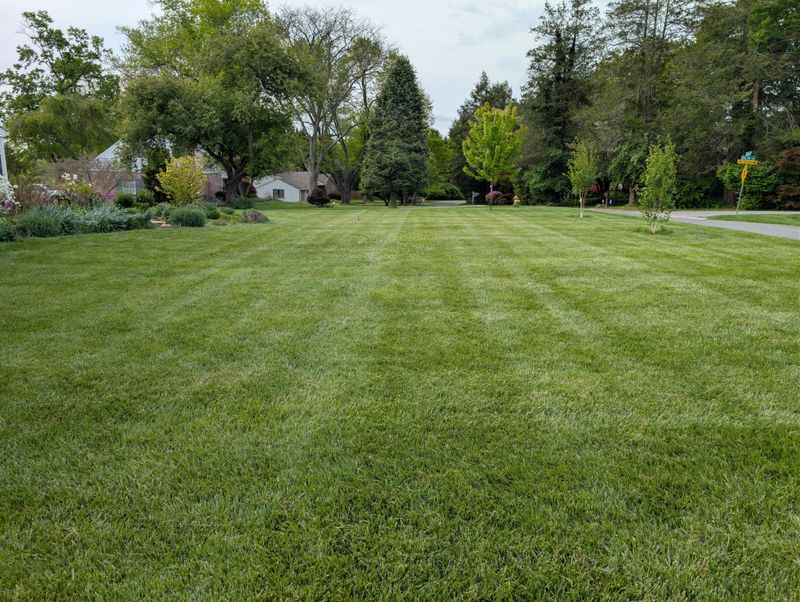
Raise your hand if you’d rather spend weekends relaxing than mowing and fertilizing. Fine fescue is a friend to anyone who feels that way.
This grass earns its low-maintenance reputation honestly. It needs less fertilizer than fussier grasses, so you spend less money and time feeding it.
Mowing happens less often too, since fine fescue grows at a relaxed pace and can even be left a bit taller. That means fewer trips behind the mower each season.
Pest and disease problems tend to stay lower as well, cutting down on the need for chemical treatments. Compared to Kentucky bluegrass, it simply asks for less attention.
For Ohio families juggling school, work, and everything in between, that easygoing nature is a real gift. Your lawn stays presentable without demanding constant care.
Some homeowners even let fine fescue grow long in low-traffic areas, creating a soft, flowing meadow look. It’s a stylish, eco-friendly choice that saves effort.
Spending less on fertilizer and fuel also puts a little extra cash back in your pocket over the years. That’s a win for both your schedule and your wallet.
If a hands-off lawn sounds appealing, fine fescue delivers good looks without turning yard work into a second job every weekend.
6. Stays Green Through Dry Spells
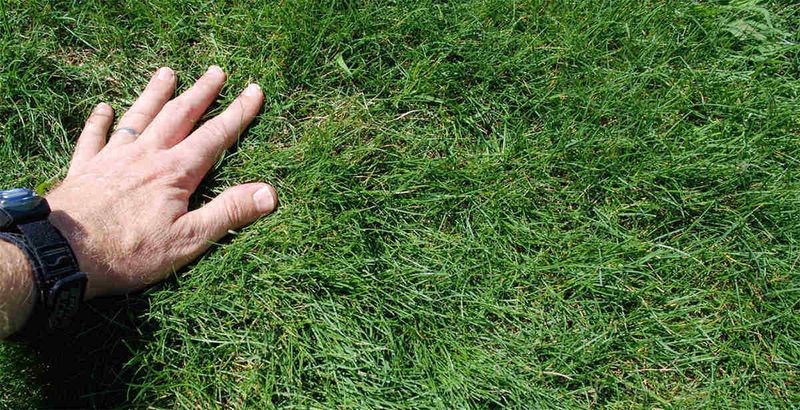
Summer in our state can bring stretches without rain, and that’s when many lawns start looking crispy and brown. Fine fescue tends to hold its own during these dry times.
This grass shows solid drought tolerance, meaning it can survive with less water than thirstier varieties. Even when the skies stay clear for weeks, it often keeps a decent green color.
The reason comes partly from its fine, deep root system that reaches down to find moisture. Those roots help it tough out dry conditions that leave other grasses fading.
For homeowners who don’t want to run sprinklers constantly, this is welcome news. You can water less and still enjoy a respectable-looking yard.
Saving water isn’t just good for your bill, it’s kind to the environment too. Every gallon you skip adds up over a long, dry summer.
Of course, no grass survives a severe drought without any help, so a little watering during the worst spells keeps it happiest. Still, fine fescue asks for far less than most.
If you’ve ever felt guilty about a browning lawn during a heat wave, this grass eases that worry. It bounces back nicely once cooler, wetter weather returns.
Choosing a drought-friendly grass like fine fescue makes summer lawn care much less stressful overall.
7. Thrives Where Other Grasses Give Up
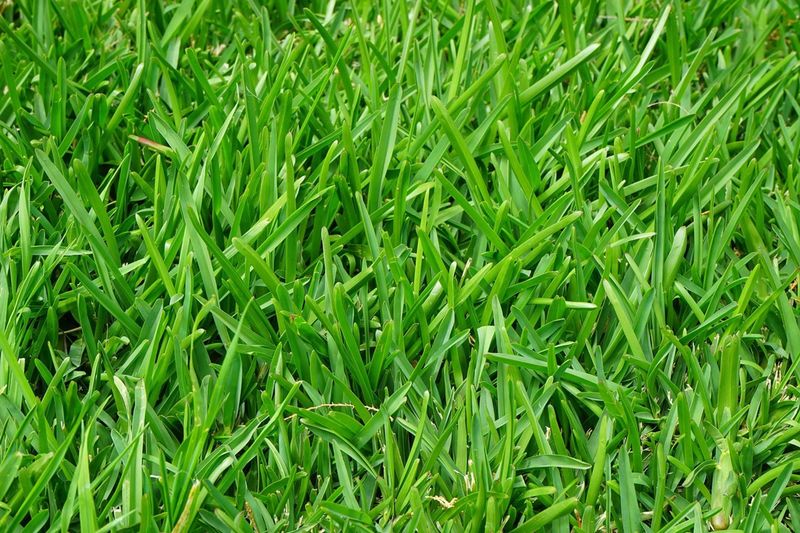
Not every yard has rich, perfect soil, and fine fescue understands that reality better than most grasses. It’s a survivor in tough conditions.
This grass can grow in soils with unfavorable pH levels, whether a little too acidic or otherwise out of balance. Where picky grasses sulk, fine fescue keeps going.
It also tolerates low moisture, poor fertility, and ground that hasn’t been pampered with lots of nutrients. That toughness makes it perfect for challenging spots around a property.
Think of steep slopes, rocky patches, or areas far from your water hose. Fine fescue often takes hold where you’d expect nothing but weeds and dirt.
Ohio yards vary a lot, from clay-heavy plots to sandy or acidic soils near wooded land. Fine fescue’s flexibility means it fits into many of these situations without endless soil fixing.
That said, giving it even slightly better conditions helps it look its best, so a little care still goes a long way. The point is it won’t quit at the first sign of trouble.
For homeowners frustrated by that one impossible corner, this grass offers real hope. It transforms neglected ground into something green and living.
Its ability to handle harsh spots is one of the biggest reasons landscapers keep fine fescue in their toolkit.
8. A Family Of Fescues To Choose From
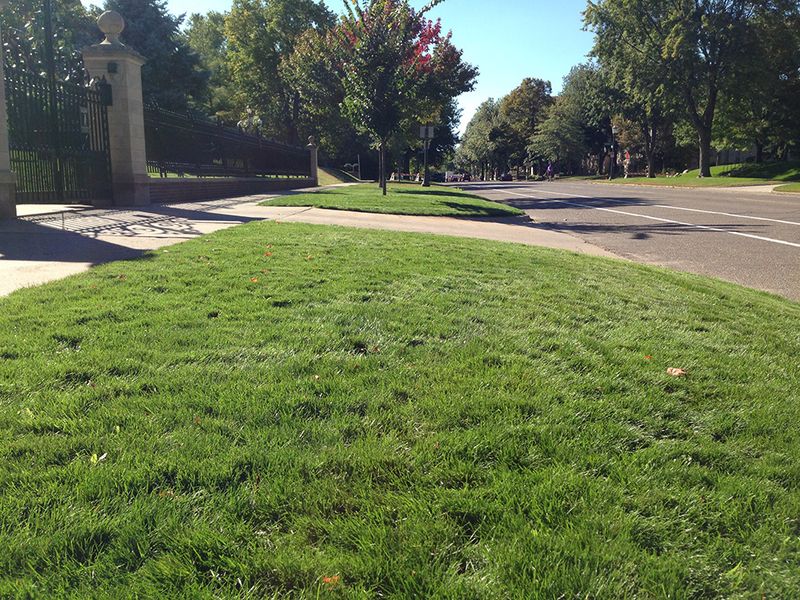
Here’s something many people don’t realize: fine fescue isn’t just one grass but a whole group of related types. Getting to know them helps you pick the right one.
The family includes strong creeping red fescue, slender creeping red fescue, Chewings fescue, hard fescue, and sheep fescue. Each has its own slight personality and strengths.
Among these, Chewings fescue and strong creeping red fescue cultivars often show the best tolerance to shade from tree leaves. If shade is your main concern, those two deserve a close look.
Creeping red fescues spread through short underground stems called rhizomes, helping them slowly fill thin areas and create a denser stand. That habit makes them great for building a thick lawn.
Hard fescue and sheep fescue are among the more drought-tolerant fine fescues, making them useful for low-maintenance areas where slower growth is acceptable. They’re wonderful for areas you rarely fuss over.
Knowing these differences lets you match the exact fescue to your yard’s needs instead of guessing. A shady, mossy spot calls for different types than a dry, sunny slope.
Many seed blends combine several fescue species so you get the benefits of all of them at once. That variety builds a more resilient lawn overall.
Reading seed labels carefully pays off, since choosing the right mix sets you up for lasting green success in our state.