The Texas Fall Flowers That Create Color From September All The Way Through November Frost
Something quietly wonderful happens in Texas when September finally arrives. The brutal grip of summer starts loosening, temperatures take a noticeable step back, and the garden responds in a way that feels almost like a reward for surviving the heat.
Fall in this state can genuinely feel like a second spring, and the flowers are absolutely here for it.
Blooms that sat quietly through the worst of summer suddenly find their footing again, and new ones push forward with a boldness that catches a lot of gardeners off guard in the best possible way.
From the Hill Country to the Gulf Coast and up into the Panhandle, there are hardy flowers that hold their color beautifully right up until the first frost arrives.
Eight of them deserve a serious spot in your fall garden lineup this year.
1. Fall Aster Brings Waves Of Purple Late In The Season
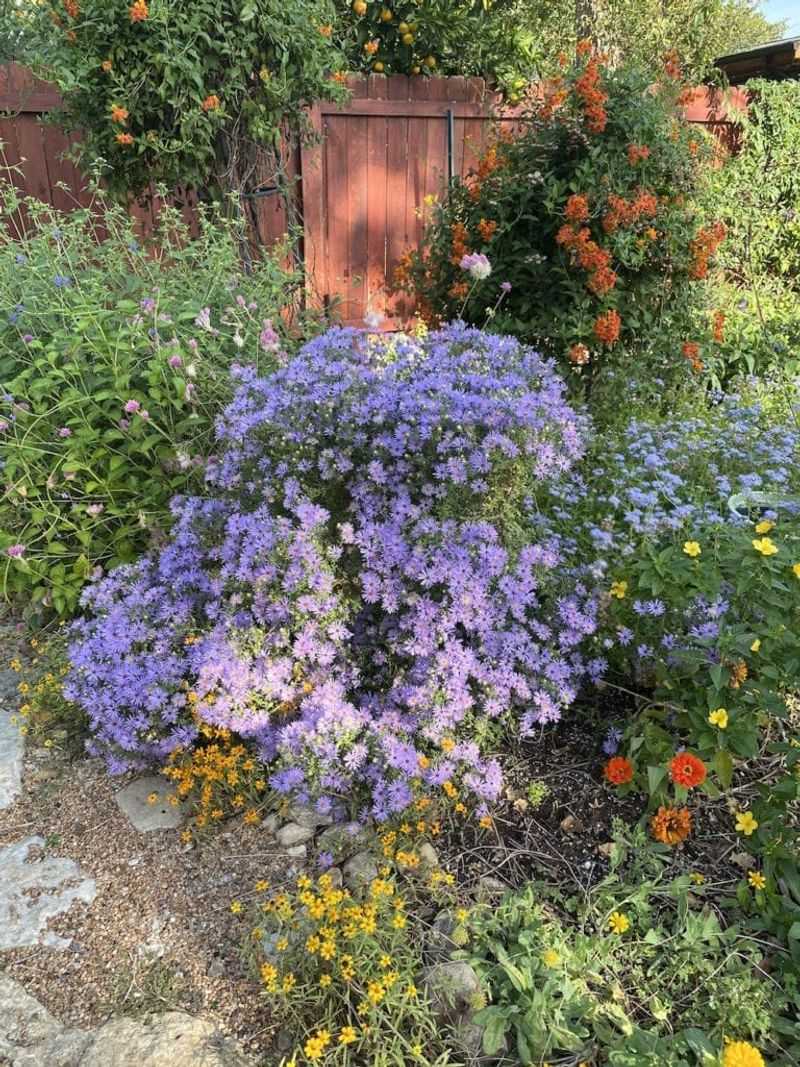
Just when a lot of gardens start looking tired, fall aster explodes into a cloud of lavender-purple blooms. This native perennial saves its best show for autumn, which makes it worth every bit of patience.
Across much of the state, fall aster (Symphyotrichum oblongifolium) thrives in full sun and handles rocky, dry soils common in the Hill Country without complaint. Texas A&M AgriLife notes it as a tough, low-water native that rewards you once cooler weather arrives.
Give it room, because a single plant can spread into a mounded pillow of color.
Its compact growth habit makes it a useful choice for borders, native gardens, and informal Texas landscapes where late-season color is needed. The clusters of small flowers also provide valuable nectar during a time when many summer blooms are beginning to decline.
One trick worth sharing: shear it back by about half in early summer. That keeps it compact and covered in flowers instead of flopping over by October.
Skip that step and you may still get blooms, but the plant sprawls.
Pollinators adore it, so expect butterflies and bees crowding the flowers on warm fall afternoons. That late nectar matters a lot when other blooms fade.
Fall aster handles heat and dry conditions once established, but performs best in well-drained soil and generally needs less supplemental water than many garden flowers.
Come the first hard frost, it fades gracefully and returns reliably the following year, making it a dependable anchor for Texas autumn beds.
2. Mexican Bush Sage Glows With Velvet Purple Spikes
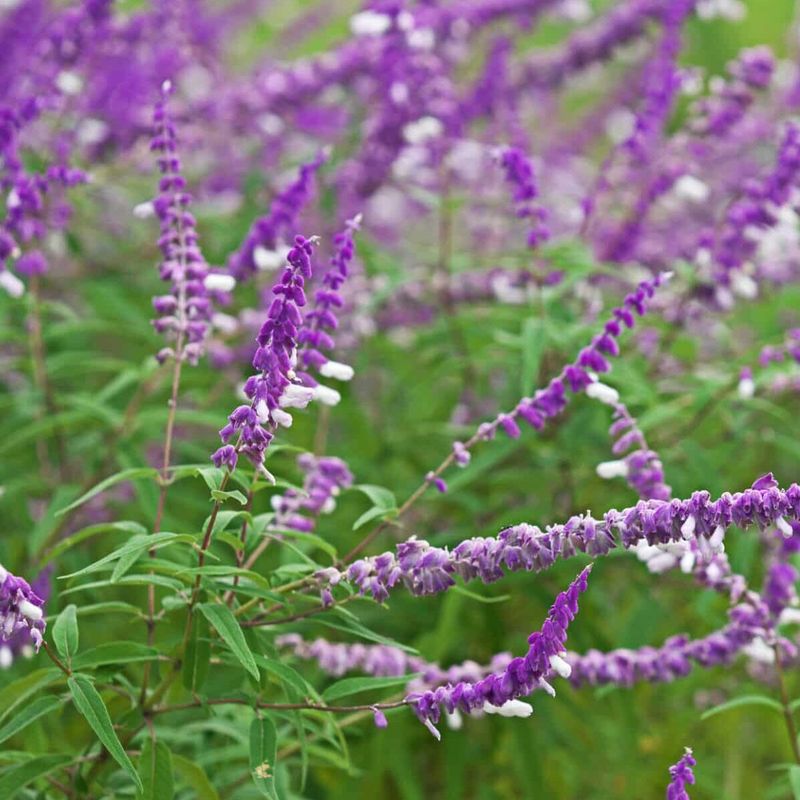
If you want drama in the fall garden, Mexican bush sage delivers it with tall, arching spikes covered in soft, velvety purple flowers. The fuzzy texture alone makes people stop and touch it.
This salvia (Salvia leucantha) loves the long, warm growing season across much of the state and truly hits its stride in fall. Throughout Central and South Texas, it stays evergreen in milder winters, though gardeners farther north may see it freeze back and return in spring.
Full sun and well-drained soil keep it happiest.
Hummingbirds passing through during fall migration treat these blooms like a filling station. Watching them zip between the spikes on a September morning is one of the small joys of gardening here.
Your Texas Garden Changes Every Week. Your Plan Should Too.
Gardening in Texas changes quickly throughout the season. Every Friday you’ll receive a simple weekly plan showing exactly what to plant, prune, fertilize, harvest, and protect so you never miss the right timing.
Give this plant space, because a mature clump can reach four feet wide. Plant it toward the back of a border where its height adds a nice layered look.
A lack of space can make the plant look crowded and reduce its natural arching form.
Water needs stay low once it settles in, which suits the dry autumns common across much of the region. A deep soak now and then is all it asks.
After the first frost, trim the spent stems back, and in colder parts of Texas, a light mulch helps protect the roots so the plant bounces back strong the following season with even more of those signature purple wands.
3. Copper Canyon Daisy Fills The Air With Golden Scent
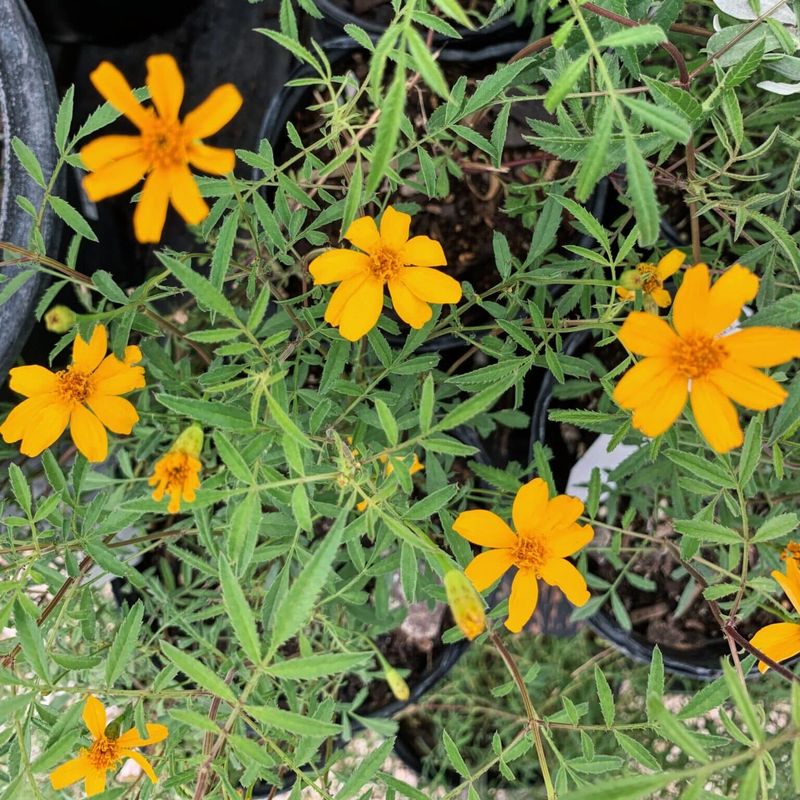
Brush against a copper canyon daisy and you will never forget the smell. The foliage releases a spicy, marigold-like fragrance, and by October the whole plant disappears under a blanket of golden-yellow blooms.
Native to the Southwest and Mexico, this drought-adapted shrub (Tagetes lemmonii) performs well in warmer parts of the region.
It does beautifully in South and Central areas, where it stays semi-evergreen through mild winters and reblooms with the shorter fall days.
Full sun is non-negotiable if you want that heavy autumn flush. In too much shade, you get leggy growth and few flowers.
Plant it where afternoon light hits it hard and it always pays off.
Its rounded growth habit makes it a strong choice for sunny borders, xeriscape gardens, and low-water landscapes where fall color is needed.
The bright flowers also add a warm contrast against the gray-green foliage, giving the plant interest even before peak bloom arrives.
The strong scent does double duty by keeping many browsing pests and deer away, which is a real bonus for Hill Country gardeners. That natural protection saves a lot of frustration.
Trim it after summer to keep the shape tidy, then let it grow into its fall glory. Overwatering is the main mistake most gardeners make, since this plant prefers to stay on the dry side.
Once the first frost arrives, the top may brown, but roots in warmer parts of Texas push out fresh growth again. Few plants light up a fall border quite like this fragrant golden mound.
4. Marigolds Deliver Bold Autumn Warmth In Every Bed
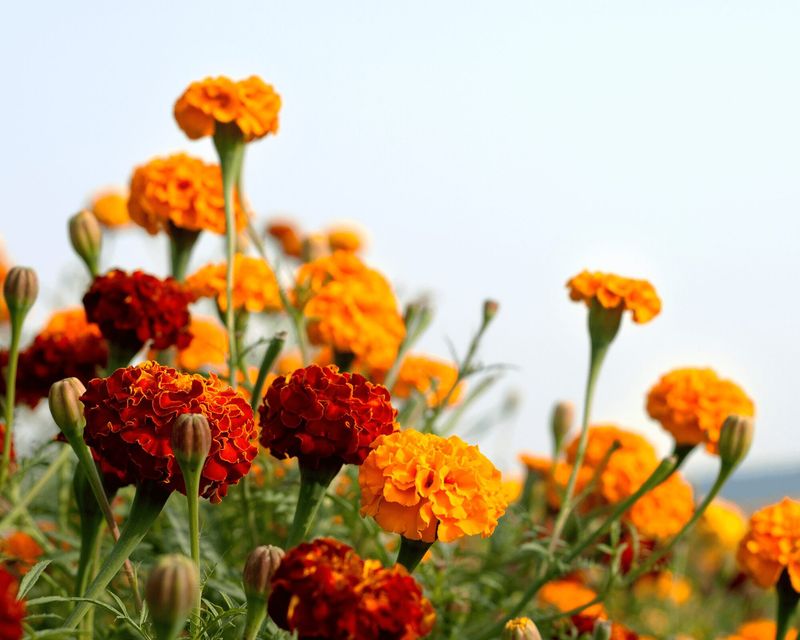
Nothing says autumn quite like a bed of marigolds glowing orange and gold in the low afternoon sun. These cheerful flowers are workhorses that keep going strong once the summer heat finally breaks.
Marigolds planted in late summer hit their peak in fall, filling gardens with warm color right through the season. They handle the heat that lingers into September and keep flowering as nights cool down.
Well-drained soil and full sun are all they really ask for.
Deadheading makes a huge difference here. Pinch off spent blooms regularly and the plants respond by producing wave after wave of fresh flowers.
Skip it and they slow down faster than you would like.
Many gardeners tuck marigolds around vegetables, since their scent seems to discourage certain pests. It is an old-fashioned trick that still earns its place in fall beds everywhere.
Watch for spider mites during hot, dry stretches. A good spray of water on the foliage often keeps them in check without any fuss.
African types grow tall and showy, while French marigolds stay compact and tidy, so pick based on your space. Either way, they carry color reliably until the first frost.
When that cold night finally comes, marigolds bow out having earned their reputation as one of the most dependable fall bloomers in Texas.
5. Chrysanthemums Roll Out Classic Fall Color On Cue
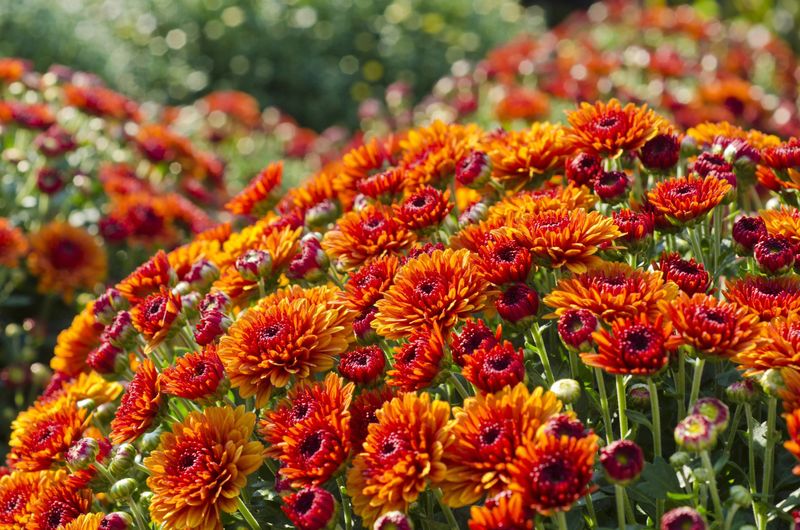
Walk into any nursery in September and you will find tables loaded with mums in every warm shade imaginable. There is a reason they are the poster child of fall gardens.
Garden mums (Chrysanthemum) respond to shorter days by setting buds, which is exactly why they burst into bloom as autumn arrives. Plant them in full sun with good drainage and they reward you with rounded mounds packed with flowers.
Morning sun with a little afternoon relief works well in hotter climates.
A common slip-up is treating mums as one-time decorations. Some varieties can return when planted early enough and given suitable conditions, so they are worth treating as more than a seasonal prop.
Keep the soil evenly moist, because mums wilt fast when they dry out. That said, soggy roots cause trouble too, so drainage matters just as much as watering.
Pinching the plants back through summer produces bushier growth and far more buds by fall. It feels backward to remove growth, but the payoff in October is undeniable.
Pair them with pumpkins and ornamental grasses for that quintessential autumn look on a Texas porch. When frost finally settles in, the blooms fade, yet the plant often survives underground to surprise you again next fall.
6. Turk’s Cap Keeps Shady Corners Blooming Red
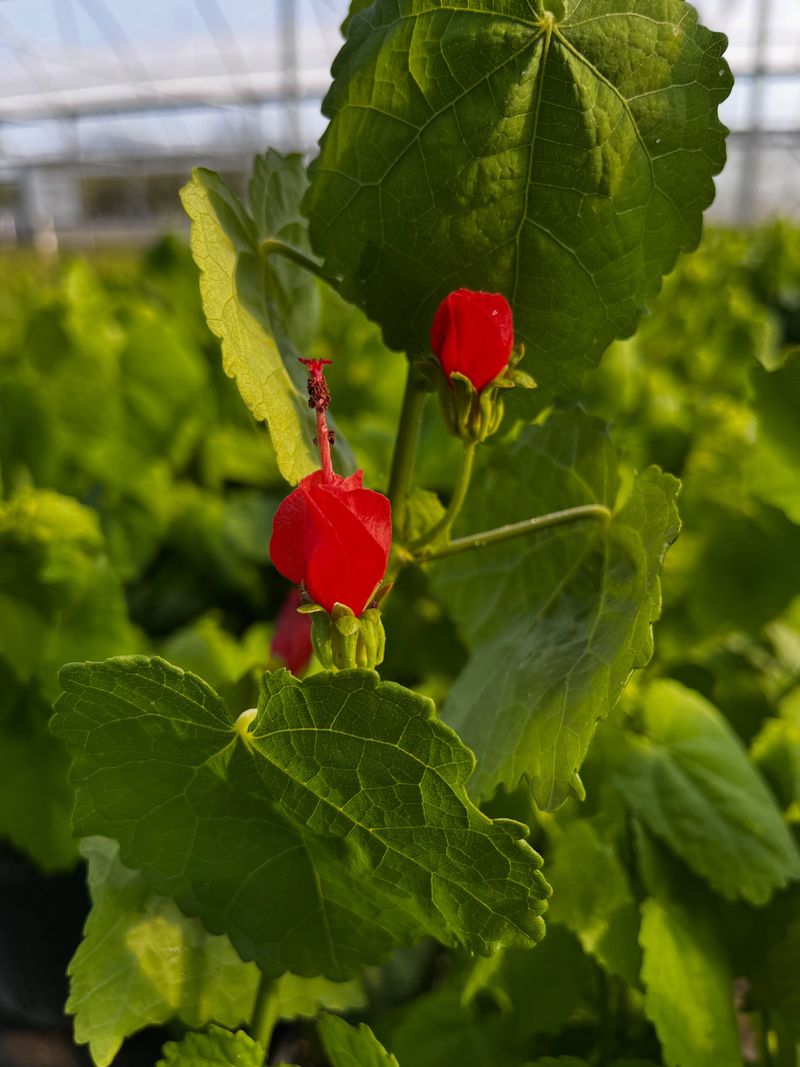
Got a shady spot that stumps every other flower? Turk’s cap is the native answer, dangling little twisted red blooms that look like tiny turbans well into fall.
This tough native (Malvaviscus arboreus) grows happily where sun-loving plants sulk, thriving under trees and along fences across Central and East Texas.
It handles dappled shade, heat, and dry stretches, making it a lifesaver for problem areas in shaded landscapes.
Hummingbirds and butterflies flock to those red flowers, and the plant keeps offering nectar right up until frost. During fall migration, it becomes a favorite pit stop for hummingbirds moving through the region.
The blooms give way to small red fruits that birds enjoy, adding extra wildlife value. Watching mockingbirds pick at them on cool November mornings never gets old.
Turk’s cap forgives a lot, but it does spread over time, so give it room or plan to trim it back. A hard cutback after frost keeps it shapely and encourages fresh growth in spring.
Because it tolerates both drought and occasional wet spells, it fits unpredictable autumn weather remarkably well. Once established, it barely needs any fussing.
For anyone struggling to add color under trees, this shade-loving native proves that fall gardens do not have to depend on full sun. Its cheerful red flowers brighten the gloomiest corners.
7. Cosmos Sway With Airy Blooms Above The Border
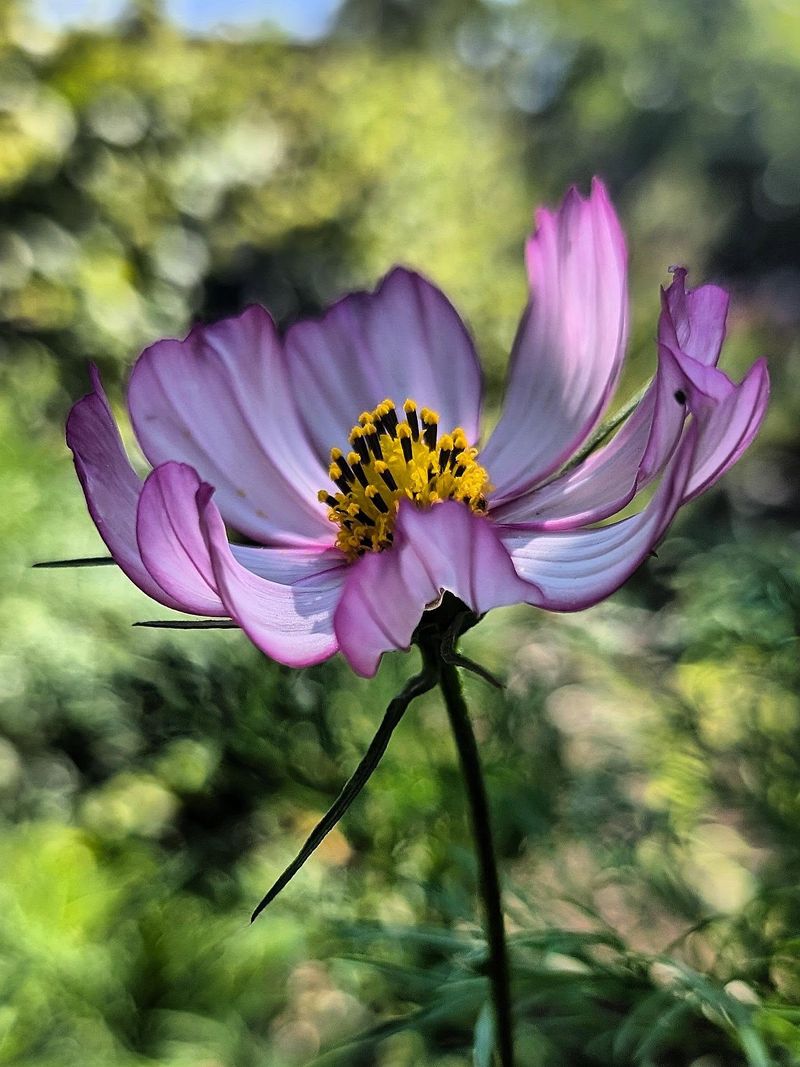
Few flowers bring the kind of relaxed, cottage-garden charm that cosmos do, with their delicate blooms dancing on tall, wispy stems every time a breeze rolls through.
Cosmos thrive in sunny, warm conditions and keep flowering enthusiastically once the worst summer heat passes. Poor soil actually suits them fine, so gardeners with less-than-perfect dirt can still grow them beautifully.
Rich soil, oddly enough, gives you more leaves than flowers.
Sow seeds in late summer and you will have blooms carrying color deep into fall. They germinate quickly and grow fast, which makes them a satisfying choice for impatient gardeners.
Full sun brings out the best flowering, and skimping on light leads to floppy, sparse plants. Because they can reach three or four feet tall, a spot sheltered from strong winds helps keep them upright.
Deadheading extends the show, and cosmos happily self-seed, often popping up again the following season around the garden. Letting a few flowers go to seed is always worth it for that reason.
Butterflies drift to the open, daisy-like blooms all autumn long, adding movement and life to the garden. Pink, white, and crimson varieties mix well together for a soft, layered look.
When the first frost arrives, cosmos fade, but the seeds they scatter promise another airy display next year in your Texas garden.
8. Firebush Lives Up To Its Fiery Autumn Name
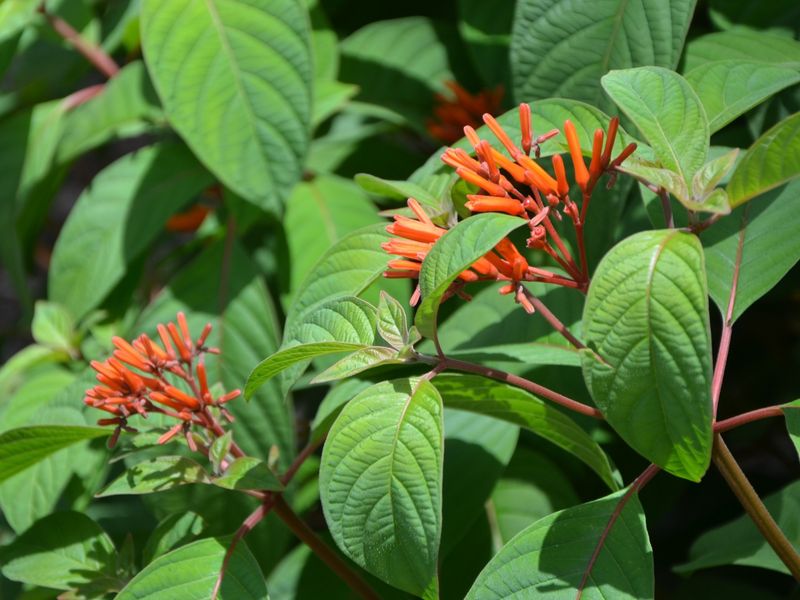
Come autumn, firebush earns its name as the foliage turns coppery red and clusters of orange-red tubular flowers seem to set the whole shrub ablaze.
Well suited to warmth and long growing seasons, firebush (Hamelia patens) is a heat lover that keeps pumping out blooms through the hottest stretches and into fall.
In southern regions it stays evergreen, while farther north it acts more like a perennial that freezes back and returns with fresh growth in spring.
Hummingbirds and butterflies cannot resist those tubular flowers, and the plant becomes a genuine wildlife magnet as fall migration gets underway. The nectar keeps migrating hummingbirds fueled as they pass through.
Full sun brings the richest flower color and the deepest red autumn foliage. In too much shade, you lose both the blooms and that fiery leaf display that makes it special.
Firebush handles drought well once established, which fits the dry autumns common across much of the region. Overwatering, especially in heavy clay, is the mistake to avoid.
It can grow quite large in frost-free areas, so give it space to stretch out. In colder parts of Texas, cut it back after frost and mulch the base to protect the roots.
For gardeners wanting a bold, low-maintenance shrub that feeds wildlife and glows through fall, firebush is genuinely hard to beat.