7 Shrubs That Give Wisconsin Yards Color And Berries All Through Winter
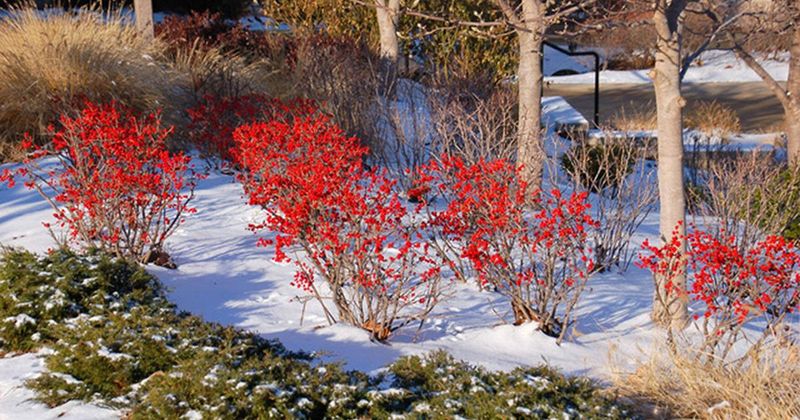
Winter in Wisconsin can turn a yard into a gray, snowy blank slate for months. The right shrubs change that story fast, dotting the landscape with red, blue, and white berries plus bold stem color that pops against the snow.
These plants also feed hungry birds when food is scarce, so you get beauty and backyard wildlife in one deal. Here are seven tough, hardy choices that keep your yard interesting long after the leaves fall.
1. Wisconsin Winterberry (Ilex verticillata)
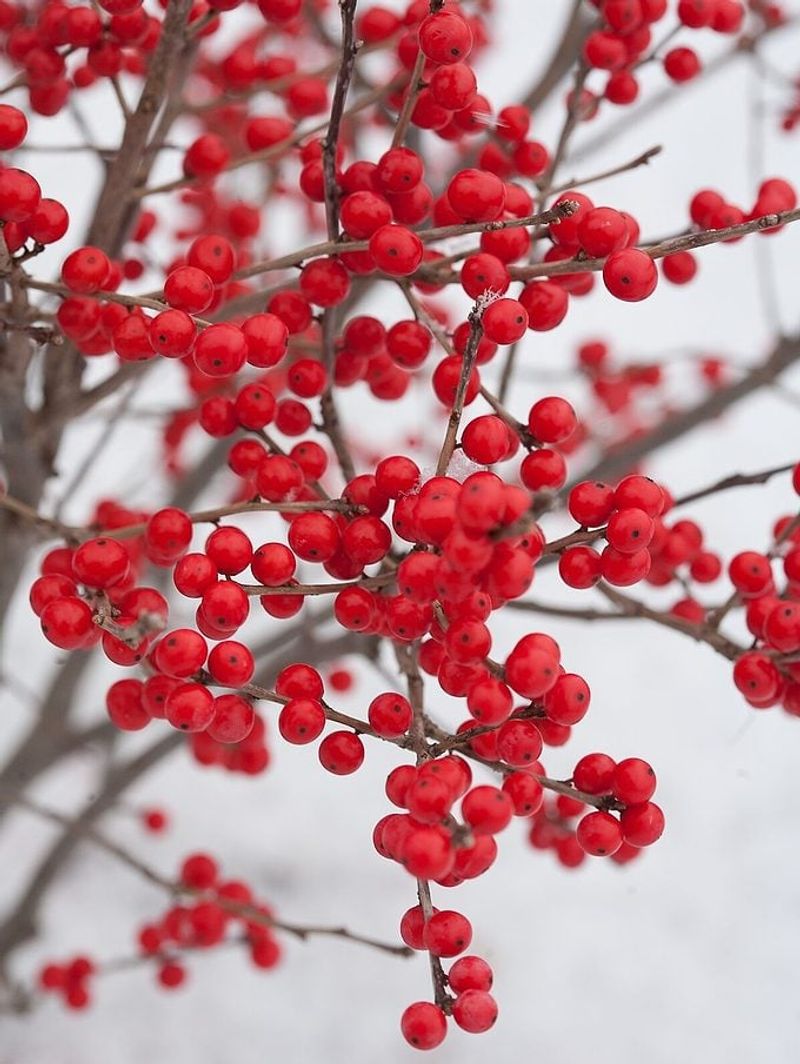
Picture bare branches glowing with thousands of glossy red berries, and you have Winterberry doing its thing in the dead of a Wisconsin winter. This native deciduous holly drops its leaves in fall, which only makes the fruit show off more against the snow.
Here is the catch worth knowing before you plant in Wisconsin: you need both a male and a female shrub to get berries. The female plants carry the fruit, but they need a male nearby to pollinate.
Some varieties even swap the classic red for golden yellow berries if you want something different.
Winterberry loves moist, slightly acidic soil and shrugs off cold as a solid choice for Wisconsin’s USDA Zone 3. Birds treat the berries like a winter buffet, so expect plenty of feathered visitors on chilly Wisconsin mornings when other food is buried under snow.
2. Wisconsin Red Osier Dogwood (Cornus sericea)
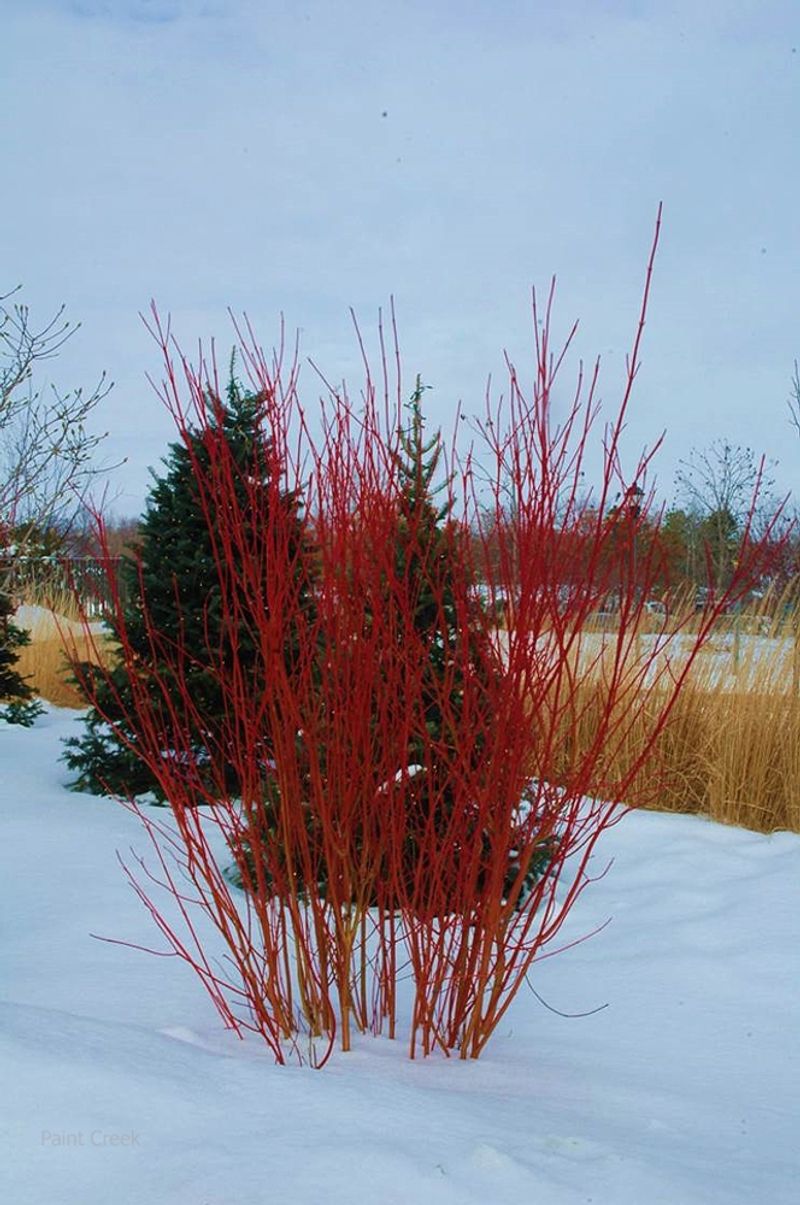
Forget berries for a second, because the real showstopper here is the stems. Red Osier Dogwood lights up the Wisconsin winter with fiery red branches that look almost electric against a snowy backdrop.
Come spring, cream-colored flowers appear, followed by white berries that ripen in fall and feed nearly 100 species of birds. But it is that stem color that carries the show through the coldest Wisconsin months.
A handy trick: prune out the oldest stems each year, since the newest growth shows the brightest red.
Extremely winter hardy and adaptable, this native handles wet spots and a range of soils across Wisconsin. Gardeners often use it for erosion control on slopes and stream banks, so it earns its keep in more ways than one in a Wisconsin yard.
3. Wisconsin Nannyberry (Viburnum lentago)
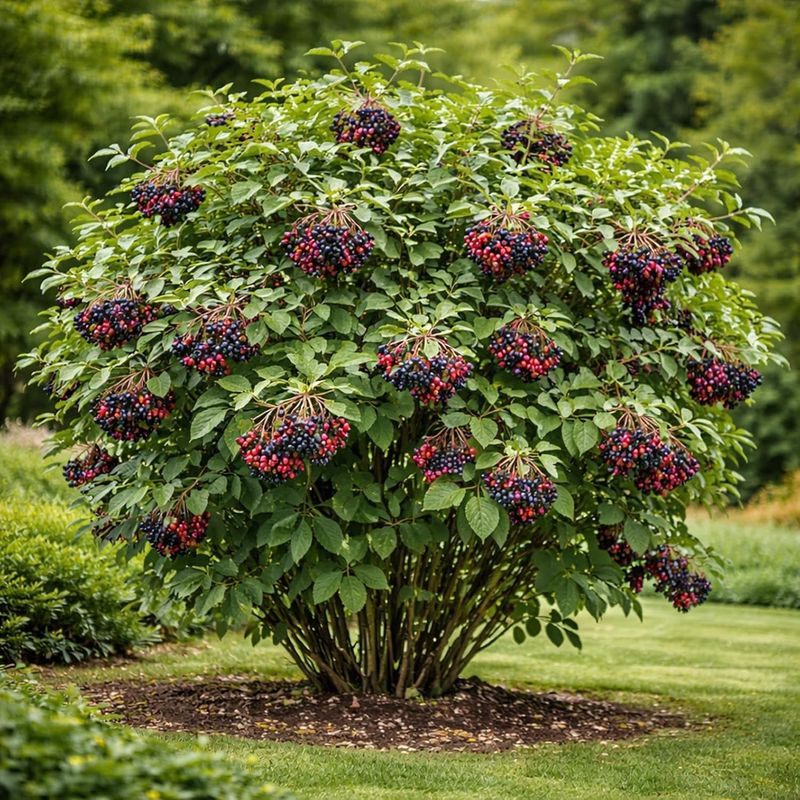
Big, tall, and reliable, Nannyberry is the friendly giant of native Wisconsin shrubs. It grows as a large, multi-stemmed shrub that can double as a small tree, making it a good pick for anchoring a corner of a Wisconsin yard.
Spring brings clusters of white flowers, and those turn into blue-black, berry-like drupes by autumn. Many of those berries hang on well into the Wisconsin winter, giving birds and wildlife a dependable snack when the weather turns brutal.
Fall color is part of the deal too, shifting from greenish-yellow to rich reddish-purple depending on the year. For folks who want structure, seasonal change, and winter food all in one plant, Nannyberry delivers across Wisconsin without asking for much fuss.
4. Wisconsin Gray Dogwood (Cornus racemosa)
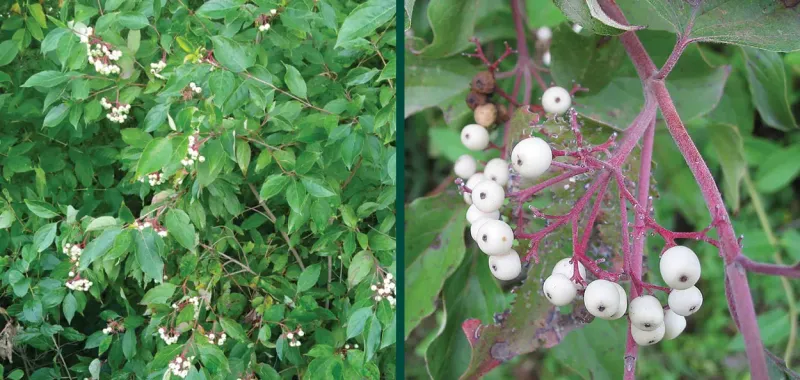
Wild turkeys have great taste, and Gray Dogwood proves it. The high-fat white fruits on this fast-growing Wisconsin native are a favorite of turkeys and dozens of other birds looking to bulk up before deep winter.
Your Wisconsin Garden Changes Every Week. Your Plan Should Too.
Gardening in Wisconsin changes quickly throughout the season. Every Friday you’ll receive a simple weekly plan showing exactly what to plant, prune, fertilize, harvest, and protect so you never miss the right timing.
What makes it pretty is the contrast: those white berries sit on red stems, giving your Wisconsin yard a two-tone look that stands out once the leaves fall. Good fall color rounds out the package before the show shifts to fruit and stems.
Adaptable is the word here. Gray Dogwood grows happily in sun or shade and tolerates all kinds of soil types found across Wisconsin.
If you have a tricky spot where fussier plants sulk, this rugged shrub is worth a try.
5. Wisconsin Highbush Cranberry (Viburnum trilobum)
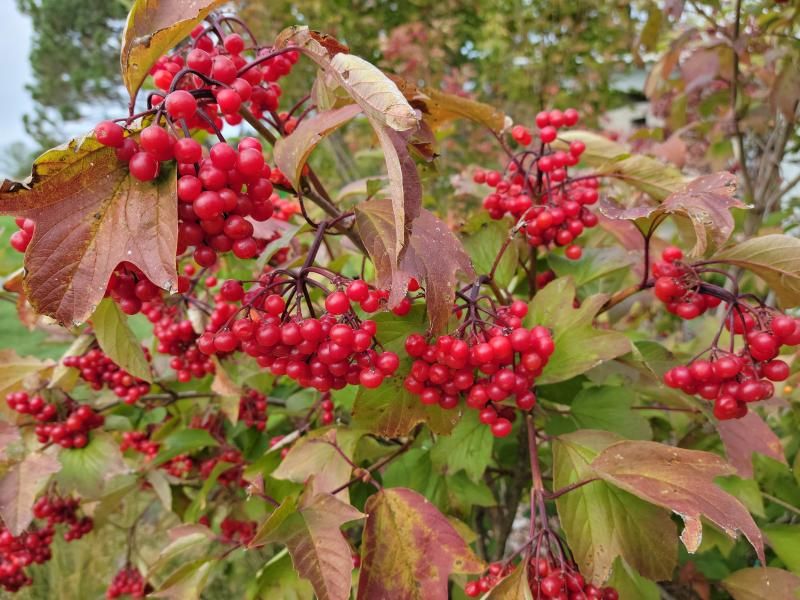
If you want one shrub that works overtime, Highbush Cranberry is a four-season superstar for Wisconsin. Late spring brings lacy white flowers, and by late summer the plant is loaded with scarlet berries that cling on all the way through late winter.
Those tart, cranberry-like fruits are edible and make surprisingly good preserves, though the birds may beat you to them. In a Wisconsin yard, that means a steady food source for game birds and songbirds when snow covers everything else.
Berries pop brightest in sunny spots, but this native tolerates wetter soils and a bit of shade too. Add in red-tinged fall foliage and its usefulness for screening and erosion control, and Highbush Cranberry earns a top spot on any Wisconsin winter list.
6. Wisconsin Cotoneaster (Cotoneaster spp.)
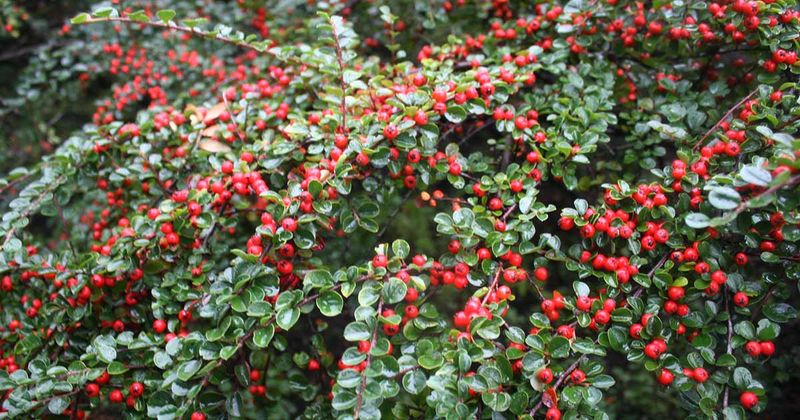
Low-maintenance gardeners, this one is for you. Many Cotoneaster species are cold-hardy enough for Wisconsin, with some tough down to USDA Zone 3, and they practically take care of themselves once established.
Expect glowing fall foliage followed by clusters of berries that hang on into winter, feeding birds and giving a Wisconsin yard some welcome color. Bees and butterflies enjoy the earlier blooms, so the plant pulls its weight through the whole season.
Toughness is the calling card. Cotoneaster laughs off cold, drought once established, wind, and even road salt, and deer usually leave it alone.
Look for varieties like Tom Thumb Cranberry or others bred for red berries that persist, and you have a fuss-free performer for the Wisconsin landscape.
7. Wisconsin Pagoda Dogwood (Cornus alternifolia)
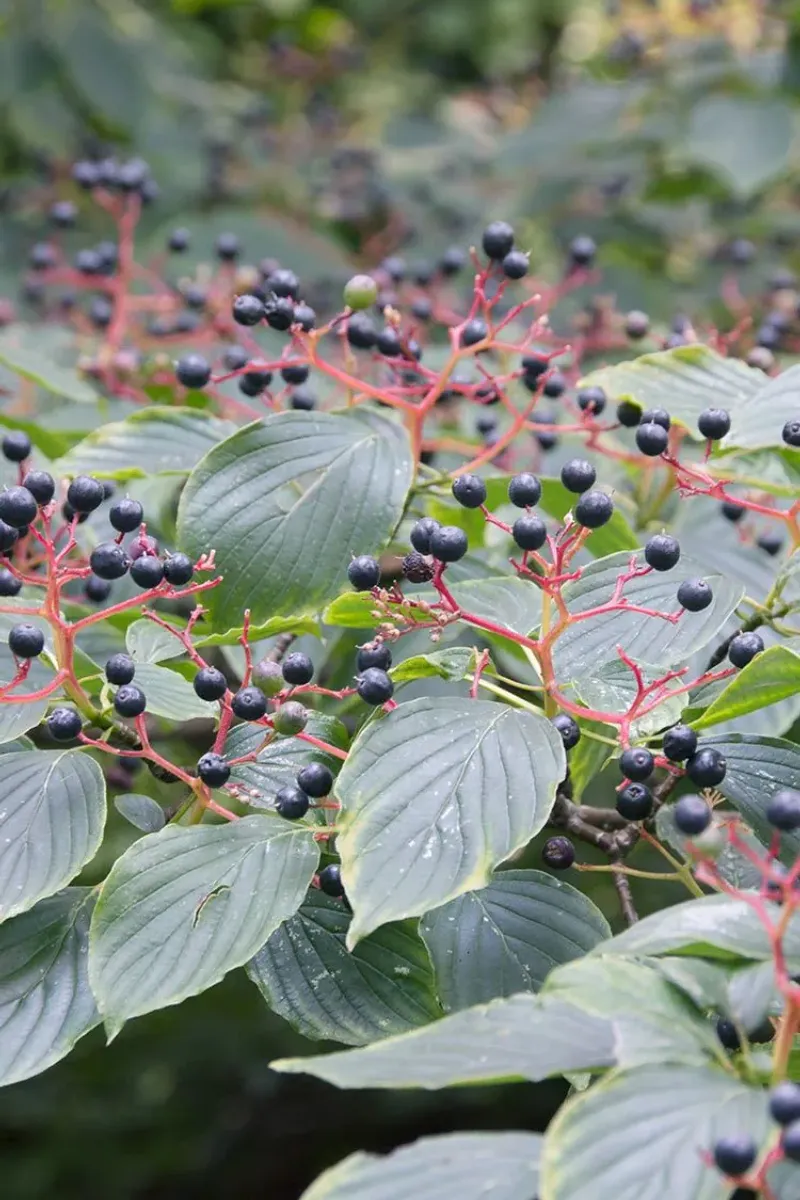
Some plants earn their spot with berries, and some earn it with pure architecture. Pagoda Dogwood does both, but its horizontal, tiered branches are the real winter magic in a Wisconsin yard once the leaves are gone.
Those layered branches look like green pagoda roofs in summer, and in winter they catch snow in a way that turns the whole shrub into living sculpture. Deep purple twigs add subtle color to the mix during the cold months in Wisconsin.
Spring flowers give way to blue-black berries that ripen by summer and feed birds through fall and early winter. While the fruit may not last as deep into the season as some others on this list, the striking form keeps this native interesting all winter long across Wisconsin.