This September Mistake Can Cost Georgia Azaleas Next Spring’s Flowers
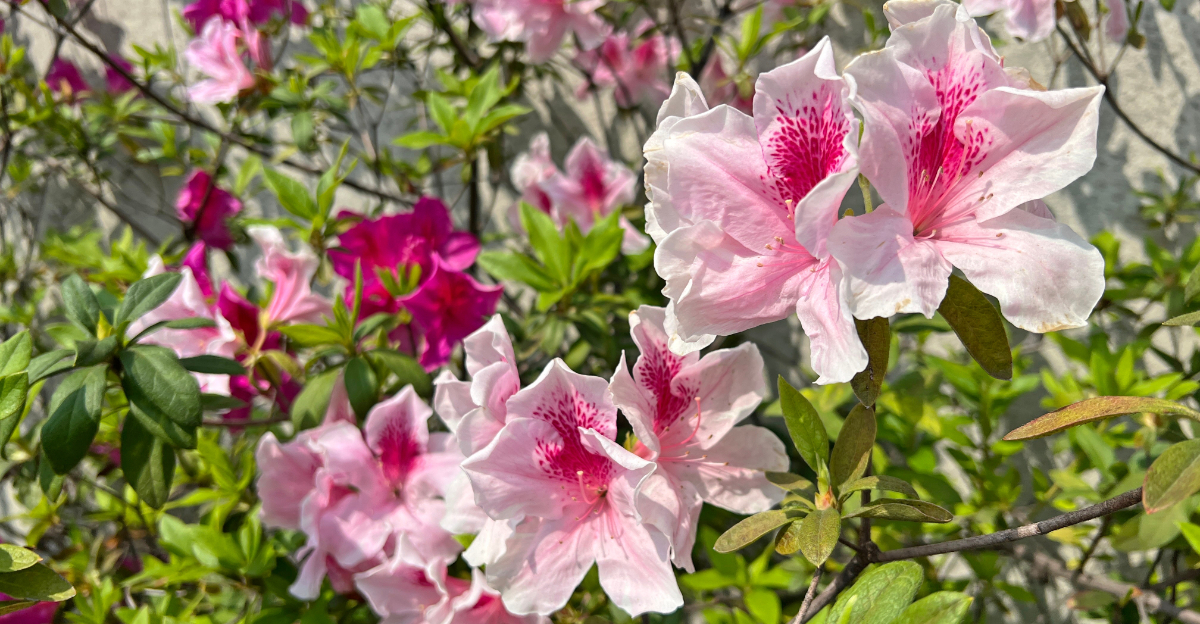
Your azaleas may look finished for the season, but one September decision can quietly affect the flowers you see next spring. That makes this a poor time to treat every overgrown branch as an invitation to start cutting.
Many azaleas have already begun forming buds that will become next year’s colorful display.
Those buds are easy to overlook because the shrub may look leafy. Once you know they are there, fall cleanup deserves much more thought.
Georgia gardeners should resist the urge to tidy these shrubs without considering what each cut could remove.
Timing matters more than the plant’s untidy shape suggests. Handle the shrub, and you can avoid sacrificing the display you have been waiting to enjoy.
Your spring flowers may depend on what you leave alone this September.
1. Your Azaleas Are Already Preparing For Next Spring
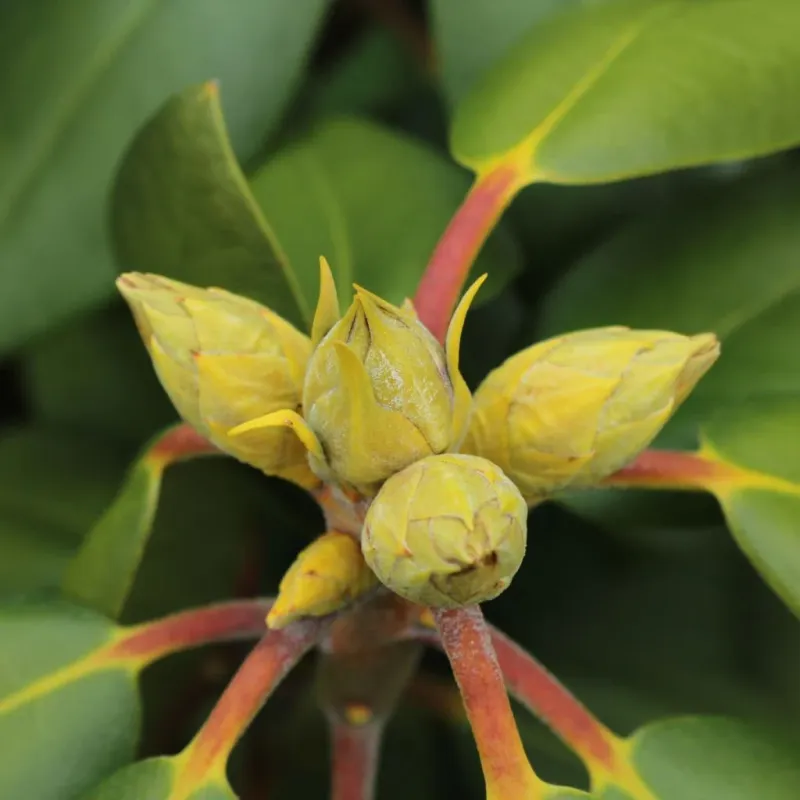
Look closely at your azalea branch tips right now. Those small, fat little knobs are not leaves.
They are flower buds, and they formed weeks ago.
Azaleas work on a schedule that runs ahead of the calendar. While you were dealing with August heat and watering chores, the shrub was quietly building next year’s show.
That means the plant you see in September is not a blank slate. It is already loaded.
Across Georgia, most common landscape azaleas follow this pattern, including the Kurume and Southern Indica types found in older neighborhoods. Encore and other repeat bloomers behave a bit differently, since they flower more than once.
Still, the basic rule holds for the big spring display.
Think of it like a wrapped gift sitting on the shelf. Toss the box out in fall, and there is nothing to open in April.
Gardeners often assume plants build buds in late winter, right before they open. That assumption causes more lost blooms than pests or poor soil ever will.
Bud set depends on summer conditions too. A drought-stressed shrub may set fewer buds, and heavy shade can reduce them as well.
So before you plan any fall trimming, walk out and inspect the tips.
Once you learn to spot those buds, you will hesitate before cutting. That hesitation alone can save your spring color.
2. Next Season’s Flower Buds Form During Summer
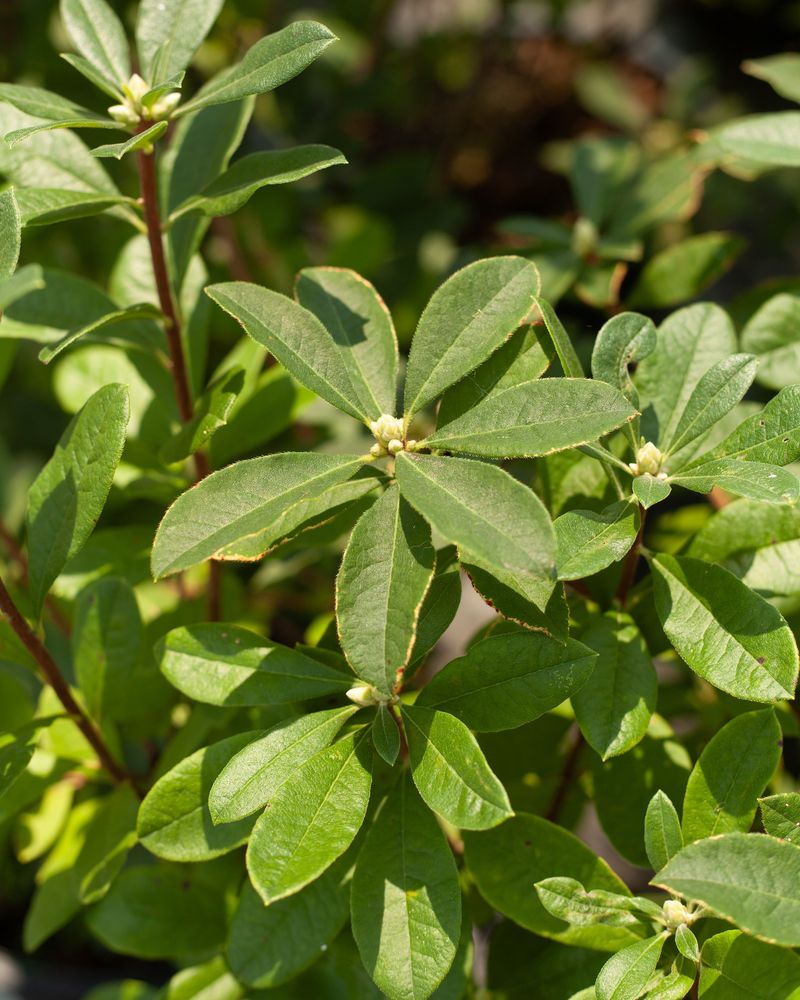
Bud formation happens earlier than most people expect. In much of the Southeast, azaleas begin setting buds by midsummer.
By late July or August, the work is largely finished.
Here is the sequence. Azaleas bloom in spring, push new shoots right after, then those shoots mature and form buds on their ends.
No new growth means no new buds.
Warm nights and long days drive that push. Georgia summers give azaleas plenty of both, which is part of why they perform so well here when sited correctly.
Water plays a role too. A shrub that stayed bone dry through August may have set a lighter crop of buds, especially in sandy or compacted soil.
That is worth remembering before blaming pruning alone.
Filtered light tends to help. Azaleas planted under high pine shade usually bud better than ones baking in full afternoon sun or buried in deep shade.
Your Georgia Garden Changes Every Week. Your Plan Should Too.
Gardening in Georgia changes quickly throughout the season. Every Friday you’ll receive a simple weekly plan showing exactly what to plant, prune, fertilize, harvest, and protect so you never miss the right timing.
Once buds form, they sit tight through fall and winter.
They look small and unremarkable. Cold weather does not open them, and they simply wait for spring warmth.
So the branch you snip in September holds finished work, not future potential. There is no time left in the season for the plant to rebuild what you removed.
Understanding that single timing detail changes how you treat the shrub all year.
3. September Pruning Can Remove Blooms Before You See Them
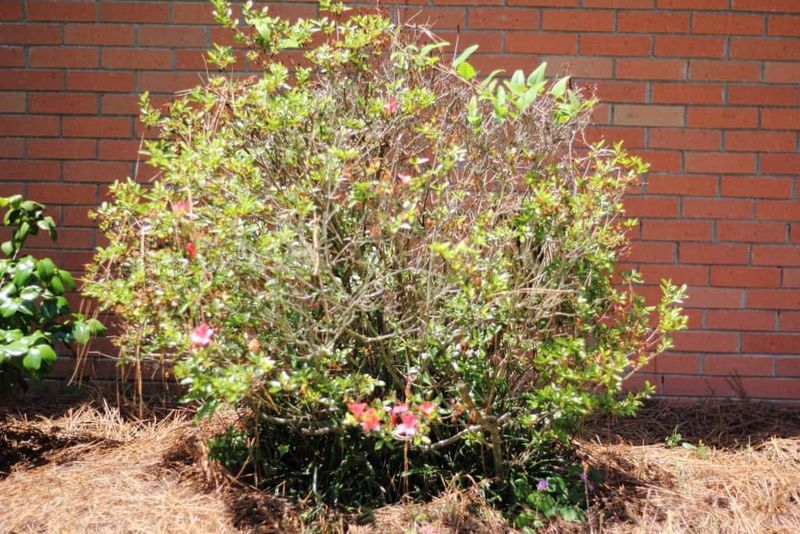
The damage is invisible on the day you do it. That is what makes September pruning so sneaky.
You trim, the shrub looks neat, and nothing seems wrong.
Fast forward to April. Neighbors have solid walls of pink and white, and yours has scattered flowers with green gaps.
Most people never link the two events.
Cutting branch tips removes the exact spot where buds sit. Since buds cluster at the ends of last season’s growth, even a modest trim takes a heavy share of them.
A shearing pass can remove most of them at once.
Homeowners across Georgia often prune in fall because that is when the yard gets its seasonal cleanup. The timing feels logical, but it works against the plant.
Hedge trimmers make it worse. Shears cut evenly across the outer shell of the shrub, which is precisely where the flowers live.
Hand pruners cause less loss, though the principle stays the same.
The plant itself will be fine. Azaleas tolerate fall pruning without real harm to their health, so this is a bloom problem, not a survival problem.
That distinction matters. You are trading one spring of color for a tidier September.
Most gardeners would not make that trade if they knew. Now you do.
4. Even Light Shaping Can Cut Away Developing Flower Buds
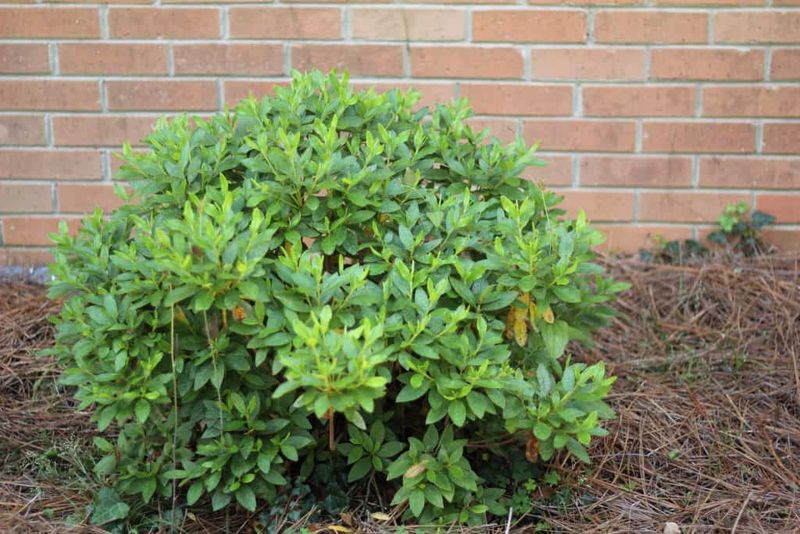
A quick tidy-up counts. That is the part folks resist believing.
Taking off two inches sounds harmless, but two inches is where the buds are.
Azaleas do not spread buds evenly along their stems. They concentrate them on the outermost growth from the current year.
Shave that layer, and you shave the flowers.
I have watched gardeners in metro Atlanta neighborhoods do a gentle rounding in September, then wonder why the shrub bloomed thin the next season. The shrub was healthy.
It just had nothing left to open.
Rule of thumb worth keeping: if you can see buds on the piece you are cutting, you are cutting blooms.
Same goes for edging back branches that lean over a walkway.
There are ways to buy time. Tucking a stray branch behind others, or tying it loosely, can hold you over until spring.
Removing a single branch that blocks a door is a fair trade-off.
Wholesale shaping is not.
Keep in mind that results vary with variety and site. Repeat-blooming types may recover some flowers, and vigorous plants in rich soil bounce back faster.
Even so, the safest move in September is restraint.
Put the shears down and enjoy the slightly loose shape. Spring will pay you back for it.
5. The Best Pruning Window Comes Right After Flowering
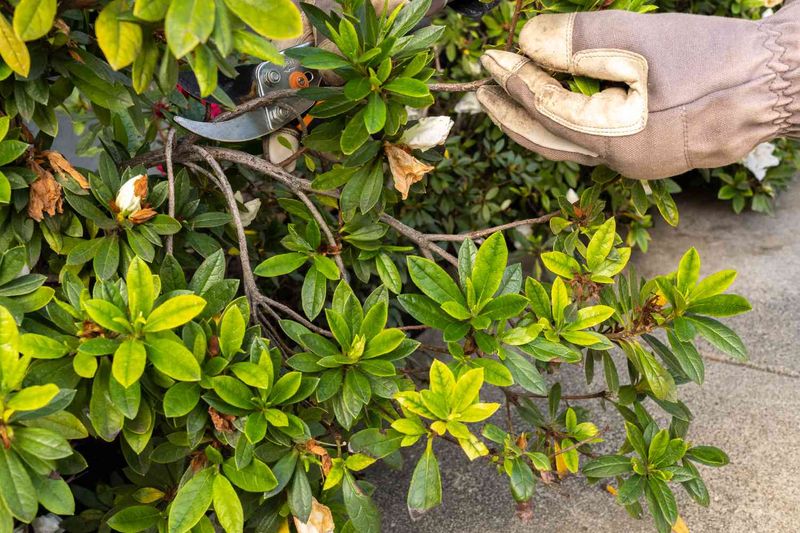
Timing fixes almost everything. Prune right after the last flowers fade, and you get the best of both worlds.
The shrub reshapes, then rebuilds buds through summer.
In most Georgia gardens, that window falls somewhere from mid-April into early June, depending on the variety and how the spring ran. Early bloomers finish sooner.
Late types push the window back a few weeks.
Watch the plant, not the date.
A rough guideline many Southern gardeners use is to finish pruning by around the Fourth of July. After that, you start gambling with bud set.
Sooner is better than later.
Cut back to a side branch or just above a leaf node rather than shearing flat. Selective cuts keep the natural layered look and let light reach the interior.
Interior light helps the plant stay full instead of hollow.
Big renovation cuts belong in that same post-bloom period. Old, leggy azaleas can handle hard pruning, though you may sacrifice a season of flowers while they regrow.
Water well afterward, especially through dry stretches.
New growth needs steady moisture to mature and set buds properly. Mulch with pine straw to hold it in.
Mark your calendar now for next May. Future you will appreciate the reminder when the yard gets busy.
6. Damaged Branches Are An Important Exception To The Rule
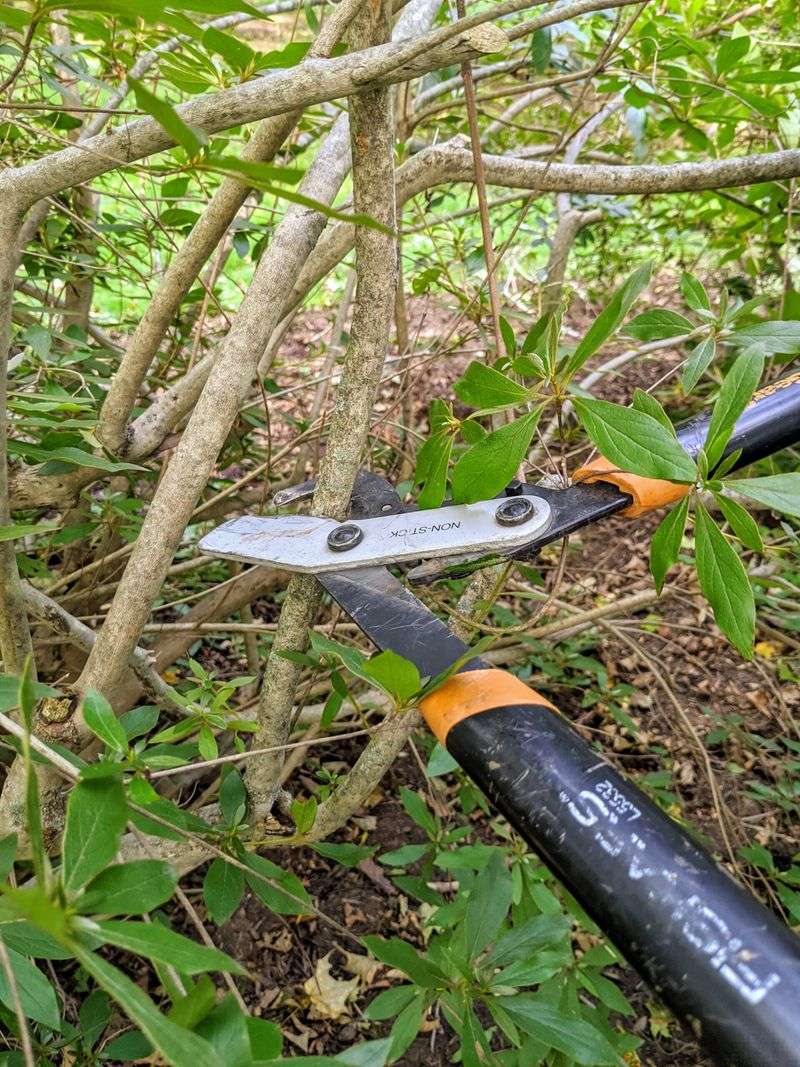
Broken limbs do not wait for spring. If a storm cracks a branch or a limb snaps under a fallen pine, cut it out.
Losing a few buds beats leaving a torn wound open.
Summer storms roll through this part of the country hard, and azaleas sitting under mature trees take hits. Falling debris splits stems more often than people realize.
Check the base of the shrub after big weather.
Diseased wood is another fair reason to prune in fall. Branches with cankers, oozing bark, or wilted foliage that never recovered should come out.
Clean cuts heal better than ragged tears.
Use sharp bypass pruners and cut back to healthy wood or to a main branch. Wipe blades with rubbing alcohol between cuts if you suspect disease.
Skip the pruning paint. It offers no real benefit.
Crossing branches that rub each other can also be trimmed, though that job is usually better saved for after bloom unless the rubbing is severe.
Judgment matters here more than rules.
Keep these cuts targeted. The goal is removing problems, not reshaping the plant.
Once the damaged wood is gone, step back and stop. Resist the urge to even things out while the pruners are already in your hand.
That single habit protects a lot of flowers.
7. Leaving Healthy Growth Alone Now Protects The Spring Display
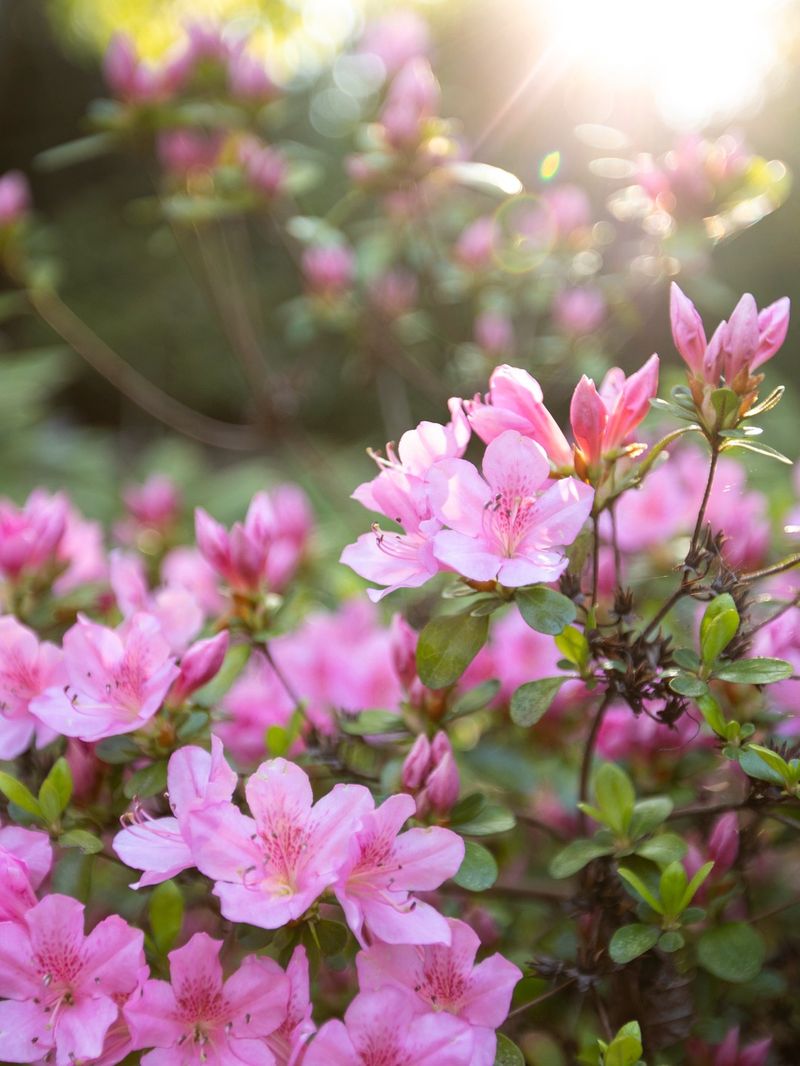
Doing nothing is real work in a garden. It takes discipline to walk past a slightly shaggy shrub.
Your reward shows up in April.
Instead of pruning, shift your energy to the stuff that actually helps this time of year. Refresh pine straw mulch to two or three inches, keeping it off the trunk.
Mulch steadies soil moisture and temperature.
Water matters more than most people think in fall. Georgia often runs dry in September and October, and azaleas have shallow roots that suffer quickly.
A deep soak every week or two during dry spells helps buds hold.
Skip heavy nitrogen fertilizer now. Late feeding pushes soft growth that has no time to harden before cold weather.
A soil test through your county extension office is a smarter fall move.
Pull weeds by hand near the base rather than hoeing deep. Shallow azalea roots damage easily.
Clear fallen leaves that mat down on the crown.
Watch for lace bug damage too, which shows as pale stippled leaves. Note it now, then plan treatment for next season.
Come spring, that untouched shrub should open thick with color, and any loose branches can be handled right after the petals drop.
Patience is the whole trick. Leave the healthy growth, and the flowers take care of themselves.