9 Places You Should Never Hang A Hummingbird Feeder In North Carolina
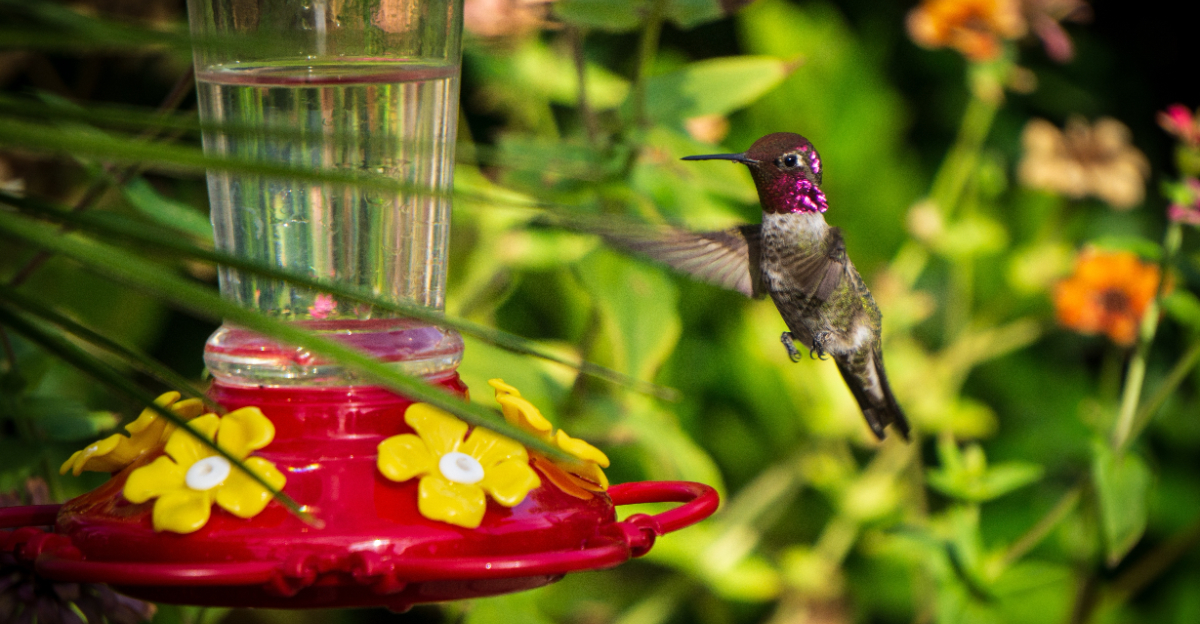
Hanging a hummingbird feeder feels like a simple decision, and most North Carolina homeowners assume any convenient spot near a window or porch will work just fine.
But certain locations quietly work against you, either driving hummingbirds away entirely or creating problems most people never see coming until it’s too late.
Understanding which spots to avoid could completely change how much activity you actually see at your feeder this season.
Many homeowners are surprised to learn that a seemingly perfect location is often exactly the kind of place hummingbirds instinctively avoid.
This list could explain why your feeder has been sitting mostly untouched despite doing everything else right. Once you know what to steer clear of, choosing a better spot becomes a lot more straightforward.
A small change in placement could be the difference between an empty feeder and one buzzing with activity all summer long.
1. In Direct Blazing Afternoon Sun
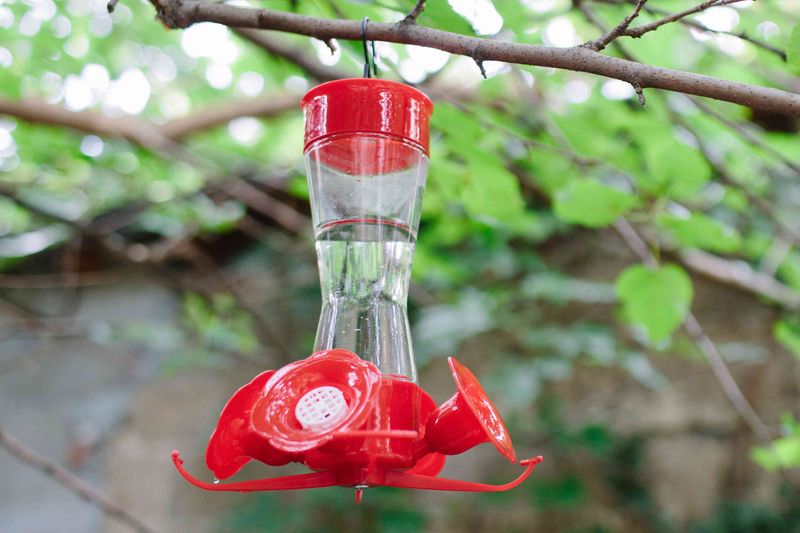
Summers in North Carolina can be brutal, with July temperatures often climbing into the 90s across the Piedmont and coastal plain. Hang your feeder where the sun beats down all afternoon, and that sugar water heats up fast.
Warm nectar spoils quickly. The sugar-water mix can ferment or grow cloudy within a day or two when it sits in constant heat, and spoiled nectar can make hummingbirds unwell. You would end up refilling far more often than you want.
Heat also speeds up mold growth inside the feeder ports. Black spots can appear, and cleaning becomes a daily chore instead of a weekly one.
A better plan is a spot that gets morning light but shade during the hottest part of the day. Dappled shade under a tree branch or beside the east side of your house works nicely. The birds still find the feeder easily, and the nectar stays fresh longer.
You will also notice the color of your feeder fades slower out of harsh sun. That bright red plastic keeps its appeal, which is a big draw for ruby-throated hummingbirds, the main species visiting the state.
If shade is hard to find, try moving the feeder as the seasons shift. What is shady in spring may bake by August.
Keeping nectar cool and clean is one of the kindest things you can do. A little planning around the sun goes a long way toward happy, healthy visitors.
2. Right Next To Busy Windows
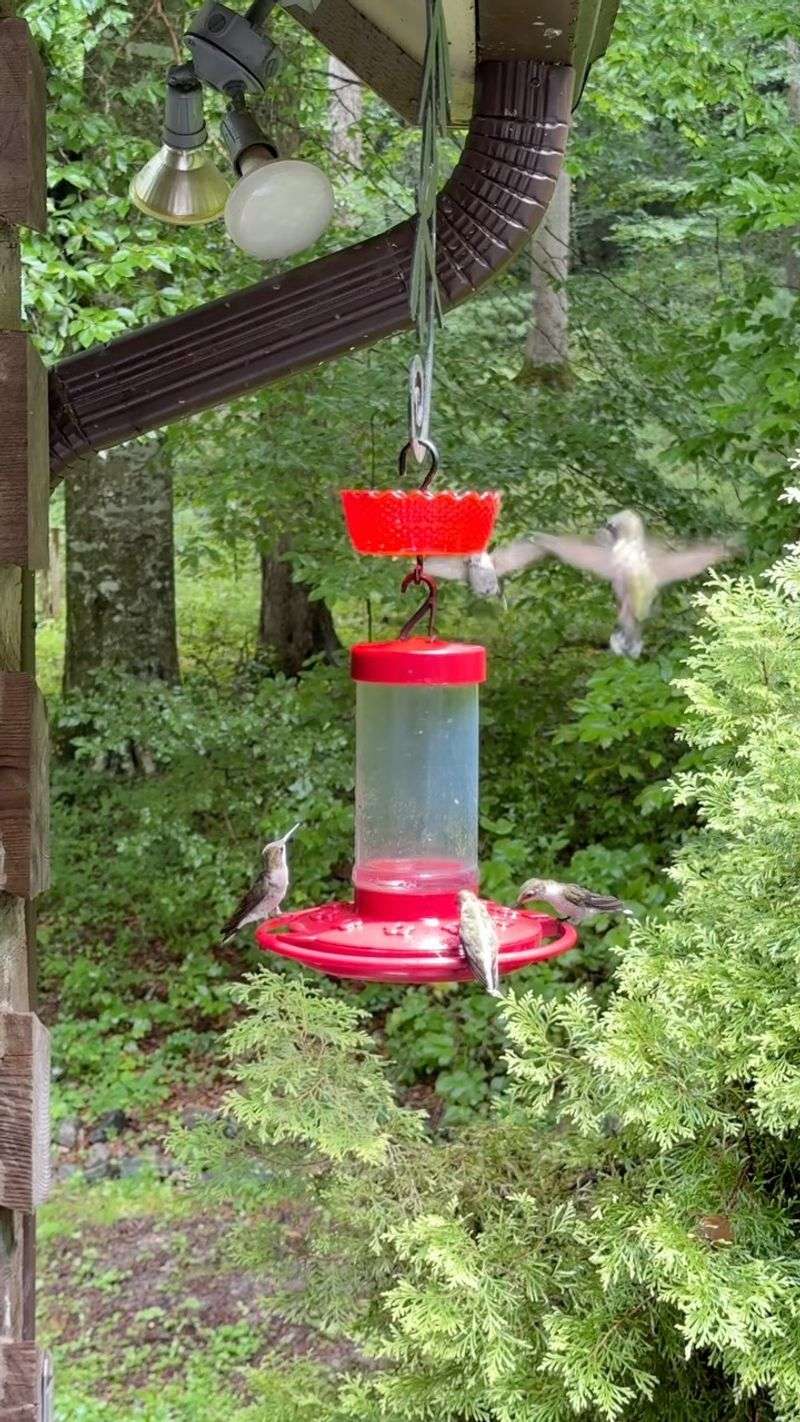
Windows can be sneaky trouble for hummingbirds. Glass reflects the sky, trees, and clouds, creating a mirror that looks like open space to a bird zipping along at full speed.
Place a feeder just a few feet from a large window, and a startled hummingbird may dart straight into the glass. These tiny birds move fast, and collisions can injure them badly.
Researchers who study window strikes suggest two safer zones. Either hang the feeder within about three feet of the glass, so birds cannot build up dangerous speed, or place it well beyond fifteen feet away.
The middle distance is the risky one. That awkward gap gives birds just enough room to accelerate before hitting the reflection.
Your North Carolina Garden Changes Every Week. Your Plan Should Too.
Gardening in North Carolina changes quickly throughout the season. Every Friday you’ll receive a simple weekly plan showing exactly what to plant, prune, fertilize, harvest, and protect so you never miss the right timing.
You can also break up reflections with decals, tape strips, or screens on the outside of the glass. Anything that tells a bird the window is solid helps a lot.
Many North Carolina homeowners love watching feeders from the kitchen or living room, and you can still do that safely. Just be thoughtful about the exact distance rather than sticking the feeder right in that danger range.
Ruby-throated hummingbirds return to the state each spring after long migrations, so protecting them once they arrive matters. A single crash can undo a journey of thousands of miles.
Take a minute to measure before you hang. Your view stays wonderful, and your visitors stay safe from a nasty surprise.
3. Below A Busy Bird Feeder
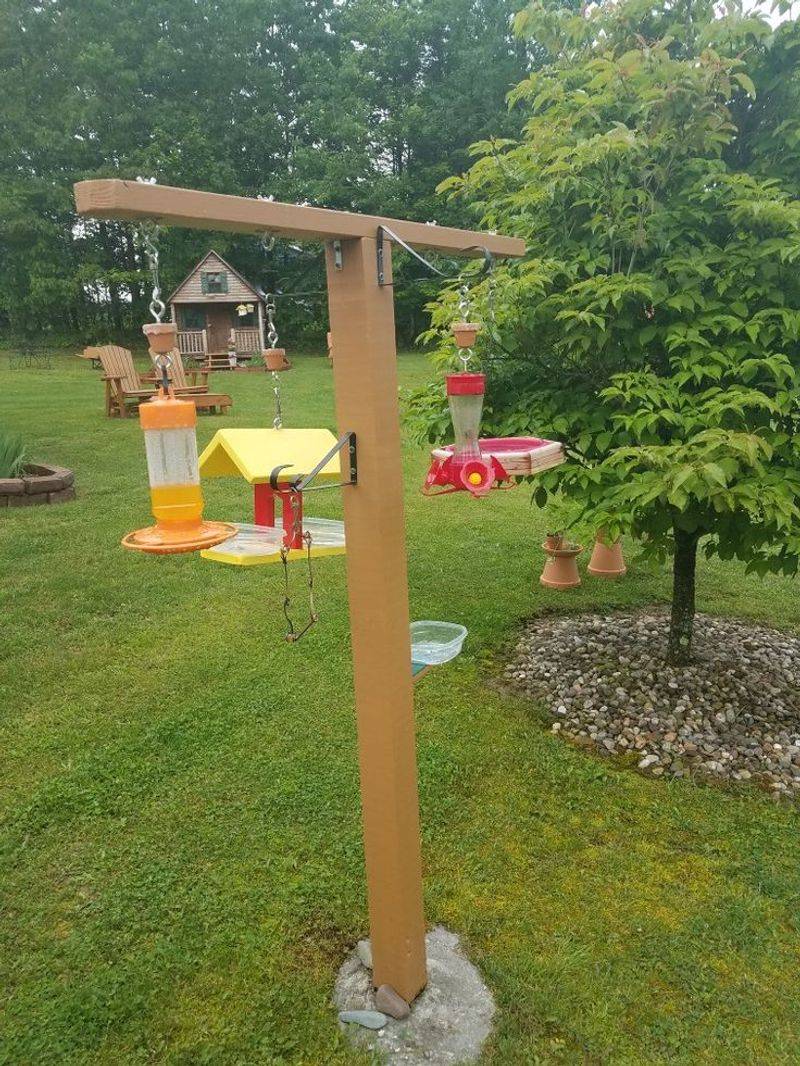
Seed feeders are a joy, drawing cardinals, finches, and chickadees all year in North Carolina. But hanging your nectar feeder right underneath one creates a messy problem.
Seed feeders drop hulls, crumbs, and droppings constantly. All that debris rains down onto whatever sits below, and your hummingbird feeder becomes a landing pad for grime.
Falling shells can clog the feeding ports. Droppings can contaminate the nectar, which is exactly what you want to avoid for the health of small visitors.
Larger birds swooping in to grab seeds also make hummingbirds nervous. These tiny fliers prefer calm, and a crowd of bigger, bossier birds nearby can scare them off entirely.
The fix is easy. Give your nectar feeder its own separate spot, several feet away from the seed buffet, ideally in a quieter corner of the yard.
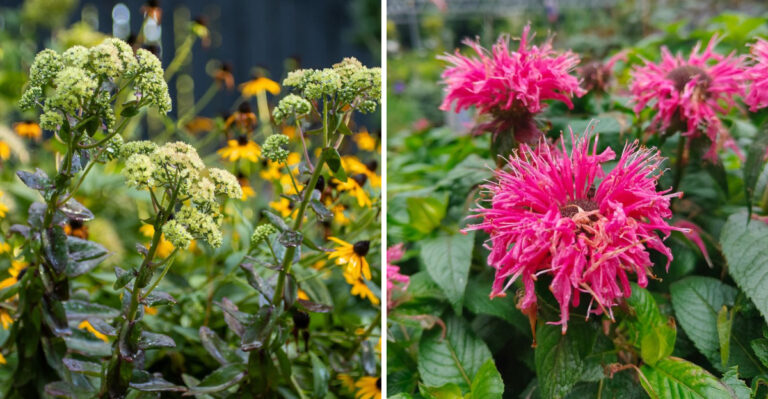
Some folks like keeping different feeder types in different zones. Seed feeders near a wooded edge, nectar feeders by flowering plants like trumpet honeysuckle or bee balm, which grow well in the region.
Keeping the areas apart also cuts down on your cleaning. Nobody enjoys scrubbing seed sludge out of tiny feeder holes.
Hummingbirds are drawn to red blooms and quiet spaces, so play to those preferences. A little separation keeps everyone comfortable.
Spread your feeders out, and you turn your yard into a whole neighborhood of dining spots. Each type of bird gets a clean, peaceful place to eat.
4. Out In The Open With No Cover
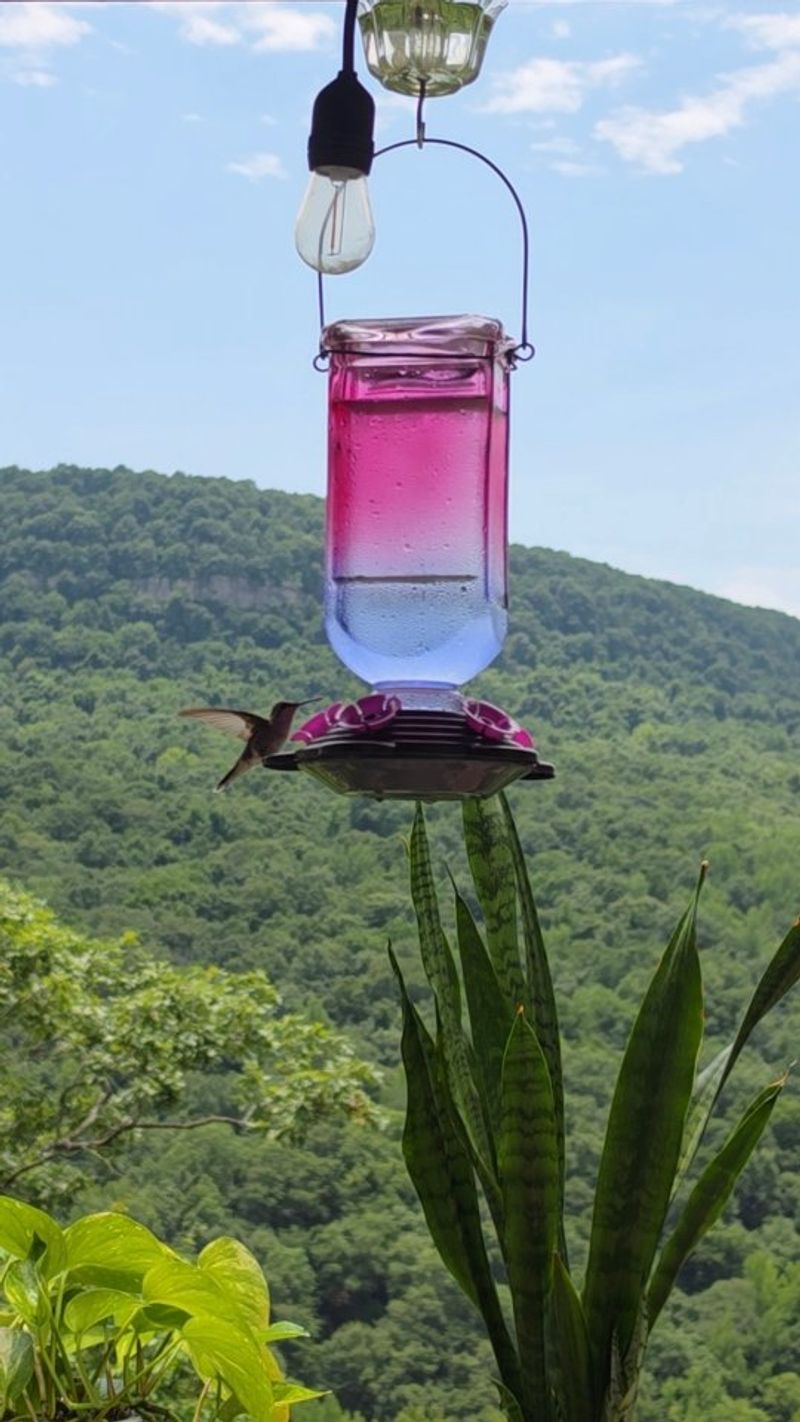
An open lawn might seem like the obvious place, easy to see and easy to reach. Yet hummingbirds actually feel exposed and jittery in wide, empty spaces.
These birds like a nearby perch where they can rest between sips and keep watch. Without a branch or shrub close by, they burn extra energy staying alert instead of relaxing.
Open spots also leave feeders at the mercy of wind. North Carolina gets its share of gusty days, and afternoon thunderstorms in summer can send a swaying feeder spilling nectar everywhere.
Predators are another worry. A feeder with no cover offers no quick escape route if a hawk cruises overhead, and hummingbirds know it.
Try hanging your feeder near a tree, tall shrub, or garden trellis instead. A spot within about ten feet of natural cover gives birds a safe perch to dart to.
Nearby branches double as little watchtowers. Male ruby-throats especially love to sit and guard their favorite feeder, chasing off rivals with impressive speed.
Cover also softens the wind, so nectar stays put and the feeder stays steady. That means fewer sticky messes on your lawn.
Plant some native flowers around the area, and you make the spot even more inviting. Cardinal flower and trumpet creeper both thrive in the state and pull hummingbirds in.
Give your visitors a sense of shelter, and they will linger longer. A cozy corner beats a lonely open field every time.
5. Near An Active Ant Or Bee Hotspot
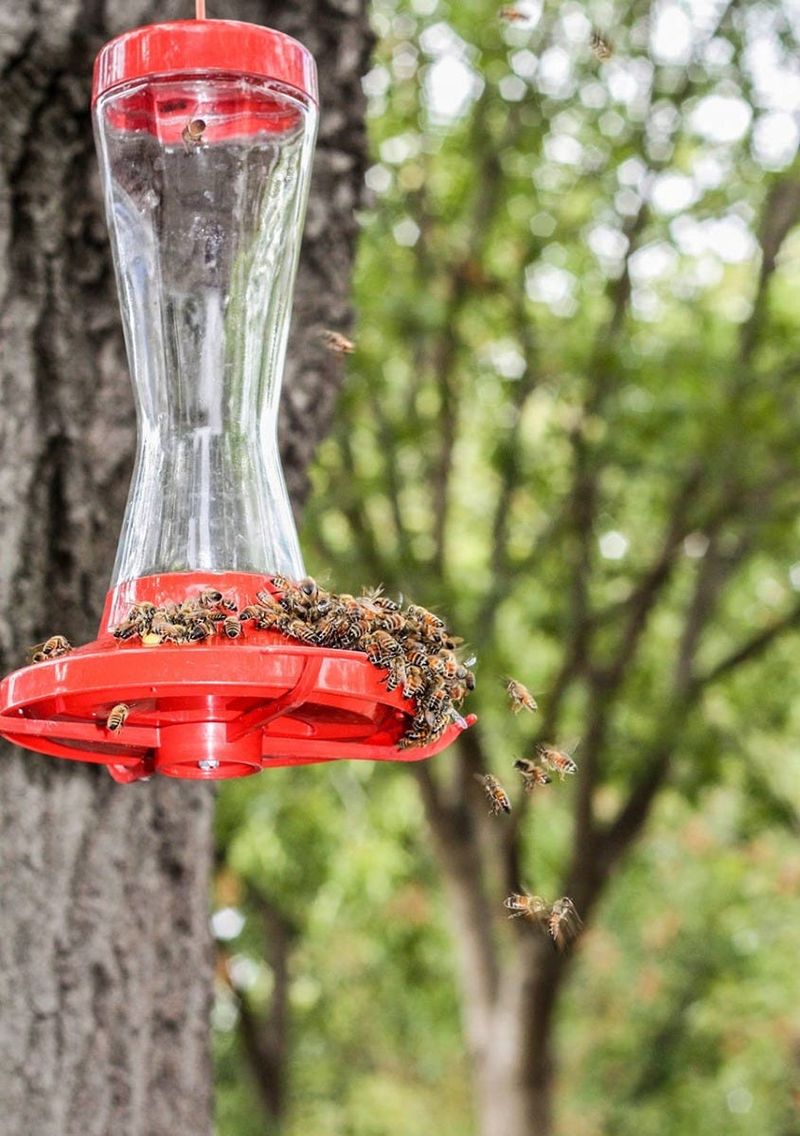
Sweet nectar is a magnet, and not only for hummingbirds. Ants, bees, wasps, and hornets all love a free sugar meal too.
Hang your feeder near an ant trail, a flower bed buzzing with bees, or a wasp nest, and you invite an insect takeover. Once bugs move in, hummingbirds often stay away.
Ants can crawl right into the ports and drown, fouling the nectar. A feeder crawling with insects quickly turns unappealing to your feathered guests.
North Carolina summers keep bees and wasps busy well into fall. Yellow parts on some feeders can attract them even more, since that color signals flowers to insects.
You can outsmart the invaders with a few tricks. An ant moat, which is a small water-filled cup above the feeder, stops ants from reaching the nectar entirely.
Bee guards fitted over the ports let hummingbird beaks in while keeping insects out. Choosing a feeder with red parts and no yellow also helps reduce bee interest.
Keep the outside of the feeder clean and wipe up drips, since sticky trails call insects from far away. A tidy feeder is a less tempting target.
Placing it away from blooming flowers that already hum with bees makes a difference too. Give the insects their space and the birds theirs.
With a moat and a bit of upkeep, you keep the sugar for the ones with wings that whir. Your hummingbirds will thank you by sticking around.
6. Where Cats Can Easily Reach
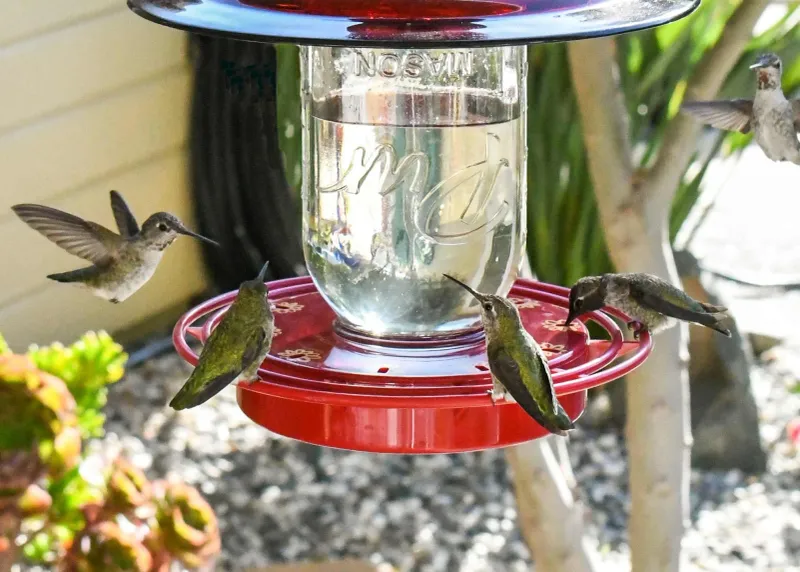
Cats are natural hunters, and a feeder full of tiny birds looks like an all-you-can-catch buffet to them. Placement makes a huge difference in keeping visitors safe.
Hang a feeder low, or right above a fence, shed roof, or dense shrub, and you hand cats the perfect ambush spot. They crouch, wait, and pounce when a bird comes close.
Outdoor and stray cats are common across North Carolina neighborhoods, so this risk is real for many yards. Even a well-fed pet cat will chase birds out of instinct.
The safest feeders hang well off the ground and away from launch points. Keep them clear of low branches, deck railings, and anything a cat can leap from.
A height of at least five or six feet, with open space beneath, gives hummingbirds room to escape. Cats cannot easily reach a feeder floating in open air.
Trimming back bushes near the feeder removes hiding spots too. A cat with nowhere to lurk is far less likely to succeed.
If you own a cat, keeping it indoors during peak feeding hours protects the birds and your pet. Indoor cats also tend to live longer, healthier lives.
Hummingbirds are quick, but they get distracted while feeding, which is exactly when a hidden cat strikes. Removing the ambush option keeps them focused on the nectar.
Think like a cat when you choose your spot. Take away the sneak attack, and your yard becomes a much friendlier place to sip.
7. Too Close To A Grill Or Fire Pit
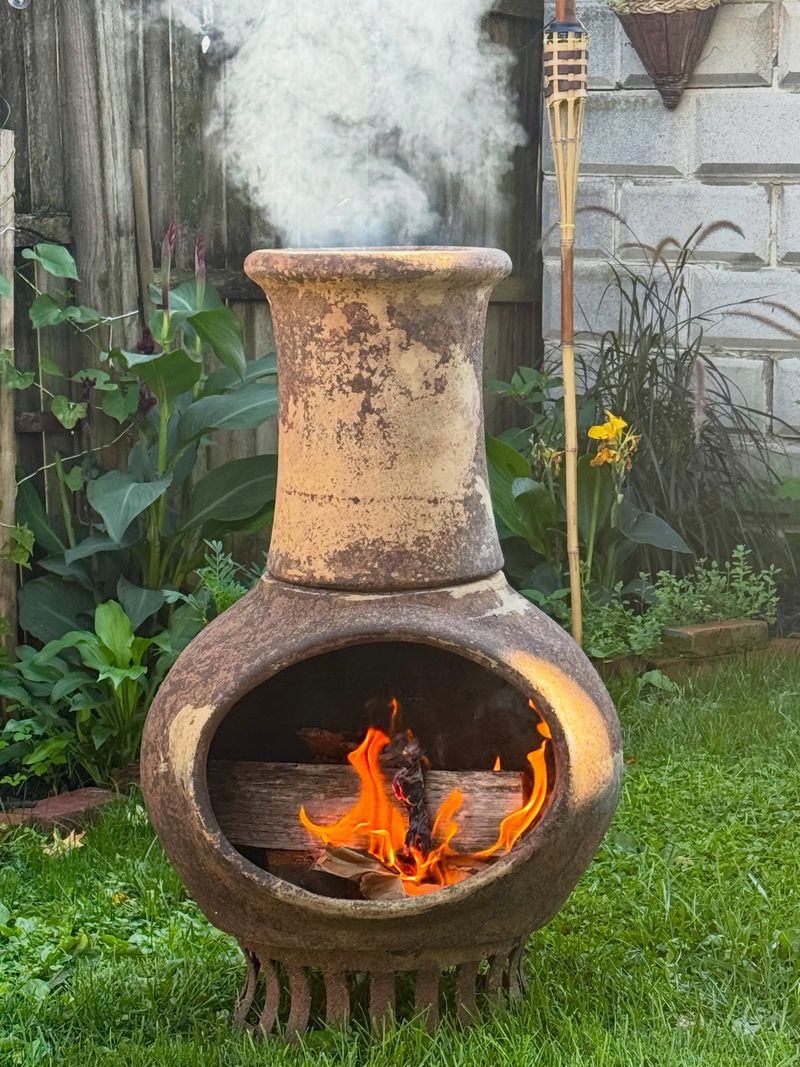
Backyard cookouts are a Carolina tradition, from lakeside gatherings to weekend porch parties. Just keep your hummingbird feeder well away from the grill and fire pit.
Smoke and cooking fumes bother hummingbirds. These sensitive little fliers avoid areas thick with smoke, so a feeder in the haze goes ignored.
Heat rising from a grill can also warm the nectar and speed up spoiling. On top of that, greasy smoke can leave a film on the feeder that is unpleasant and hard to clean.
Fire pits create the same problem in the evenings. Flickering flames and drifting smoke make a nearby feeder feel unsafe and uninviting.
There is a safety angle for people too. Grease and sugar drips near an open flame are simply not a good mix, and you do not want sticky spills close to the fire.
Give your feeder a peaceful corner far from the cooking zone. A quiet spot near flowers or a shade tree suits the birds much better.
If your patio is small, consider hanging the feeder around the side of the house instead. The birds get calm, and your guests still enjoy the show from a distance.
Hummingbirds are most active at dawn and dusk, the same times many folks fire up the grill. Keeping the areas separate lets both activities happen without conflict.
Plan your layout with a little breathing room. Clean air and cool nectar keep the tiny visitors coming back for more.
8. In A Spot You Cannot Easily Reach
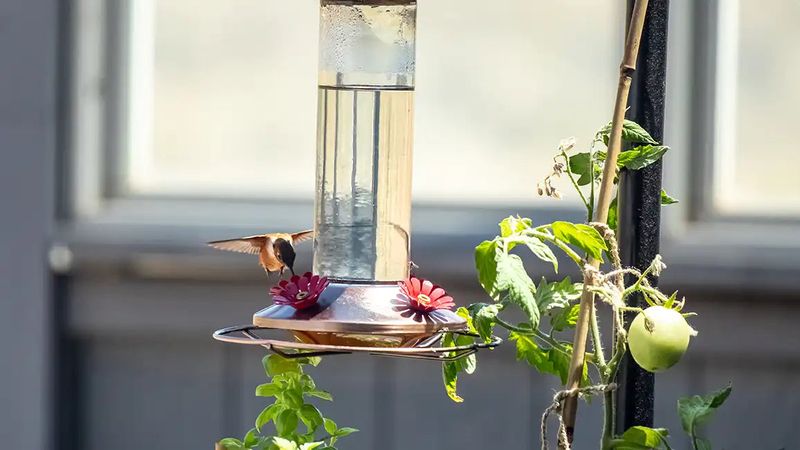
It is tempting to hang a feeder way up high or deep in a tree for a pretty view. But if you cannot reach it easily, upkeep becomes a real headache.
Nectar needs changing often, especially in North Carolina heat. During the hottest weeks, you may need to refresh it every two to three days to keep it from spoiling.
A feeder that requires a ladder or a long stretch every time will get neglected. Skipped cleanings lead to cloudy, moldy nectar that can harm the very birds you want to help.
Hummingbird feeders should be washed with hot water regularly, and every crevice needs attention. That job is nearly impossible when the feeder is dangling out of comfortable reach.
Pick a spot you can service without any fuss. A shepherd’s hook, a low sturdy branch, or a bracket near a window all make refills quick and simple.
Easy access also lets you keep an eye on the nectar level and spot problems early. You will notice mold, insects, or leaks before they drive birds away.
Convenience keeps you consistent, and consistency is what turns your yard into a reliable stop. Hummingbirds remember dependable feeders and return to them.
Ruby-throats have excellent memories and often revisit the same yards year after year. Rewarding that loyalty means keeping the feeder fresh.
Set yourself up for success with a reachable spot. When cleaning is painless, you actually do it, and everyone wins.
9. Under A Leaky Gutter Or Drippy Eave
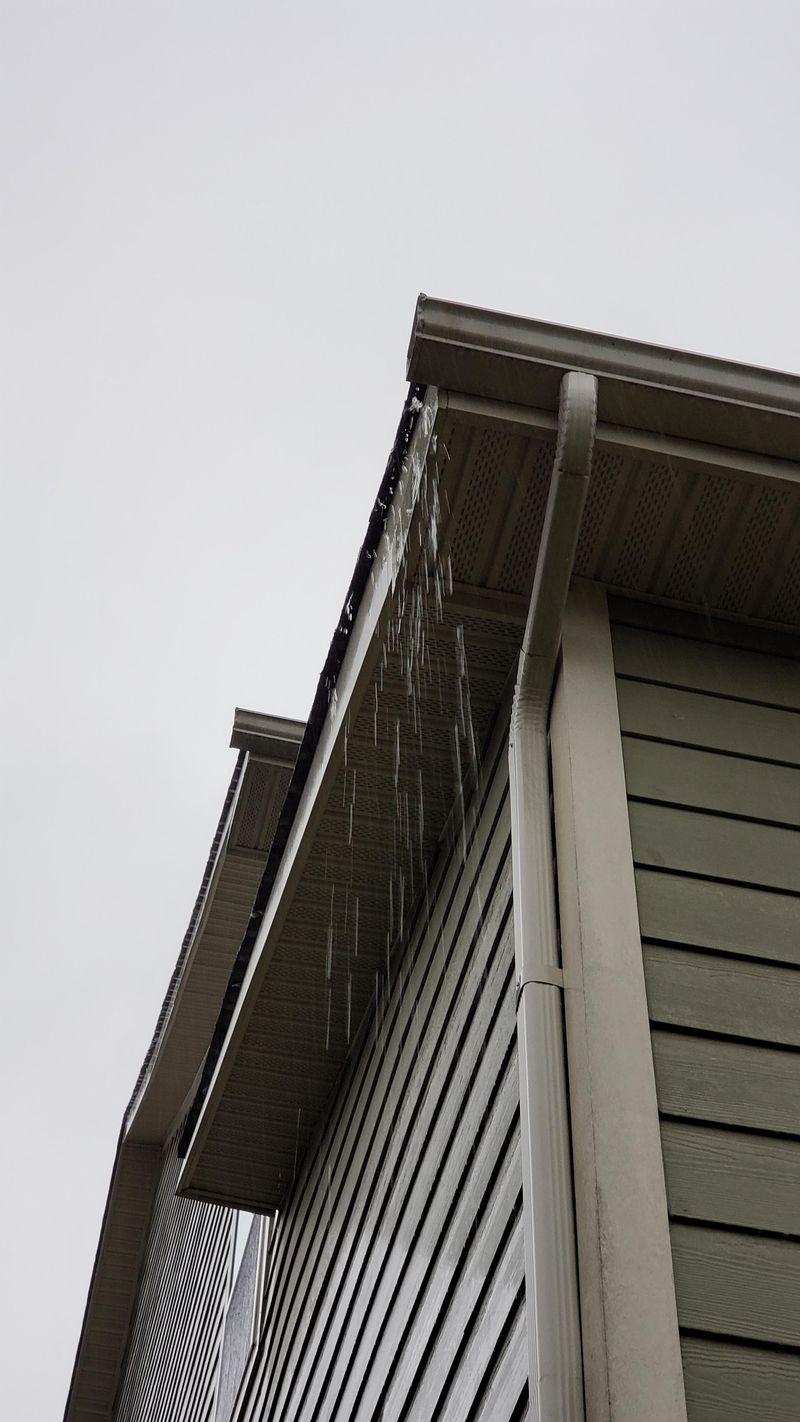
An overhang seems like smart shelter from the rain, and it can be. The trouble starts when that spot sits right under a leaky gutter or a dripping eave.
North Carolina gets plenty of rain, from spring showers to summer downpours and the occasional tropical system. Steady drips landing in an open feeder water down the nectar fast.
Diluted nectar loses its sweetness, and hummingbirds can tell. A watery mix offers less energy, so the birds look elsewhere for a better meal.
Constant dripping can also overflow the feeder and wash nectar out through the ports. You end up with a sticky puddle below and an empty feeder above.
Runoff from a roof may carry dirt, debris, or grit too. None of that belongs in the clean sugar water your visitors depend on.
The smart move is choosing a covered spot that stays dry, not one directly in a drip line. A porch corner away from the gutter edge works great.
You can also fix the gutter, since a clogged or damaged one causes overflow during heavy rain. Clearing leaves helps water flow where it should.
Some feeders come with built-in rain guards or little roofs that shield the ports. Those are handy during the state’s wetter stretches.
A dry, sheltered feeder holds strong nectar even through a storm. Check where the water actually falls before you hang, and your visitors keep sipping the good stuff no matter the weather.