Why Squash Vines Are Suddenly Collapsing In Michigan Gardens
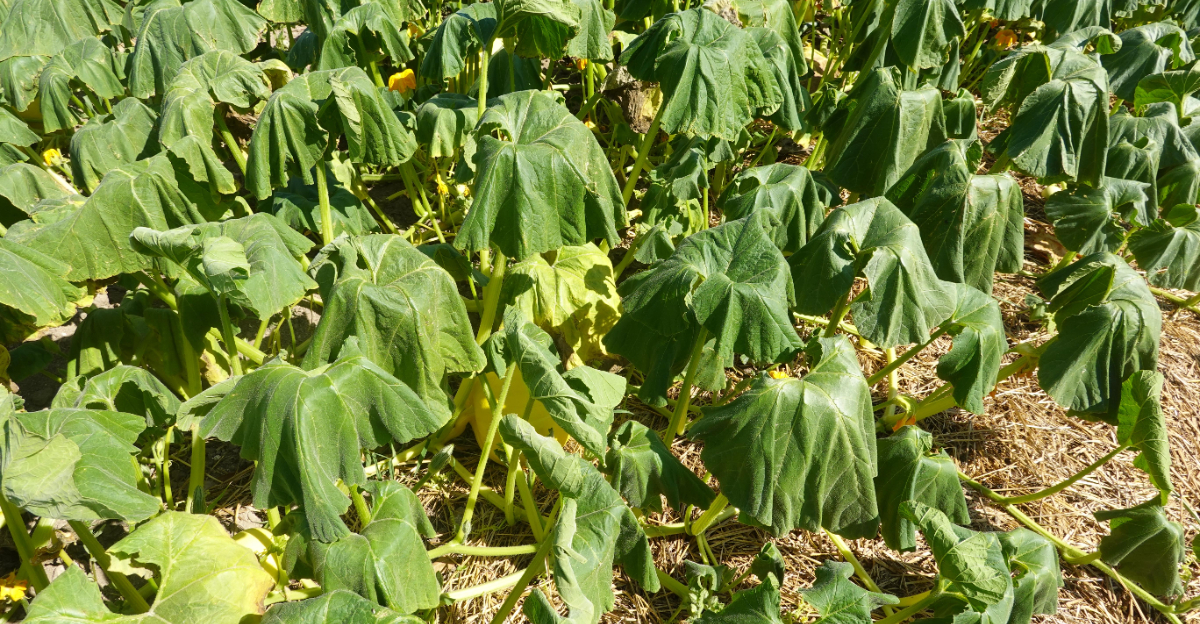
One morning your squash vines look full and green, heavy with leaves and promise.
By the next afternoon, the whole plant has gone limp, as if someone pulled the life right out of it overnight. It’s a gut punch for any Michigan gardener who watched that vine climb and spread all summer.
No amount of watering seems to bring it back, and the wilting only spreads faster from there. Something is happening beneath the soil, out of sight until it’s already too late to stop.
A few different culprits can cause this exact kind of sudden collapse, and telling them apart matters more than you’d think.
The good news is that once you know what to look for, you can catch the warning signs earlier next time. Here’s what’s really behind those vines giving out seemingly overnight.
1. Squash Vine Borers Tunneling Inside Stems
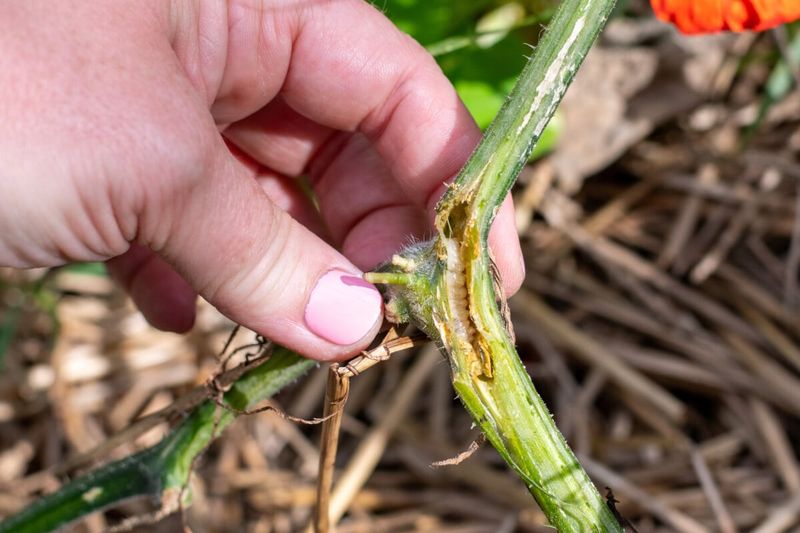
Picture a hidden invader chewing through the inside of your plant while everything looks calm on the surface. That is the squash vine borer, one of Michigan’s sneakiest garden troublemakers.
The adult is a clear-winged moth that looks a bit like a wasp. It lays tiny eggs near the base of squash stems, usually earlier in summer. By late summer the larvae have burrowed deep inside, feeding on the stem tissue that carries water to the rest of the plant.
You can spot the warning signs if you look closely. A yellowish, sawdust-like material called frass often piles up near a small hole at the base of the stem. The vine may wilt during the hottest part of the day, then seem to recover, until it finally flops for good.
To check, gently feel the lower stem for soft, mushy spots. Sometimes you can slit the stem lengthwise with a knife, remove the larva, then mound moist soil over the cut area to encourage new roots.
For future plants, try wrapping the lower stems with foil or floating row covers early in the season. Planting a second round of squash in early summer can also dodge the main egg-laying window in Michigan.
Cleaning up old vines at season’s end removes hiding spots for pupae in the soil. It takes patience, but knowing this pest is even a possibility puts you way ahead of most backyard gardeners.
2. Bacterial Wilt Spread By Cucumber Beetles
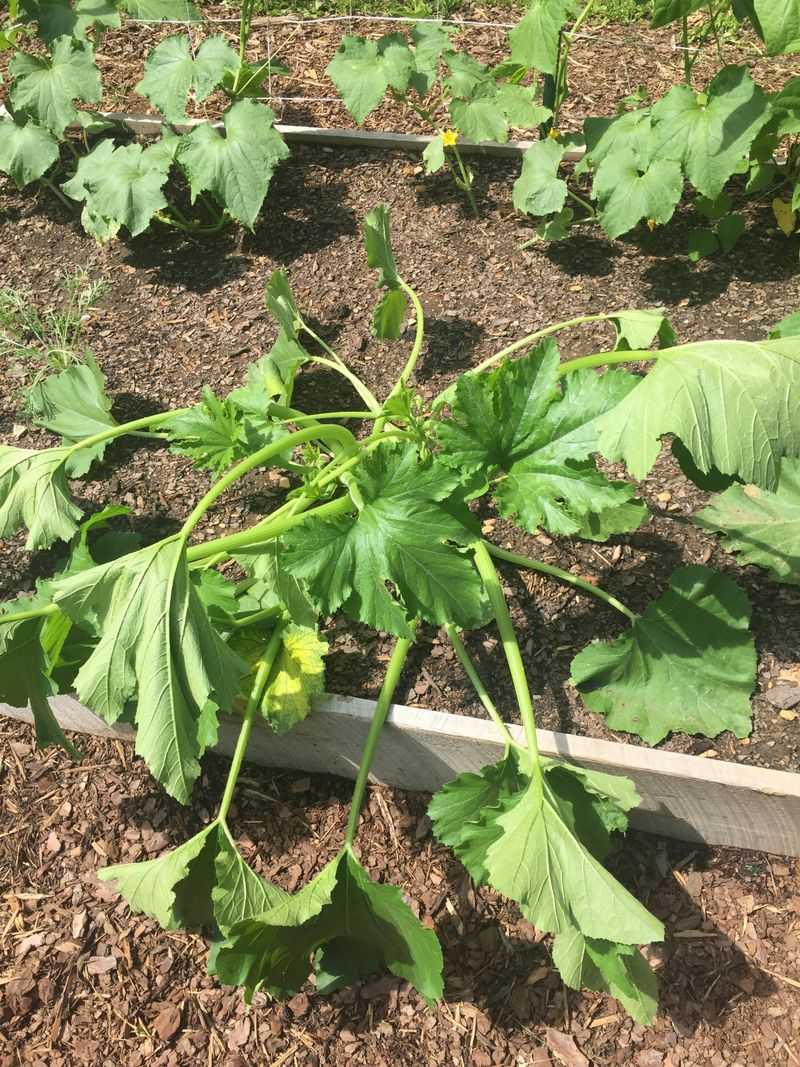
Sometimes the culprit is far too small to see, yet it travels on the backs of busy little beetles. Bacterial wilt is a disease carried by striped and spotted cucumber beetles, both common across Michigan.
Here is how the trouble starts. When beetles chew on squash leaves, they can pass bacteria into the plant through the wounds.
Those bacteria multiply inside the vine and clog the tubes that move water, so the plant wilts even when the soil is plenty moist.
A neat trick helps you check for it. Cut a wilted stem, then press the two cut ends together and slowly pull them apart. If you see a stringy, sticky, milky thread stretch between the pieces, bacterial wilt is likely the cause.
Your Michigan Garden Changes Every Week. Your Plan Should Too.
Gardening in Michigan changes quickly throughout the season. Every Friday you’ll receive a simple weekly plan showing exactly what to plant, prune, fertilize, harvest, and protect so you never miss the right timing.
Once a plant is infected, there is no cure, so prevention becomes your best tool. Focus on controlling the beetles early with row covers, which you can lift during flowering so pollinators can reach the blooms.
Yellow sticky traps and regular scouting also help you catch beetle numbers before they explode. Some gardeners plant a few extra squash as sacrificial decoys to lure beetles away from the main crop.
Choosing varieties that beetles find less tempting can reduce your risk too. Butternut and other Cucurbita moschata types tend to shrug off this problem better than many summer squash.
By keeping beetle populations low, you protect your vines from a disease that spreads faster than most people expect.
3. Powdery Mildew Coating The Leaves
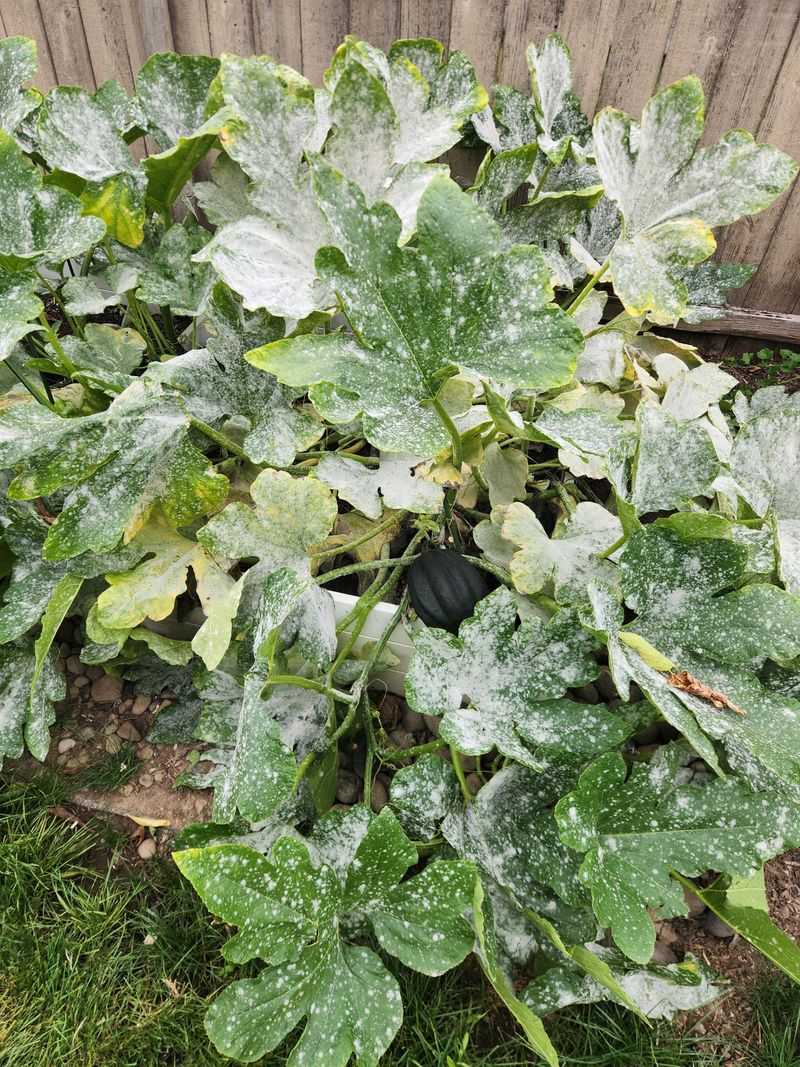
Ever notice what looks like someone dusted your squash leaves with flour? That white, powdery coating is a fungal disease called powdery mildew, and Michigan’s humid late-summer weather is its favorite playground.
The spores spread easily through the air and land on leaves, especially when nights turn cool and damp while days stay warm.
Unlike many fungi, this one does not need standing water on the leaves to take hold, which is why it thrives even in dry spells with heavy dew.
As the disease grows, leaves turn yellow, then brown and brittle. When enough foliage is lost, the plant cannot make the energy it needs, and the whole vine weakens and slumps.
You can slow it down with a few simple habits. Space plants far enough apart so air moves freely between them, and water at the base instead of overhead to keep leaves drier.
Removing the worst-affected leaves early can keep spores from spreading across the whole patch. Some gardeners spray with diluted horticultural oils or a baking soda mixture at the first white spots, which can help protect healthy tissue.
Planting mildew-resistant squash varieties gives you a real head start, since breeders have developed many that hold up well. Full sun also helps, because shaded, crowded plants stay damp longer.
Powdery mildew rarely appears overnight, so catching those early flour-like patches lets you act before the vine gets overwhelmed and gives out on you.
4. Squash Bugs Draining The Plant
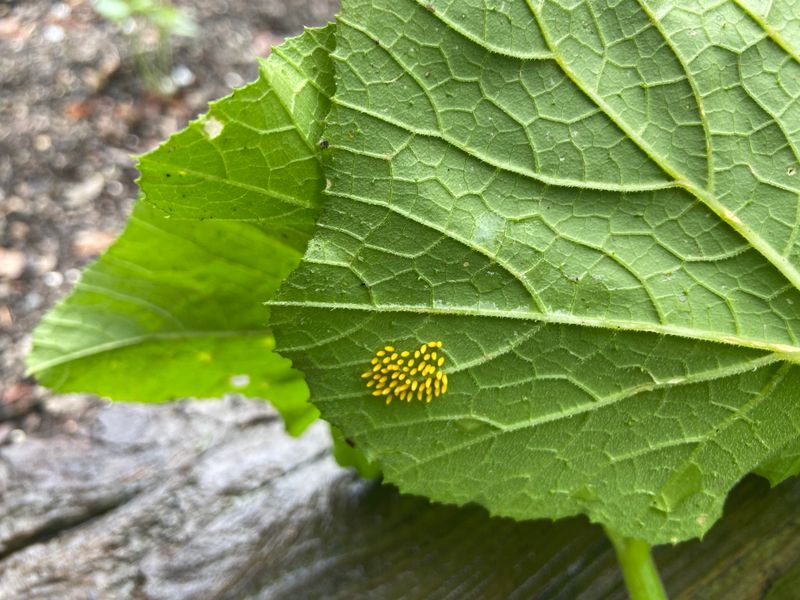
Flip over a wilting squash leaf and you might find a gathering that makes your skin crawl. Squash bugs are flat, gray-brown insects that team up to drain the life out of your vines.
They feed by piercing the plant and sucking out the sap, kind of like tiny straws poked into a juice box. As they feed, they also inject a substance that damages the plant’s water-carrying system, causing leaves to wilt, darken, and turn crispy.
These pests are famous for showing up in large groups, so the damage adds up fast. Look on the undersides of leaves for clusters of shiny bronze or copper-colored eggs arranged in neat rows.
Handpicking is surprisingly effective for a home garden. Drop the adults and eggs into a container of soapy water, and check often since new bugs keep arriving through the season.
You can also lay a board flat on the soil overnight, because the bugs like to hide under it. In the morning, flip it over and collect the crowd that gathered there.
Keeping your garden tidy matters too. Removing old vines and debris at the end of the season takes away the cozy spots where adults spend the winter.
Row covers early in the season block them from settling in, though you will want to remove covers when flowers appear so bees can visit. Staying on top of squash bugs makes a huge difference in whether your vines survive into fall.
5. Root Rot From Soggy Soil
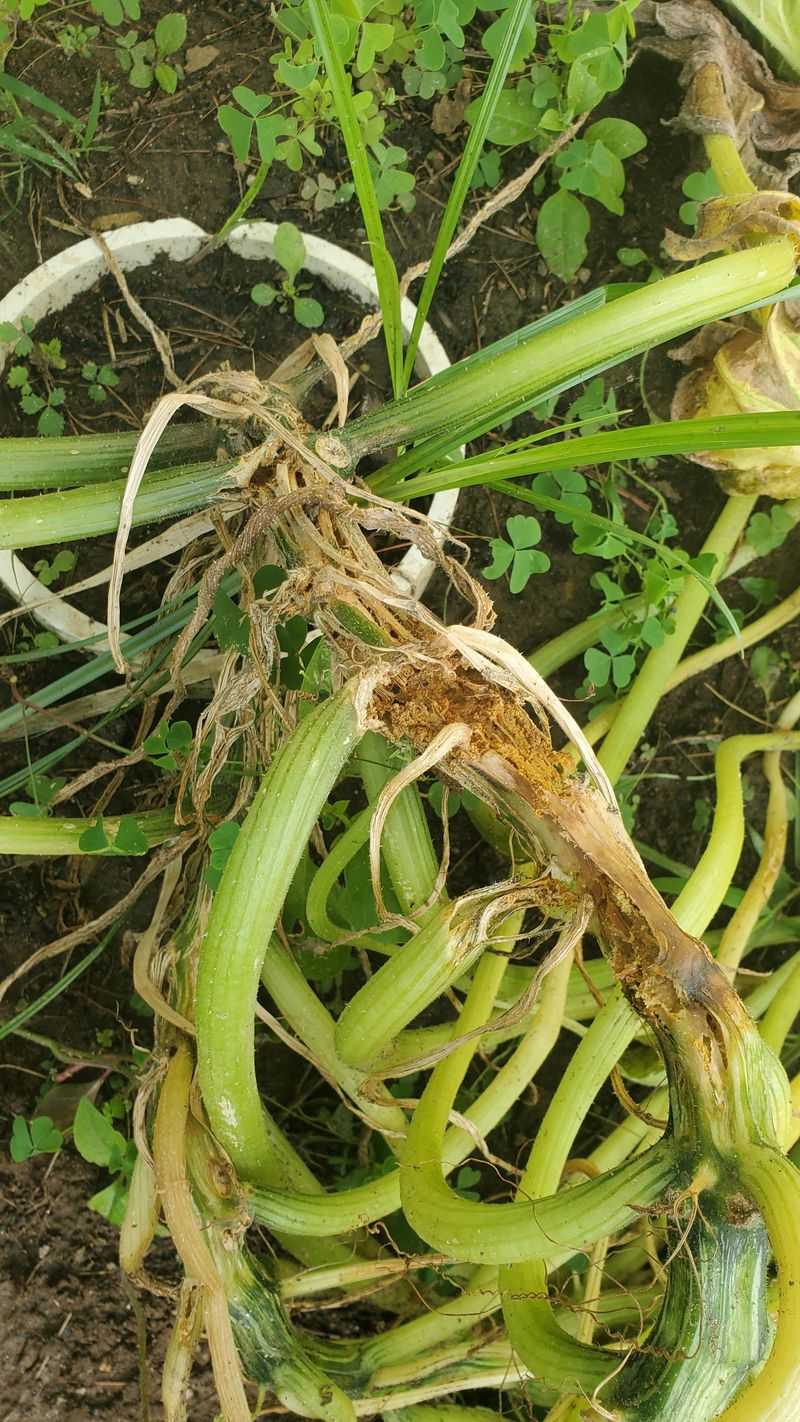
It sounds backward, but too much water can hurt your squash just as much as too little. When roots sit in soggy soil for too long, they can rot, and a collapsing vine follows soon after.
Michigan gets its share of heavy September rains, and low spots in the garden can turn into little swamps. Squash roots need oxygen from tiny air pockets in the soil, and when water fills those pockets, the roots basically suffocate.
Fungi that thrive in wet conditions then move in and finish the job, breaking down the weakened roots. Above ground, you might see wilting, yellowing, and stunted growth even though the ground is clearly wet.
The fix starts with drainage. Raised beds or mounded hills give squash roots a drier place to breathe, which is why old-timers often plant squash on small hills.
Adding compost improves the soil’s structure so water drains through instead of pooling. If your garden has a heavy clay layer, mixing in organic matter over time makes a big difference.
Watering wisely helps too. Let the top inch or two of soil dry out between waterings instead of keeping it constantly damp.
Avoid planting squash in the same soggy corner year after year, since problem spots tend to stay problem spots. A little planning around drainage keeps roots healthy and your vines standing tall, even when the autumn skies open up and dump rain on your garden.
6. Fusarium Crown Rot In The Soil
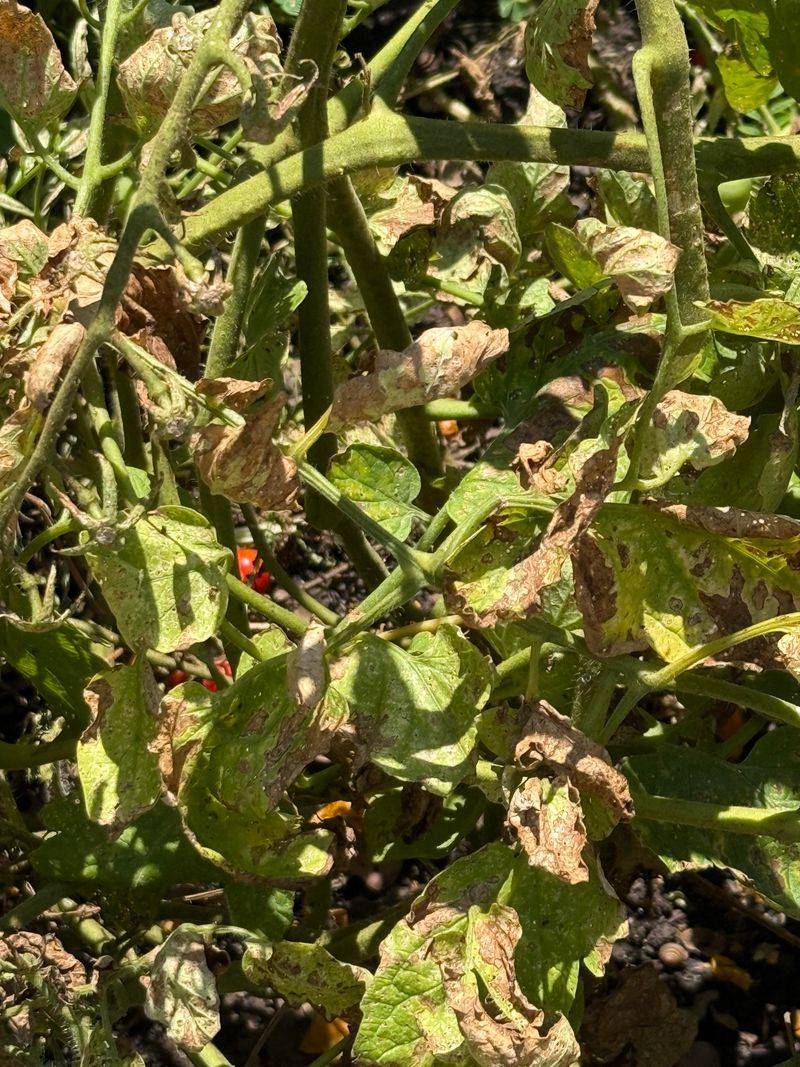
Some troubles hide underground, patiently waiting in the very soil your plants call home. Fusarium is a soil-borne fungus that can attack the crown and roots of squash, causing a sudden, dramatic collapse.
This fungus can live in the ground for years, which makes it especially stubborn. It enters through the roots or the crown, the spot where stem meets soil, then blocks the plant’s plumbing so water cannot travel upward.
The result often looks alarming. A plant that seemed healthy at breakfast can be flat and limp by supper, with a darkened, mushy area right at the base of the stem.
Warm soil and stressed plants make the problem worse, so late summer conditions in Michigan can set the stage. Cutting into the lower stem may reveal brown streaks inside instead of healthy green or white tissue.
Since there is no simple spray to fix it, gardeners lean on prevention. Rotating where you plant squash each year keeps the fungus from building up in one spot.
Choosing disease-resistant varieties gives your plants a fighting chance, and healthy soil rich in organic matter supports beneficial microbes that compete with the fungus. Good drainage matters here too, since wet, warm soil favors the disease.
Removing and discarding affected plants, rather than composting them, helps stop the spread. Thinking a season or two ahead about crop rotation is one of the smartest moves you can make against this quiet underground opponent.
7. Early Frost Damage In Fall
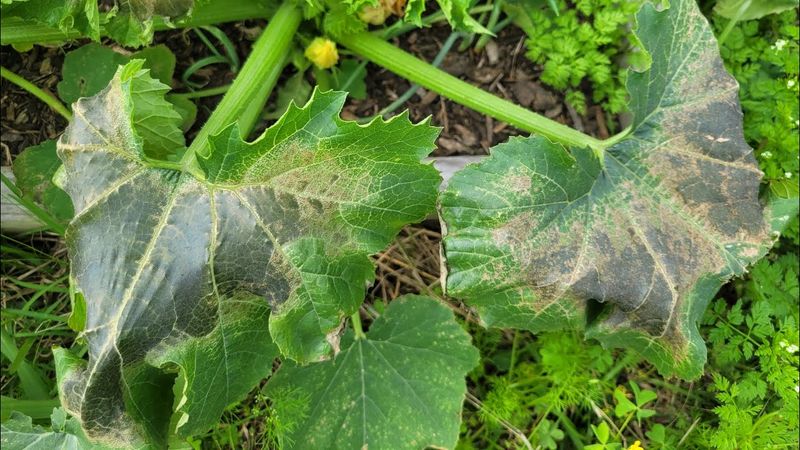
Squash plants are warm-weather softies, and a single chilly Michigan night can knock them out. As September rolls on, the risk of an early frost climbs, especially in northern parts of the state and in low-lying areas.
When temperatures dip near or below freezing, the water inside the plant’s cells can freeze and burst those cells. The next morning you find leaves and vines looking dark, wilted, and mushy, as if they simply melted overnight.
Frost tends to settle in low spots where cold air pools, so even a mild night can nip plants in certain corners of the yard. Clear, calm nights with no cloud cover are the ones to watch most carefully.
Keeping an eye on the local forecast is your first line of defense. When frost is predicted, cover your plants in the evening with old sheets, blankets, or floating row covers, then remove them once the morning warms up.
Watering the soil before a cold night can help too, since moist soil holds warmth better than dry soil. Harvesting mature squash ahead of a hard frost saves your crop even if the vines themselves fade.
Choosing shorter-season varieties earlier in the year gives fruit time to ripen before cold weather arrives. Michigan’s growing season is generous but not endless, so respecting that first frost date keeps your squash safe.
A little weather-watching in September can be the difference between a full basket and a garden of collapsed, frost-touched vines.