Why More Owls Near Your Arizona Yard May Help With Pests (But Won’t Replace Real Control)
Scorpions and roof rats are two of the most unwelcome guests in a low-desert Arizona yard, and it’s easy to wonder whether a resident owl might quietly solve both problems. The short answer is that Arizona owls do eat some rodents and scorpions, and supporting native owl habitat is genuinely worth doing.
However, the connection between more owls and fewer pests is not as direct or reliable as many headlines suggest. Understanding what owls actually eat, which species live near your property, and what pest control still requires on your end makes all the difference.
Owls May Help Arizona Yards, but They Do Not Replace Pest Control
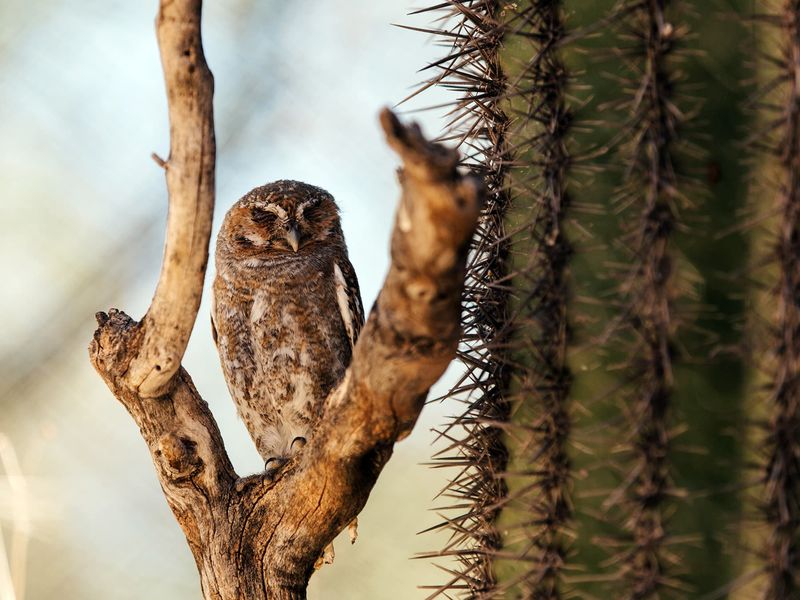
Several owl species living in Arizona’s low desert do consume rodents and, in some cases, scorpions, and the University of Arizona Cooperative Extension recognizes owl predation as a form of biological control in agricultural settings. That recognition matters, but it comes with a context that often gets dropped in popular coverage: biological control works alongside other pest management strategies, not instead of them.
In Arizona, the most relevant research on owl effectiveness comes from agricultural settings, particularly vineyards and farm fields, where prey density, open foraging habitat, and box placement are carefully managed. A review of barn-owl nest-box programs in agricultural landscapes found that the evidence for meaningful, long-term rodent reduction remains incomplete and heavily dependent on local conditions.
A 2026 vineyard study did find measurable reductions in rodent abundance under specific agricultural conditions, but those results cannot be carried directly into a suburban Arizona yard where habitat, prey movement, and human activity are entirely different.
In Arizona residential settings, no reliable evidence shows that having more owls near your yard will predictably lower bark scorpion counts or roof-rat activity. Owls hunt when and where conditions favor them, and a single pair cannot patrol every corner of a property or pursue animals sheltering inside walls and attic spaces.
Predator presence and prey abundance can even rise together when food is plentiful, meaning an owl nearby does not automatically signal that pests are declining.
The practical takeaway for Arizona homeowners is straightforward: supporting owl habitat is a worthwhile part of a wildlife-friendly yard, and owls may contribute to natural pest pressure in a general sense. However, exclusion, sanitation, and targeted pest management remain necessary for the specific pests that concern Arizona households most.
Choose Advice for the Arizona Owl Species You Actually Have
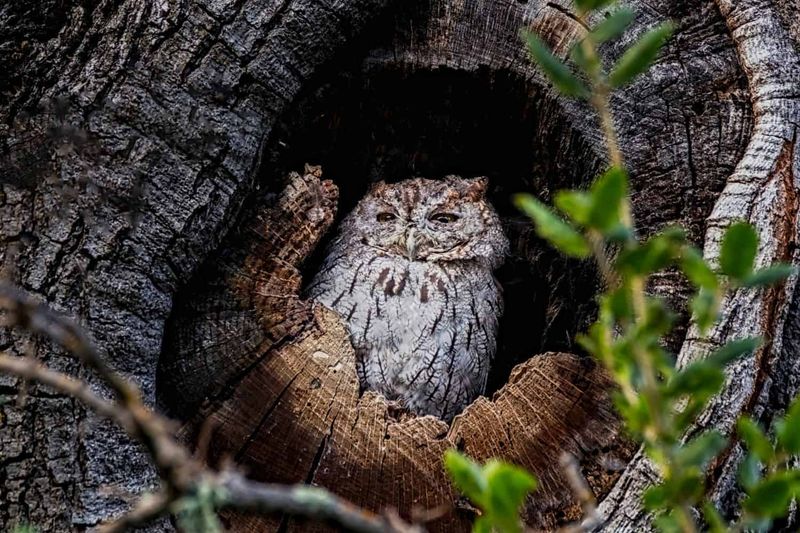
Before spending money on a nest box or changing anything about your Arizona yard, it helps to know which owl you are actually likely to encounter. Arizona’s low-desert owls are not interchangeable, and advice that fits one species can be completely wrong for another.
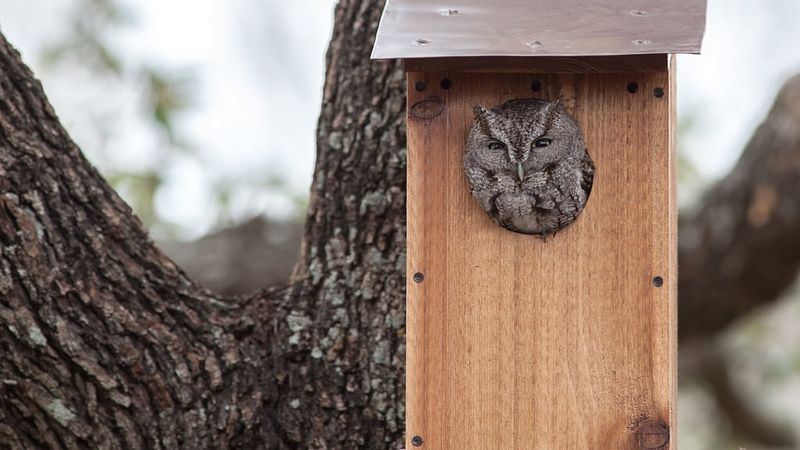
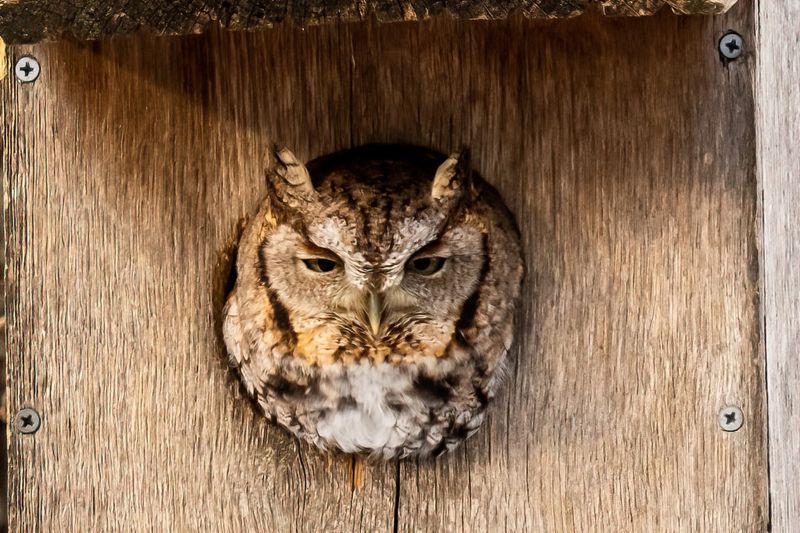
The Western Screech-Owl is the species most relevant to suburban Arizona habitat attraction. In Arizona, screech-owls hunt small mammals such as woodrats and kangaroo rats, and they have been documented eating whip scorpions as well.
Their compact size means they fit standard-sized nest boxes, and they are the species Tucson Audubon’s Arizona nest-box program primarily targets for residential installation.
Your Arizona Garden Changes Every Week. Your Plan Should Too.
Gardening in Arizona changes quickly throughout the season. Every Friday you’ll receive a simple weekly plan showing exactly what to plant, prune, fertilize, harvest, and protect so you never miss the right timing.
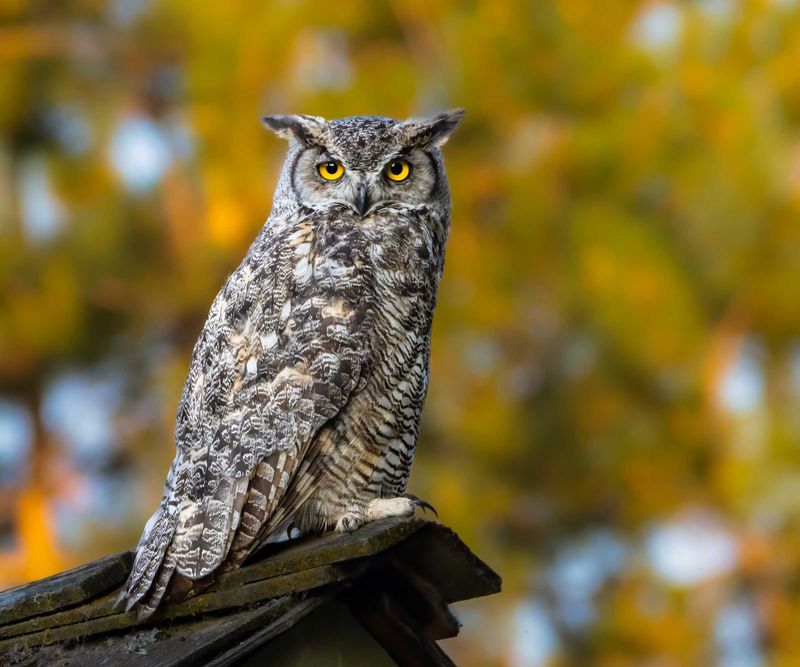
Great Horned Owls are a different story. These are large, powerful generalist predators that range across most of Arizona and can take prey as large as rabbits, skunks, and other raptors.
In Arizona yards, they may hunt mice and small scorpions opportunistically, but they do not use standard screech-owl boxes. Great Horned Owls typically nest in existing structures such as large tree cavities, cliff ledges, or abandoned raptor nests rather than in boxes installed by homeowners.
Burrowing Owls are ground-associated birds that nest in burrows, not in tree-mounted boxes. Arizona’s Burrowing Owl population is concentrated in open grassland, desert scrub, and disturbed areas, and the Arizona Game and Fish Department reports declining populations linked to nesting-habitat loss in the Phoenix and Tucson areas.
If you suspect Burrowing Owls on your property, the right response is expert consultation, not a nest box mounted on a fence post.
Species, habitat, and prey overlap are the foundation for every practical recommendation that follows. Matching your attraction strategy to the owl actually present in your part of Arizona saves effort and avoids wasted installations.
Bark Scorpions and Roof Rats Are Not Interchangeable Owl Prey
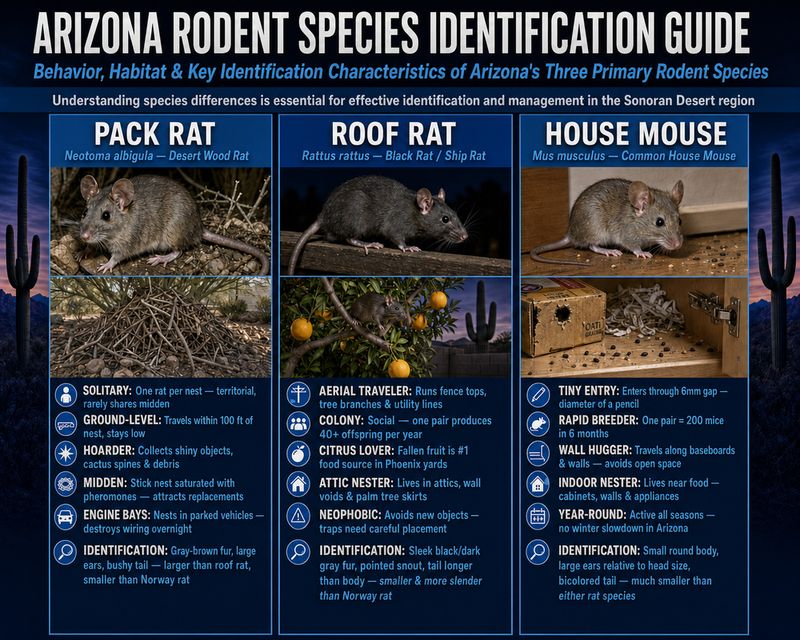
A lot of owl-attraction content implies that because owls eat scorpions and rodents, they will naturally reduce the specific pests that concern Arizona homeowners most. The reality is more complicated, and the distinction matters if you are trying to manage real risk in your yard.
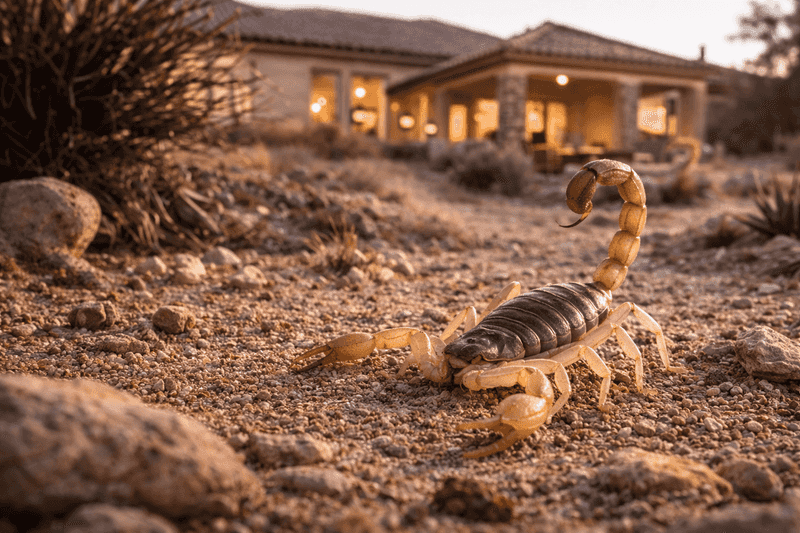
Arizona’s bark scorpion, Centruroides sculpturatus, is the species the University of Arizona Cooperative Extension identifies as the state’s scorpion of greatest medical concern. It is small, agile, and capable of climbing vertical surfaces and squeezing through narrow gaps, which allows it to enter homes and reach sleeping areas.
Some Arizona owls do eat scorpions: Burrowing Owls consume scorpions and other invertebrates, and Great Horned Owls have been documented taking small scorpions. However, the strongest species-specific source for scorpion predation in a suburban-adjacent owl, the Western Screech-Owl, refers specifically to whip scorpions, a different animal entirely.
Whip scorpions are non-venomous arachnids found in parts of Arizona, but they are not the bark scorpion responsible for medically significant stings. Treating those two animals as equivalent overstates the case for owl-based scorpion control.
The owl diet accounts that list small-mammal prey typically name native species such as woodrats, kangaroo rats, deer mice, and pocket mice. Roof rats are an introduced species, and available Arizona sources do not establish that owls specifically target or control urban roof-rat populations.
In Arizona yards where roof rats or bark scorpions are confirmed, direct management methods remain essential regardless of owl presence. Predation by a visiting owl is a welcome bonus, not a control strategy.
Improve Low-Desert Habitat Without Manufacturing a Pest Supply
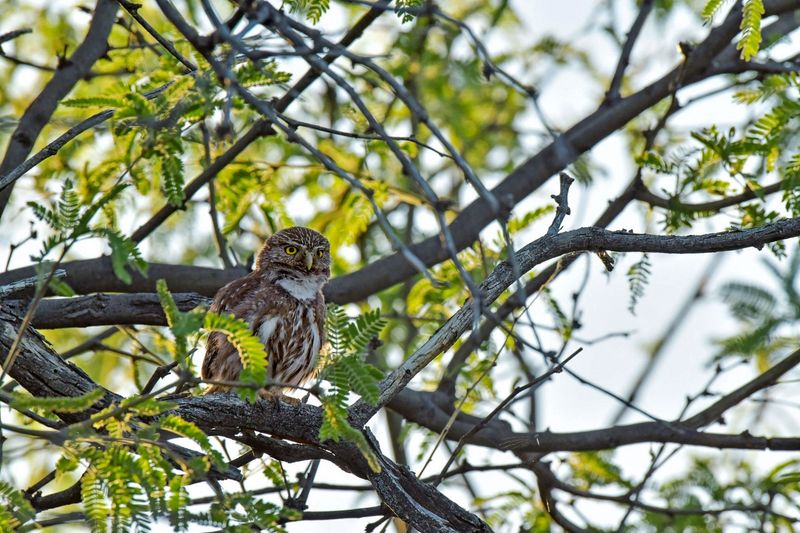
Making an Arizona yard more usable to native owls does not require dramatic renovation. The most effective changes work with existing desert vegetation rather than against it, and none of them involve creating a pest supply to attract predators.
Mature trees with natural cavities are the single most valuable feature for cavity-nesting owls like the Western Screech-Owl. If your Arizona yard already has a large mesquite, palo verde, desert willow, or similar tree with existing cavities or large branches, preserving it is more useful than any box you could install.
In Arizona, shade matters more than in most climates. A nest box or natural cavity exposed to direct afternoon sun can reach lethal temperatures during the summer months, so north- or east-facing placement is not just a preference but a practical safety measure.
Reducing unnecessary outdoor lighting near potential roost sites also makes a yard more suitable, since bright artificial light can disrupt the hunting behavior of nocturnal owls.
Low foot traffic around mature trees and potential roost sites reduces disturbance during sensitive periods. In Arizona, Western Screech-Owls may use a site for roosting well outside the breeding season, so maintaining a quiet zone around likely spots year-round costs nothing and may increase the chance of regular visits.
Habitat improvement supports visitation and possible roosting when local conditions suit a species. No habitat modification guarantees an owl’s arrival, sustained residency, or any measurable change in pest numbers in an Arizona yard.
Install a Species-Appropriate Owl Box for Arizona Conditions
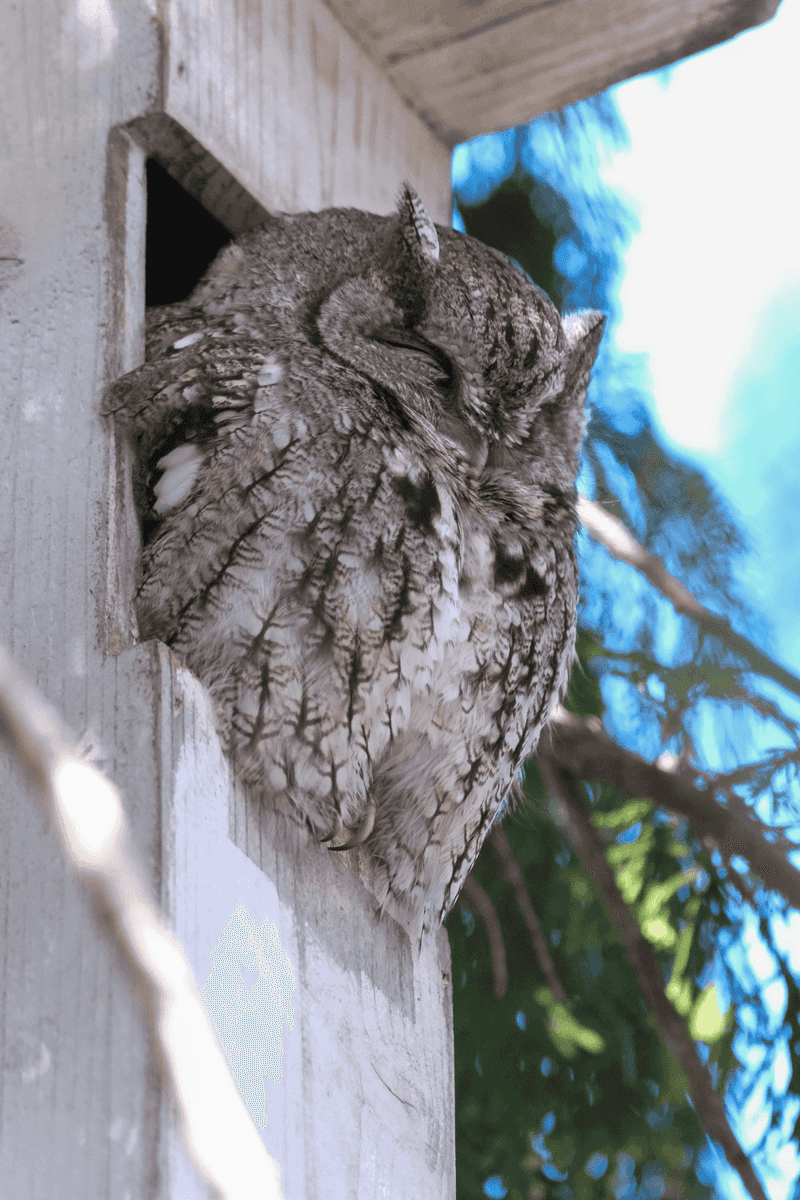
Installing an owl box in an Arizona yard is a straightforward project when it starts with the right species in mind. For most low-desert homeowners near Phoenix or Tucson, the Western Screech-Owl is the target species, and every installation decision should reflect that bird’s size, habits, and heat tolerance.
Fall is the ideal time to put up a screech-owl box in Arizona. Tucson Audubon identifies fall installation as the recommended timing because it gives owls the entire winter to discover and investigate the box before the spring breeding season begins.
An owl may begin using the box for roosting well before it considers nesting, so a box installed in October or November has a meaningful head start over one put up in January or February.
Placement on the north or east side of a tree or structure keeps the box in shade during the hottest part of Arizona afternoons. A clear, unobstructed flight path in front of the entrance hole matters because owls approach and exit quickly and do not navigate tight spaces the way smaller songbirds sometimes do.
Tucson Audubon’s guidance gives an approximate mounting range of 8 to 15 feet for larger owl boxes, which keeps the entrance high enough to discourage casual disturbance while remaining accessible for annual cleaning.
Inside the box, a 2- to 3-inch layer of wood shavings, not fine sawdust, provides the substrate owls use in place of nest-building material. Fine dust can irritate nestlings and create respiratory problems, so coarse shavings from an untreated wood source are the correct choice for Arizona boxes.
Some Arizona boxes remain unused entirely, particularly in yards that lack mature trees, sufficient prey, or adequate cover nearby.
Build and Clean the Box Without Creating New Risks
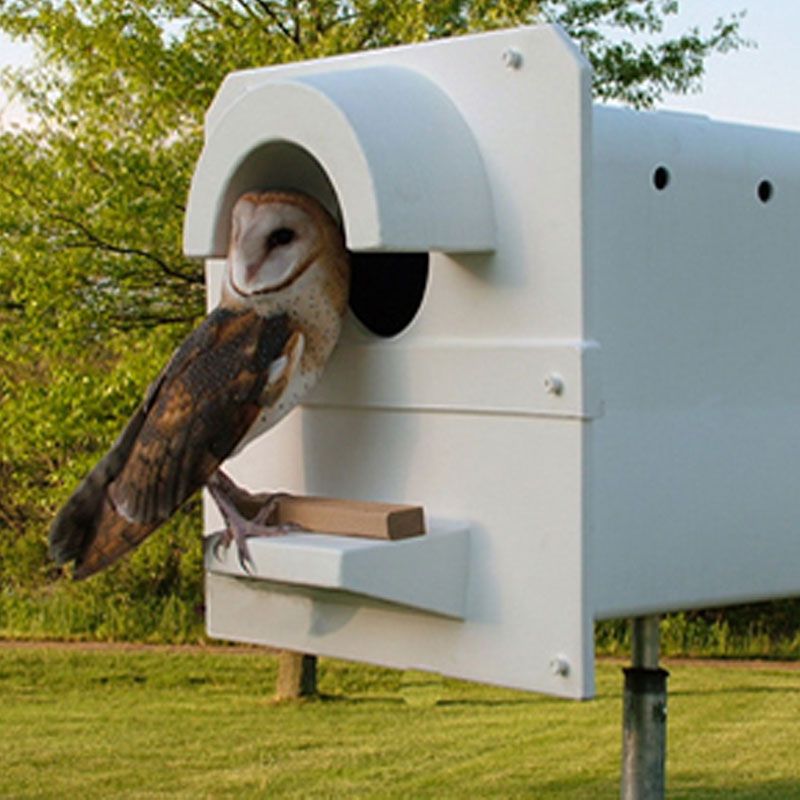
An owl box that survives one Arizona summer without warping, flooding, or overheating is a well-built box. The low desert puts specific demands on nest structures that standard birdhouse plans from temperate climates do not always address.
Drainage is essential. Arizona monsoon rains arrive suddenly and in large volumes, and a box without drainage holes in the floor will pool water and destroy nesting material or harm eggs and nestlings.
A secure, overlapping roof that sheds water away from the entrance hole prevents moisture from entering during storms. The box walls should be thick enough to provide some insulation against Arizona’s extreme daytime heat, and the overall design should allow warm air to escape rather than concentrate inside.
No exterior perch should be added below or beside the entrance hole. Perches are a common birdhouse feature, but in an Arizona yard they give predators such as raccoons, larger raptors, or climbing snakes a stable grip point near the entrance, which increases the risk to eggs and young owls.
Predator guards or baffles on the mounting pole or tree trunk add another layer of protection.
Cleaning the box once a year, after the breeding season ends, removes old nesting material, parasites, and any accumulated debris. Tucson Audubon recommends wearing gloves and a dust mask during cleaning, particularly because owl boxes in Arizona can contain rodent carcasses along with nesting material.
Reasonable maintenance access, meaning the ability to open the box from the front or side without dismounting it, makes annual cleaning practical enough to actually happen each year in an Arizona yard.
Attract Owls Without Feeding Them or Exposing Them to Poison
Owls are not pets, and the methods that work for attracting songbirds to a feeder are the wrong approach for raptors. Arizona Game and Fish advises against intentionally feeding or enticing wildlife, and that guidance applies directly to owls.
Placing live rodents near a nest box, leaving out food scraps, or deliberately concentrating insects to draw owls closer all carry real risks: they habituate wildlife to human presence, can attract non-target animals, and undermine the self-sufficient hunting behavior that makes owls ecologically useful in the first place.
Anticoagulants accumulate in prey animals before they die, and an owl hunting in an Arizona yard where rodenticides have been used may consume a lethal dose without any direct contact with the bait. Exclusion, sanitation, snap traps, and professional integrated pest management are safer first responses when rodents are confirmed in or around an Arizona home.
Nest box placement should keep owls away from high-traffic areas, outdoor play spaces, and pet feeding stations. Large owls, particularly Great Horned Owls, can defend nest sites aggressively, and even a screech-owl box positioned too close to a frequently used patio can create unnecessary stress for both the birds and the household.
Active nests, eggs, and dependent young are legally protected under the Migratory Bird Treaty Act. Do not handle owlets, block an active entrance hole, or remove an occupied nest.
If a Burrowing Owl burrow appears on your Arizona property, contact Arizona Game and Fish before doing anything nearby, since that species faces documented habitat-loss concerns in the Phoenix and Tucson areas and requires expert guidance rather than a do-it-yourself response.
Use Exclusion to Address Roof Rats and Bark Scorpions Directly
Owls are worth supporting in an Arizona yard, but they cannot seal a gap in your roofline, remove a wood pile from against the wall, or eliminate the food sources that keep bark scorpions and roof rats coming back. Direct exclusion and habitat management are what actually interrupt those cycles.
For roof rats in Arizona, University of Arizona Extension’s roof-rat prevention guidance focuses on access, food, and shelter rather than on removing specific plants. Sealing openings larger than a quarter-inch in exterior walls, rooflines, and soffits is the primary structural step.
Trimming tree branches, vines, and utility lines that provide overhead routes to the roof removes the access corridors roof rats rely on. Managing fallen fruit, securing compost and garbage, and eliminating standing water remove food and water sources that sustain populations.
Removing a single fruit tree or plant species is not a reliable solution because roof-rat populations in established Arizona neighborhoods are not determined by any one food plant.
Bark scorpion control in Arizona follows a parallel logic. The University of Arizona Cooperative Extension identifies scorpion harborage reduction as a central management strategy: removing wood piles, debris, and dense ground cover from against the house eliminates the protected spaces scorpions use during daylight hours.
Sealing gaps around doors, windows, plumbing penetrations, and utility entry points reduces indoor access. Sticky traps placed in corners and along baseboards can confirm activity and reduce numbers inside, though they work best as part of a broader exclusion effort.
Scorpion and roof-rat prevention measures remain necessary whether or not any owl visits your Arizona yard. A visiting screech-owl hunting in a mature mesquite tree may take a woodrat or an occasional scorpion, but it cannot monitor the sealed crawl space, the gap behind the water heater, or the wood pile stored against the back wall.
Those are homeowner responsibilities, and no predator can substitute for them.
Welcome Owls, but Measure Success by Responsible Stewardship
Deciding whether to install an owl box or improve owl habitat in an Arizona yard comes down to a simple question: does your property offer what a local owl species actually needs? Mature trees with cavities or suitable mounting sites, low foot traffic around those areas, adequate shade, and a neighborhood with some existing owl activity are positive indicators.
A yard that lacks those features can still be improved over time, but a box installed in an unsuitable location is unlikely to attract a tenant.
Success in an Arizona owl-habitat project looks like a box that gets investigated, a screech-owl that roosts through the winter, or a pair that raises young in a season when conditions are right. None of those outcomes come with a guarantee, and none of them automatically translate to a measurable reduction in scorpions or roof rats.
That is not a reason to skip the project. Supporting native wildlife safely is worthwhile on its own terms, separate from any pest-control benefit it may or may not provide.
When bark scorpions or roof rats are confirmed in or around an Arizona home, direct exclusion, sanitation, harborage reduction, and integrated pest management remain the necessary response. An owl nearby is a genuine benefit to the local ecosystem, but the pest problems that matter most to Arizona families still require the homeowner to act.
The owls that thrive in low-desert Arizona neighborhoods are the ones that find good habitat and capable hunters already working the territory around them.