8 Signs Something Is Feeding On Your Parsley And Dill In New Jersey This September
Dinner plans pause the moment you spot the damage. Thin, lacy tops now replace what you proudly saw last weekend. Bare stems stand where you once saw crowded leaves.
Scissors dangle useless while you crouch for a closer look. Warm afternoons in New Jersey pull insects toward your tender herbs. Heavy dew gives soft bodies cover while you sleep.
Night visitors chew quietly while you rest indoors. Daytime feeders leave holes you can trace with a finger.
Slime trails glisten faintly across the leaves you left untouched. Speckled undersides hint at visitors your eyes might easily miss.
Gardeners like you across New Jersey face this same common puzzle each fall. Patterns in the damage tell you exactly who came calling.
Ragged edges point to a hungry culprit, clean holes to another. Your herb bed holds clues worth identifying tonight. Answers wait in the details you’re about to uncover.
1. Tiny Dark Pellets Scattered On Leaves And Soil
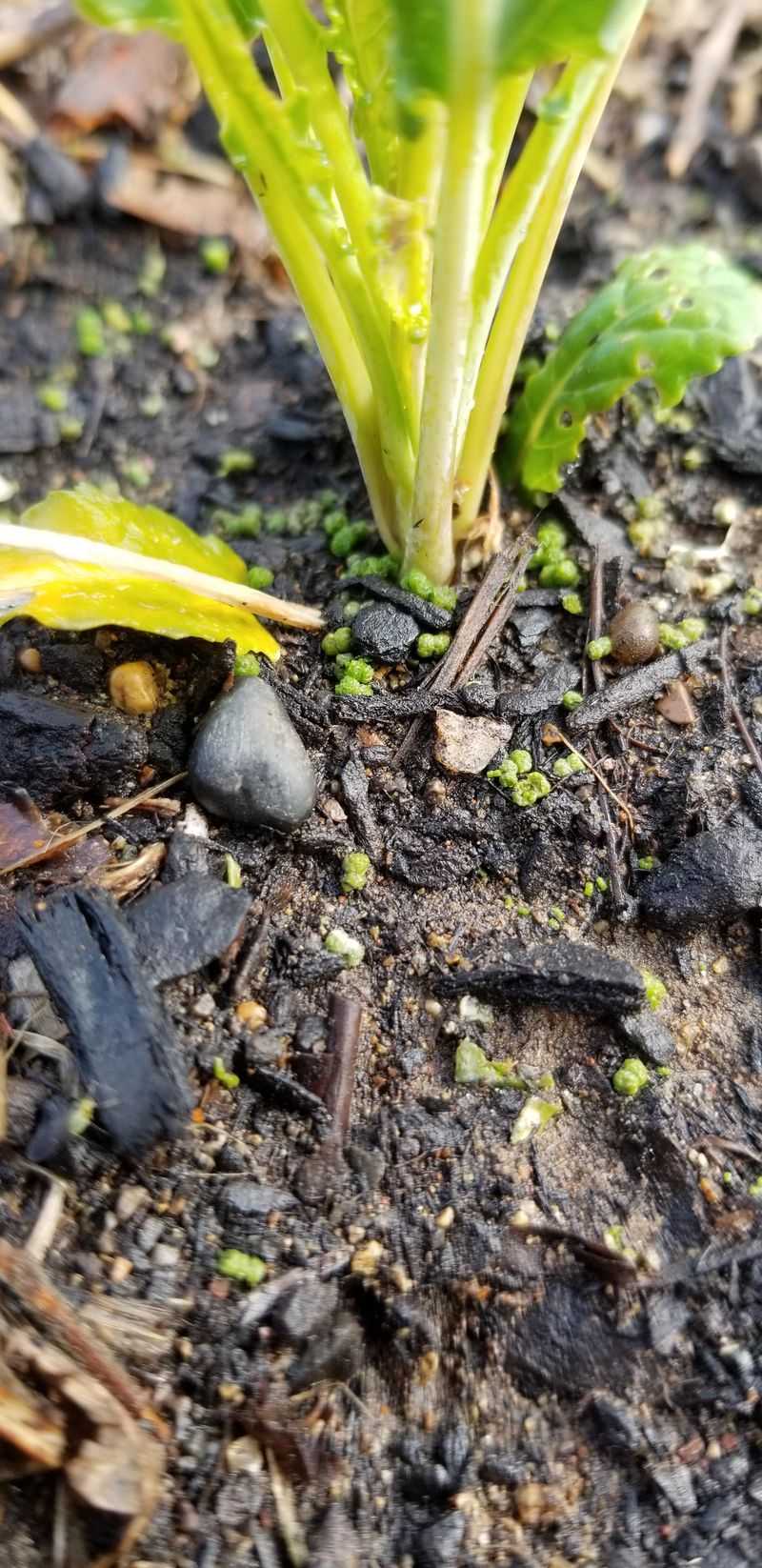
Gardeners have a polite word for it: frass. What you actually see are little dark pellets, about the size of a poppy seed, sprinkled across lower leaves and the soil below.
Droppings are one of the most reliable clues in the whole herb bed. A feeder can hide, but the evidence it leaves behind sits out in the open.
Look directly under any stem that lost leaves recently. Whatever is chewing above will usually leave a small pile straight below, thanks to gravity doing its job.
Size tells you something useful. Coarse pellets the size of a pinhead point to a larger caterpillar, while fine dust-like specks suggest something small such as a young larva or a beetle grub.
Color matters too. Fresh droppings look dark green or almost black and feel slightly moist, while older ones dry out and turn brownish gray.
Rinse the leaves with a hose after inspecting, then check again in two days. Fresh pellets on clean leaves confirm your visitor is still around and still eating.
Jersey humidity in September can turn old frass into a sticky mess that encourages mold on lower foliage. A quick spray of water keeps that from becoming a second problem.
Wash any parsley or dill well before it hits the cutting board. A good soak in cool water and a shake in a colander handles the job. Trace the trail upward, and you will usually meet your guest face to face.
2. Ragged Holes Chewed Through The Middle Of Leaves
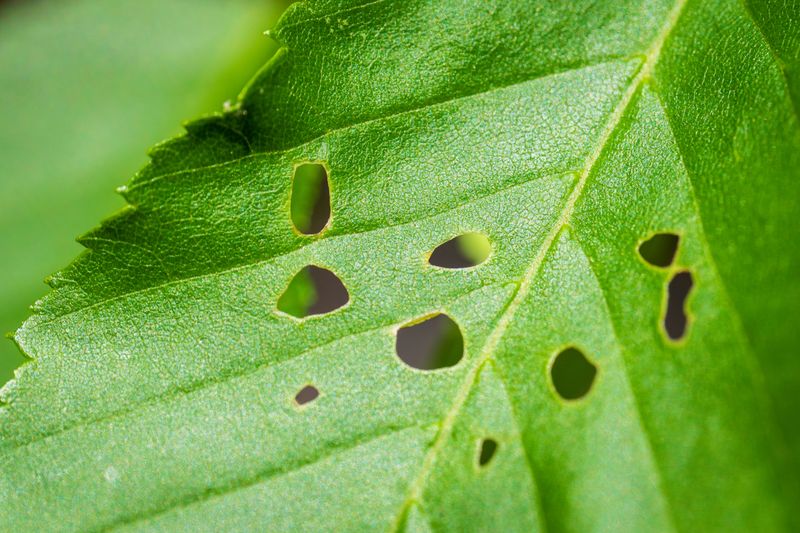
Some damage looks like someone took a hole punch to your parsley and got sloppy about it. Ragged openings appear in the middle of leaf blades while the edges stay intact.
Interior holes usually mean a chewer that sits right on the leaf surface rather than working around the rim. Slugs, small beetles, and grasshoppers all fit that description.
Check the shape carefully. Rounded, smooth-edged holes often come from soft-bodied feeders, while jagged tears with rough edges suggest something with stronger jaws.
Grasshoppers can show up in larger numbers during warm, dry Septembers across central and southern New Jersey. They bounce away the second you approach, so early morning inspections catch them while they are still sluggish.
Your New Jersey Garden Changes Every Week. Your Plan Should Too.
Gardening in New Jersey changes quickly throughout the season. Every Friday you’ll receive a simple weekly plan showing exactly what to plant, prune, fertilize, harvest, and protect so you never miss the right timing.
Flea beetles create a different look entirely. Their damage resembles buckshot, with dozens of pinprick holes clustered on one or two leaves.
A floating row cover draped loosely over the herb bed blocks most flying chewers without cooking your plants. Secure the edges with landscape staples or a few bricks so nothing sneaks underneath.
Diatomaceous earth dusted lightly around plant bases discourages crawling feeders. Reapply after rain, since Jersey September storms wash it away fast.
Harvest damaged leaves anyway if the holes are minor. Trim around the chewed spots and the rest tastes exactly the same.
Heavy feeding weakens plants heading into cooler weather, so stay on top of it. A quick daily walk through the bed catches trouble before it spreads across the whole planting.
3. Green And Black Striped Caterpillars Clinging To Stalks
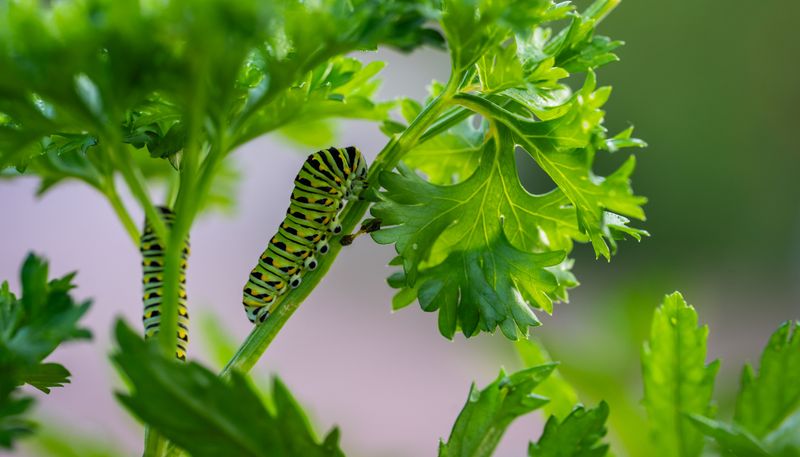
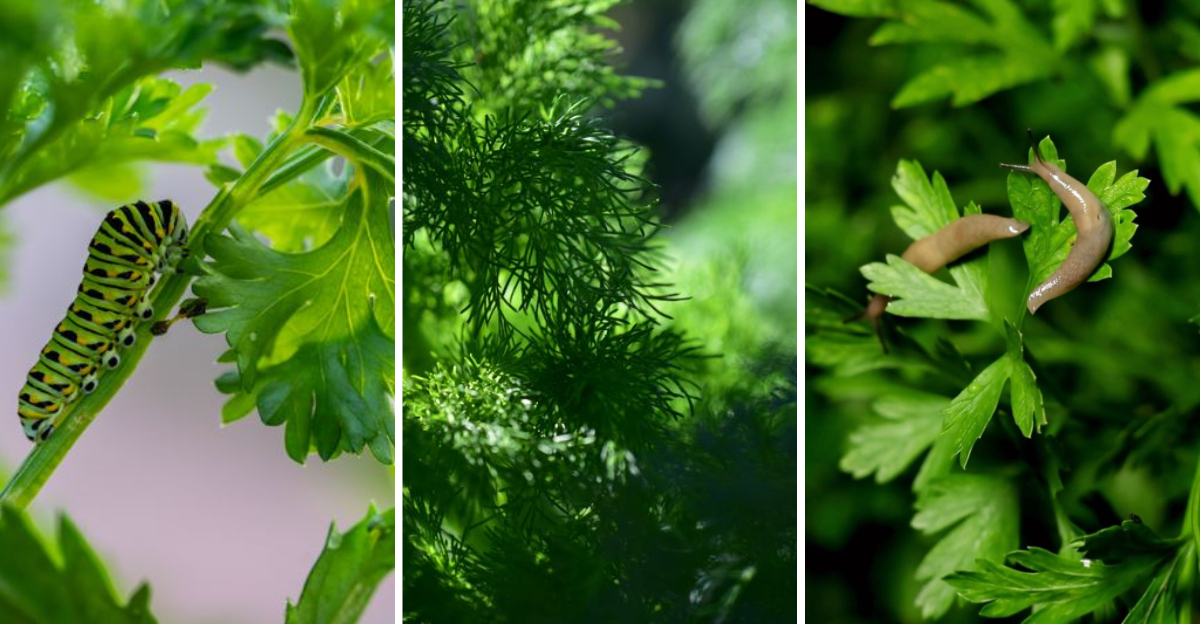
This caterpillar is easy to identify on sight. A plump caterpillar banded in green, black, and yellow dots wrapped around a dill stalk is almost certainly a black swallowtail larva.
Parsley, dill, fennel, and carrot tops are the only foods this caterpillar wants. That is why the herb bed becomes its dining room every summer and early fall.
Younger ones look nothing like the adults of their own kind. Early stages appear dark and spiky with a white saddle, resembling a bird dropping, which keeps hungry birds uninterested.
Poke one gently and a bright orange forked gland pops out from behind its head. The smell is sharp and citrusy, a defense trick that surprises first-time gardeners.
New Jersey happens to name the black swallowtail as its official state butterfly. That fact alone convinces many gardeners to share a plant or two rather than evict every visitor.
A practical compromise works nicely. Plant extra parsley and dill in a back corner, then relocate caterpillars there so your kitchen supply stays intact.
Handle them with a leaf or a small stick instead of bare fingers. Moving the whole stem they sit on causes far less stress than pulling them off.
Feeding slows in late September as caterpillars search for a spot to form a chrysalis. Leave a few dry stems or a small brush pile nearby so they have somewhere to settle. Come spring, those winged visitors return and pollinate the rest of your garden.
4. Bare Stems With Feathery Tops Gone Missing
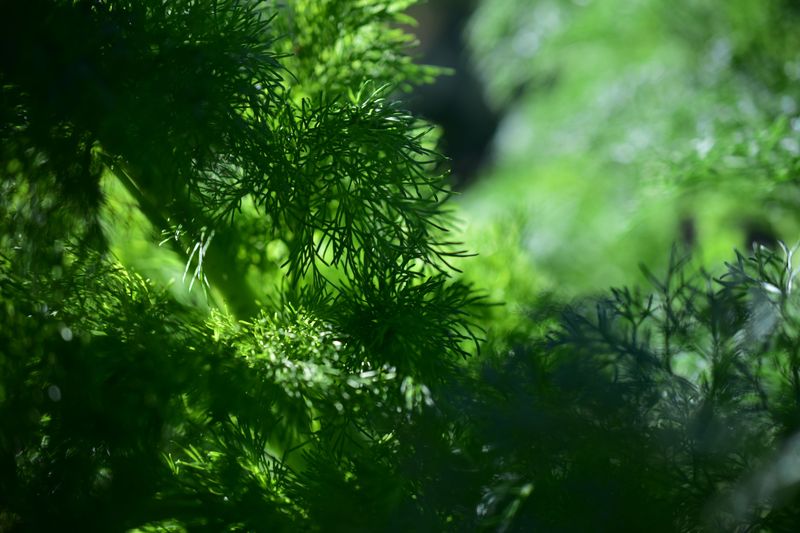
Picture a dill plant with abrupt, uneven feeding damage overnight. Stripped stems point to a chewer with a big appetite and a preference for tender growth. Caterpillars are the usual suspects here, and they tend to work from the top of a stem downward.
Parsley shows the same story in a different way. Instead of feathery wisps disappearing, you get naked leaf stalks standing up with only a nub of green left at the tip.
Check the plant in early morning or late evening when temperatures cool off. Feeders that hide during the heat of a Jersey afternoon often come out when the sun drops behind the fence.
Run your fingers gently along each stem and look at the underside of remaining leaves. Many visitors match the plant color so well that they seem to disappear until you shift your angle.
Keep a rough count of how many stems went bare between visits. If three turn into twelve within a week, you have an active feeder rather than old damage you simply never noticed.
Handpicking works well at this stage, and a bucket of soapy water makes quick work of anything you remove. Rinse the plant afterward so no soap residue lingers on leaves you plan to eat.
Damaged stems usually push out fresh growth once the feeding stops, especially with September warmth still hanging around.
5. Shiny Slime Trails Across Foliage After Damp Nights
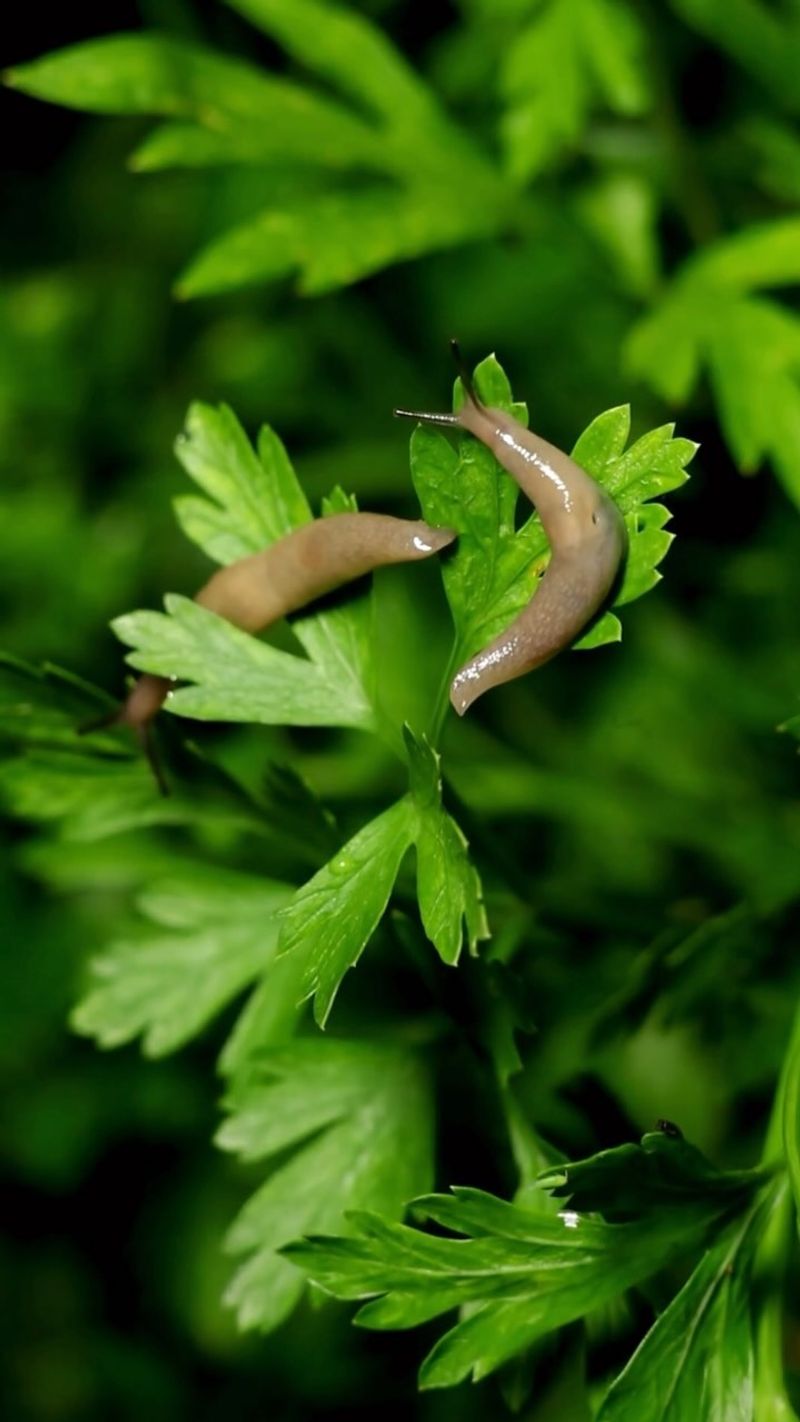
Morning sun hits the herb bed and reveals a visible silvery residue winding across leaves and along the soil.
Slime trails belong to slugs and snails, and September in New Jersey gives them ideal conditions. Cool nights, heavy dew, and mulch that holds moisture create a slug paradise.
Their damage pairs with the trails. Look for smooth-edged holes and chewed leaf margins on the lowest leaves, since these feeders rarely climb high.
Daytime hiding spots include the underside of pots, boards, thick mulch, and the shady base of nearby plants. Flip a few of those over and you will often find several curled up together.
A shallow dish of beer sunk to soil level is widely reported to draw them in overnight. Copper tape around raised bed edges or container rims gives them a mild jolt they avoid. It works best when the bed has no leafy bridges touching the ground outside the barrier.
Pulling mulch back a few inches from stems removes the damp hideout right next to your plants. Watering in the morning rather than evening also lets the surface dry before nightfall.
Hand collecting by flashlight sounds tedious but delivers fast results. Twenty minutes with a headlamp and a plastic tub often clears a small bed for the whole week. Parsley bounces back quickly once the nighttime raids stop.
6. Curled, Sticky Growing Tips Crawling With Aphids
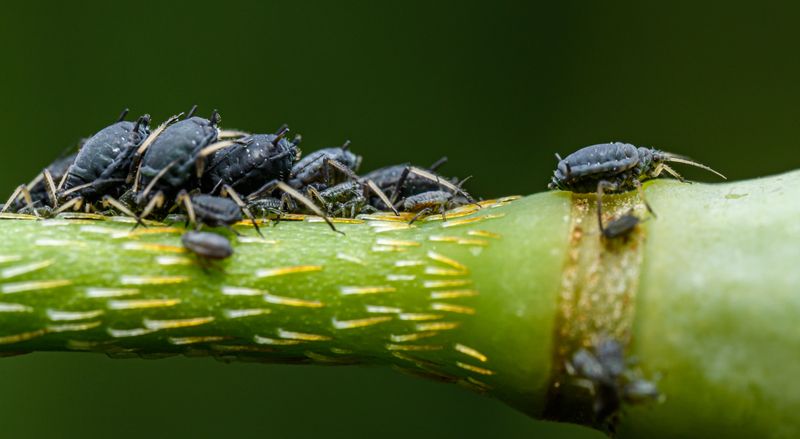
Run a finger along a dill flower head and it comes away tacky. That stickiness is honeydew, and it means aphids have moved in.
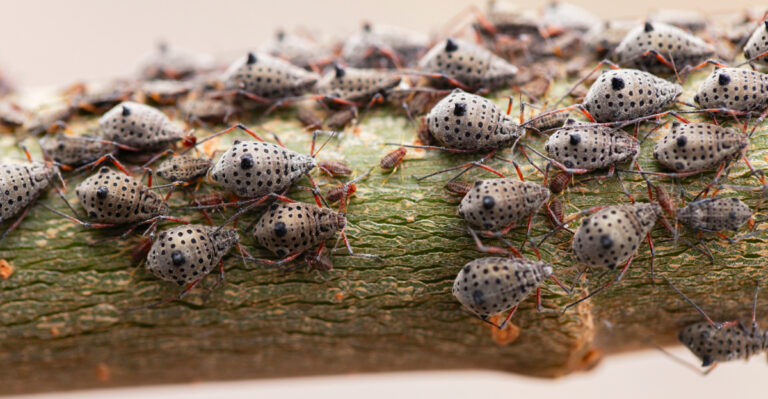
Clusters of tiny pear-shaped insects gather on the softest new growth. They come in green, gray, and sometimes a dusty pinkish shade depending on the species.
Damage looks different from chewing. Aphids pierce plant tissue and drink sap, which leaves leaves curled, puckered, and slightly yellow instead of full of holes.
Dill flower heads are aphid magnets in late summer. The umbrella-shaped clusters give them shelter and a steady supply of tender stems.
Black sooty mold often follows. It grows on honeydew and coats leaves with a dark film that blocks sunlight and makes harvest unappealing.
A strong blast from the hose knocks most of the colony off. Repeat every two or three days until the population drops, aiming under leaves where they hide.
Ladybugs, lacewings, and tiny parasitic wasps all patrol Jersey gardens in September. Skip broad sprays so these helpers keep working on your behalf.
Look for aphid mummies, which are swollen tan or bronze shells stuck to stems. Those mean parasitic wasps already found your problem and are handling it.
Insecticidal soap works if numbers get out of hand, applied in the evening to avoid leaf burn. Rinse thoroughly before eating anything you treated.
Snipping off heavily infested flower heads removes hundreds at once and encourages fresh leaf growth for fall harvests.
7. Clean Angled Cuts Along Leaf Edges From Rabbits
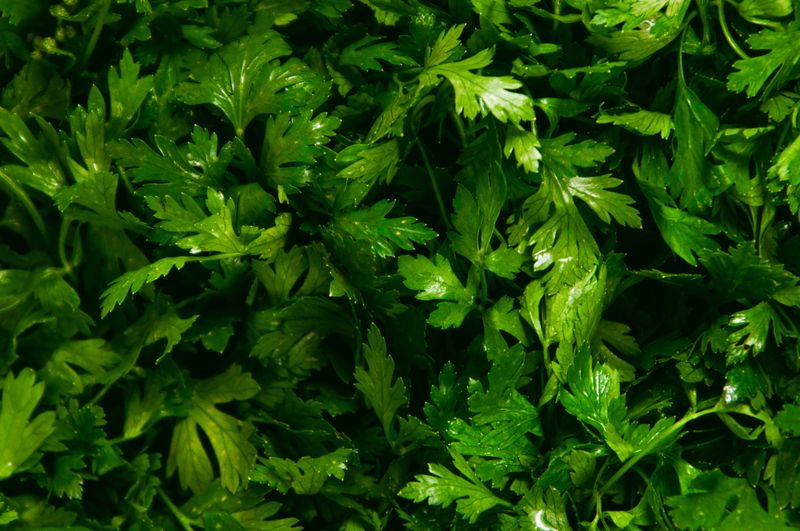
Clean cuts tell a story that jagged chewing cannot. When parsley stems look snipped at a sharp angle, as if trimmed with tiny shears, a rabbit paid a visit.
Eastern cottontails are common across New Jersey suburbs and feed heaviest at dawn and dusk. Low-growing herbs sit right at their preferred dining height.
Height is your biggest clue. Damage stops abruptly around ten to fifteen inches off the ground, since rabbits rarely reach above that line.
Round pea-sized droppings scattered near the bed confirm it. They look like small brown spheres and often appear in loose clusters on the lawn edge.
Deer leave a different signature. Their bite tears rather than slices, producing a ragged, stringy stem end, and their damage reaches much higher on the plant.
Chicken wire fencing about two feet tall stops cottontails cold. Bury the bottom three inches so they cannot push underneath, which they may attempt.
Container growing on a deck or a raised table sidesteps the problem entirely. A parsley pot on a porch rail stays out of reach for most ground visitors.
Scent deterrents based on garlic or pepper offer temporary relief. Reapply after every rainfall, and rotate products so the local rabbits do not get used to one smell.
Clear brush piles and tall grass near the garden to reduce nearby cover. Fewer hiding spots mean fewer bold trips into your herb patch.
8. Pale Squiggly Tunnels Winding Inside Parsley Leaves
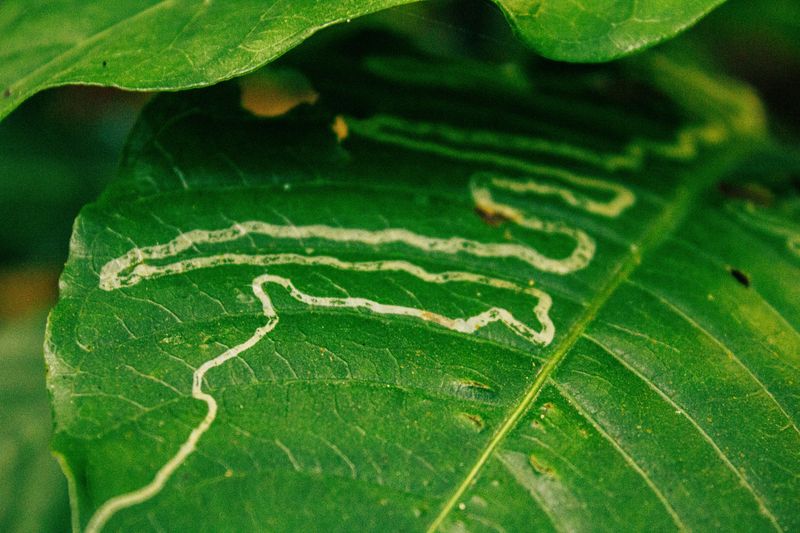
Hold a parsley leaf up toward the sun and you might spot a wandering pale line that curves and loops like a doodle. Nobody drew it on the surface, because the artist is inside the leaf.
Leaf miners are the larvae of small flies, and they feed between the upper and lower layers of leaf tissue. The tunnel widens as the larva grows, which is why one end looks thin and the other looks fat.
Damage rarely threatens the whole plant. It does make leaves look unappetizing, and heavy mining reduces how much energy the plant can gather.
Sprays have little effect since the larva sits protected inside the leaf. Physical removal works far better here.
Pinch off mined leaves and bag them for the trash instead of tossing them on the compost pile. That interrupts the cycle before adults emerge and lay again.
Row covers placed over young plants block the adult flies from landing. Install them before you see damage, since covering an already infested plant traps the problem inside.
Watch for tiny white stipple dots on leaf surfaces too. Those punctures come from female flies testing the leaf before laying eggs.
Healthy, well-watered parsley shrugs off moderate mining and keeps producing clean new growth. A light feeding of balanced fertilizer in early September supports that push.
Trim, water, and give it a week. Fresh untouched leaves usually appear before the weather turns cold.