What St. Augustine Grass Needs In September After A Brutal Texas Summer
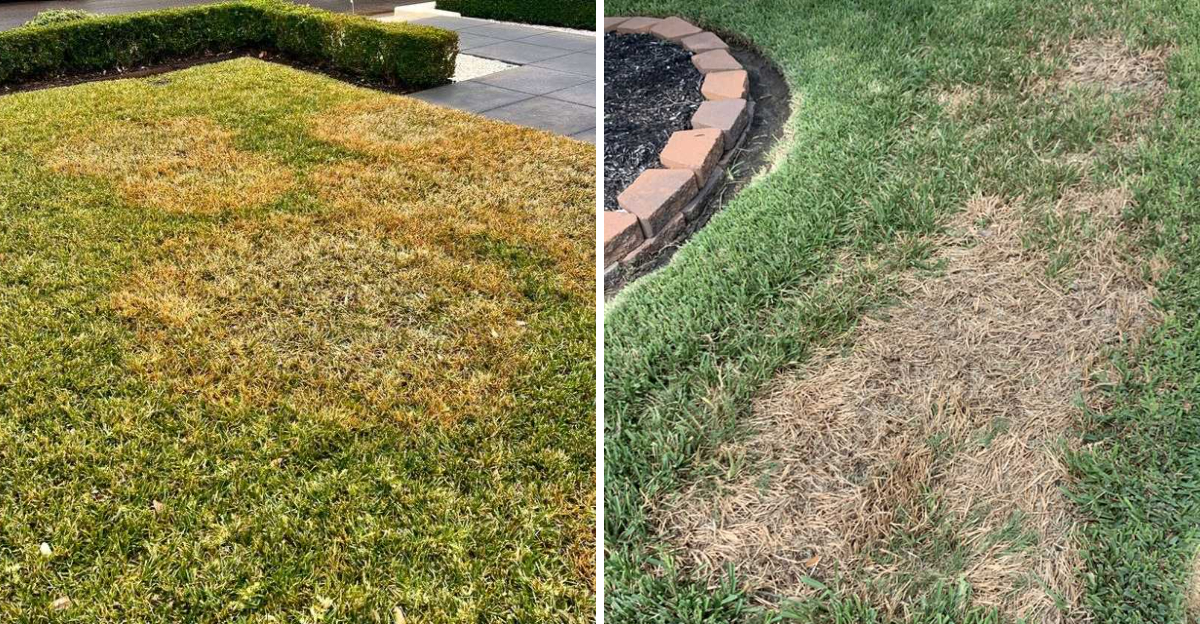
Your lawn made it through August, barely.
Thin patches near the driveway. Blades that crisped and never came back. A section by the sidewalk that keeps spreading brown no matter how much you water it.
That last detail is the interesting one.
Here’s the trap in a Texas September. Four completely different problems produce nearly identical symptoms, and the wrong response makes several of them worse.
Drought stress looks like insect damage. Insect damage looks like disease. Disease looks like a lawn that needs fertilizer.
Reaching for the sprinkler or the fertilizer bag without knowing which situation you’re in is how people spend a whole fall fixing nothing.
The good news is that St. Augustine recovers well when conditions cooperate, and September conditions usually do.
What it needs mostly involves diagnosis first and restraint second.
Curious what your lawn is actually dealing with?
1. Deep Water Instead Of Light Sips
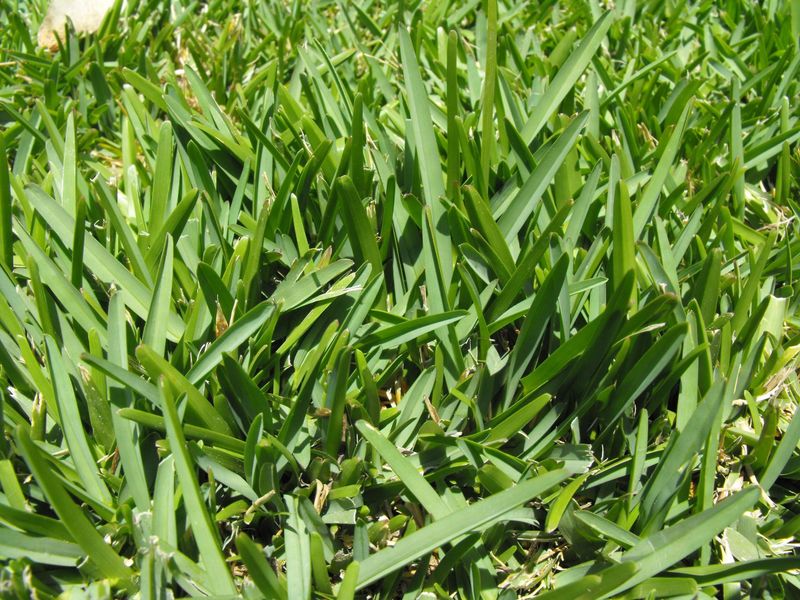
After a long Texas summer, thirsty grass tricks people into watering a little every day.
That feels responsible and keeps moisture near the surface, where heat removes it quickly.
Deeper less frequent watering works better because it encourages roots to grow farther down, where soil stays cooler and holds moisture longer.
September is a reasonable time to reset that habit.
Deep watering helps stressed St. Augustine rebuild root strength rather than depending on quick surface moisture.
A simple check: place a small container in the yard and measure how much water the lawn actually receives during a cycle.
Early morning is generally the best window, since less water is lost to heat and wind.
It also lets the grass dry through the day, which reduces disease pressure compared with evening irrigation.
If the lawn still looks wilted by midday, resist adding more water until you check the soil and rule out insects or compaction.
Look for genuine indicators. Folded blades, a bluish-gray cast, and footprints that linger all point toward real need.
Then soak the root zone thoroughly and wait before the next cycle.
Local watering restrictions apply across much of Texas, and they often align reasonably well with what the grass actually requires.
That pattern gives St. Augustine a better shot at steadier color through fall.
2. Check For Chinch Bug Damage
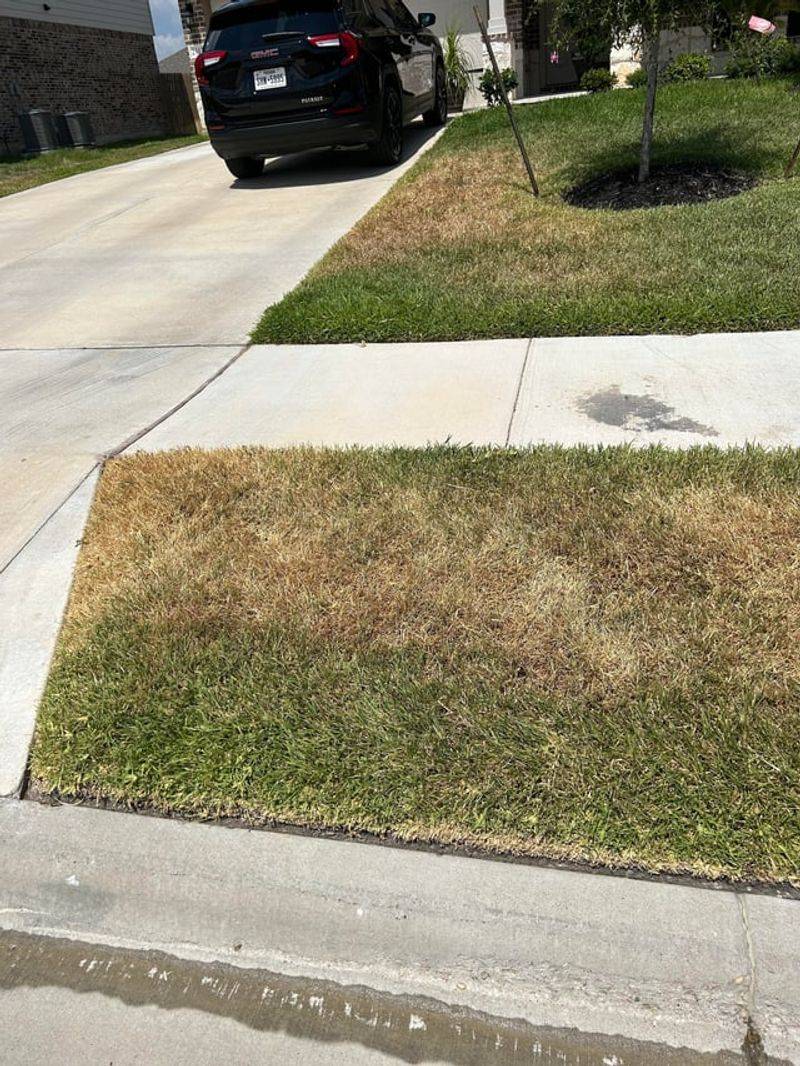
One of the sneakier problems in St. Augustine appears when a lawn looks dry even after watering.
Chinch bug damage gets mistaken for drought stress constantly, since the grass yellows, then browns, and patches expand during hot weather.
These insects are a common issue in sunny heat-stressed St. Augustine lawns across Texas.
Location is often the first clue.
Damage typically starts beside driveways, sidewalks, curbs, and other hot spots where turf already struggles.
Healthy green grass may sit directly against brown areas, with a sharp border rather than the gradual fade that drought produces.
Get down close and part the grass at the edge of a damaged patch.
Adult chinch bugs are small dark insects with light wings, while nymphs appear reddish or orange with a pale band across the back.
Your Texas Garden Changes Every Week. Your Plan Should Too.
Gardening in Texas changes quickly throughout the season. Every Friday you’ll receive a simple weekly plan showing exactly what to plant, prune, fertilize, harvest, and protect so you never miss the right timing.
The float test comes up regularly in Extension guidance as a practical home method. A coffee can with both ends removed, pushed into the soil at the damage edge and filled with water, brings insects to the surface.
Adding more irrigation accomplishes nothing when insects are the cause.
Catching them early limits how far the damage spreads and prevents you from treating a pest problem as a watering mistake.
3. Watch For Gray Leaf Spot Signs
Not every rough patch after summer comes from heat.
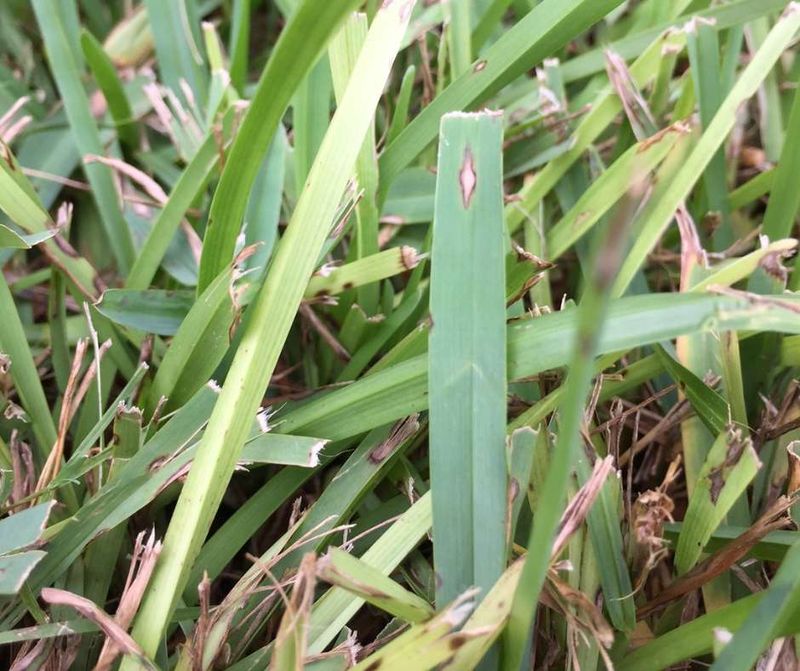
Gray leaf spot shows up on St. Augustine when warm humid conditions persist, particularly on lawns pushed with excess nitrogen.
The disease is a genuine concern for this grass, and the first signs appear directly on the blades.
Look for small spots starting tan or gray in the center with darker borders.
As it progresses, leaf tissue withers, giving the lawn a thin ragged appearance rather than the uniform fading drought produces.
Symptoms become more noticeable after rainy stretches, heavy dew, cloudy weather, or irrigation keeping the lawn wet for extended periods.
September care should lean toward balance rather than speed.
Avoid heavy feeding just because the lawn looks weak, since excess nitrogen encourages the soft tender growth this disease targets.
Better airflow, morning watering, and mowing with a sharp blade all make conditions less favorable.
Pay attention to where symptoms concentrate.
Spots strongest in lush areas that received extra fertilizer or stayed damp overnight point toward gray leaf spot rather than heat.
Newer St. Augustine cultivars vary in susceptibility, which matters for anyone replacing damaged areas.
Caught early, you can adjust care before the lawn declines further, which beats waiting and hoping.
4. Ease Off Heavy Nitrogen Feeding
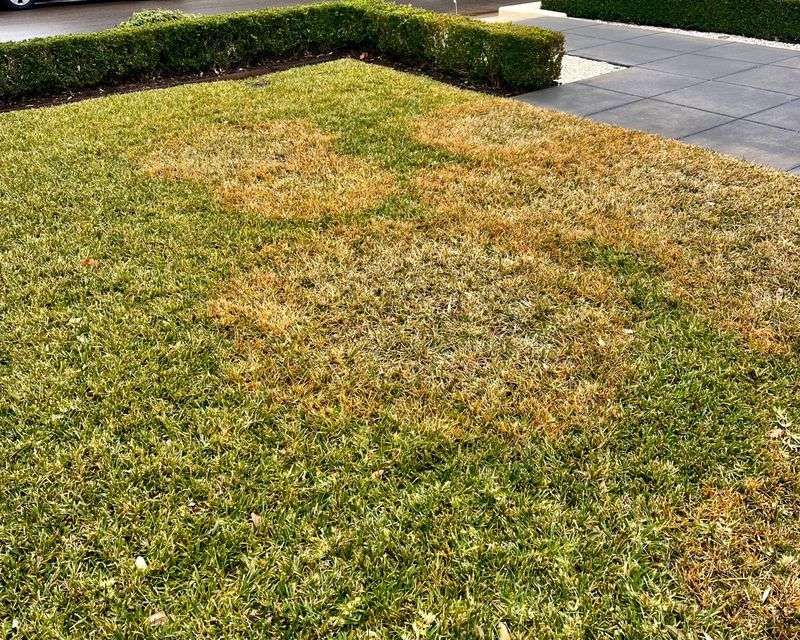
When a lawn looks worn out, feeding it hard seems like the obvious response.
September is not the time to push St. Augustine with heavy nitrogen after a brutal Texas summer.
Too much nitrogen heading into fall increases disease risk rather than producing steady recovery.
Fresh growth looks greener briefly and arrives softer and more vulnerable.
Gray leaf spot gets encouraged by excess nitrogen under humid conditions, and large patch becomes a growing concern as nights cool.
A lawn that seems hungry may actually need restraint more than a substantial meal.
If the grass genuinely needs nutrients, a cautious approach beats a heavy hand.
Check whether the lawn was already fertilized earlier in the year, and consider whether watering habits, soil conditions, or pests are the larger issue.
A soil test gives better direction than guessing with more product.
Local fertilizer ordinances also apply in parts of Texas, restricting application during certain periods, so checking before spreading saves trouble.
Potassium is worth mentioning as the more useful nutrient this time of year, since it supports stress tolerance rather than pushing growth.
Treat September as recovery mode rather than racing mode.
Easing off nitrogen lowers disease odds and avoids forcing growth that struggles when conditions shift.
5. Raise The Mower For Fall Recovery
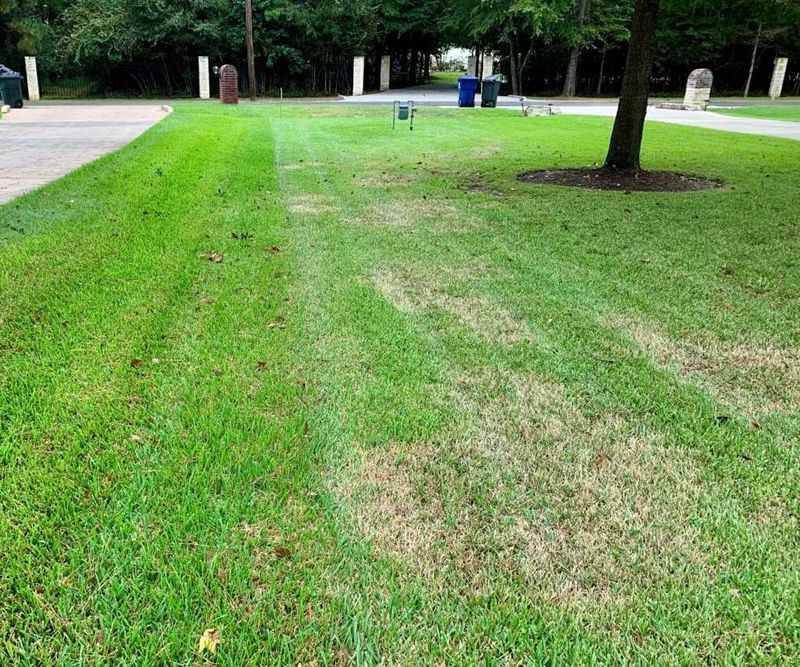
A lawn coming off a rough summer does not need a close cut.
St. Augustine recovers better holding enough leaf area to capture sunlight and shade the soil beneath.
Raising the mower slightly in September helps turf retain moisture longer and reduces stress on grass already working to rebuild.
Scalping is the common mistake after heat damage.
People see uneven thin growth and assume cutting lower will tidy things, which instead exposes stems and soil to more sun.
A taller canopy shades the ground, keeps the crown cooler, and slows water loss during hot early fall afternoons.
Three to four inches suits most St. Augustine lawns, with taller settings appropriate for shaded areas.
Weed suppression is a bonus. Taller grass shades more soil surface and competes better as it fills back in.
Avoid removing too much at once. The one-third rule prevents shock and keeps the lawn from looking torn up after mowing.
Sharp blades matter as much as height.
Dull blades tear leaf tips and leave ragged edges that look pale and stressed, and those wounds also invite disease.
Clean cuts are gentler on grass already under pressure.
A modest height adjustment gives struggling St. Augustine real breathing room through September.
6. Aerate Compacted High Traffic Areas
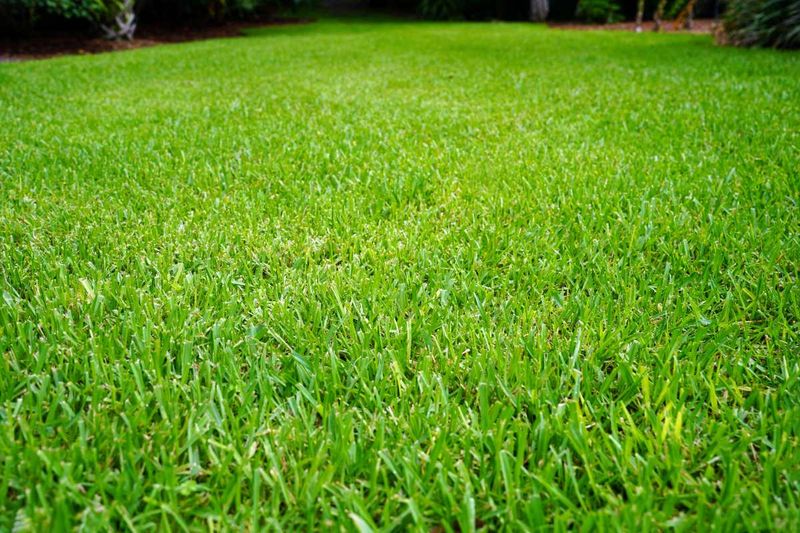
Some parts of a yard tell the whole summer story without explanation.
The path from the gate to the patio, the spot where kids played, the strip beside the grill. Those areas often end up packed hard.
Compacted soil limits how well water and air reach roots, and St. Augustine struggles to recover regardless of watering.
September works well for identifying those zones.
Water running off instead of soaking in, or ground that feels hard underfoot, both suggest compaction.
Aeration opens the soil so moisture, oxygen, and nutrients move deeper where roots need them.
Core aeration works better than simply poking holes, since it removes plugs and creates genuine channels through dense soil.
Focus on obviously worn areas rather than treating the entire lawn blindly.
Once soil opens up, deep watering becomes more effective and roots have a real chance to rebuild.
Timing matters here. Aerating during active growth allows recovery, so early September beats late October in most of Texas.
Skip aeration when the lawn is severely wilted or during a heat spike, since the goal is relief rather than additional stress.
Marking sprinkler heads and utility lines first prevents an expensive afternoon.
Pair aeration with sensible watering and reduced traffic where possible.
7. Rake Back Excess Thatch Buildup
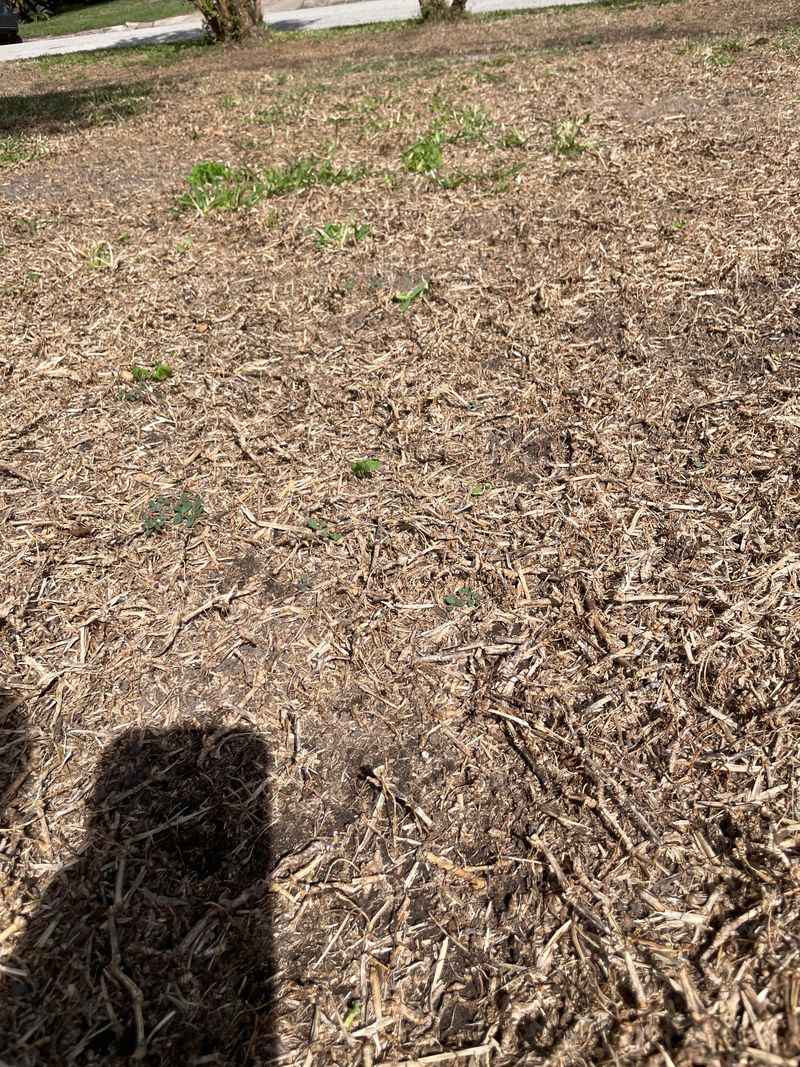
Sometimes a lawn feels soft and springy underfoot, and not in a good way.
That spongy layer is often excess thatch, an accumulation of stems and plant material between green growth and soil.
In St. Augustine, heavy thatch makes summer stress look worse, since water may sit in the top layer instead of reaching roots.
Thatch compounds heat and drought problems.
Roots stay shallow, the crown area holds moisture too long after watering, and insects find convenient shelter.
Recurring brown patches and a lawn that never wets evenly both suggest checking below the blades.
Pull back a small section and measure the layer.
Some thatch is normal, and anything much beyond half an inch starts blocking air and moisture movement.
Gentle dethatching or raking helps in problem spots, though tearing up an already weakened lawn causes more harm than good.
St. Augustine spreads by above-ground stolons, which means aggressive dethatching can damage the runners the grass uses to fill back in.
Go slowly and treat September as cleanup rather than a full renovation.
Pair thatch reduction with deep watering and sensible mowing so the turf isn’t stressed from several directions simultaneously.
Thinning that barrier often produces steadier recovery than anything else on this list.
8. Stay Ahead Of Large Patch Risk
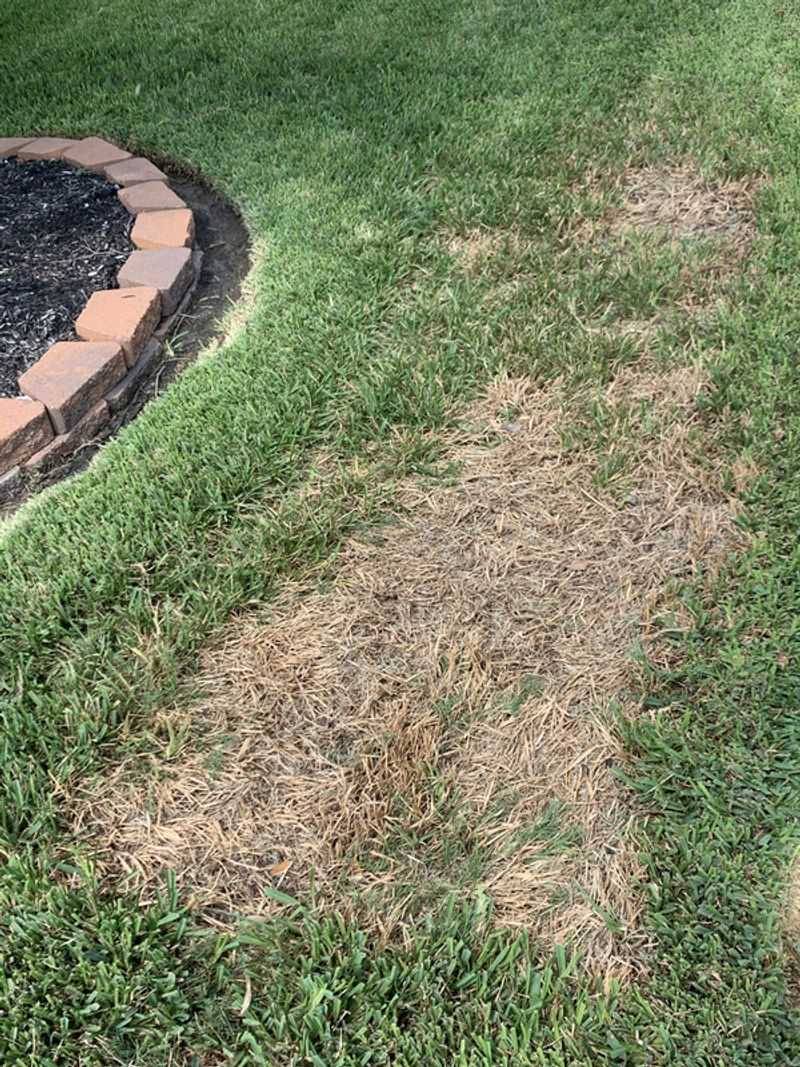
Fall arrives quietly in Texas, and St. Augustine notices before most homeowners do.
As nights cool and moisture lingers longer, large patch disease becomes a growing concern.
Fall is typically when this problem starts, particularly on lawns that are overwatered or pushed with heavy nitrogen.
Early symptoms look like round or irregular yellowing areas that gradually widen.
Because the lawn just endured brutal heat, people often assume those patches are leftover summer damage.
Timing is the distinguishing factor. Expanding rings appearing as weather shifts point toward disease rather than drought.
Prevention ties directly to basic habits.
Avoid late evening irrigation that leaves grass wet overnight, and skip heavy fertilizer applied in hopes of fast green-up.
Good mowing, reasonable watering, and reduced thatch all create a surface less favorable to disease.
The same pathogen causes brown patch in other grasses and survives in soil and thatch year-round, waiting for suitable conditions.
Fungicides work preventively rather than curatively, so timing matters and local guidance covers current options.
September rewards observation more than intervention.
Watch whether spots expand, whether blades pull loose easily, and whether the lawn stays damp for long stretches.
Catching risk early lets you adjust before damage spreads across the yard.