Ankle Bites Are Showing Up Across Missouri With No Bug In Sight
You walked the fence line, poked around the garden, stood under the big shade tree while the dog nosed through the weeds. Nothing bit you that you noticed.
Then you’re getting into bed and your ankles won’t quit. Red dots ringed right where the sock sat, itching harder than anything that small has a right to.
You go back through the afternoon and come up with nothing, because whatever got you was smaller than a period on this page. Missouri yards hide a summer regular that feeds quietly and leaves its evidence hours late.
It shows up on schedule, sticks to certain corners of the yard, and it counts on one small habit most people get wrong in the shower.
The Shaded Ground Layer Where The Culprit Waits
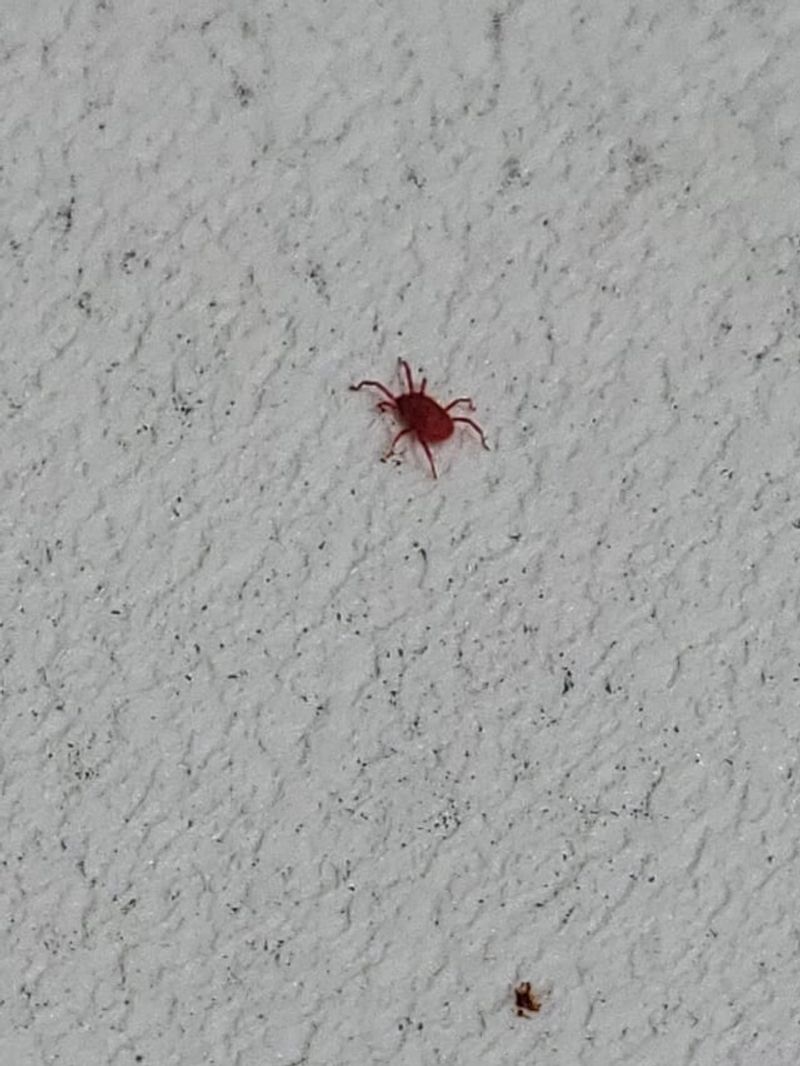
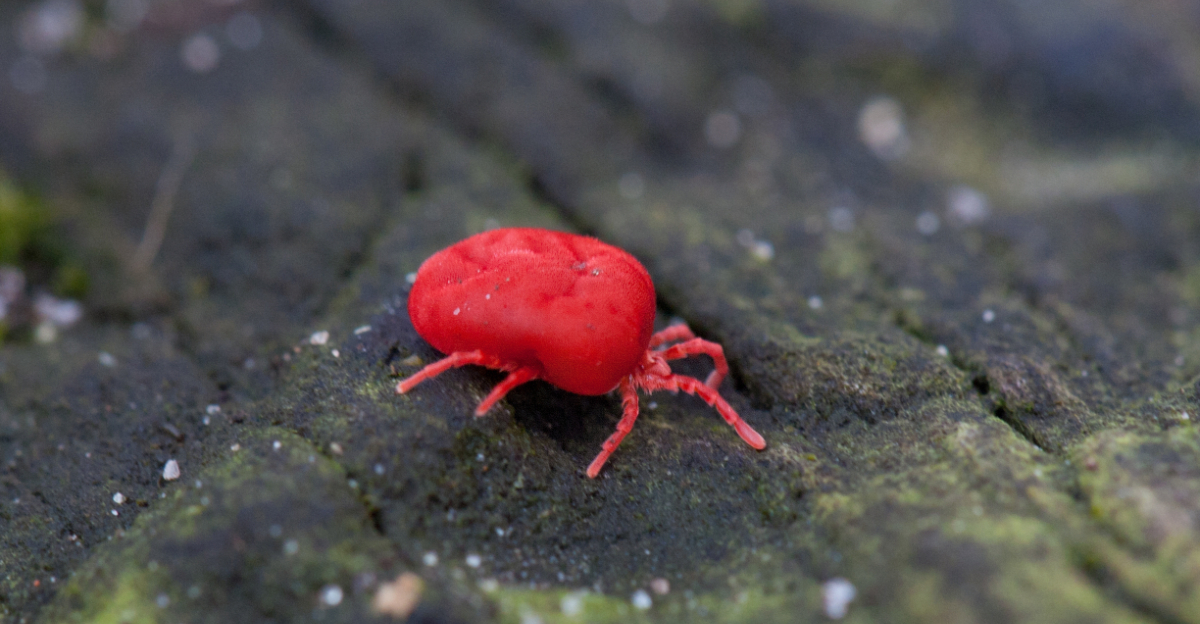
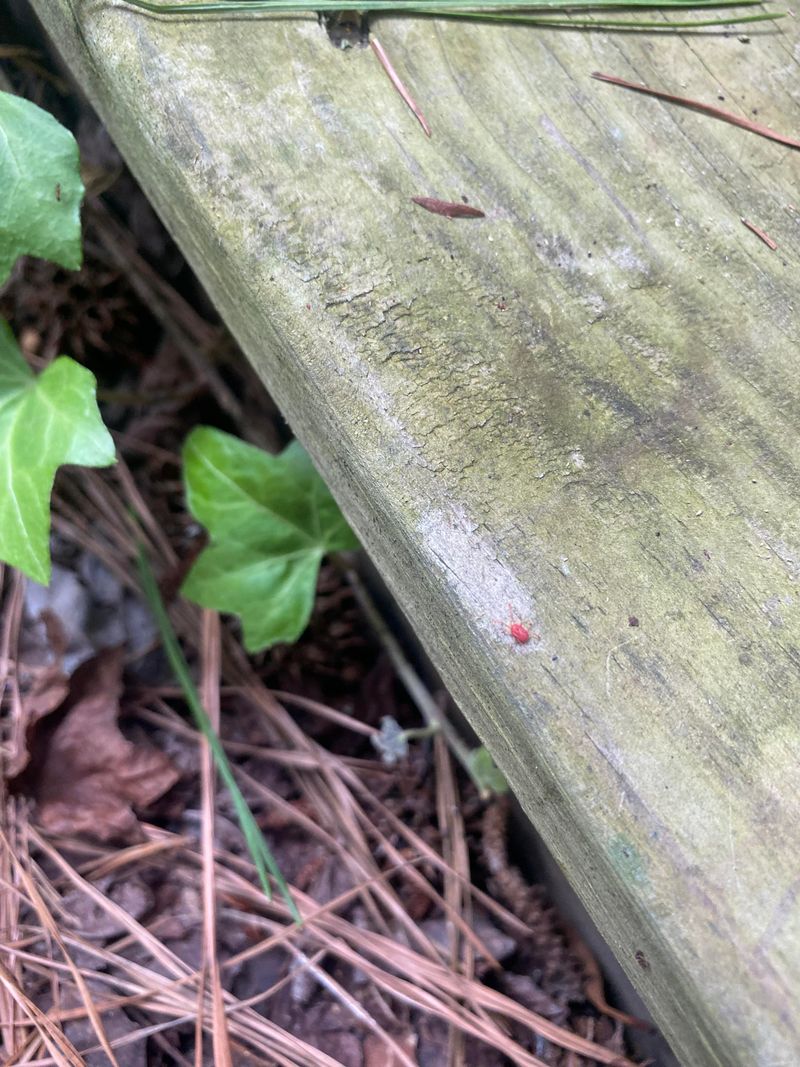
Chiggers are the larval stage of a tiny mite, and in Missouri they favor humid, shaded ground under brush, tall weeds, and wooded edges. Berry brambles and thick leaf litter hold moisture that lasts even through a dry July.
At that stage, the mite measures roughly 0.15 to 0.3 millimeters across. Something that small moves across skin without registering, which is why the encounter feels invisible.
They cannot fly or jump. Instead, they climb to the tip of a grass blade or a low weed and wait with their front legs raised, hoping something warm brushes past.
Ankles and shins are usually where they climb aboard, which explains the bite map on your legs. From there they wander upward until clothing stops them, gathering at sock lines, waistbands, and other snug spots.
Here is a fact that surprises people: chiggers are not blood feeders. They inject saliva that breaks down skin cells, then sip the liquefied tissue through a straw-like tube called a stylostome.
That tube is what your body reacts to. The itching starts hours later because your immune system needs time to notice the irritant and respond.
Brushy fence rows and shaded wood edges run through most of the Ozarks and central Missouri, ringing pastures and old homesteads. Walk one in late June and you are stepping through prime habitat.
Recognizing the setting matters more than spotting the mite. Their distribution is patchy, so one shaded corner can be loaded while a similar patch nearby has none.
The Delay That Keeps The Cause Hidden
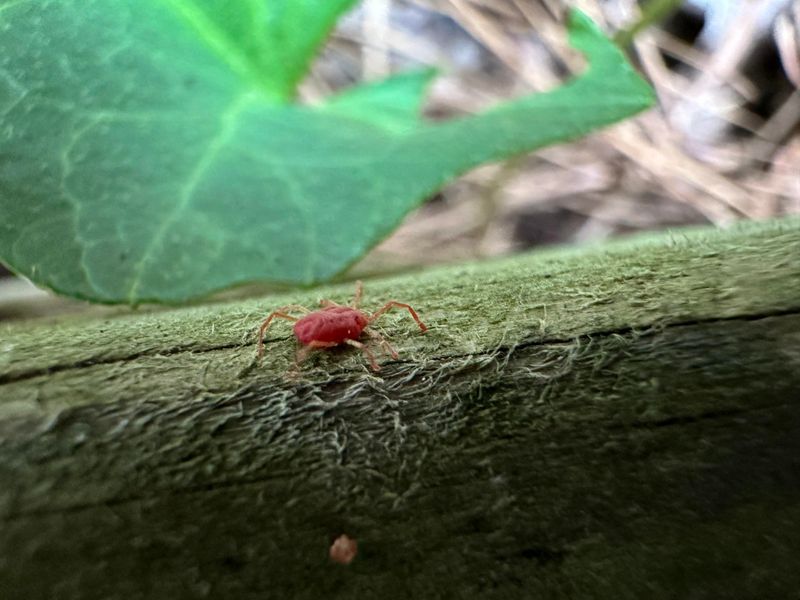
Timing is what keeps this one hard to pin down. A chigger attaches quietly and settles in to feed, and left undisturbed it can stay for a day or two before showering or scratching removes it.
Most people notice the first tickle three to six hours after exposure. Peak misery usually lands somewhere between twenty-four and forty-eight hours later.
By then you have showered, changed clothes, eaten dinner, and mentally moved on from that walk through the back forty. The connection between the bug and the bumps gets lost in the shuffle.
That delay creates a second problem. Folks blame fleas, spiders, or mystery allergies, then treat the wrong thing and wonder why nothing helps.
Your Missouri Garden Changes Every Week. Your Plan Should Too.
Gardening in Missouri changes quickly throughout the season. Every Friday you’ll receive a simple weekly plan showing exactly what to plant, prune, fertilize, harvest, and protect so you never miss the right timing.
The welts themselves are useful clues. Chigger bites form firm red bumps with a bright center, and they cluster rather than scatter one by one.
Location tells you even more. Bites concentrated at the sock line, behind the knees, or along the beltline point straight at ground-level exposure in tall vegetation.
Another quirk: the itching can hang around for a week or two even though the mite left long ago. The feeding tube stays lodged in the skin and keeps irritating tissue until your body clears it.
Scratching stretches out the timeline. Broken skin invites infection and turns a two-day annoyance into something that lingers.
Reading the delay lets you trace bites back to a specific afternoon and narrow down the ground you crossed.
The Weeks When Bite Reports Climb Across The State
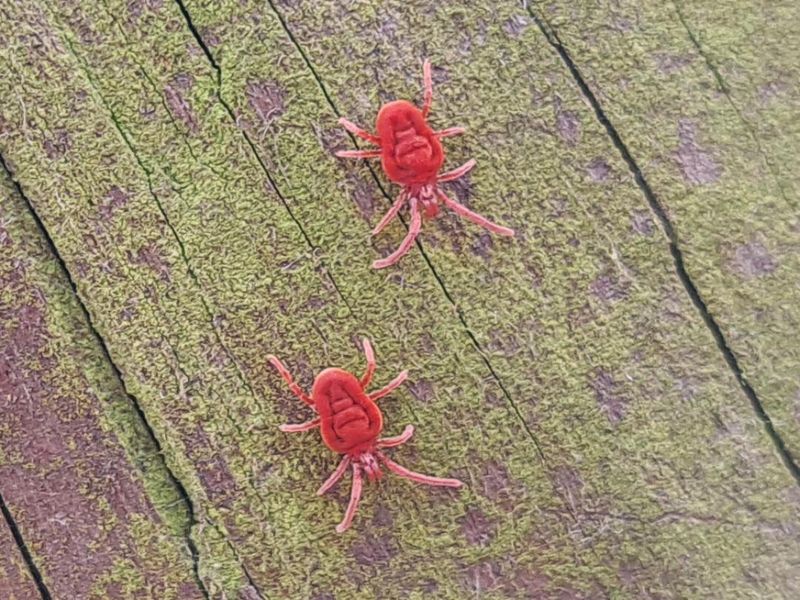
Most Missouri gardeners notice the same pattern: numbers climb right after the first real heat wave. Larvae hatch once soil temperatures climb above roughly sixty degrees and stay there.
June and July are the heaviest stretch across most of the state, though the risk runs from May until the first hard frost. Two to three generations appear each year, so activity often surges again after late-summer rains.
Humidity drives everything. A run of muggy days with afternoon storms keeps leaf litter damp, and damp litter keeps larvae active near the surface.
Dry spells push them down into the soil where they wait. That is why a bone-dry August sometimes feels like a break, followed by a rough comeback after the first good soaking.
Time of day matters too. Larvae move most when temperatures sit between seventy-seven and eighty-six degrees, which lines up with mid-morning and late afternoon.
Cool mornings under sixty degrees slow them considerably. Early risers who finish yard work before the dew burns off often collect fewer bites.
Shade changes the math as well. Shaded brush holds moisture and moderate temperatures far longer than an open lawn baking in full sun.
Keep a mental calendar of your own property. Most people find one or two trouble zones that flare up the same weeks every year.
Planning around the season beats reacting to it. Save brush clearing and berry picking for cooler stretches when the ground has dried out a bit.
The Shower Mistake Almost Everybody Makes
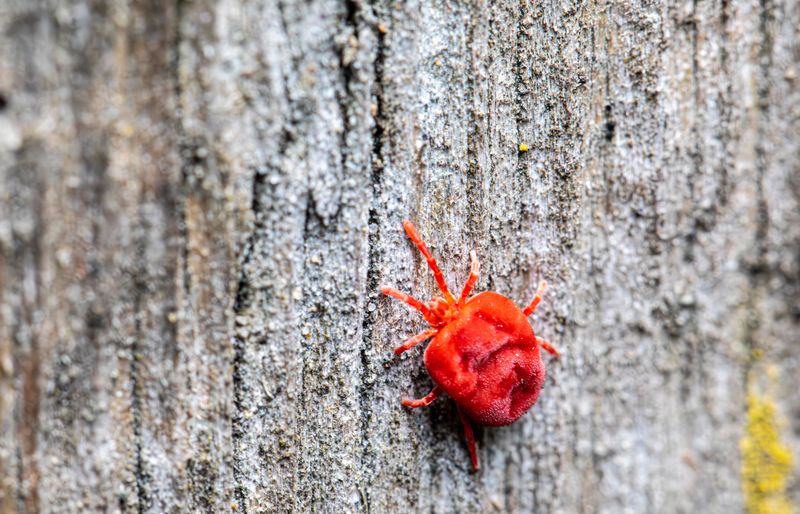
Rinsing off after yard work feels responsible, and it is. The trouble is that a quick rinse leaves most of them in place.
Chiggers hang on with tiny claws and settle into snug spots, so water without scrubbing misses them.
What actually works is friction. A soapy washcloth scrubbed briskly over ankles, shins, waistline, and behind the knees dislodges larvae before they settle in and start feeding.
Do it within an hour or two of coming inside. The sooner you scrub, the fewer bites develop, because feeding has barely begun at that point.
Clothing deserves the same attention. Toss everything straight into the wash with hot water, since larvae can survive on fabric and find you later on the couch.
A second overlooked step involves the laundry basket. Leaving field clothes in a pile lets stragglers wander onto whatever is nearby.
Skip the old folk remedies for bites that already formed. Nail polish, bleach dabs, and dabbed-on disinfectant smother nothing, because the mite is long gone by the time you itch.
Cool compresses, calamine lotion, and over-the-counter hydrocortisone cream handle the irritation far better. An oral antihistamine helps on nights when the itching interferes with sleep.
Trim fingernails short during peak season. Sleepy scratching does more damage than daytime scratching, and broken skin is what turns a small welt into a doctor visit.
Small habits, done promptly, bring your bite count down noticeably.
Dressing And Treating So Your Socks Do The Blocking
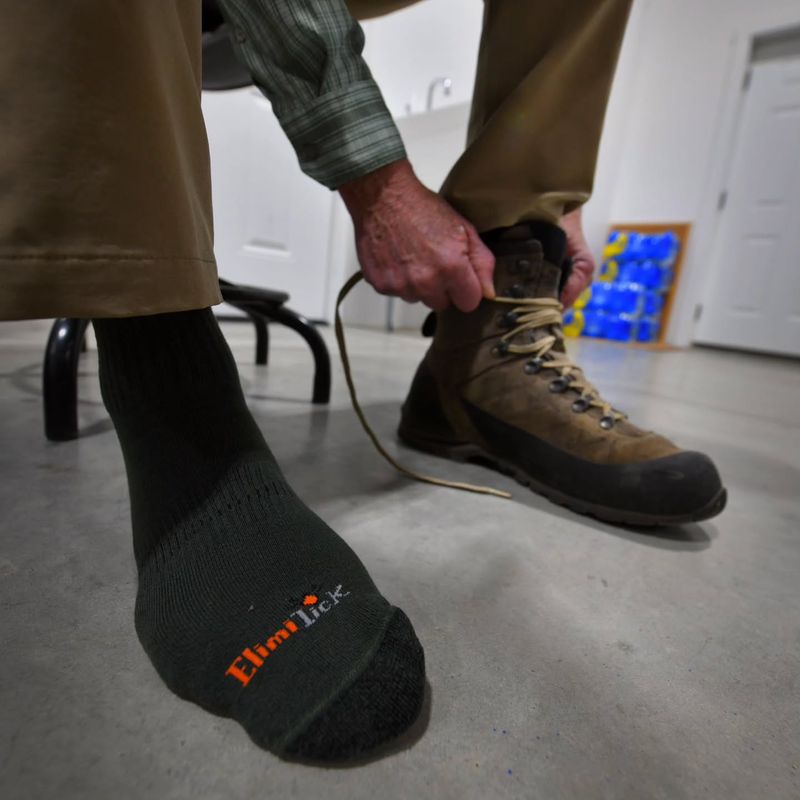
Old-timers tuck their pants into their socks for a reason, and it looks goofy for a reason too. Chiggers climb upward, so a sealed sock line stops the parade at the ankle.
Light-colored clothing helps you spot anything moving. Tightly woven fabric gives fewer gaps to crawl through.
Repellents make a real difference when applied low. Products containing DEET at twenty to thirty percent work well on skin around ankles, socks, and lower legs.
Permethrin belongs on clothing, not skin. Treated socks, boots, and pant cuffs stay effective through several washes and stop larvae before they reach skin.
Apply generously below the knee and around the waistband. Those two zones are where most people pick up their bites.
Sulfur powder has a long history in the Ozarks, dusted into socks and around cuffs. It smells strongly of rotten eggs, though plenty of folks swear by it.
Habits matter as much as gear. Stick to mowed paths, avoid sitting directly on logs or leaf litter, and resist pushing into brush after berries.
Yard management shrinks the problem over time. Mowing regularly, clearing brush piles, and thinning dense shade lets sunlight dry out the ground layer larvae depend on.
Pets carry them indoors too. Wiping down a dog after a woods romp keeps hitchhikers off your furniture.
None of this requires special equipment, just a few minutes before you head outside.
Healing Timelines And The Signs Worth A Phone Call
Most chigger welts follow a predictable arc. They peak around day two, stay stubbornly itchy for three to five more days, then fade over a week or two.
A little discoloration can linger after the itch quits. That fading mark is normal and clears on its own.
Comfort measures carry you through the worst of it. Cool showers, ice packs wrapped in a towel, and hydrocortisone cream take the edge off without much fuss.
Oatmeal baths soothe widespread irritation when bites cover both legs. Loose cotton clothing beats anything tight rubbing against inflamed skin.
Certain signs deserve professional attention. Spreading redness, warmth, yellow drainage, or a fever suggests a bacterial infection took hold in scratched skin.
Bites that swell dramatically or come with hives and breathing trouble need immediate care. Severe reactions are uncommon but they do happen.
Here is reassuring news for Missouri residents: chiggers in North America are not known to transmit disease to people. The scrub typhus risk associated with related mites exists in parts of Asia, not here.
Ticks are the real disease concern in the same habitat. Check for them during your post-yard-work scrub, since both hitch rides in the same tall grass.
Keep a small kit by the back door with repellent, a washcloth, and anti-itch cream. Making prevention convenient is what turns good intentions into an actual routine.