Why Pennsylvanians Are Seeing More Blue Jays In September
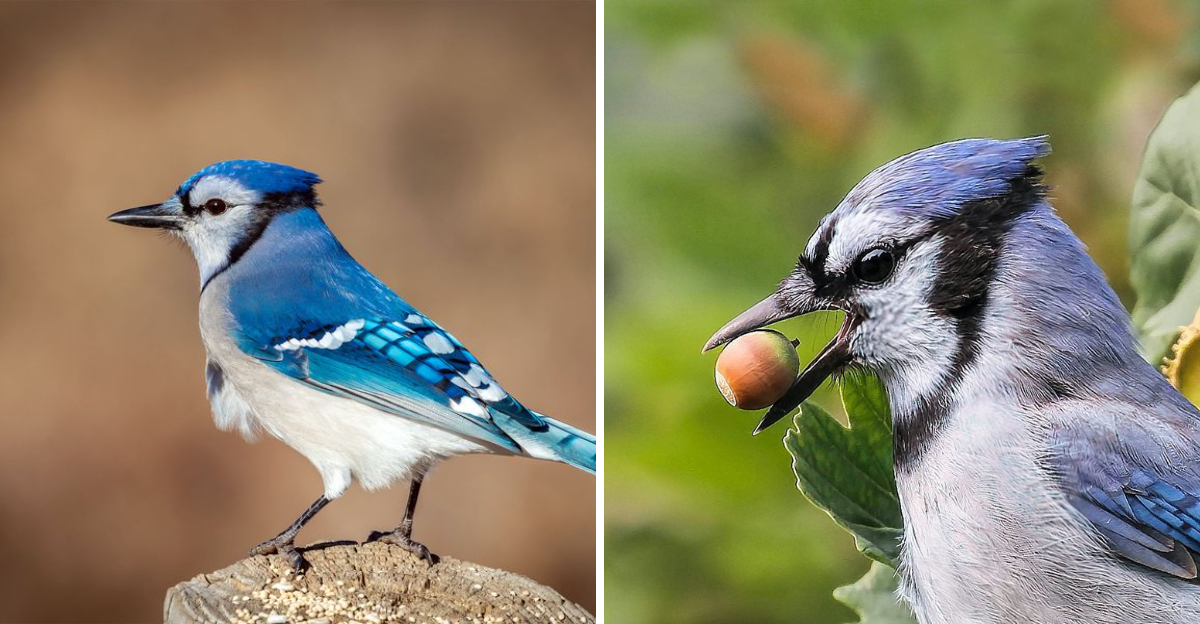
If blue jay activity around your Pennsylvania yard has picked up noticeably in September, you’re not imagining it.
These birds become significantly more visible and active at this point in the year, showing up in numbers that feel almost surprising compared to the quieter summer months. What’s going on?
September blue jay behavior is driven by specific seasonal pressures that make this one of the most interesting months in the blue jay calendar.
The activity you’re seeing is purposeful and connected to biological rhythms that play out at roughly the same time every year.
Understanding what’s behind it makes the whole thing considerably more fascinating than simply noticing more birds in the yard.
It also tells you something real about your local oak trees and the broader ecological activity happening in your neighborhood right now. Here’s exactly why Pennsylvanians are seeing more blue jays in September.
1. Fall Migration Is Bringing More Jays Through Pennsylvania
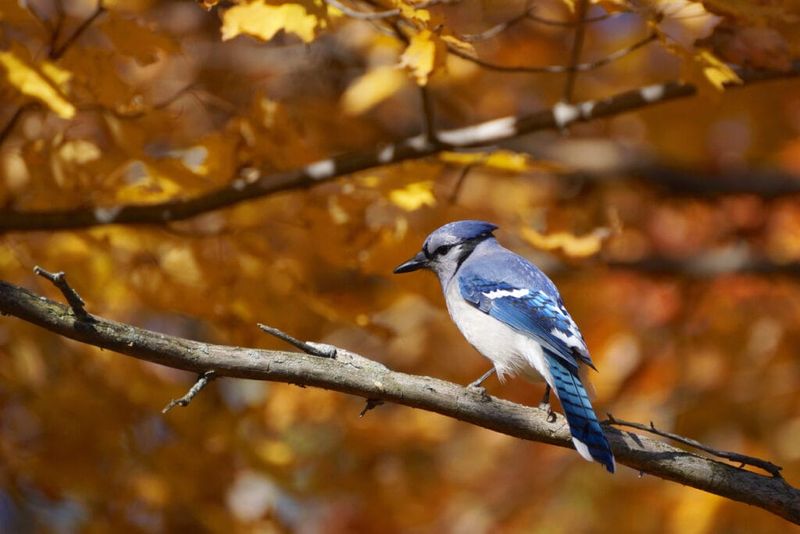
Every autumn, something amazing happens across the skies of the eastern United States. Some Blue Jays that breed in Canada and the northern United States migrate south in fall, while many others remain in or near their breeding range.
Pennsylvania sits right along their travel path. That means some of the Blue Jays you see in September may be migrants passing through, while others may be local residents.
Scientists still find Blue Jay migration a little mysterious. Not every jay travels, and some stay put all year.
But large groups do move, and they often follow ridges, rivers, and shorelines that guide them along the way.
Because so many extra birds are on the move, your local numbers can jump quickly. One morning you might spot just a couple, and the next you could see a dozen resting in the trees.
Places like Hawk Mountain in Pennsylvania are famous for watching migrating birds. People gather there in fall to count all the different species streaming overhead.
You can enjoy this show right at home too. Keep an eye on the sky during clear September mornings, especially after a cool front rolls through.
Migrating jays often travel in loose lines during daylight hours. Watching them flap steadily southward is a real treat for anyone who loves nature.
Fun fact: Blue Jays sometimes carry acorns during migration, tucking them into a special throat pouch. This helps them snack along the way and plant future oak trees without even trying.
2. Blue Jays Are Gathering Into Larger Flocks
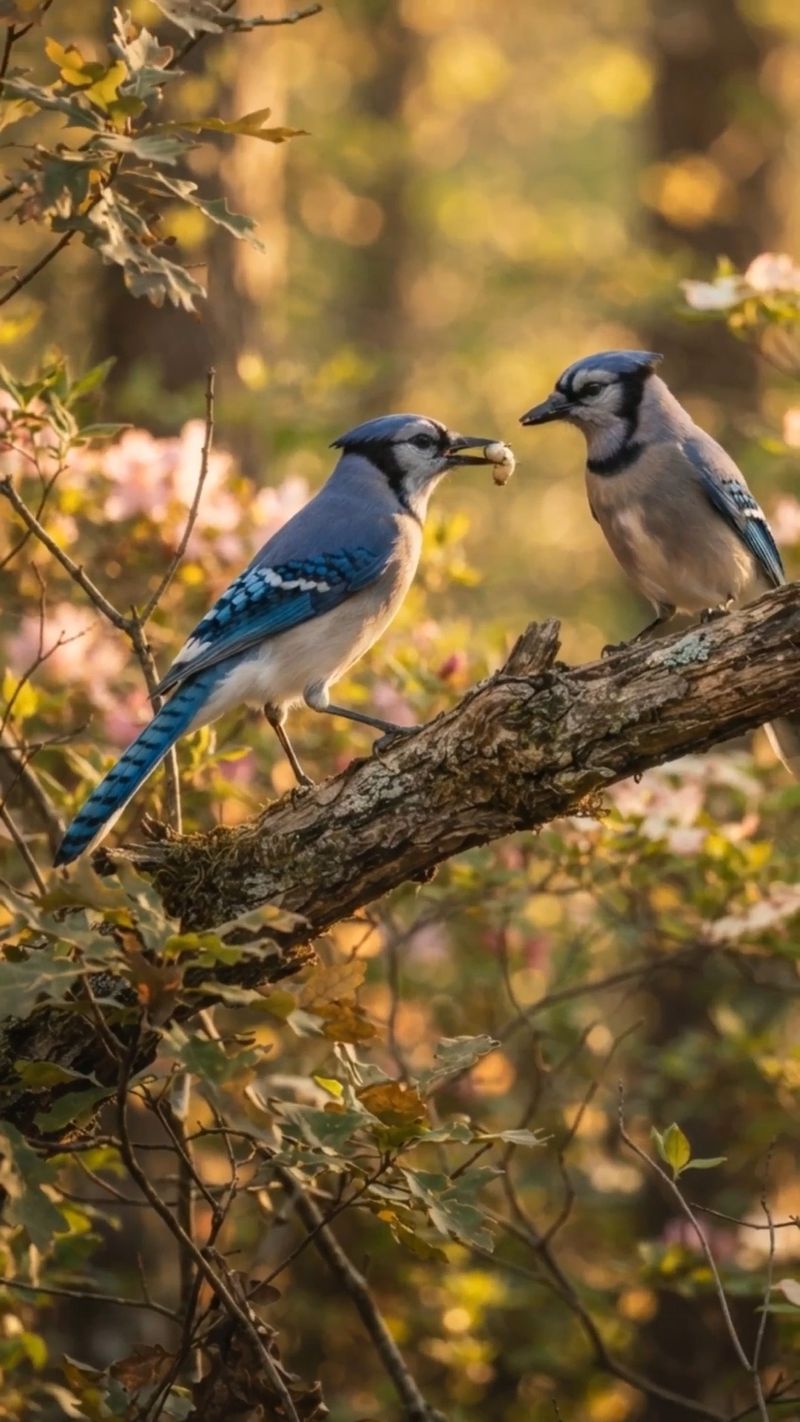
Summer keeps Blue Jays busy raising babies, so families stay small and quiet. Once the nesting season wraps up, everything changes.
Parents and their grown chicks begin joining with other jay families. These groups blend together into bigger foraging flocks that roam the woods and yards looking for food.
A larger flock is simply louder and easier to spot. Ten jays calling back and forth grab your attention far more than a single quiet bird hiding in a tree.
There is a smart reason behind this teamwork. More eyes mean more safety, since a bigger group can watch for hawks and other threats while everyone eats.
Your Pennsylvania Garden Changes Every Week. Your Plan Should Too.
Gardening in Pennsylvania changes quickly throughout the season. Every Friday you’ll receive a simple weekly plan showing exactly what to plant, prune, fertilize, harvest, and protect so you never miss the right timing.
Flocking also helps them find food faster. When one jay discovers a rich patch of acorns, the others quickly notice and gather to share in the feast.
You might see this behavior play out at your feeder. A whole group can swoop in at once, grab a few seeds, and then dash back to the trees together.
Their famous jay-jay calls become a constant soundtrack in September. Some people think the birds are arguing, but they are really just staying in touch with each other.
If you want to see the flocks better, try scattering peanuts in the shell on a flat surface. Jays love them and will visit often.
Watching these flocks move as a team is a wonderful window into bird behavior. It shows how animals cooperate to survive when the seasons shift and the days grow shorter.
3. Acorns And Other Nuts Are Becoming Available
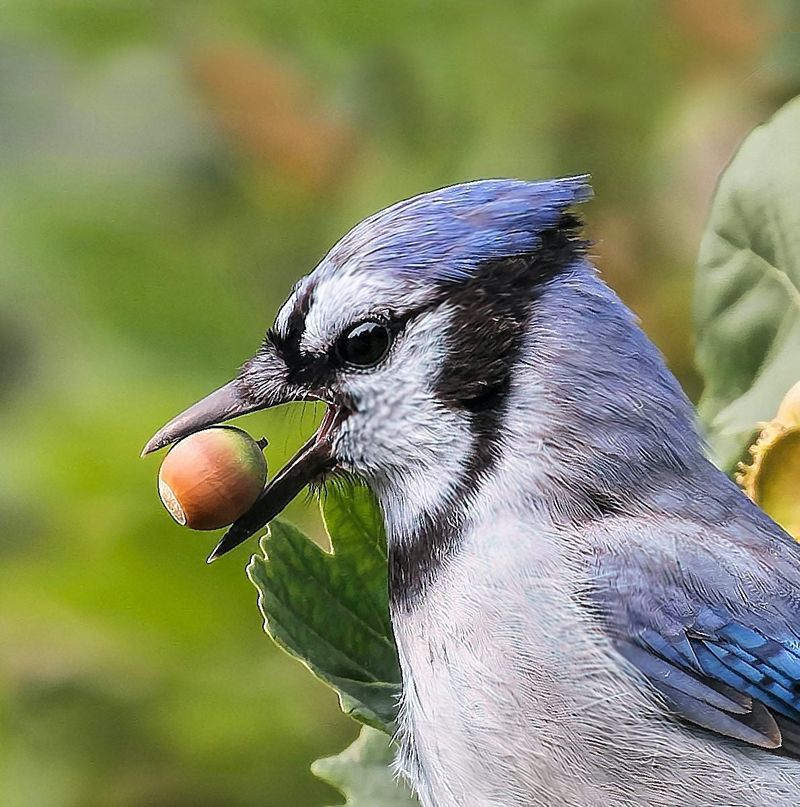
Fall turns the forest into a giant grocery store for Blue Jays. Oak and beech trees drop their nuts, and jays go wild collecting them.
Acorns are a favorite treat. They are packed with energy that helps birds stay strong through the cold months when food is harder to find.
Blue Jays are famous for hiding, or caching, their food. A single jay can bury thousands of acorns in one autumn, tucking them into soil and leaf piles.
They have a clever tool for the job. A stretchy throat pouch lets them carry several acorns at once, so each trip is worth the effort.
All this gathering keeps jays busy and out in the open. You will see them flying back and forth between oak trees and their hiding spots all day long.
Their hard work does more than feed themselves. Many buried acorns are never dug up, and those forgotten nuts sprout into brand new oak trees.
Because of this habit, scientists believe Blue Jays helped spread oak forests across North America long ago. That makes them true forest planters.
You can watch this in your own area if oaks grow nearby. Sit quietly and observe how often a jay lands, grabs a nut, and zips away.
The extra activity around nut trees is a big reason September feels so full of jays. They know winter is coming, and they are storing up as much as they can. Next time you find an acorn on the ground, remember a jay might have wanted it too.
4. Your Yard May Offer Easy Access To Food
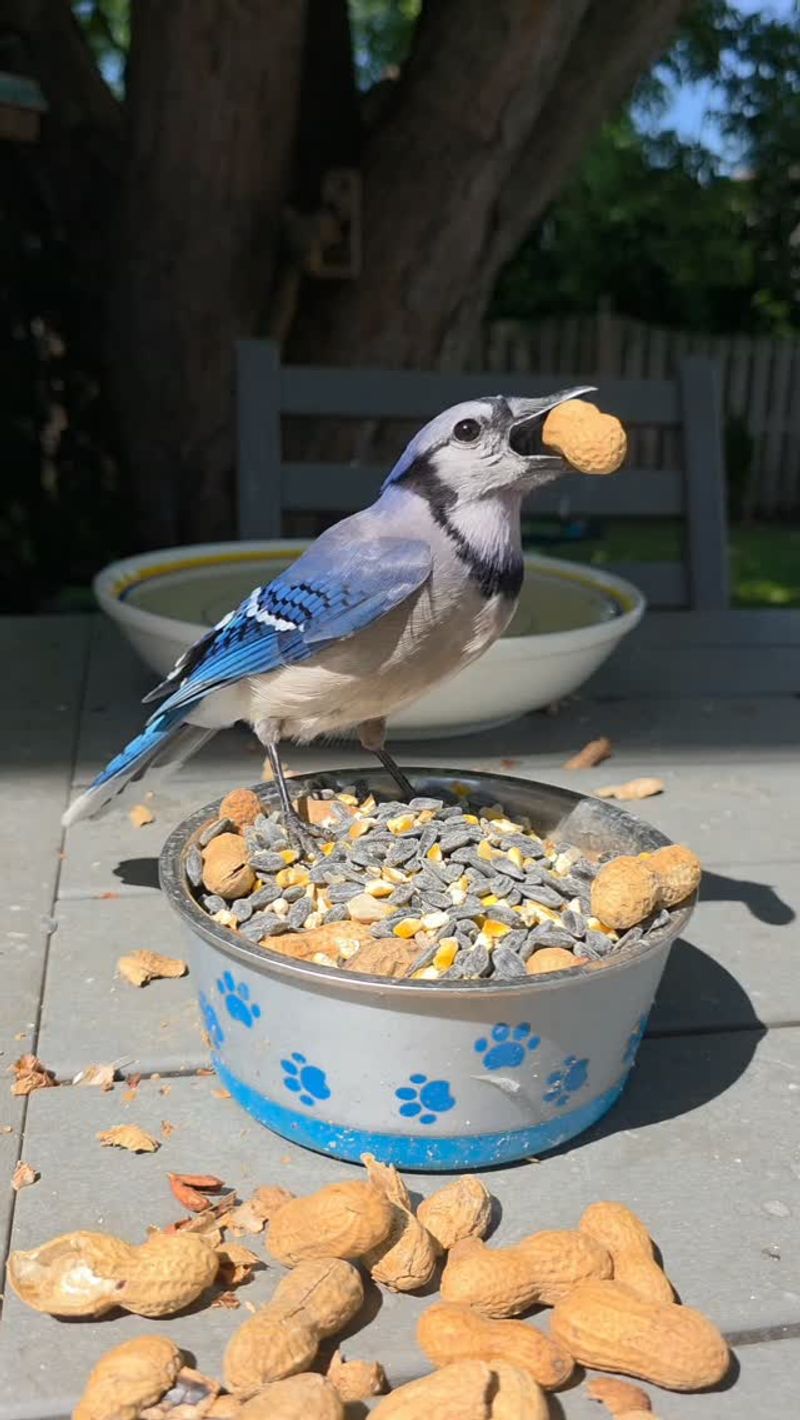
Blue Jays are clever birds that quickly learn where the easy meals are. Suburban yards, with their feeders and gardens, are like a five-star restaurant to them.
If you fill a feeder with seeds, nuts, or fruit, jays will remember the spot. They may even show up at the same time each day, expecting a snack.
Peanuts are their absolute weakness. Whole peanuts in the shell can turn a quiet yard into a busy jay hangout almost overnight.
These birds also enjoy sunflower seeds, corn, and suet. A little variety keeps them coming back and gives you more chances to watch them.
September is when their appetite really grows. With winter on the way, jays eat and store as much as possible, so your feeder gets extra attention.
Water matters too. A clean birdbath gives jays a place to drink and splash, making your yard even more inviting during warm early-fall days.
Do not be surprised if jays act a bit bossy at the feeder. They often chase smaller birds away so they can grab the best pieces first.
Some people find them noisy, but others love their bold personalities and bright colors. They add life and energy to any backyard.
To attract more, try placing food on a sturdy platform feeder or a flat rock. Jays like open spots where they can watch for danger while eating.
By offering steady food, you become part of the reason jays gather nearby. Your simple kindness helps them prepare for the season ahead, and it gives you a front-row seat to their antics.
5. Juvenile Jays Are Becoming More Independent
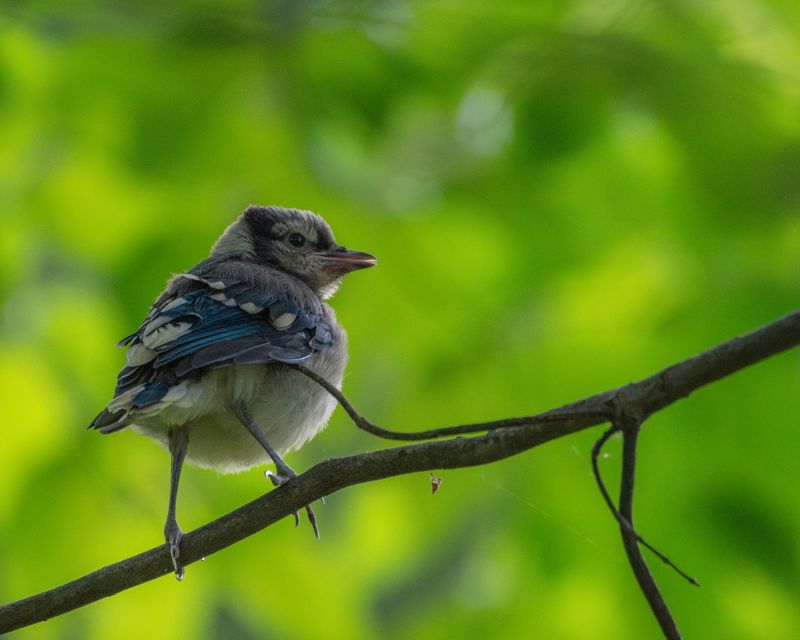
Spring and early summer are baby season for Blue Jays. By September, those tiny hatchlings have grown into curious young birds ready to explore the world.
Young jays no longer stay hidden in the nest. They follow their parents around, learning where to find food and how to stay safe.
All this practice means they are out and about far more often. More young birds moving through the trees adds to the crowd you notice.
Juvenile jays can look a little scruffy compared to adults. Their feathers may seem soft and fluffy, and their calls sometimes sound clumsy or extra loud.
They are also very playful. You might catch them poking at objects, splashing in water, or chasing one another between branches.
Learning to find acorns and use feeders takes time. Watching a young jay figure out how to crack a peanut can be pretty funny.
Because they are still learning, juveniles often make mistakes. They might beg loudly for food even though they are perfectly able to feed themselves.
As late summer fades into fall, these youngsters join the larger flocks. That mixing of young and old birds boosts the numbers you see around town.
Their curiosity makes them fun to observe. Young jays seem interested in everything, which means they venture into yards and open areas more boldly than shy adults.
If you spot a jay acting a bit awkward or overly excited, it may be a first-year bird. Watching them grow more skilled through the fall is one of nature’s quiet joys.
6. Pennsylvania’s Wooded Neighborhoods Suit Blue Jays
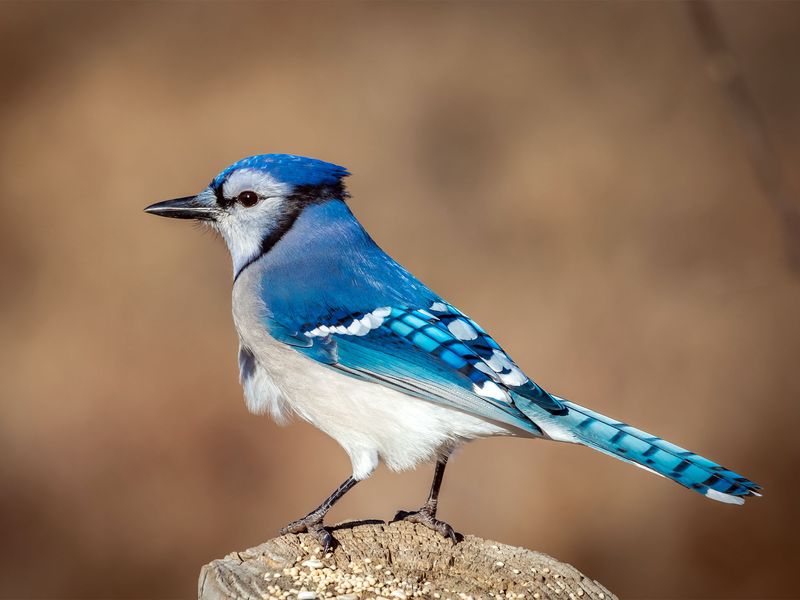
Pennsylvania is full of the kinds of places Blue Jays adore. Rolling hills, thick forests, and leafy towns give them everything they need.
Oak and beech trees grow all over the state. Since jays depend on acorns and beech nuts, these woods feel like a perfect home.
Suburbs work well too. Many neighborhoods have tall, mature trees mixed with open lawns, which give jays both food and cover.
Homes near woodlots often see the most action. The edge where trees meet yards is exactly where jays like to hunt for snacks.
These birds do not mind living close to people. As long as there are trees to nest in and food to find, they happily settle nearby.
Autumn makes these habitats even busier. Falling nuts and stocked feeders draw jays out of the deep woods and into view.
If your street has old oaks, you are lucky. Those trees act like magnets, pulling in jays from the surrounding area every fall.
Towns across Pennsylvania, from small villages to city suburbs, share this leafy charm. That is why so many residents report the same September jay boom.
You can help make your space even friendlier. Planting native oaks or keeping mature trees standing gives jays lasting places to live.
Fun fact: Blue Jays sometimes mimic the calls of hawks. They may do this to scare other birds away from food or just to cause a little mischief.
With the right mix of trees and towns, Pennsylvania naturally supports plenty of these bold blue birds all season long.