How Florida Gardeners Keep Yards Thriving Without Running Sprinklers This Week
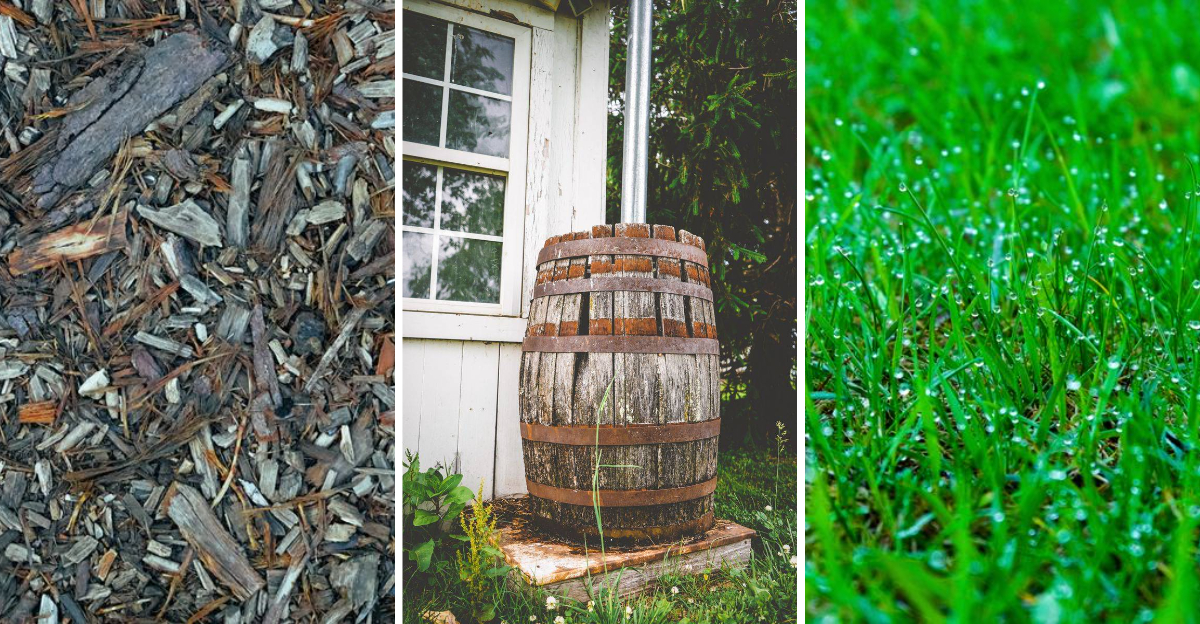
Rain reaches your lawn before you even lift the hose. Florida skies open right on schedule, soaking everything you planted. Sprinklers switching off might be the smartest move you make.
Soggy afternoons quietly rewrite your watering habits across Florida. Roots turn soft when you water them too easily. Fungus spreads fast inside irrigation habits you rarely question.
Smart timing outperforms blind routine you follow during storms. Mulch, patience, and sharp instincts help you skip daily sprinkler habits. Grass toughens up the moment you stop overwatering it constantly.
Storms already deliver more moisture than you could manage. Understanding this shift changes how you treat your entire yard. Watching the sky teaches you more than any timer could.
Your instincts matter more than any preset schedule ever could. Certain habits keep garden beds thriving without a single drop from you. You need these habits before the next storm rolls through.
1. Let The Afternoon Storms Do The Heavy Lifting
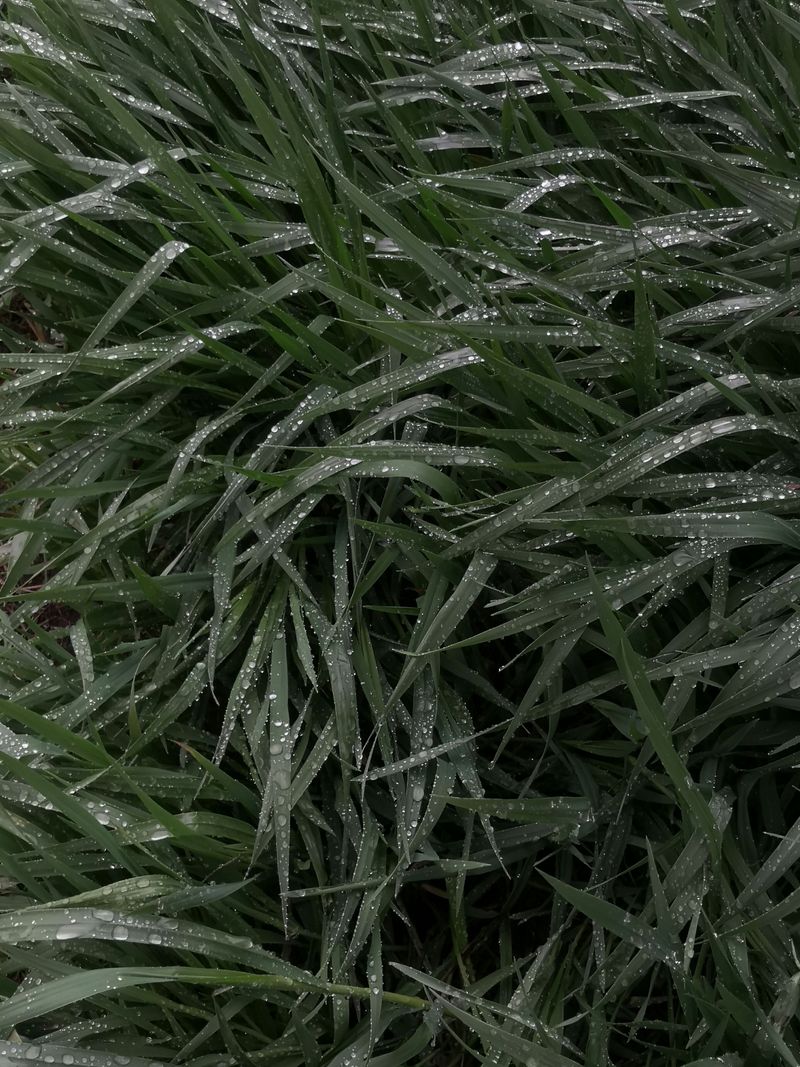
Florida gets roughly half its yearly rainfall between June and September, and early September is often the soggiest stretch of all. Those daily thunderheads can drop an inch of water in under an hour.
One inch is about what a typical St. Augustine lawn wants for the whole week. So when a storm rolls through Tuesday, your yard is already covered until the weekend.
The trick is knowing how much actually landed on your grass, not on the weather map five miles away. Rainfall in Florida is famously patchy, and your street can stay dry while the next subdivision floods.
Check the forecast each morning and glance at the ground before doing anything. If soil sticks to your finger when you press down two inches, hold off.
Many gardeners keep their irrigation controller on the rain-delay setting during September rather than switching the whole system off. That way the schedule returns on its own if a dry spell sneaks in later.
Watch how your plants behave, too. St. Augustine folds its blades and takes on a bluish-gray cast when it wants a drink, and footprints stay pressed into the turf.
Until you see those signals, the sky is handling the job for free. Water bills drop, runoff into storm drains slows down, and roots stretch deeper looking for moisture.
Deeper roots mean a tougher lawn when the dry season arrives in November. Skipping irrigation this week supports stronger root growth over the following months.
2. Rain Gauges Turn Guessing Into Knowing
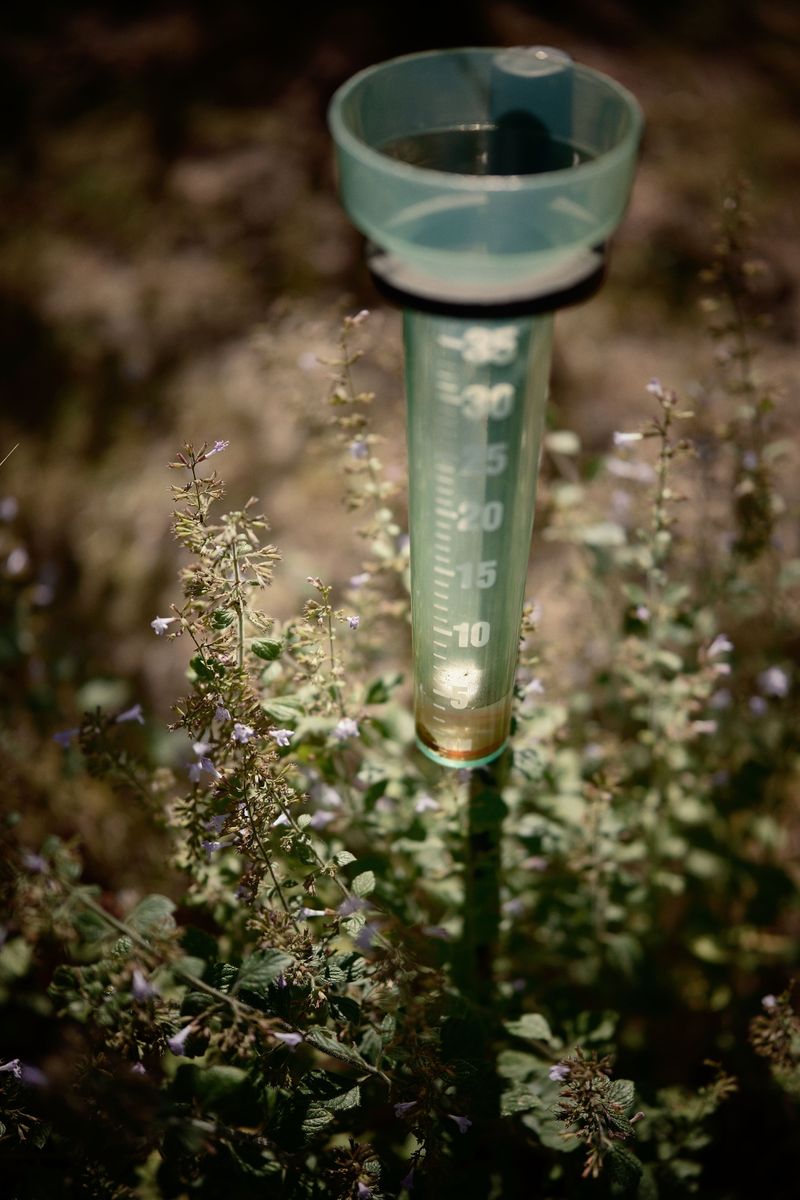
A simple, inexpensive rain gauge stuck in the flower bed gives you a clear, objective reading of rainfall. It tells you exactly how much rain your yard received, not the airport across town.
Place the gauge in an open spot away from roof overhangs, oak canopies, and fence lines. Anything leaning over it will skew the reading.
Check it each morning and jot the number on a sticky note by the back door. Once you hit three-quarters of an inch for the week, your lawn has what it needs.
Your Florida Garden Changes Every Week. Your Plan Should Too.
Gardening in Florida changes quickly throughout the season. Every Friday you’ll receive a simple weekly plan showing exactly what to plant, prune, fertilize, harvest, and protect so you never miss the right timing.
Some gardeners set out two or three gauges in different corners of the property. The readings can vary by a surprising amount thanks to wind-driven rain and tree cover.
Tuna cans work in a pinch and cost you nothing. Set several across the yard, and they double as a way to measure sprinkler output when you eventually turn the system back on.
Florida water management districts encourage rain sensors too, and they are required on newer irrigation systems. A working sensor shuts the zones down automatically after a soaking, though the little cork discs inside wear out after a few years.
Give yours a squeeze test each season to be sure it still swells and clicks off. A stuck sensor quietly wastes hundreds of gallons.
Keeping a simple rainfall log for a month teaches you your own microclimate. By October you will know which beds stay damp and which corners dry out first.
3. A Blanket Of Mulch Holds Moisture Between Storms
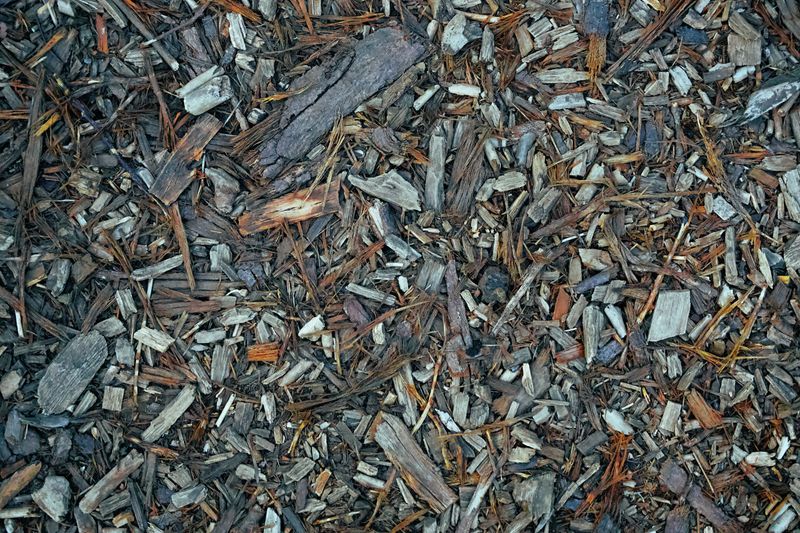
Bare soil in Florida sun heats up quickly and loses moisture within hours of a downpour. Two to three inches of mulch changes that entirely.
Pine bark, pine straw, melaleuca, and eucalyptus all work well and break down slowly in the heat. Pine straw has a nice habit of knitting together so it does not float away during heavy rain.
Keep mulch pulled back a few inches from trunks and stems. Piling it against bark traps humidity and invites rot, which is the last thing you want in a wet September.
Under a good mulch layer, soil temperature can run ten to fifteen degrees cooler. Roots stay active instead of sulking, and earthworms keep working near the surface.
Mulch also blocks sunlight from reaching weed seeds. Fewer weeds means fewer thirsty competitors pulling moisture away from your azaleas and firebush.
Refresh the top layer once or twice a year rather than dumping fresh material on old, compacted mulch. If the existing layer has matted into a crust, rake it loose so rainwater can soak through instead of sheeting off.
Local governments across Florida often give away free mulch made from storm debris and yard waste. Call your county solid waste office and ask, since many sites let residents load up for nothing.
Skip cypress mulch when you can. Wetland cypress stands take a long time to recover, and the alternatives perform just as well in your beds.
4. Raise The Mower Blade And Watch Roots Go Deeper
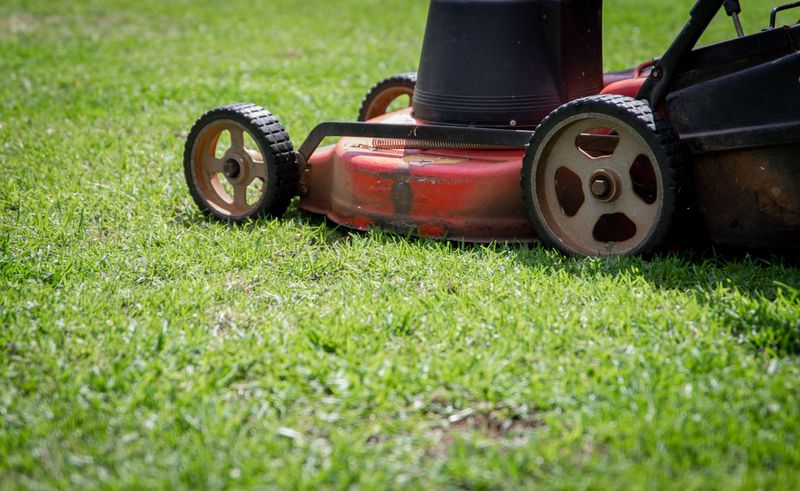
Ask any UF extension agent for one lawn tip and mowing height comes up first. Taller grass shades its own soil, and shaded soil stays damp far longer.
St. Augustine belongs at three and a half to four inches. Bahia does well at three to four, and zoysia prefers two to two and a half depending on the variety.
Scalping the lawn short might look tidy for three days, but it exposes bare dirt to intense sun. Then the grass burns through whatever moisture it had and calls for the hose.
Grass blades convert sunlight into energy. Longer blades gather more energy, which the plant sends downward into roots that reach moisture sitting deeper in the sand.
Follow the one-third rule when you cut. Removing more than a third of the blade height at once stresses the plant right when it is trying to recover from summer heat.
September growth in Florida is fast, so you may be mowing weekly. Keep the blade sharp, because a dull edge shreds tips and those frayed ends turn brown and lose water quickly.
Leave the clippings on the lawn. They break down within a couple of weeks and hand back nitrogen and moisture instead of sitting in a bag at the curb.
Mow when the grass is dry if you can, usually mid-morning after the dew lifts. Wet blades clump, tear unevenly, and can spread fungal spores across the yard.
5. Rain Barrels Catch Free Water Off The Roof
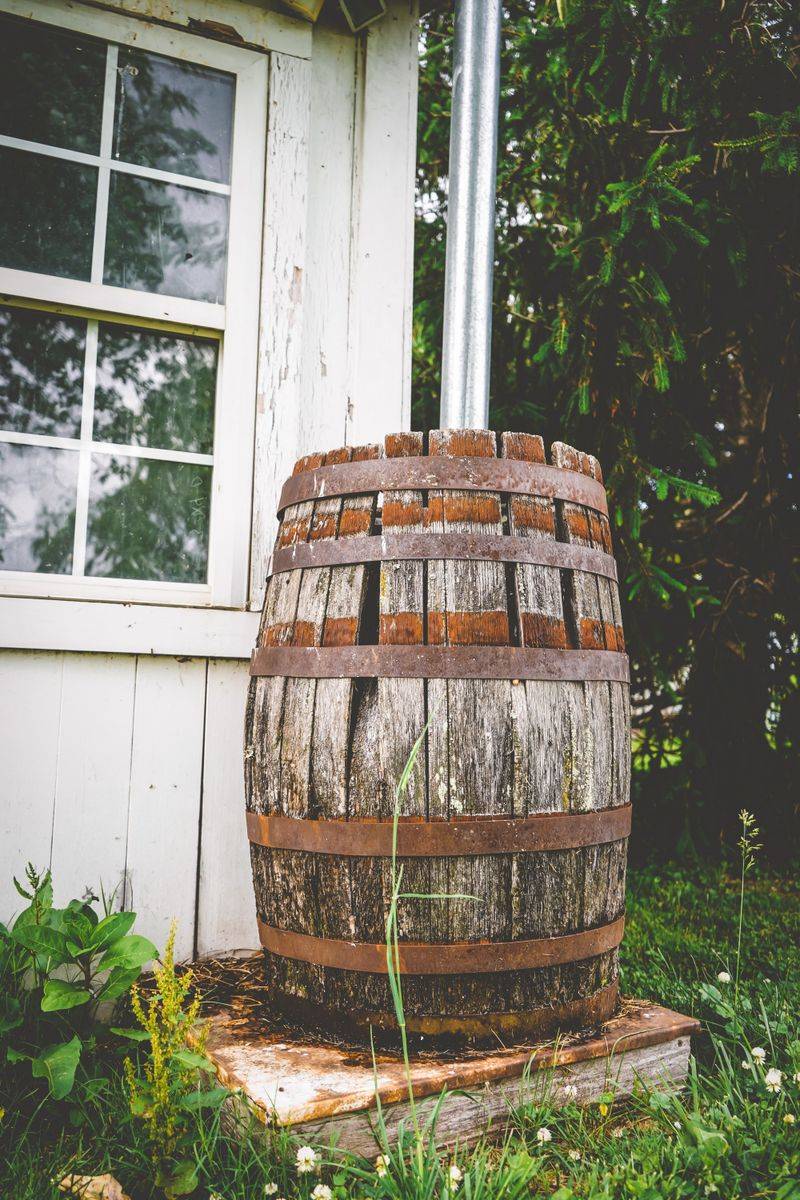
Here is a number worth remembering: a single inch of rain on a 1,000 square foot roof yields around 600 gallons. Florida roofs shed a small lake every week this time of year.
A 55-gallon barrel under a downspout fills in minutes during a typical storm. That stored water covers container plants, new transplants, and the vegetable seedlings you started for fall.
Screen the top with fine mesh so mosquitoes cannot lay eggs inside. Florida gives mosquitoes plenty of nurseries already, and an open barrel becomes one overnight.
Set the barrel on cinder blocks or a sturdy stand. The extra height gives you enough gravity pressure to fill a watering can without wrestling the spigot.
Link two or three barrels with a short hose if you want more storage. Overflow from the first flows into the next instead of pooling against your foundation.
Collected rainwater has no chlorine and sits slightly acidic, which suits gardenias, hibiscus, and blueberries beautifully. Many gardeners swear their potted plants perk up on it.
Some Florida water management districts and utilities have offered rebates or discounted barrels through workshops in the past.
Check your county extension calendar to see what’s currently available, since these classes sometimes send you home with a barrel for well under retail.
Use what you collect within a week or two so the water stays fresh. During September you will refill constantly anyway, which makes the barrel one of the easiest additions to a low-water yard.
6. Group Thirsty Plants Together And Let The Rest Fend For Themselves
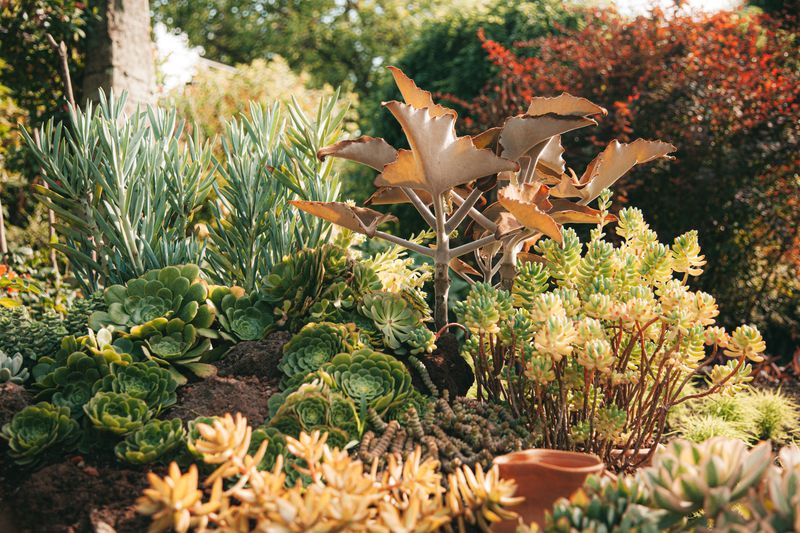
Landscape designers call it hydrozoning, which sounds fancy for a simple idea. Plants with similar water needs go in the same bed.
Trouble starts when a moisture-loving fern shares a bed with a coontie that prefers dry sand. Somebody stays unhappy no matter what you do.
Walk your yard this week with a notepad and mark which plants droop first after a dry stretch. Those are your high-water customers.
Over the cooler months, move them near the downspout, the low corner of the yard, or the shady north side of the house. Naturally damp spots do the watering for you.
Fill the sunny, sandy areas with Florida-friendly choices that shrug off drought. Muhly grass, beach sunflower, coontie, saw palmetto, firebush, and coral honeysuckle all handle sun and sand with grace.
Once established, those plants often need no supplemental water at all outside of extended dry spells. Establishment usually takes a few months of regular attention, and after that they cruise.
The Florida-Friendly Landscaping program from UF/IFAS publishes free plant guides sorted by region and light. Their lists make plant shopping much less of a gamble.
Early September is a fine time to plan even if you wait until October to plant. Soil is warm, rain is plentiful, and roots settle in before winter.
Cluster planting also looks better than scattered specimens. Repeated groups read as intentional design rather than a random collection of nursery impulse buys.
7. Skip The Fertilizer Bag While The Rain Keeps Falling
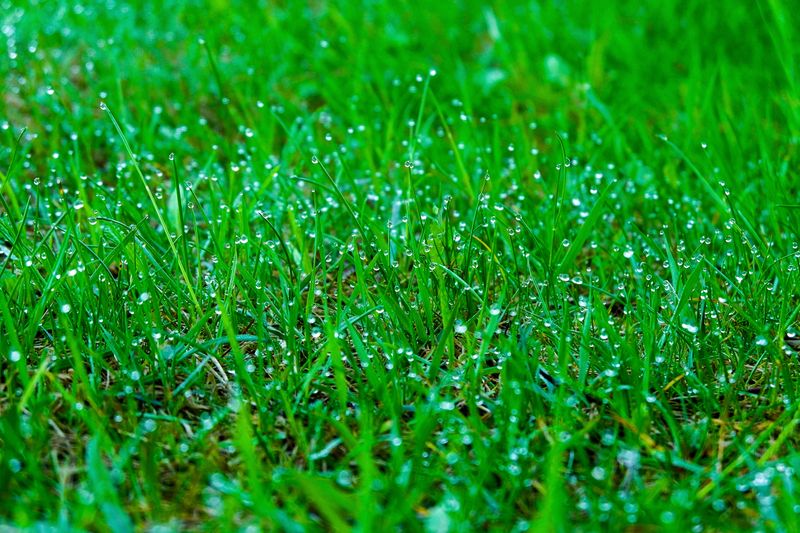
Pushing nitrogen onto a lawn in early September carries two drawbacks. Fresh growth demands more water, and heavy rain washes much of the fertilizer straight past the roots.
Where does it go? Into storm drains, canals, springs, and eventually the estuaries where algae blooms feed on it.
Many Florida counties enforce summer fertilizer restrictions, often running from June through September, that limit or ban nitrogen and phosphorus during the wet season.
Applying fertilizer during a restricted window can bring a fine, so it pays to check your own county’s current rules.
Check your own county rules before spreading anything, since the dates and details vary. A quick search for your county name plus fertilizer ordinance brings up the answer in seconds.
Grass that is not being pushed with nitrogen sends energy into roots rather than blades. Root growth is exactly what carries a lawn through the dry season ahead.
If your turf looks pale, iron or a chelated micronutrient product can green it up without triggering a growth spurt. Those options are usually allowed even during blackout periods.
Yellowing in September is often a sign of soggy roots or a nutrient locked up by high soil pH, not hunger. Wait a week of drier weather and see whether the color returns on its own.
Save the real feeding for October, once the rains taper and the ordinance windows close. Your lawn will use it efficiently then, and the runoff heading toward Florida waterways drops sharply.
8. Keep An Eye Out For Fungus In All That Humidity
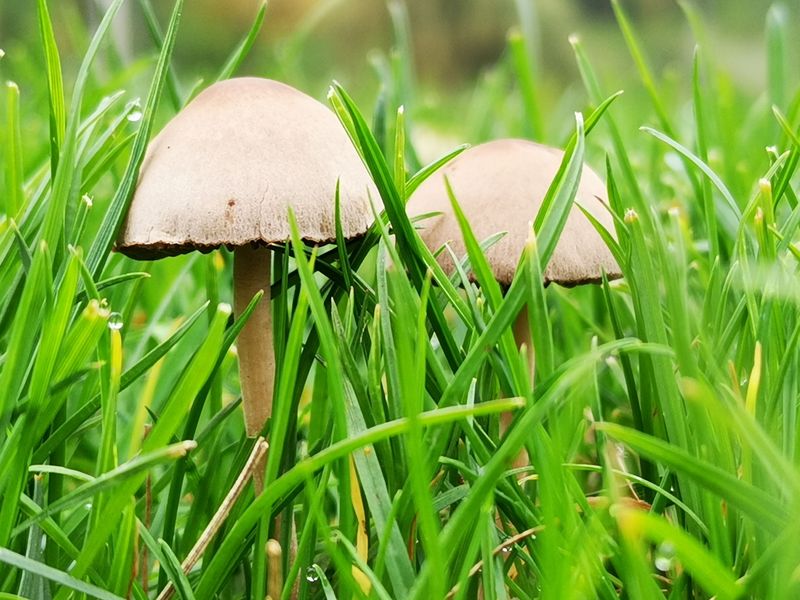
Warm nights plus wet leaves create favorable conditions for fungus, and September in Florida delivers both. Brown patch, gray leaf spot, and take-all root rot all get busy right about now.
Brown patch shows up as roughly circular yellow rings that spread outward. Tug a blade at the edge and it slips free easily with a dark, rotted base.
Gray leaf spot leaves small oval lesions with gray centers on St. Augustine blades. It tends to hit shaded, humid areas hardest.
Running sprinklers on top of daily rainfall increases the risk of fungal problems. Extra water keeps blades wet for longer, and fungal spores need that moisture to spread.
Improve airflow by thinning crowded shrubs near affected patches. Sunlight and breeze dry the turf faster than anything you can spray.
Avoid mowing across a diseased area and then rolling through healthy grass. Spores hitch a ride on wheels and blades, so treat the sick spot last and rinse the mower afterward.
Hold off on nitrogen too, since lush new growth is exactly what these fungi prefer. Potassium, by contrast, tends to strengthen cell walls.
Small patches often recover on their own once weather dries. For stubborn spreading rings, a labeled fungicide applied according to directions can slow things down.
Snap a photo and send it to your county extension office if you are unsure. Their turf specialists identify problems for free and steer you away from unnecessary chemicals.