9 Reasons Your Mums Are Losing Their Blooms Faster Than They Should
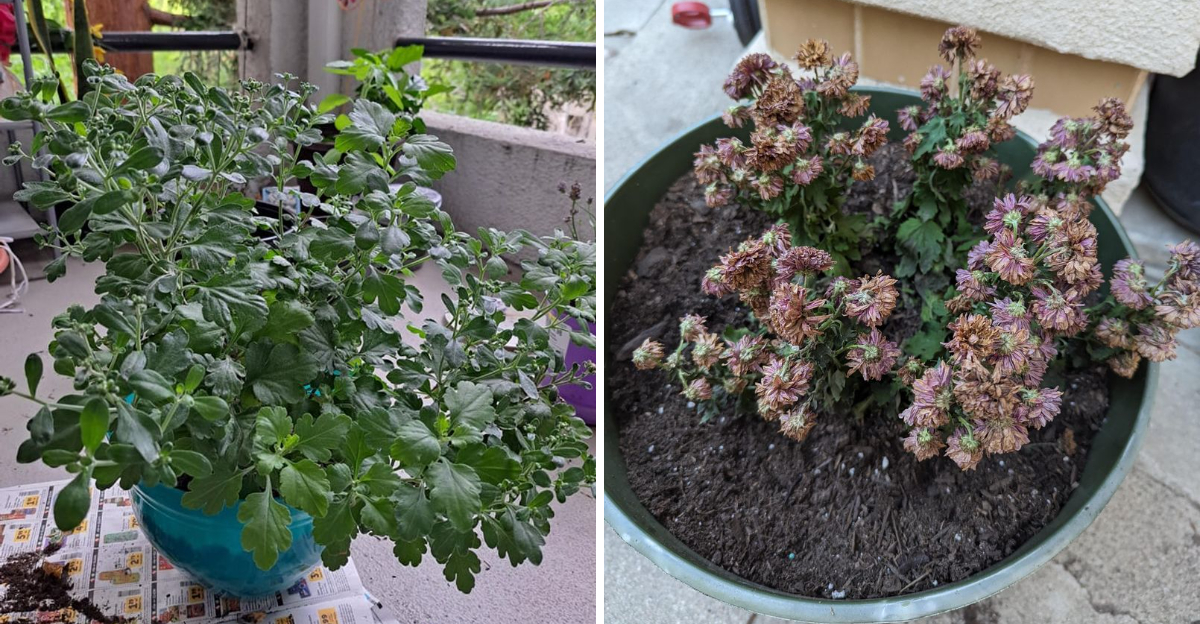
Something shifts quietly in your container as blooms begin losing petals. Petals rarely fall without you noticing warning signs days earlier. Warm afternoons convince your plant that summer still lingers.
Cool evenings arrive fast, catching your roots off guard. Dry soil steals moisture exactly when your blooms need it. Watering habits often work quietly against your best intentions here.
Small choices compound long before your color starts fading. Weather swings make your container blooms harder to keep steady. Temperature drops overnight stress your roots more than daytime heat allows.
Sunlight placement alone decides how long your color survives. Feeding schedules matter more than you probably ever really considered.
Instincts might actually push you toward the wrong fix. Fixing this needs fewer changes than you probably assume.
Answers exist, and they arrive much faster than you expect. Overlooked habits are quietly draining your blooms, and real answers wait for you now.
1. Thirsty Roots Hiding In A Bone-Dry Pot
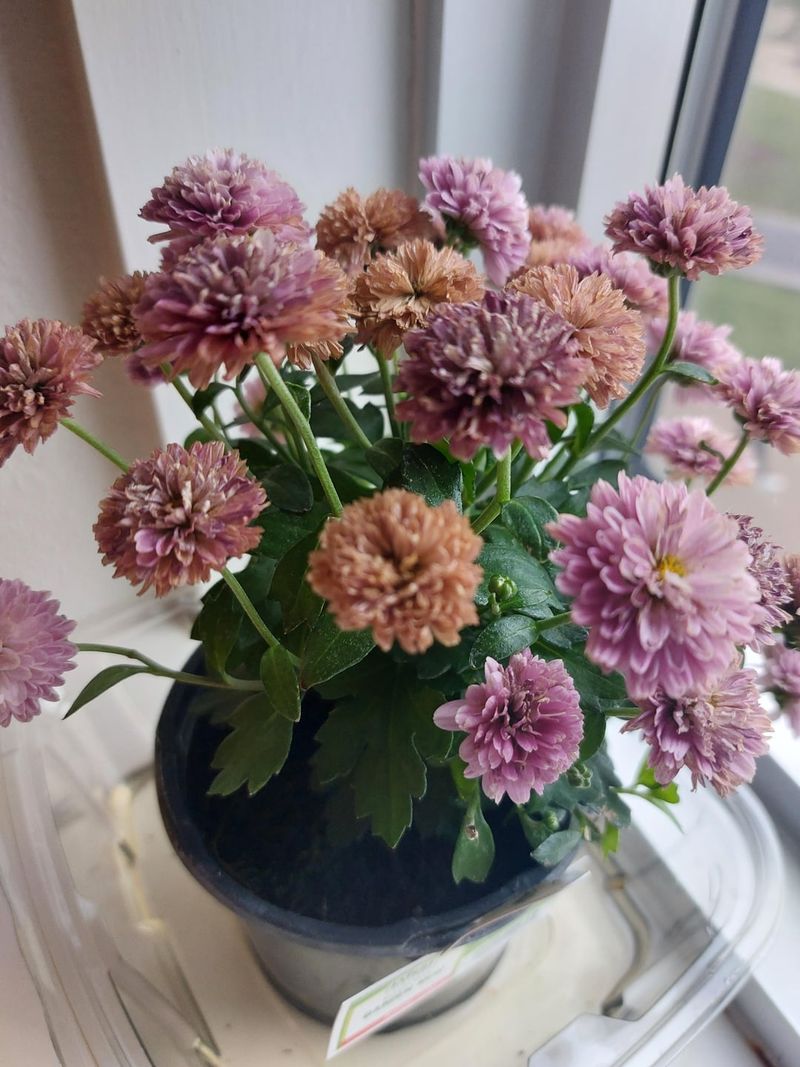
Pick up your mum pot right now and feel the weight. If it lifts like an empty laundry basket, you have your answer.
Chrysanthemums in nursery containers are packed with roots, and that root mass drinks fast. A blooming plant in a small pot can lose significant moisture during one warm afternoon, especially in full sun.
When water runs short, the plant makes a hard choice. Flowers are expensive to maintain, so buds and open petals get cut loose first while stems and leaves hang on.
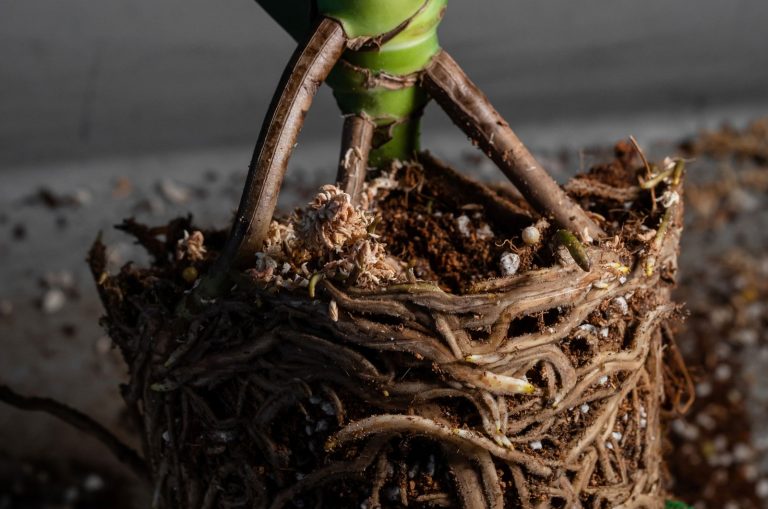
Peat-based potting mix shrinks as it dries, creating a hidden problem. Water races down the gap between soil and pot wall, leaving the root ball parched even though the saucer filled up.
Fix that by soaking rather than sprinkling. Set the pot in a tub with a few inches of water and let it sit fifteen to twenty minutes until the surface darkens.
After that, check daily with your finger pushed an inch into the mix. Warm September days often mean watering once in the morning and a quick check near sunset.
Plants on hot concrete or against a south-facing wall dry out even faster. Sliding them onto a shaded step during heat spikes buys extra hours. Consistent moisture keeps petals firm and colors saturated far longer.
2. Sitting In Full Afternoon Sun On Hot Pavement
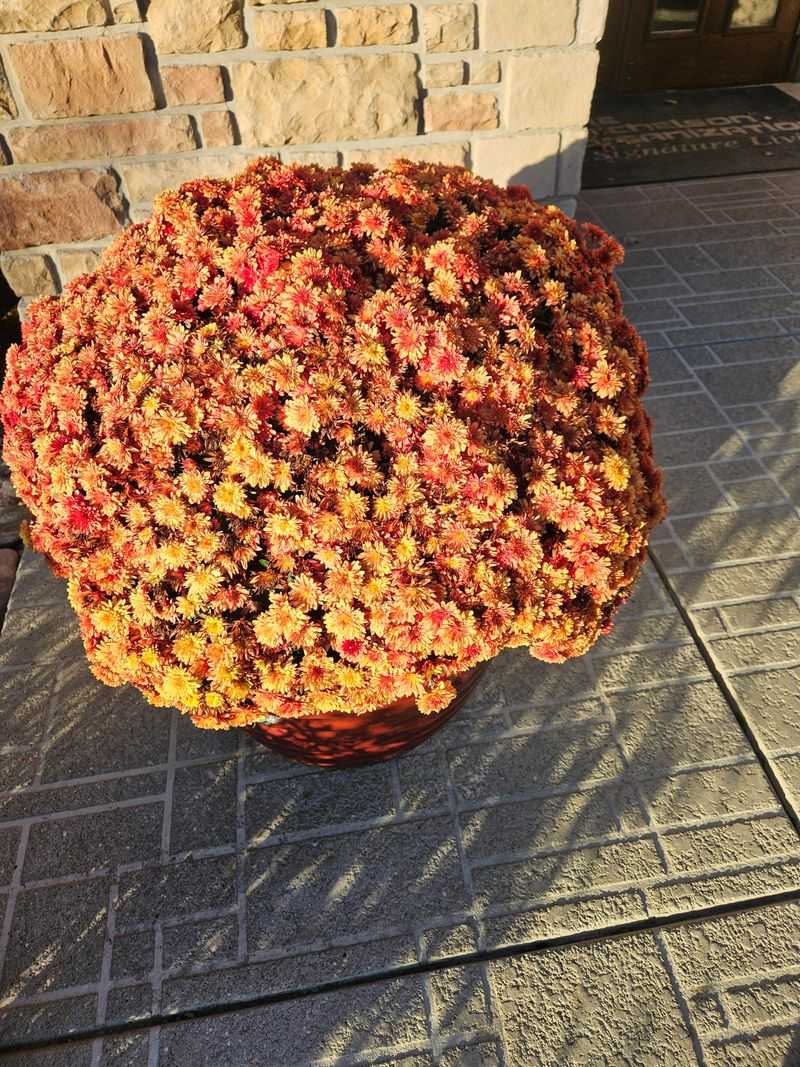
Mums love sunshine, which makes this reason feel unfair. Six hours of light keeps them blooming strong, but reflected heat is a different story entirely.
Concrete driveways, brick walls, and metal railings soak up warmth all day. They radiate it back into the pot long after the sun moves on.
Root zone temperatures inside a dark plastic nursery pot can climb well past what the plant enjoys. Hot roots plus open flowers equals petals that crisp at the edges and fall early.
Early September often delivers one last stretch of very hot afternoons. That heat pushes blooms through their cycle faster, cutting a display that should last several weeks down to just one or two.
Give them morning sun and afternoon shade during warm spells. An east-facing porch or the shaded side of a shrub works beautifully.
Slipping the nursery pot inside a lighter-colored ceramic container adds insulation. Light colors reflect heat instead of absorbing it, and the extra layer of air helps.
Grouping several pots together also helps. Clustered containers shade each other’s sides and create a slightly cooler, more humid pocket of air.
Mulching the soil surface with a thin layer of bark or moss slows evaporation. Just keep it away from the crown so the stems stay dry.
Once nights cool down in late September, you can move them back into brighter spots. Cooler temperatures actually deepen flower color and stretch the display considerably.
3. Overwhelming Them With Too Much Attention
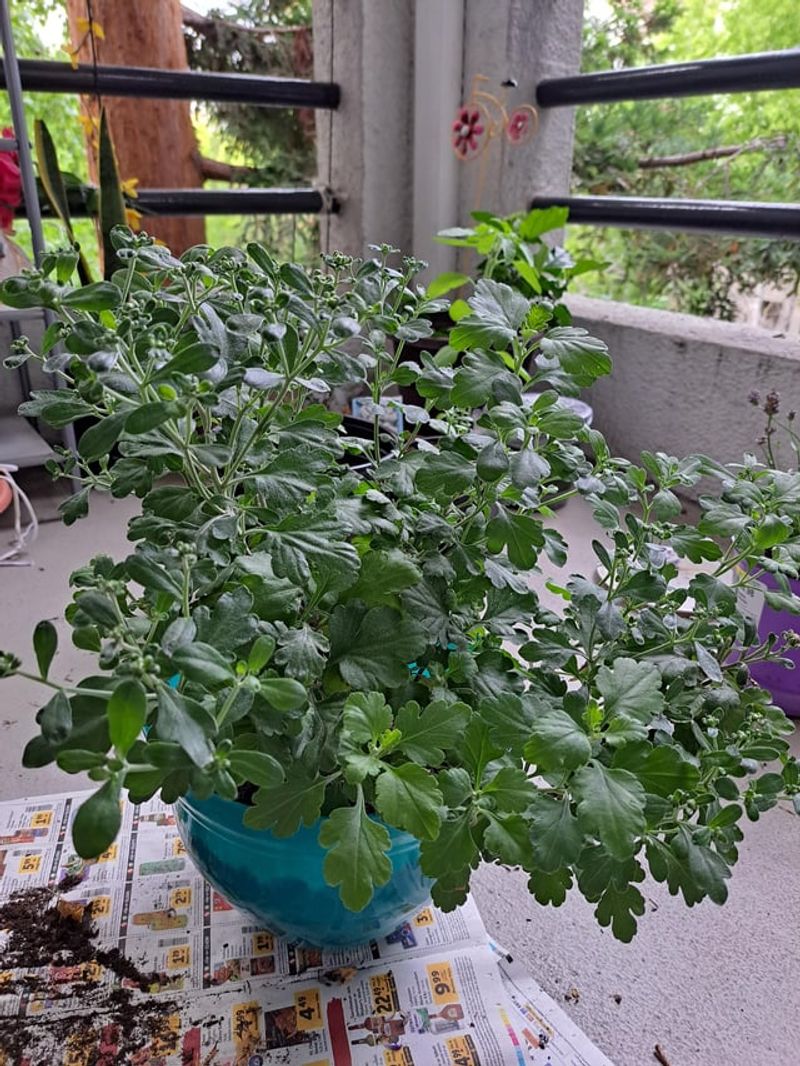
Here is the twist that catches careful gardeners off guard. The same droopy, petal-dropping look shows up when roots stay soaked instead of dry.
Decorative foil wraps and cachepots are the usual suspects. Water pools in the bottom, roots sit in a puddle, and oxygen gets pushed out of the soil.
Roots need air just as much as moisture. Without it, they turn soft and brown, and a damaged root system cannot supply the water that flowers demand.
Confusingly, the plant then wilts. Many people respond by adding more water, which deepens the problem instead of solving it.
Check for the telltale signs. Yellowing lower leaves, a sour smell from the soil, and mushy stems near the base all point toward soggy conditions rather than thirst.
Peel off any foil sleeve the day you bring the plant home. If you love the look of a ceramic cachepot, prop the inner pot up on a few stones so the base sits above any collected water.
Empty saucers within thirty minutes of watering. That single habit prevents much of the soggy-root trouble seen on porches and steps.
Rain matters too. September storms can fill a container fast, so move pots under an overhang when a downpour is forecast, especially if they lack generous drainage holes.
Aim for soil that feels like a wrung-out sponge. Damp, springy, and never squelchy is the sweet spot that keeps buds opening on schedule.
4. Skipping The Spent-Flower Cleanup
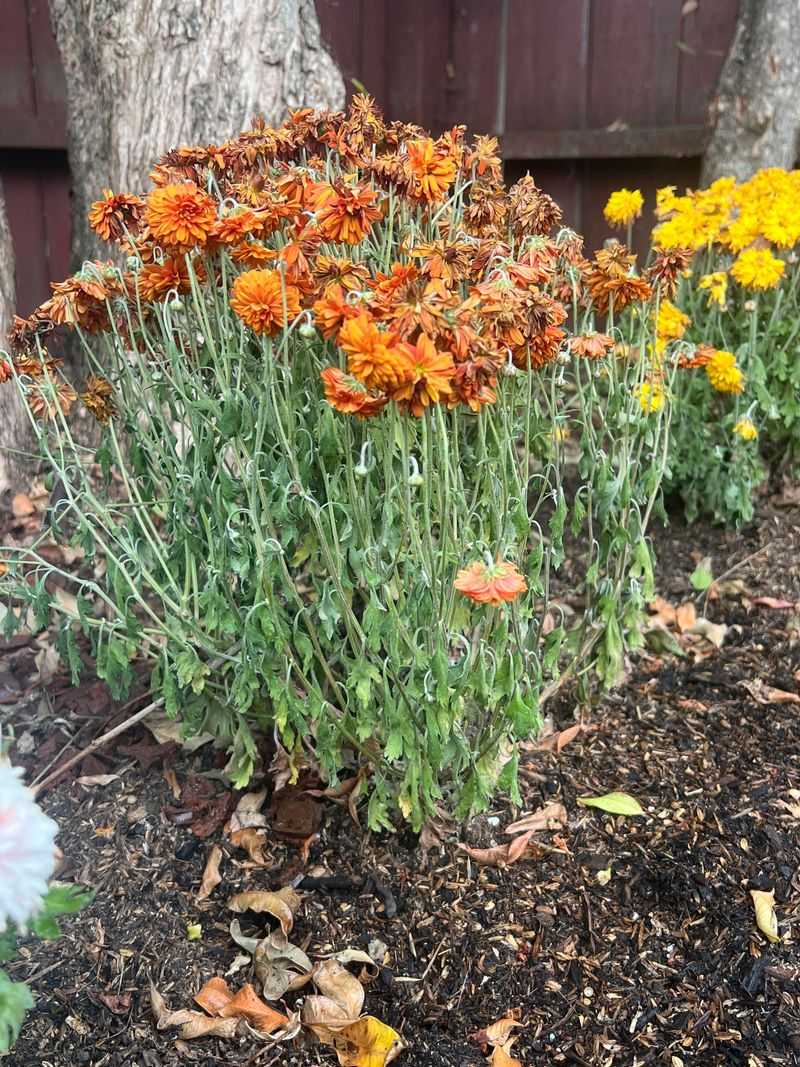
Faded flowers are not just an eyesore. They send a signal that changes what the whole plant does next.
Once a bloom finishes, the plant starts routing energy into seed production. Seeds are the finish line, and reaching it tells the remaining buds to slow down.
Pinching off those brown, papery heads interrupts the message. The plant keeps pushing energy toward the buds still waiting in the wings.
On a mounded mum with hundreds of flowers, you obviously cannot chase down each one. Focus on the worst offenders and give the plant a broader tidy-up instead.
Run your open hand lightly over the top of the mound. Loose, finished petals will drop right off, and a gentle shake clears the ones hiding underneath.
For a heavily faded patch, use small snips and cut the stem back to just above a healthy set of leaves. New growth often pushes from that point within days.
Clear the fallen petals off the soil surface too. Damp piles of old blooms trap moisture against the stems and invite fuzzy gray mold.
Ten minutes of this once or twice a week makes a visible difference. The plant looks fresher immediately and holds its shape better through October.
Gardeners in the Victorian era practiced a similar habit with show chrysanthemums, carefully grooming each bloom. You do not need that level of devotion, just a quick pass with your fingers.
5. Buying Plants Already Past Their Peak
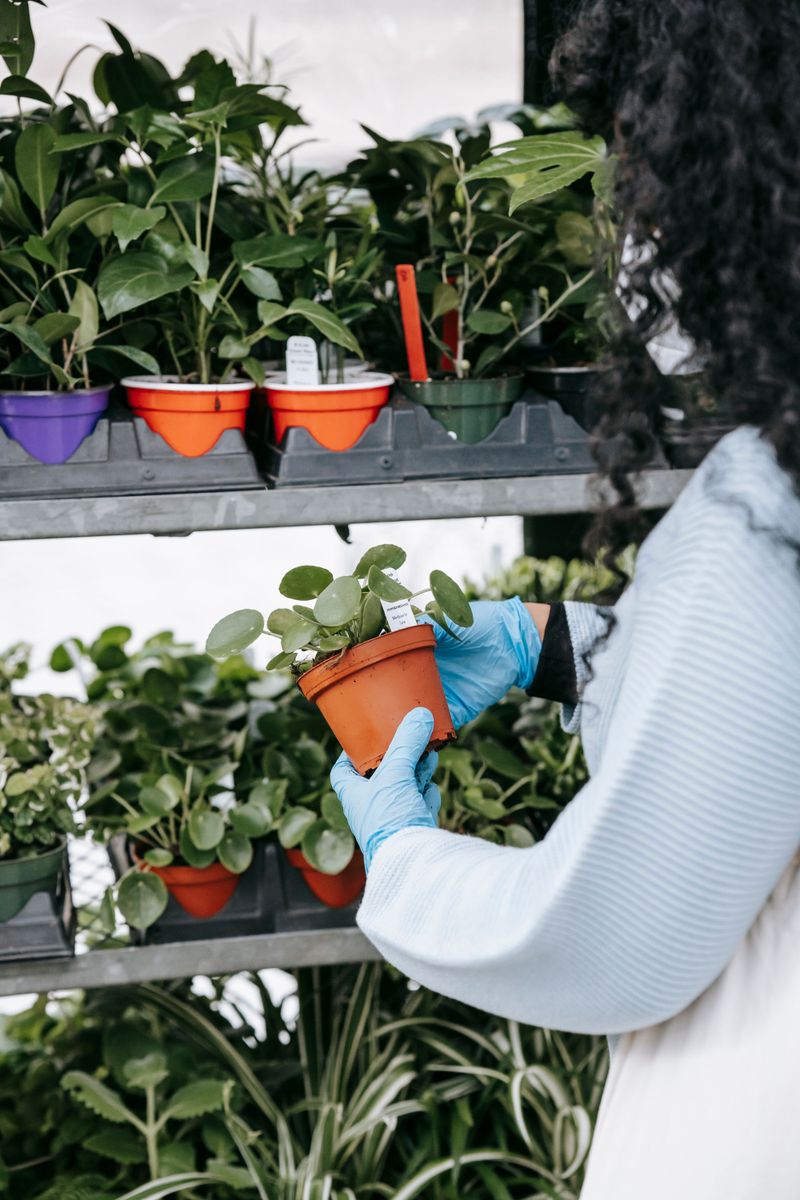
Some mums are set up to underperform at checkout. Not because of anything you did, but because of what stage they were in when they came home.
Garden centers know that shoppers grab the plant with the most open color. It looks spectacular on the shelf and sells in seconds.
Trouble is, a fully open mum has already spent much of its bloom budget. You are catching the middle of the performance instead of the opening act.
Look instead for plants showing mostly tight buds with just a few flowers cracked open. The color peeking through tells you what shade you are getting, and the buds promise weeks of show ahead.
Squeeze the pot gently while you shop. A plant that feels light and has crispy lower leaves has been through a dry spell at the store, and that stress shortens bloom time later.
Check the underside of leaves for fine webbing or tiny specks before loading it in the car. Bringing home hitchhikers rarely ends well.
Timing matters too. Mums bought in early September have cooler weeks ahead, while late-August purchases face the hottest stretch and fade faster.
Garden mums sold in fall are usually forced into bloom on a schedule using controlled light. That is why they arrive so uniform and so eager to finish all at once.
Choosing a bud-heavy plant is the single easiest way to meaningfully extend your display time.
6. Tiny Sap Suckers Working The Undersides
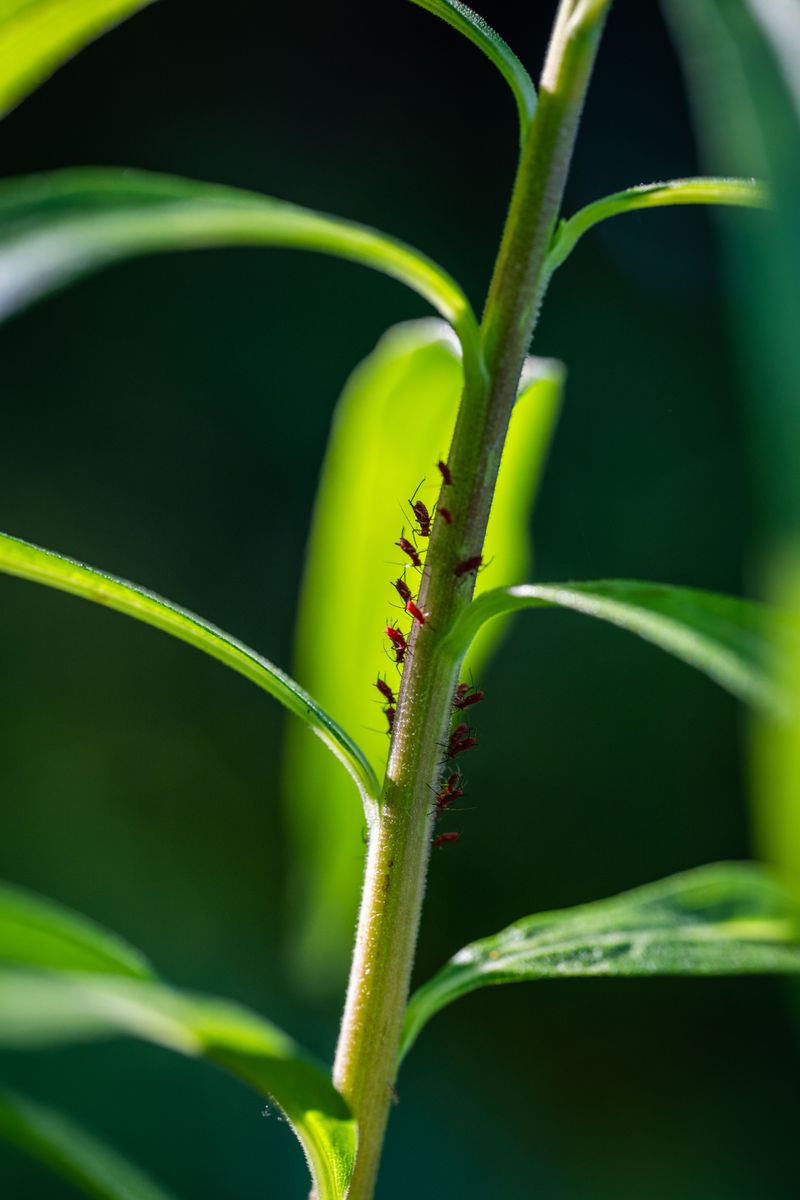
Flip a leaf over and take a close look. If you spot clusters of pinhead-sized green, black, or gray insects, you have company.
Aphids adore chrysanthemum buds. They pierce the tender tissue and drink the sap that was headed toward flower development.
Buds fed on this way often open lopsided or fail to open at all. Petals may show brown streaks or drop within a day of unfurling.
Spider mites cause similar frustration in warm, dry September weather. Fine webbing between stems and a dusty, stippled look on the leaves give them away.
Thrips are harder to spot but leave silvery scars on petals. Tapping a flower over white paper reveals them as slivers that scurry.
Start with water. A firm spray from the hose, aimed upward at leaf undersides, knocks off a surprising share of the population.
Repeat every few days for a couple of weeks. Insects reproduce quickly, so one treatment rarely settles the matter.
Insecticidal soap handles stubborn colonies. Spray in the early morning or evening, coat both leaf surfaces, and skip application during hot midday sun to avoid leaf burn.
Ladybugs and lacewings show up on their own if you avoid broad sprays. A single ladybug larva can consume a large number of aphids in a day.
Catching them in the first week keeps the flower display intact. Waiting until buds look damaged means that round of blooms is already spoiled.
7. Overhead Watering That Drenches The Flowers
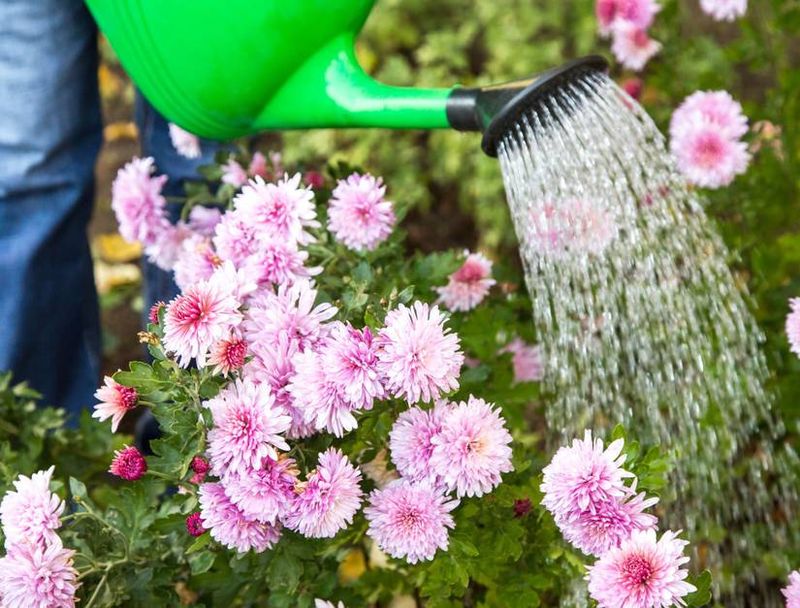
Grabbing the hose and showering the whole plant feels efficient. It is also one of the quickest ways to shorten a bloom display.
Chrysanthemum petals are thin and packed tightly together. Water settles in the center of each flower and lingers there for hours.
Cool September nights make that trapped moisture more likely to cause problems. Botrytis, the fuzzy gray mold, moves in and turns petals brown and slimy from the inside out.
You will notice it first on the flowers deepest inside the mound. Airflow is weakest there, and blooms stay damp the longest.
Water at the base instead. Aim the spout at the soil surface and let it soak in slowly rather than blasting the foliage.
A watering can with a long narrow spout makes this easy on crowded porches. So does a hose wand you can slide under the leaf canopy.
Morning watering gives any stray splashes time to evaporate. Evening watering leaves everything damp through the coolest hours, which is exactly when mold gets busy.
Spacing pots a few inches apart improves airflow considerably. Crowded groupings look lush but trap humidity between the plants.
If you see brown mushy patches forming, snip out the affected flowers right away and toss them in the trash rather than the compost.
Dry petals hold their color and texture far longer. Keeping water below the leaf line is a small adjustment with a noticeable payoff.
8. Feeding At The Wrong Moment

Fertilizer feels like the obvious rescue when a plant looks tired. With fall mums, timing changes everything about the result.
A plant already in full bloom is finished with growing. Pushing high-nitrogen food into it now encourages leafy shoots rather than more flowers.
Those soft new shoots pull energy away from the buds. Petals fade sooner while the plant busies itself making foliage nobody asked for.
Strong fertilizer also risks burning roots that are already packed tight in a small pot. Salt buildup shows as crispy leaf edges and sudden petal drop.
Skip feeding entirely on mums bought for a season of color. Nursery mix usually contains slow-release granules that carry the plant through its bloom cycle.
Plants you intend to keep in the ground are a different situation. Feed those in spring and early summer while they are building stems and leaves.
Stop all feeding by midsummer for garden mums. Late nitrogen produces tender growth that struggles when temperatures drop.
If a potted mum genuinely looks pale and hungry, use a diluted balanced liquid feed at half strength. Once is usually plenty.
Flush the pot with plain water every couple of weeks to rinse out accumulated salts. Let water run freely from the drainage holes for a full minute. Restraint tends to pay off here. A well-watered, unfed fall mum often outlasts an overfed one.
9. Sudden Temperature Swings And Chilly Nights
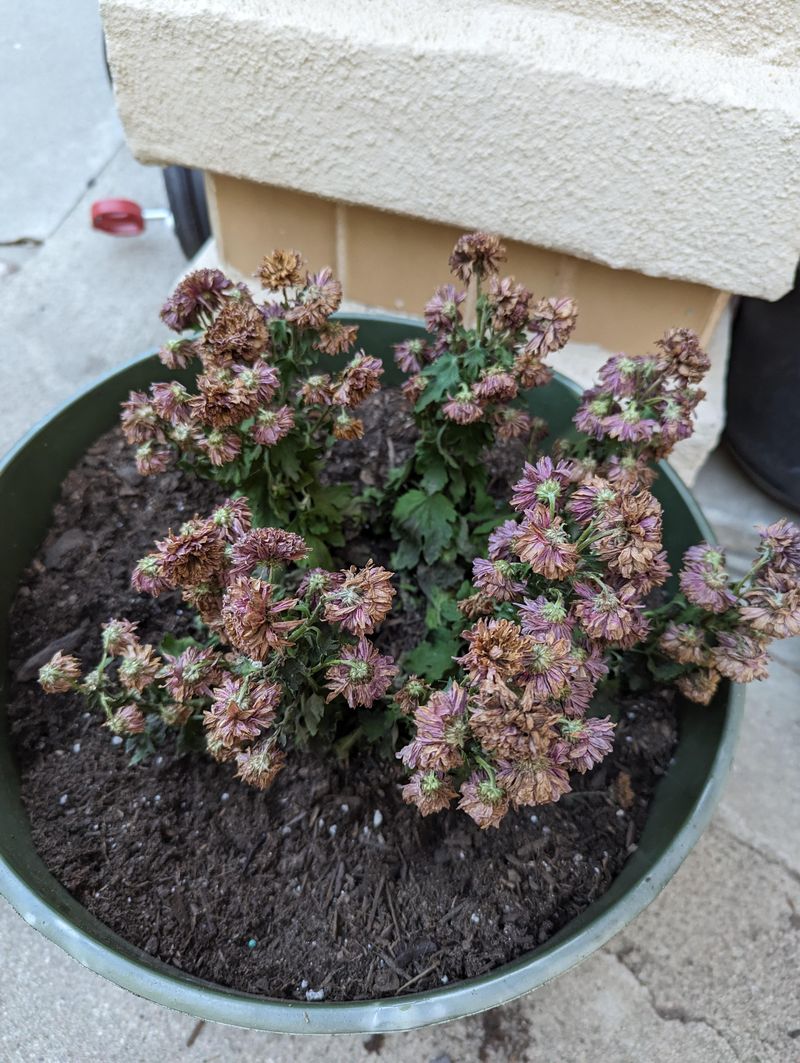
September weather cannot make up its mind. Eighty-five degrees on Tuesday, forty-eight by Friday dawn, and your flowers feel every bit of it.
Chrysanthemums handle cool air better than heat, which surprises people. Their trouble comes from abrupt changes rather than cold itself.
A plant that spent weeks in a warm greenhouse and then landed on a chilly porch needs an adjustment period. Petal drop in the first few days often traces straight back to that shock.
Frost is the sharper concern in northern regions. An early cold snap turns open petals translucent and limp overnight.
Watch the forecast once nights start dipping toward the mid-thirties. Moving pots into a garage or under a covered porch for the night protects the display.
An old bedsheet draped over plants in the ground works well. Drape it before sunset so it traps warmth radiating from the soil, and lift it in the morning.
Avoid plastic laid directly on the flowers. Where plastic touches petals, cold transfers right through and leaves brown patches.
Moving plants between wildly different spots also causes stress. Shifting from a dark garage into blazing sun can scorch petals within hours.
Make transitions gradual when you can. A day in partial shade between locations lets the plant settle.
Steady conditions keep buds opening in a slow, satisfying sequence rather than all rushing at once.