Here’s What Growers Need To Know About Tiny Whiteflies On North Carolina Blueberries
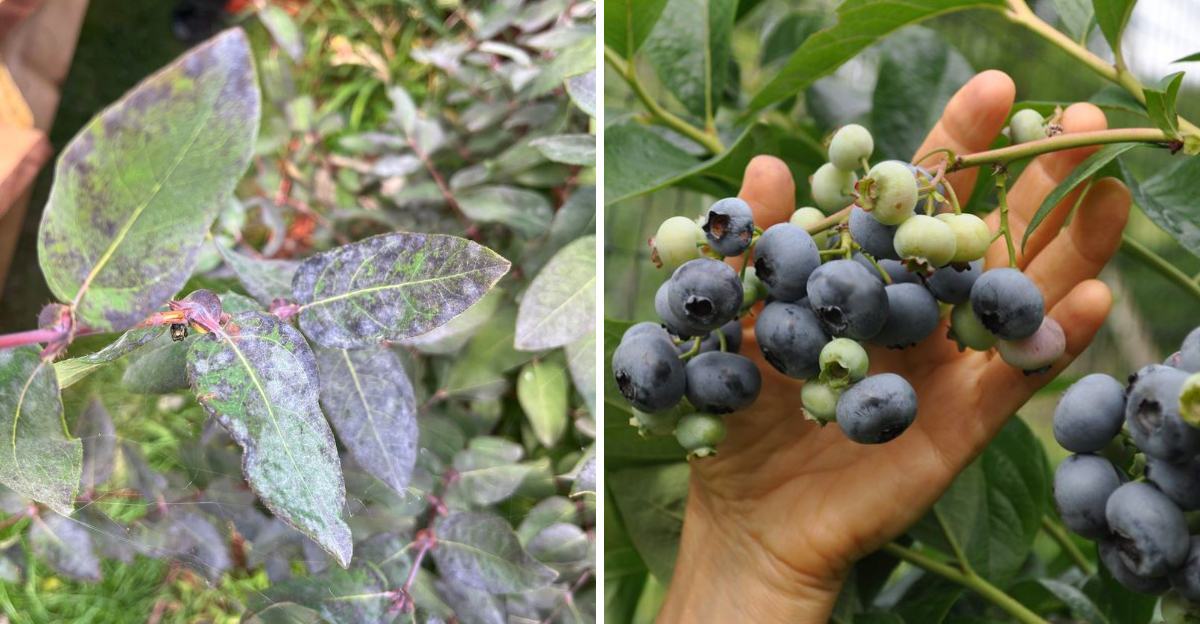
Whiteflies can occasionally turn up on North Carolina blueberry bushes, and they can be easy to miss until signs of feeding become noticeable.
The bearberry whitefly is one species associated with blueberries in the state, although large populations are uncommon and their impact on blueberry production is not fully understood.
These tiny, sap-feeding insects gather on the undersides of leaves, where they feed on plant juices. Heavy infestations can contribute to yellowing leaves and other signs of stress.
Whiteflies also produce a sticky substance called honeydew, which can encourage dark sooty mold to develop on leaves and stems.
Whiteflies can complete multiple generations during a growing season, so numbers may increase when conditions are favorable.
Here’s what North Carolina blueberry growers should watch for and how to respond if whiteflies become a problem.
1. Check The Undersides Of Blueberry Leaves
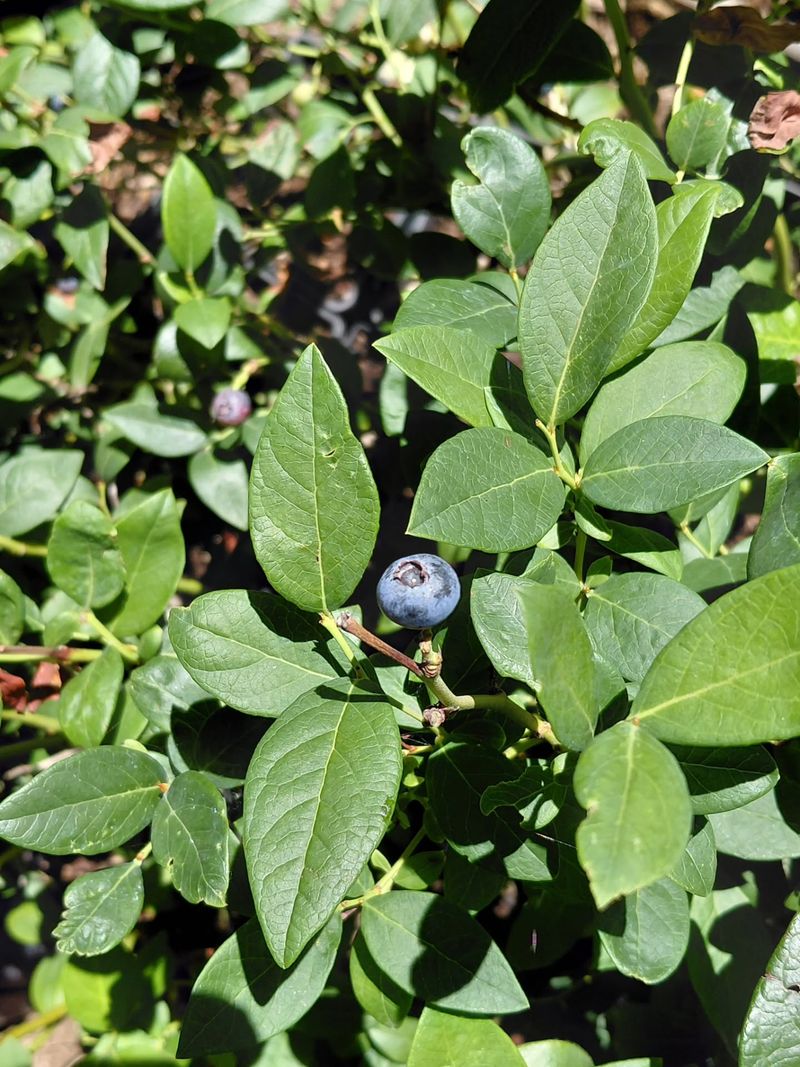
Whiteflies are sneaky little insects that love to stay out of sight. Instead of resting on the top of your blueberry leaves where you might notice them, they gather underneath, tucked safely against the shaded surface.
That hiding spot is exactly why so many gardeners miss the early warning signs. When you flip a leaf over and look closely, you may find clusters of tiny white insects along with even smaller eggs and young nymphs stuck to the surface.
The immature stages are tiny, flat, and difficult to spot on the undersides of leaves. Heavy feeding can stress the bush and may contribute to yellowing or leaf loss.
Making a habit of checking leaf undersides once or twice a week gives you a real advantage. Pick a few leaves from different parts of the bush, gently turn them, and study what you see.
Early on, you might only spot a handful of insects, and that is the perfect time to act.
Bring a small magnifying glass if your eyes need a little help, since the eggs are truly tiny. Focus on new growth and the inner branches where whiteflies often start.
Regular inspections turn you into a smart, watchful gardener. Instead of waiting until damage shows up across the whole plant, you catch trouble while it is still small and manageable.
That simple routine can save your harvest and keep your blueberry bushes healthy and thriving through the growing season.
2. Look For Tiny White Flies Taking Flight
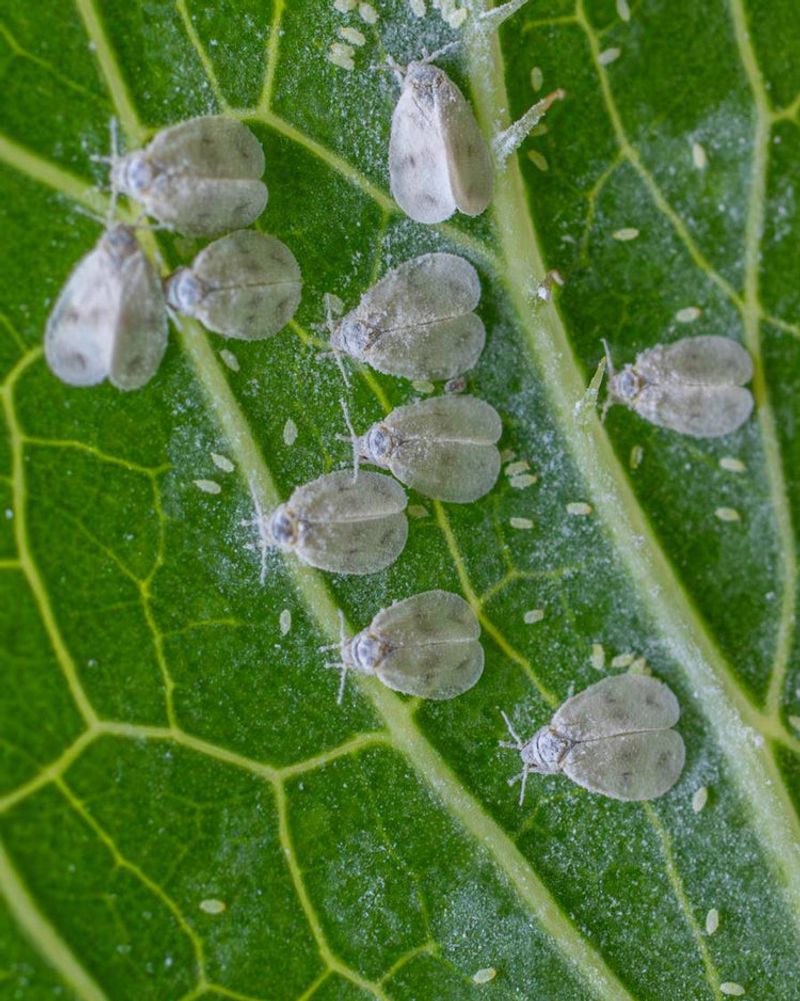
Here is a trick that feels almost like magic. Give your blueberry bush a gentle shake or a soft tap on the branches, and watch what happens next.
If whiteflies are present, a small cloud of tiny white insects may lift off the leaves when you gently shake the branch. That quick, snowy burst is one of the clearest signs that whiteflies have moved into your patch.
Adult whiteflies are only about the size of a pinhead, so a single one is easy to overlook. When dozens rise at once, though, they become impossible to miss.
The bandedwinged type gets its name from the faint dark bands across its wings, which you can sometimes spot with a close look.
Your North Carolina Garden Changes Every Week. Your Plan Should Too.
Gardening in North Carolina changes quickly throughout the season. Every Friday you’ll receive a simple weekly plan showing exactly what to plant, prune, fertilize, harvest, and protect so you never miss the right timing.
Morning is a great time to test your bushes, since the insects tend to be a little slower and easier to notice. Move slowly toward the plant, then tap a branch and pay attention to the air right around the leaves.
Counting roughly how many take flight helps you track whether the problem is growing or staying small. A few scattered flies may not be a big worry, but a thick swirl means it is time to look closer and plan your next steps.
Turning this into a weekly check keeps you one step ahead. The sooner you notice those little fliers, the sooner you can protect your blueberries and stop a small issue from turning into a bigger headache later in the season.
3. Watch For Yellowing Leaves
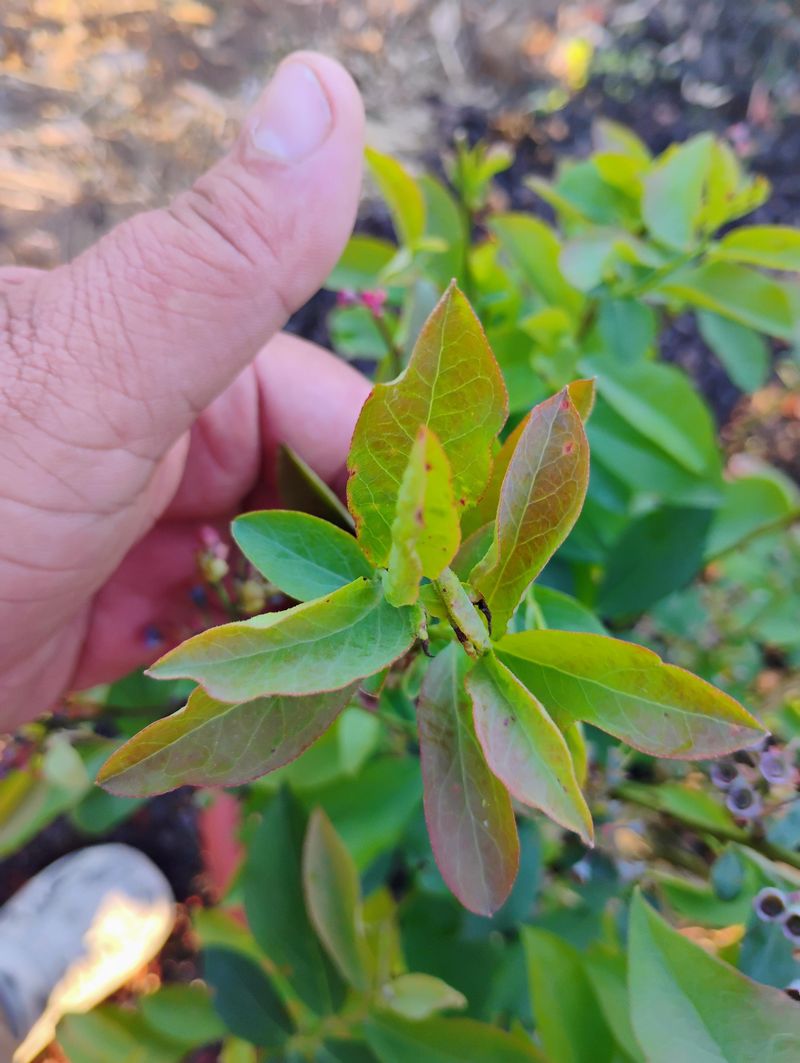
Leaves tell a story if you know how to read them. When whiteflies feed heavily on a blueberry bush, they draw out sap that the plant needs to stay strong and green.
Over time, that constant sipping starts to show. You may notice leaves turning pale, then shifting toward yellow, especially where the insects have gathered in large numbers.
Yellowing is your plant’s way of waving a little flag for help. The bush is losing energy faster than it can replace it, so growth slows down and the whole plant looks tired and stressed.
Heavy infestations can stress the plant and may affect its overall growth and productivity. That means yellow leaves are not just an eyesore, they are a signal that your harvest could shrink if nothing changes.
Keep in mind that yellowing has other causes as well, such as too little water or a lack of nutrients. Before you blame whiteflies, flip a few yellow leaves over and check for insects underneath.
If you find pale nymphs or tiny white adults on those same struggling leaves, the connection becomes clear. Matching the yellowing with actual pests helps you avoid guessing and treat the real problem.
Walking your blueberry rows every few days lets you catch color changes early. When you spot a patch of fading leaves, take a closer look right away.
Acting quickly gives your bush the best chance to bounce back, regain its rich green color, and keep producing sweet berries all season.
4. Find The Sticky Honeydew Clue
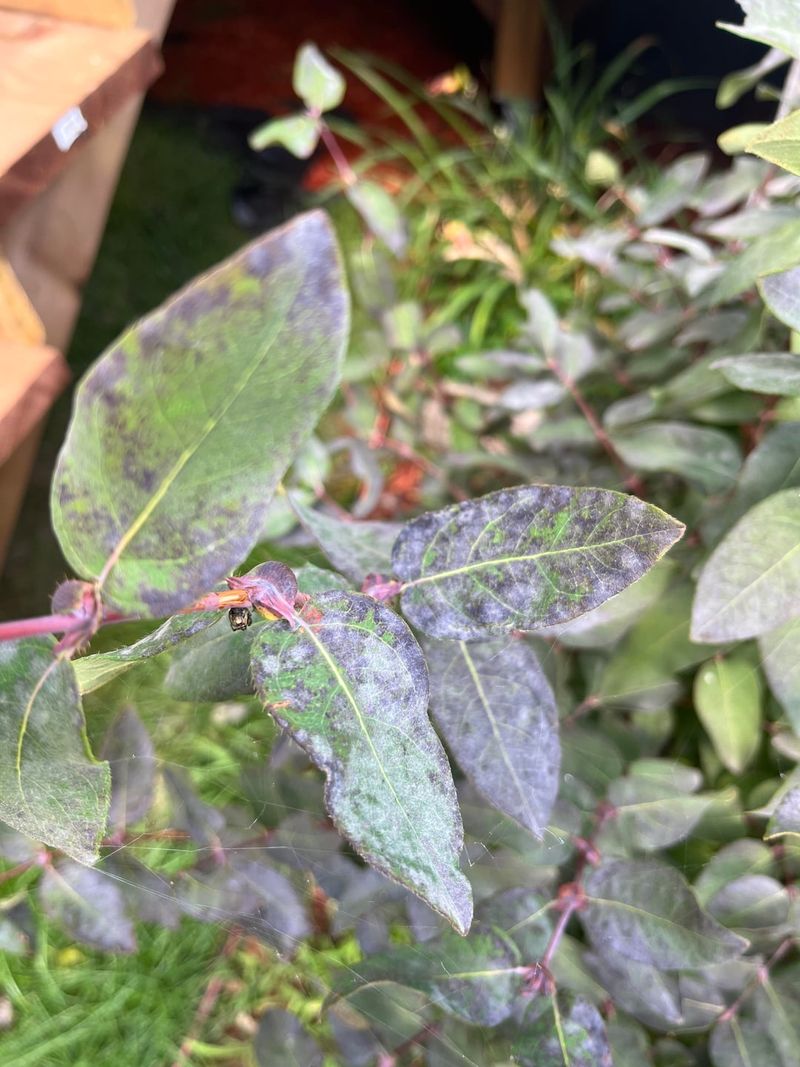
Some clues you can actually feel with your fingers. As whiteflies feed on blueberry sap, they release a sweet, sticky liquid called honeydew that drips onto the leaves and stems below.
Run your hand near an infested branch and you might notice a shiny, tacky coating. That stickiness is a strong hint that whiteflies, or other sap-feeding pests, are hard at work above.
Honeydew does more than make a mess. It creates the perfect surface for a dark fungus known as sooty mold, which spreads a black, powdery film across the leaves.
Sooty mold does not feed on the plant directly, but it blocks sunlight from reaching the leaf surface. Since blueberries need sunlight to make their food, a heavy coating of mold can slow the plant down and stress it even more.
Ants can also give the game away. They love feasting on honeydew, so a trail of ants marching up your blueberry stems often points straight to a hidden whitefly problem.
When you spot sticky leaves, black film, or busy ants, take a moment to check the undersides of nearby leaves. Finding whiteflies there confirms what the honeydew is telling you.
A gentle rinse with water can wash away some honeydew and mold, giving the leaves room to breathe again. Pairing that cleanup with pest control tackles the root of the issue.
Staying alert to these sticky signs helps you step in early and keep your bushes clean, healthy, and ready to grow.
5. Protect The Beneficial Insects First
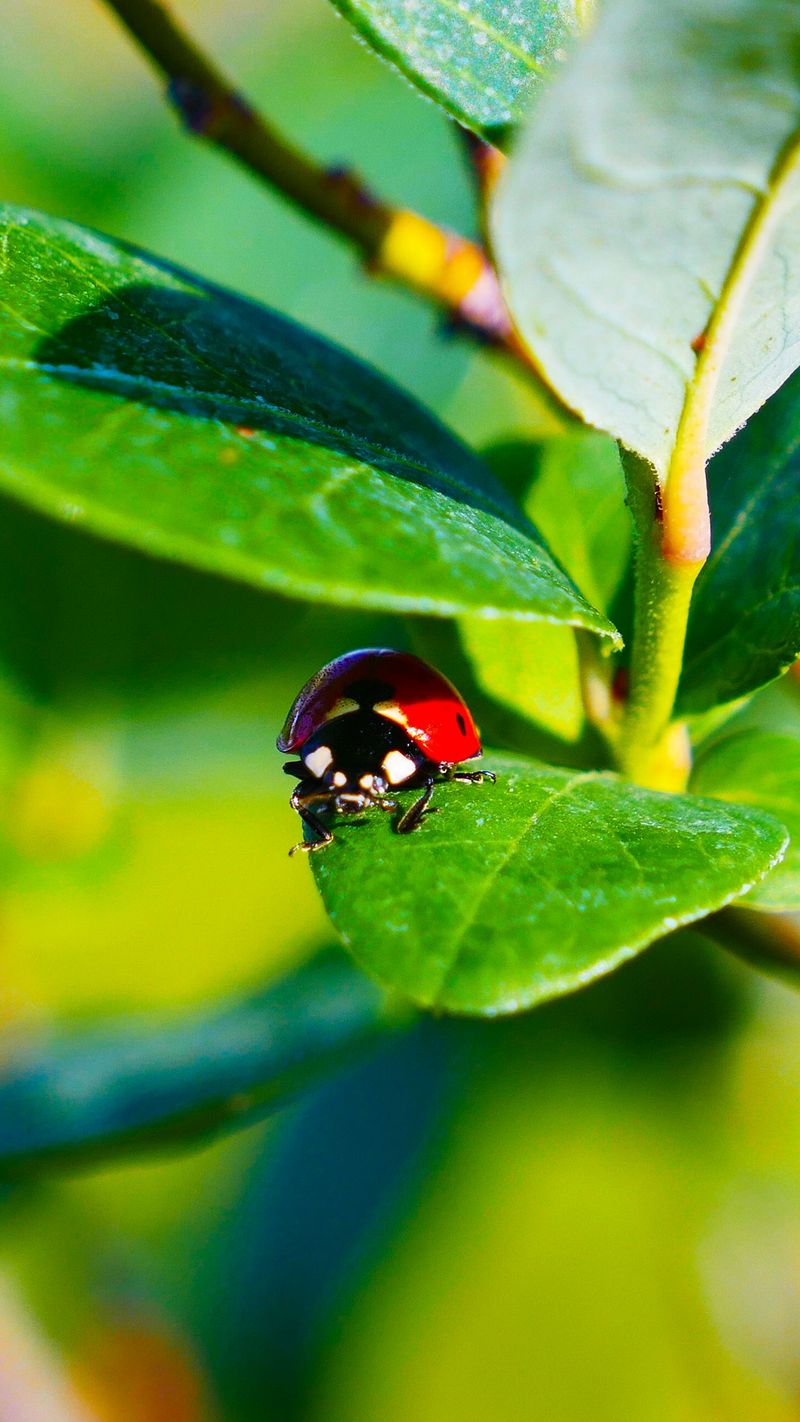
Not every bug in your garden is a problem. In fact, some of them are your best helpers when it comes to keeping whiteflies under control.
Lady beetles, green lacewings, and tiny parasitic wasps all treat whiteflies as a meal. These natural hunters patrol your blueberry bushes and quietly reduce pest numbers without any effort from you.
Lacewing larvae are voracious predators that can help reduce whitefly and other soft-bodied pest populations. Lady beetles are just as hungry, snacking on eggs, nymphs, and adults alike.
Reaching for a strong, broad insecticide might seem like a fast fix, but it can backfire. Those sprays often harm the helpful insects along with the whiteflies, leaving your garden without its natural defenders.
Heavy pesticide use can reduce natural enemies that help keep whitefly populations in check. That is why protecting beneficial insects should come first in your plan.
You can invite these helpers by planting flowers like sweet alyssum, dill, or yarrow nearby. The blooms give lady beetles and lacewings nectar and shelter, encouraging them to stick around.
If you do need to treat a heavy outbreak, choose gentle options like insecticidal soap or horticultural oil, and apply them carefully to the affected spots. These milder choices tend to be easier on your garden allies.
Working with nature instead of against it makes pest control simpler over time. Once your beneficial insects settle in, they do a lot of the hard work for you, keeping whiteflies low and your blueberries happy.
6. Reduce Whitefly Problems With Plant Care
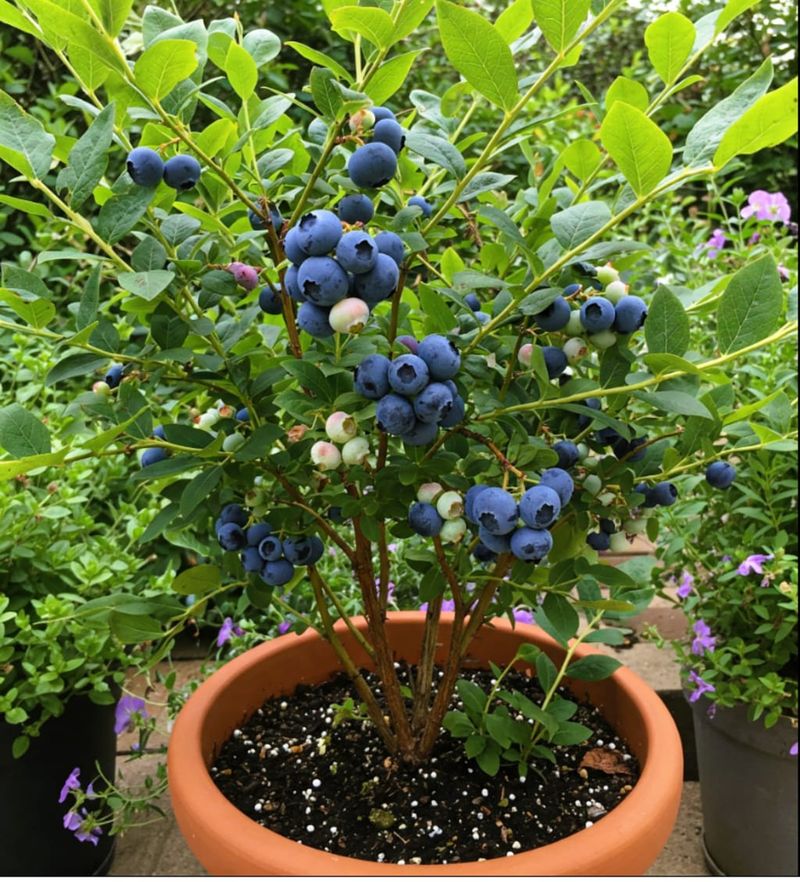
Strong plants handle pests far better than weak ones. A healthy blueberry bush can shrug off light whitefly feeding, while a stressed plant struggles and often attracts even more trouble.
Good care starts with smart watering. Blueberries like steady, even moisture, so water deeply at the base rather than giving frequent, shallow sprinkles that leave roots gasping.
Too much water can cause problems too, so aim for soil that stays damp but never soggy. Adding a layer of mulch around the base helps hold moisture and keeps roots comfortable.
Feeding matters just as much. It might feel helpful to pile on nitrogen fertilizer for fast growth, but that soft, leafy new growth is exactly what whiteflies love most.
Instead, feed your bushes with a balanced blueberry fertilizer and stick to the amounts on the label. Blueberries also prefer acidic soil, so testing your soil now and then keeps them in their happy zone.
Sunlight and airflow round out the picture. Plants crowded together stay damp and shaded, which gives pests a cozy place to multiply.
Prune out crossing branches and thin the interior so air can move freely through the bush. Better airflow dries leaves faster and makes the plant less inviting to whiteflies.
Little habits like these add up over the season. When your blueberries get the right water, the right food, and plenty of light, they grow tough and resilient.
A well-cared-for bush not only tastes better at harvest but also stands strong against whiteflies and many other garden pests.
7. Use Monitoring Before Treatment
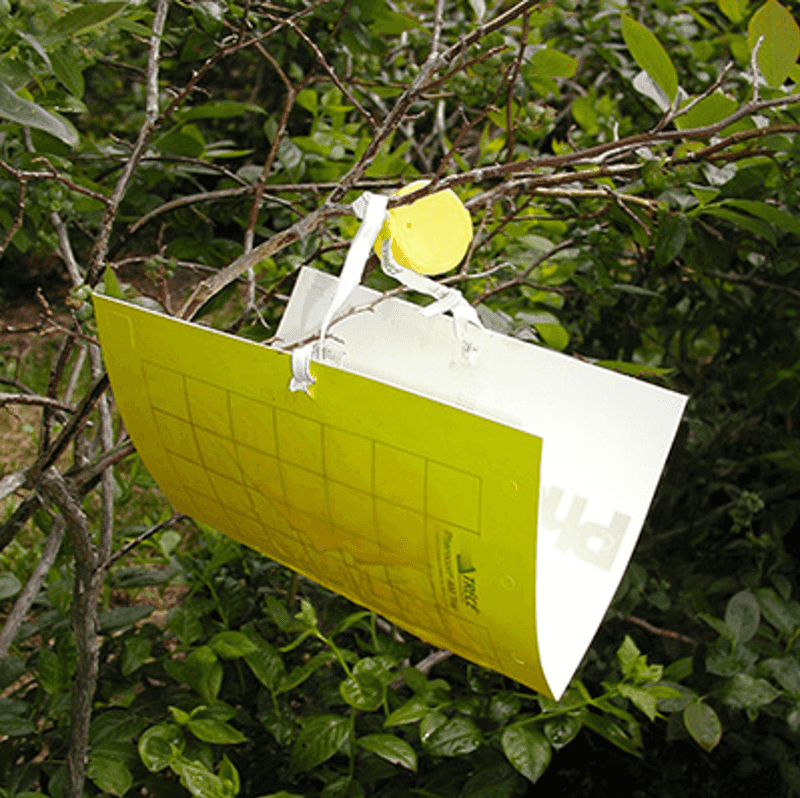
Jumping straight to spraying is a common mistake. Before you treat anything, it pays to know for sure that whiteflies are really the cause of the problem.
Monitoring simply means keeping a close eye on your plants and gathering a little evidence first. That way, you avoid wasting time, money, and effort on the wrong solution.
Yellow sticky traps are a favorite tool for this job. Whiteflies are drawn to the bright color, so hanging a few traps near your bushes shows you how many are actually around.
Check the traps every few days and count the insects stuck on them. A rising number tells you the population is growing, while a low count means you may not need to treat at all.
Pair the traps with hands-on leaf checks. Flip leaves, tap branches, and note where you find eggs, nymphs, or adults. This gives you a clear picture of how bad the situation really is.
Sometimes what looks like whitefly damage turns out to be something else entirely, like a nutrient shortage or a different pest. Confirming the true cause keeps you from treating a problem that is not there.
Setting a simple threshold helps too. If you only spot a handful of whiteflies, natural predators may handle them. If numbers climb quickly, that is your cue to step in with gentle controls.
Treating based on real information makes your efforts far more effective. A little patient watching now saves you from unnecessary spraying and helps you protect both your blueberries and the helpful bugs that share your garden.
8. Manage The Problem Before Next Season
Smart gardeners think ahead. The steps you take at the end of this season can decide how easy or hard next year’s whitefly battle will be.
Start by removing leaves that are heavily covered with whiteflies. Snip off the worst spots and place them in a sealed bag before tossing them out, so the pests cannot spread back to your bushes.
Fallen leaves and plant debris around the base can hide eggs and nymphs waiting for warmer days. Raking up that litter and clearing it away removes some of those hidden hideouts.
A tidy blueberry patch gives pests fewer places to shelter over the cooler months. It also makes it easier for you to spot new trouble when spring arrives.
Keep monitoring even as the season winds down. A quick weekly look at your plants helps you notice whether whitefly numbers are dropping or hanging on.
When new growth appears next year, check it early and often. Whiteflies love fresh, tender leaves, so catching them at the first sign keeps small groups from turning into big swarms.
Encouraging beneficial insects to stay in your garden pays off across seasons too. The more lady beetles and lacewings you host, the more natural help you get right from the start.
Good habits like cleanup, careful pruning, and steady watching build a strong foundation. By preparing now, you give your blueberries a fresh, healthy start and set yourself up for a sweeter, easier harvest when the warm weather returns.