Got Tomatoes? 8 Critical Things Arizona Gardeners Must Do Now To Keep Them Producing Into Fall
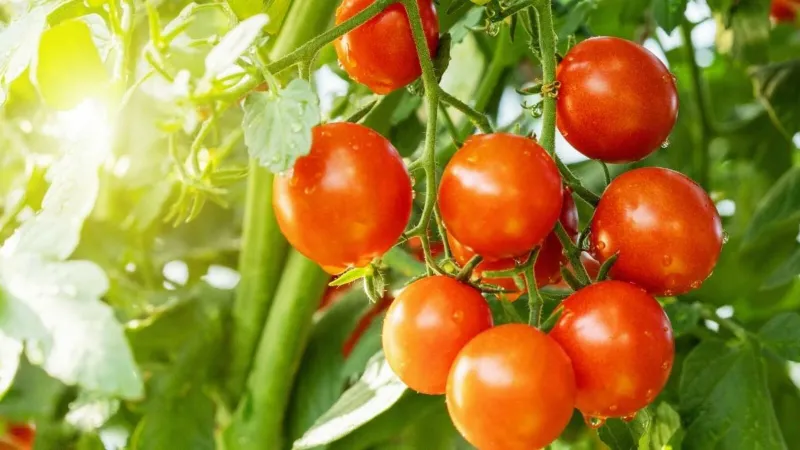
If your tomato plants look tired and crispy after the brutal Arizona summer, don’t give up on them yet. With a little care right now, those same plants can bounce back and pump out fresh tomatoes well into October and November.
The trick is knowing exactly what to do as the heat starts to ease and cooler fall days arrive. Here are eight simple, practical steps to keep your desert garden producing.
1. Evaluate and Revive Existing Arizona Tomato Plants
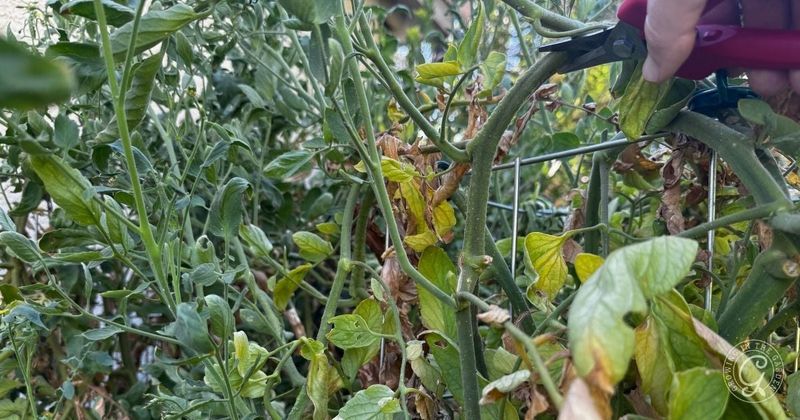
Take a good, honest look at your tomato plants before deciding their fate. After months of triple-digit temperatures, some plants surprise you with fresh green shoots pushing out from the base or lower branches, and that new growth is your green light for a fall comeback.
Other plants tell a sadder story. If yours are crispy, disease-riddled, or completely fried from the relentless Arizona sun, pouring more effort into them usually wastes your time and water.
In those cases, pulling them and popping in fresh transplants gives you a much stronger shot at a productive autumn crop.
Walk your garden and check each plant individually rather than treating them all the same. A stem that still bends without snapping and shows healthy tissue underneath is worth saving.
One that’s brittle and brown all the way through is not.
Making this call early matters in the desert, since our fall growing window is shorter than it looks. Deciding now whether to revive or replace lets you focus your energy where it actually pays off, setting the stage for the tips that follow.
2. Strategic Pruning for Arizona’s Fall Harvest
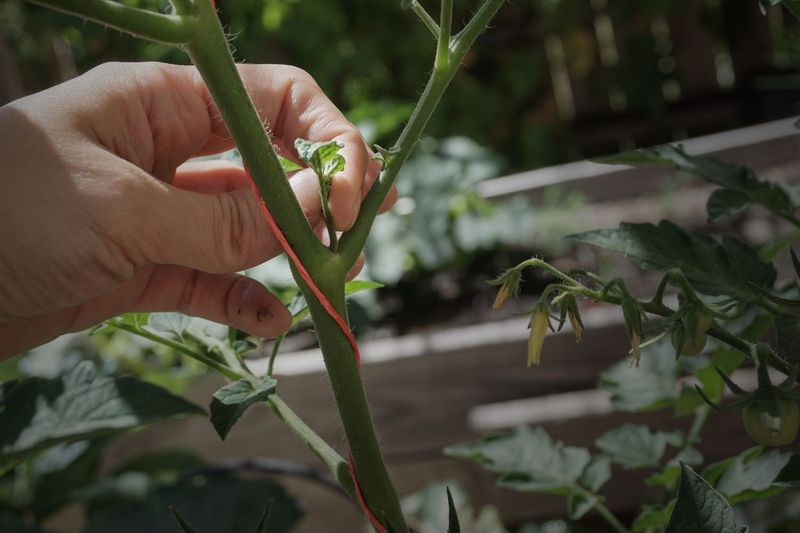
A tired tomato plant often just needs a bold haircut to spring back to life. Late-summer reset pruning, where you cut back exhausted, unproductive growth, jolts the plant into sending out vigorous new stems that carry a second harvest straight into October and November.
Timing changes as the season winds down. Roughly four weeks before your expected first fall frost, try topping each main stem by snipping off the growing tip.
That move tells the plant to stop making new flowers and instead pour its energy into ripening the tomatoes it already has.
All season long, keep an eye out for suckers, those small shoots growing in the crook between the stem and a branch. Removing them, along with crowded lower leaves, boosts airflow and cuts down on disease.
One Arizona-specific caution: don’t get scissor-happy. The desert sun is fierce, and stripping too much foliage leaves your developing fruit exposed to scald.
Leave enough leaves to shade the tomatoes while still opening up the plant, and you’ll get the best of both worlds.
3. Provide Essential Arizona Shade Protection
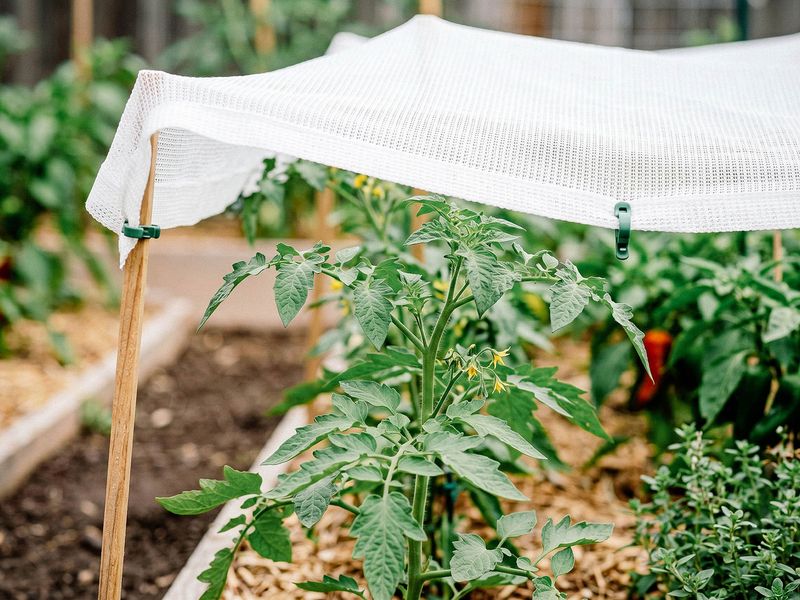
Even as summer fades, Arizona afternoons can still bake your plants at over 90 degrees, and that lingering heat is a silent tomato killer. Blossoms drop, fruit gets sunscald, and production stalls right when you want it ramping up.
White shade cloth rated to block 40 to 50 percent of light is a desert gardener’s best friend here. It lowers the temperature of both the leafy canopy and the fruit surface, easing heat stress and keeping those flowers on the plant long enough to actually set tomatoes.
Your Arizona Garden Changes Every Week. Your Plan Should Too.
Gardening in Arizona changes quickly throughout the season. Every Friday you’ll receive a simple weekly plan showing exactly what to plant, prune, fertilize, harvest, and protect so you never miss the right timing.
Placement makes all the difference. Hang the cloth so it shields plants from the punishing west-facing afternoon sun, which is the harshest exposure of the day in low-desert yards.
You don’t need anything fancy to rig it up. Simple stakes, PVC hoops, or a frame draped with the cloth will do, as long as air can still move through freely.
Think of shade cloth as a temporary umbrella you can remove once cooler weather settles in for good. Until then, it buys your plants precious relief and keeps fall fruit forming instead of frying.
4. Deep and Consistent Arizona Watering
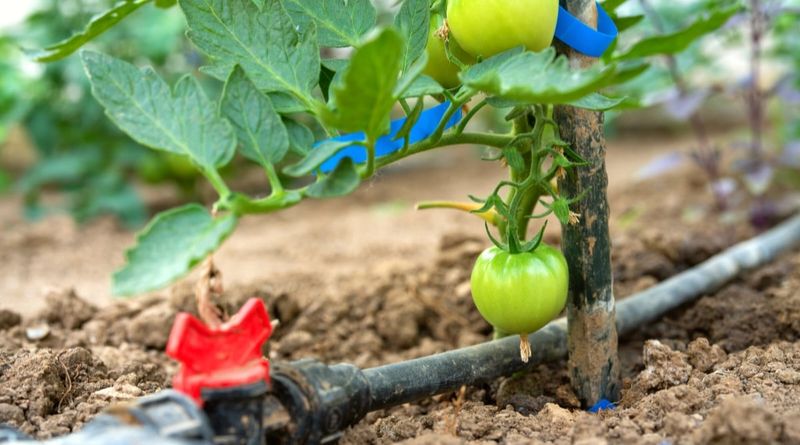
Water is everything when you’re coaxing tomatoes back to life in the desert. Plants recovering from summer and pushing new fall growth need deep, steady soakings rather than quick sprinkles that barely wet the surface.
Longer irrigation sessions do two crucial jobs at once. They encourage roots to reach down 3 to 5 feet, and they flush away the salts that build up in our alkaline Arizona soils and can otherwise stunt your plants.
Drip irrigation is the smart choice for our climate. Delivering water right to the root zone slashes evaporation, keeps foliage dry, and reduces the fungal problems that thrive when leaves stay wet.
Consistency is the secret ingredient people often overlook. Wild swings between bone-dry and soggy soil trigger blossom-end rot, that frustrating brown patch on the bottom of the fruit, so aim for even moisture instead.
Check your soil a few inches down before watering, since guessing leads to trouble. When it feels dry below the surface, water long and slow.
Getting this rhythm right supports every other step on this list and keeps fall tomatoes filling out.
5. Mulch for Arizona Soil Moisture and Temperature
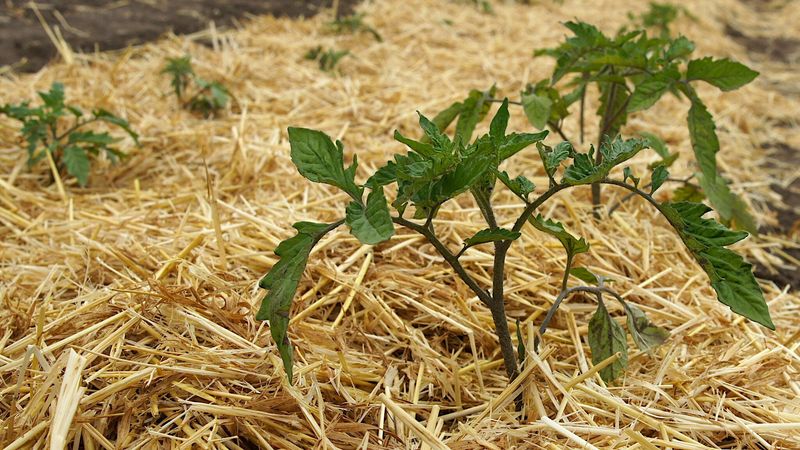
Bare desert soil heats up fast and dries out even faster, which is exactly why mulch earns a spot on this list. A generous layer spread around the base of your tomato plants acts like a protective blanket for the roots below.
The cooling effect is the real prize in Arizona. Mulch keeps soil and roots noticeably cooler during those stubborn late-summer scorchers, giving stressed plants a calmer environment to recover and set fruit.
Water savings come right alongside that cooling. By slowing evaporation, mulch holds moisture in the ground longer, so you water less often and every drop stretches further in our arid climate.
Steady soil temperatures also mean fewer nasty surprises. When the ground stays consistent instead of swinging hot and cold, plants stay healthier and fruit develops more reliably.
Straw, shredded leaves, or compost all make excellent mulch options, and a layer a few inches thick does the trick. Just keep it pulled back slightly from the main stem to avoid trapping moisture against it.
It’s one of the easiest, cheapest moves you can make for a productive fall garden.
6. Targeted Arizona Fertilization
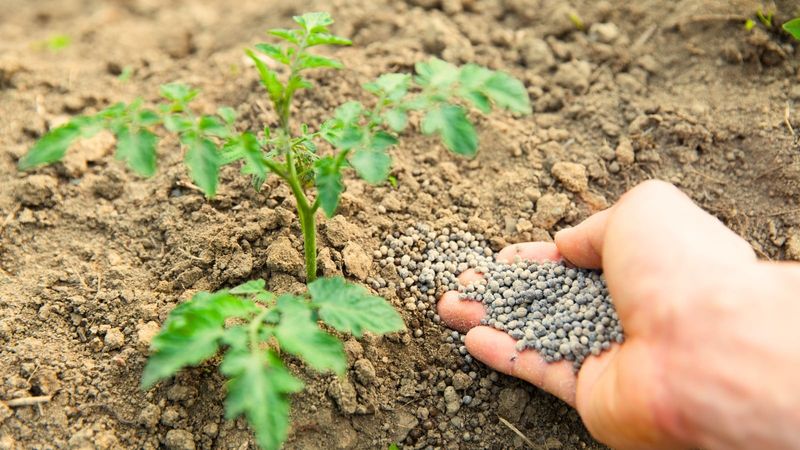
Tomatoes are hungry plants, and in Arizona they burn through nutrients quickly as they fight the heat and push new growth. Feeding them well is how you keep the fruit coming instead of watching production sputter out.
Start gentle when you’re reviving spring survivors or nudging fresh fall growth along. A light feeding wakes the plant up without overwhelming it while it’s still finding its footing.
As blossoms and fruit appear, switch your focus. A balanced organic fertilizer leaning toward higher phosphorus and potassium supports strong flowering and fruit development rather than just leafy vines.
Calcium deserves special attention in our region. Blossom-end rot plagues Arizona tomatoes, and fertilizer that includes calcium helps head off that heartbreaking brown-bottomed fruit before it starts.
Watch the nitrogen carefully, because more isn’t better here. Too much nitrogen gives you a gorgeous jungle of leaves and very few tomatoes, which is the opposite of what you want this time of year.
Feed on a regular schedule rather than dumping everything at once, and your plants will reward the steady supply with a fuller, longer-lasting fall harvest.
7. Vigilant Arizona Pest and Disease Management
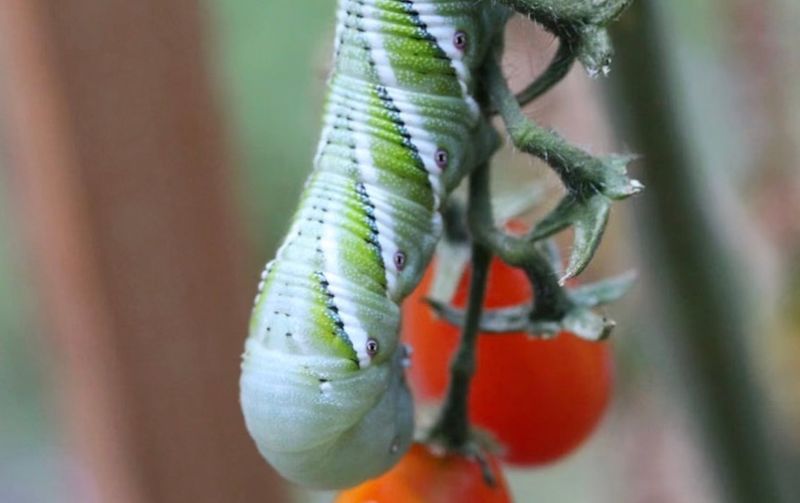
Fall in the desert doesn’t mean pests take a break, so staying watchful protects all your hard work. Aphids, tomato hornworms, and whiteflies love to move in on recovering plants and can strip them fast if you’re not paying attention.
Disease creeps in too, especially after monsoon humidity. Early and late blight, both fungal troublemakers, spread quickly in damp conditions, so catching them early keeps them from wiping out your crop.
Nature offers plenty of free help. Encouraging beneficial insects like ladybugs and lacewings turns your garden into its own pest patrol, and physical barriers keep larger nuisances at bay.
When you need to step in, reach for gentle options. Insecticidal soaps and neem oil handle many pests, though a desert heads-up applies: skip spraying when temperatures top 90 degrees, since oil can burn foliage in that heat.
Airflow and watering habits round out your defense. Proper spacing and thoughtful pruning let breezes move through, while watering at the soil level instead of overhead keeps leaves dry and far less inviting to fungus.
Together these habits can dramatically cut disease pressure on your Arizona tomatoes.
8. Timely Arizona Tomato Harvesting
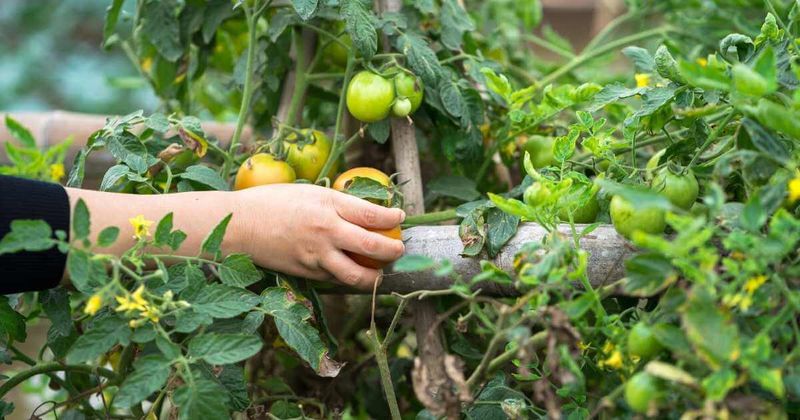
Picking tomatoes at the right moment does more than fill your kitchen bowl; it actually tells the plant to keep making more. Harvest regularly and you signal your tomato to keep flowering and fruiting instead of coasting.
Aim for what growers call the breaker stage, the very first blush of color on an otherwise green tomato. Pulling fruit this early shields it from sun damage on the vine, a real risk under the intense Arizona light.
Those partly colored tomatoes ripen beautifully indoors on a counter, away from harsh rays and hungry pests. You lose nothing in flavor and gain protection, which is a smart trade in the desert.
As the season closes, keep an eye on the forecast. When the first fall frost threatens, harvest every remaining green tomato on the plant before the cold ruins them.
Green tomatoes finish ripening indoors over the following days and weeks, so nothing goes to waste. Wrapping them in newspaper or setting them in a paper bag speeds things along.
With this final step, you stretch your homegrown harvest well past the point most gardeners think the season ends.