Why September Is The Best Month To Reseed A Pennsylvania Lawn
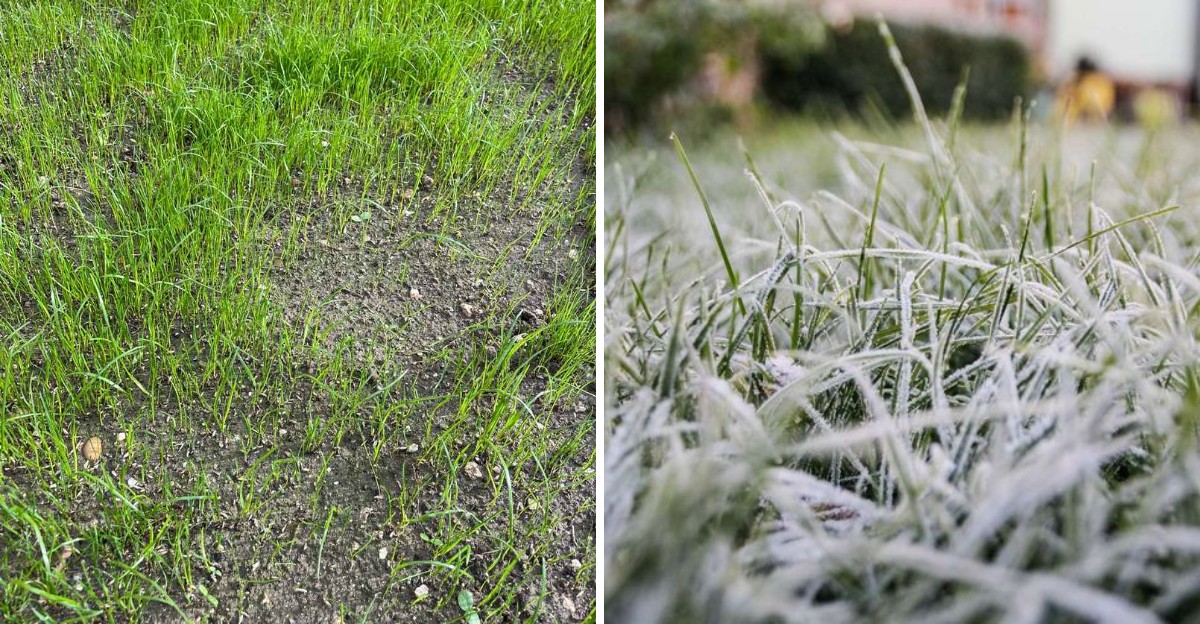
That thin patch near the driveway has been staring you down since June.
You threw some seed at it in May, watered it twice, then let July finish the job. Meanwhile the crabgrass moved in and got comfortable.
Spring seeding fails in Pennsylvania for reasons that have nothing to do with effort.
Here’s what most homeowners never learn. Cool-season grasses have a preferred season, and it isn’t the one everybody chooses.
Late summer and early fall is the strongest seeding window for Kentucky bluegrass, perennial ryegrass, and the fescues that make up most Pennsylvania lawns.
September usually sits right in that sweet spot. Warm soil, cooler air, softer sun, and more reliable rain all arrive together.
Seedlings sprout faster, weeds are shutting down, and roots get real time before the ground freezes.
Curious why the timing matters this much?
1. Soil Temperatures Favor Fast Germination
Grass seed doesn’t read calendars. It reads soil temperature.
Cool-season grasses germinate best when the top couple inches sit roughly in the 50s and 60s. Upper 60s to low 70s is often described as ideal.
September delivers that range almost automatically. Summer sun has already loaded the ground with heat while cooler nights pull the surface down.
Air feels crisp while soil stays warm. Spring cannot reproduce that combination.
Spring soil lags well behind spring air. You might get 70-degree afternoons in April while the ground remains near 45.
Seed sits there swelling and waiting, often failing before pushing a blade upward. That mismatch explains most spring seeding disappointment.
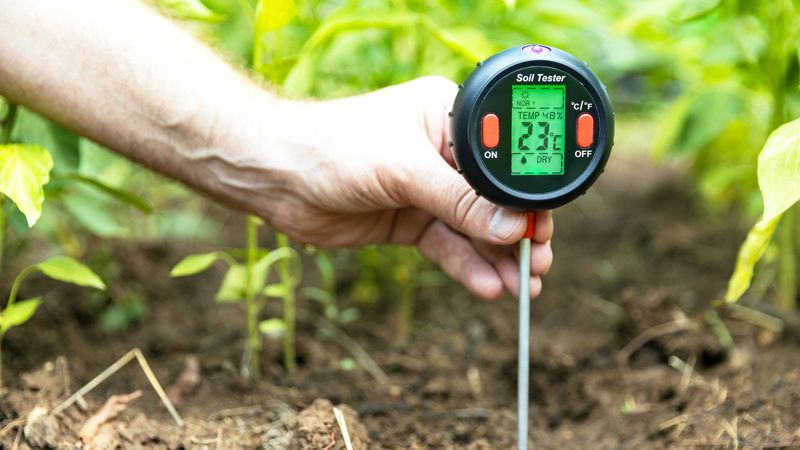
Buy an inexpensive soil thermometer and use it. Push it about two inches deep in the morning and check a few locations.
Average the readings before deciding. Steady readings in the 60s and falling means go.
Perennial ryegrass can emerge in five to seven days under those conditions. Tall fescue takes somewhat longer.
Kentucky bluegrass is the slow one, sometimes needing two to three weeks. That timeline argues for earlier September with bluegrass-heavy blends.
Rake or slice the soil so seed touches dirt rather than thatch. Warm soil plus good contact produces speed.
2. Cooler Air Reduces Seedling Stress
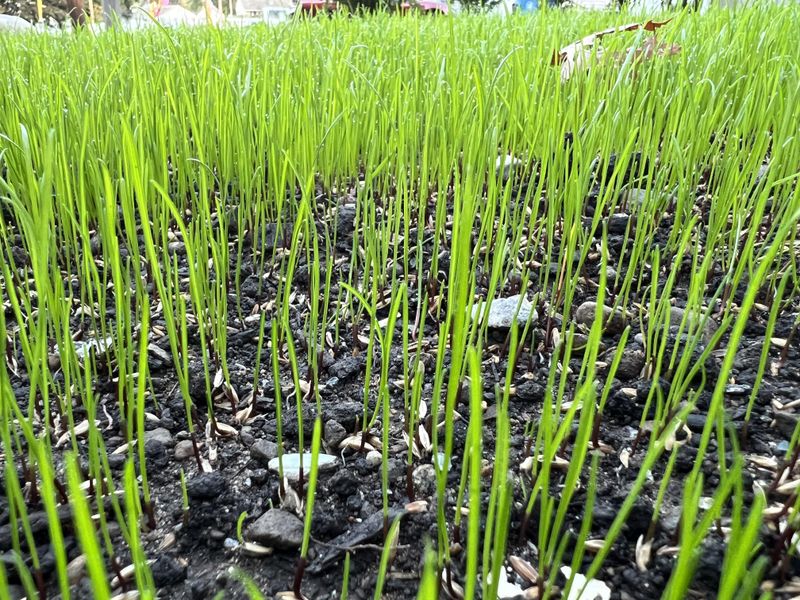
Baby grass has almost no root system. A single seedling starts with one thin root and one skinny blade.
Ninety-degree afternoons drain that seedling faster than it can absorb water. Survival becomes the only activity.
September afternoons in Pennsylvania usually settle into the 70s with nights in the 50s. Less heat means less water lost through leaves.
The plant spends energy building tissue rather than just enduring the day. Growth instead of defense.
Morning dew contributes as well. Fall mornings leave a light film of moisture that keeps the seedbed from crusting between waterings.
Spring seedings get dew too and head straight into rising heat afterward. Direction matters.
Sun angle plays a quiet role here. The September sun sits lower, so midday intensity backs off noticeably.
South-facing slopes and strips along hot driveways benefit most. Those trouble spots are often exactly what needs reseeding.
Your Pennsylvania Garden Changes Every Week. Your Plan Should Too.
Gardening in Pennsylvania changes quickly throughout the season. Every Friday you’ll receive a simple weekly plan showing exactly what to plant, prune, fertilize, harvest, and protect so you never miss the right timing.
Cooler conditions also mean fewer heat-loving turf diseases pressuring tender growth. Brown patch and similar summer problems fade as nights cool.
Mow existing grass short before spreading seed, around two inches. Shorter blades let light reach the soil surface.
Keep the top half inch damp with light frequent watering. Mild weather handles the rest.
3. Weed Competition Drops Off Sharply
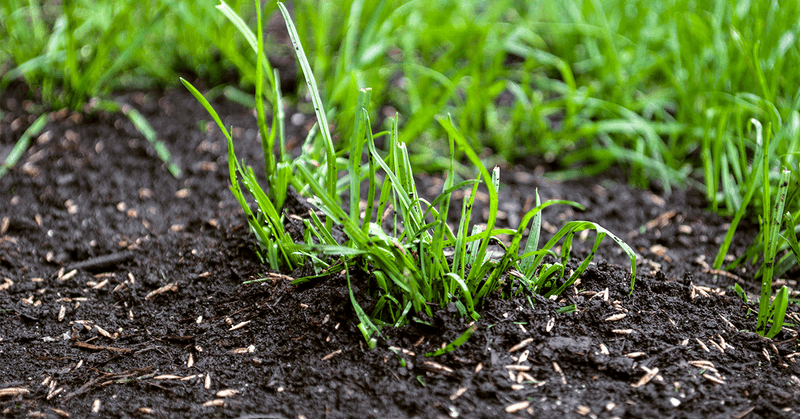
Crabgrass is the reason so many spring seedings fail. Sow grass in April and you’re hosting a race.
Summer annual weeds hold a serious head start in that contest. They love heat while your seedlings struggle in it.
By September the situation reverses. Crabgrass, foxtail, goosegrass, and spurge have finished their cycle and are shutting down.
They stop expanding and begin fading. Space, light, water, and nutrients all free up.
New grass gets a nearly empty field. Fewer competitors let seedlings spread sideways and fill gaps.
Thicker turf then blocks next year’s weed seeds from getting sunlight. The advantage compounds.
One timing conflict deserves mention. Pre-emergent crabgrass products prevent grass seed from sprouting too.
Spring seeders face an unpleasant choice between weed control and new grass. Fall seeders avoid that entirely.
Handle perennial weeds like dandelion and plantain before seeding rather than after. Spot-treat two to four weeks ahead.
Follow the label’s reseeding interval, then rake out affected material and open the soil.
Skip broadleaf herbicides on new grass. Most labels require waiting until seedlings have been mowed two to four times.
4. Fall Rain Reduces Watering Effort
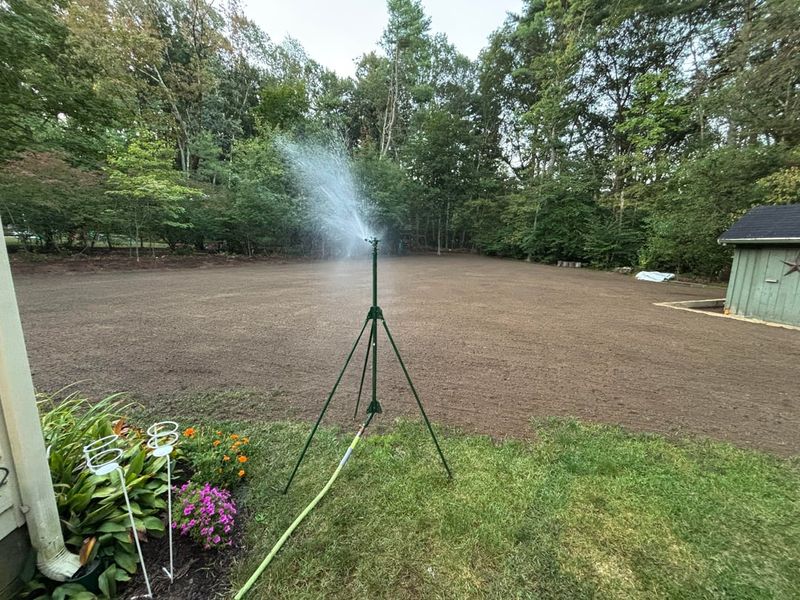
Watering a new seeding in July approaches a part-time job. Bare soil dries within hours.
Missing a single afternoon can undo days of progress. September asks considerably less.
Pennsylvania typically receives steady precipitation through fall, and cooler temperatures slow evaporation dramatically.
Water reaching the soil actually stays there, sometimes for a full day rather than a few hours. That changes everything about the routine.
Lower evaporation reshapes your schedule. Instead of four short cycles daily, many September seedings manage on one or two light waterings.
Whatever the sky provides counts toward the total. A rain gauge tells you when to skip a session.
Rain is helpful rather than guaranteed. Dry Septembers happen, and tropical storm remnants sometimes deliver too much at once.
Slope matters considerably here. Seed on hillsides deserves light straw mulch or a seed blanket to prevent washouts.
Keep the goal simple. Moist rather than saturated.
Squeeze a pinch of soil, and holding together while feeling damp like a wrung-out sponge means you’re right.
Aim for the top half inch staying consistently moist for two to three weeks. Then taper toward deeper less frequent watering as roots extend.
5. Roots Get Time To Establish Before Frost
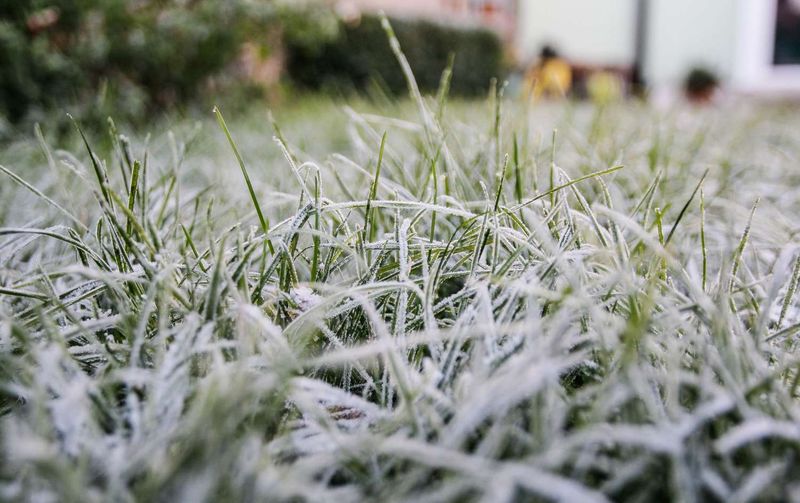
Top growth gets attention while roots determine whether new grass survives winter and next summer.
Cool autumn soil keeps pushing root growth long after blade growth slows. That continues nearly until the ground genuinely chills.
Seedlings need enough weeks of growing weather before hard frost. A common guideline suggests at least six to eight weeks.
That requirement explains why counting backward beats picking a date. Math over habit.
Pennsylvania’s frost calendar varies substantially. Potter County, the Laurel Highlands, and the northwest often see first frost in late September or early October.
Philadelphia’s suburbs and the lower Susquehanna Valley may hold off until late October or November. Weeks of difference across one state.
Check your local average first frost date, then subtract those weeks. Northern and western yards land in late August through early September.
Southeastern yards stretch toward mid or late September. Regional rather than universal.
Feed the roots while they work. Starter fertilizer with phosphorus at seeding supports early development.
Follow label rates and Pennsylvania nutrient rules, which restrict phosphorus in some situations. A follow-up nitrogen application four to six weeks later thickens the stand.
Grass with real roots in November greens up early and handles next July considerably better.
6. Timing Leaves Room For A Second Pass
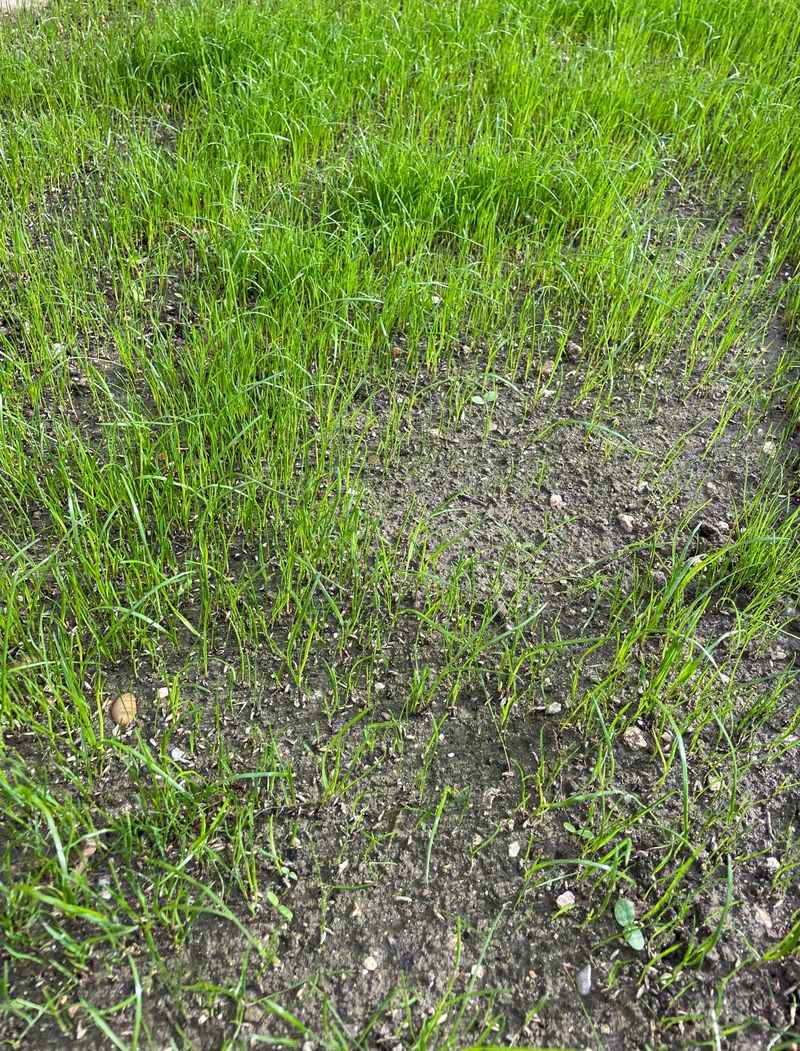
Seeding rarely goes perfectly the first time. A heavy downpour moves seed into low spots.
A dog decides the new patch makes an excellent napping zone. Coverage looks uneven once things green up.
Starting in early September builds a safety net. Two or three weeks later you can evaluate results and reseed thin areas.
Soil stays warm enough for another round of germination. That option has real value.
Waiting until October removes it across most of Pennsylvania. Soil cools past the germination range and seed sits dormant.
You then head into winter with bare ground exposed to erosion and spring weed pressure. Worse than not seeding at all in some ways.
Use the buffer deliberately. Walk the lawn ten to fourteen days after seeding and mark bare zones with landscape flags.
Rake those spots lightly, add seed at the bare-soil rate, and press it in with your foot or a roller.
Perennial ryegrass suits a quick second pass since it germinates within about a week. Blend it thoughtfully though.
Heavy ryegrass can crowd out slower bluegrass seedlings from the first application. Balance matters.
Holding back about twenty percent of your seed saves money. Nearly every lawn needs touch-ups somewhere.
7. Early September Beats Waiting Too Long
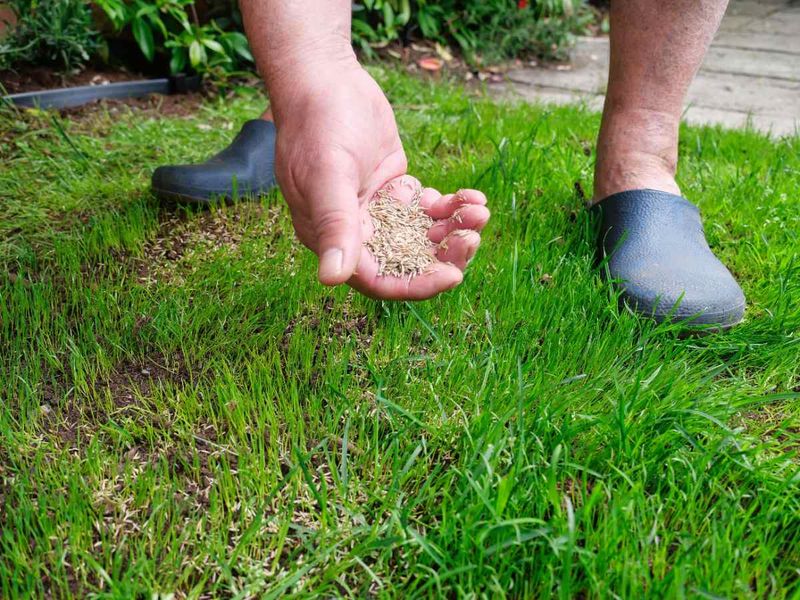
Procrastination carries a cost, and in lawn work the bill arrives in April.
Seed dropped in late October may sprout weakly or not at all. Thin turf then leaves openings that spring weeds claim.
Regional differences make delay riskier in some counties. Northwestern Pennsylvania, the northern tier, and higher elevations cool quickly.
Late August through the first half of September is often the practical window there. Shorter runway.
Southeastern areas around Philadelphia, Lancaster, and Delaware County hold warmth longer. Usable seeding time stretches toward late September in many years.
Even there, earlier produces stronger plants with deeper roots. Timing beats extension.
Run a two-step check instead of guessing. Look up your average first frost date, then confirm soil temperature with a thermometer.
Soil above the mid-50s plus six or more weeks of growing weather ahead means seed now.
Missed the window entirely? Dormant seeding in late fall or late winter is a real fallback.
Spreading seed on cold ground lets it germinate when spring soil warms. Results run less predictable and beat staring at bare dirt.
Handle the small things too. Rake out debris, aerate compacted areas, and keep leaves off new seedlings.
8. Prepare The Seedbed Before You Spread
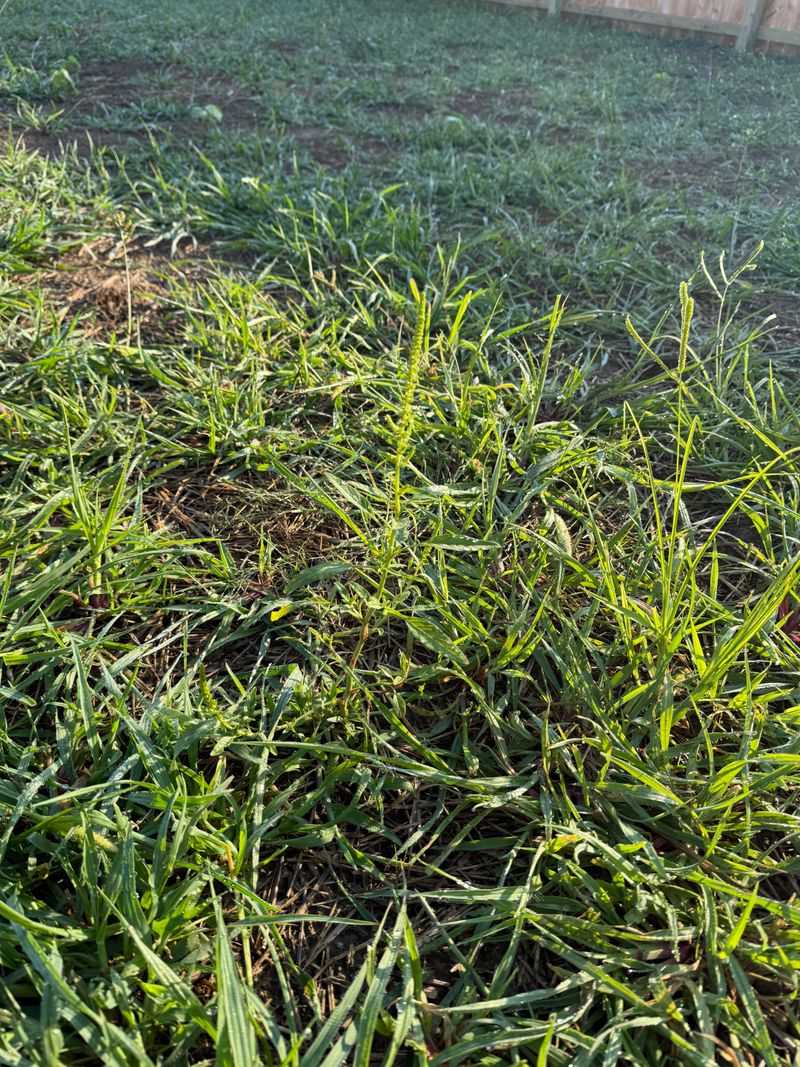
Seed lying on top of thatch accomplishes nothing. Contact with actual soil is the requirement. That single detail separates successful seedings from wasted bags. Preparation matters more than product.
Start by mowing existing grass short, around two inches. Bag the clippings rather than leaving them. Rake out debris, matted grass, and loose thatch. Light reaching soil is the goal.
Core aeration helps considerably in compacted areas. Those holes create pockets where seed can settle at proper depth.
A screwdriver pushed into moist soil tests compaction. Real resistance means aeration is worthwhile. Slice seeding or verticutting works well for larger areas. Rental equipment handles it in an afternoon.
For bare patches, loosen the top inch with a rake and add a thin layer of compost or topsoil. Spread seed at the rate on the bag rather than guessing. Overseeding rates run lower than bare-soil rates.
More seed doesn’t produce a better lawn. Crowded seedlings compete and thin themselves out. Press seed into contact with soil afterward. A roller, foot traffic, or the back of a rake all work.
Then water lightly and keep the surface consistently damp. Preparation plus moisture covers most of what determines the outcome.