The One Thing Michigan Mums Need In September For Fuller Fall Color
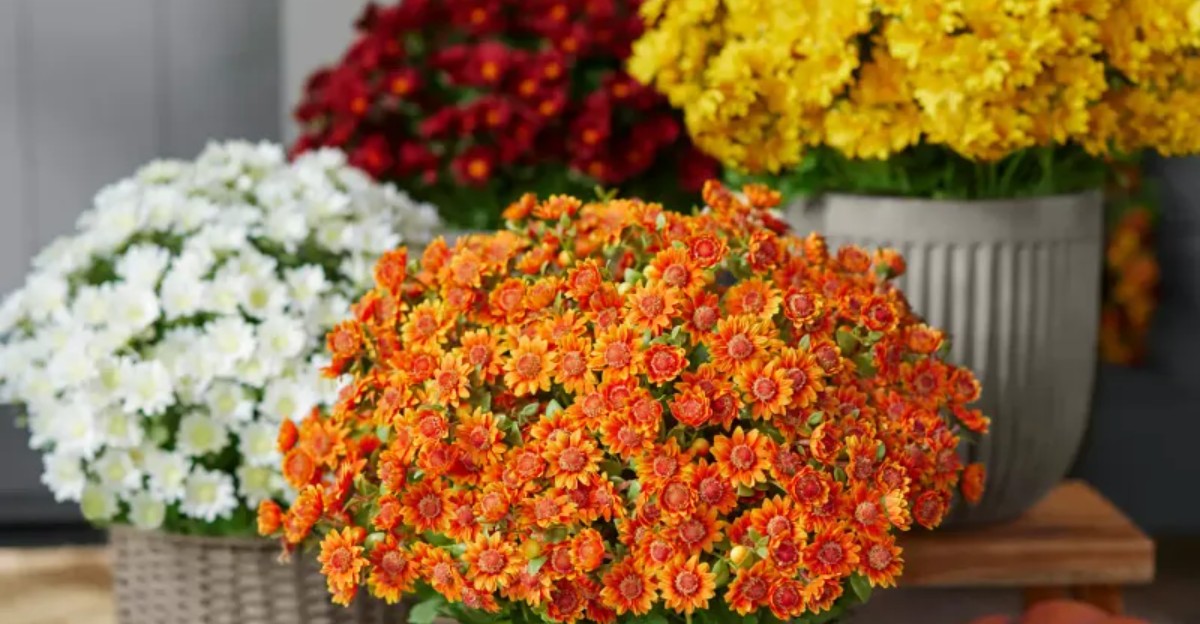
Mums are one of the signature plants of fall in Michigan, but getting that full, vibrant display depends on more than just picking a healthy plant at the garden center.
September is a critical window, and how mums are cared for right now has a direct effect on how many blooms actually open and how long they last.
Skipping the right care during this stretch often leads to mums that look sparse or fade faster than expected, even when everything else about their placement seems fine.
Since mums are pushing hard to produce flowers this time of year, their needs become more specific and less forgiving of neglect.
For Michigan gardeners hoping for that classic, full mound of fall color, this is the moment that matters most. Here’s the one thing mums need right now to reach their fullest bloom potential this season.
1. Keep The Soil Consistently Moist
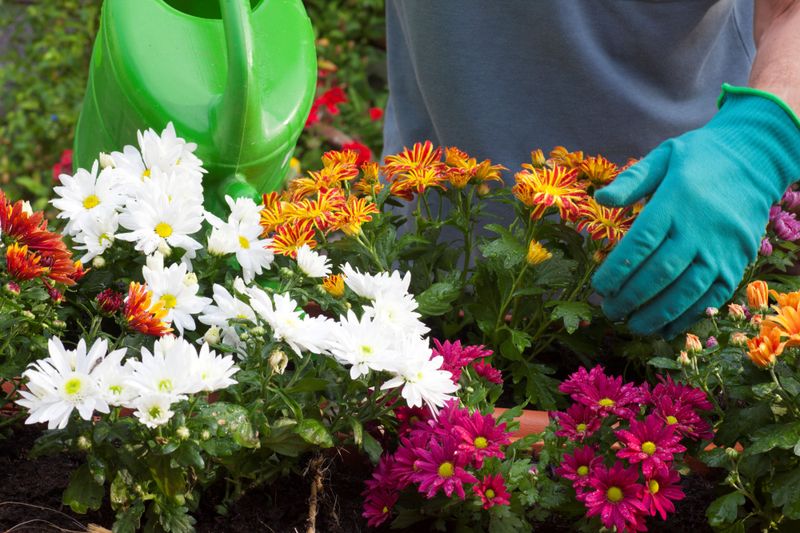
Water is the secret weapon behind full, vibrant mums, and September is when it matters most. When a mum is loaded with buds and flowers, it works hard, and that work uses plenty of moisture.
If the soil dries out too much, the plant gets stressed. Stress can cause mums to wilt, drop buds, or produce a shorter and less impressive flower display. That is the opposite of the thick, colorful mound you want.
Think of moisture as fuel for flowering. A mum with steady water keeps pushing out new blooms and holds its color longer. A thirsty mum simply gives up on some of its buds to protect itself.
Michigan Septembers can swing between warm, sunny afternoons and cool nights, so the soil dries at different speeds. That is why checking often beats guessing. Stick your finger about an inch into the soil, and if it feels dry, it is time to water.
The goal is simple. Keep the soil damp like a wrung-out sponge, not bone dry and not soaked. Steady moisture supports every stage of flowering, from the first buds to the last open petals.
Many gardeners are surprised how much difference this one habit makes. A mum that gets reliable water often looks much fuller and healthier than one that repeatedly dries out.
Start paying attention early in the month. Once buds begin swelling, consistent moisture protects your entire fall show and helps every flower reach its brightest, richest color.
2. Check Mums Before They Start To Wilt

Waiting for droopy leaves is a common mistake, and it costs you flowers. By the time a mum wilts, it has already felt stress, and stress during heavy blooming can shorten your color.
A better plan is checking the soil before the plant ever looks sad. A quick daily touch test tells you what is happening under the surface, where the roots live.
Wilting is a warning sign, not a starting point. Once a mum flops, it uses energy just to recover, energy that could have gone into opening more buds.
During September, mums often flower all at once, and that big display demands steady water. The more blooms a plant carries, the faster it can drink through its supply.
Your Michigan Garden Changes Every Week. Your Plan Should Too.
Gardening in Michigan changes quickly throughout the season. Every Friday you’ll receive a simple weekly plan showing exactly what to plant, prune, fertilize, harvest, and protect so you never miss the right timing.
Get in the habit of a morning check. Press a finger into the top inch of soil, and if it feels dry, water right away instead of waiting until afternoon.
Weather changes things quickly too. A breezy, sunny day can dry a plant much faster than a calm, cloudy one, so yesterday’s timing may not fit today.
Catching thirst early keeps your mum looking fresh and full. You avoid the sad, sagging look and the faded flowers that follow it.
Think of yourself as the plant’s early warning system. A few seconds of checking each day protects weeks of bright, healthy color.
Consistency here pays off big. Gardeners who check before wilting almost always end up with fuller, longer-lasting mums than those who react too late.
3. Container Mums Dry Out Especially Fast
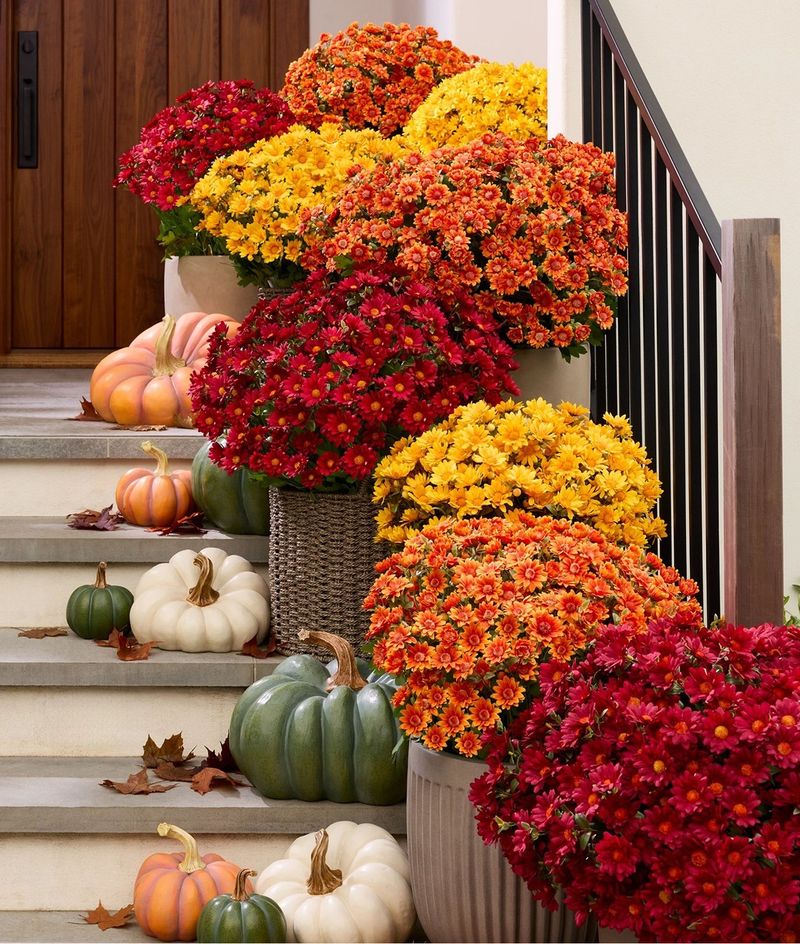
Potted mums are the porch stars of fall, but they come with a catch. A container holds only a small amount of soil, so it dries out much faster than a garden bed.
Those roots are packed tightly inside, and there is little extra moisture to fall back on. When the sun beats down or the wind picks up, a pot can go dry in a single day.
Bigger blooms make this worse. A full, flowering mum drinks a lot, and a crowded pot cannot store enough water to keep up during warm weather.
On hot or breezy Michigan afternoons, you may even need to water twice. Morning is great for a deep drink, and a second check later keeps the plant happy through the heat.
Dark pots and decorative containers can heat up quickly too. Warm soil dries faster, so those cute fall pots may need more attention than you expect.
A simple test works well. Lift the pot if you can, because a light pot usually means dry soil, while a heavy one still holds moisture.
Grouping pots together can help slow drying. Clustered containers shade each other and hold humidity, giving your mums a little extra cushion.
The reward for this effort is huge. A well-watered potted mum stays rounded, colorful, and full instead of crispy around the edges.
Treat container mums like thirsty guests. Check them often, water deeply, and they will reward you with a bold, beautiful display all season long.
4. Water The Root Zone Thoroughly
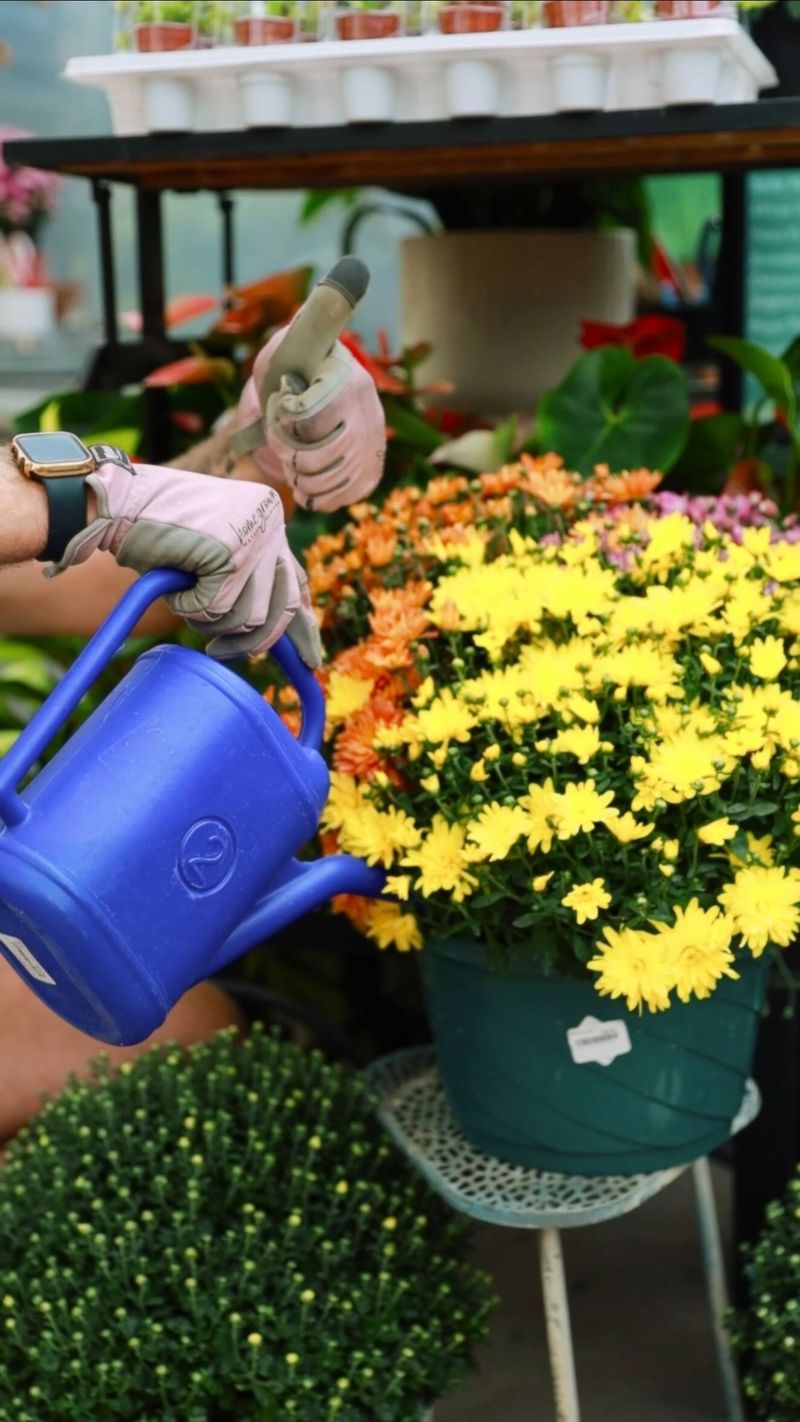
How you water matters just as much as when. A quick splash on the surface looks helpful, but it barely reaches the roots that actually need the drink.
Mum roots grow down and out, and that is where the real thirst is. To reach them, you have to water slowly and deeply at the base of the plant.
Aim your water right at the soil around the stems. Let it soak in fully so moisture travels down to the deepest roots instead of running off the top.
A light sprinkle can trick you. The surface looks damp, but underneath the soil stays dry, and the plant keeps struggling even though you just watered.
Deep watering encourages stronger roots too. When moisture sits lower in the soil, roots grow downward to find it, building a sturdier, healthier plant.
For pots, keep pouring until water drips from the drainage holes. That tells you the entire root ball got a proper drink, not just the top layer.
After a deep soak, let the extra water drain away completely. Sitting water is not the goal, so never leave the pot standing in a full saucer.
In garden beds, slow watering works best. A gentle, steady flow gives the soil time to absorb moisture instead of pooling and running off.
This simple change delivers big results. Thorough root-zone watering keeps mums full, firm, and covered in color, while shallow watering leaves them thirsty and thin.
5. Do Not Keep The Roots Soggy
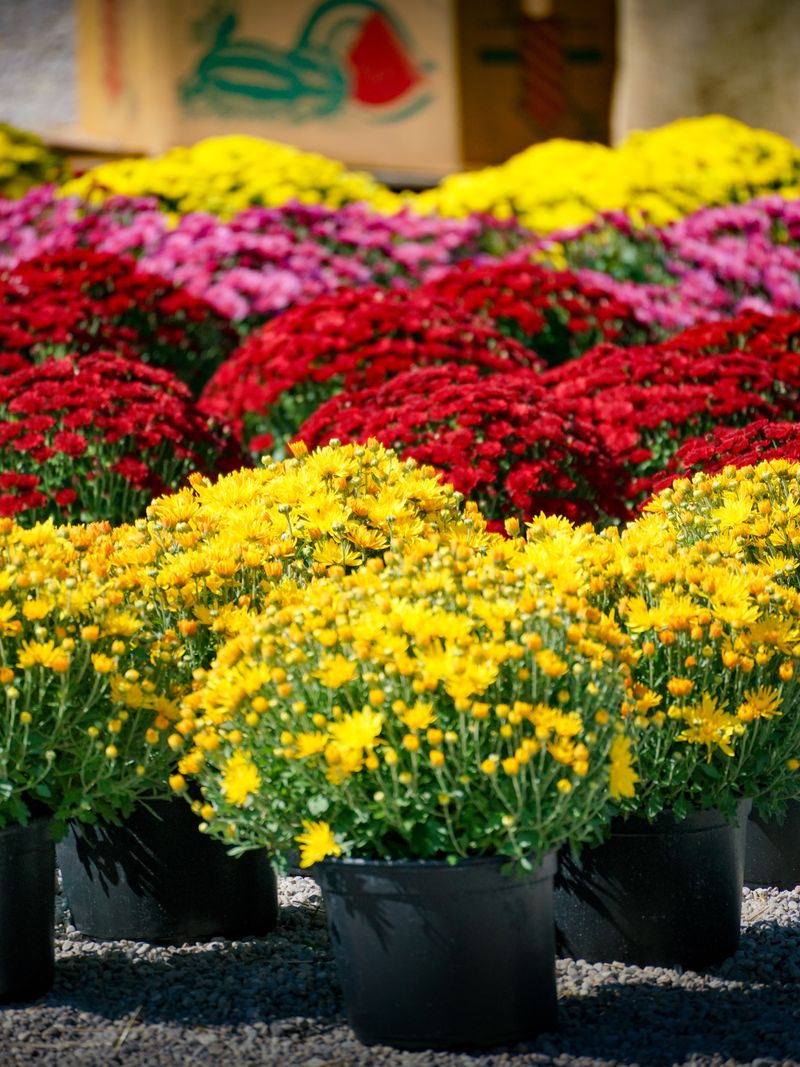
Steady moisture is the goal, but there is such a thing as too much water. Soil that stays soaked all the time can cause serious trouble for your mums.
Roots need air just as much as they need water. When soil stays flooded, air pockets disappear, and the roots start to struggle underground.
Soggy conditions invite root rot. Once roots turn mushy and weak, they cannot feed the plant, and the flowers fade no matter how healthy they looked before.
Balance is everything. Moist means damp and springy, while soggy means wet, heavy, and slow to dry, and that difference protects your plant.
Good drainage makes this easy. Choose pots with holes in the bottom so extra water can escape instead of pooling around the roots.
Skip decorative pots with no drainage, or add holes yourself. A sealed container traps water and quietly harms the roots you are trying to protect.
In garden beds, avoid spots where heavy soil stays waterlogged, since mums perform best in moist but well-drained soil. Check before every watering. If the soil still feels wet from last time, wait a day, because more water will only make the problem worse.
The sweet spot is simple to remember. Keep the soil evenly damp, let the excess drain, and never let your mum sit in a puddle.
Get this balance right and your roots stay strong, which keeps your mums full, firm, and bursting with color all fall.
6. Give Mums Plenty Of Sun

Sunlight is like paint for your mums. The more good light they get, the brighter and fuller their flowers turn out.
Mums are sun lovers by nature. They do best with at least six hours of direct light each day, which helps buds open and colors deepen.
Full sun powers flowering. With plenty of light, a mum opens more blooms and shows off richer reds, golds, oranges, and purples across the whole plant.
Deep shade does the opposite. In a dim spot, buds open slowly, colors look dull, and the plant may stretch out thin instead of staying full and round.
Placement makes a big difference. A porch that gets bright morning and midday sun will keep mums looking better than a shady corner ever could.
If your mum sits in shade, try moving it. Shifting a pot into a sunnier spot for most of the day can wake up the blooms fast.
Watch the changing fall light too. As the season shifts, the sun moves lower, so a spot that was sunny in August may grow shadier by late September.
Balance sun with water, though. Bright light dries soil faster, so sunny mums may need more frequent drinks to stay happy.
The payoff is worth it. A mum bathed in sunshine rewards you with thick, glowing color that makes your fall display pop.
Give your mums a front-row seat to the sun, and they will shine brighter than you imagined all season long.
7. Stop Feeding Once Flowers Are Developing
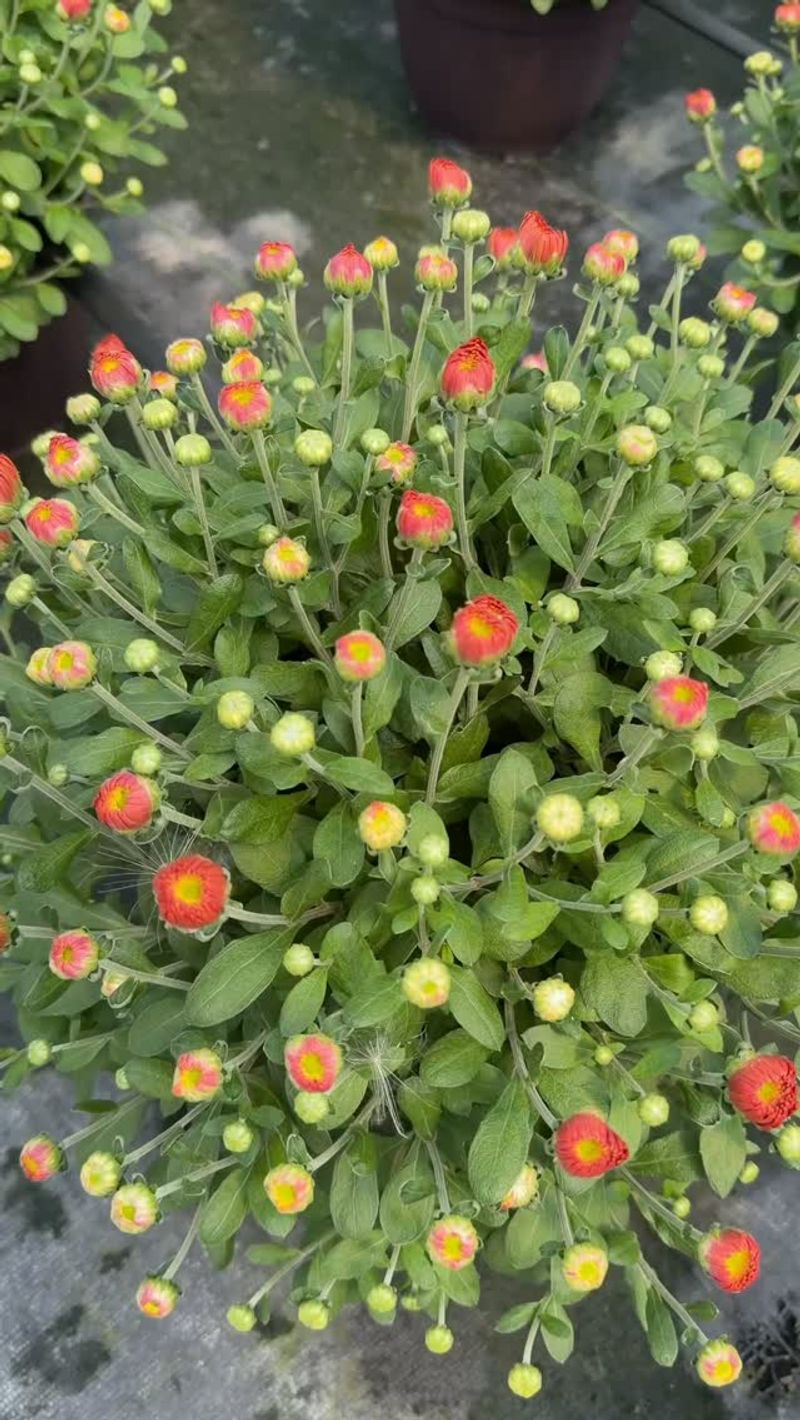
It is tempting to think more plant food means more flowers, but with mums the timing tells a different story. Once buds are forming, heavy feeding is not the answer.
By September, a healthy mum is focused on blooming, not growing. Piling on fertilizer at this stage pushes leafy growth instead of the flowers you actually want.
Growers know this trick. Commercial mum producers usually cut back or stop feeding as flowering time gets close, letting the plant put its energy into blooms.
Too much food late in the season can backfire. It may lead to soft, weak growth and fewer flowers, which is the exact opposite of fuller color.
Feeding earlier in summer is fine. That is when mums build up their size and strength, setting the stage for a big autumn show.
Once you see buds swelling, ease off the fertilizer. The plant already has what it needs to bloom, so let it do its job.
Water becomes the priority now, not plant food. Steady moisture supports the flowers far better than an extra dose of nutrients ever could.
If you buy mums already blooming, you can usually skip feeding entirely. They are set up to flower, and they just need light, water, and care.
Simple often wins here. Holding back on fertilizer at bloom time keeps the plant balanced and the flowers plentiful.
Trust the timing. Feed early, stop as buds form, and your mums will focus all their energy on that full, colorful fall display.
8. Protect Newly Planted Mums From Drying Out
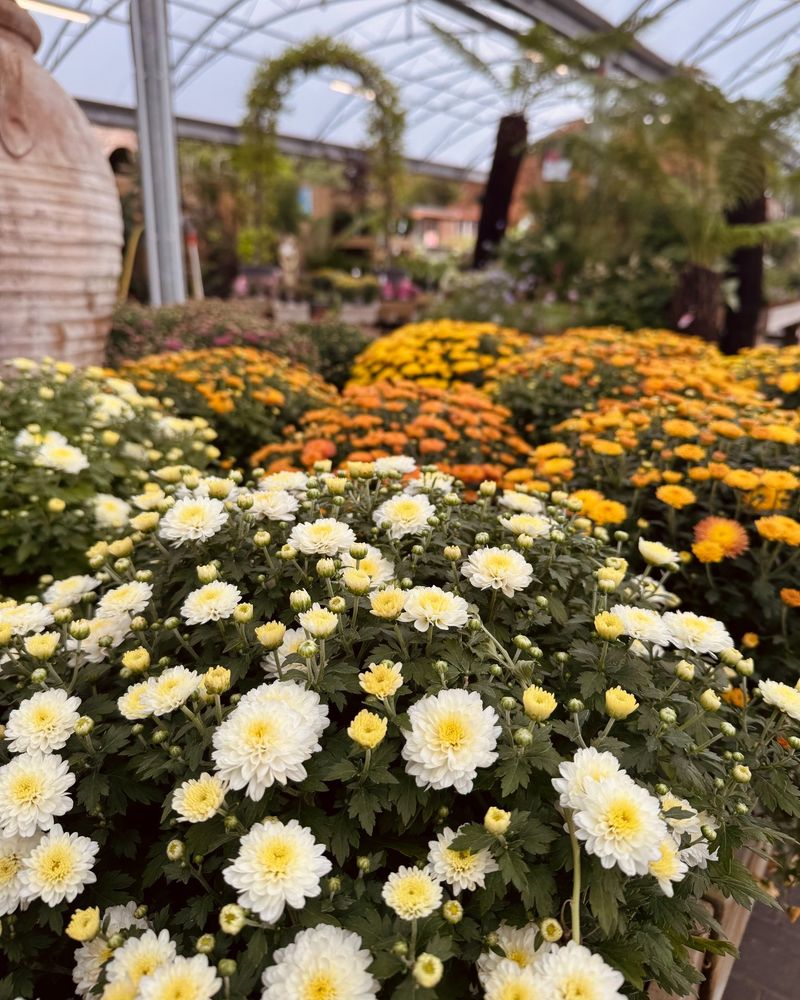
New plants live in a fragile stage, and mums are no exception. When you tuck a mum into a Michigan bed in late summer or early fall, its roots need extra help settling in.
Fresh roots have not spread out yet. Until they grow into the surrounding soil, the plant cannot pull moisture from a wide area, so it depends on you.
These early weeks are all about water. Regular, gentle watering keeps the root ball damp while new roots stretch out and grab hold of the ground.
Skip a few waterings and a new mum suffers fast. With limited roots, it dries out quickly and can lose buds before it even settles in.
Michigan’s warm early-fall days add pressure. Sunny, breezy weather pulls moisture from young plants, so daily checks are smart during this stretch.
Water at the base and soak the area well. This encourages roots to grow outward and downward into the new soil around them.
A layer of mulch helps too. Spreading mulch around the plant keeps soil moisture steady and protects those tender roots from drying wind.
Be patient during this period. Once roots take hold, the plant becomes tougher and can handle short dry spells much better.
The reward comes quickly. A newly planted mum that stays well watered settles in strong and rewards you with a full, colorful bloom.
Give new mums a caring start, and they will repay you with a display that looks like it has been thriving all along.
9. Avoid Wetting The Flowers And Foliage

Where the water lands can quietly shape how your mums look. Splashing the leaves and petals every day does more harm than good.
Aim low instead. Directing water at the soil keeps the roots happy while leaving the flowers clean and fresh on top.
Wet flowers can look messy. Repeated soaking weighs down petals, causes spotting, and makes blooms fade or flop before their time.
Damp leaves invite trouble too. Foliage that stays wet creates the perfect setting for plant diseases that spread across the leaves.
Good airflow keeps mums healthy. When leaves dry quickly, problems have less chance to take hold, so watering the base helps them stay clean.
Timing helps as well. If water does touch the leaves, morning is best because the sun dries them before evening chill sets in.
A watering can with a narrow spout works great. It lets you pour right at the soil without spraying the whole plant.
For pots, tuck the spout under the leaves. Reaching the soil directly keeps blooms dry while still giving roots a full drink.
Overhead sprinklers are the biggest culprit. They soak everything, so hand watering at the base gives you far better control.
This small change protects your display in two ways. Cleaner flowers look brighter, and drier foliage stays healthier through the season.
Keep the water low and the blooms high, and dry, and your mums will stay crisp, colorful, and beautiful much longer into fall.
10. Remember That Water Cannot Replace Good Timing
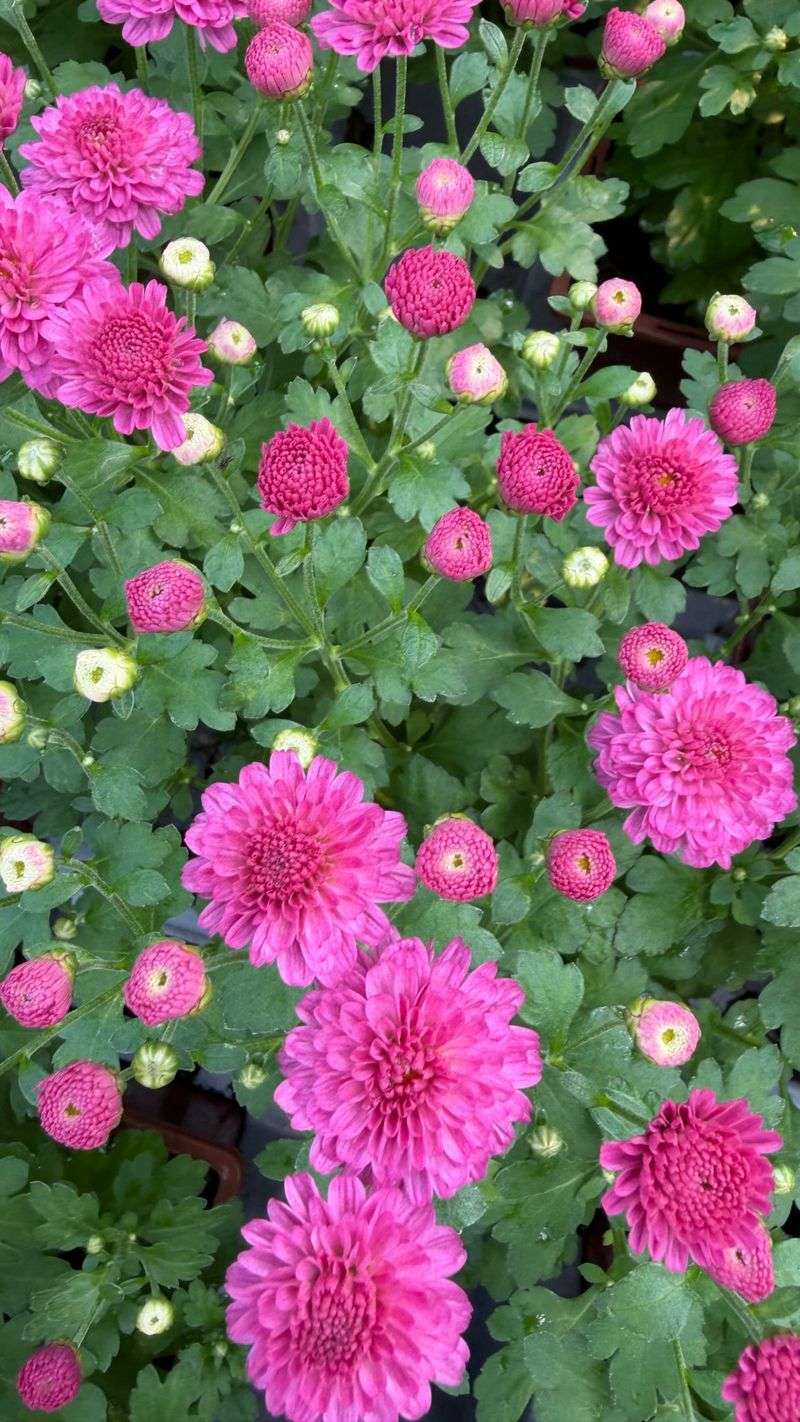
Water is powerful, but it is not magic. Even perfect watering cannot fix problems that started with poor planning.
Timing sets the stage. A mum planted too late in the season may not settle in before cold weather, and no amount of water changes that.
Light matters just as much. A mum stuck in deep shade will stay dull and thin, even if you water it flawlessly every day.
Think of watering as protection, not a rescue. It keeps a well-placed, healthy mum looking full, but it cannot undo a rough start.
Severe stress leaves marks too. A plant battered by extreme heat or long neglect may struggle no matter how carefully you care for it later.
Good choices come first. Plant early enough, pick a sunny spot, and start with a strong, healthy mum for the best results.
Once those pieces are in place, water becomes your finishing touch. Steady moisture then keeps the color rich and the blooms plentiful.
This is why the whole plan works together. Sun, timing, drainage, and water each play a part in that full fall display.
Skip a step and the others cannot fully make up for it. Balance is what turns a good mum into a great one.
So treat watering as one key habit among several. Get the timing and placement right, then water well, and your mums will reward you with the boldest, fullest color of the season.