The Giant Ohio Garden Spider That Looks Much Scarier Than It Is
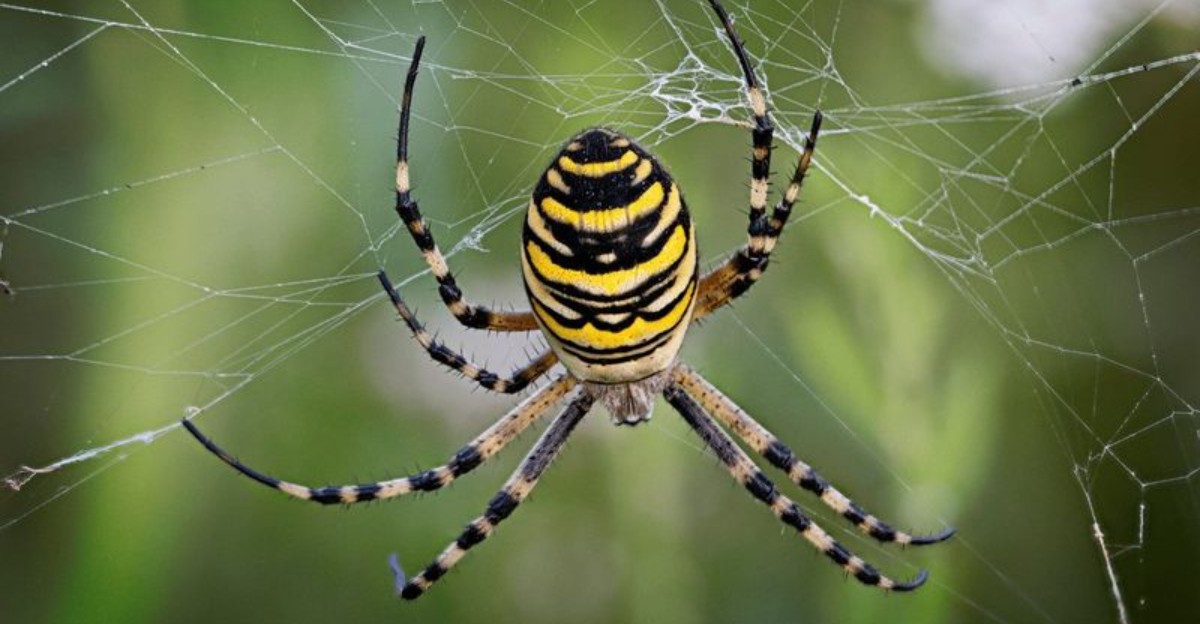
A web the width of a dinner plate stretches between two tomato stakes, a bold zigzag stitched right down its center like a warning label nobody asked for. Whatever spun it wasn’t shy about advertising its presence.
Right in the middle sits a body no bigger than a thumbnail, blazing yellow and black, looking like it escaped from somewhere far more tropical than a backyard in Ohio.
The usual reaction involves a sharp intake of breath, a step backward, and a sudden reluctance to walk anywhere near that corner of the yard again.
It has all the makings of something dangerous: bold colors, an unsettling size, a web built like a trap. Yet the reality flips that assumption on its head.
This particular garden resident turns out to be one of the least threatening things crawling around outside, and one of the most useful. So what exactly is hiding in that web?
1. Black-And-Yellow Garden Spider Has A Body Built To Turn Heads
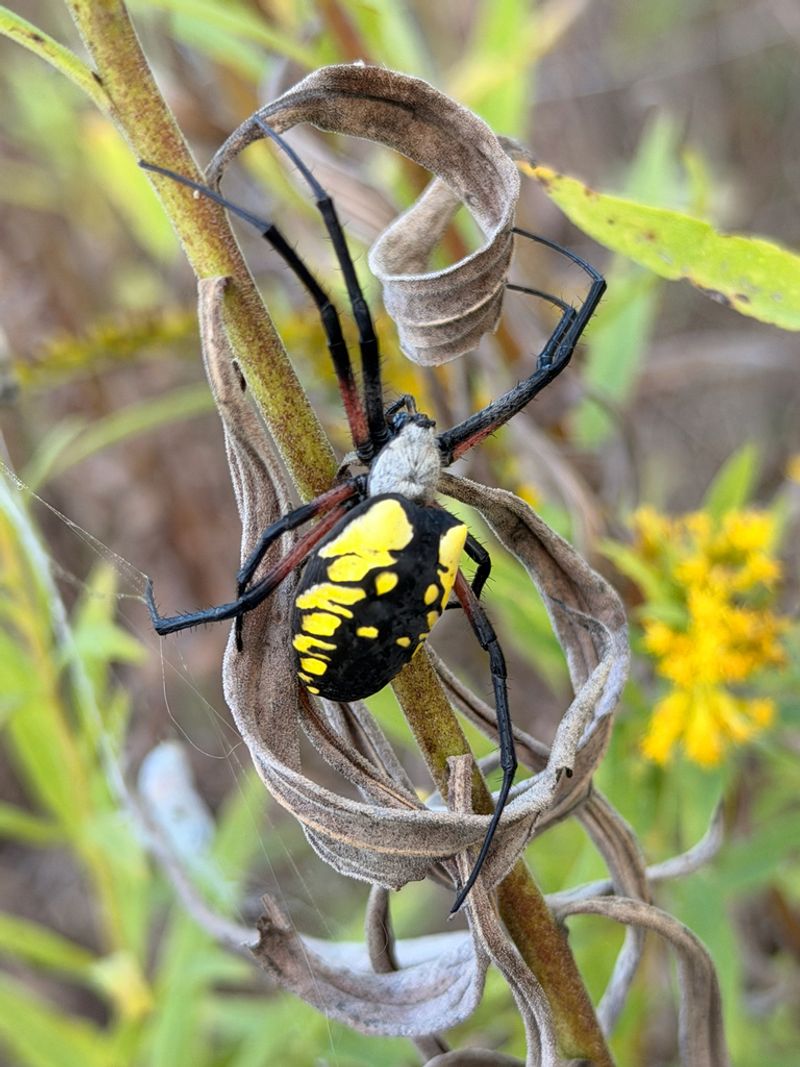
The spider in your garden is likely the black-and-yellow garden spider (Argiope aurantia), a familiar orb-weaver found throughout Ohio and much of North America.
Bright as a school bus and boldly patterned, this spider makes a strong first impression. The female wears vivid yellow and black zigzags across her oval abdomen, and that alone grabs attention.
Look closer and you will spot her cephalothorax, the fused head and thorax section, dressed in whitish, silvery hairs. It gives her a slightly furry, polished look up top.
Her body stretches to roughly one inch long, about 2.5 centimeters. Add those extended legs and her total reach can hit three inches, sometimes more, which is why folks gasp when they see her.
Males play a much smaller role in the size department. They usually measure just 0.20 to 0.35 inches, or about 5 to 9 millimeters, making them easy to overlook beside the females.
The dramatic coloring is not just for show either. Scientists believe those bold markings may serve several purposes, including communication and possibly helping the spider blend into its surroundings.
So when you meet one, remember the flashy outfit is normal wardrobe. She is simply a well-dressed hunter waiting patiently at the center of her handiwork.
2. Ohio’s Homegrown Giant
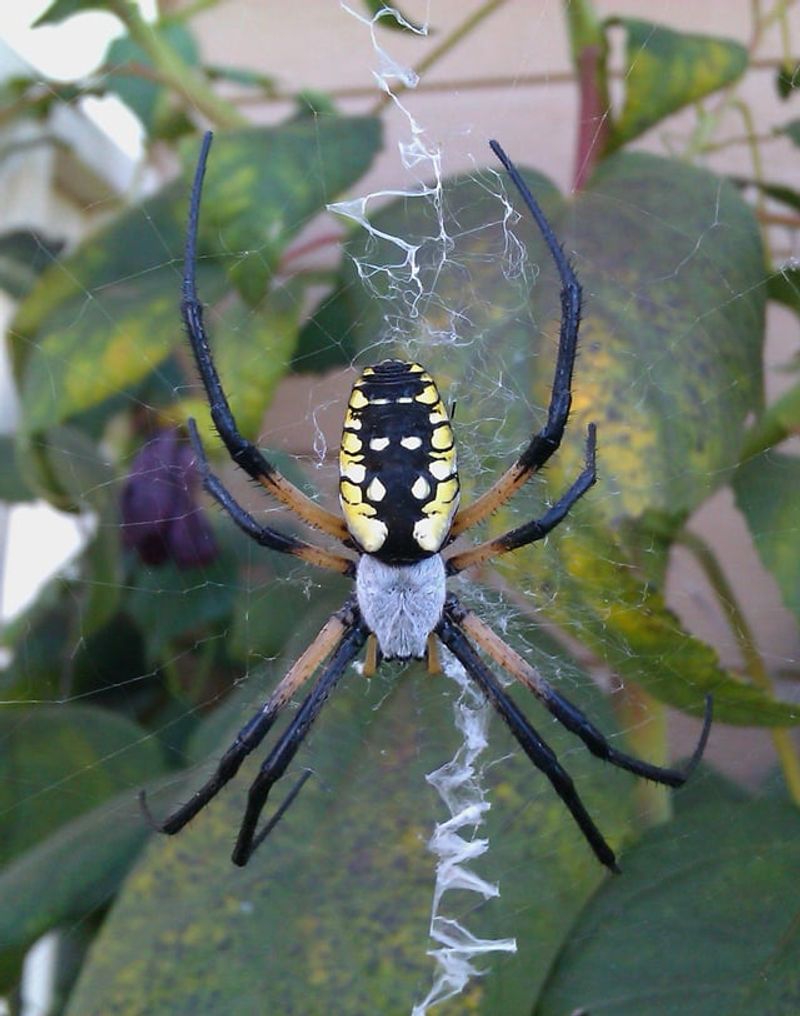
Across the lower 48 states, the black-and-yellow garden spider (Argiope aurantia) shows up in fields, gardens, and fencerows. Ohio is no exception, and here it earns a reputation as one of the largest spiders around.
Gardeners often spot the females first, thanks to those long legs that make them look enormous. Set against tomato plants or tall flowers, they seem to appear out of nowhere.
The impressive leg span is a big reason people notice them so quickly. A spider this size stretched across a sunny web is tough to miss during a stroll outdoors.
You will most likely find them in vegetated spots where insects buzz around. Sunny garden edges, meadows, and shrubby corners offer plenty of prey and good anchor points for webbing.
Even though the nickname “giant” sounds alarming, it refers to size compared to other local spiders. Ohio simply does not host many arachnids that grow this noticeable.
Your Ohio Garden Changes Every Week. Your Plan Should Too.
Gardening in Ohio changes quickly throughout the season. Every Friday you’ll receive a simple weekly plan showing exactly what to plant, prune, fertilize, harvest, and protect so you never miss the right timing.
Think of them as seasonal residents rather than intruders. When one settles near your porch or garden bed, it has chosen a spot rich with the bugs it loves to catch.
3. Master Web Builder With A Signature Design
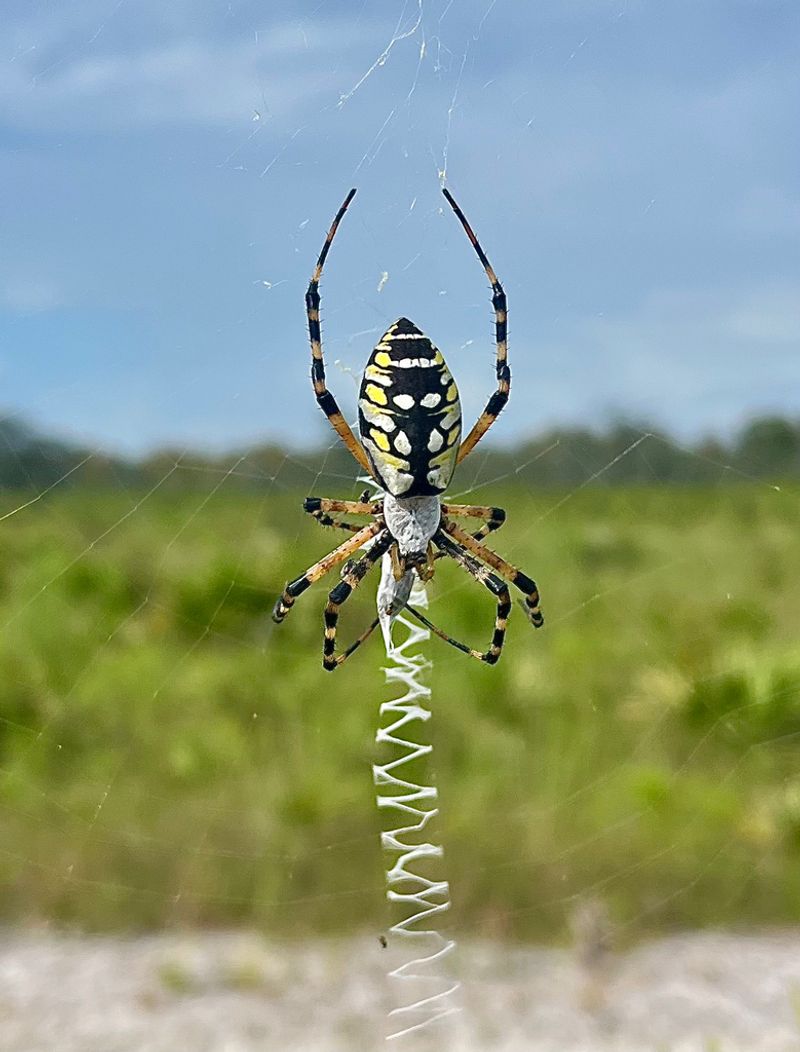
Few backyard artists work as neatly as this orb-weaver. It spins large circular webs that can stretch several feet across when conditions are right.
The real showstopper sits right in the middle. A thick, zigzagging band of silk called a stabilimentum runs through the center, almost like a personal signature stitched into the design.
Scientists still debate what that zigzag actually does. Some think it camouflages the spider, others believe it warns birds away so they do not crash through, and a few suggest it lures insects closer.
Whatever the reason, the pattern makes these webs easy to recognize once you know the trick. Spot that bold zigzag and you can guess the resident before you even see her.
Building such a web takes real effort and gets rebuilt often to stay sticky and strong. The spider recycles old silk and refreshes the trap so it keeps working.
Next time you pass one glimmering in morning dew, take a second look. You are staring at engineering that took millions of years to perfect.
4. A Gardener’s Secret Pest Patrol
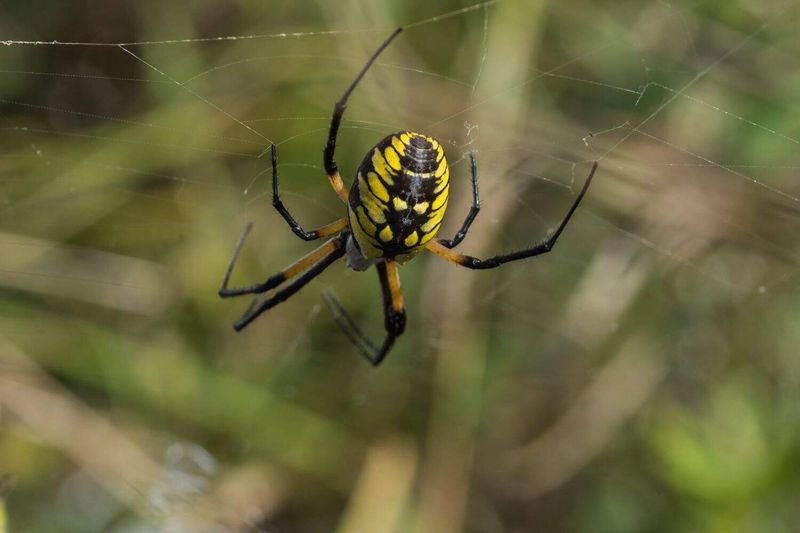
Here is the plot twist that changes everything: this spider is on your side. As a meat-eating hunter, it works as a natural pest patrol right in your flower beds.
Its web can capture a wide variety of insects, including flies, grasshoppers, and other small creatures that pass through the garden.
Every insect it catches is one fewer pest chewing your plants or buzzing your picnic. That makes the spider a quiet helper you never have to pay or feed.
By catching some insects that wander through the garden, these spiders can contribute to the natural balance of backyard ecosystems. The web acts like a free, all-natural bug catcher that runs day and night.
Because it thins out biting and chewing insects, you may lean on sprays and traps a little less. That is a win for you and for the other helpful creatures visiting your yard.
So rather than sweeping the web away in fear, consider leaving it be. That striped guardian is guarding your garden, working the graveyard shift so your plants can thrive without extra help.
5. Big Looks, Bashful Behavior
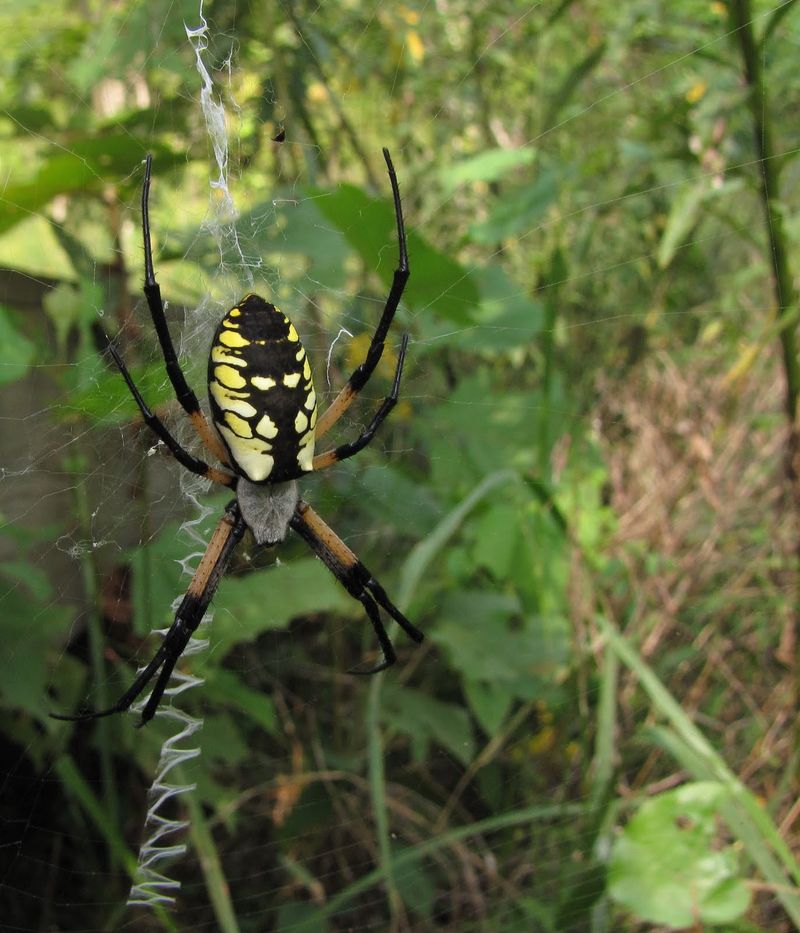
Do not let the dramatic size trick you into thinking this is a bully. Despite an imposing look, the black-and-yellow garden spider is calm and rarely wants anything to do with people.
When something big approaches, its first plan is escape, not attack. It would rather duck away or drop straight off the web to hide in the leaves below.
That shy streak means encounters usually end with the spider fleeing. You are far more likely to watch it scurry off than feel it come toward you.
Because it prefers hiding over confrontation, gardeners can work nearby without much worry. Give it a little space and it happily minds its own business.
The scary reputation mostly comes from human imagination, not spider behavior. Bright colors and long legs spark alarm, yet the animal itself is remarkably mellow.
Think of it as a big softie in a flashy costume. Once you understand how easily it spooks, that towering web-dweller starts to feel more like a nervous neighbor than a threat lurking in your garden greenery.
6. A Nip Milder Than You Might Expect
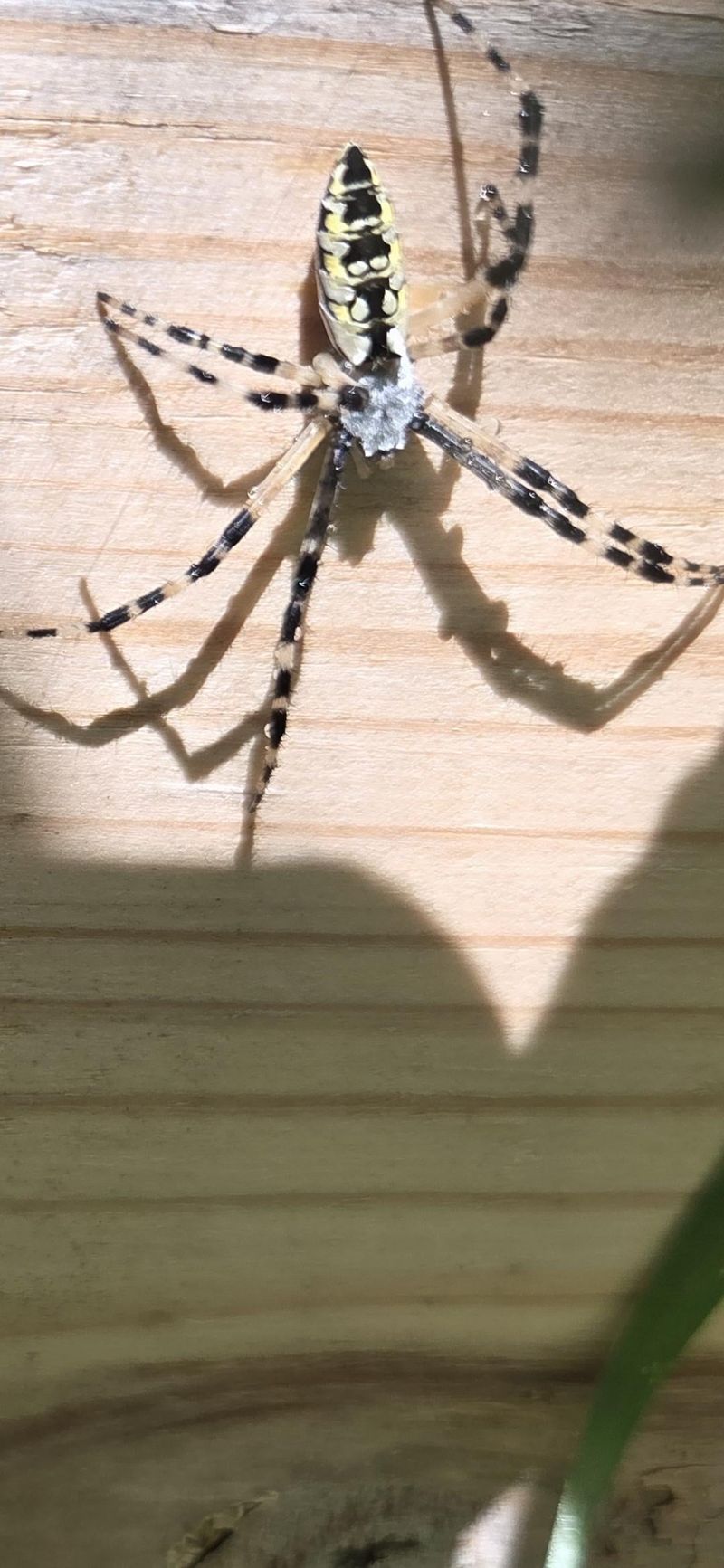
Yes, this spider carries venom, but here is the reassuring part. Its venom is not considered medically significant for most healthy people.
Bites are genuinely rare and usually happen only if the spider feels cornered or handled roughly. Leave it alone and the odds of a nip drop close to zero.
When a bite does occur, most folks compare it to a bee or bumblebee sting. Expect mild local soreness, a bit of redness, or slight swelling that fades on its own.
The sensible approach mirrors how you might act near a beehive. Give the same gentle caution around very young children, older adults, or anyone with a weakened immune system.
For the average person, though, there is little cause for panic. Wash the spot, apply something cool, and keep an eye on it as you would any small sting.
Respect goes a long way with any wild creature. Watch this one from a comfortable distance, resist the urge to poke it, and both you and the spider will get along just fine.
7. A Life That Fits Into One Year
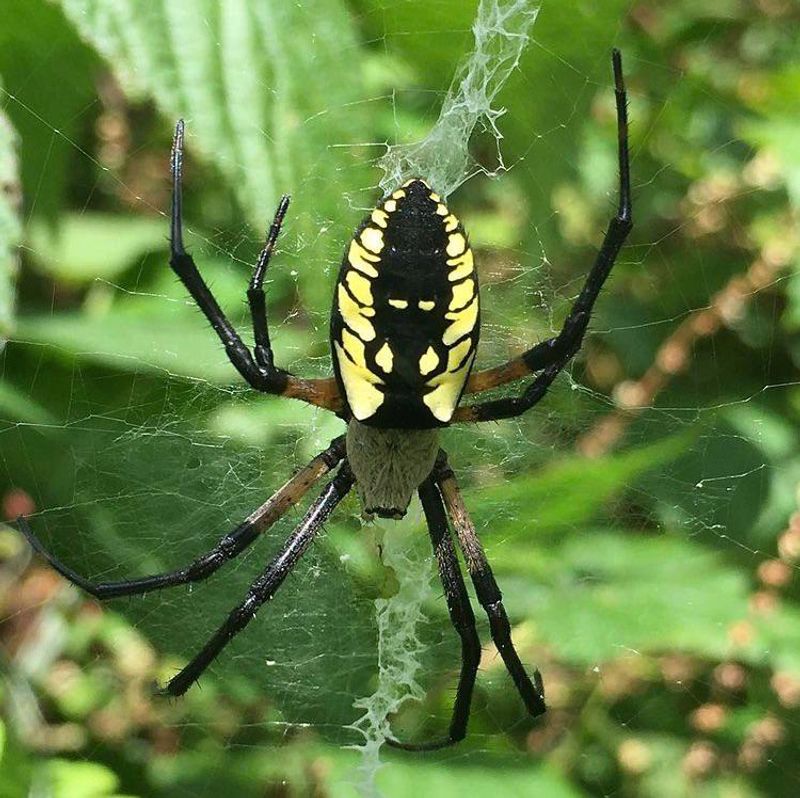
Time moves fast for these striped spinners. For Argiope aurantia, the black-and-yellow garden spider common in Ohio, the whole life cycle usually wraps up within a single year.
Females carry on through the warm months, hunting and building until the seasons shift. Once the first hard frost arrives, they typically fade away after finishing their egg-laying job.
Males have it even quicker. Many live just long enough to find a mate before their brief chapter closes, so their season is remarkably short.
Knowing this timeline helps explain why you see the big females most in late summer and early fall. That is when they reach full size and become the most eye-catching.
Their fleeting schedule also means the giant web on your fence is a temporary guest. Come the cold, that spot will empty out until a new generation appears.
There is a quiet beauty in packing so much living into twelve months. Every web, every meal, and every egg sac represents a busy race against the calendar, and these spiders play it out with impressive purpose each year.
8. Cozy Silk Nurseries For The Next Generation
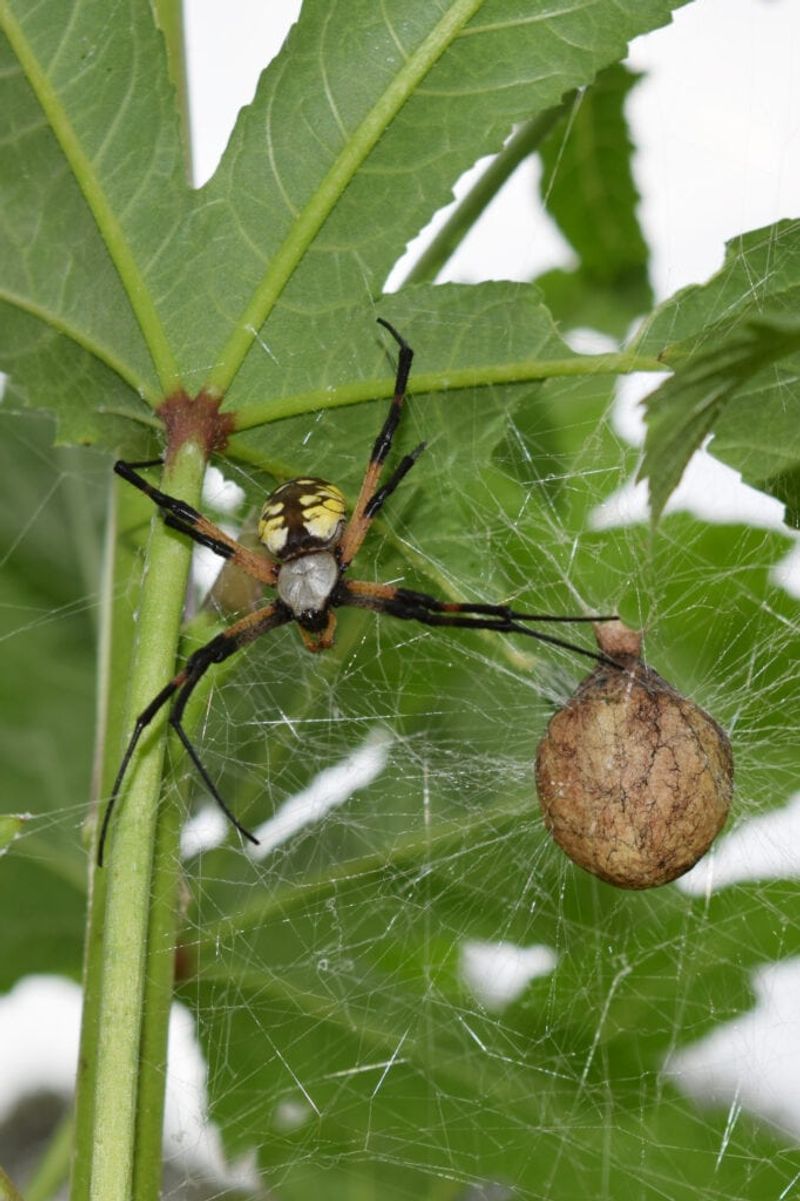
Before her season ends, the female becomes a devoted builder of nurseries. She crafts one to four round, papery egg sacs, each roughly an inch wide and packed with promise.
Inside those tidy silk balls, the numbers are astonishing. A single sac can hold anywhere from hundreds to over a thousand eggs waiting for their turn.
She anchors these sacs to plants close to her web. That placement keeps the future spiderlings sheltered and safe through the chilly months ahead.
The eggs develop inside the sac, and the young spiders typically remain protected there through the winter before emerging when conditions improve.
When spring warms the air, the little ones finally emerge. They spill out ready to spin their own miniature webs and start the cycle all over again.
These papery sacs are a clever survival trick, protecting new life against frost and hungry predators. If you spot one clinging to a stem, you are looking at next year’s garden helpers bundled up and biding their time until the weather invites them out.
9. The Blur Trick That Baffles Enemies
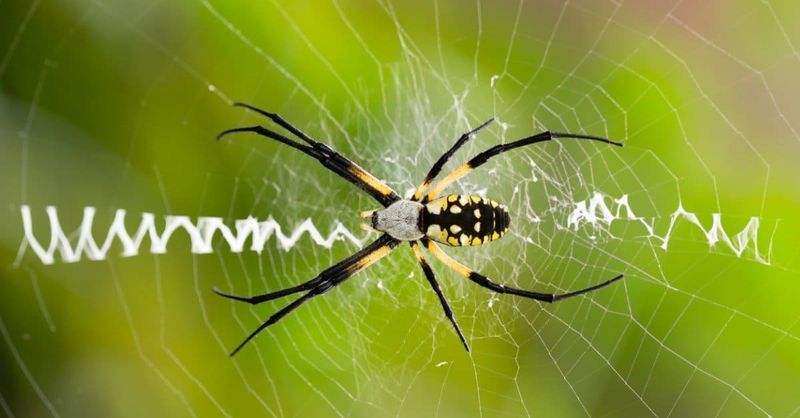
When trouble shows up, this spider has a wild move up its sleeve. If a large animal comes close, the female can shake her entire web with surprising force.
That vigorous vibrating turns her into a fuzzy, hard-to-focus target. To a curious predator, she suddenly looks blurry and tricky to grab, which often buys her a getaway.
The same shimmy does double duty during a hunt. When prey lands in the silk, flexing the web can tangle the victim even deeper into those sticky strands.
It is a clever defense and offense rolled into one bouncy motion. Few backyard creatures can claim a trick this creative for both dodging danger and catching dinner.
Watching it happen is genuinely fun once you know what you are seeing. The web ripples, the spider blurs, and the whole scene looks almost like a magic act.
So if you notice one bouncing wildly, you have witnessed its clever safety plan in action. Rather than a threat display aimed at you, it is a nervous performer trying to stay out of harm’s way and secure a meal.