The September Planting Mistake That Causes Oregon Shrubs To Fail
A new shrub can look like the perfect addition to your Oregon yard. The hole is dug, the soil is ready, and that fresh plant gives the garden an instant sense of possibility.
Then months later, it struggles, declines, or never quite takes off the way you expected.
The problem is not always the shrub itself. Sometimes the way it is planted during this seasonal transition can set it up for a much harder adjustment than necessary.
September can be an appealing time to add new plants because the intense summer heat is easing and the garden feels easier to work in. But timing alone does not guarantee success.
Small choices during planting can influence how well a shrub handles the months ahead.
A mistake that seems minor at installation can become much more obvious once Oregon’s wetter weather arrives. Roots, soil conditions, and drainage all play a role in whether a new shrub settles in or struggles.
Getting the foundation right from the start gives your plants a much better chance. A little extra attention during planting can prevent months of wondering why a shrub never really thrived.
1. Planting Without Checking Drainage First
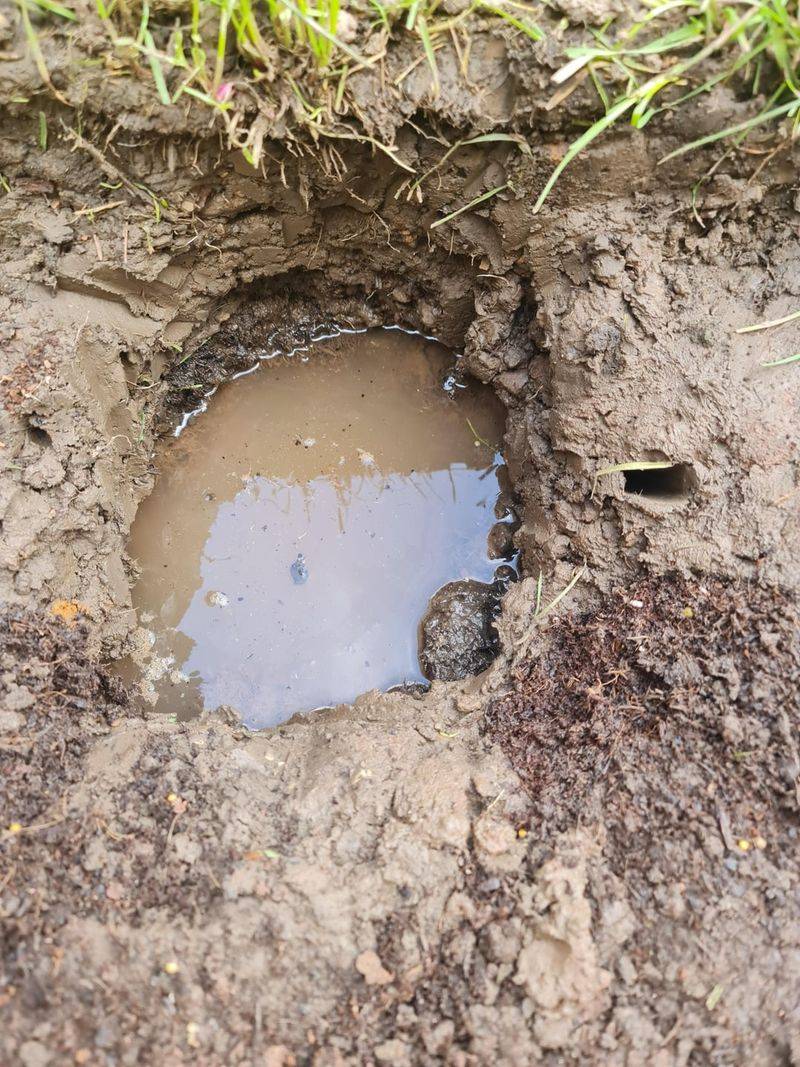
Water pooling around shrub roots is one of the fastest ways to cause serious plant problems. Many gardeners skip the drainage test and regret it by February.
Before you plant anything in September, dig a hole about 12 inches deep and fill it with water. Watch what happens over the next hour.
If the water drains away within 30 to 60 minutes, your soil is in good shape. If it is still sitting there an hour later, you have a drainage problem that needs fixing before any shrub goes in the ground.
Oregon’s wet winters will only make that problem worse.
Poor drainage suffocates roots because waterlogged soil pushes out the oxygen that roots need to function. Even drought-tolerant shrubs struggle when their roots sit in soggy conditions for weeks at a time.
The fix is simpler than most people think. You can raise the planting area with amended soil, add compost to loosen compacted ground, or choose a different spot altogether.
Some soils have a dense clay layer just beneath the surface that traps water like a bowl. Breaking through that layer with a garden fork before planting can make a big difference.
Checking drainage takes about an hour of your time, but it can save months of frustration later in the season.
2. Burying The Root Ball Too Deep
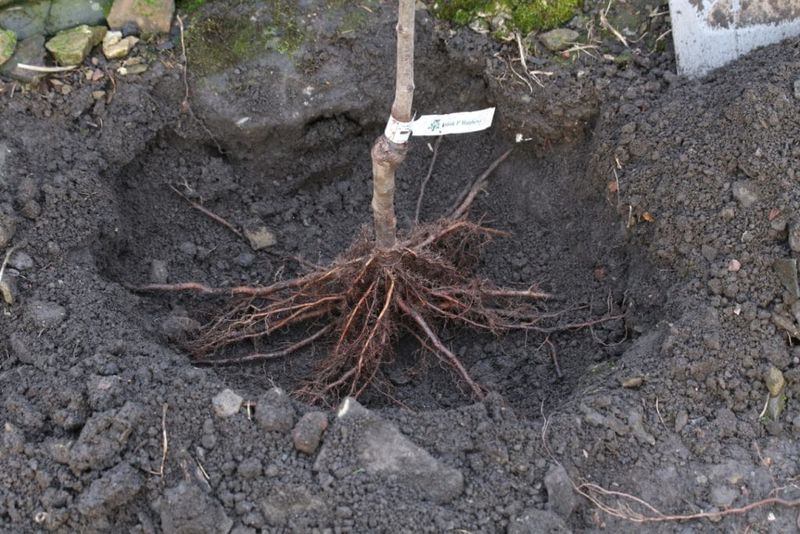
Planting a shrub too deep is a mistake that does not show up right away, which makes it especially tricky. The shrub might look fine for a few weeks after planting.
Then, as fall turns to winter and the wet season sets in, things start to go wrong underground where you cannot see them.
The root flare is the spot where the trunk of a shrub widens just before it meets the roots. That area needs to sit at or slightly above the soil surface.
Your Oregon Garden Changes Every Week. Your Plan Should Too.
Gardening in Oregon changes quickly throughout the season. Every Friday you’ll receive a simple weekly plan showing exactly what to plant, prune, fertilize, harvest, and protect so you never miss the right timing.
When it gets buried, moisture builds up around the bark and creates conditions that weaken the plant over time.
A lot of gardeners bury shrubs too deep because the plant looks more stable that way. It feels secure when packed in with extra soil.
But stability above ground does not mean the roots are happy below it. Roots need air, and burying them too deep limits how much oxygen they can access.
When planting in September, take the time to measure the depth of your hole against the height of the root ball. The top of the root ball should be level with the surrounding soil, or just a tiny bit higher.
Backfill gently, water it in, and avoid mounding soil up around the base of the stem. That small detail makes a meaningful difference in how well your shrub establishes through fall and winter.
3. Choosing A Spot With The Wrong Light
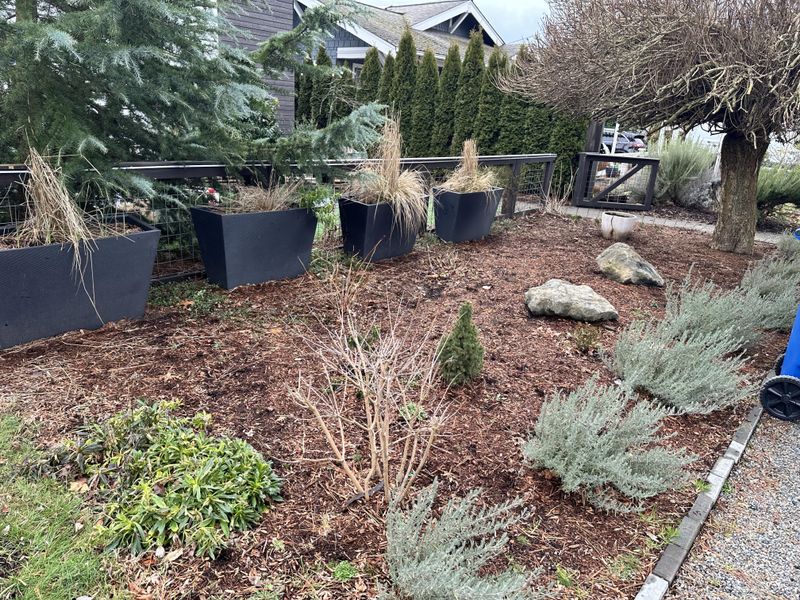
September light can be misleading. The sun sits lower in the sky, shadows are longer, and a spot that looked bright in July might be mostly shaded by fall.
Many gardeners pick a planting location based on how it looked during summer, not realizing conditions have already changed.
Shrubs that need full sun require at least six hours of direct sunlight per day to grow well. If you plant a sun-loving shrub in a spot that only gets two or three hours of light in September, it will struggle to build the energy reserves it needs before winter arrives.
Weak roots going into the cold season is never a good sign.
Shade-tolerant shrubs have the opposite problem when placed in too much sun. The heat stresses them out, dries the soil faster, and can scorch leaves even in September’s milder temperatures.
Matching the right plant to the right light level is one of the most basic rules of gardening, but it gets overlooked more often than you might expect.
Before you dig, observe the spot at different times of day. Morning sun, midday exposure, and afternoon shade all matter.
Check the plant tag or look up the shrub’s light requirements online. Oregon’s coastal areas, valley floors, and eastern regions all have different sun patterns, so knowing your local conditions helps you make a smarter choice from the start.
4. Skipping Watering After Planting
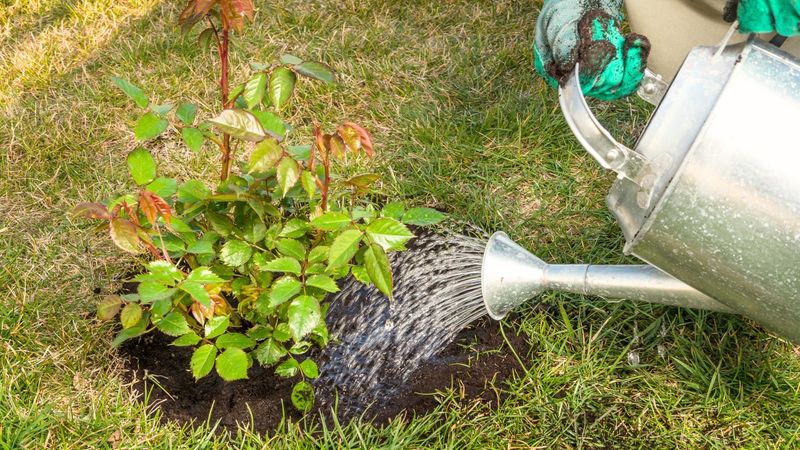
Many gardeners assume that September rain in Oregon will handle the watering for them. That thinking makes sense on the surface, but early fall weather can still be dry, especially in the Willamette Valley and southern parts of the state.
Rainfall in September is often unpredictable and not always enough to keep newly planted shrubs hydrated.
A freshly planted shrub has had its roots disturbed and needs consistent moisture to start connecting with the surrounding soil. Without regular watering in the first few weeks, roots cannot spread outward.
They stay cramped and stressed, which slows establishment significantly. A shrub that does not establish well before winter is much more vulnerable to cold snaps and frost.
Watering after planting is not about drenching the soil every day. It is about keeping the root zone evenly moist while the plant adjusts.
Check the soil a few inches down with your finger. If it feels dry, it is time to water.
If it feels cool and slightly damp, you can wait another day or two.
Adding a two to three inch layer of mulch around the base of the shrub helps hold moisture in the soil between waterings. Keep the mulch a few inches away from the stem to allow airflow.
Even if rain arrives, check your plants regularly during the first month. Consistent moisture in those early weeks is one of the biggest factors in whether a September-planted shrub thrives or struggles.
5. Adding Too Much Fertilizer At Planting Time
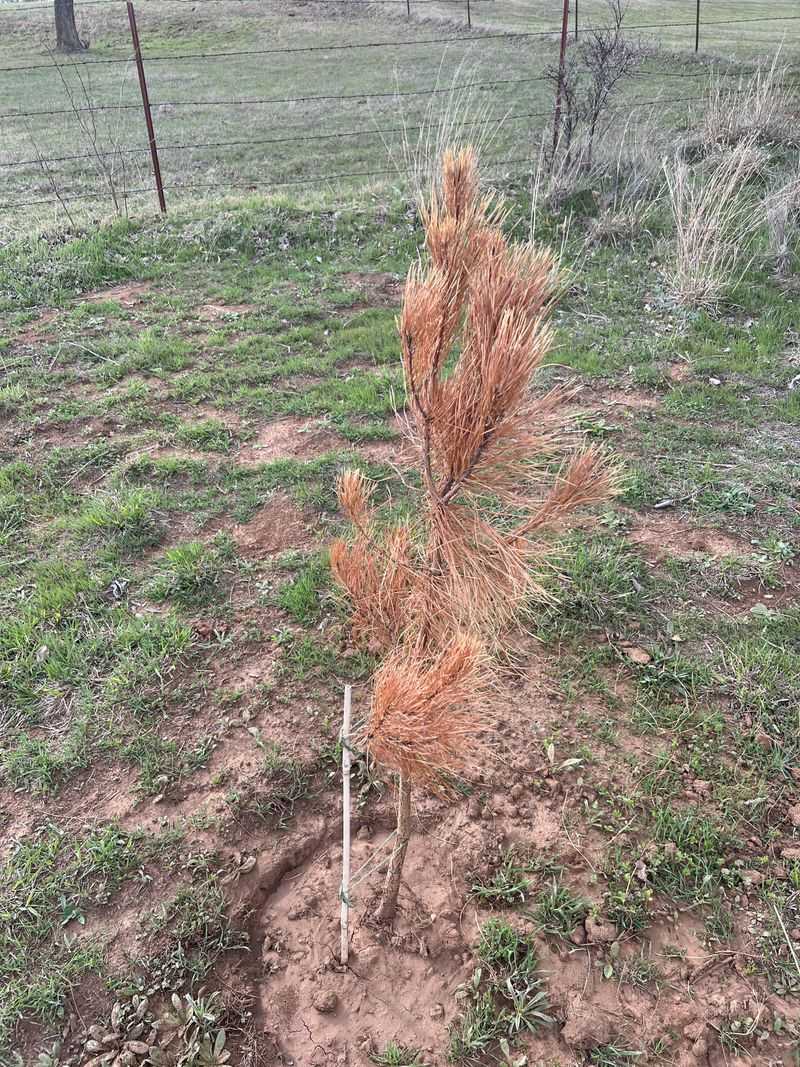
Fertilizer feels like a helpful gift for a new plant, but timing matters more than most people realize. Adding a heavy dose of fertilizer at planting time in September can actually cause more harm than good.
Strong fertilizers push plants to produce new leafy growth, and that is the last thing a shrub needs heading into fall.
New growth that appears in late September or October is soft and tender. When temperatures drop and frost arrives, that fresh growth gets damaged easily.
The plant then has to spend energy dealing with that damage instead of focusing on root development, which is what really matters in the fall season.
Roots are the priority in September. A shrub that builds a strong root system before winter is much better positioned to grow vigorously in spring.
High-nitrogen fertilizers work against that goal by redirecting the plant’s energy upward instead of downward. That is a trade-off that rarely works out well for fall-planted shrubs.
If you want to give your new shrub a boost, use a slow-release fertilizer with a low nitrogen content, or skip fertilizer entirely at planting time. A handful of compost mixed into the backfill soil is a gentler option that improves soil structure without pushing unwanted growth.
Wait until the following spring to apply a balanced fertilizer, when the shrub is actively growing and can actually benefit from the extra nutrients.
6. Ignoring The Plant’s Mature Size
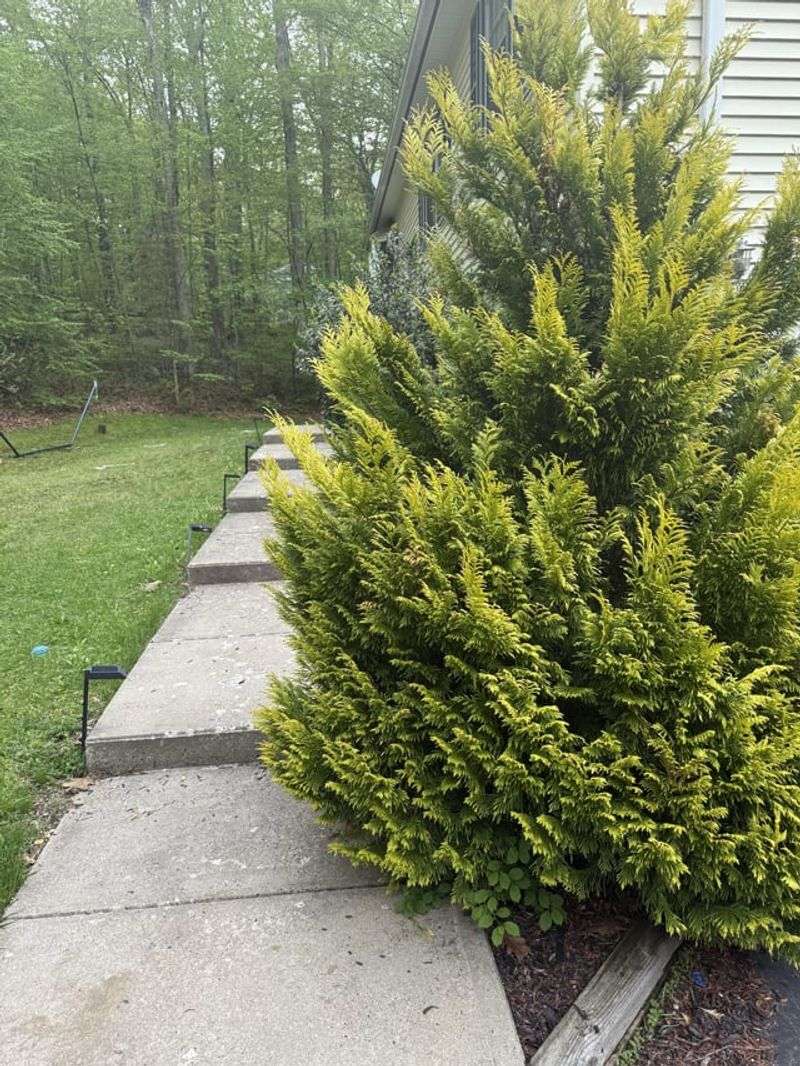
A shrub that fits perfectly in a one-gallon pot at the nursery can grow into a six-foot-wide behemoth within a few years. Gardeners often underestimate mature size because the plant looks so small at purchase.
September is a great time to plant, but putting a large-growing shrub in a tight spot creates problems that get harder to fix over time.
When shrubs are crowded, they compete for water, nutrients, and light. The plants that lose that competition end up looking scraggly and uneven.
Overcrowded shrubs also have poor airflow around their leaves and branches, which creates conditions where fungal problems can develop more easily, especially in Oregon’s damp fall and winter weather.
Reading the plant tag before you buy is the simplest way to avoid this mistake. Look for the expected height and width at maturity, not just the current size.
Give each shrub enough space to reach its full size without running into fences, walls, or other plants. That spacing might look too generous when the plant is young, but you will appreciate it later.
Planning for mature size also means thinking about what is above and below the planting site. Overhead power lines, roof overhangs, and underground pipes can all be affected by a shrub that grows larger than expected.
A little research before you plant saves a lot of pruning, frustration, and replanting down the road. Choosing the right size shrub for the right space is one of the smartest gardening decisions you can make.
7. Leaving Roots Crowded In The Container
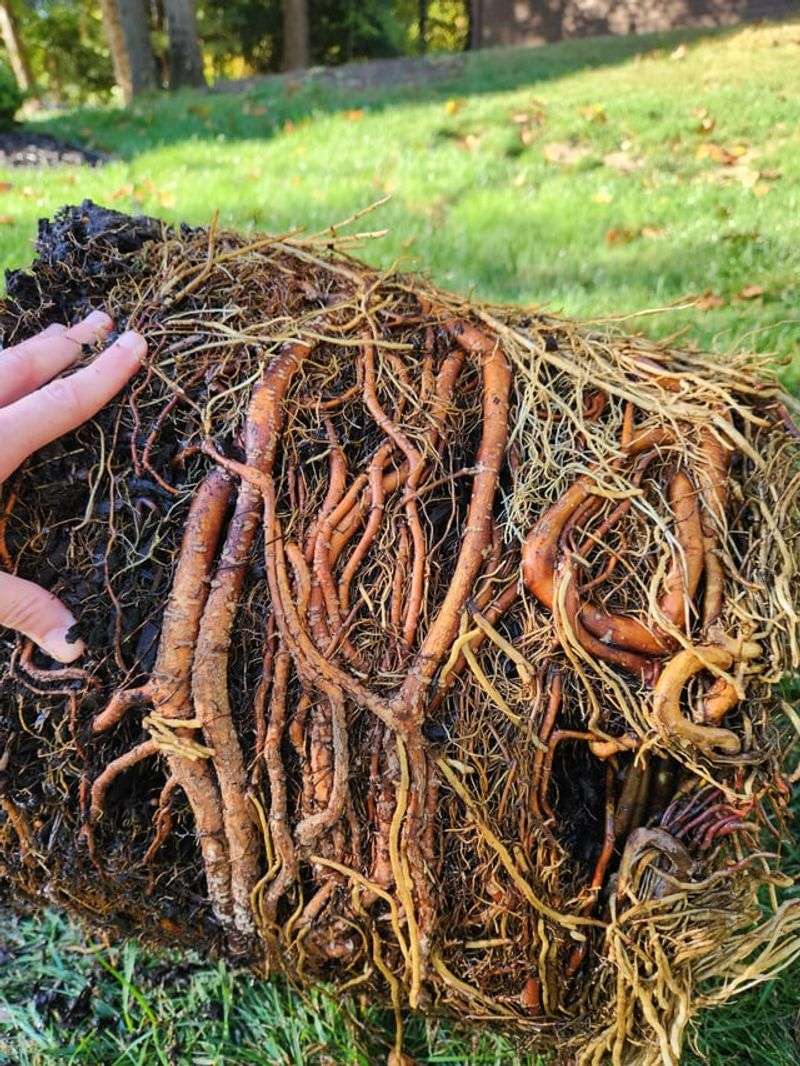
Nursery shrubs spend months or even years growing in containers. Over time, roots hit the edges of the pot and start circling around the inside.
By the time you bring a plant home, those roots can be tightly wound and packed together in a dense mass. Planting a shrub in that condition without loosening the roots first is a common September mistake.
Circling roots do not naturally uncurl and spread outward on their own once they are in the ground. They keep growing in the same tight pattern they learned in the container.
Over time, those circling roots can wrap around the base of the plant and restrict its ability to take up water and nutrients properly.
Before planting, gently loosen the outer roots with your fingers or a hand fork. If the roots are very tightly bound, you can use a knife to make a few shallow vertical cuts down the sides of the root ball.
This encourages new root growth to spread outward into the surrounding soil rather than continuing to circle inward.
Soaking the root ball in a bucket of water for 30 minutes before planting is another helpful step, especially if the soil in the container is dry. Well-hydrated roots make contact with new soil more effectively and begin establishing faster.
Taking a few extra minutes to address root crowding at planting time gives your shrub a much stronger foundation for surviving Oregon’s fall and winter conditions.
8. Good Preparation Makes Fall Planting Successful
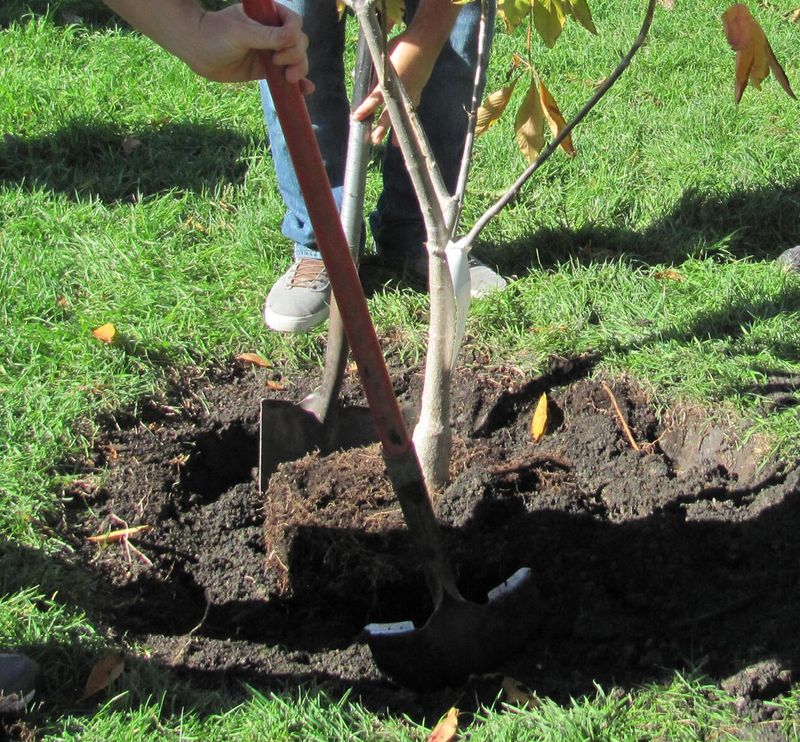
Everything covered in this article points toward one simple truth: preparation is what separates a thriving shrub from a struggling one. September planting in Oregon has real advantages, including cooler soil temperatures and the promise of winter rain.
But those advantages only pay off when the groundwork is done correctly before the plant goes in the hole.
Start by picking the right shrub for your specific location. Consider your soil type, drainage, light levels, and how much space the plant will eventually need.
Oregon’s diverse regions mean that a shrub that thrives on the coast might not perform the same way in the Cascades or the high desert. Doing a little homework before you shop saves a lot of guesswork later.
Amend your soil with compost to improve structure and drainage. Loosen any compacted areas so roots can spread easily.
Set the root ball at the correct depth, tease out any circling roots, and water the plant in thoroughly after planting. Add a layer of mulch to protect the soil and hold moisture through the drier stretches of fall.
Check on your new shrubs regularly during the first four to six weeks. Adjust watering based on rainfall and soil moisture, not just the calendar.
A shrub that gets attentive care during its first fall in the ground is far more likely to reward you with strong growth come spring. Good preparation is not complicated.
It is just a matter of paying attention to the details that matter most.