The Native Florida Plant That Covered Ancient Pine Forests Before Settlement – And Is Making A Comeback
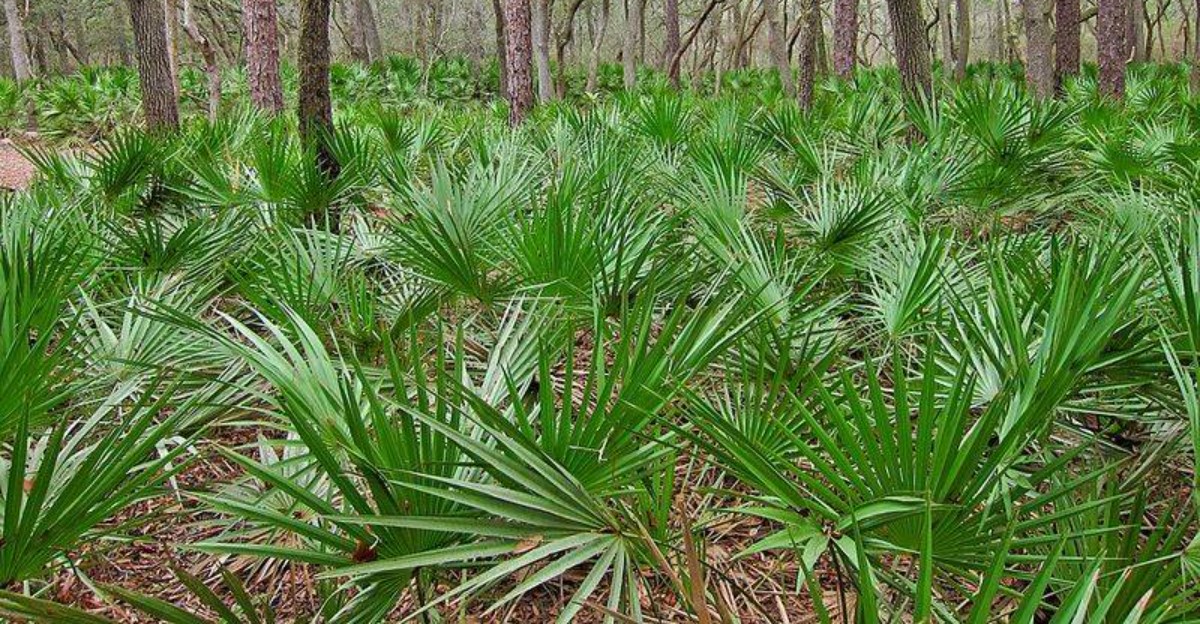
Walk almost any patch of wild land in Florida and you’ll eventually run into low, spiky clusters that seem to be everywhere at once, tangled along the ground, spreading in every direction like they own the place. That’s not by accident.
Long before roads and subdivisions carved up the landscape, this exact plant carpeted the floor beneath towering pine forests across huge stretches of the state. It didn’t disappear when the land changed.
It just got pushed to the margins, clinging to preserves, easements, and the edges of undeveloped lots while everything around it got paved over.
Now it’s spreading back into places it hasn’t grown in decades, showing up in restoration projects and along protected land where those old pine forests are slowly getting rebuilt.
So what exactly is this plant that outlasted the landscape it was born into?
1. A Fan Palm That Prefers Crawling Over Climbing
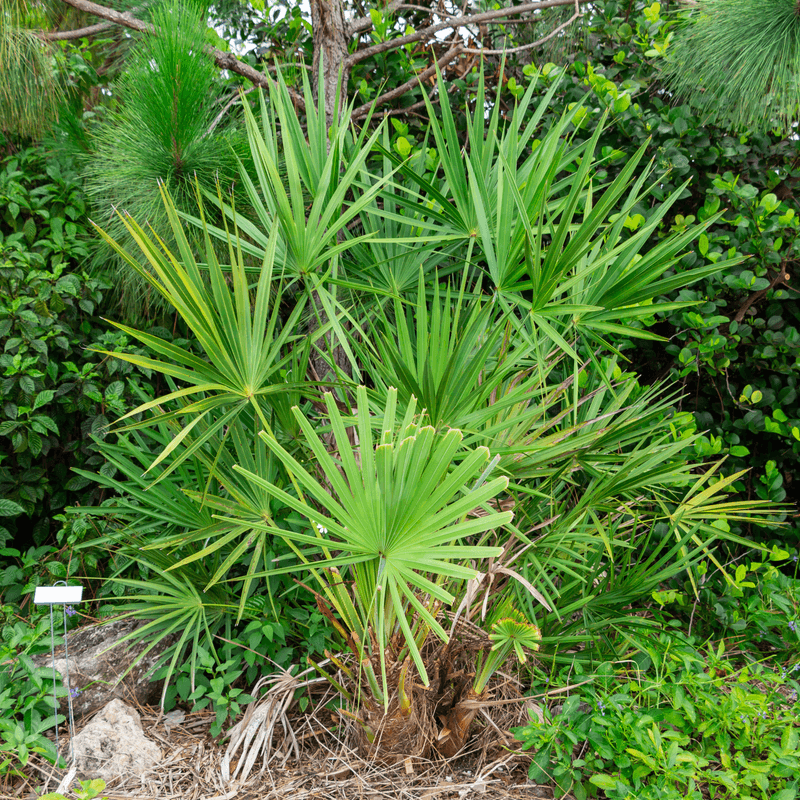
Serenoa repens breaks the palm tree stereotype in the best way. Instead of shooting a trunk toward the clouds, it sends thick stems creeping sideways along the sand, sometimes just under the surface.
Those crawling stems are the secret to its spreading habit. One plant slowly widens into a dense thicket, and neighboring thickets grow together until the forest floor looks upholstered in stiff green fans.
The fronds themselves fan out like open hands, usually two to three feet across, in shades from deep green to a frosty silver-blue along coastal areas. Leaf stalks carry rows of small spines, which is exactly where the saw part of the name comes from.
Growth happens at a patient pace. A stem may extend only a fraction of an inch each year, so a wide colony represents an enormous amount of time.
Some older plants can develop upright trunks and rise several feet above the ground, especially where fire has been absent for long periods. Botanists usually find those tall specimens in protected spots where fire has stayed away for decades.
For gardeners, the low sprawling habit makes it a natural hedge that needs no trimming. Just give it room, because pushing past those spiny stalks in shorts is a lesson learned once.
2. Some Clumps Are Older Than Most Countries
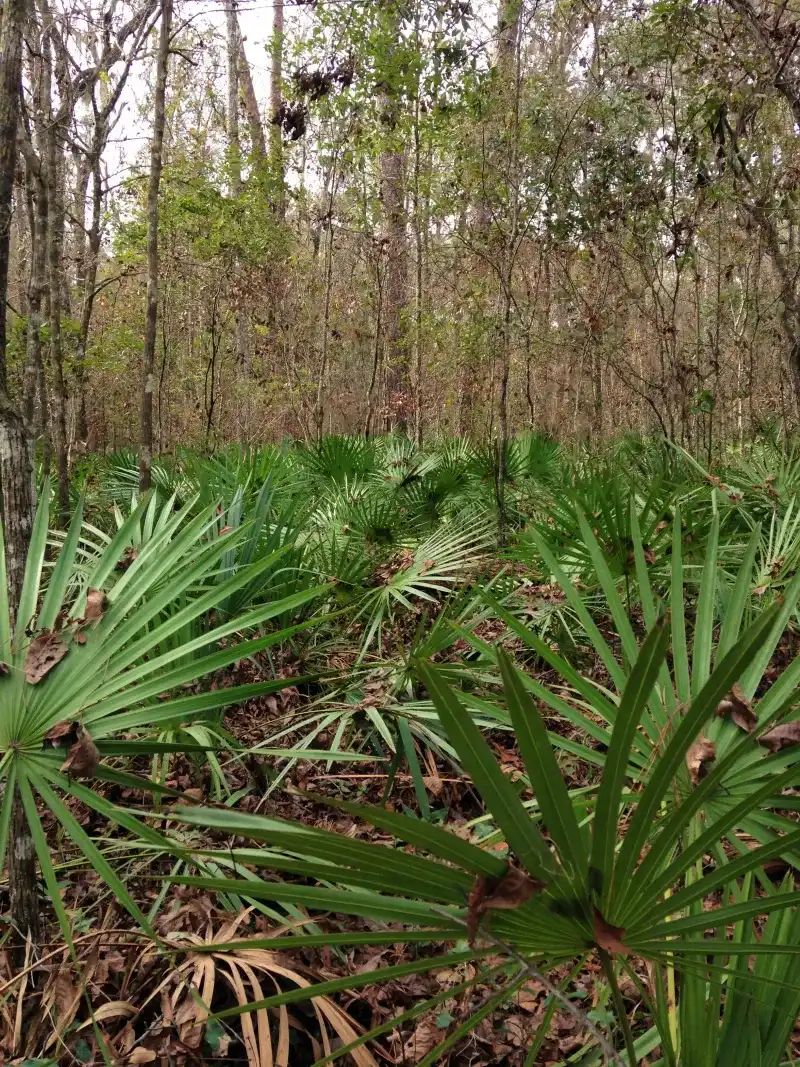
Some saw palmetto clones are believed to be centuries old, although exact ages are difficult to determine because the plant continually renews itself through underground stems.
That means some were already established when Spanish ships first appeared off the coast.
Clonal colonies push the timeline into truly strange territory. Some estimates for connected clonal colonies have suggested lifespans reaching thousands of years, though these calculations remain difficult to verify.
How can a low shrub outlast a redwood? The answer lies in those creeping stems, which keep producing fresh growth from the growing tip while older sections slowly break down behind them.
The organism keeps renewing itself rather than relying on a single aging trunk.
Age gets estimated by measuring stem length and comparing it against yearly growth rates, since there are no tree rings to count. Slow expansion plus enormous total size equals a very old plant.
Your Florida Garden Changes Every Week. Your Plan Should Too.
Gardening in Florida changes quickly throughout the season. Every Friday you’ll receive a simple weekly plan showing exactly what to plant, prune, fertilize, harvest, and protect so you never miss the right timing.
Knowing this changes how a bulldozer looks on a cleared lot. A thicket flattened in twenty minutes may represent centuries of quiet, steady growth that no landscaping budget can replace.
When walking a state park trail, that scratchy green understory is essentially a living historical record standing right beside the boardwalk.
3. Before Settlement, It Carpeted Florida’s Pine Flatwoods
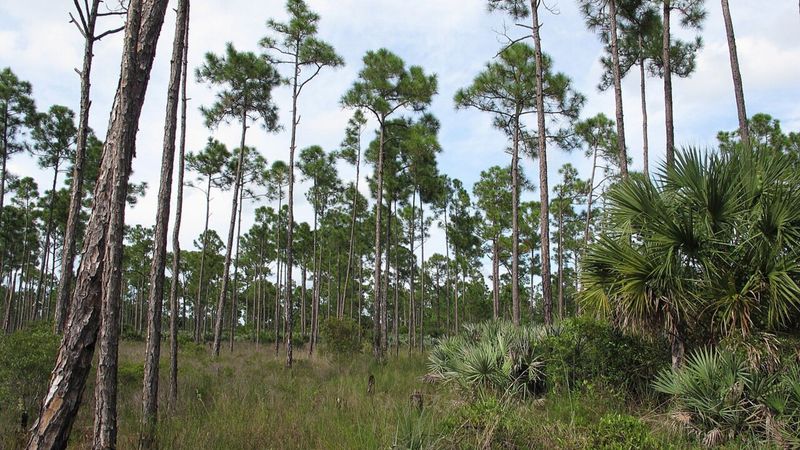
Long before highways, orange groves, and subdivisions, much of the state looked like an open pine woodland with a thick, low understory.
Saw palmetto was one of the most widespread and important understory plants across millions of acres of Florida pine ecosystems.
Pine flatwoods, scrubby flatwoods, and sand pine scrub all shared the same pattern. Widely spaced pines overhead, sunlight reaching the ground, and a continuous mat of palmetto fans below.
Early travelers wrote about pushing through those thickets for miles, which explains a few colorful complaints in old journals. What felt like an obstacle to them was actually the structural backbone of the habitat.
Development changed the picture quickly. Draining, plowing, clearing for citrus and cattle, and the spread of towns removed huge stretches of palmetto-covered ground during the twentieth century.
That loss matters more than it sounds, since the plant grows back slowly and cannot simply refill a cleared acre in a season. Restoring the look of an old flatwoods can take decades of patient management.
Land managers now use saw palmetto coverage as a clue about a site’s history. A healthy, uneven mosaic of fans and open sand usually signals ground that has stayed relatively undisturbed.
Visiting places like Ocala National Forest or Myakka River State Park offers a glimpse of that older Florida still standing.
4. Fire Is A Friend, Not A Foe
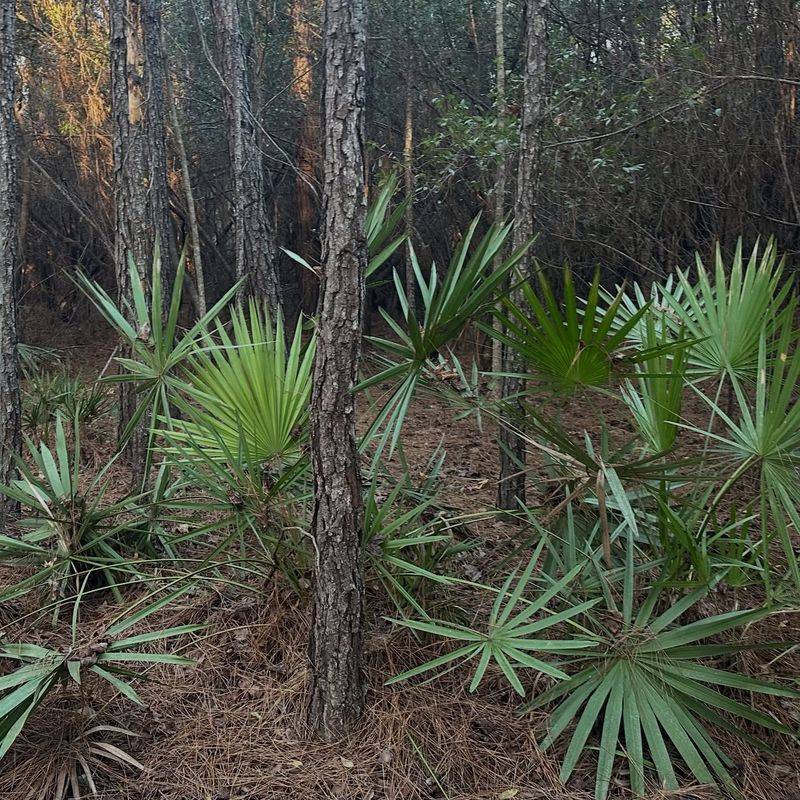
Florida experiences more lightning activity than any other state, and many of its native plants evolved with fire as part of the landscape. Saw palmetto handles them better than most.
Its growing points sit low, protected by tough leaf bases and sand, which means fire may blacken the fans while leaving the engine of the plant intact. Fresh green growth can return after fire, sometimes surprisingly quickly when conditions are favorable.
Quick regrowth gives it a big advantage over competitors that need years to recover. Regular burns also keep hardwood shrubs from shading out the open, sunny conditions that flatwoods species depend on.
Prescribed burning has become a standard tool for land managers partly because palmetto responds so reliably. Burned areas produce tender new growth that deer and other grazers seek out.
There is a flip side worth knowing. Old, unburned thickets pile up dry fronds and oily material, which can make wildfires burn hotter near homes.
Homeowners in palmetto country are usually advised to keep a maintained buffer around structures rather than removing every plant on the property.
Working with local fire and extension offices helps balance safety with keeping the habitat that makes rural Florida feel like Florida in the first place.
5. A Keystone Species Feeding Hundreds Of Animals
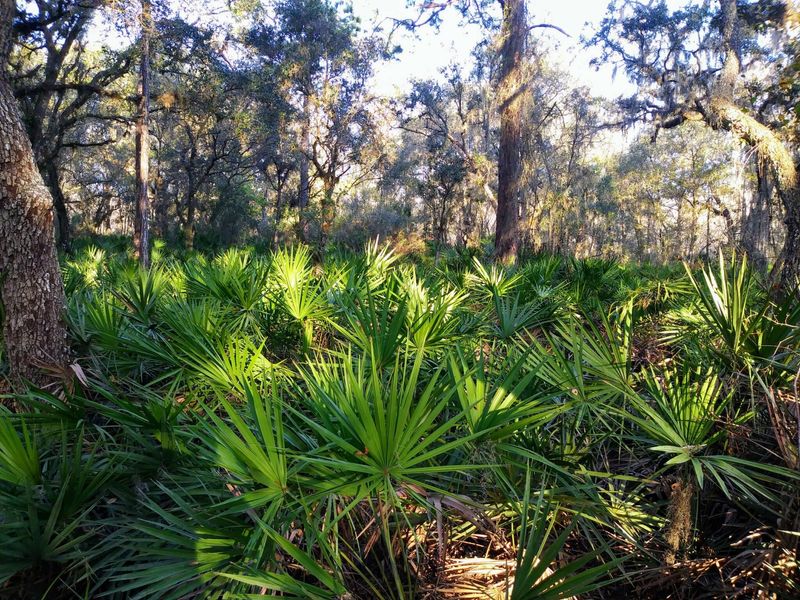
Count the guest list at this plant’s dinner table and the numbers get impressive. A wide variety of birds, mammals, reptiles, amphibians, and insects use saw palmetto for food, shelter, and cover.
Black bears fatten on the berries in late summer. Gopher tortoises browse the low growth, white-tailed deer nibble fresh fronds, and Florida scrub jays and other birds use the thickets as cover from hawks.
Underneath the fans, humidity stays higher and temperatures stay cooler, creating a refuge for frogs, snakes, and small mammals during hot, dry stretches. Insects thrive too, with palmetto flowers drawing enormous numbers of bees.
Beekeepers actually prize the bloom, since palmetto honey has its own mild, distinctive flavor and appears in farmers markets each summer.
Ecologists consider it an important foundation species in many habitats because so many organisms depend on it. Remove the thickets and the food supply, nesting cover, and shady microclimate vanish at the same time.
That is why conservation groups push back against large-scale clearing, even on land that looks scrubby and unremarkable to a passing driver.
Anyone with a rural lot can help simply by leaving existing clumps in place. An untouched thicket does more for local wildlife than almost any planting a person could install.
6. Seminole, Creek, And Timucua Uses Go Back Generations
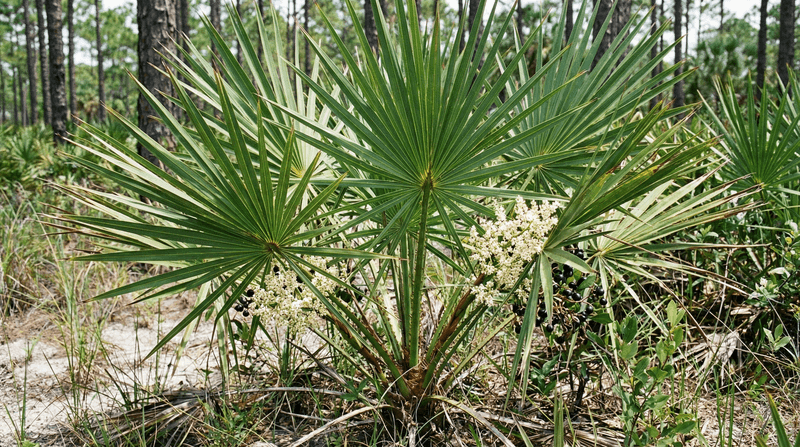
Indigenous peoples across the Southeast treated saw palmetto as a hardware store, grocery, and pharmacy rolled into one.
Indigenous communities across the Southeast developed many uses for palmetto leaves and other plant materials, including weaving and shelter construction.
Those fan-shaped leaves made excellent thatch, layered over frameworks to shed heavy summer rain. Chickee-style shelters roofed with palmetto fronds stayed surprisingly cool and could be repaired with material growing a few steps away.
Skilled weavers turned split fronds into baskets, mats, fans, and cordage. Fibers from the leaf bases became brushes and scrubbers, and later settlers borrowed the same trick for making brooms.
Berries were eaten fresh or dried, though the flavor has been described in less than flattering terms by outsiders.
Traditional preparations also addressed urinary and reproductive complaints, which is notable given what modern supplement shelves now advertise.
Early European accounts mention crews surviving on palmetto hearts and fruit when supplies ran short. The plant earned a quiet reputation as something reliable when little else was.
Learning this history adds weight to a walk through the scrub. Those stiff fans that snag hikers’ socks once furnished roofs, baskets, and remedies for communities who knew the land intimately.
Museums in our state often display woven palmetto pieces, and seeing the craftsmanship up close makes the connection much easier to appreciate.
7. Berries Turned Into A Wellness Aisle Star
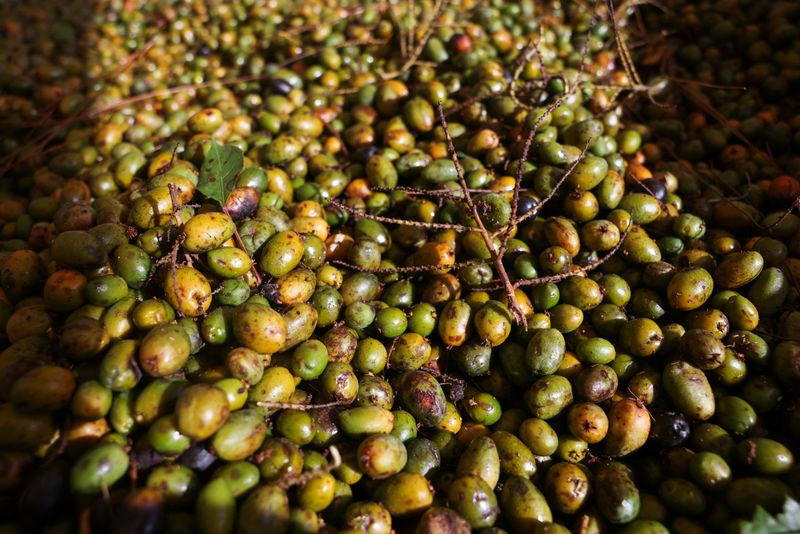
Walk down the supplement aisle and there it is, sitting between fish oil and multivitamins. Saw palmetto berry extract has become one of the better-known herbal products sold in the United States.
Most of the attention centers on prostate health. Men dealing with benign prostatic hyperplasia, often shortened to BPH, sometimes take the extract hoping to ease nighttime bathroom trips and other urinary symptoms.
Research results have been mixed rather than one-sided. Some studies have reported possible benefits, while larger reviews have found limited or inconsistent effects.
Interest in hair wellness has grown too, based on the idea that compounds in the berries may influence certain hormones tied to thinning hair. Studies there are small and preliminary, so expectations should stay grounded.
Anyone considering it should talk with a doctor first, especially before combining it with prescription medications or ahead of surgery. Urinary symptoms can also point to conditions that deserve a real medical evaluation rather than a bottle from a shelf.
What fascinates historians is the loop this plant has traveled. A remedy used by Southeastern tribes centuries ago now rides in shopping carts nationwide, still harvested from the same Florida sand.
8. Wild Harvesting Sparked A Real Conservation Fight
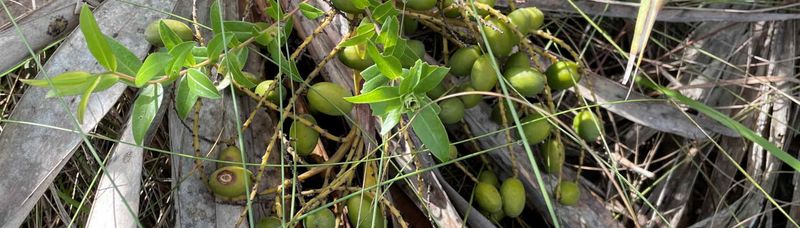
Demand from the supplement and pharmaceutical world created an unusual industry. Crews fan out into the scrub each summer to pick berries by hand, filling buckets that sell by the pound.
Prices have climbed high enough that berry picking became genuinely lucrative, which brought trespassing, theft from private land, and pressure on public property. Sheriff’s offices in central Florida field complaints about it every season.
Conservation and animal advocacy groups raised the obvious concern. Berries stripped from a thicket are berries unavailable to bears, birds, and other animals fattening up for leaner months.
Florida has restricted harvesting on many state-managed lands to protect wildlife food sources. Harvesting on private property continues, usually requiring landowner permission and sometimes documentation.
Growers have begun experimenting with cultivated plantings, which could take pressure off wild stands over time. Progress is slow because the plant itself grows slowly, so nobody gets a quick harvest.
Shoppers hold some influence here as well. Choosing brands that describe sustainable or permitted sourcing sends a signal back down the supply chain.
Anyone tempted to pick berries should check current state and county rules first, since regulations shift and penalties for unauthorized harvesting are not trivial.
9. Tough, Drought-Tolerant, And Making A Landscaping Comeback
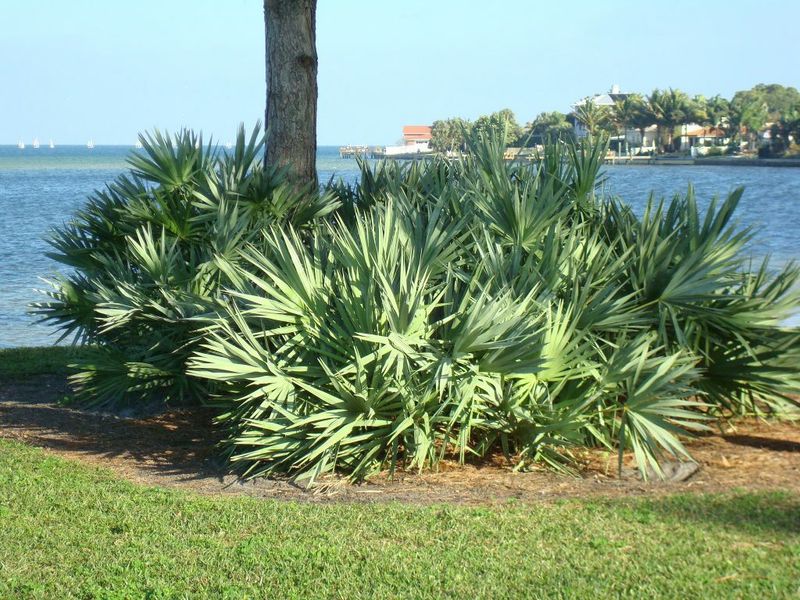
Landscapers once treated it as something to scrape off before planting turf. Attitudes have shifted, and now saw palmetto shows up in native plant designs across the state.
Toughness explains the turnaround. It handles drought, sandy soils, and many challenging conditions once established.
Maintenance requirements are refreshingly small. No fertilizer schedule, no irrigation system, no pruning routine, just occasional removal of browned fronds if a tidier look is wanted.
The silver-green form from Florida’s Atlantic coast has become especially popular for its cool, frosted color that pairs beautifully with muhly grass and coontie. Designers use it for informal hedges, erosion control on slopes, and low-water medians.
Two things to plan for: it transplants poorly and establishes slowly, so buying nursery-grown container plants and giving them steady water the first year pays off. Placement matters too, since spiny leaf stalks belong away from sidewalks and play areas.
Homeowners who leave existing clumps rather than clearing them get an instant mature landscape that money simply cannot buy.
A comeback rooted in practicality feels fitting for a plant this stubborn. Water bills drop, wildlife arrives, and the yard finally looks like it belongs where it stands.