The New York Native Tree You’ll Wish You Planted Five Years Ago
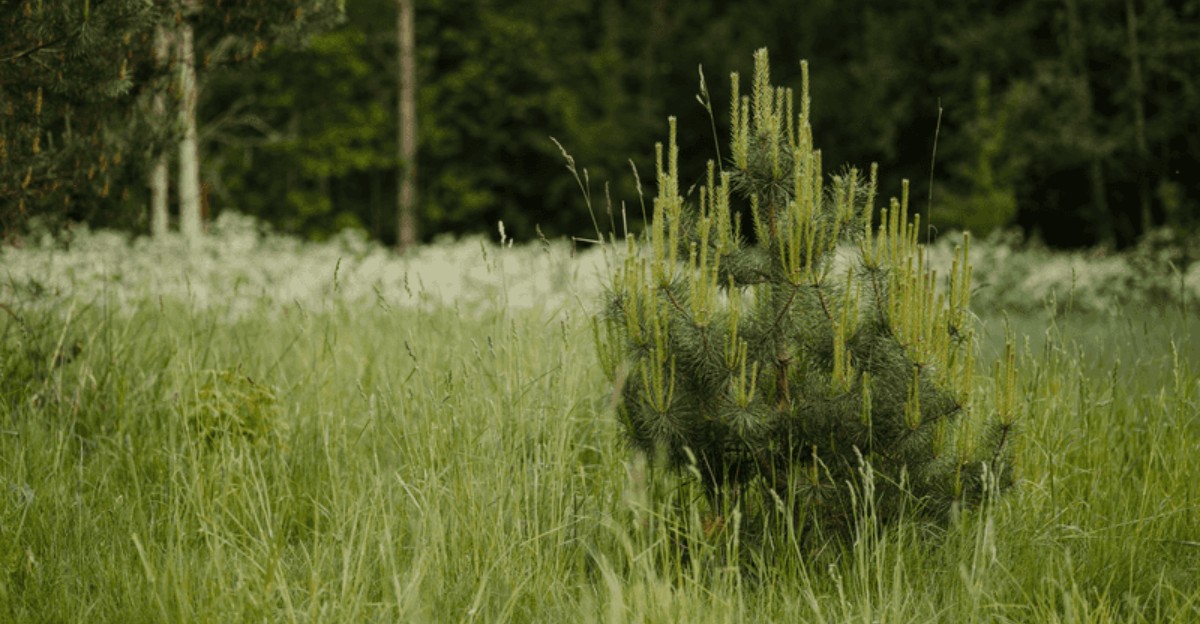
Five years can change a yard more than most homeowners realize. Plant the right tree today, and by the time you wish you had more privacy, shade, or greenery, it could already be well on its way.
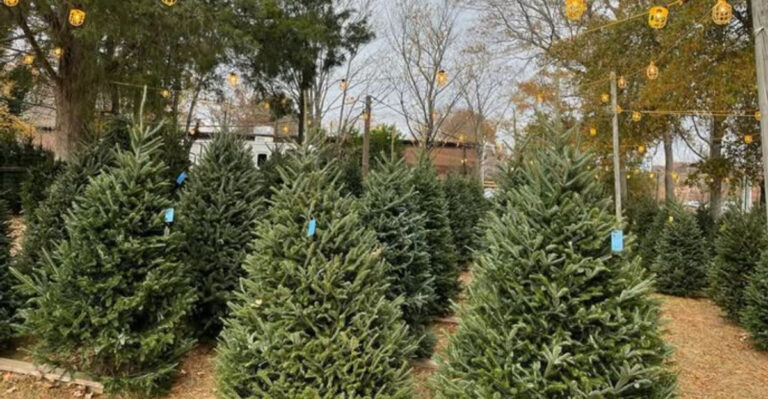
That’s exactly why the eastern white pine is one of those trees people often wish they had planted sooner. Native to New York, this graceful evergreen grows relatively quickly, stays green through winter, and can become a striking part of the landscape as the years add up.
Its soft needles and tall, distinctive shape can make an open yard feel more established, while its size gives homeowners plenty of reasons to think ahead before choosing a planting spot.
The real advantage is time. Every growing season gives this tree another chance to become taller, fuller, and harder to imagine your yard without.
Five Years Makes A Bigger Difference Than You Think
Picture the difference between an empty corner of your yard today and that same spot in five years, filled by a tall, feathery evergreen. That gap is exactly why so many homeowners look back and wish they had planted an eastern white pine sooner.
Trees quietly reward the people who start early. A young white pine spends its first couple of seasons settling its roots into the soil, but once established, it puts on real height and character.
Every season you wait is a season of growth you can never get back.
Across New York, this native species does more than fill space. It helps cool the air around your home, soaks up rainwater, and even softens the effects of extreme heat and air pollution in your neighborhood.
Starting the clock early also means you get to enjoy the tree while it changes. Watching a small sapling stretch upward year after year turns into a rewarding project you can measure with your own eyes.
Five years may sound like a long stretch, but it passes quickly. The homeowner who plants now gets shade, privacy, and beauty later, while the one who waits is stuck imagining what might have been.
Think of planting a white pine as a gift to your future self. A little effort today builds a landscape you’ll be proud of, and the state’s climate gives this tree plenty of room to thrive.
Fast Growth Makes The Waiting Game Much Shorter
If slow-growing trees have ever tested your patience, the eastern white pine offers a refreshing change. Known scientifically as Pinus strobus, this evergreen is one of the quicker growers among native trees.
Under good conditions, eastern white pine can grow around one to two feet per year, with faster growth possible when conditions are ideal. That kind of pace means the waiting period between planting day and a noticeable tree is much shorter than you might guess.
Growth does start gently. During the first eight to ten years, the tree builds its foundation, but progress speeds up dramatically after that.
A young sapling can make impressive progress within five years when planted in a good location and given proper care, but growth varies depending on soil, moisture, and overall conditions.
Your New York Garden Changes Every Week. Your Plan Should Too.
Gardening in New York changes quickly throughout the season. Every Friday you’ll receive a simple weekly plan showing exactly what to plant, prune, fertilize, harvest, and protect so you never miss the right timing.
Trees between the ages of fifteen and forty-five often gain around three feet of height annually. That means a modest young pine can become a commanding presence surprisingly fast.
Because the tree responds so well to care, the effort you put in early pays off quickly. Rich, moist soil and consistent watering encourage that steady upward push you’re hoping to see.
Fast growth also keeps you motivated. When you can actually see your tree changing from one summer to the next, tending it feels less like a chore and more like a rewarding hobby that keeps giving back year after year.
Year-Round Greenery Starts Paying Off Early
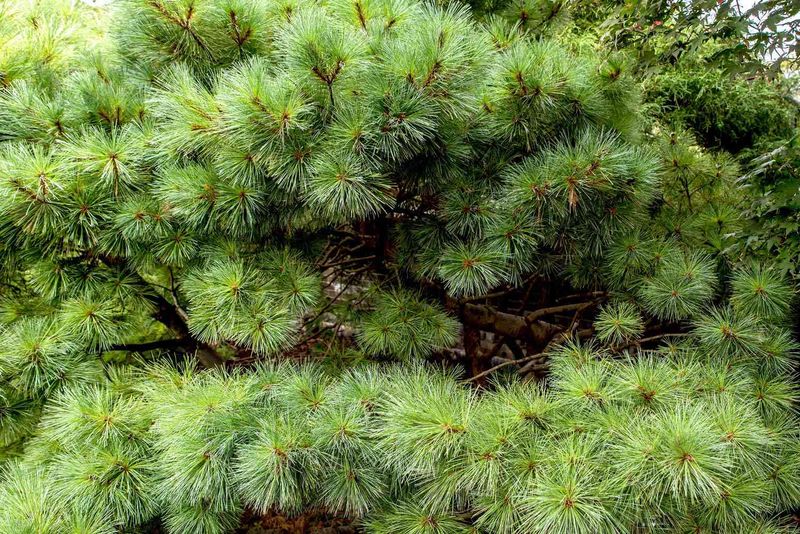
New York winters can leave a landscape looking bare and gray, with most trees stripped of their leaves for months. The eastern white pine solves that problem by staying green all year long.
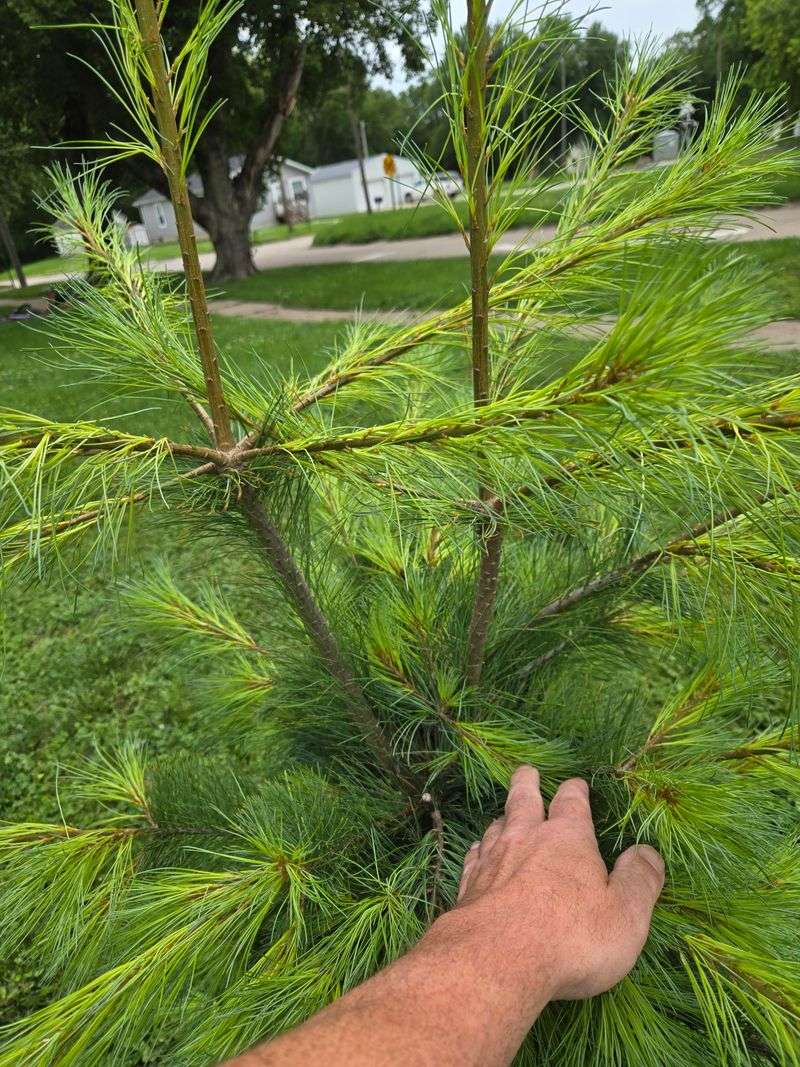
Its needles are long, soft, and often a lovely bluish-green, growing in tidy bundles of five. That gentle color brings life to a yard even when snow blankets everything else around it.
What makes this evergreen so appealing is how early it starts contributing. You don’t have to wait for a towering tree to enjoy the benefit. Even a younger white pine adds texture, structure, and a welcome splash of color.
The feathery, graceful look of the needles gives the tree a soft appearance that stands out against a stark winter backdrop. Against a snowy sky, that greenery becomes a real focal point.
Beyond winter, the constant foliage means your landscape never looks empty. Spring, summer, and fall all benefit from the steady presence of a tree that never goes bare.
Planting one near a window or along a walkway lets you enjoy that greenery up close during the coldest months. It’s a small touch that makes a home feel warmer and more inviting.
Because the color arrives so early in the tree’s life, this is one payoff you won’t have to wait years to appreciate. From the very first winter, your white pine earns its keep.
Privacy Becomes Better With Every Growing Season
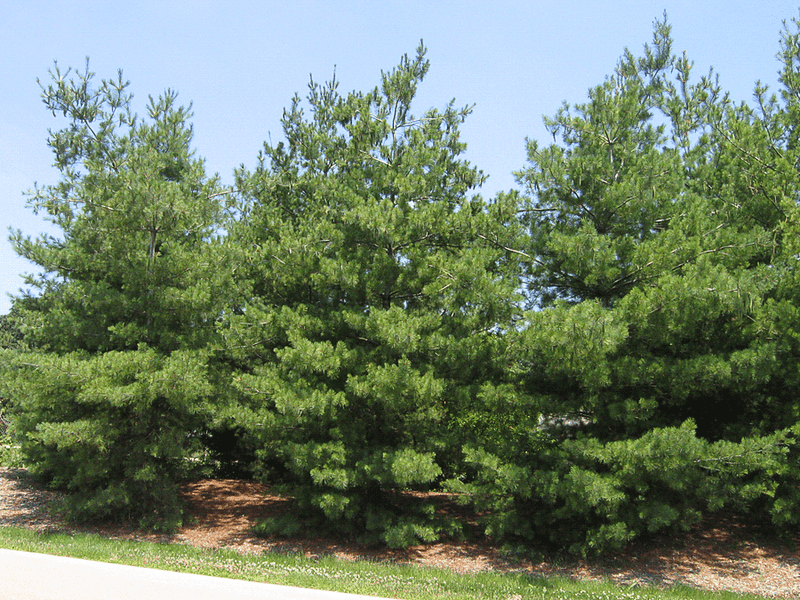
Wishing you had more privacy from a neighbor’s window or a busy road is a common feeling for homeowners. Eastern white pines offer a natural, elegant way to soften those views over time.
Rather than forming a stiff, hedge-like wall, these trees create a gentle, feathery screen that looks relaxed and natural. Their soft needles and tall stature blend beauty with function.
Spacing matters a great deal here. Planting white pines closer together can create faster screening, but spacing should account for the tree’s mature size and long-term health.
If you’re planning for the long haul, wider spacing works too. Some homeowners plant them ten to twenty feet apart, or use a staggered double row with fourteen to sixteen feet between trees for healthier, fuller growth.
Keep in mind that older white pines may shed their lower branches, leaving the base a bit more open. Even so, the growing height and width continue to block unwanted sightlines from above.
Each passing season strengthens that sense of seclusion. What starts as a modest line of young trees gradually becomes a green buffer that shapes your outdoor space.
For a property that feels a little too exposed, these pines slowly transform the view. Plant them thoughtfully now, and every growing season brings you a bit more peace and privacy than the one before.
A Bare Yard Slowly Starts Feeling Like A Retreat
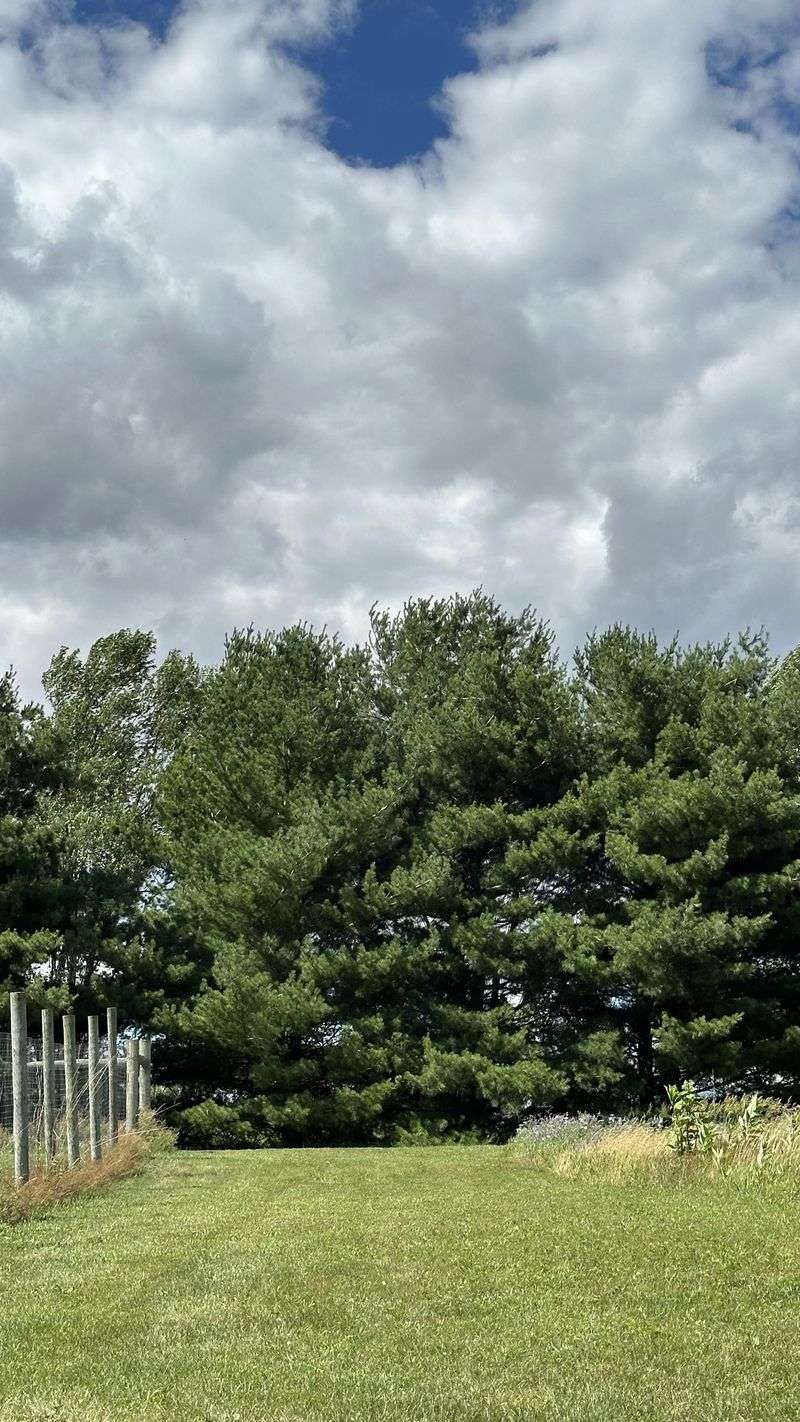
There’s something special about a yard that feels like a private getaway rather than just open grass. The eastern white pine has a knack for creating that established, wooded character over time.
This is a stately canopy tree that can reach seventy-five to one hundred feet at maturity, with some wild specimens climbing well past one hundred and fifty feet.
Eastern white pine is one of the tallest native evergreen trees and can become a true landscape giant when given enough space.
Some eastern white pines grow to impressive heights, with exceptional specimens reaching well over 100 feet. That kind of height brings a real sense of grandeur to any landscape.
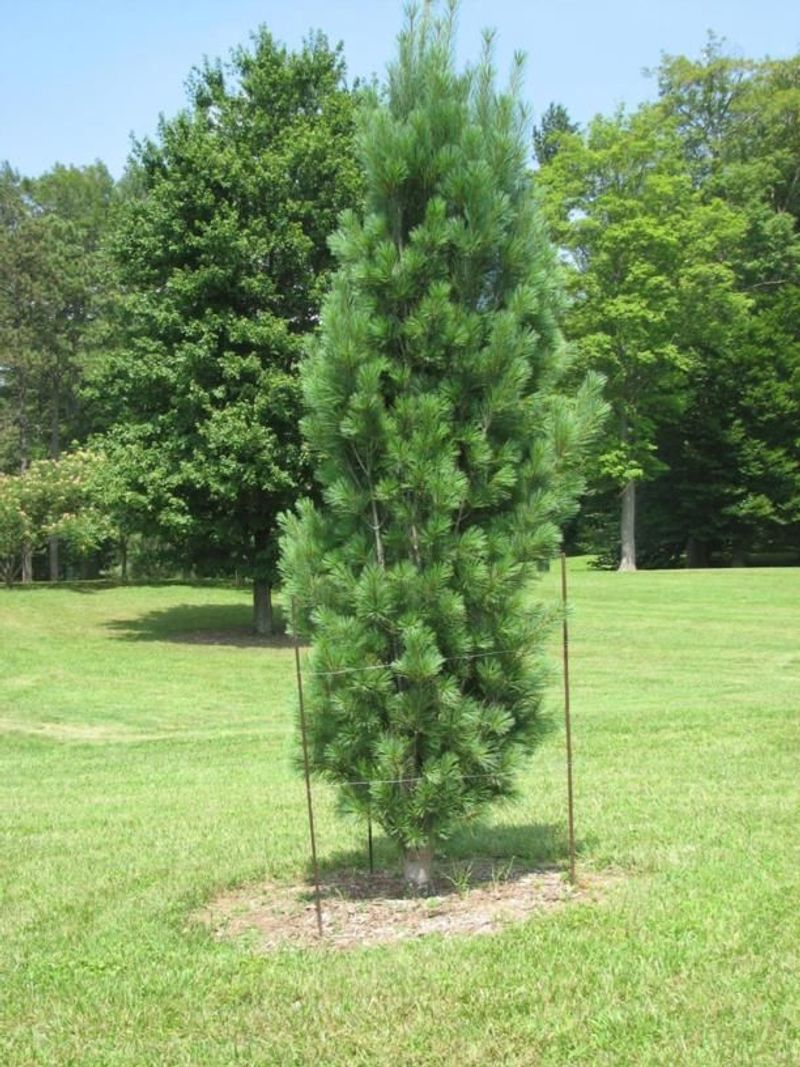
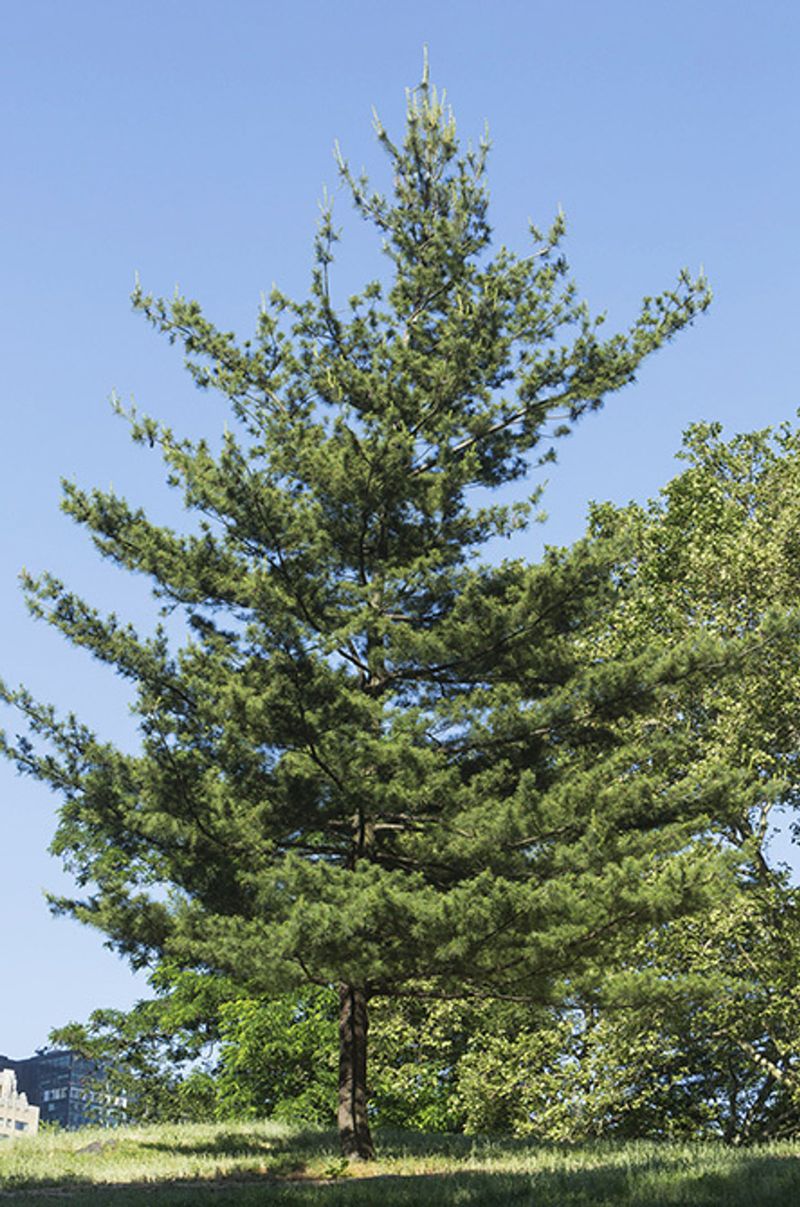
When young, the tree wears a neat pyramid shape. As it ages, it develops a broader, more irregular crown with distinctive horizontal, tiered branches that give it an unmistakable silhouette.
That transformation is what turns an exposed property into a retreat. Height, evergreen foliage, and graceful form combine to make your yard feel settled and full of life.
Shade appears where there was only open sun before, and the whole space takes on a calmer, more permanent feeling. Suddenly your backyard has a personality it never had.
For anyone who dreams of a peaceful, tree-filled corner to relax in, this pine delivers. Give it a few years, and a plain patch of grass gradually becomes a place you’ll actually want to spend time.
Wildlife Finds A Home As The Branches Fill Out
Imagine looking out your window to see chickadees darting through your own tree’s branches. As an eastern white pine matures, it becomes a lively hub for New York wildlife.
The tree’s tall frame and bushy evergreen canopy offer year-round shelter for birds and small animals. That thick cover is especially valuable during harsh winter weather when protection is hard to find.
Food comes into the picture too. The cones and seeds a white pine produces feed small mammals and many bird species, making your yard a natural dining spot for local creatures.
Some impressive residents may move in as well. Mature white pines can provide valuable nesting and shelter opportunities for many birds, including some larger species that use tall trees.
Smaller birds enjoy the tree just as much. Woodpeckers, common grackles, mourning doves, chickadees, and nuthatches all use its branches for nesting and rest.
Deer and songbirds can also use white pines for cover, although deer may browse young trees, especially when other food sources are limited. That makes the pine a friendly neighbor for many species at once.
All of this activity builds up as the branches fill out over the years. A young tree offers a little habitat, but a mature one becomes a whole ecosystem.
Planting one is like extending an open invitation to nature. Over time, your yard grows into a welcoming home for the wildlife you love to watch.
The Right Planting Spot Prevents Years Of Regret
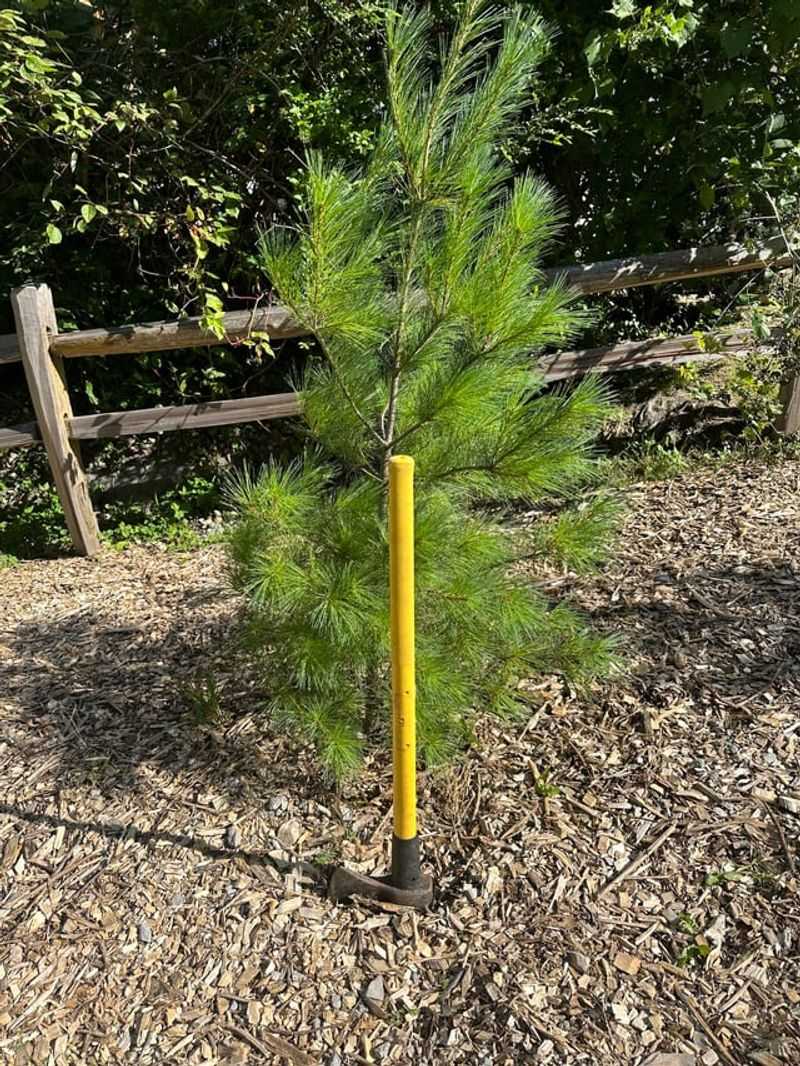
Few gardening mistakes are harder to undo than planting a large tree in the wrong place. Choosing the right spot for your eastern white pine now saves you real headaches down the road.
These trees can reach fifty to eighty feet tall with a spread of twenty to forty feet, and some grow even larger. That means you need to give them plenty of room from the start.
Because eastern white pine can become a very large tree, give it plenty of room away from buildings, power lines, and other large trees. Plan for its mature height and spread before planting. Crowding a mature pine causes trouble you can’t easily fix later.
Sunlight matters too. White pines thrive in full sun, wanting at least six hours of direct light daily, though they can handle a little partial shade. Too much shade leads to stunted growth and a thin, sparse canopy.
Soil is another key factor. These pines prefer moist, well-drained, acidic ground and struggle in soggy or waterlogged spots. Yards with heavy, poorly draining soil need extra thought before planting.
Avoid areas with high salt content, such as spots near roads treated with winter salt, since salt can hold the tree back.
When you dig, make the hole two to three times wider than the root ball but no deeper than its height. Planting too deep can suffocate the roots, a common error worth avoiding.
Good Early Care Pays Off Long After Planting Day
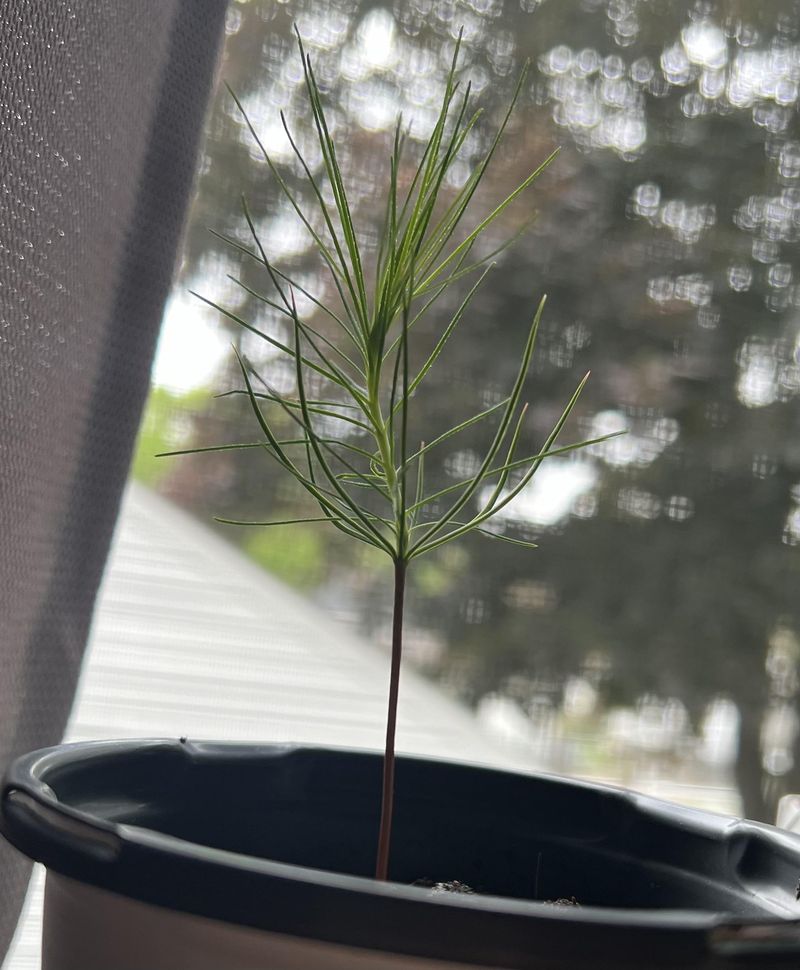
The care you give a young white pine in its first year shapes how well it thrives for decades. A little attention early on sets the stage for a strong, healthy tree.
Timing helps. In New York, early spring or fall are the best seasons to plant, giving roots a chance to settle before extreme weather arrives.
Right after planting, water the tree thoroughly to help the soil settle around the roots. Young pines need steady moisture during that first year, about one inch of water each week.
Deep, regular watering for the first few years encourages a strong root system. Once established, white pines handle dry spells better, though a drink during long droughts still helps.
Mulch is your friend here. Spread a two to three inch layer of organic mulch around the base, keeping it a few inches away from the trunk itself.
That mulch locks in moisture, helps regulate soil temperature, suppresses weeds, and protects the soil around the root zone. It’s a small step with big rewards.
As a native species, this pine needs little fuss once settled. Fertilizer usually isn’t necessary, though a slow-release option in early spring can nudge along new growth.
Keep an eye on your tree’s health, trimming away any dried or damaged branches and allowing good air flow through proper spacing. These simple habits help your white pine resist pests and stay vigorous for years to come.
The Best Time To Start The Clock Is Now
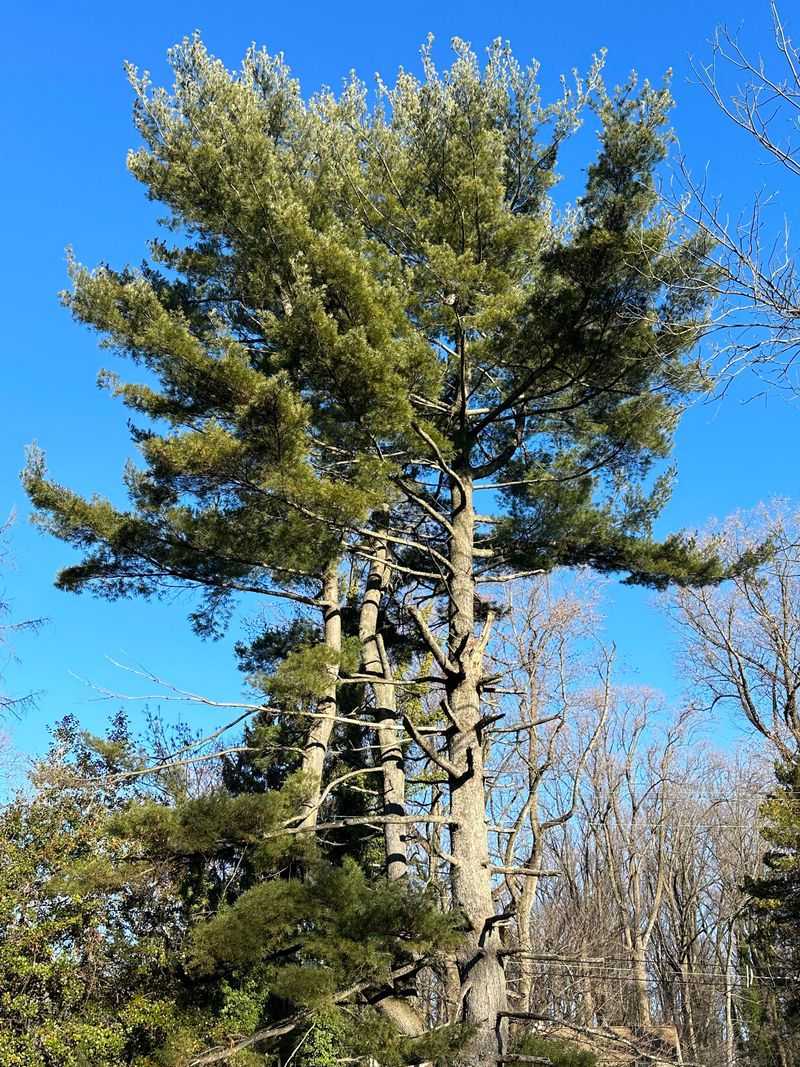
All the benefits of an eastern white pine share one thing in common: they reward the person who plants early. When you think about everything this tree offers, the smartest time to begin is right now.
Fast forward five years. You could be relaxing beneath an established white pine that already provides shade, privacy, and a home for wildlife, or you could still be wishing you had planted one sooner.
The tree gives back to more than just your yard. White pines contribute to cleaner air by storing carbon, capturing some pollutants, and producing oxygen as part of the natural carbon cycle.
They also reduce stormwater runoff, lower air temperatures, and help conserve energy around your home. Those benefits ripple outward across your whole neighborhood.
Wildlife wins too, as the tree supports birds and small animals throughout the year. A single pine becomes a small piece of a larger, healthier environment.
New York State has set an ambitious goal to plant twenty-five million trees by 2033. Your one tree is part of that bigger picture, proving how individual choices add up.
Every day you wait is a day of growth you’ll never recover. The sapling you plant this season becomes the shade tree you’ll treasure later.
So grab a shovel, pick a sunny, well-drained spot, and start your clock today. Five years from now, you’ll be glad you did instead of wishing you had.