The Fire-Resistant Native Trees Texans Are Quietly Choosing Instead Of Ornamental Non-Natives
Wildfire risk in Texas has moved from a rural concern to a reality that suburban and even urban homeowners are taking seriously.
As fire seasons grow longer and conditions become more extreme across more parts of the state, the question of what’s growing in your yard has shifted from purely aesthetic to genuinely practical.
Some trees and shrubs burn fast and hot. Others are significantly more resistant to ignition and slower to carry flame toward a structure. Most ornamental non-native trees fall into the wrong category.
Texas has native trees that evolved in fire adapted landscapes, developing characteristics that make them meaningfully more resistant to ignition than many of the imported ornamentals that currently dominate residential landscaping across the state.
Choosing them is not a sacrifice of beauty or character. These are genuinely striking trees that also happen to be safer choices for properties where fire risk is a real consideration.
1. Live Oak
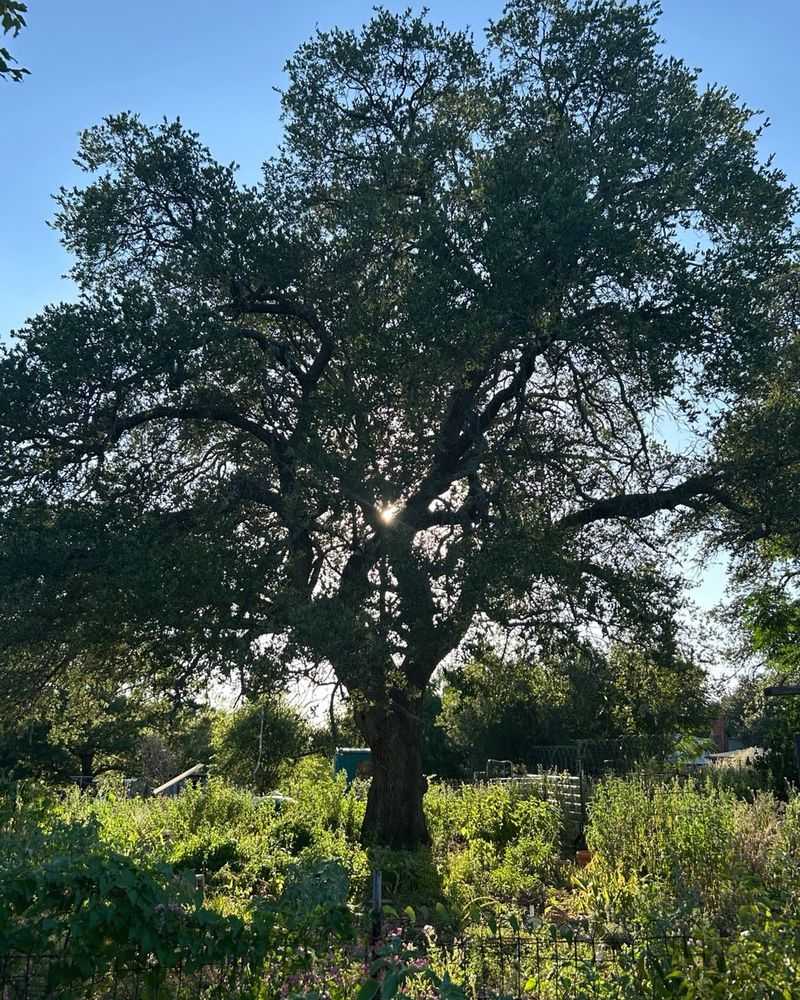
Few trees say Texas quite like the mighty live oak. With its wide, sprawling branches and dense evergreen leaves, it stands as a symbol of strength across the state.
The thick, corky bark acts almost like armor against flames. Because live oaks hold moisture in their leaves year-round, they resist catching fire far better than dry, brittle ornamentals.
Homeowners love how these trees offer deep shade, which keeps yards cooler during scorching summers. That shade also helps lower cooling bills, making the tree both practical and beautiful.
Live oaks grow slowly, but they reward patience by living for hundreds of years. Some famous specimens in Texas are believed to be over 500 years old.
Their roots run deep, anchoring the tree firmly and helping it pull water from far below the surface during droughts. This makes them tough survivors even in tricky Texas weather.
Wildlife adores live oaks too. Squirrels, deer, and countless birds feast on the acorns, turning your yard into a lively natural hangout.
To keep a live oak fire-safe, clear away dry branches and rake up fallen leaves near your home. Giving the tree room to breathe reduces the chance of embers spreading.
Planting one takes a little space, since the canopy can stretch wide over the years. Set it far enough from your house so branches have room to grow freely.
For families wanting a signature shade tree that guards against wildfire, the live oak checks every box. It blends safety, history, and beauty into one unforgettable Texas classic that neighbors will admire for generations.
2. Cedar Elm
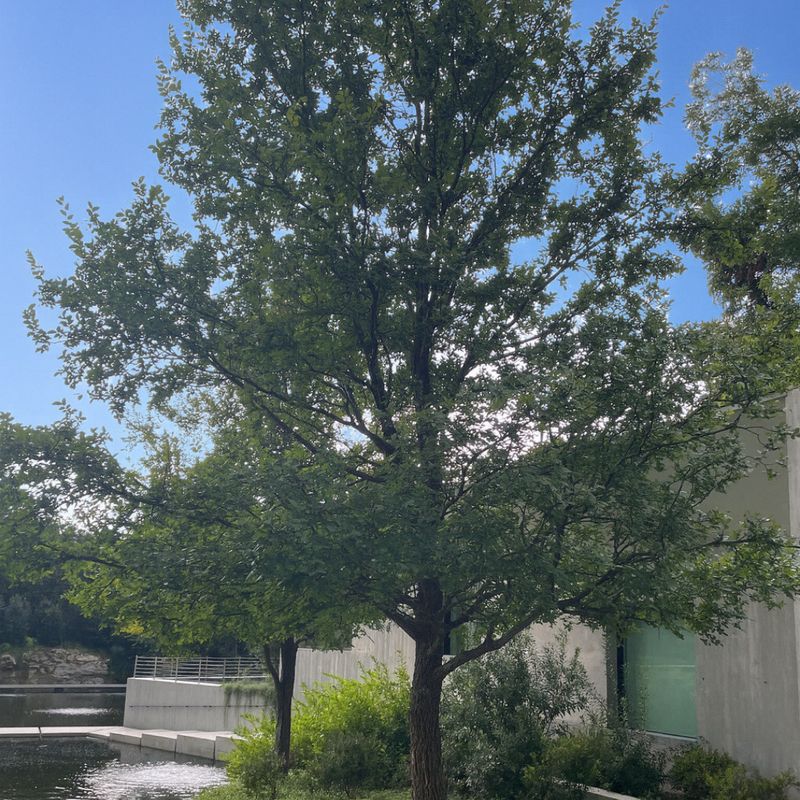
Tucked into many Texas neighborhoods, the cedar elm quietly earns its keep as one of the toughest shade trees around. It thrives where other trees struggle, handling clay soil and drought with ease.
What makes it a smart pick for fire safety is its moist, leafy canopy and higher water content compared to dry, resin-heavy ornamentals. Trees that stay green and hydrated are simply harder to ignite.
Cedar elms grow at a steady pace, reaching a nice rounded shape that provides plenty of afternoon shade. The small, rough leaves flutter in the breeze and turn a warm gold in fall.
Your Texas Garden Changes Every Week. Your Plan Should Too.
Gardening in Texas changes quickly throughout the season. Every Friday you’ll receive a simple weekly plan showing exactly what to plant, prune, fertilize, harvest, and protect so you never miss the right timing.
Unlike some imported trees, this native shrugs off Texas heat without constant watering. Once established, it can go long stretches without extra care.
Its bark is thick and textured, offering some protection when flames pass by. That natural shield gives your home a bit more breathing room during fire season.
Birds enjoy nesting in its branches, and the seeds attract several small critters. Your yard becomes a friendly stop for local wildlife.
Cedar elms also tolerate poor drainage better than most trees, which is handy in areas with heavy soil. This flexibility makes them easy to place around the yard.
To keep yours healthy and fire-ready, trim low branches and keep the base free of dry debris. A little seasonal cleanup goes a long way.
For anyone wanting a low-fuss, hardy tree that fits the Texas landscape naturally, the cedar elm delivers. It offers shade, beauty, and quiet reliability without asking for much in return.
3. Texas Red Oak
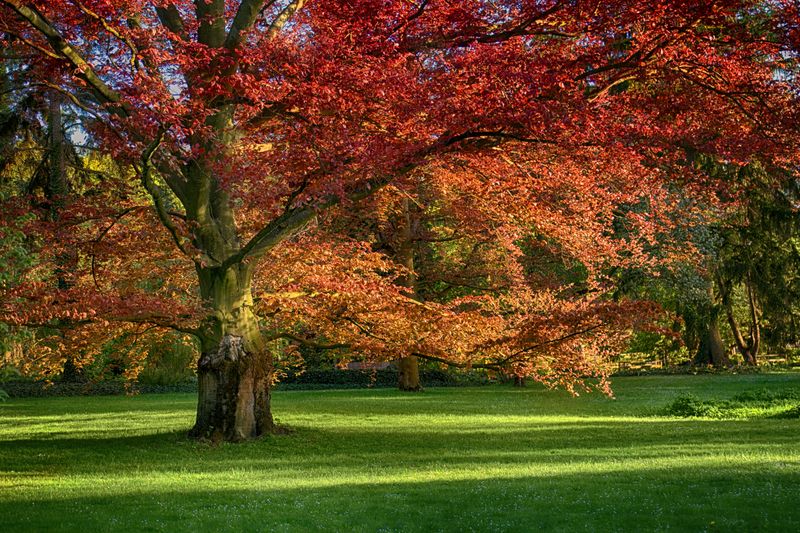
When fall rolls around, the Texas red oak steals the show with fiery red and orange leaves. But its beauty is more than skin deep, since it also stands up well against wildfire.
This tree keeps a good amount of moisture in its foliage, which slows how quickly flames can take hold. Its sturdy bark adds another layer of defense.
Texas red oaks are perfect for the Hill Country, where rocky soil sends many trees packing. These oaks dig in and flourish where others cannot.
They stay smaller than live oaks, making them a great fit for yards without endless space. You still get lovely shade without a giant canopy taking over.
Gardeners appreciate how quickly these oaks establish themselves compared to slower cousins. Within a few years, you will notice real growth and color.
The acorns feed deer, turkeys, and squirrels, bringing gentle wildlife activity right up to your window. It is a fun way to connect with nature.
Because they handle drought so well, Texas red oaks rarely need pampering once their roots settle in. A deep soak now and then during dry spells is usually plenty.
For fire safety, remove any dry limbs and keep mulch a few inches away from the trunk. Clean spacing helps stop embers from finding fuel.
Planted along a driveway or near a patio, this oak adds seasonal drama and dependable shade. Its autumn glow rivals any imported ornamental you could buy.
Folks searching for a colorful, fire-smart tree with true Texas roots often land on the Texas red oak, and rarely look back afterward.
4. Bur Oak
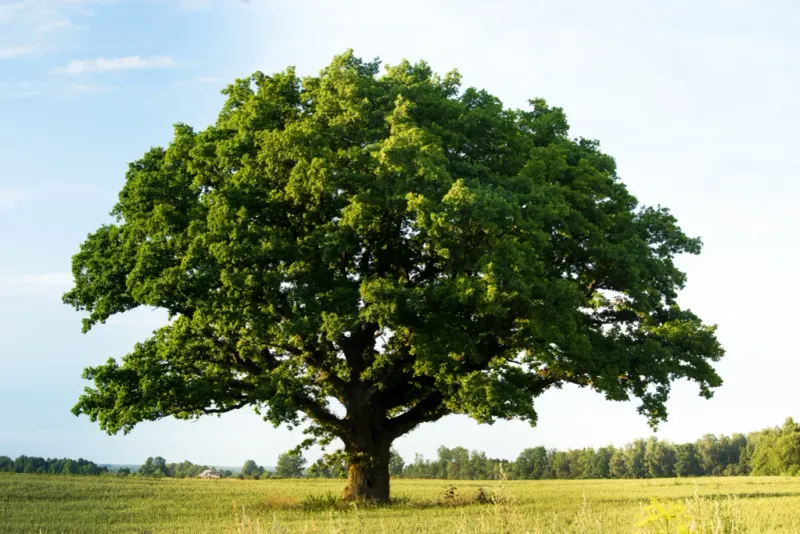
Meet the gentle giant of Texas yards, the bur oak, known for its enormous acorns and broad, welcoming canopy. This tree feels like something out of a storybook.
Its bark is remarkably thick, which is one reason it holds up so well when wildfires sweep through. That heavy layer shields the living wood underneath.
Bur oaks are famous survivors, having weathered prairie fires for thousands of years. Nature basically designed them to handle rough conditions.
The leaves are large and stay green through the hot months, keeping moisture locked in and lowering fire risk. A hydrated tree is a safer tree.
Homeowners love the wide shade these oaks throw, perfect for cooling a backyard or shielding a porch from the blazing sun. Kids and pets flock to the cool spots beneath.
Those giant acorns, sometimes as big as golf balls, feed all sorts of wildlife. Deer and birds treat your yard like a buffet.
Bur oaks tolerate different soil types, from clay to sand, so they fit almost anywhere in the state. This flexibility makes planning your landscape easier.
They grow at a moderate speed and can live for centuries, becoming a lasting gift for future families. Planting one is truly an investment in the future.
To keep a bur oak fire-ready, clear leaf litter and prune away weak branches each season. Simple upkeep keeps it strong and safe.
Give it plenty of room, because that canopy loves to stretch out over time. Set it away from the house and let it grow wild.
For a tough, dramatic shade tree with deep Texas roots, the bur oak is hard to top.
5. Chinquapin Oak
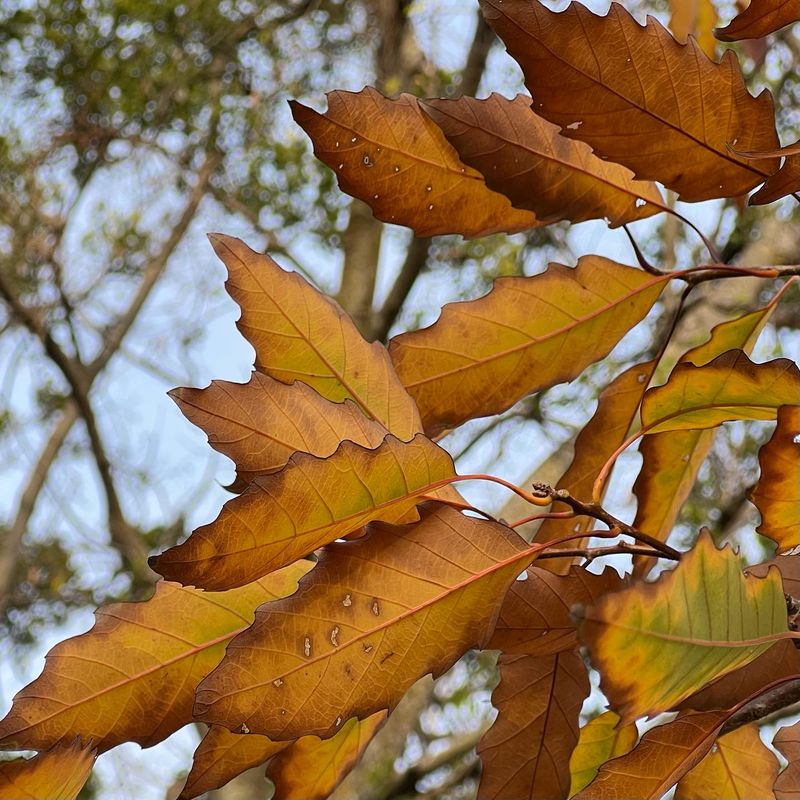
Often overlooked, the chinquapin oak deserves a spot on any Texan’s planting list. Its glossy, saw-toothed leaves give it a neat, tidy look that stands out in the yard.
This native oak thrives in limestone soils where fussier trees give up. That makes it a natural match for much of Central Texas.
Fire safety is where it really shines, thanks to a moist canopy and bark that resists flames better than dry ornamentals. It slows fire rather than feeding it.
Chinquapin oaks grow fairly quickly for an oak, so you will not wait forever to enjoy their shade. Within several years they fill out nicely.
The sweet acorns are a favorite of birds and small mammals, drawing plenty of cheerful activity to your property. Watching the visitors is half the fun.
These trees adapt well to both dry and slightly moist spots, giving you flexibility in where to plant. Few natives are this easygoing.
Their light gray, flaky bark adds visual interest even in winter when the leaves are gone. Your yard stays attractive year-round.
Once settled, chinquapin oaks handle drought like champions, needing only occasional deep watering during long dry stretches. They practically care for themselves.
For the best fire protection, keep the tree base clear of dry brush and trim any dry wood promptly. Clean surroundings reduce risk.
Because they stay a moderate size, they work well in medium yards where a huge oak would feel crowded. That makes them a practical choice.
Anyone wanting a handsome, hardworking native that laughs at tough soil and resists wildfire should give the chinquapin oak a serious look.
6. Texas Persimmon
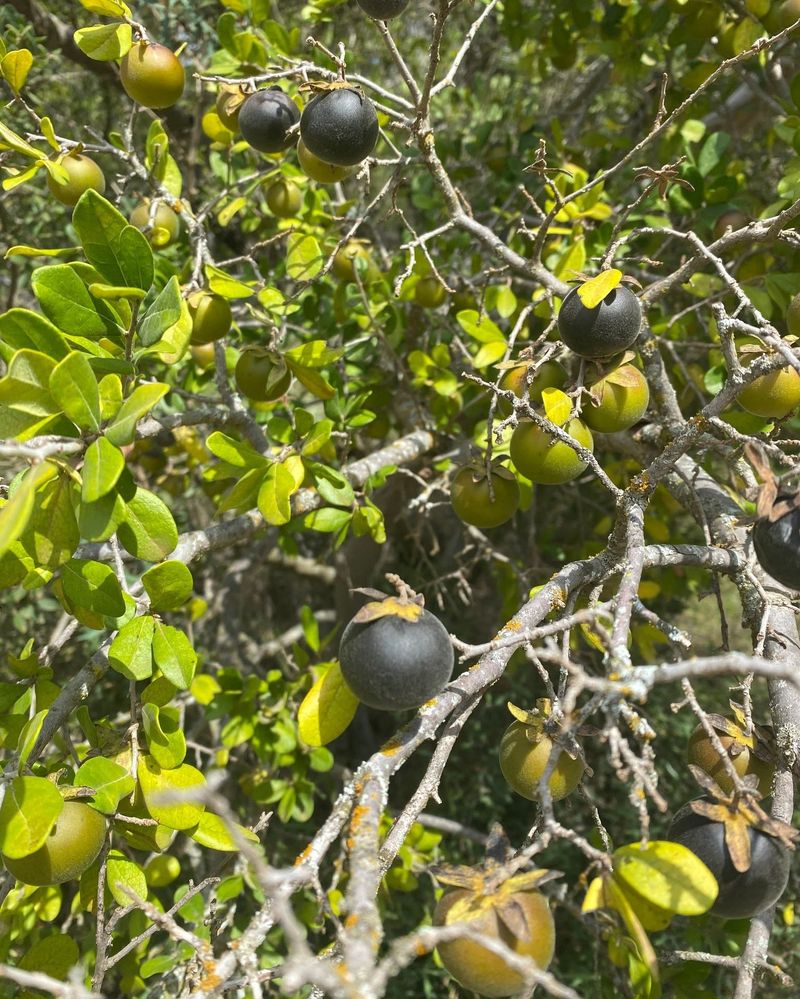
Small in size but big on charm, the Texas persimmon brings something a little different to the fire-smart lineup. Its smooth, pale gray bark peels back to reveal soft pink and cream shades.
Because it stays compact, this tree fits neatly into tight spaces where large oaks would never work. Perfect for smaller lots and courtyards.
The tough, leathery leaves hold moisture well, helping the tree resist catching fire during dry Texas summers. That built-in defense is a big plus.
In late summer, small dark fruits appear, offering a tasty treat for birds, foxes, and other wildlife. Visitors will thank you for the snacks.
Texas persimmons are incredibly drought-hardy, shrugging off long dry spells without complaint. Once rooted, they barely need extra water.
Their striking bark makes them a standout feature, almost like living sculpture in the garden. Even without leaves, they look artful.
This tree loves rocky, well-drained soil, which means it thrives in spots where pickier plants would fail. It fits the harsh Texas terrain naturally.
Because of its modest size, it is easy to maintain and prune, keeping it fire-safe with just a little effort. A quick seasonal trim usually does the trick.
Homeowners often plant it as an accent near patios or walkways, where its unusual trunk can be admired up close. It sparks plenty of conversation.
Keep the area beneath it tidy and free of dry debris to lower any fire danger even further. Cleanliness matters near the home.
For a petite, drought-loving native with eye-catching bark and real fire resistance, the Texas persimmon is a delightful and practical pick.
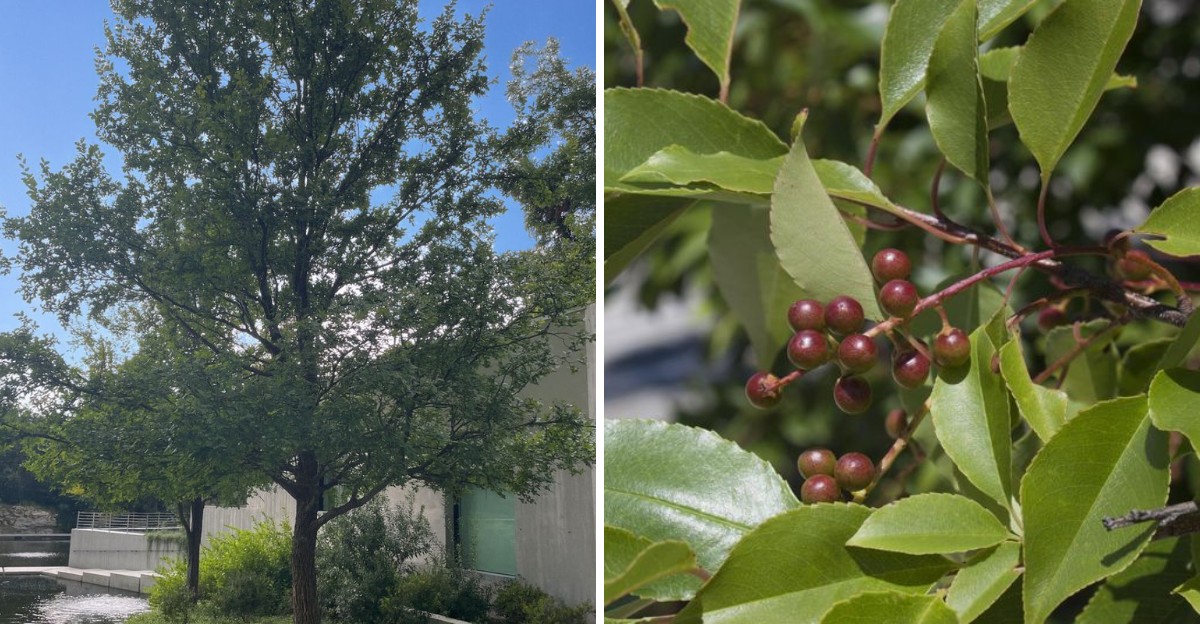
7. The Escarpment Black Cherry
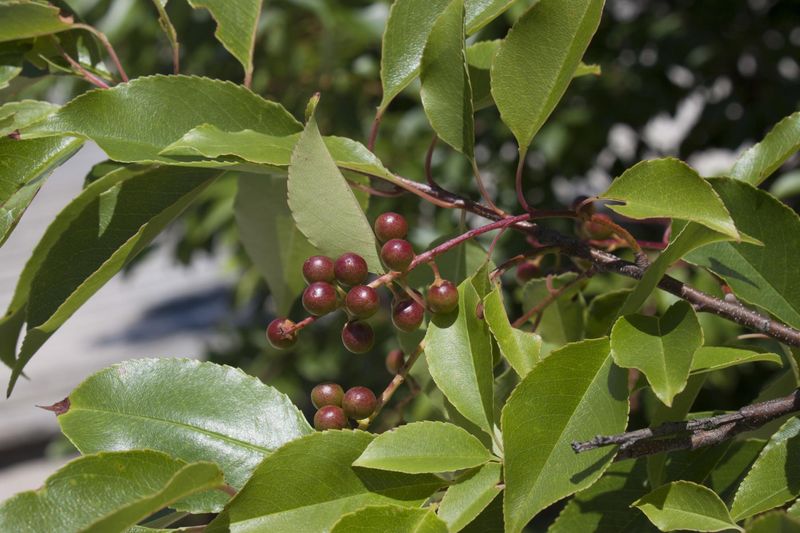
Rounding out the list is the escarpment black cherry, a native beauty that surprises many Texans with its charm and toughness. In spring, it bursts with clusters of small white blossoms.
This tree naturally holds decent moisture in its leaves, which helps it resist wildfire better than many showy imported species. Its layered canopy stays green through the heat.
Found across the Hill Country, it feels right at home in rocky, well-drained soil. It thrives where the land is rugged and dry.
The dark cherries that follow the flowers feed songbirds and other wildlife, filling your yard with movement and song. Birdwatchers will be delighted.
Escarpment black cherry grows at a moderate pace and reaches a pleasant medium size, fitting nicely into most yards. You get shade without overwhelming the space.
Its bark darkens and roughens with age, giving the trunk a rich, textured appearance that adds character. Older trees look wonderfully rugged.
Because it handles drought so well, this tree asks for very little once established. An occasional deep soak during dry months keeps it happy.
The spring flowers make it a seasonal showstopper, rivaling any ornamental you might spot at a garden center. Neighbors often ask what it is.
To keep it fire-ready, clear fallen leaves and prune away any dry branches each year. Simple care keeps it both safe and healthy.
Plant it where you can enjoy the blossoms up close, perhaps near a window or seating area. The view is worth it.
For a flowering native that supports wildlife and stands strong against fire, the escarpment black cherry makes a wonderful, thoughtful choice.