What It Really Means When Crickets Get Loud Around Your Ohio Home
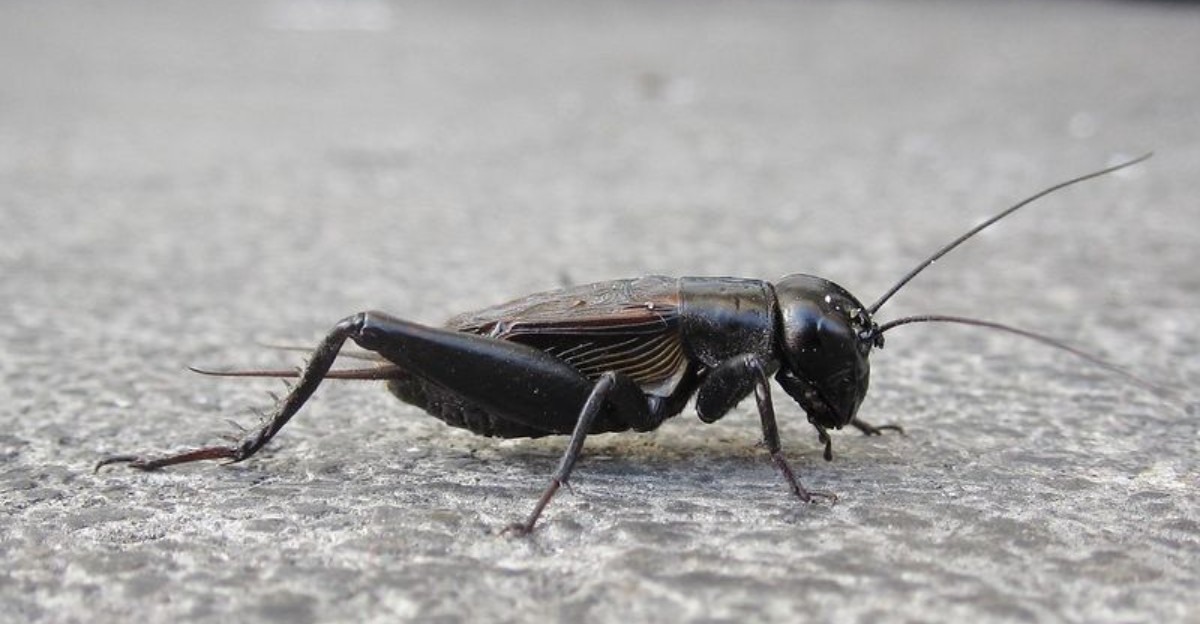
That constant chirping outside your window has probably gotten louder lately, loud enough to notice through closed doors and hum along with after dark. It’s easy to write off as just background noise this time of year.
That noise is doing more work than it sounds like. Cricket calling changes with temperature, especially the pace of the chirps, while the overall volume depends on how many males are calling nearby.
A sudden surge in noise usually means crickets pushing hard before cold weather cuts their season short, the same urgency showing up in a lot of insects right now.
Ohio’s dropping fall temperatures make this the loudest stretch of the year for backyard crickets, right before the sound cuts out almost entirely.
Once you know what’s driving the volume, that nightly chirping outside starts to tell a very different story than plain background noise.
1. Males Are Singing For A Mate
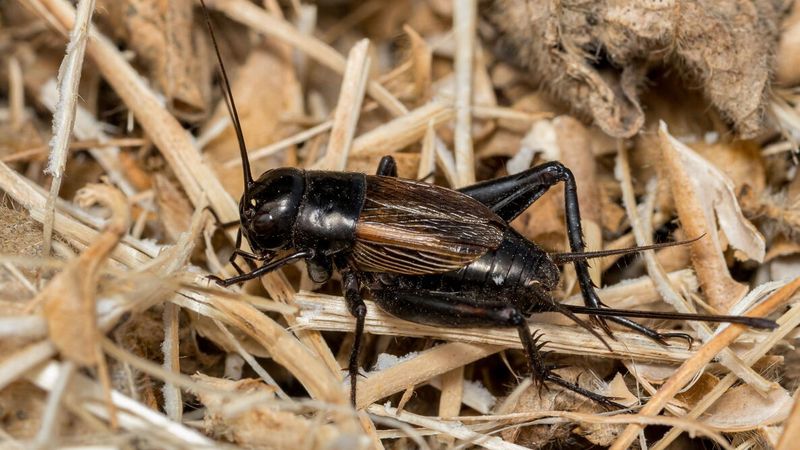
The familiar cricket songs filling your yard are produced by males. He rubs a scraper on one wing across a row of tiny teeth on the other, the way you might drag a thumbnail across a comb.
The goal is simple: convince a nearby female that he is the best pick in the neighborhood. Females do not chirp at all, so a loud yard usually means a lot of hopeful bachelors.
Males also switch songs depending on the situation. A calling song carries far and wide, while a rivalry song is shorter and sharper, telling other males to back off his patch of mulch.
Once a female comes close, he drops into a quieter courtship tune that you would need to kneel in the grass to notice. That range of sounds explains why the chorus outside your Ohio window seems to swell and fade all night.
Understanding the reason behind the noise takes some of the frustration out of it. The singing is temporary and tied to breeding, so peak volume rarely lasts more than a few weeks in one spot.
If the sound bothers you, focus on thinning out the damp, weedy hiding places where males like to set up their stage.
2. Your Yard Just Became A Thermometer

Here is a party trick worth remembering: crickets chirp faster when the air is warm and slower when it cools. Their muscles depend on the outside temperature, so the tempo rises and falls with the thermometer.
The snowy tree cricket is the famous one for this. Snowy tree crickets are famous for a temperature-linked calling rate.
Count their chirps over a short interval and you can estimate the air temperature surprisingly well.
Try it on a muggy Ohio night in July and again on a crisp evening in late September. The difference in speed is easy to hear, even without counting.
That connection also explains why some nights feel deafening and others feel almost peaceful. A warm, humid stretch speeds up every singer at once, stacking their chirps into a wall of sound.
Your Ohio Garden Changes Every Week. Your Plan Should Too.
Gardening in Ohio changes quickly throughout the season. Every Friday you’ll receive a simple weekly plan showing exactly what to plant, prune, fertilize, harvest, and protect so you never miss the right timing.
Cool nights spread the chirps apart, giving you a slower, sleepier rhythm. So when the volume seems to spike out of nowhere, check your weather app before blaming a population boom.
Kids love this experiment, and it takes about a minute on the back steps. Bring a stopwatch, pick one clear chirper instead of the whole chorus, and compare your answer to the porch thermometer.
It is a small reminder that backyard noise often carries useful information.
3. Nighttime Makes Everything Sound Bigger
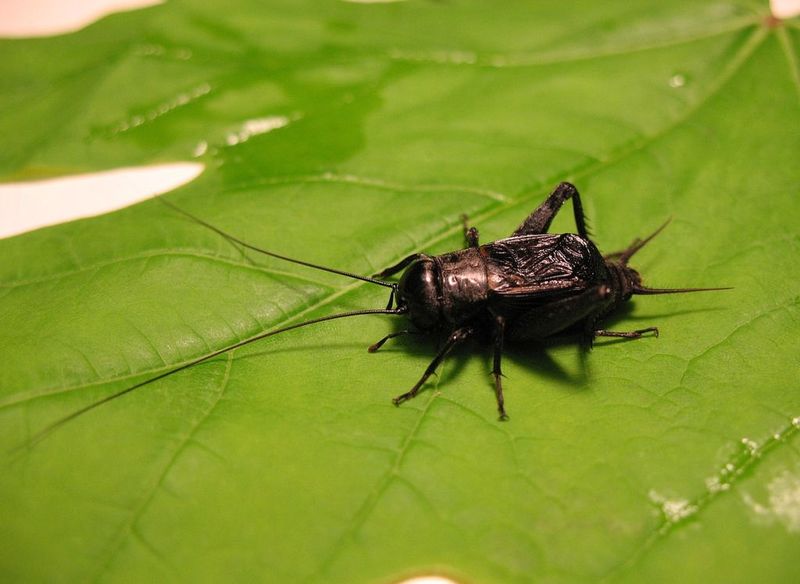
Ever notice how the chorus seems to triple in size the moment you turn off the TV? Crickets are mostly nocturnal, so they ramp up from late afternoon through the night when hungry birds are less of a worry.
Night also strips away much of the competing daytime noise from traffic, mowers, and neighborhood activity, making individual cricket songs much easier to hear.
What sounds like hundreds of insects might be a dozen well-placed singers bouncing sound off your siding, driveway, and fence.
Hard surfaces matter more than people expect. A cricket tucked into a window well or against a concrete foundation gets a free amplifier, which is why one indoor visitor can feel louder than the entire lawn.
Some tree crickets even chew a hole in a leaf and sing through it, using the leaf as a homemade speaker cone.
If the noise keeps you awake, a fan or white noise machine usually solves the problem faster than any spray. Closing windows on the side of the house facing tall grass helps too.
And remember that the singing tapers off before dawn, when temperatures drop and the performers settle in for the day.
4. Cooling Weather Is Pushing Them Toward Your Walls

Late summer in Ohio brings that first cool snap, and crickets notice before you do. Once outdoor temperatures start sliding, they drift toward warmer spots, and your house is the biggest warm rock around.
Foundations hold heat. Gaps under doors, torn window screens, dryer vents, and cracks around utility lines all become open invitations.
That is why chirping suddenly seems to come from the basement stairs instead of the flower bed. The singer followed the warmth right through a gap the width of a pencil.
Sealing is the practical fix, and fall is the right season for it. Add weather stripping to exterior doors, install door sweeps on the garage, patch screens, and use caulk on foundation cracks and gaps around pipes.
Check basement window wells, since they collect leaves and moisture that make an appealing waiting room.
Lighting plays a role as well. Bright white porch bulbs pull insects toward the house at night, so switching to warm-toned or yellow bulbs cuts down on visitors.
5. A Buffet Sign For Spiders And Centipedes
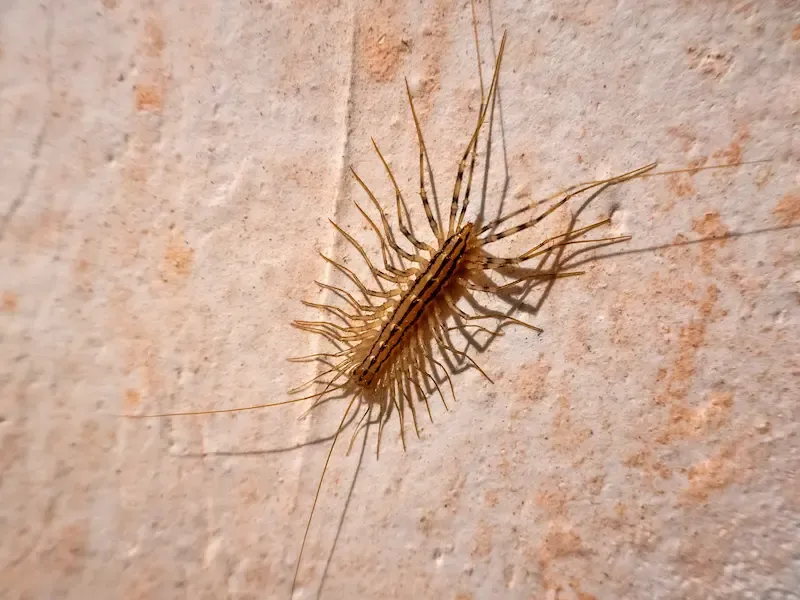
Think of a loud cricket population as a dinner bell. Where crickets gather in numbers, predators follow, and that list includes cellar spiders, wolf spiders, and those startling house centipedes with the blurry legs.
Basements and crawl spaces end up hosting the whole food chain. You clear one pest and find two new ones because the food supply never left.
Homeowners often discover this the hard way in October. The chirping fades, but suddenly there are webs in the corners and something skittering behind the water heater.
Breaking the cycle means going after the base of the pyramid instead of the hunters. Reduce moisture with a dehumidifier, fix leaky spigots and pipes, and keep stored boxes off the floor and on shelves.
Vacuum corners and window wells regularly so eggs and debris do not pile up.
Outside, pull mulch back a few inches from the siding and clear leaf litter along the foundation. Fewer hiding spots means fewer crickets, and fewer crickets means the spiders lose interest and move along.
A little cleanup in September saves you a lot of jumping and shrieking in November. Your basement becomes a boring place, which is exactly the goal.
6. Your Landscaping Is Rolling Out The Welcome Mat
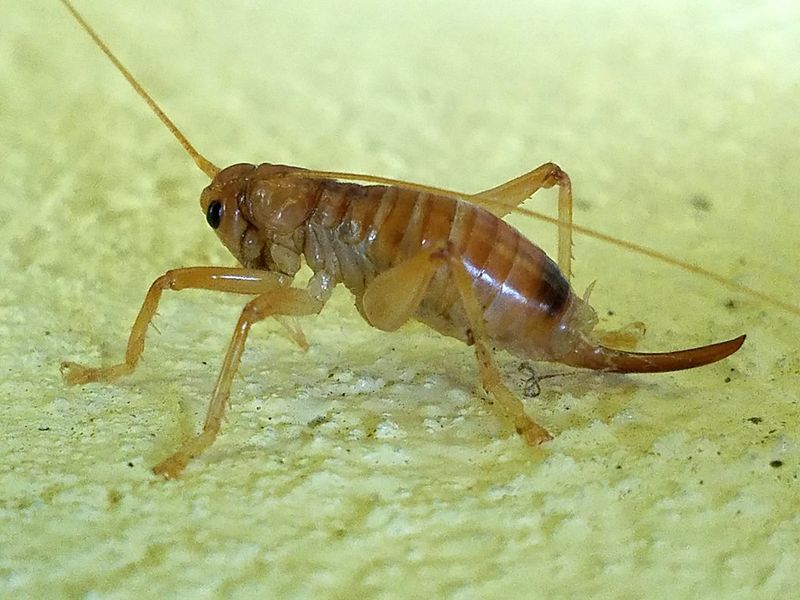
Crickets are not picky, but they do have a wish list: moisture, shelter, and something to nibble. A loud chorus means your property is checking all three boxes.
Take a slow walk around the house and look for the usual culprits. Tall grass along the fence, leaf piles left from spring, woodpiles stacked against the siding, and thick mulch beds all qualify.
Add a leaky hose bib or a downspout dumping water beside the foundation, and you have built cricket paradise without meaning to.
The good news is that fixing these spots costs almost nothing. Mow regularly, rake up leaf litter, move firewood at least twenty feet from the house and raise it off the ground.
Trim shrubs so air and sunlight reach the soil underneath, since dry ground is far less appealing than damp shade.
Redirect downspouts, tighten dripping outdoor faucets, and clear clogged gutters that keep the soil soggy.
Do this in early summer and you will hear the difference by August. The chorus rarely disappears, and honestly you would miss it, but it backs away from your bedroom window and returns to the field where it belongs.
7. Ohio Hosts More Than One Kind Of Chirper
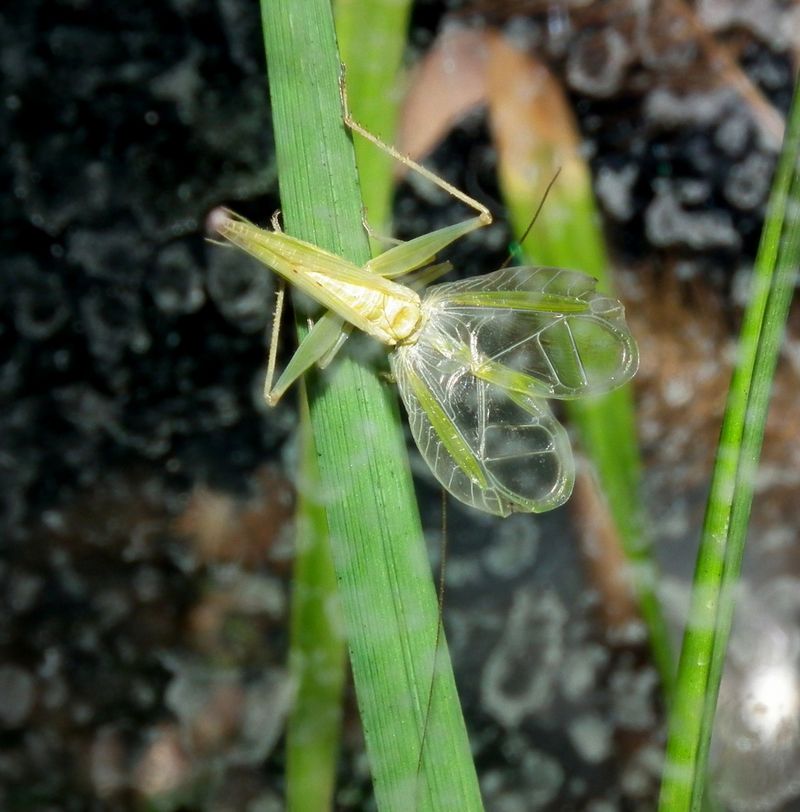
That wall of sound is not one species repeating itself. Ohio has a mixed lineup, and once you learn the parts, you can pick out individual performers.
Field crickets are the dark, stocky ones you find under stepping stones and in garages. Their sharp, chunky chirps make up the classic summer soundtrack across the state.
Up in the shrubs and trees, a different crowd takes over. Snowy tree crickets deliver a slow, pulsing trill that sounds almost like a musical saw.
Two-spotted tree crickets and black-horned tree crickets add faster, buzzier layers, often high in maples and along woodland edges.
Pale green and slender, tree crickets look almost nothing like their ground-dwelling cousins, and many Ohioans have heard them for years without ever seeing one.
Sorting out who is who changes how you handle the noise. Tree crickets stay in vegetation and rarely come indoors, so they need no action at all beyond enjoying the show.
Field crickets are the ones that squeeze through door gaps and set up shop by the furnace, so they are the group worth sealing out.
Bring your phone outside and record the chorus sometime. Playing it back slowly makes the separate voices surprisingly easy to hear.
8. Indoor Guests Can Chew Through More Than Your Patience
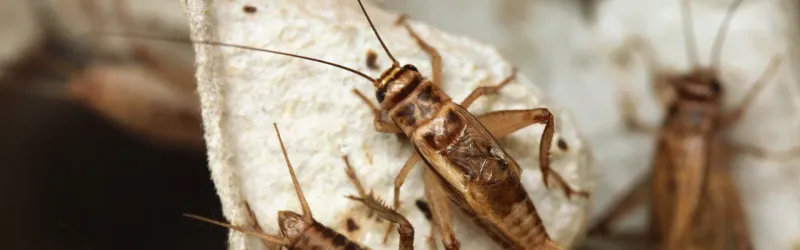
One cricket behind the drywall at 2 a.m. can undo a whole week of good sleep. The chirping seems to move every time you get close, which is part of why it drives people up the wall.
Lost sleep is the main complaint, and it is a real one. Broken rest makes everything else in the day harder.
There is a second issue that surprises folks. Indoor crickets nibble on wool, cotton, silk, paper, cardboard, and even pet food left in open bags.
The damage stays minor compared to moths or rodents, but a favorite sweater with tiny holes still stings. Stored boxes of photos and school papers can pick up chew marks too.
Hunting one down works best with patience and a flashlight. Sit still until it chirps, follow the sound in stages, and check behind appliances, in floor drains, and along baseboards.
Sticky traps tucked in corners and along walls catch wanderers without any spraying.
Long term, store clothes and paperwork in sealed plastic bins instead of cardboard, keep pet food in containers with lids, and run a dehumidifier in the basement.
Dry, tidy storage makes your home a poor restaurant, and the chirping moves back outside where it sounds much nicer.
9. Peak Season Has Officially Arrived
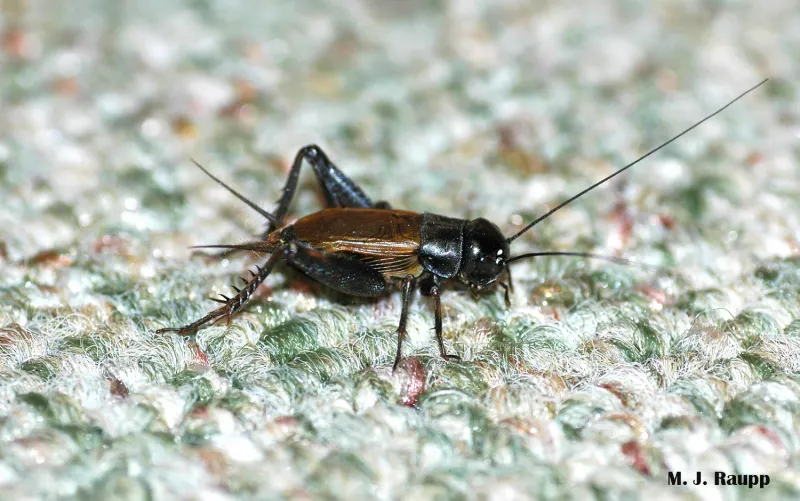
If the noise seems louder than it did in June, you are right. Fall field crickets mature into calling adults by late summer, helping explain why their songs become so noticeable as Ohio heads toward autumn.
Warm, humid nights keep the whole population active and calling at once.
Farm fields, roadside ditches, and unmowed lots become launching pads, and homes near those areas hear it first and loudest.
Knowing the calendar helps you plan instead of react. Do your sealing and yard cleanup in July, before the adults start looking for winter shelter.
Set out sticky traps in the basement in August, and check window wells every couple of weeks through September.
By mid to late October, cold nights quiet things down on their own, and the chorus fades until next year.
Until then, try to enjoy it a little. That sound has marked the end of Ohio summers for generations, and it disappears far too quickly once frost arrives.