A Tree-Damaging Fungal Disease Is Quietly Spreading Through Tennessee Backyards
Beetles tunnel under bark across Tennessee, often undetected. Sapwood inside your woodpile streaks the color of dark caramel. Branches brown while the rest of your canopy stays green.
Homeowners like you spot trouble only after weeks of hidden feeding. Early September should showcase your Tennessee trees, not push them toward trouble. Woodsmoke drifts past your fence while pests work beneath the bark.
Warm grass and ripe tomatoes mask a quieter threat near you. You can catch this early with sharp eyes and patience. Flashlights and pocket knives reveal more than you would expect.
A short walk around your property tells you plenty right away. Neighbors’ trees depend on what you notice right now. Options narrow fast once infestation takes hold in your wood.
Waiting costs you canopy, curb appeal, and community standing. Grab a flashlight, because your next few minutes decide what happens to that tree.
The Fungus And Its Beetle Partner
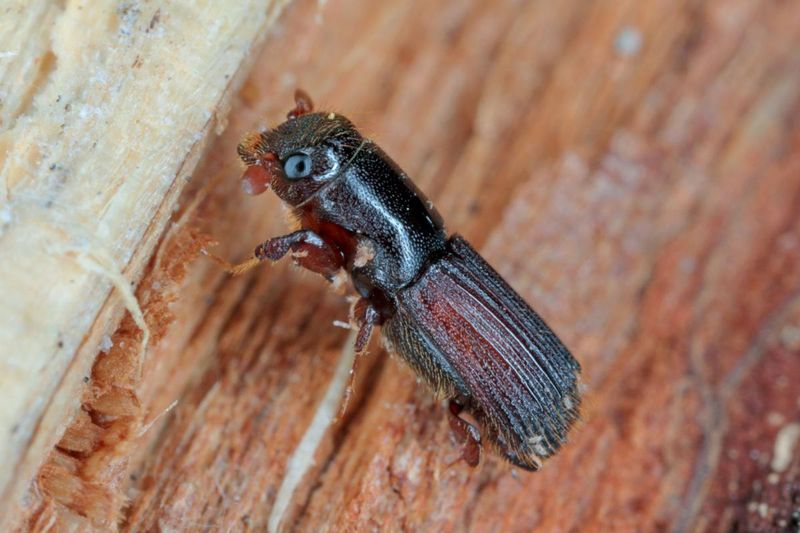
Picture a fungus so tiny that it travels inside the mouthparts of a beetle roughly the size of a sesame seed. That odd partnership drives laurel wilt, a tree disease caused by the fungus Harringtonia lauricola.
The redbay ambrosia beetle carries the fungus as a food crop, farming it inside tunnels it bores under the bark. Once the fungus takes hold, the tree reacts by plugging its own water pipes, and decline can follow within weeks.
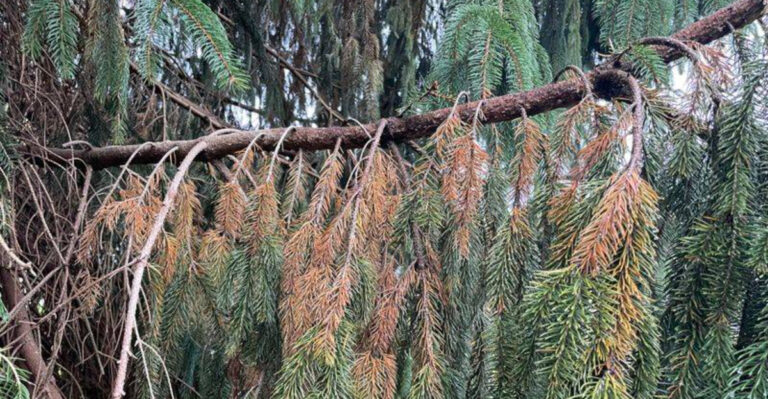
Think of it like a garden hose with a kink. Water leaves the roots, but it stops partway up, so foliage browns while still clinging to the twigs.
Laurel wilt arrived in the United States near Savannah, Georgia around 2002, likely inside wood packing material shipped from Asia. From there it moved steadily north and west, reaching Tennessee counties since 2019.
Trees in the laurel family are the target, which in Tennessee mainly means sassafras and spicebush. Backyard sassafras trees, prized for mitten-shaped leaves and fiery fall color, sit right in the path.
What makes the situation sneaky is the speed. A sassafras can look healthy in May and show heavy browning by late summer, long before a homeowner suspects a problem.
Knowing the cause helps you respond calmly instead of guessing. A fungus plus a beetle means two angles to watch: the insect that moves it around, and the tree stress that follows.
Learning that pairing is the first step toward protecting the shade and color you already enjoy in your yard.
Which Tennessee Trees Sit On The Menu
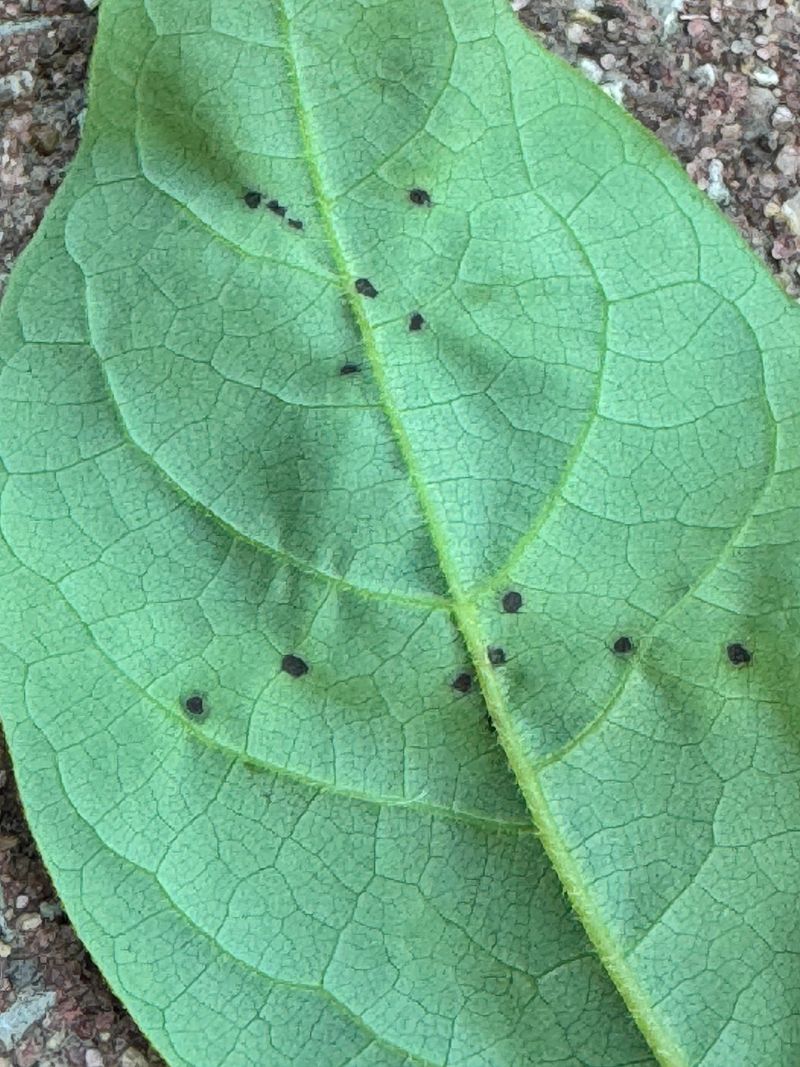
Sassafras is the headliner here, and in Tennessee it shows up along fence lines, woodland edges, and the shaggy back corners of suburban lots. Those mitten-shaped leaves and root beer scented twigs make it easy to identify.
Spicebush, a shrubby understory plant with small yellow spring flowers, also belongs to the laurel family and can be affected. Gardeners value it because spicebush swallowtail caterpillars feed on its leaves.
Redbay, the tree that gave the beetle its common name, grows mainly along the southeastern coast, so Tennessee yards rarely host it. Pondberry and pondspice, both rare wetland relatives, are vulnerable in other parts of the South.
Your Tennessee Garden Changes Every Week. Your Plan Should Too.
Gardening in Tennessee changes quickly throughout the season. Every Friday you’ll receive a simple weekly plan showing exactly what to plant, prune, fertilize, harvest, and protect so you never miss the right timing.
Avocado belongs to the same family, which is why Florida growers watch this disease closely. If you keep a potted avocado on a Nashville patio, keep it away from wounded or freshly cut sassafras wood.
Oaks, maples, and hickories are not affected, so a browning maple in your yard points to a different cause.
Walk your property this week and simply count your sassafras. Note their size, location, and whether they grow in clumps, since sassafras spreads by root sprouts and often forms small colonies.
Those root connections matter. When trees share roots, the fungus can move underground from one stem to a neighbor, which explains why a whole thicket may fade together.
Mapping your at-risk trees now gives you a baseline. Photos with dates saved on your phone turn vague worry into useful evidence you can share with a forester later.
Warning Signs Worth Checking This September
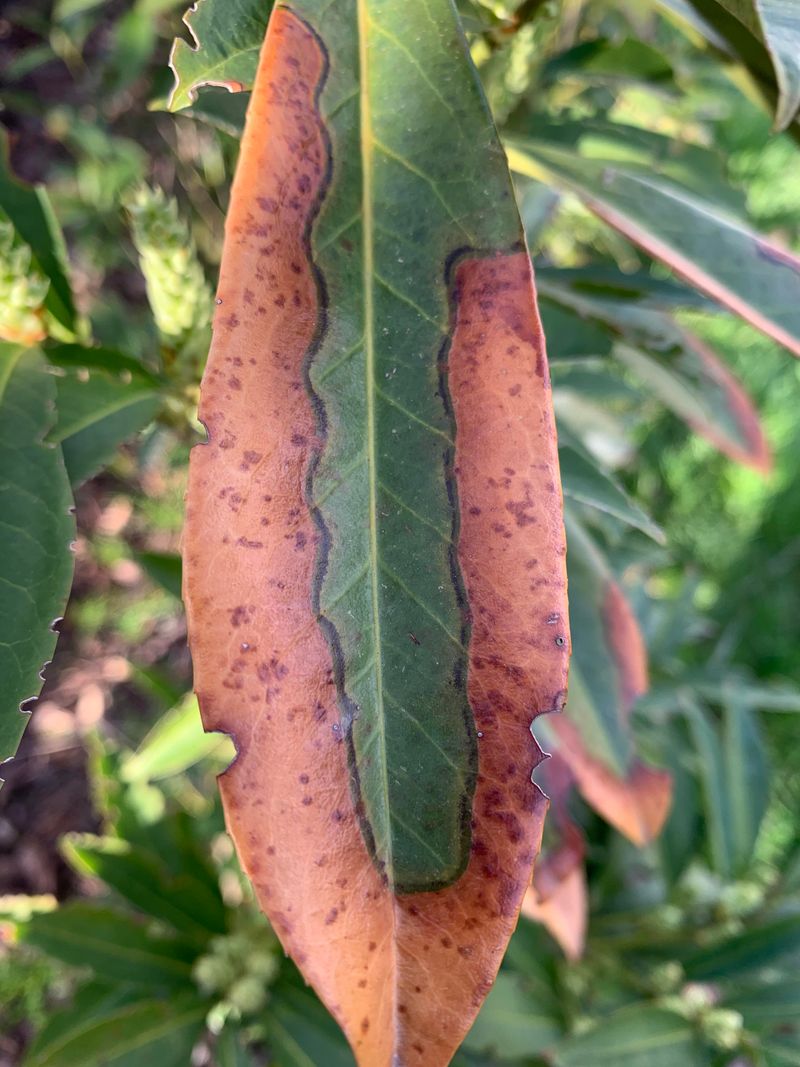
Early September is a sharp time for spotting trouble because healthy sassafras leaves are still green and glossy, so a faded crown stands out.
The classic first clue is wilting on a single branch or one side of the canopy while the rest looks fine. Leaves droop, turn reddish brown or gray green, and hang on instead of dropping.
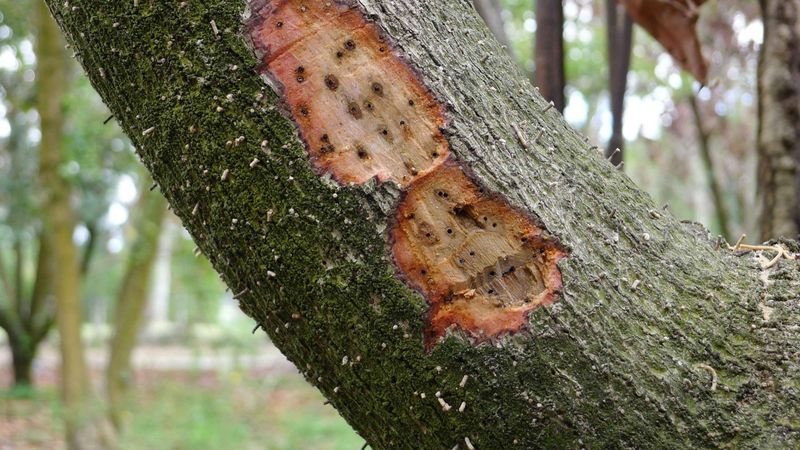
Peel back a bit of bark on a suspect branch and look at the wood underneath. Dark streaks, often chocolate or blue black, run lengthwise through the sapwood, and that staining is a strong signal.
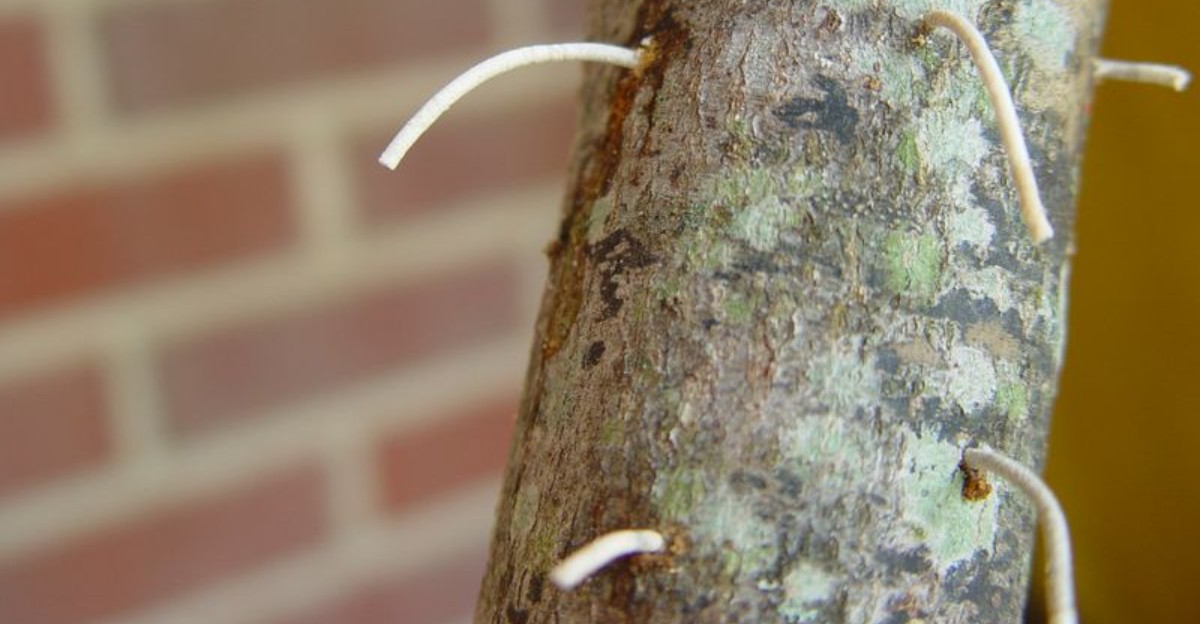
Check the trunk for tiny round holes about the width of a pencil lead. Some trees push out slender strands of compacted sawdust that look like toothpicks or noodles glued to the bark.
Those strands break easily in rain or wind, so morning checks after a dry night work best. Drought stress can also brown leaves in late summer, but drought tends to affect the whole crown evenly. A one-branch pattern paired with streaked wood points toward laurel wilt.
Sapsucker holes, spider mites, and lawn herbicide drift each create their own patterns worth ruling out. Take clear photos of leaves, bark holes, and cut wood before you prune anything.
Keep a simple log with dates. A note such as September 6, west branch browning, gives an arborist far more to work with than a rough memory.
Early reports help neighbors too, since one flagged tree often prompts a whole street to start looking.
Firewood, Truck Beds, And Free Rides
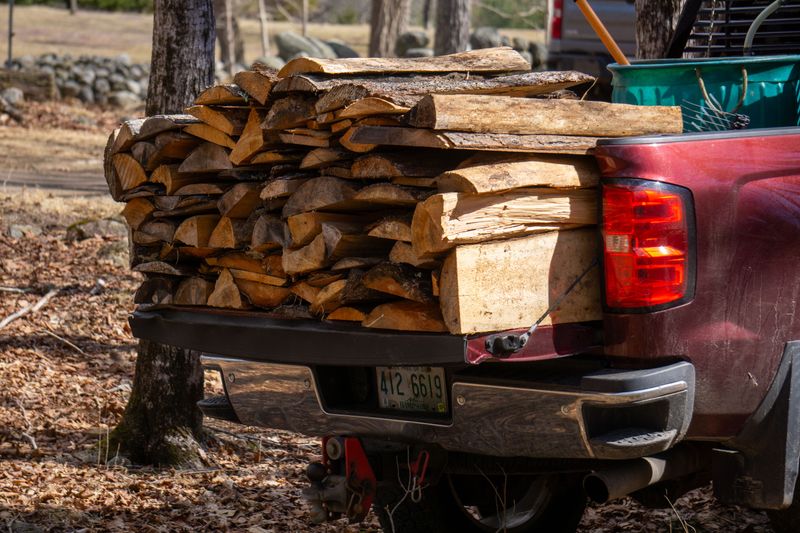
Firewood is the fastest ride this fungus can catch. A single stick of infested sassafras tossed in a truck bed can carry beetles hundreds of miles in an afternoon.
Beetles fly on their own, typically covering modest distances each year, which sounds slow until people speed things up. Camping trips, lumber hauls, and free wood piles from curbside cleanups all shorten the journey.
Tennessee has firewood guidance for a reason, and the simple version is to buy where you burn. Heat-treated bundles with a certification stamp are the safer choice for campgrounds and backyard fire pits.
Freshly cut sassafras is especially attractive because stressed wood releases scents that beetles track. Leaving a log pile of it beside the garage attracts beetles quickly.
If a sassafras on your lot needs removal, handle the wood on site whenever possible. Chipping into small pieces, burning it locally, or burying it reduces the chance of beetles emerging elsewhere.
Covering cut wood with clear plastic through warm weather can help, since trapped heat makes the pile less welcoming.
Nursery stock and yard waste hauling deserve a look as well. Ask where mulch and logs came from if you order in bulk this fall.
Curiously, the beetle is not fussy about tree quality, but the fungus does its damage in laurel family hosts only. Small choices at the woodpile affect nearby trees too, and neighbors who share wood can share the problem without meaning to.
Yard Habits That Slow Things Down
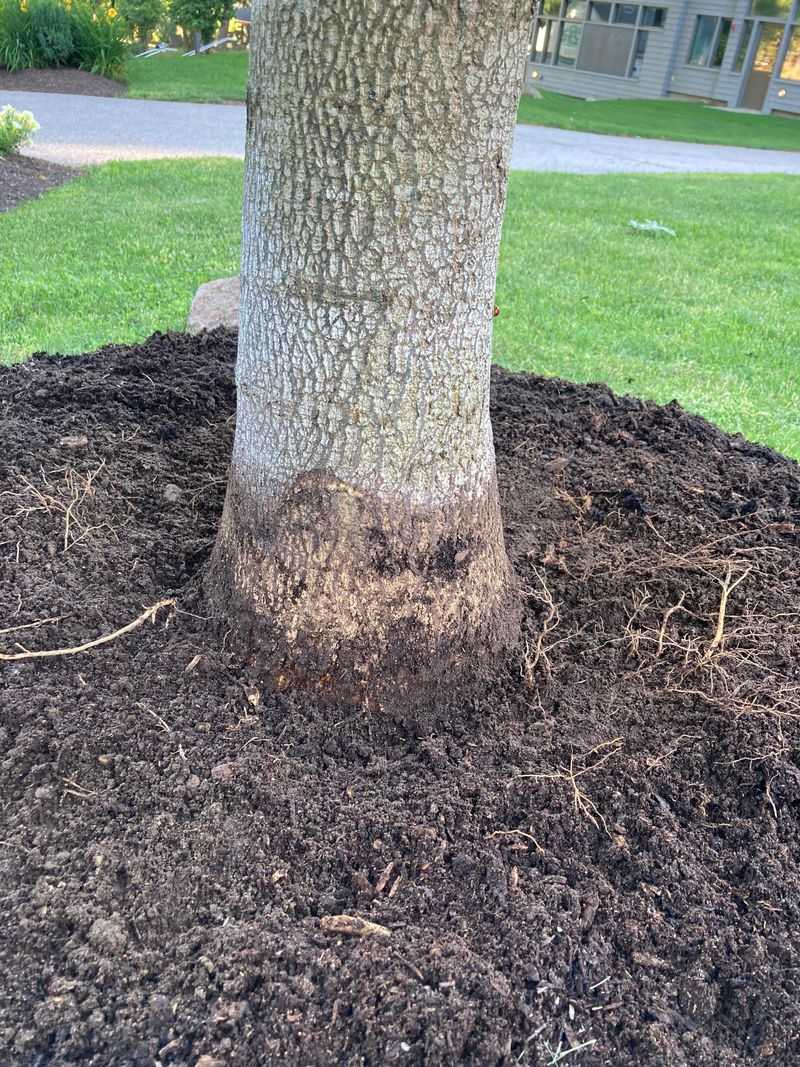
Healthy trees handle stress better, so ordinary yard care carries real weight here. Deep watering during dry stretches, a ring of mulch kept off the trunk, and gentle pruning habits build resilience.
Timing your pruning matters. Beetles respond to fresh cuts, so schedule structural pruning for cold months when insects are inactive rather than warm, humid weeks.
Skip the string trimmer near sassafras trunks. Bark wounds create scent trails and open doors, and trimmer scars are one of the easiest injuries to prevent.
Mulch with wood chips from your own property only if the source trees looked healthy. When in doubt, bagged mulch from a supplier is a low-risk swap.
Fungicide treatments exist, mainly propiconazole injected into the trunk by a licensed applicator, but they work best as prevention on healthy trees rather than as a cure once symptoms appear.
Cost runs high and protection lasts roughly a year or two, so treatment usually makes sense for a single prized shade tree rather than a woodland edge.
Injections work best before symptoms appear, which is another argument for scouting now.
If a tree does decline, plan replacements with diversity in mind. Serviceberry, blackgum, redbud, and hophornbeam all bring seasonal color to Tennessee yards without belonging to the laurel family.
Mixing species across your property spreads risk the way a varied garden shrugs off one bad bug season. A yard with six kinds of trees weathers surprises better than a yard with one.
Keep records of what you plant and when. Future you, standing in the shade, will appreciate the notes.
Who To Call And What To Ask
Reporting a suspect tree costs you a phone call and helps researchers track the spread across Tennessee.
The Tennessee Department of Agriculture Division of Forestry accepts reports, and UT Extension offices in each county can guide you through sample collection. Extension agents are used to nervous homeowners holding leaf photos, so there is no reason to feel silly.
A useful sample includes a branch section about the width of your thumb with visible dark streaking. Wrap it in paper, not plastic, and get it to the office quickly.
Lab confirmation matters because look-alike problems get treated differently. Verticillium wilt, drought scorch, and root damage from construction can all mimic the early stages.
Certified arborists bring another set of eyes, and the International Society of Arboriculture keeps a searchable directory by zip code. Ask about experience with sassafras specifically before hiring.
Get removal quotes in writing, including what happens to the wood afterward. Improper disposal by a contractor can undo your prevention efforts.
Neighborhood groups can be surprisingly effective. One shared post about a browning sassafras often turns up three more within a few blocks.
Fun bit of history: sassafras roots once flavored traditional root beer, and colonists shipped the bark to Europe as a prized export. Protecting these trees keeps a slice of American flavor history rooted in Tennessee soil.
Stay curious, check your trees each season, and share what you learn with the folks next door. Collective attention is the cheapest tool available.