This Tiny Alabama Wanderer Packs A Sting People Never Forget
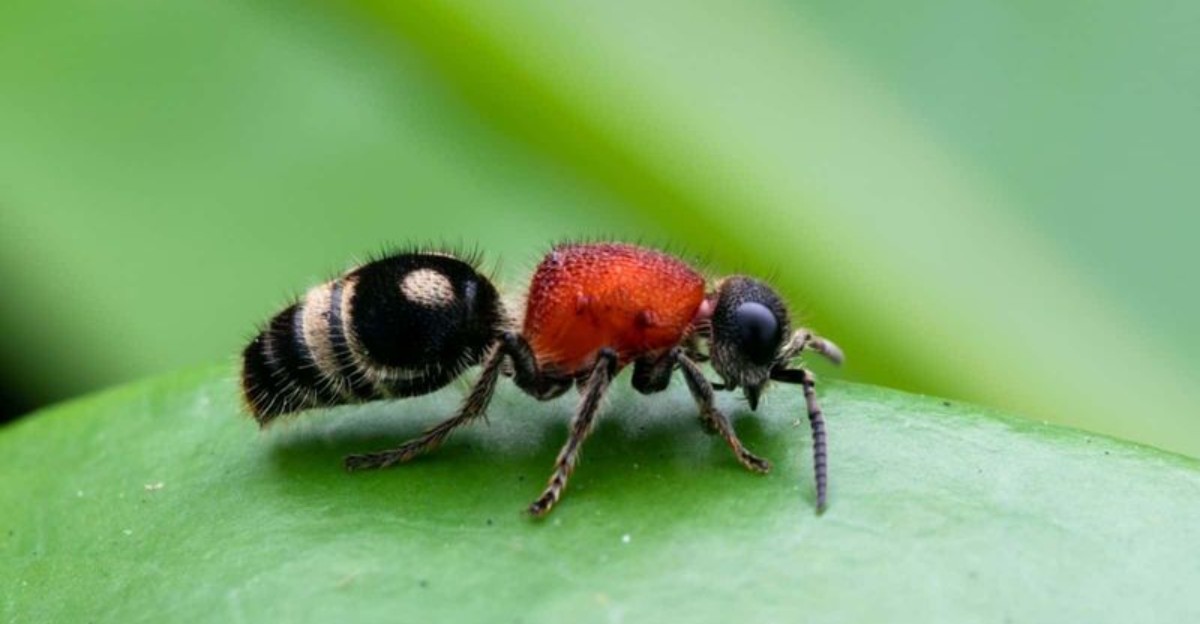
A flash of red velvet interrupts your afternoon before you notice what’s coming. Bare feet learn fast why Alabama parents point this insect out early. Black legs move it in sharp, quick darts across warm pavement.
Rich velvet fur hides a sting that grown adults still respect. Caution rides quietly beneath that bright orange coat. Even seasoned outdoorsmen give this wanderer a wide berth.
Few insects earn a nickname this ominous without good reason. Grown men across Alabama step aside when they spot it. How something so small commands that much respect stays surprising.
Its color warns you long before its sting ever could. Jittery movement makes it nearly impossible to predict or catch. Kids barefoot in summer grass find out the hard way.
Local legend surrounds this creature, and the legend holds up. Myths aside, the pain it delivers is well documented. Next comes the part you can’t ignore.
Not Actually An Ant At All
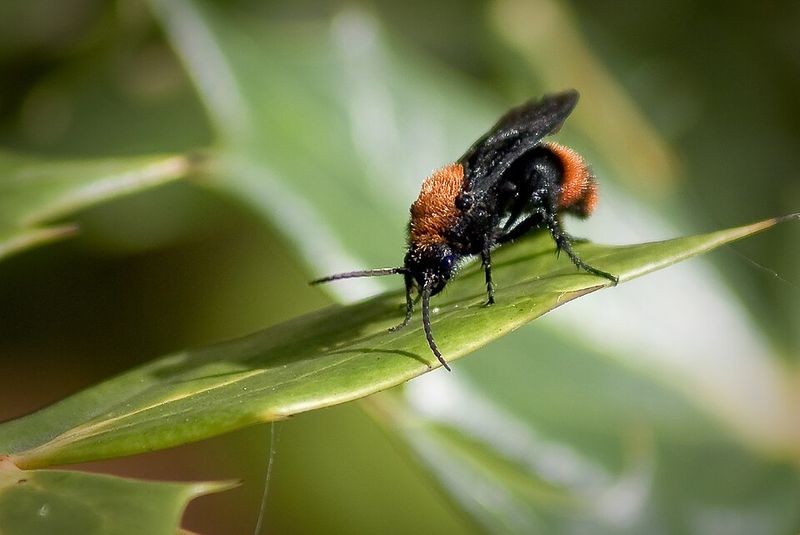
Here is the twist that surprises nearly everyone: the fuzzy red creature scurrying across your Alabama driveway is a wasp. A wingless female wasp, to be exact, from the family Mutillidae.
Because she has no wings, she runs on the ground instead of flying, which makes her look and act like an oversized ant. Her body is coated in thick, plush hair that catches the light like crushed velvet, giving the group its common name.
Male velvet ants tell a different story. They do have wings, they fly, and they lack the powerful stinger that gives the females their reputation.
Males often look so different that early naturalists mistakenly described them as separate species.
Alabama hosts several kinds, but the one people remember most is Dasymutilla occidentalis, the eastern velvet ant. Adults reach about three-quarters of an inch, which is chunky for a wasp and hard to miss against green grass or pale sand.
Once you know she is a wasp, her behavior makes far more sense. The restless wandering, the sudden bursts of speed, the way she probes at the soil with her antennae, all point to a hunter searching rather than a worker following a trail.
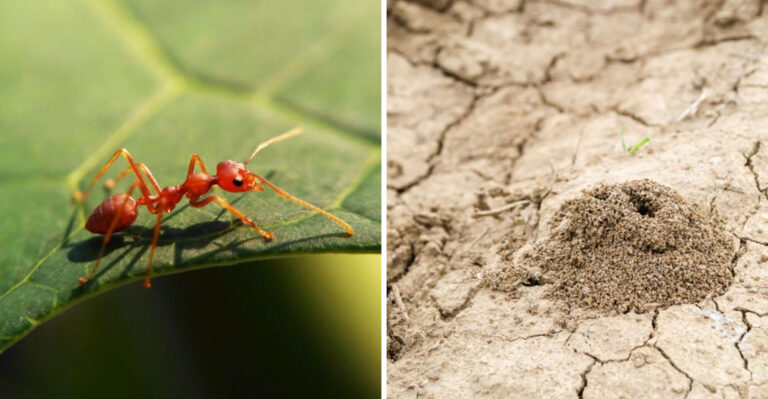
Practical takeaway for homeowners: skip the ant bait. Ant traps rely on colony sharing, and velvet ants live solo, so those products simply sit there unused while she keeps roaming your lawn.
The Nickname Southern Folks Whisper
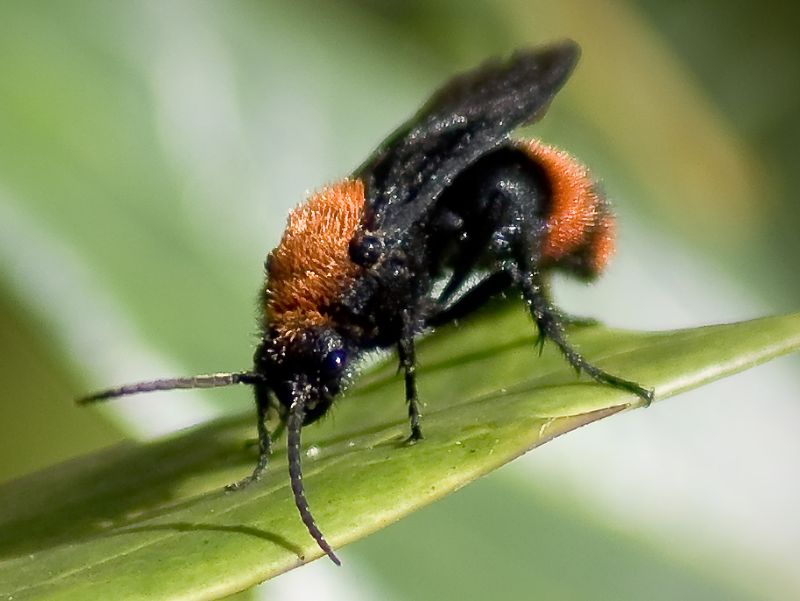
Old Southern nicknames tend to be dramatic, and this one takes the prize. Across Alabama and neighboring states, the velvet ant is widely known by its traditional nickname.
The name came from ranch talk, not science. The sting hurts so intensely that people joked it could drop a cow, and the exaggeration stuck for well over a century.
Reality is far tamer. A velvet ant sting has nowhere near enough venom to seriously harm livestock or a person, and there is no credible evidence of cattle being seriously harmed by one. What she delivers is pain, sharp and memorable, without much lasting tissue damage.
Your Alabama Garden Changes Every Week. Your Plan Should Too.
Gardening in Alabama changes quickly throughout the season. Every Friday you’ll receive a simple weekly plan showing exactly what to plant, prune, fertilize, harvest, and protect so you never miss the right timing.
Entomologist Justin Schmidt, famous for ranking insect stings on a personal pain scale, gave velvet ants a solid 3 out of 4. He described the sensation as intensely sharp and slow to fade.
The stinger itself explains part of the drama. In females it is unusually long and flexible, able to swivel and jab from odd angles, which makes grabbing one a poor decision no matter how careful you feel.
Country wisdom around here has always been simple and worth repeating. Admire the velvet ant, photograph her if you like, then let her carry on with her business while you carry on with yours.
Why That Sting Lingers So Long
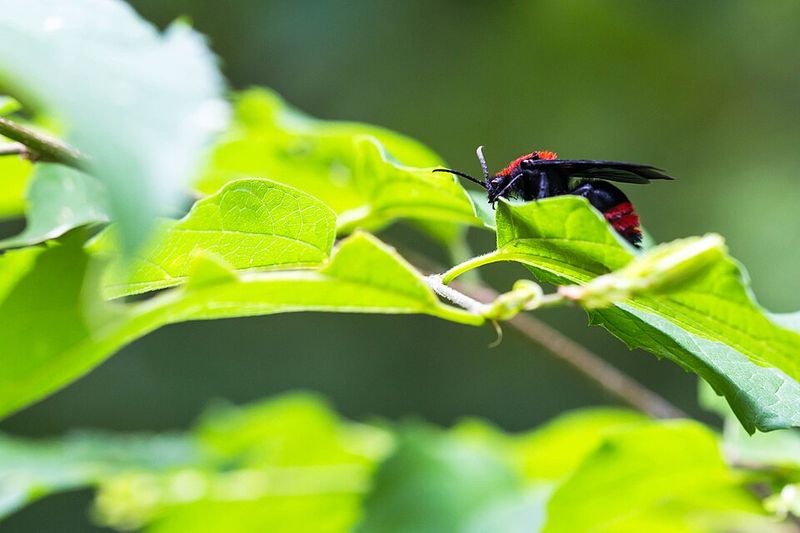
Ask anyone in south Alabama who has tangled with one, and the story comes with hand gestures. The pain arrives instantly and radiates, often described as a searing, throbbing wave rather than a simple pinprick.
Duration is what sets it apart. While a typical wasp jab fades in minutes, velvet ant discomfort commonly lingers for twenty to thirty minutes before easing into a dull ache.
Interestingly, the venom is considered fairly low in toxicity compared with many wasps. One leading theory suggests the sting evolved mainly as a warning system, delivering strong pain with minimal biological cost to discourage predators.
Swelling is usually modest, and redness fades within a day for people without allergies. Anyone with a known wasp allergy should treat a velvet ant sting seriously and contact a medical professional right away.
Basic first aid is straightforward. Wash the area with soap and cool water, apply a cold pack wrapped in cloth for ten to fifteen minutes, and take an over-the-counter pain reliever if needed.
Prevention beats treatment here. Wear closed shoes when crossing sandy yards in late summer, shake out gardening gloves before slipping them on, and glance at the ground before kneeling to weed a flower bed.
Stings happen almost entirely when someone handles or steps on one. She does not chase people, and she would much rather sprint away than fight.
Armor Built Like A Tiny Tank
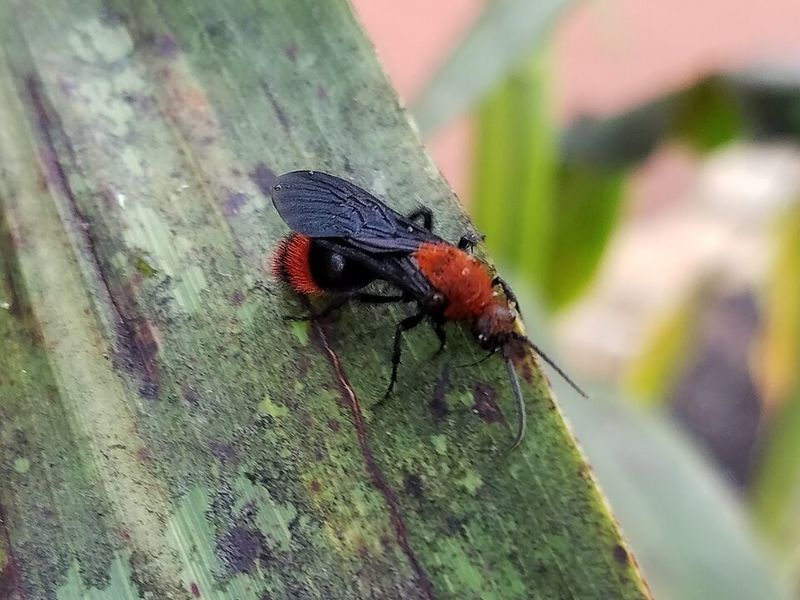
Durability is the velvet ant’s second standout trait, and it is well documented. Her outer shell, called the cuticle, is among the hardest measured in the insect world.
Laboratory tests found that the exoskeleton of a velvet ant resists crushing force far better than that of a comparably sized honey bee. Some studies suggest it takes significantly more pressure to puncture than a typical bee’s exoskeleton.
That armor pays off in daily life. When she sneaks into the underground nest of a bumble bee or a ground-nesting wasp, the residents bite and sting in defense, and the blows mostly bounce off her plating.
She also carries a rounded, slippery body shape that makes her hard for birds and lizards to hold onto. Predators that manage a grip often let go once the stinger swings around.
Add one more trick: velvet ants squeak. Rubbing body segments together produces a faint chirping sound called stridulation, a startling little alarm that gives a curious animal reason to pause.
Homeowners sometimes discover this durability the hard way when a boot or a rolled newspaper barely slows her down. That is another reason simple avoidance works better than confrontation.
This small body carries several defensive adaptations. Bright warning colors, a hardened shell, a warning squeak, and an effective stinger combine into one well-defended insect.
Sandy Yards, Sunny Trails, And September Wandering
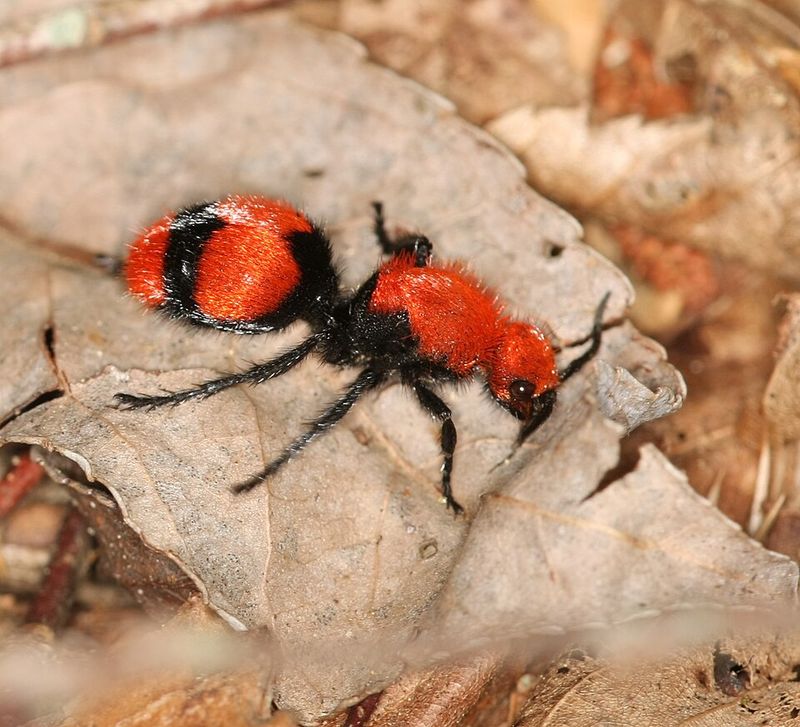
Late summer is prime velvet ant season across Alabama, and September afternoons often bring peak sightings. Warm soil and sunny openings are exactly where she likes to hunt.
Look for her in sandy or well-drained ground: pine flatwoods, dirt driveways, garden borders, ball fields, and the shoulders of country roads. Coastal counties and the sandy stretches of the Coastal Plain see especially heavy activity.
Her wandering has a purpose. Females spend hours crisscrossing open ground, tapping the soil with their antennae as they search for the buried burrows of bumble bees, and other ground-nesting bees and wasps.
Peak movement happens during the hottest, brightest part of the day, roughly late morning through mid afternoon. Cloudy weather and cooler evenings usually send her into hiding under leaf litter or debris.
Gardeners can reduce close encounters with a few easy habits. Keep pine straw and mulch raked away from walkways, store shoes indoors instead of on the porch steps, and use a hand trowel rather than bare fingers in loose soil.
Children deserve a heads up too. A quick lesson that fuzzy red bugs are for looking, not touching, saves a lot of tears in September.
Sightings taper off as autumn cools the ground. By late October, the sprinting flashes of red mostly vanish until next summer rolls back around.
Living Peacefully Beside A Velvet Neighbor
Good news for anyone feeling nervous: velvet ants make surprisingly agreeable neighbors. They do not swarm, do not build nests near your house, and show zero interest in your kitchen.
Each female lives alone. Without a colony to defend, she has no reason to act aggressively, and her instinct when approached is to keep moving in the opposite direction.
Ecologically, she plays a useful role. By parasitizing the nests of ground-nesting bees and wasps, she helps keep those populations in balance, and adults sip flower nectar, giving them a small hand in pollination.
Control measures are rarely necessary. Pest professionals generally recommend habitat tweaks over sprays, since chemicals broadcast across a lawn hit beneficial insects while doing little about a solitary wanderer.
If you want fewer visits, reduce bare sandy patches by thickening turf, water deeply but less often, and clear away boards, bricks, and clutter where she might shelter. Sealing gaps under doors handles the occasional one that strays inside.
Found one indoors? Slide a cup over her, work a piece of stiff paper underneath, and carry her out to the garden. Fingers stay clear the entire time.
Alabama’s backyards hold plenty of small wonders, and this velvet-coated sprinter ranks among the most striking. Give her space, watch her work, and she gives you a memory instead of a sting.