Lift and store these 8 tender Wisconsin plants before the first hard freeze ends the season
When the calendar flips to October, Wisconsin gardeners start watching the nighttime forecast like hawks. A single hard freeze can turn your prized flowers into mush overnight, which is why timing matters so much.
The good news is that many tender plants can be lifted, dried, and tucked away indoors to bloom again next spring. Here are seven favorites worth saving before winter shuts things down for good.
1. Geraniums (Pelargonium)
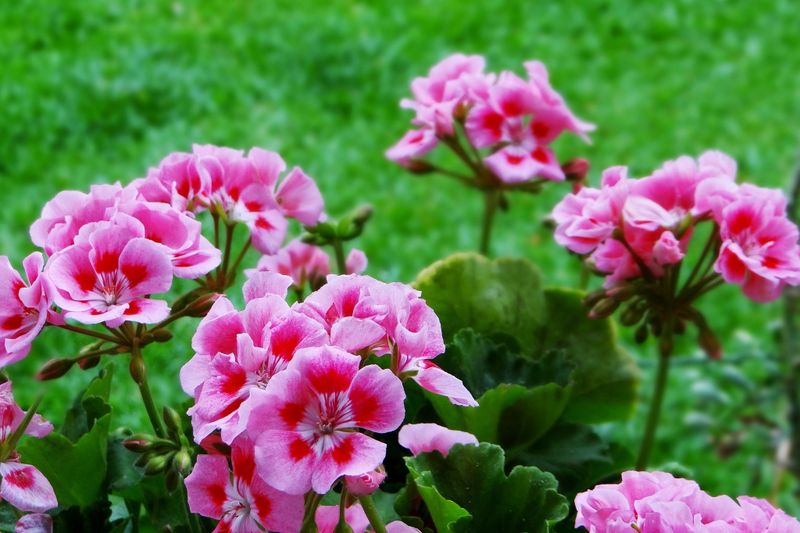
Few flowers say summer porch quite like a cheerful pot of geraniums, and Wisconsin gardeners hate to let them freeze. The trick is bringing them inside before that first hard freeze arrives, which in much of the state hovers around mid to late October.
You have two solid choices. Treat them as houseplants by trimming the stems back by a third, watering well, and setting them in a sunny window at a cool 60 to 65 degrees.
Water only when the soil feels dry to the touch.
Prefer to save space? Dig the plants up, shake off the loose soil, and cut them back by half.
Store them upside down or in paper bags somewhere cool, dark, and frost-free like a basement or unheated garage kept between 45 and 55 degrees.
Check on them once a month and give the stems a light misting if they start to shrivel. Come spring, pot them back up and watch them wake right up.
2. Caladiums
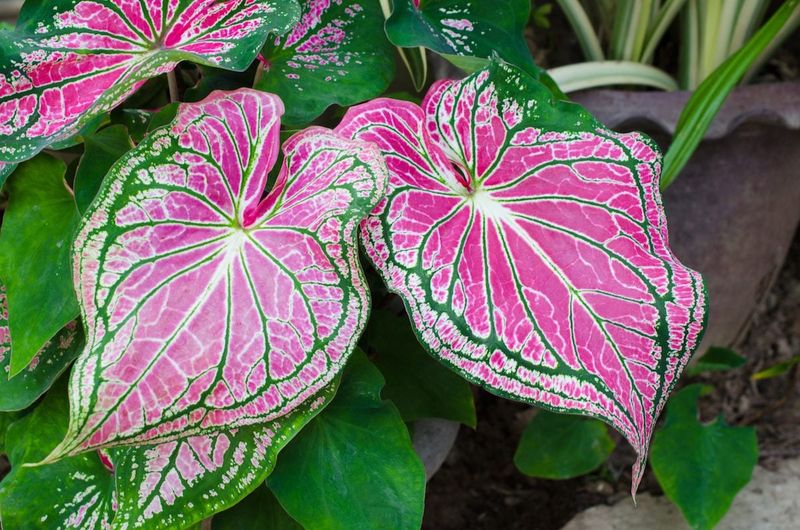
Grown for their splashy heart-shaped leaves rather than flowers, caladiums bring bold color to shady Wisconsin corners all summer. They are tropical to the core, though, and cold soil spells trouble fast.
Lift the tubers before soil temperatures dip below 55 degrees and definitely before any frost. Some gardeners wait until the foliage yellows or a light frost knocks it back, which is fine too.
After digging, brush off most of the dirt and let the tubers dry for about a week in a warm, shady, breezy spot. Once the leaves shrivel, snip them off cleanly.
Pack the dry tubers in sphagnum moss, vermiculite, or sawdust inside a mesh bag or cardboard box, and keep them at a steady 55 to 60 degrees. The one rule that never bends: never let them freeze.
3. Canna Lilies
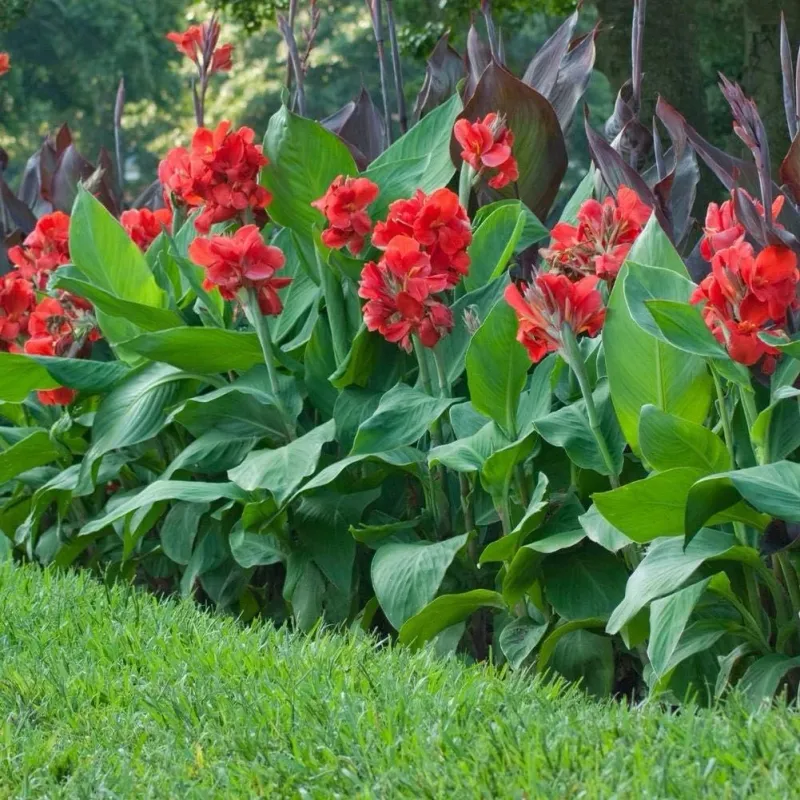
Towering and tropical, canna lilies give Wisconsin flower beds a jungle vibe that neighbors always notice. Their rhizomes are surprisingly easy to overwinter once you know the routine.
Wait until the first frost blackens the foliage, then dig the clumps before the ground freezes solid. A little frost damage up top actually signals it is time.
Shake or rinse off the excess soil, trim away the leftover stalks, and let the rhizomes cure for one to three days. Pack them in slightly dampened peat moss or wood shavings, using bags with a few air holes to hold in some humidity.
Set the containers in a cool, dark, frost-free spot around 40 to 55 degrees, such as a basement or cellar. Peek at them occasionally through the winter, and by planting time in spring they will be ready to shoot up all over again.
Your Wisconsin Garden Changes Every Week. Your Plan Should Too.
Gardening in Wisconsin changes quickly throughout the season. Every Friday you’ll receive a simple weekly plan showing exactly what to plant, prune, fertilize, harvest, and protect so you never miss the right timing.
4. Dahlias
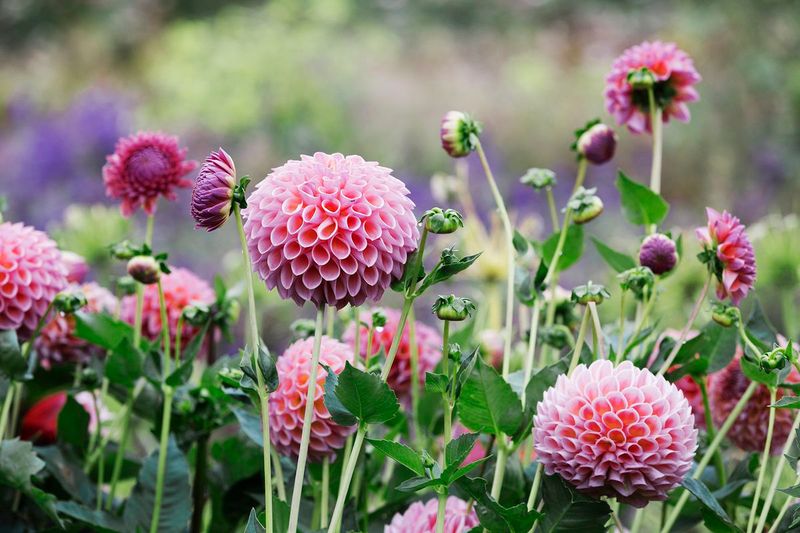
Ask any Wisconsin flower lover about their favorites and dahlias almost always make the list, with blooms ranging from dinner-plate giants to tidy pompoms. Saving the tubers means you can multiply your collection year after year.
Dig them up after the first hard frost kills the top growth but before the ground freezes deeply. Some gardeners even wait about two weeks after a heavy frost so the budding eyes have time to develop.
Dig several inches out from the base to avoid slicing tubers, then gently shake off the soil without washing them. Let the clumps cure for a couple of weeks in a frost-free spot with good airflow and indirect light before cutting the stems down to an inch or two.
Store them in crates, paper bags, or boxes packed in slightly damp peat moss, wood shavings, or pet bedding at 40 to 50 degrees. Check monthly for rot or shriveling and adjust moisture as needed.
5. Elephant Ears (Colocasia)
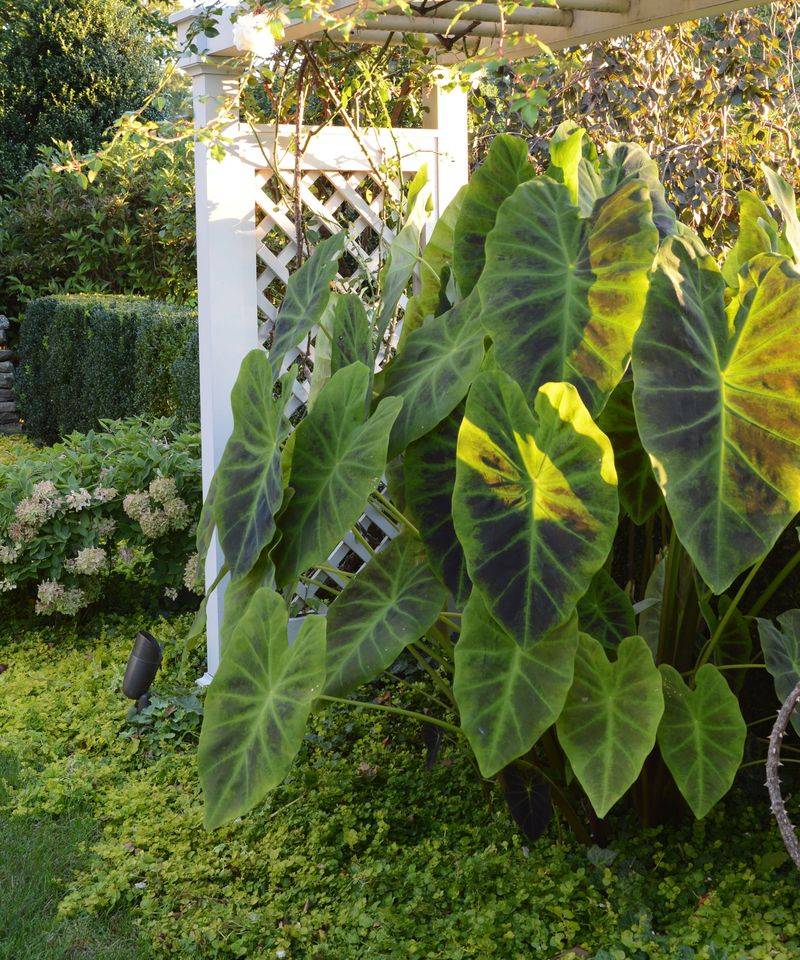
Nothing turns heads quite like elephant ears, whose enormous leaves can stretch wider than a dinner plate. In a Wisconsin backyard they create instant drama, but they melt at the first sign of real cold.
Lift the tubers before the first frost, or just after a light one, and never let temperatures dip below 40 degrees while they are still in the ground. Cut the stems down to about six inches once you dig them.
Give the tubers one to two weeks to dry in a warm spot, then brush away most of the clinging soil. Nestle them in an open container of vermiculite, peat moss, or sawdust, or simply wrap them in paper.
Keep them somewhere cool, dark, and dry, roughly 40 to 60 degrees, though some gardeners store them warmer. Keep them barely moist, never soggy, and they will bounce back with gusto next summer.
6. Tuberous Begonias
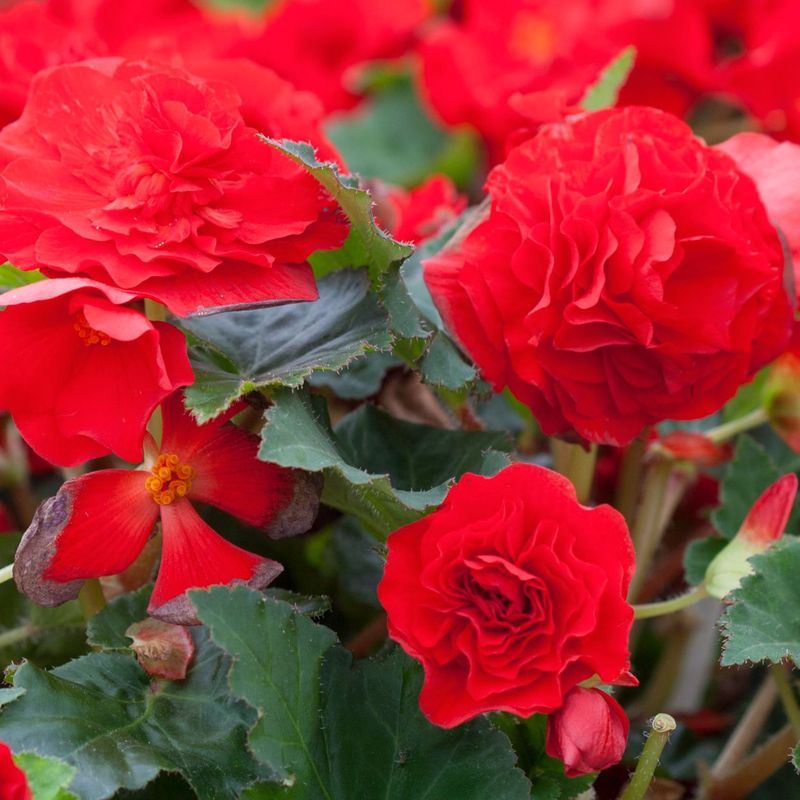
Ruffled and rose-like, tuberous begonias reward shady Wisconsin spots with color most other flowers cannot match there. A little late-season planning keeps them coming back.
Start easing off on water in late summer to nudge them toward dormancy. Lift the tubers when the foliage yellows or within a few days of a killing frost, always before the ground freezes hard.
Cut the stems to a couple of inches, brush off loose soil, and cure the tubers in a cool, airy space for two to three weeks. Once cured, clean off any leftover soil and stem bits.
Store them dry in paper bags or boxes, or layered in peat moss, vermiculite, or sawdust, kept at 40 to 50 degrees in the dark. Skip watering entirely during storage and glance over them now and then for pests or soft spots.
7. Gladiolus
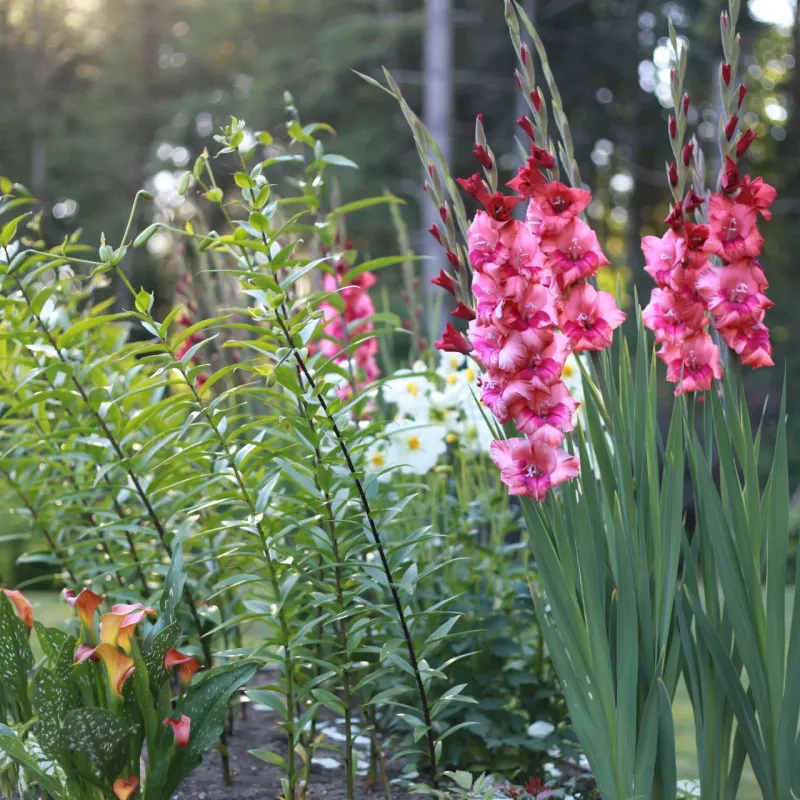
Those tall, sword-like spikes of gladiolus make some of the best cut flowers a Wisconsin garden can offer. Their corms are among the simplest tender bulbs to tuck away for winter.
Dig the corms after the foliage dries up or once a light to moderate frost has knocked back the tops, and get them out before the soil freezes solid. Shake off the extra dirt and trim the stems to an inch or two above each corm.
Cure them for about three weeks in a dry, well-ventilated space at 60 to 70 degrees. Afterward, snap off the old shriveled corm underneath the new one and toss any that look damaged.
Slip them into mesh bags, old nylon stockings, or paper sacks so air can move freely, and store at 35 to 50 degrees in the dark. Skip plastic, which traps moisture, and mist lightly if they start looking too dry.