The Most Underrated Ohio Patio Plant That Brings Butterflies
A patio can be packed with bright annuals, colorful and full, and still feel oddly quiet when no butterflies ever stop by to visit.
Something is missing, and it is usually not the color.
In Ohio, one overlooked plant can change that entire equation, loaded with big flower clusters and real pollinator value most patio setups never quite manage.
The surprise pick is Joe Pye weed, though not the towering wild version most people picture growing wild along a ditch or roadside somewhere.
Compact cultivars bred specifically for smaller spaces make this native plant a genuinely smart choice for containers, as long as a gardener plans ahead for sun, space, and a bit more water than expected.
Seven things explain how to actually pull this off on a patio, from choosing the right size to knowing when to stop tidying up in fall.
Meet Joe Pye Weed
Picture a patio packed full of petunias, colorful and cheerful, and still no butterflies bother landing anywhere nearby.
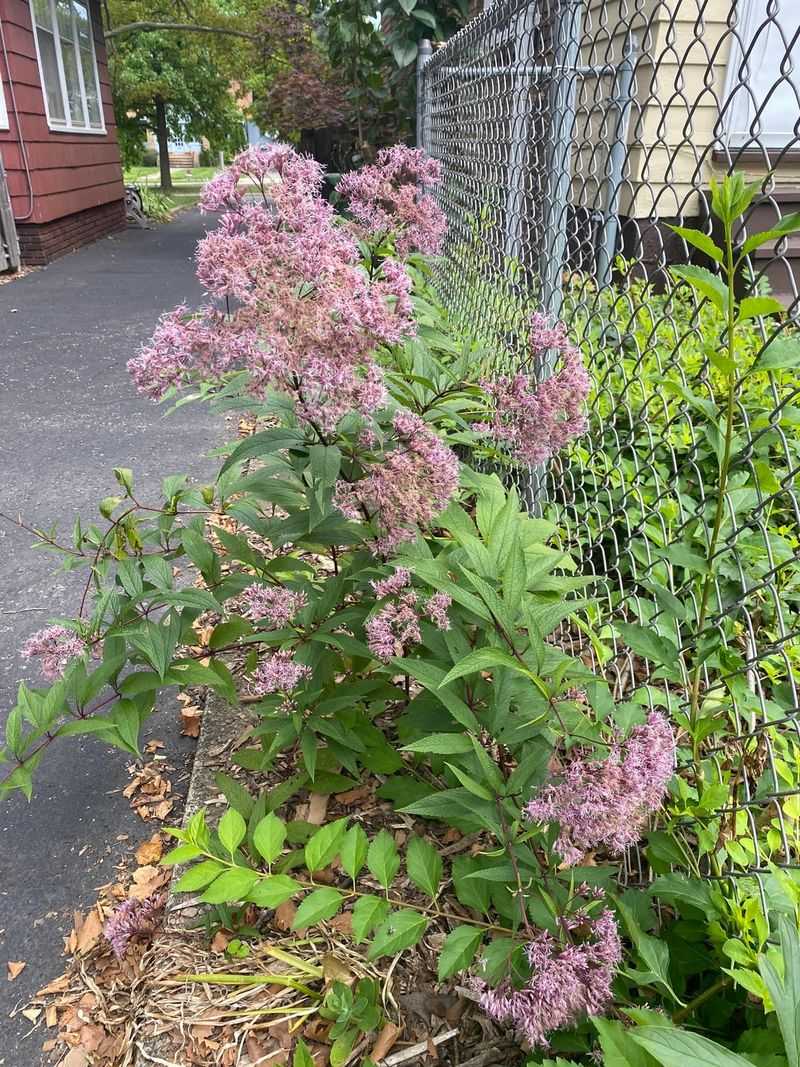
Joe Pye weed can change that standoff, but Ohio gardeners should skip the tall, straight species meant for open garden beds and choose compact cultivars bred specifically for smaller container spaces instead.
OSU Extension highlights Joe Pye weed as a genuinely strong pollinator plant, and dwarf forms make the whole idea far more realistic for anyone working with limited patio space rather than a full backyard border.
Use a large container, rich soil, and steady moisture so roots stay reasonably cool through the worst of summer heat, since a shallow, undersized pot will struggle to support this plant properly through July and August.
Choosing the right cultivar matters more than almost anything else here, since the difference between a four-foot wild plant and an eighteen-inch dwarf version determines whether this works on a patio at all.
Nurseries across Ohio increasingly stock these compact forms specifically because more gardeners are discovering how well they perform in pots.
Starting with a quality dwarf cultivar from a reputable native plant nursery sets the whole project up for success from the very first season.
Nectar Rich Blooms Draw Steady Visitors
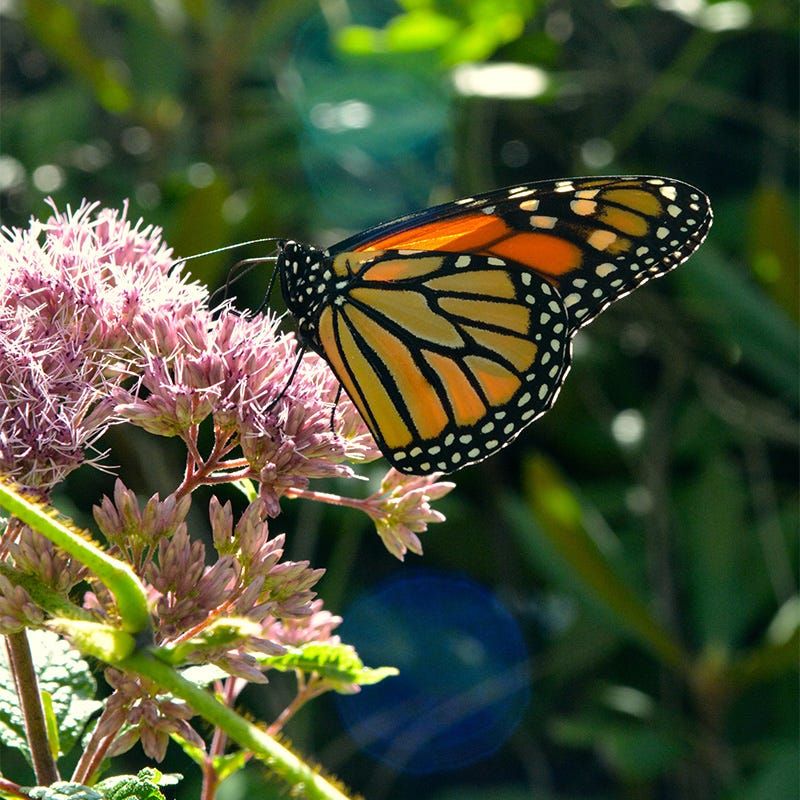
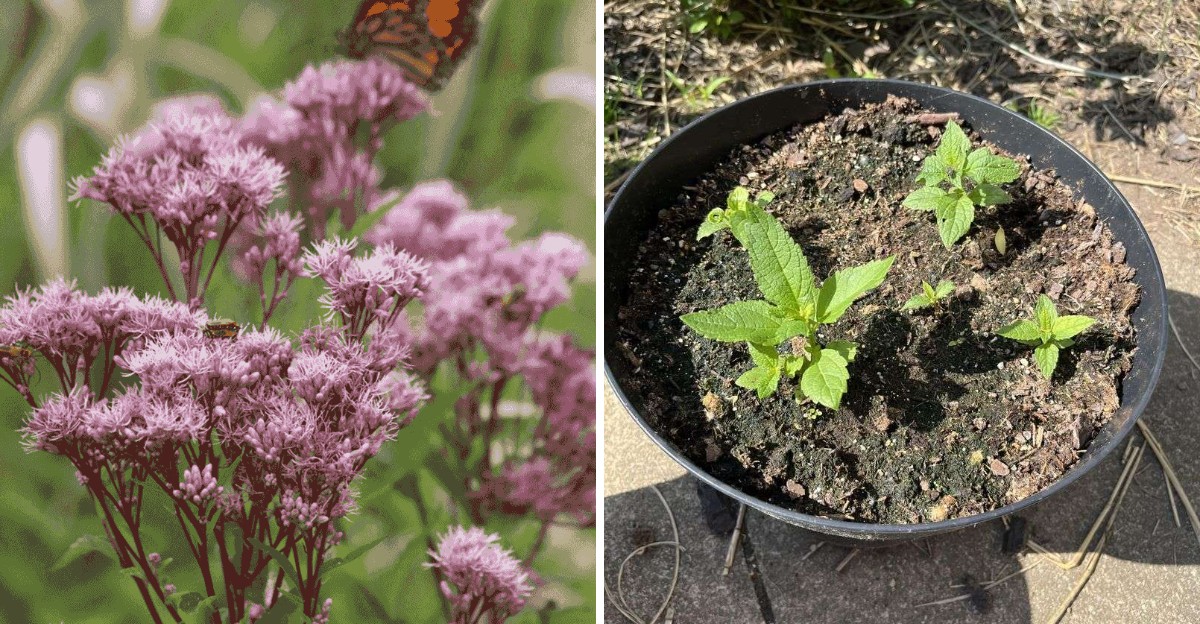
By midsummer, the flower heads look like soft mauve clouds floating above the foliage, and butterflies notice the display fast, often within days of the first blooms opening.
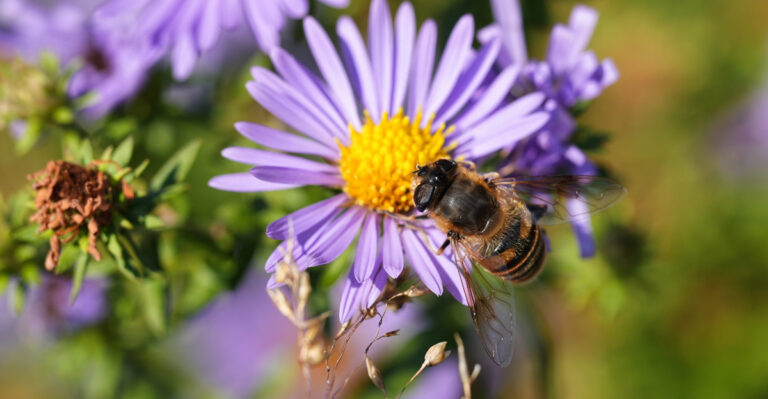
Joe Pye weed is well known for nectar-rich blooms that attract swallowtails, monarchs, skippers, bees, and a whole range of other pollinators, especially at a point in summer when many patio annuals offer surprisingly little real food value.
Set the pot somewhere visible, close enough to watch the action unfold from a chair or through a kitchen window without having to go looking for it.
Grouping several nectar-rich plants nearby can make visits even steadier throughout the day, especially during warm, sunny afternoons in Ohio stretching from July into early fall when pollinator activity peaks.
The blooms tend to last for weeks rather than days, giving a much longer window of activity than many showier annuals manage to provide.
Your Ohio Garden Changes Every Week. Your Plan Should Too.
Gardening in Ohio changes quickly throughout the season. Every Friday you’ll receive a simple weekly plan showing exactly what to plant, prune, fertilize, harvest, and protect so you never miss the right timing.
Butterflies in particular seem to favor the clustered flower heads, landing repeatedly to work through the abundant nectar available in each bloom.
A single well-placed container can end up hosting more pollinator visits in one afternoon than an entire bed of ordinary annuals manages across a whole week.
Compact Cultivars Fit Small Patios
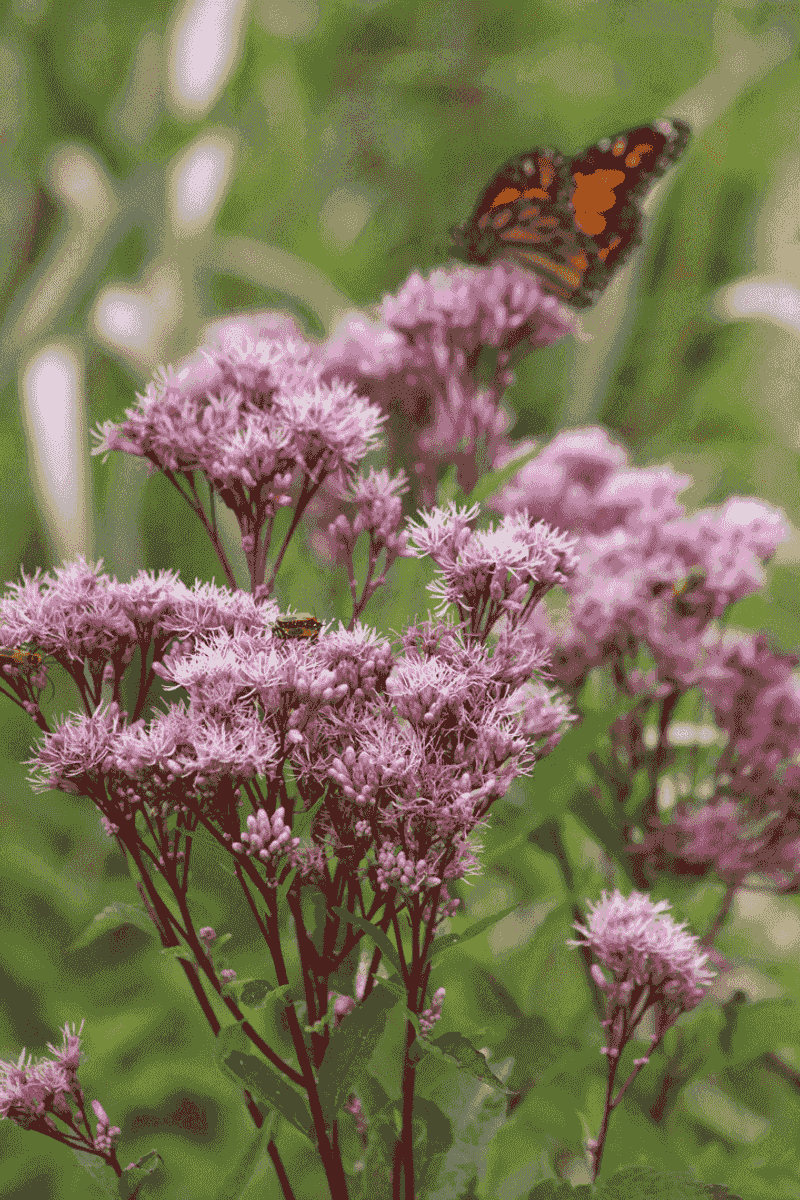
Size is really the make-or-break detail with this particular plant, more than almost any other factor a gardener needs to consider before buying.
Straight species Joe Pye weed often reaches about 4 to 7 feet tall in open ground, so it can easily overwhelm a small patio container, while compact cultivars bred specifically for shorter growth are far better matched to porch and patio life.
Read plant tags carefully before buying anything, because the common name alone printed on a generic label is not enough information to guarantee the right size for a container.
A genuine dwarf form stays noticeably tidier through the season, needs less staking to stay upright, and proves easier to place near doors, railings, and seating areas where people actually spend time.
Look specifically for cultivar names on the tag rather than just the species name, since that detail is what actually determines eventual height and spread in a pot.
Garden centers sometimes mix compact and standard forms on the same shelf, so a careful read of the full label prevents an unpleasant surprise by midsummer.
Buying from a nursery that specializes in natives tends to produce more reliable results than a big box store where labeling can occasionally be inconsistent.
Full Sun Brings Out Its Best Bloom
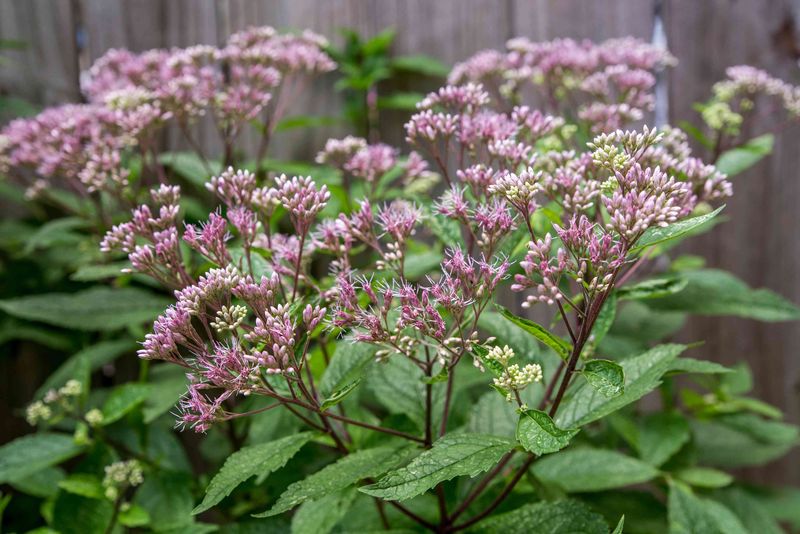
Morning sunshine works almost like a wake-up call for better flowering on this plant, setting the tone for the whole day’s growth.
Joe Pye weed grows best with full sun, which usually means at least six hours of direct light daily, though a little afternoon shade can genuinely help containers survive through Ohio’s more intense hot spells in midsummer.
A dim, shaded corner often leads to floppy stems and noticeably fewer blooms overall, which directly translates into fewer butterfly visits throughout the season.
Turn the pot occasionally if one side starts leaning toward the light source, and avoid tucking the container behind taller patio furniture or nearby shrubs that could block essential sunlight.
Morning sun matters more than afternoon sun for this plant, so a spot facing east or south tends to outperform one facing north.
Containers placed too close to a wall or overhang often receive less light than a gardener initially assumes, so checking actual sun hours across a full day helps before committing to a permanent spot.
Getting the sun exposure right early in the season sets up stronger blooms and steadier pollinator visits for the rest of summer.
Water Needs Are Higher Than You Think
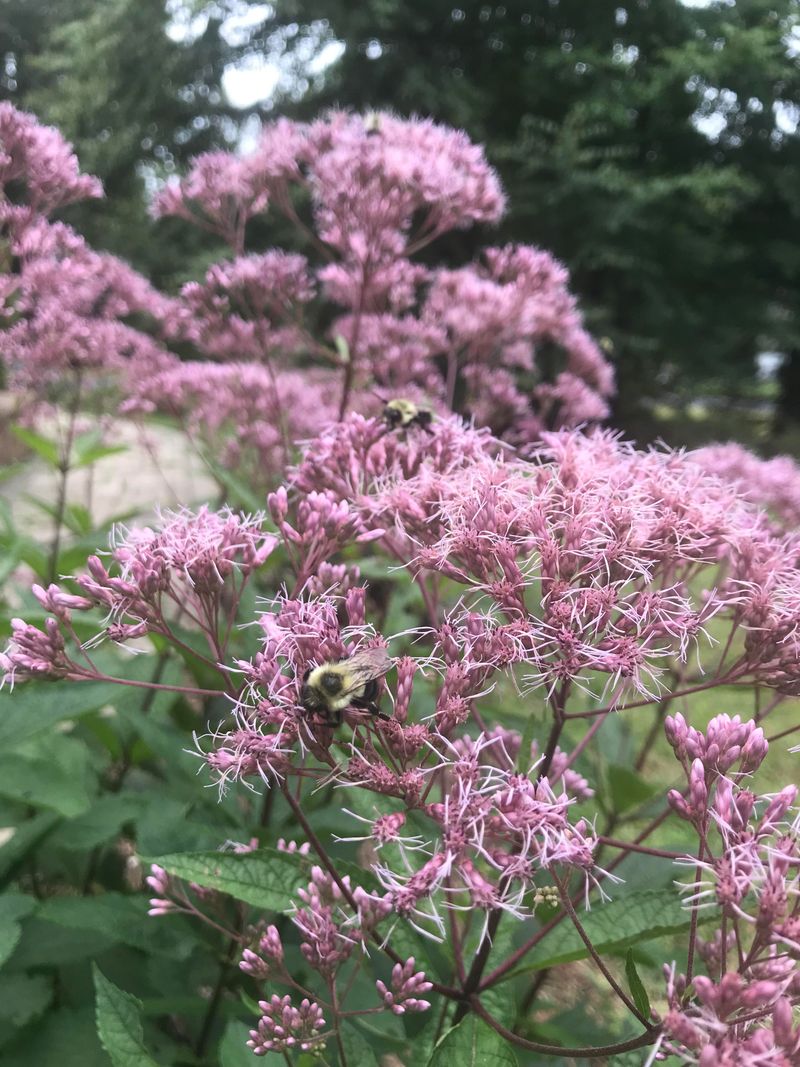
Here is the surprise that tends to catch many container gardeners off guard the first season they try this plant.
Compared with drought-tolerant patio favorites like succulents or lavender, Joe Pye weed needs considerably more regular watering, especially through summer, because containers dry out faster than garden soil.
Check the pot often during heat waves, sometimes daily, and water deeply once the top inch of soil starts to feel dry to the touch.
Mulch the surface lightly to help slow moisture loss, choose a roomy container that holds more soil volume than a small pot would, and never let the plant sit bone dry for extended periods of time.
Missing a single hot day of watering can visibly stress the plant, showing up as wilted leaves that may not fully recover even after a good soak.
Self-watering containers or a simple drip irrigation setup on a timer can take much of the guesswork out of this, particularly for gardeners who travel or forget daily chores easily.
Getting the watering routine right early in the season tends to make the rest of summer care noticeably easier and more forgiving.
Pair It With Other Native Nectar Plants
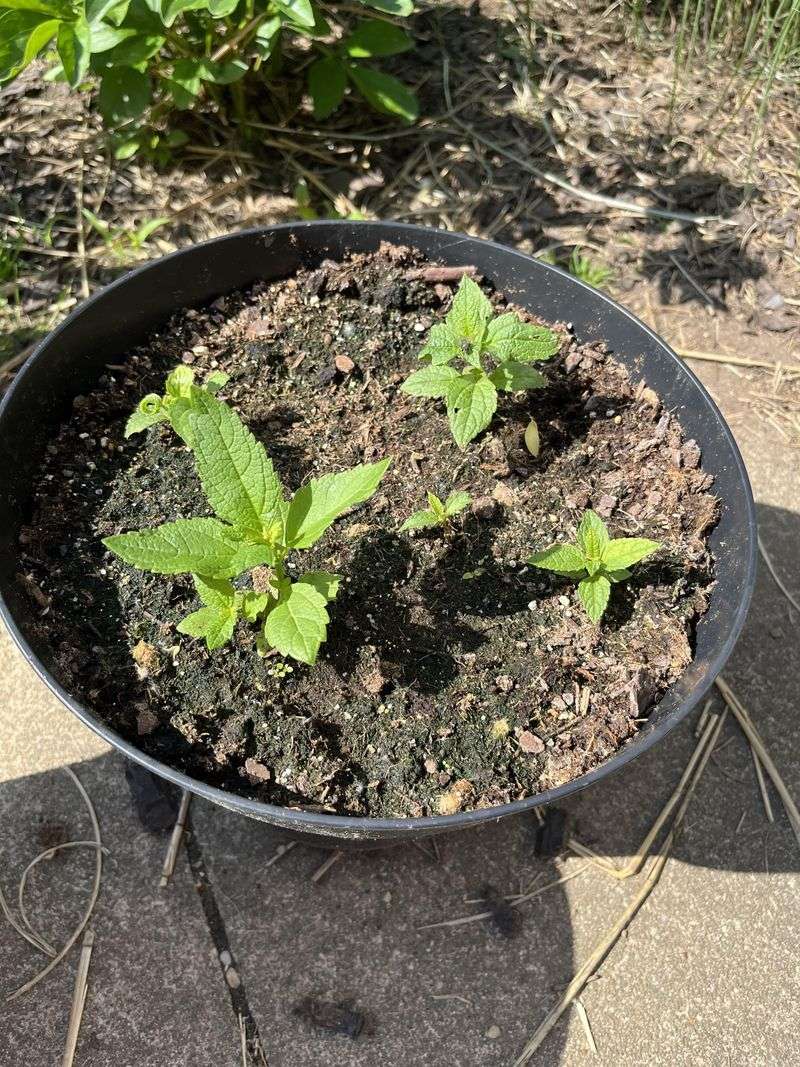
A lively patio planting can end up feeling like a tiny roadside meadow lifted up onto a deck or porch, full of movement and color throughout the day.
Joe Pye weed pairs well with other native nectar plants grown in containers, such as compact aster, coreopsis, or black-eyed Susan, helping butterflies find a steady food source across more weeks of the season than any single plant could provide alone.
Mix plants that share similar sun needs together, then give each one enough root room to actually thrive instead of cramming several species into one undersized pot.
Using several containers set at different heights creates a fuller, more layered look overall and makes pollinator activity considerably easier to spot and enjoy from a seated position nearby.
Staggering bloom times across the different plants extends the total nectar season, so something is usually flowering even as Joe Pye weed itself moves past its peak.
Grouping pots together rather than spacing them far apart also seems to help pollinators locate the whole planting more easily from a distance.
A thoughtfully paired container garden can realistically keep butterflies visiting a patio from early summer clear through the first frost in fall.
Skip The Trimming Late In Season
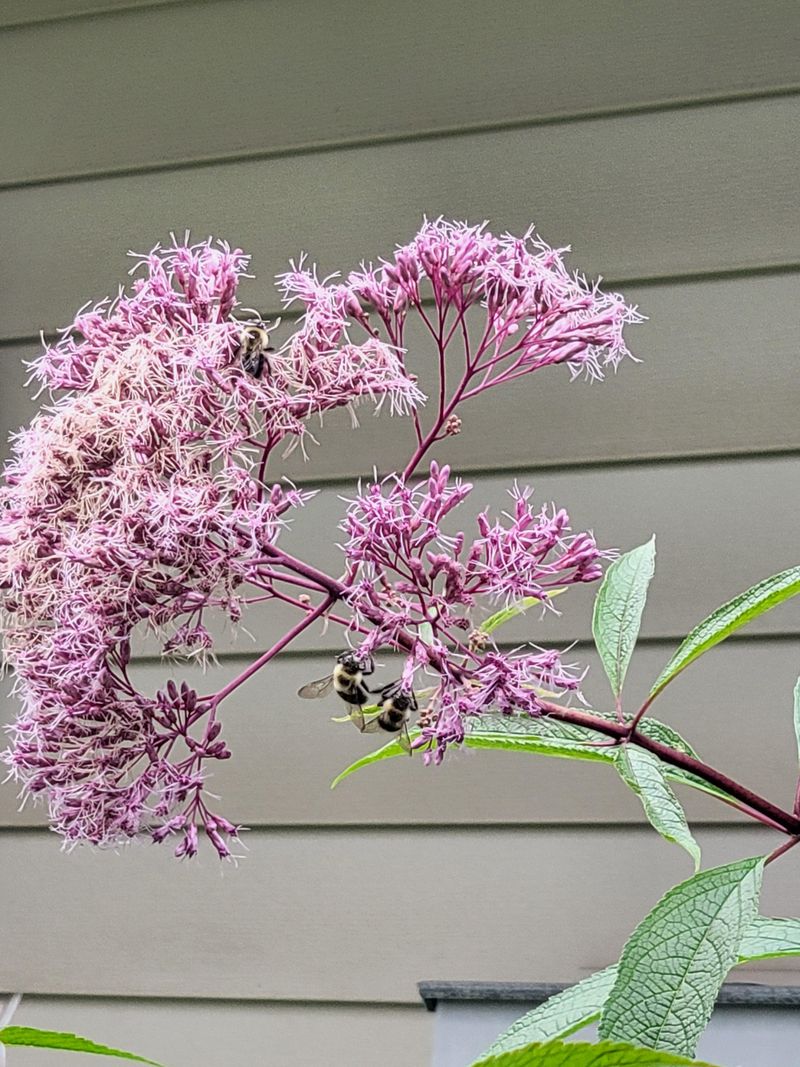
Late in the season, a little messiness can actually turn out to be useful rather than something to tidy away immediately.
Instead of snipping every faded flower head the moment it browns, leave some Joe Pye weed seed heads in place, since they can add real winter interest and offer genuine value for wildlife once the main blooming period slows down for the year.
Butterflies need nectar first and foremost during the growing season, but birds and small creatures benefit later from a slightly less tidy patio left standing through the colder months.
Keep watering the plant until frost arrives if it stays visibly active, then cut the stems back in late winter or early spring the following year rather than in fall.
Goldfinches and other small birds often work through the dried seed heads during the leaner winter months, adding one more small benefit to leaving things standing.
The dried flower structure also holds up reasonably well through light snow, giving the patio a bit of visual interest even in the quieter winter months.
Resisting the urge to fully clean up in October ultimately pays off the following spring, when a slightly later cutback still leaves plenty of time for fresh growth to emerge.