Why Michigan Orchards And Fruit Trees Attract So Many Yellowjackets In September
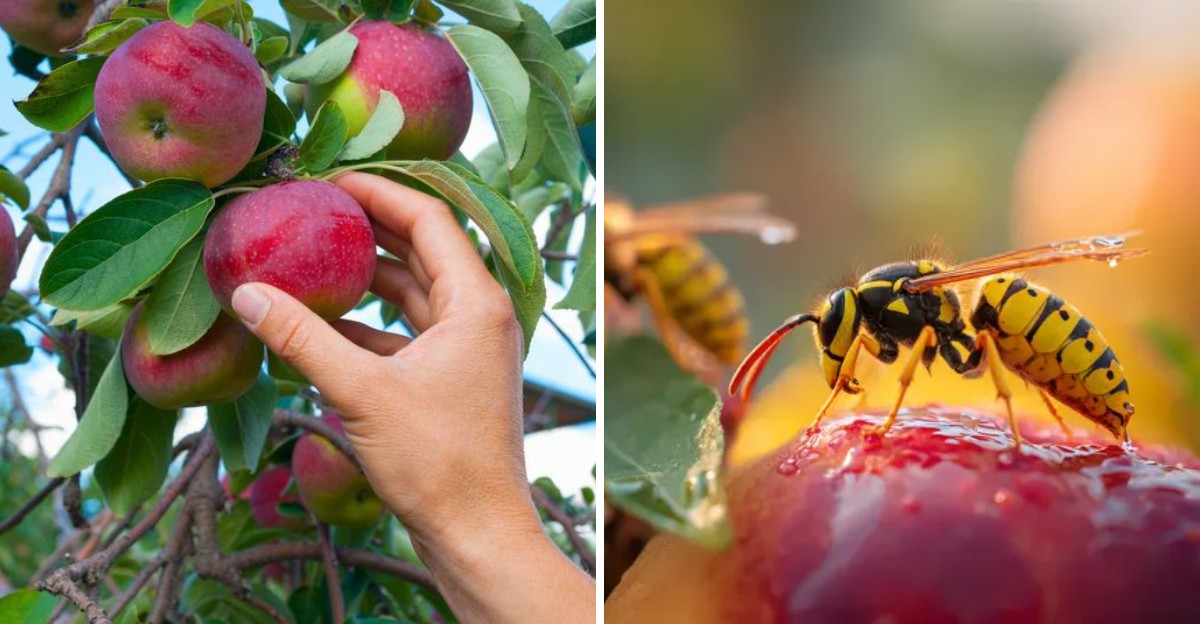
Orchards and fruit trees become a magnet for yellowjackets in Michigan every September, and the timing lines up perfectly with both the insects’ seasonal needs and the fruit’s ripening cycle.
As yellowjacket colonies reach their peak size late in the season, workers require far more food to sustain the group, right as fallen and overripe fruit becomes widely available on the ground beneath trees.
The sugary juice from split or rotting fruit is especially appealing, providing a concentrated, easy-to-access food source that natural flowers can no longer match this late in the year.
This overlap often leads to noticeably more yellowjacket activity around orchards compared to other parts of a property.
Understanding this seasonal overlap helps explain why fruit trees see such a spike in yellowjacket visitors as September rolls on.
1. Ripe Fruit Provides The Sugar They Need
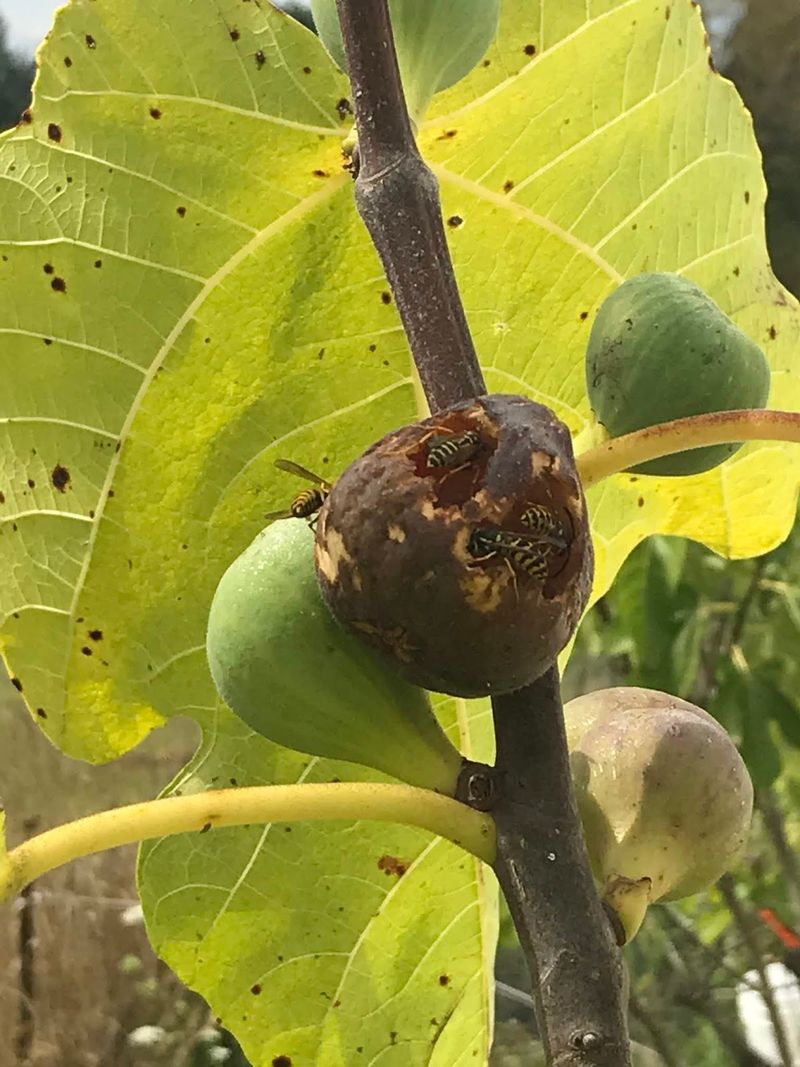
Sweet, juicy fruit is basically candy for a yellowjacket. As Michigan apples, pears, plums, and peaches ripen in September, they fill up with natural sugars that these insects crave.
That sugar gives them quick energy, and they can smell it from surprisingly far away. Late in the season, adult yellowjackets shift their diet.
Earlier in summer they hunt insects to feed their young, but by fall the colony needs carbohydrates more than protein. Ripe fruit hanging on your trees becomes the perfect snack bar.
The riper the fruit gets, the stronger the scent it gives off. A peach that feels soft and smells sugary is practically sending out an invitation.
Yellowjackets follow that scent trail straight to your orchard, sometimes gathering in large numbers on the sunniest side of a tree.
You can slow this down by picking fruit as soon as it reaches peak ripeness. Fruit left hanging too long turns into an open buffet. Checking your trees every couple of days during September helps you stay ahead of the crowd.
Storing harvested fruit indoors or in sealed containers also cuts down on tempting smells drifting through the yard. If you leave baskets of apples sitting outside, expect visitors within hours. Think of ripe fruit as a glowing sign that says the kitchen is open.
The sugar these trees produce is exactly what yellowjackets are searching for, so timing your harvest wisely makes a real difference in keeping their numbers down around your property.
2. Fallen Fruit Creates A Feeding Ground
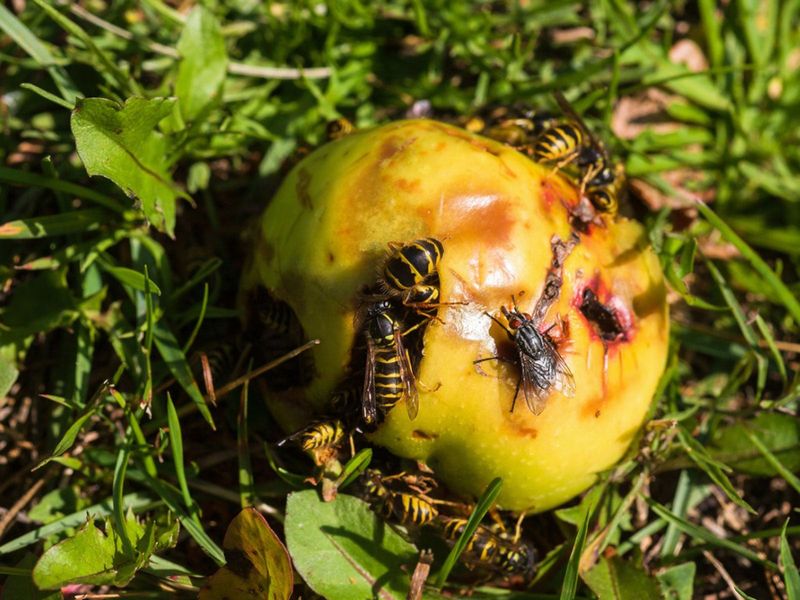
Take a walk under any Michigan fruit tree in September and you will probably spot fruit lying in the grass.
That fallen fruit becomes a magnet for yellowjackets almost overnight. Once it hits the ground, the soft skin breaks open and the sugary insides are exposed.
As fruit breaks down and ferments, it produces odors and compounds that can attract yellowjackets. To them, that odor is like a dinner bell ringing across the yard.
Ground-level fruit is also easier to reach than fruit way up in the branches. A whole cluster of insects can settle on a single mushy apple and feed for hours without any effort. The more fruit that drops, the bigger the gathering grows.
Your Michigan Garden Changes Every Week. Your Plan Should Too.
Gardening in Michigan changes quickly throughout the season. Every Friday you’ll receive a simple weekly plan showing exactly what to plant, prune, fertilize, harvest, and protect so you never miss the right timing.
Damp, shaded spots make things worse because fruit breaks down faster there. A pile of forgotten pears in a corner of the orchard can turn into a busy feeding zone in just a day or two.
Raking up and removing fallen fruit is one of the smartest habits you can build during harvest season. Remove fallen fruit and place it in a sealed container or properly managed compost. Do this a few times a week and you take away a huge food source.
Clearing the ground not only reduces buzzing visitors but also keeps your orchard tidy and healthier. Rotting fruit invites other pests too, so a quick cleanup routine pays off in more ways than one during these busy fall weeks.
3. September Is Peak Yellowjacket Season
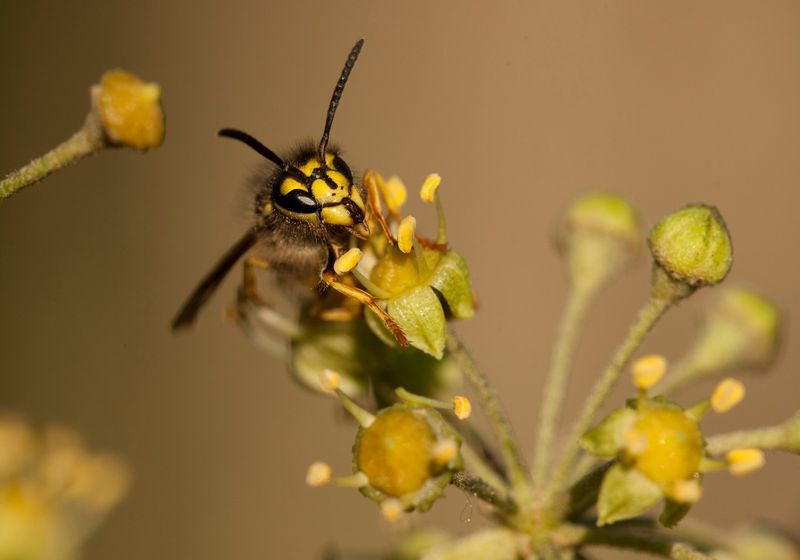
Timing plays a huge role in why you notice so many yellowjackets in fall. Colonies that started small back in spring have been growing all summer long. By September, a single nest can hold thousands of workers.
With that many mouths to feed, the pressure to find food is intense. More workers means more scouts flying out in every direction, searching for anything sweet or filling. Your orchard sits right in their path.
Another reason numbers peak now is that the colony’s normal routine is changing. Earlier in the year, workers focused on raising young. As the season winds down, they have extra time and energy to roam farther and feed on sugary treats.
Warm September afternoons keep them active and hungry. Michigan often enjoys mild, sunny fall days, and those conditions let yellowjackets stay busy from morning until evening. Cooler mornings slow them slightly, but midday brings them out in force.
This surge does not last forever. Once temperatures drop steadily and frost arrives, colonies naturally fade and activity winds down. That means the heavy buzzing you see now is a temporary part of the season.
Understanding this pattern helps you plan. If you know late summer and early fall bring the biggest crowds, you can schedule outdoor projects and harvest work around them.
Being patient and staying alert during these few weeks makes the whole season easier, since nature will quiet things down on its own before long.
4. They Are Not Always The Original Cause Of Fruit Damage
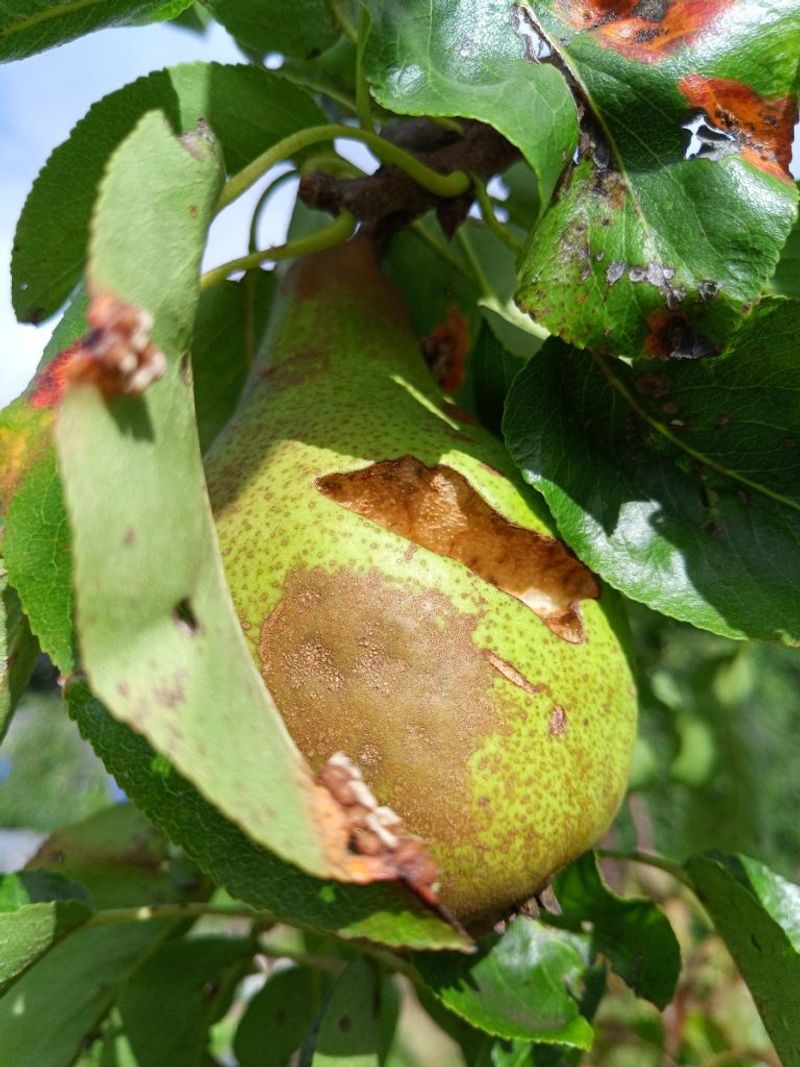
It is easy to blame yellowjackets when you see them all over your fruit, but they are often just the last guests at the party. In many cases, the fruit was already broken open before they ever arrived. They simply take advantage of an opening someone else made.
Birds, beetles, and larvae usually create the first wound. Once that skin is torn, the sweet juice inside becomes reachable, and yellowjackets swoop in to enjoy the free meal. They are opportunists more than troublemakers.
This matters because chasing away yellowjackets alone will not fix the real problem. If pests or diseases keep damaging your fruit, new openings will keep appearing and the insects will keep coming back.
Fungal issues like brown rot can also soften fruit and split the skin. That decay smells sweet and sour, which draws yellowjackets in without them causing any harm themselves. The rot was the true starting point.
When you inspect damaged fruit, look closely at the wound. Clean, chewed edges might point to caterpillars, while soft brown patches suggest disease. Tiny holes could mean boring insects were there first.
Figuring out the original cause helps you treat the right problem. You might need bird netting, better pest control, or improved airflow between branches to reduce moisture and rot.
Solving the root issue protects your harvest far better than focusing only on the buzzing crowd. Once the fruit stays whole and healthy, yellowjackets lose their easy access and naturally lose interest in your trees.
5. Damaged Fruit Attracts Them Faster
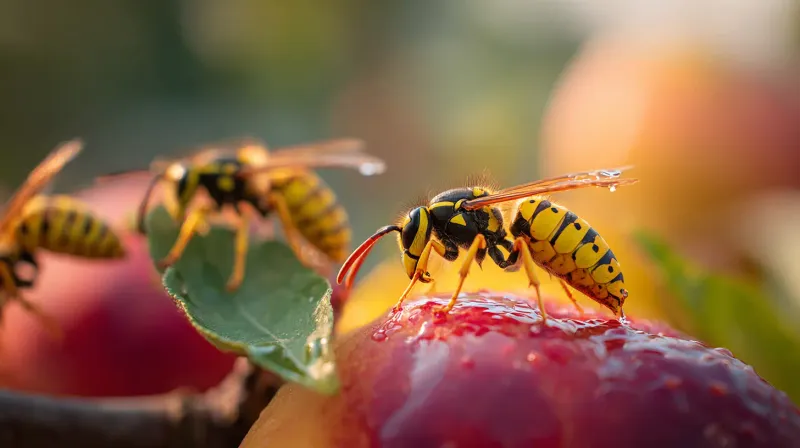
A perfectly smooth apple is harder for a yellowjacket to open than one that already has a crack in it. Fruit with splits, bruises, or bird pecks gives these insects an easy entrance to the sweet part inside.
That is why damaged fruit disappears under a swarm so quickly. Broken skin lets sugary juice leak out and spread its scent into the air.
The stronger the smell, the faster yellowjackets find it. A single pecked pear can draw a small crowd within minutes on a warm afternoon.
Insects like beetles and moths sometimes chew holes in fruit, and birds often take a bite and move on. Those small injuries turn healthy fruit into an open target. Once the surface is broken, the sugars are right there for the taking.
Hail and heavy rain can bruise fruit too, especially thin-skinned varieties like plums. Bruised spots soften and start breaking down, releasing exactly the aromas that pull yellowjackets in.
You can lower this risk by protecting your trees. Netting keeps birds away, and regular checks help you spot pest problems early. Removing damaged fruit before it draws attention makes a noticeable difference.
Picking bruised or cracked pieces first, rather than leaving them to leak and ferment, keeps the feeding frenzy from building.
Handle fruit gently during harvest too, since fresh bruises can attract visitors even after picking. A little care with damaged fruit keeps your orchard calmer and your harvest more pleasant through the busy fall weeks.
6. Orchard Cleanup Can Reduce Activity
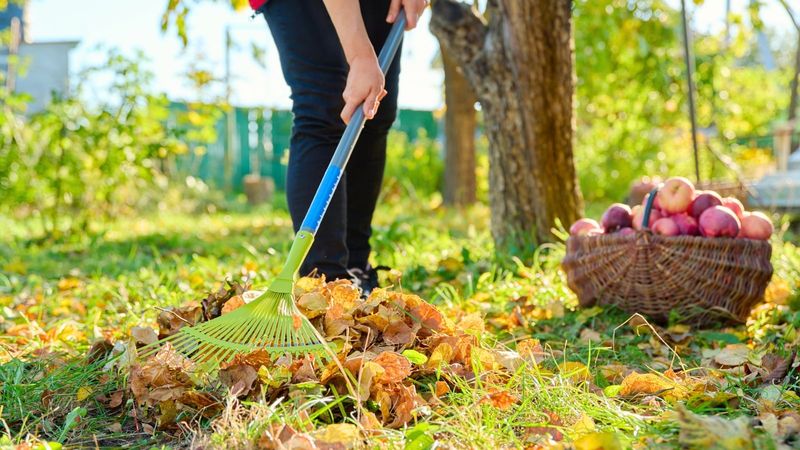
A clean orchard is a quiet orchard. When you remove the food sources that draw yellowjackets, they have far less reason to hang around. Simple cleanup habits can shrink their numbers dramatically during harvest time.
Start with the fruit still on your trees. Picking crops as soon as they ripen keeps sugary snacks from lingering where insects can reach them. Fruit left hanging too long only invites more visitors.
Next comes the ground. Rake up windfalls regularly and clear away anything soft, cracked, or beginning to break down. Even a few pieces left behind can keep a small crowd interested.
Where you put that fruit matters too. Sealed bins or buried piles work far better than an open heap near your trees. An exposed mound of fruit basically becomes another feeding station.
Try to make cleanup a routine rather than a one-time job. A quick walk through the orchard every couple of days lets you catch new drops before they ferment and start smelling sweet.
Trimming branches so fruit is easier to reach also helps you harvest quickly and completely. Fruit hidden in thick, tangled limbs often gets missed and later falls, feeding the very insects you want gone.
Consistency is the real secret here. One big cleanup helps, but steady attention throughout September keeps food sources low the entire month.
Keeping things tidy protects your fruit, your comfort, and your enjoyment of the harvest. A little effort each week goes a long way toward a calmer, more pleasant orchard experience.
7. Compost And Trash Can Add To The Problem
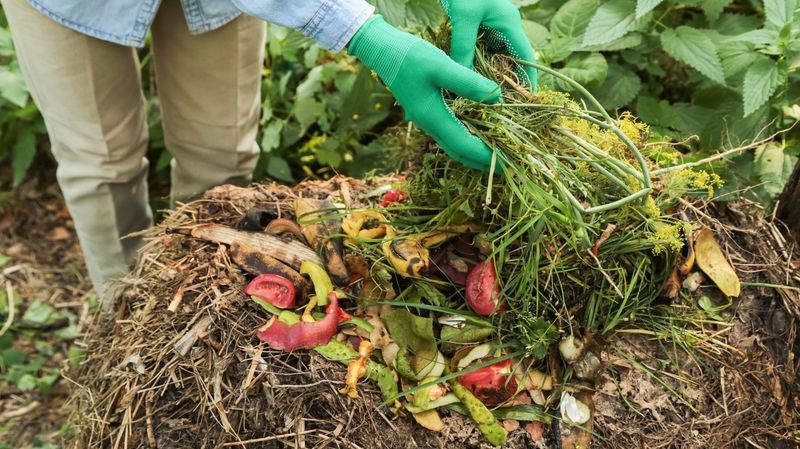
Your orchard is not the only thing feeding yellowjackets in September. Compost piles, garbage cans, and food scraps around your yard can be just as tempting. These insects love easy access to both sugar and protein, and trash offers plenty of both.
An open compost bin full of fruit peels and vegetable scraps smells like a feast. As those scraps break down, they release sweet and sour odors that carry across the yard and pull yellowjackets right in.
Garbage cans hold similar attractions, especially if the lids do not seal well. Leftover meat, soda cans, and sticky wrappers give these insects the protein and sugar they are searching for late in the season.
Even a spilled drink or a forgotten plate on the patio can spark a gathering. Yellowjackets remember good food sources and return to them again and again once they find a reliable spot.
Keeping lids tightly closed on both trash and compost makes a big difference. Rinse out recyclables before tossing them, and avoid leaving food waste sitting in the open air.
You can also move compost bins farther from your fruit trees and seating areas. Putting distance between food sources and where you work or relax reduces overlap and keeps the buzzing away from you.
Turning compost regularly and covering fresh scraps with dry leaves cuts down on smells too. Handling waste carefully removes hidden buffets you might not even realize were there, making your whole yard far less appealing to hungry fall visitors.
8. Protect Yourself During Harvest
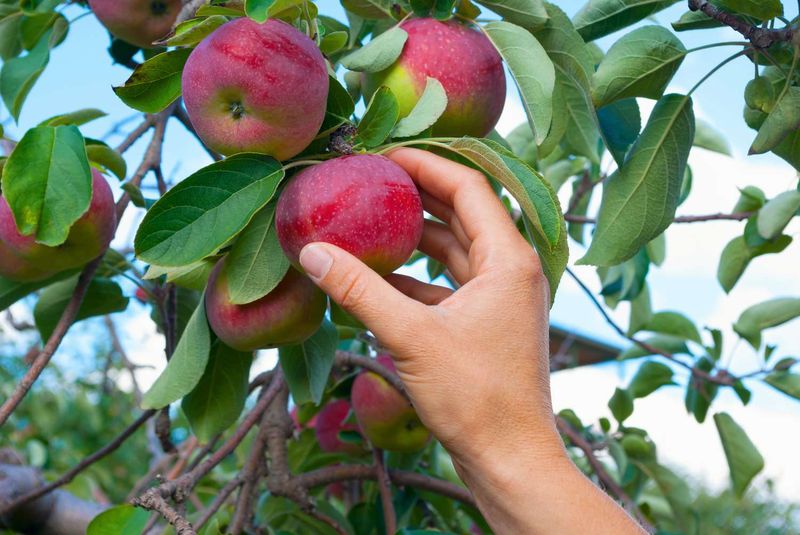
Harvest season should feel rewarding, not stressful. With yellowjackets active in September, a few smart habits keep picking safe and comfortable. A little caution lets you enjoy your fruit without worry.
Before you grab any piece of fruit, take a quick look at it. Insects often tuck themselves into soft or damaged spots, and a surprise encounter happens when you reach without checking. A glance first saves you a lot of trouble.
Clothing helps too. Long sleeves, gloves, and closed shoes give you an extra layer of protection while you work. On busy days, this simple step lets you move through the trees with confidence.
Timing your harvest wisely also pays off. Yellowjackets are calmest during cool early mornings and slow down again in the evening. Picking during these quieter hours means fewer insects buzzing around your basket.
Stay alert near any spot with heavy activity, like a cluster of fallen fruit or a hidden nest in the ground. Give those areas plenty of room and avoid sudden movements that might startle the insects.
Sweet drinks and open snacks attract attention fast, so keep them covered while you work outdoors. An unattended soda can quickly become a gathering point.
Move calmly and gently rather than swatting, since quick motions tend to make yellowjackets more defensive. Slow, steady handling keeps everyone relaxed.
Following these easy steps lets you gather your Michigan fruit safely and enjoy the best part of fall. A thoughtful approach turns harvest time into the pleasant tradition it should be.