Why You Might See More Rattlesnakes Moving Around Texas In Early Fall
Texas finally exhales in early fall, trading blistering afternoons for mornings that feel almost polite and breezy. Everybody heads back outside again, boots crunching through dry grass, dusty caliche, and crisp fallen mesquite leaves.
The trouble is that people are not the only Texans quietly celebrating this glorious autumn cooldown. Certain long, patient neighbors have waited underground all summer for exactly this kind of weather.
They have appointments to keep, meals to catch, and winter addresses that must be located soon. All of that busy business happens right about when you decide to hike, hunt, or garden.
September and October bring more crossings, more coils tucked in shade, and more startled hollering across pastures. Consider it Texas charging a small admission fee for the first pleasant weekend of the year.
1. Cooler Temperatures Nudge Them Out Of Hiding
September in Texas feels like somebody finally turned the oven down a couple of merciful notches. Cold-blooded animals notice that shift long before folks trade their shorts for flannel shirts.
Summer heat actually forces these reptiles underground, because surface temperatures above one hundred degrees are dangerous for them. They spend July hiding in burrows, rock cracks, and shady brush until evening cools things off.
Once daytime highs settle into the eighties, that same ground becomes comfortable rather than punishing. Snakes that were basically invisible for weeks start cruising fencelines, trails, and pasture edges again.
Hikers often assume autumn means fewer encounters, but the opposite happens across most of the state. Activity peaks when conditions feel pleasant to us, since those conditions feel pleasant to reptiles too.
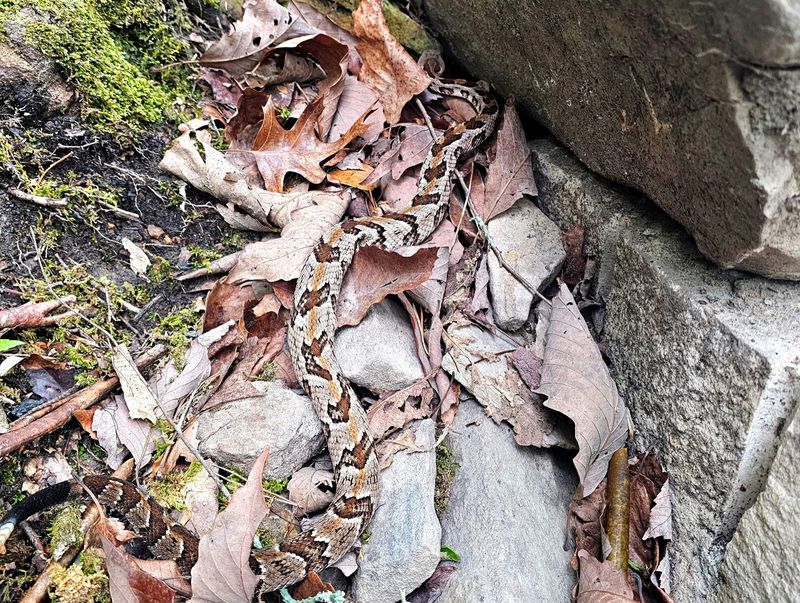
Watch your step near woodpiles, stacked lumber, and the shady side of buildings during this stretch. Those spots hold steady warmth in the morning and attract animals looking for an easy basking seat.
Boots with solid ankle coverage make sense for yard work now, even if summer sandals were fine. A cheap flashlight helps too, because evening chores stretch into darker hours as October arrives.
Texas parks staff report more sightings each fall, and the pattern repeats year after year. Pleasant weather simply brings everybody outdoors, including the residents with scales and a bad attitude.
Treat mild mornings as prime viewing hours and scan ahead before reaching into leaf piles. A few seconds of looking saves a whole lot of hollering later.
2. Mating Season Sends Males On Long Hikes
Male western diamondbacks turn into wanderers once autumn arrives, covering ground they usually ignore. Romance, it turns out, is a powerful motivator for an animal with no legs.
Breeding activity picks up in late summer and early fall across much of Texas. Males follow scent trails left by females, sometimes traveling a mile or more in a week.
That travel takes them across roads, driveways, backyards, and the occasional soccer field. A snake on the move is far more likely to be spotted than one coiled under a log.
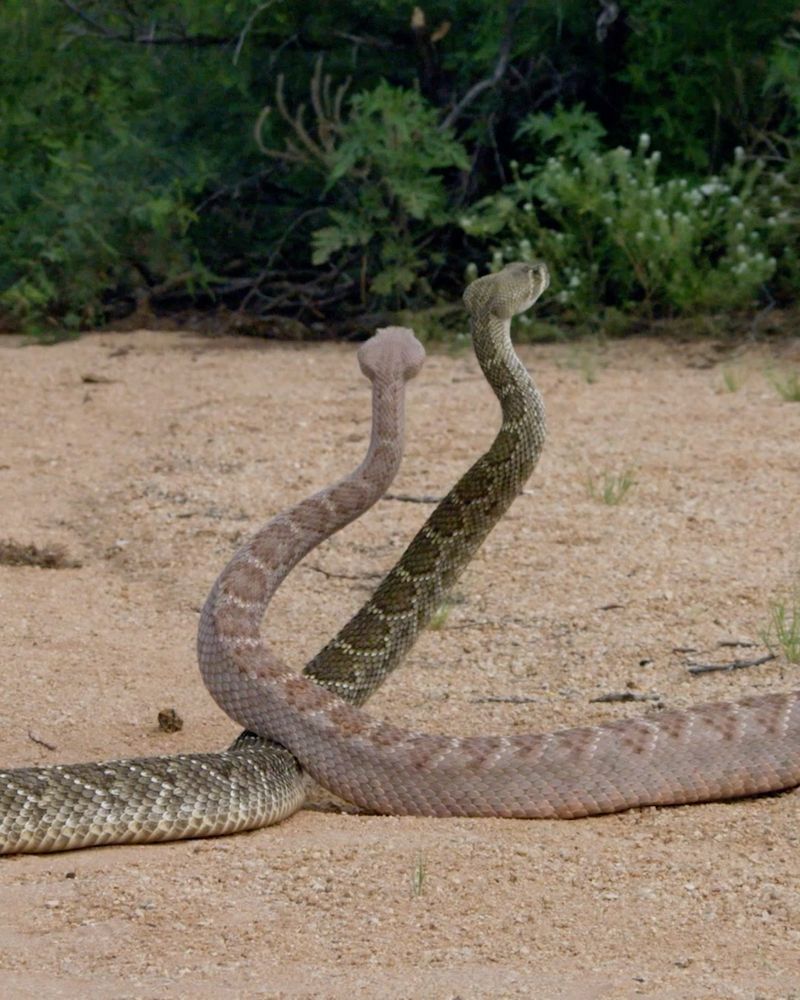
Two rival males may perform a ritual wrestling match sometimes called a dominance dance, rearing up and shoving each other. Nobody gets hurt, but the sight has startled plenty of ranchers into dropping their coffee.
Your Texas Garden Changes Every Week. Your Plan Should Too.
Gardening in Texas changes quickly throughout the season. Every Friday you’ll receive a simple weekly plan showing exactly what to plant, prune, fertilize, harvest, and protect so you never miss the right timing.
Distracted animals take more risks, so a roaming male might ignore cover that normally keeps him hidden. He is focused on scent, not on the person walking a dog fifty feet away.
Keep dogs leashed on trails during September and October, since curious noses find trouble quickly. Training your pet to avoid snakes is worth the money if you live near open country.
Around the house, close gaps under gates and check garage doors after dark. A traveling male will follow a wall until he finds an opening, and then he investigates.
Give any moving snake a wide berth and let him continue his journey. He has a date somewhere and honestly wants nothing to do with your patio furniture.
3. Prey Movement Pulls Them Toward New Ground
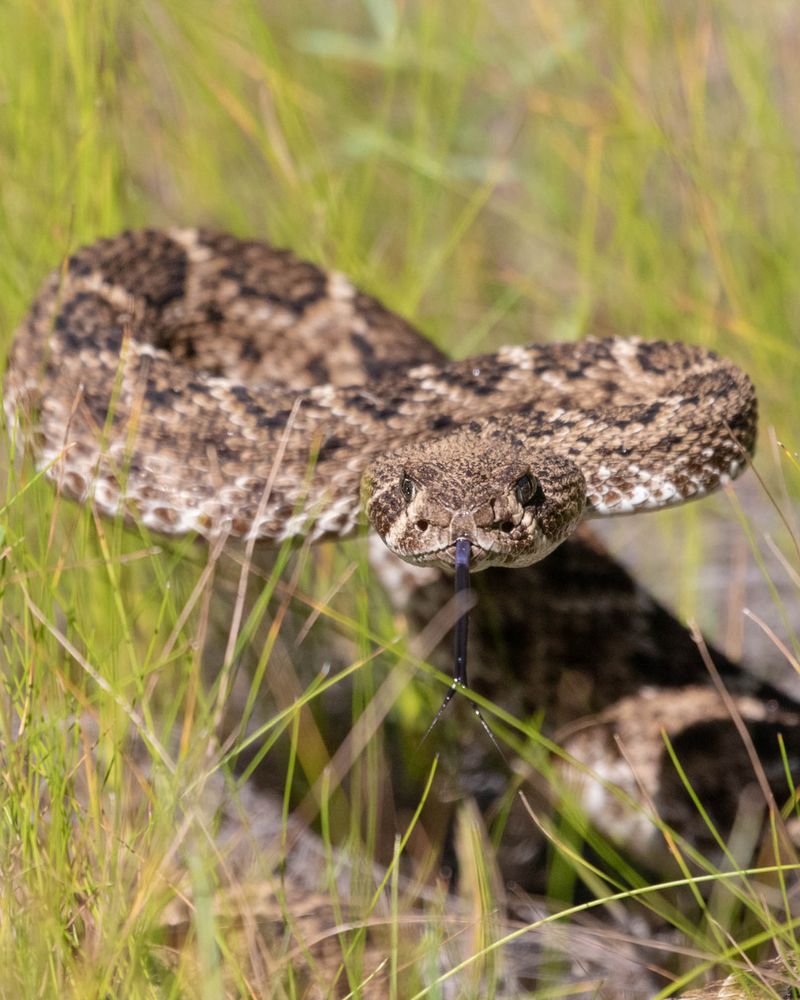
Follow the mice and you will find the snakes, as old-timers in West Texas like to say. Fall shifts the rodent population, and predators shift right along with it.
Harvest season clears grain fields, sending rats and mice hunting for fresh shelter and food. Barns, sheds, and feed rooms suddenly look like five-star hotels to a hungry rodent.
Snakes read that buffet clearly, following scent trails straight toward the same buildings. A pile of spilled birdseed can bring in more visitors than any homeowner expects.
Cotton and grain harvests across the High Plains reliably push wildlife into new territory each autumn. Ground squirrels and cottontails also move, giving larger snakes plenty of reasons to relocate.
Storing feed in metal cans with tight lids removes the main attraction quickly. Cleaning up fallen fruit and sweeping seed hulls under bird feeders helps just as much.
Tall grass along fences gives rodents a safe highway, and predators patrol those same routes. Mowing a wide strip around your buildings makes the area far less inviting.
Check tack rooms, hay stacks, and chicken coops carefully before reaching into dark corners. Eggs attract rodents, rodents attract hunters, and the chain reaction surprises new poultry keepers every year.
Fixing your rodent problem usually fixes the other problem without anyone touching a shovel. Fewer mice means fewer reasons for a hungry visitor to stick around your porch.
Fun fact: a single diamondback can go weeks between meals when hunting goes well. Big autumn meals help them survive the slow, chilly months ahead underground.
4. Shorter Days Shift Their Activity To Daylight
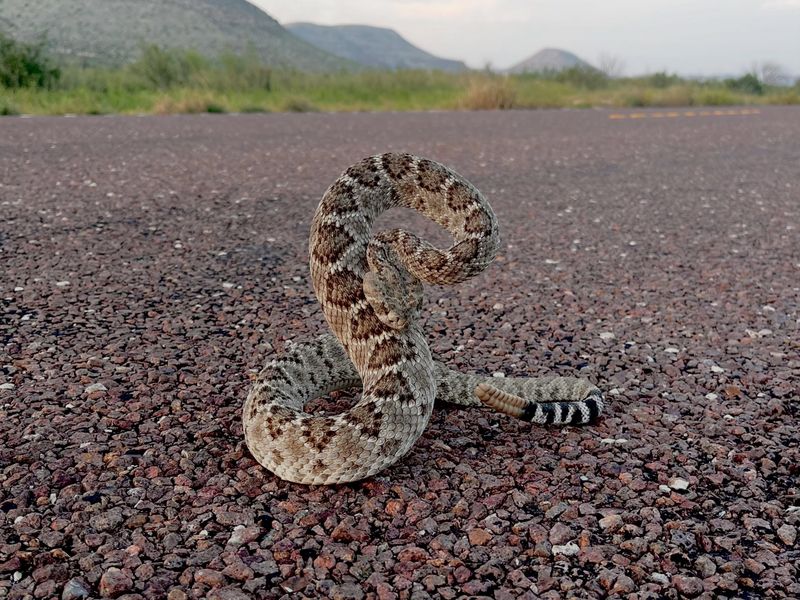
Summer heat turns most Texas rattlesnakes into night owls, hunting after sundown when the sand cools. Autumn flips that schedule, and the change catches plenty of people off guard.
Once nights drop into the fifties, darkness becomes too chilly for comfortable movement. Snakes respond by hunting and basking during midmorning and late afternoon instead.
Daytime activity overlaps neatly with hiking, hunting, gardening, and kids playing in the yard. More shared hours means more sightings, even when the actual snake population stays the same.
Dove hunters walking sunflower fields in September run into this overlap constantly. So do trail runners enjoying the first cool Saturday of the season in Hill Country.
Morning basking spots include gravel paths, flat rocks, concrete slabs, and south-facing slopes. Scan those surfaces before sitting down for a water break or a photo.
Sunglasses with good contrast help, since a coiled diamondback blends into dry grass remarkably well. Many people walk past one without noticing, which is usually fine for everybody involved.
Carry a hiking stick and tap ahead when the trail narrows through thick brush. Vibration gives a resting snake a warning, and most will quietly slip away first.
Ranch workers often notice more sightings during those midmorning hours in October, right when most chores and dog walks happen.
Treat pleasant fall mornings with the same respect you give summer nights. The schedule changed, but the neighbors did not move out of the neighborhood.
5. Denning Instincts Draw Them Toward Rocky Slopes
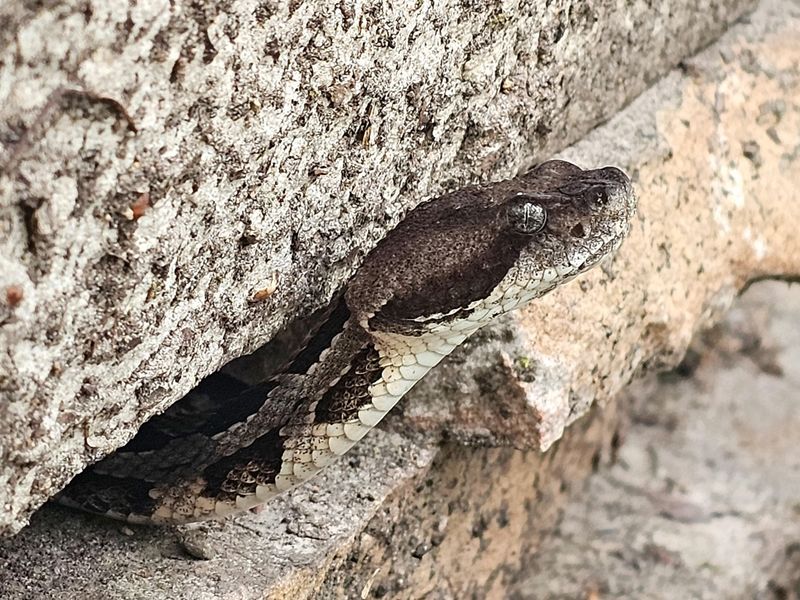
Rattlesnakes head home for winter, and home often means a rocky crevice used for generations. Some dens in West Texas have sheltered the same snake families for many decades.
Fall migration toward those dens can stretch a mile or more in rugged country. Snakes follow ridgelines, dry creek beds, and rock outcrops on the way.
Anything that resembles a den gets investigated along the route, including foundation cracks. Storm cellars, crawl spaces, and stacked stone walls all pass the inspection easily.
Seal gaps wider than a quarter inch around pipes, vents, and door thresholds. Hardware cloth with quarter-inch mesh works better than screen for covering foundation openings.
Rock landscaping looks sharp, but loose stacked stone creates ideal shelter near the front walk. Mortared rock or tightly fitted blocks give far fewer hiding pockets.
Several snakes may share one den, which explains reports of multiple sightings in a single area. Finding two in a week does not mean your property has become overrun.
Woodpiles deserve special attention, so stack firewood on a rack off the ground. Move logs with gloves and a tool rather than bare hands during autumn.
Did you know some populations return to the exact same crevice every single winter? Tracking studies in Texas and New Mexico have confirmed that loyalty again and again.
Check your shed doors and garage seals before the first real cold front hits. Nobody wants a surprise roommate greeting them near the lawn mower.
6. Autumn Rainfall Changes The Routes They Travel
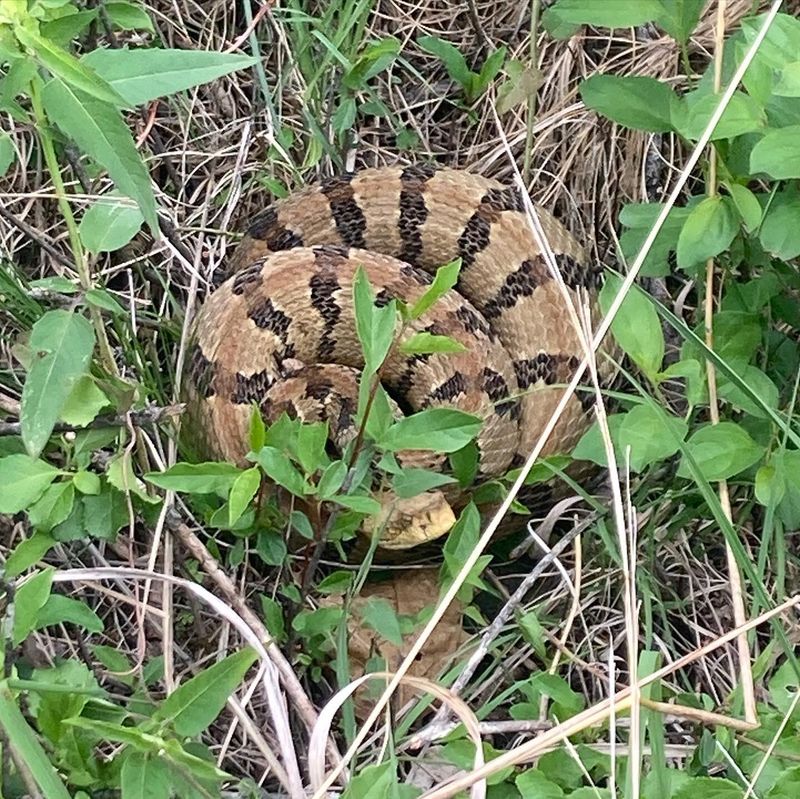
A good fall rain smells wonderful and changes the landscape faster than any calendar page. Water reshapes where wildlife walks, hides, and hunts within a single afternoon.
Heavy storms flood burrows, forcing rodents and reptiles alike onto higher, drier ground. Suddenly a snake that lived in a creek bottom is crossing your driveway.
Texas gets its second wet season in September and October, especially after tropical systems. Those rains push wildlife into yards, garages, and barns along swollen waterways.
Debris piles left by runoff make excellent temporary shelter beside fences and culverts. Clear that brush promptly, wearing gloves and using a rake instead of hands.
Rain also triggers frog and toad activity, which attracts hungry predators of every kind. Wet weather essentially rings a dinner bell across the whole neighborhood.
After storms, check low spots in the yard where water pooled and then drained. Snakes often rest under wet plywood, tarps, and flowerpots while waiting for sunshine.
Keep gutters flowing and fill low ruts so standing water does not linger near the house. Dry ground attracts fewer insects, fewer frogs, and fewer things that eat them.
Flooded storage buildings deserve a careful look with a flashlight before you start hauling boxes. Stepping in blind after a storm is how most surprising stories begin.
Ranchers along the Brazos often notice more sightings in the days after a big rain, and some plan fence work around that pattern.
7. Newborn Snakes Spread Out Across Open Country
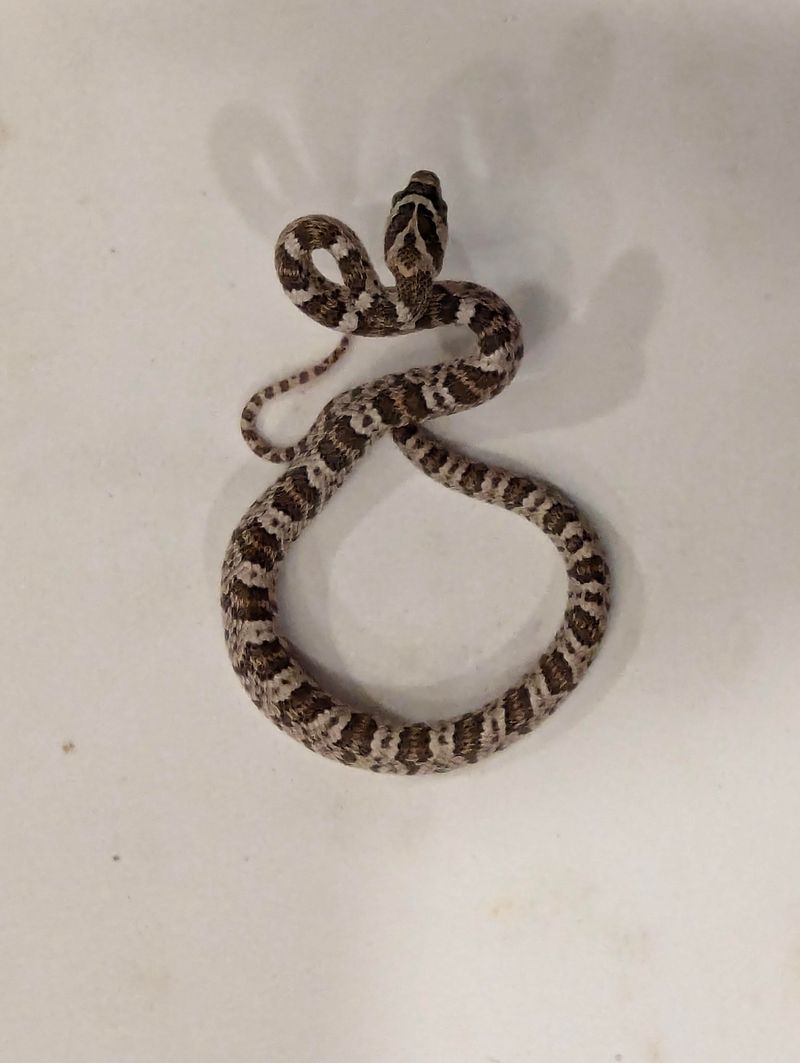
Baby rattlesnakes arrive in late summer, usually between August and early September in Texas. Within a few weeks, those tiny travelers scatter in every direction looking for territory.
A female may give birth to eight or more young in a single litter. Multiply that across a pasture, and fall suddenly feels crowded with small reptiles.
Young ones measure about ten inches and slip into places adults cannot reach. Garage corners, potted plants, and gaps beneath doors all become possible hiding spots.
Their rattles start as a single button, which makes almost no sound at all. Counting on a warning buzz is a poor strategy during September and October.
Small size does not mean harmless, and juveniles carry venom just like their parents. Treat every sighting with the same caution regardless of how cute it looks.
Kids and pets find these little ones first, usually while exploring somewhere interesting. Teach children to freeze, back away slowly, and go get an adult immediately.
Sweep porches, check shoes left outside, and shake out gloves before putting them on. Small habits prevent most close calls around the house during dispersal season.
Trim low shrubs and keep mulch beds tidy so hiding options shrink noticeably. Open, tidy spaces simply do not appeal to something the size of a pencil.
Most juveniles face long odds through their first winter, as predators and cold weather keep their numbers in check.
8. Warm Pavement Attracts Them After Sundown
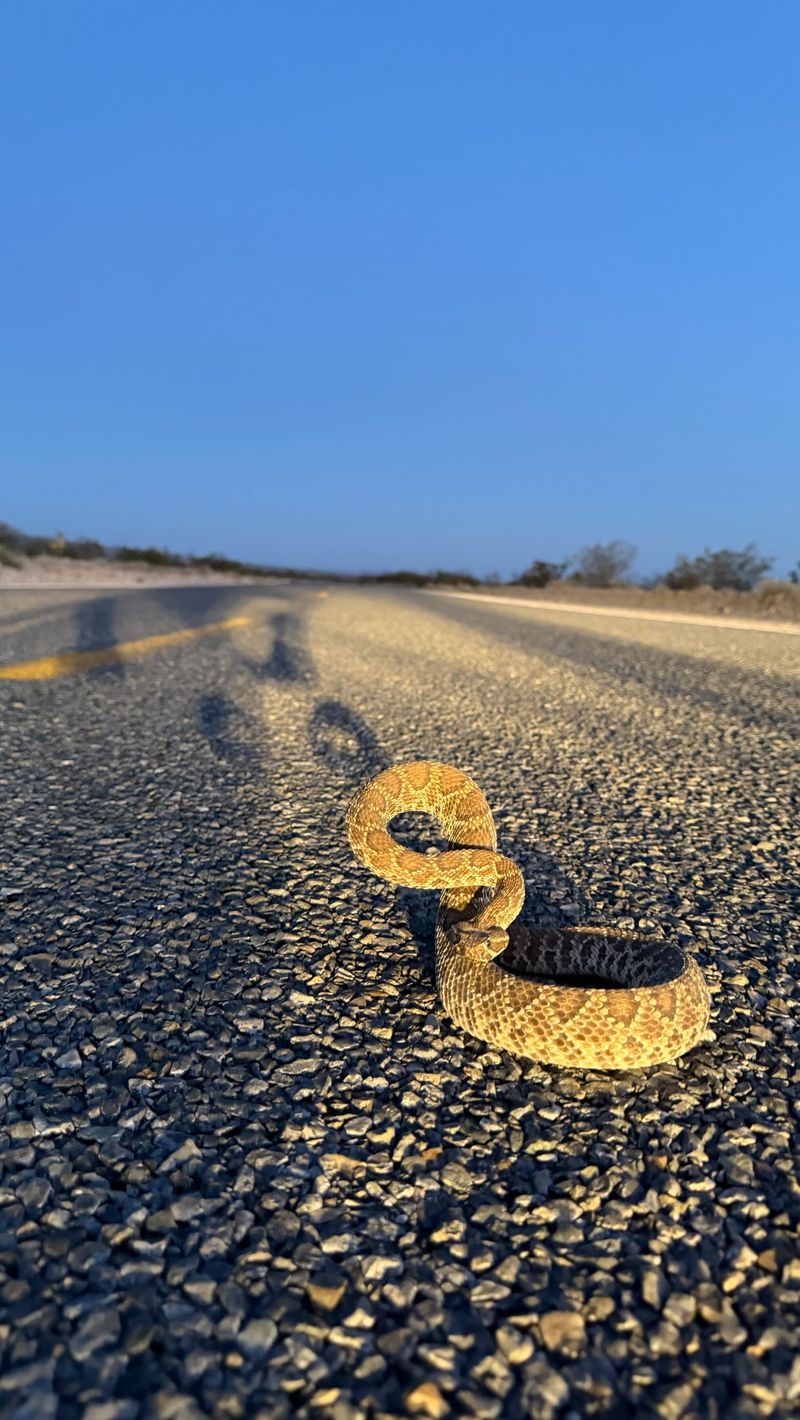
Asphalt works like a giant radiator, holding heat hours after the sun disappears. Cold-blooded animals figure that out quickly and treat roads as free heating pads.
October evenings cool fast in Texas, dropping twenty degrees within a couple of hours. A warm county road becomes the most comfortable spot for miles around.
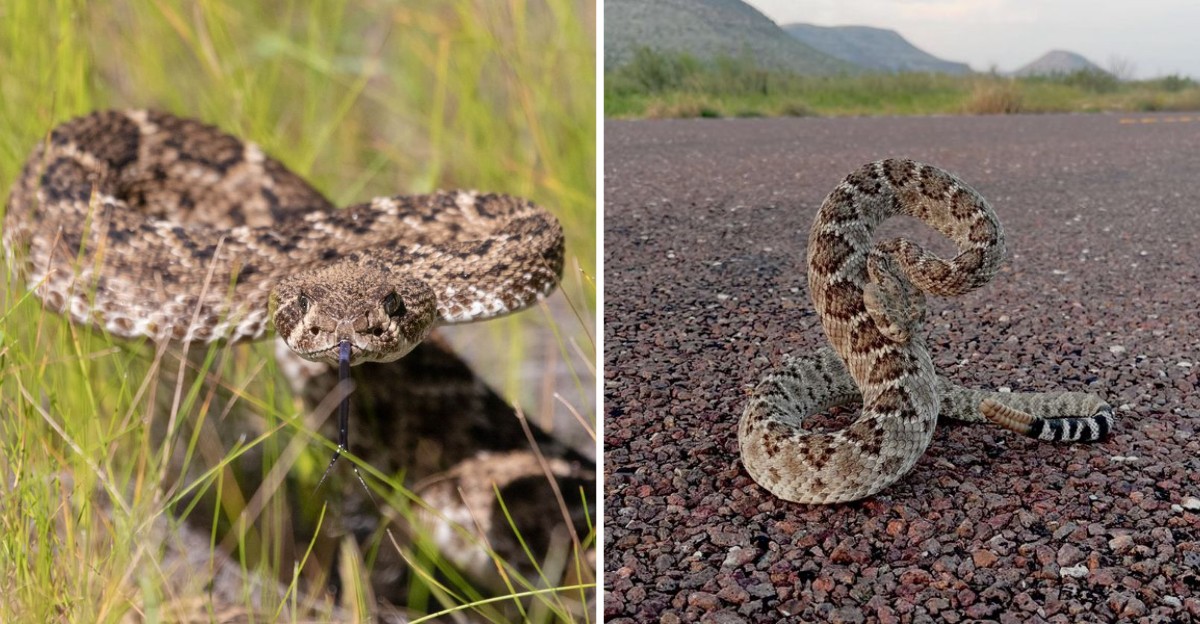
Drivers in the Hill Country and Big Bend region see this constantly during fall. Headlights reveal long shapes stretched across the centerline, soaking up leftover warmth.
Slow down on rural roads at dusk, especially where pavement borders rocky hillsides. A sudden swerve or hard brake for a snake on the road is often more dangerous than the snake itself.
Avoid moving one by hand or with a short stick from the pavement. That’s usually how a friendly rescue attempt turns into a snakebite emergency.
Walking a dog along a neighborhood street after dark deserves a flashlight in fall. Sidewalks and driveways hold warmth the same way highways do.
Motorcyclists face real risk, since a snake on asphalt is hard to see quickly. Riders in West Texas often plan fall routes around daylight for that reason.
Parking pads, patios, and pool decks act like small roads right beside your door. Glance down before stepping outside barefoot for one last look at the stars.
Counting sightings on back roads is a genuine hobby for Texas herpetologists each autumn. They call the practice road cruising, and October nights deliver their best numbers.
Keep porch bulbs bright and clear the walkway of clutter before evening chores. A well-lit path solves the problem before it ever becomes a problem.